How Can You Show Appreciation to Your Houseplants?
Appreciating houseplants is less about grand gestures and more about steady, sensible care. A plant does not understand affection like a pet, but it responds to better light, appropriate watering, fresh soil, clean leaves, and fewer sudden changes.
The best way to show appreciation is to observe before acting. Dry soil, leaning stems, yellow leaves, circling roots, pests, and new growth all tell you what the plant needs next.
What “Appreciation” Means for Houseplants
Appreciation means creating conditions close enough to a plant’s needs that it can grow without constant stress. It also means restraint: many houseplants are harmed by overwatering, overfeeding, frequent moving, or unnecessary repotting.
Plants Don’t Need Praise, But They Do Respond to Good Conditions
Talking to a plant, naming it, or celebrating a new leaf can make you more attentive, which may indirectly help. But the plant itself needs suitable light, oxygen around the roots, water at the right time, and a stable environment.
Instead of asking, “How can I make this plant feel loved today?” ask:
- Is the soil dry enough to water?
- Is the light appropriate?
- Are the leaves dusty or sticky?
- Are there signs of pests?
- Has heating, air conditioning, or placement changed?
Those small checks are practical appreciation.
Learn Each Plant’s Basic Preferences
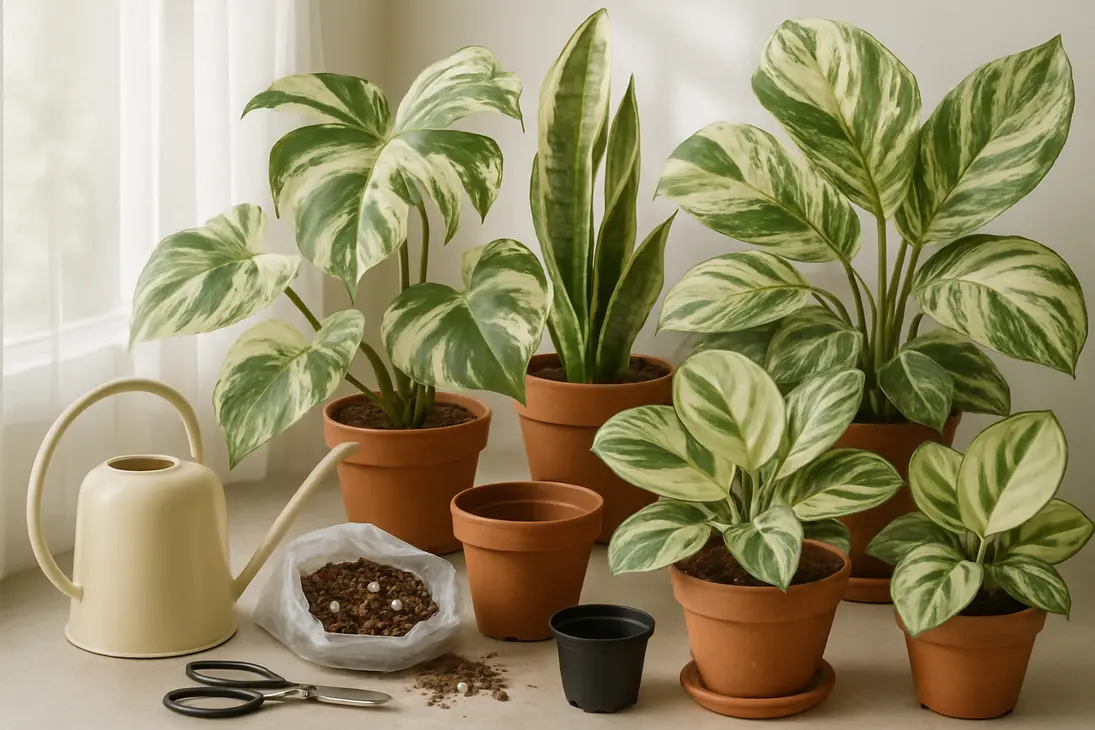
A snake plant, fern, orchid, pothos, jade plant, and calathea should not receive identical care. Some store water and prefer drying out. Others come from humid, shaded environments and dislike dry indoor air.
Learn three basics for each plant:
| Plant need | What to learn | Why it matters |
|---|---|---|
| Light | Low, medium, bright indirect, or direct sun | Affects growth, water use, color, and flowering |
| Water | How dry soil should get before watering | Prevents drought stress and root rot |
| Growth habit | Climbing, trailing, upright, rosette, bulb, succulent | Guides pruning, support, rotation, and repotting |
If you do not know the plant’s name, use an identification app as a starting point, then compare with reputable care advice and the plant’s actual response in your home.
Notice Signs of Stress Before They Become Problems
Plants often show stress gradually. One yellow older leaf may be normal. Several yellow leaves, soft stems, sour-smelling soil, or fungus gnats around wet potting mix suggest a problem.
Watch for:
- Wilting when soil is wet: possible root trouble.
- Crispy brown edges: low humidity, inconsistent watering, salt buildup, or too much sun.
- Leggy growth: often insufficient light.
- Leaning toward a window: uneven or inadequate light.
- Sticky residue, speckling, webbing, or cottony patches: possible pests.
Early attention is kinder than dramatic rescue work later.
Show Appreciation Through Daily and Weekly Care
Daily care does not mean daily watering. For many indoor plants, too much attention is the problem. Glance at plants often, but act only when conditions call for it.
Water Based on Soil Moisture, Not a Fixed Schedule
Watering every Saturday ignores the plant’s actual needs. Soil dries at different speeds depending on light, pot size, pot material, roots, season, temperature, humidity, and plant type.
A practical method:
- Touch the soil.
- Check below the surface.
- Lift the pot if you know its wet and dry weight.
- Water thoroughly only when that plant is ready.
- Let excess water drain away.
Many foliage plants like watering when the top portion of soil dries. Succulents and cacti usually need deeper drying. Moisture-loving plants may prefer more consistent moisture, but not soggy soil.
Avoid leaving most houseplants standing in water. Roots need oxygen, and constantly saturated mix can suffocate them.
Give Each Plant the Right Amount of Light
Light drives growth. In dim light, plants use water more slowly, so overwatering becomes easier. Growth may become pale, stretched, small, or stalled.
Useful examples:
- Bright indirect light: near an east window, set back from strong south or west sun, or behind a sheer curtain.
- Lower light tolerance: snake plant, ZZ plant, and some pothos can survive lower light, though growth may slow.
- More light-hungry plants: succulents, herbs, citrus, and flowering plants usually need brighter conditions.
If a plant is leaning, losing variegation, or making smaller leaves, the answer may be better light, not more water or fertilizer.
Keep Leaves Clean So They Can Photosynthesize
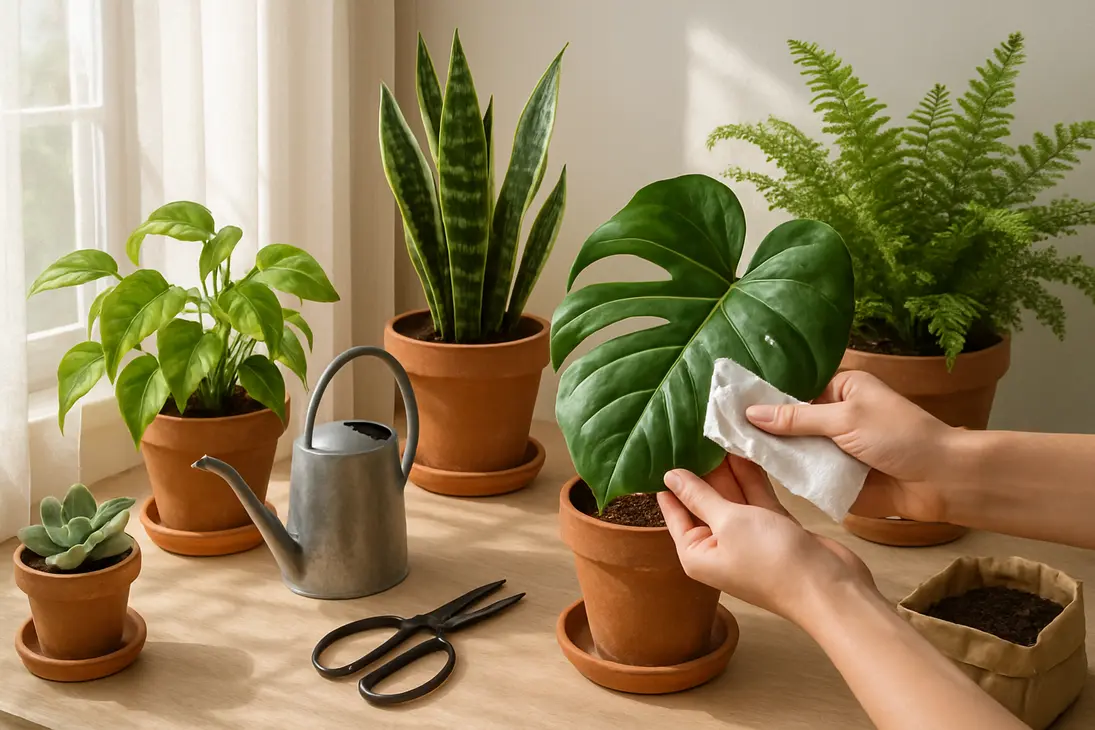
Dusty leaves block light and make pests harder to spot. Use a soft damp cloth for large leaves, supporting the leaf while wiping. For small-leaved plants, a gentle rinse can work if the pot drains well and the plant is not sensitive to wet foliage.
Avoid heavy leaf-shine products. Clean, natural leaves are enough.
Support Humidity and Airflow When Needed
Indoor air can become dry, especially in winter. Some plants tolerate this; others develop crispy edges or curled leaves.
To improve conditions:
- Group humidity-loving plants.
- Use a humidifier near sensitive plants.
- Keep plants away from radiators, vents, and cold drafts.
- Avoid crowding plants so tightly that leaves stay wet.
Pebble trays may help slightly, but a humidifier is more reliable. Good airflow also matters: stagnant dampness can encourage disease, while harsh drafts can stress tropical plants.
Make Their Growing Space More Comfortable
A plant’s pot, soil, and root environment are its home. Improving that space thoughtfully is one of the most lasting ways to appreciate it.
Use the Right Potting Mix, Not Seed-Starting Mix
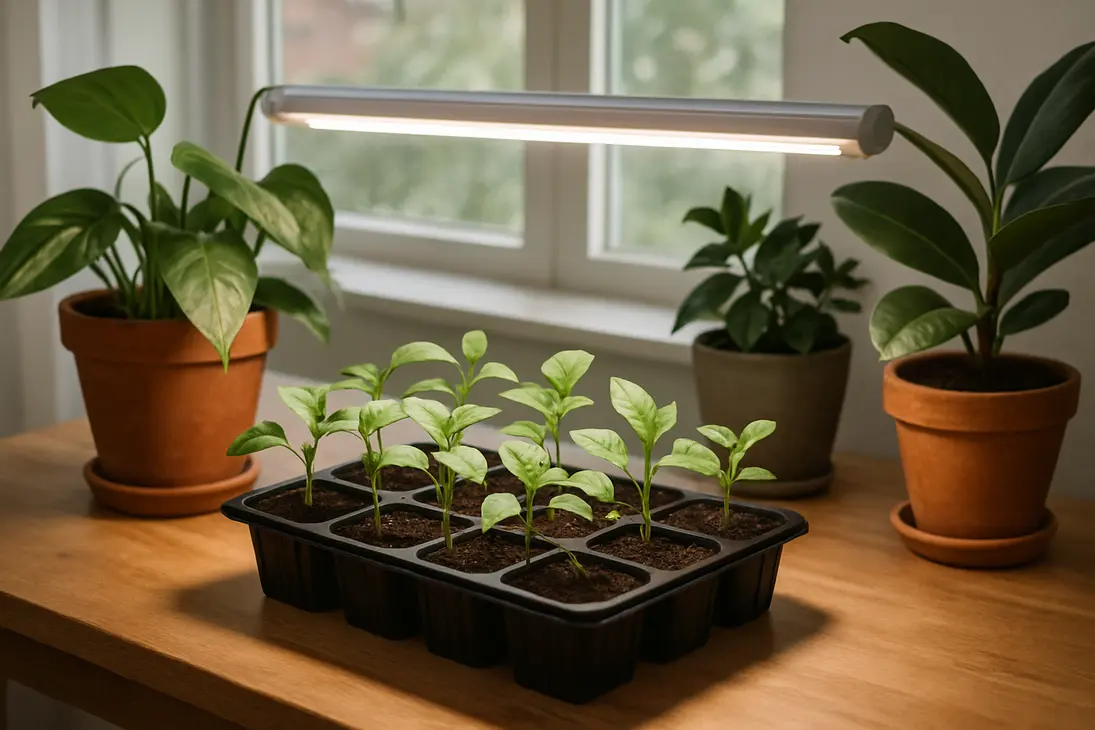
Seed-starting mix is designed for germinating seeds. It is usually fine-textured, light, and low in nutrients, so it is not always suitable for mature houseplants that need structure, drainage, and aeration.
Choose a container potting mix suited to the plant, then adjust:
- Aroids such as monstera and philodendron: often like chunkier mix with bark or perlite.
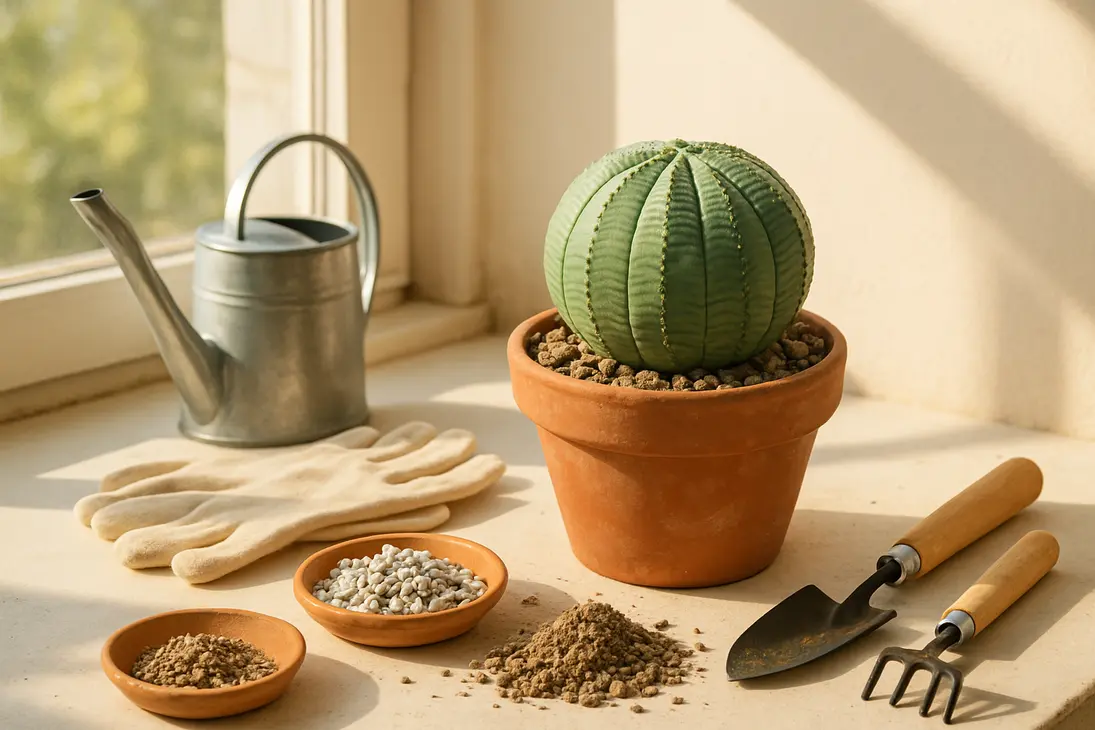
- Succulents and cacti: need faster drainage.
- Ferns: often prefer moisture-retentive but airy soil.
- Orchids: many need bark-based orchid mix.
The right mix balances water and oxygen around the roots.
Choose Pots With Drainage
Drainage holes let excess water escape and reduce the risk of waterlogged roots.
Decorative cachepots are fine if used carefully: keep the plant in a nursery pot with drainage, place it inside the decorative pot, and empty excess water after watering. Planting directly into a pot with no drainage leaves little margin for error.
Fertilize Lightly and Only When Appropriate
Fertilizer is not plant medicine. It supplies nutrients, but it does not fix poor light, root rot, pests, or compacted soil. Too much can burn roots, brown leaf tips, or create salt buildup.
General principles:
- Fertilize mainly during active growth.
- Avoid feeding severely stressed or freshly repotted plants unless needed.
- Follow the product label.
- Use diluted amounts for sensitive plants.
- Flush soil occasionally with plain water if salts build up and the pot drains freely.
If a plant is not growing because it is in a dark corner, fertilizer will not solve the problem.
Repot When the Plant Is Root-Bound or Soil Is Depleted
Repotting can help or shock a plant. Do it when there is a reason.
Signs include:
- Dense roots circling the root ball.
- Roots growing from drainage holes.
- Water running straight through because roots displaced soil.
- Soil that is compacted, broken down, or hydrophobic.
- Slow growth during the growing season despite good care.
For most houseplants, choose a pot only slightly larger than the current one. A much larger pot holds extra wet soil around the roots and can increase rot risk.
Some plants bloom better snug, and succulents often prefer restrained pot size.
Prune Dead Leaves and Rotate for Even Growth
Remove dead, yellow, or damaged leaves to improve appearance and make inspection easier. Use clean scissors or pruners, especially when cutting healthy tissue.
Pruning can encourage fuller growth on trailing plants. Rotating can also help: turn plants a quarter turn every week or two if they lean toward light. Avoid sudden repeated moves, especially when a plant is budding or newly settled.
Appreciate Your Plants by Paying Attention
The best plant caregivers are not always the ones with the most expensive tools. They are the ones who notice patterns.
Check In Regularly Without Fussing Too Much
A quick visual check is often enough:
- Are leaves firm or limp?
- Is the plant leaning?
- Is the soil dry, crusty, moldy, or wet?
- Are there insects, webbing, or sticky spots?
- Is there new growth?
Do not answer every minor change with a major intervention. Plants shed old leaves, slow down in winter, and need time to adjust after moving.
Keep a Simple Care Log or Use a Gardening App
A care log can be a note on your phone with watering dates, fertilizer use, repotting dates, pest treatment, new growth, leaf loss, and location changes.
Gardening apps can help with reminders, identification, and records, but use reminders as prompts to check the plant, not automatic instructions to water.
Celebrate New Leaves, Blooms, and Recovery
Enjoying your plants is part of appreciating them. Notice a new leaf, a first monstera fenestration, a flower spike, or a plant recovering after better care.
This attention trains your eye. Over time, you learn what healthy growth looks like and when a plant is better left alone.
Find a Plant Community to Share Questions and Wins
Plant care can feel lonely if no one around you shares the interest. Online Q&A sites, local garden clubs, plant swaps, social media groups, and neighborhood communities can help.
A good community can help you identify pests, learn local tips, swap cuttings, avoid common mistakes, and celebrate small wins. Compare advice carefully and avoid extreme fixes unless the diagnosis is clear.
Common “Appreciation” Mistakes to Avoid
Most houseplant mistakes come from good intentions. Appreciation includes knowing when not to act.
Overwatering to “Love” the Plant More
Overwatering is one of the most common ways people harm indoor plants. It often means watering too frequently, so roots never get enough oxygen.
Warning signs include:
- Yellowing leaves.
- Mushy stems.
- Soil that stays wet for many days.
- Fungus gnats.
- Sour or swampy smell.
- Wilting despite wet soil.
If you suspect overwatering, pause. Check drainage, light, pot size, and root health. Sometimes the kindest thing is to let soil dry appropriately and improve conditions.
Using Too Much Fertilizer
Fertilizer should support growth, not force it. Overfertilizing can damage roots and cause leaf burn or brown tips, especially when a plant is slowed by low light, cool temperatures, or stress.
If the pot drains, flushing with plain water may help move excess salts out. Severe cases may need fresh mix, but only if the plant can tolerate repotting. Prevention is easier: follow the label and feed conservatively.
Moving or Repotting Too Often
Plants need time to adjust. Constantly moving a plant, changing pots, or disturbing roots can slow recovery and cause leaf drop.
Move plants for good reasons: better light, draft protection, pest isolation, or seasonal changes. Repot for root or soil problems, not because you are bored with the pot. For a new look, place the nursery pot inside a decorative cachepot instead.
Treating All Houseplants the Same
A single routine for every plant is convenient but unreliable. A cactus and a peace lily should not be watered on the same assumptions. A calathea and a jade plant do not want the same humidity, soil, or drying pattern.
Group plants by need:
- Dry-loving, bright-light plants.
- Moderate-care foliage plants.
- Humidity-loving tropicals.
- Plants that need extra light to flower or fruit.
This makes care easier without pretending every plant is identical.
Ignoring Early Pest or Disease Signs
Pests are easier to manage early. Check leaf undersides, stems, nodes, and new growth for webbing, sticky honeydew, white cottony patches, moving dots, scale bumps, or distorted leaves.
If you find a problem:
- Isolate the plant.
- Identify the pest.
- Rinse or wipe off what you can.
- Treat with a method appropriate for that pest and plant.
- Recheck regularly.
Early action prevents pests from spreading through your collection.
Conclusion
Appreciating houseplants is not about doing the most. It is about doing the right things consistently: watering by soil moisture, giving suitable light, using proper pots and mix, feeding carefully, cleaning leaves, watching for pests, and respecting each plant’s preferences.
Observe, adjust, and then let the plant grow.
FAQ
Do houseplants benefit if you talk to them?
Talking is not a substitute for good care, and plants do not understand praise like people or pets do. But if talking helps you slow down and notice leaves, soil, and growth, it can indirectly improve care.
How often should I water my houseplants?
Water based on soil moisture, plant type, pot size, light, and season rather than a fixed schedule. Check the soil first, then water only when that specific plant is ready.
Can too much fertilizer hurt a houseplant?
Yes. Too much fertilizer can damage roots, cause brown tips or leaf burn, and lead to salt buildup. Fertilize lightly during active growth and follow the label.
What is the best way to make a neglected houseplant feel “appreciated” again?
Start with assessment. Check light, soil moisture, drainage, roots, pests, and dead foliage. Remove dead leaves, correct watering, improve light if needed, and give it time. Avoid fertilizing or repotting immediately unless there is a clear reason.
Sources
- Quora discussion on overusing fertilizer: https://www.quora.com/I-ve-mistakenly-used-way-too-much-Miracle-Gro-in-my-garden-I-didn-t-see-that-it-said-every-7-14-days-and-I-used-it-three-days-in-a-row-Now-my-the-plants-are-turning-brown-Can-I-save-them
- Quora discussion on seed-starting mix versus potting soil: https://www.quora.com/Can-you-turn-starter-seed-mix-into-potting-soil-I-didn-t-realize-there-was-a-difference-and-brought-6-bags-thinking-it-was-potting-soils
- Quora discussion on finding people who share a plant interest: https://www.quora.com/I-really-love-plants-so-I-go-on-and-on-about-them-with-friends-but-theyre-not-really-interested-How-do-I-find-people-around-my-age-who-share-my-interest-Im-12
You Might Also Like