Indiana Native Plants: A Beginner's Guide to Starting a Thriving Native Garden
If you’re new to gardening in Indiana, native plants are easier to care for and more resilient than non‑native ornamentals. They tolerate heavy clay soils, survive summer heat with minimal watering, and provide essential food and shelter for local wildlife. This guide walks you through site assessment, plant selection, common mistakes, and invasive removal, so you can create a garden that supports pollinators and birds, survives clay soil and hot summers, and looks good year‑round. Starting small—even a few square feet of milkweed and coneflowers—makes a significant difference.
Key Takeaways
- Match plants to your site conditions first: Assess sun exposure, soil type (Indiana’s heavy clay suits many natives), and hardiness zone before buying. Choosing adapted species reduces watering, weeding, and replacement.
- Expect a slow start during the first two years: New native plants focus energy on root growth, not visible top growth. Weekly watering and consistent weeding are critical in year one.
- Most insect activity in your garden is beneficial: Caterpillars on milkweed are likely monarch larvae. Aphids attract natural predators. Insects balance themselves without human intervention.
- Remove invasive species before planting natives: Burning bush, non-native honeysuckle, and barberry outcompete natives. Dig out roots or use targeted stump treatment, then replant with native alternatives like spicebush or serviceberry.
Why Indiana Native Plants Are Better for Your Garden
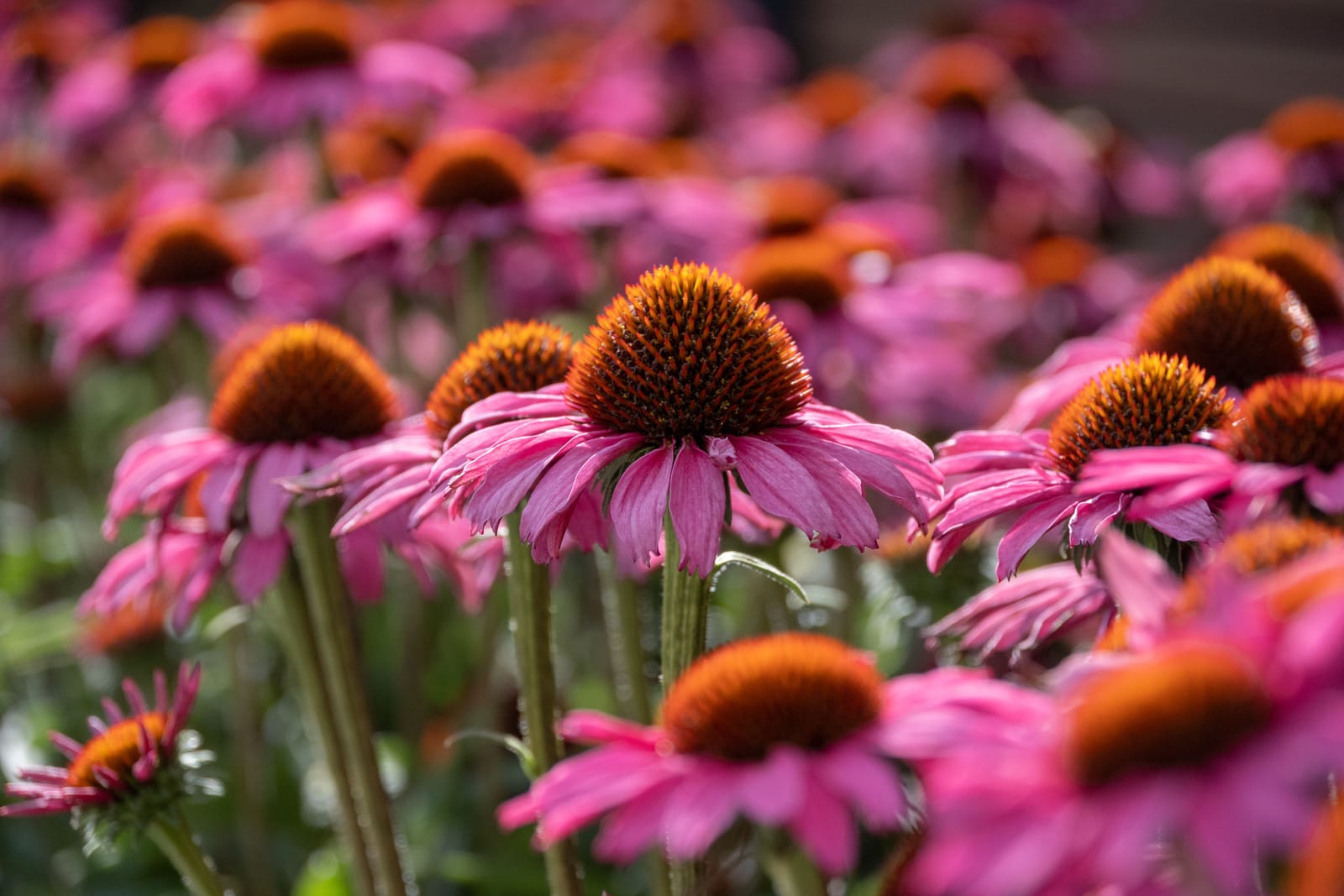
Native species are adapted to local weather, soils, and pests, requiring less water, fertilizer, and intervention once established. They form the backbone of a resilient ecosystem that supports hundreds of native insects, birds, and mammals.
The Real Benefits of Going Native in Indiana
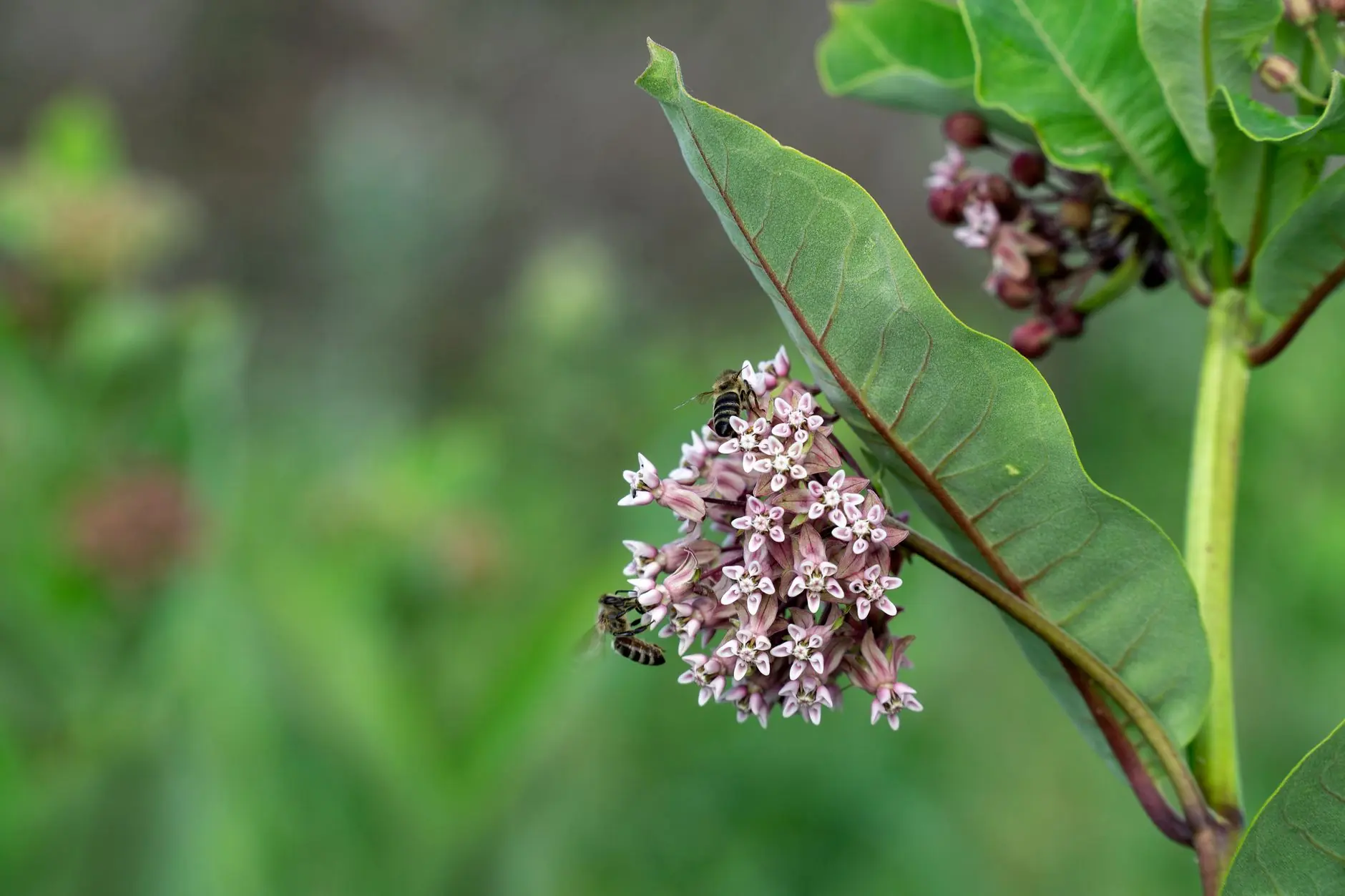
Pollinator support is key: monarch butterflies rely exclusively on native milkweed species for egg‑laying and larval food. Native plants handle drought better due to deep root systems—some prairie species send roots 5 to 15 feet deep, preventing erosion. They thrive in Indiana’s heavy clay soil without amendment; over‑fertilizing harms many perennials that prefer lean soil. Native gardens reduce stormwater runoff because deep roots soak up rain more effectively than turf grass. Once established, they require no fertilizer and far less water than typical perennial borders.
Common Misconceptions About Native Plant Gardens
A native garden doesn’t have to look wild—careful selection and layout create a tidy landscape. Use well‑behaved species like purple coneflower, black‑eyed Susan, and little bluestem, and edge beds with clean lines. Natives still need occasional weeding, especially in the first two years, but the work lessens as they fill in. Many native perennials like purple coneflower (Echinacea purpurea) and black‑eyed Susan (Rudbeckia hirta) are garden‑worthy, with showy blooms that rival non‑native ornamentals. The myth that natives are “messy” comes from poor plant selection; many species hold their shape well.
How Native Plants Support Indiana’s Pollinators and Wildlife
Native plants and wildlife co‑evolved: bloom timing and nectar quality match the life cycles of bees, butterflies, and moths. Early‑blooming spring ephemerals like Virginia bluebells and bloodroot feed queen bumblebees emerging from hibernation. Birds eat seeds and berries from native grasses, serviceberry, and spicebush. Oaks support hundreds of caterpillar species essential for nesting birds—a single oak can host over 500 species. Even aphids feed beneficial ladybugs and lacewings. A diverse mix of native species creates a complete mini‑ecosystem where predators keep prey in check naturally.
How to Start Your Indiana Native Plant Garden
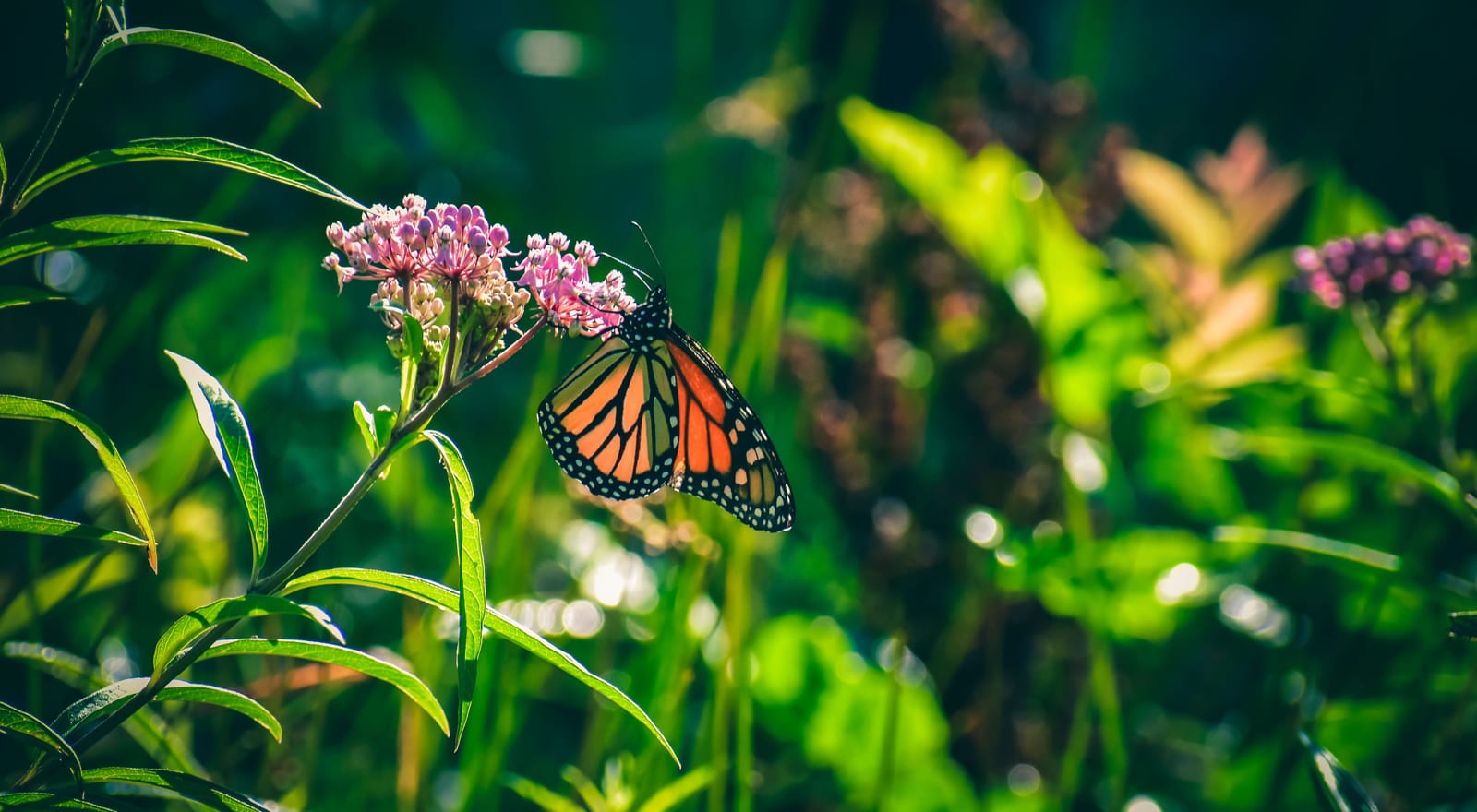
Start small, observe your site, and choose plants that match your conditions. A well‑planned 100‑square‑foot garden is more rewarding than a large, neglected one.
Assess Your Site: Sun, Soil, and Indiana’s Growing Zones
Determine sun exposure: full sun (6+ hours), part shade (3–6 hours), or full shade (less than 3 hours). Most of Indiana is USDA zones 5b–6a. Test soil: a handful of moist soil that forms a tight sticky ball indicates clay; gritty, crumbly soil is sandy. Clay drains slowly, suiting many natives like blue flag iris and joe‑pye weed. For dry, sandy sites, choose butterfly milkweed and prairie grasses. Adjust plant selection accordingly.
Choose Plants Based on Soil Type (Clay, Dry, Wet)
Clay soil (moist to wet): swamp milkweed, blue flag iris, joe‑pye weed, ironweed, cardinal flower, turtlehead.
Wet soil (standing water occasionally): turtlehead, false indigo, great blue lobelia, buttonbush, swamp rose mallow, marsh marigold.
Dry prairie (sandy or well‑drained): butterfly milkweed, purple coneflower, little bluestem, prairie dropseed, black‑eyed Susan, wild bergamot.
Average soil: many of the above plus wild geranium, bee balm, goldenrods. Visit a local native plant nursery or use the Indiana Native Plant Society’s online guide to fine‑tune your list.
Planning Your Garden Layout for Year‑Round Interest
Layer plants by height: tall species like joe‑pye weed and ironweed in back (4–6 feet), medium like coneflower and bee balm in middle (2–3 feet), low like wild ginger and prairie dropseed in front (under 1 foot). Plan for seasonal succession: spring ephemerals (trillium, Virginia bluebells) give way to early summer coreopsis and penstemon, then summer phlox and milkweed, and finally fall asters and goldenrods. Grasses like little bluestem provide winter structure with bronze foliage and fluffy seed heads. Dense planting—aim for one plant per square foot for plugs—reduces weeding. Use tidy species and clean edges to avoid a messy look.
Where to Buy Indiana Native Plants and What to Avoid
Buy straight species from reputable native plant nurseries like Spence Restoration Nursery or the Indiana Native Plant Society’s annual sales. Avoid “nativars” bred for double flowers or unusual colors—these may have less pollen/nectar and reduced wildlife value. Avoid big‑box stores that sell “native” plants from faraway regions. Verify scientific names before purchase: ensure Echinacea is Echinacea purpurea (native) rather than a hybrid. Plugs (small starter plants) are cheaper and establish faster than large pots.
Best Indiana Native Plants by Purpose and Habitat
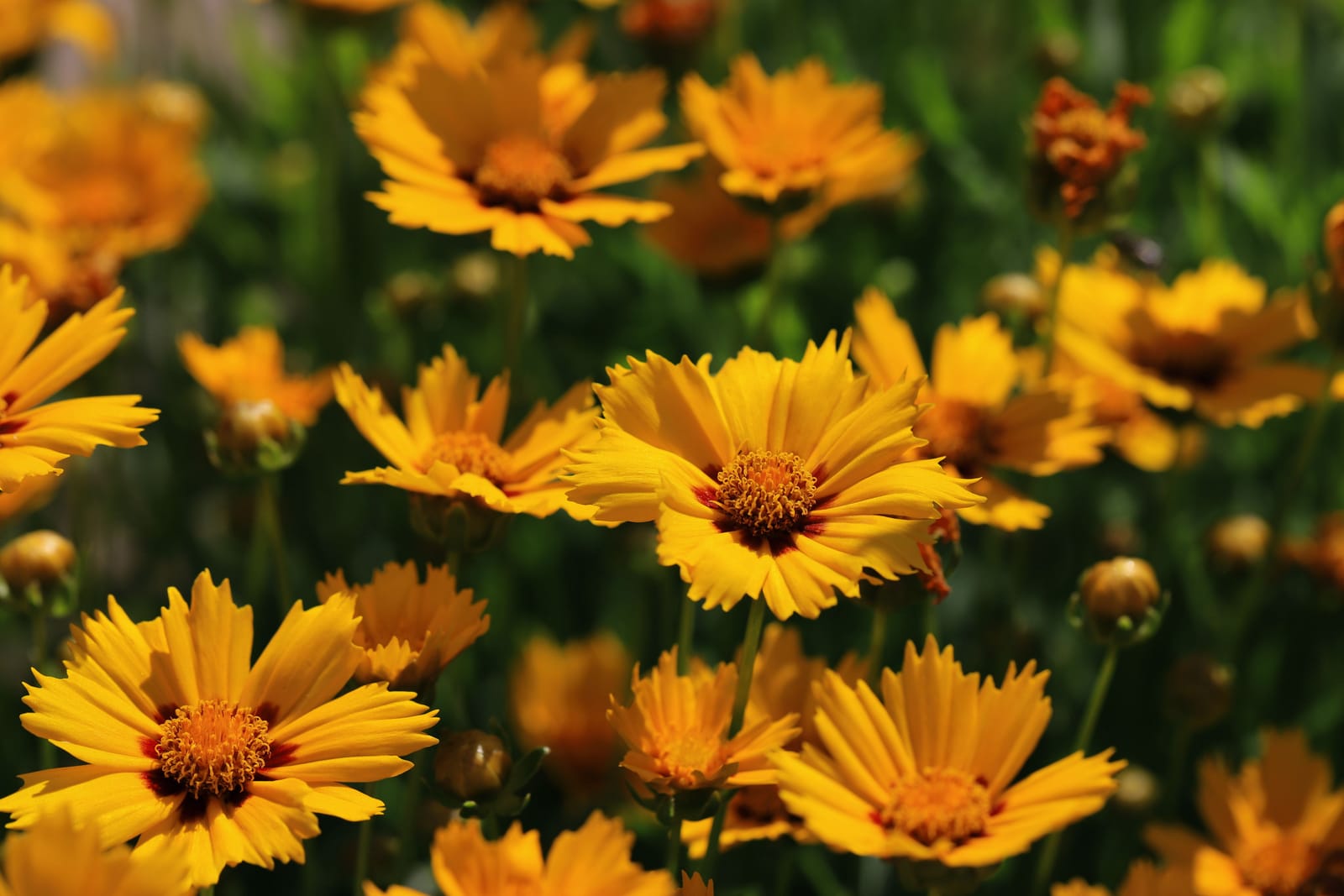
This selection focuses on species that are widely available, easy to grow, and highly beneficial for wildlife.
Native Plants for Sunny Pollinator Gardens
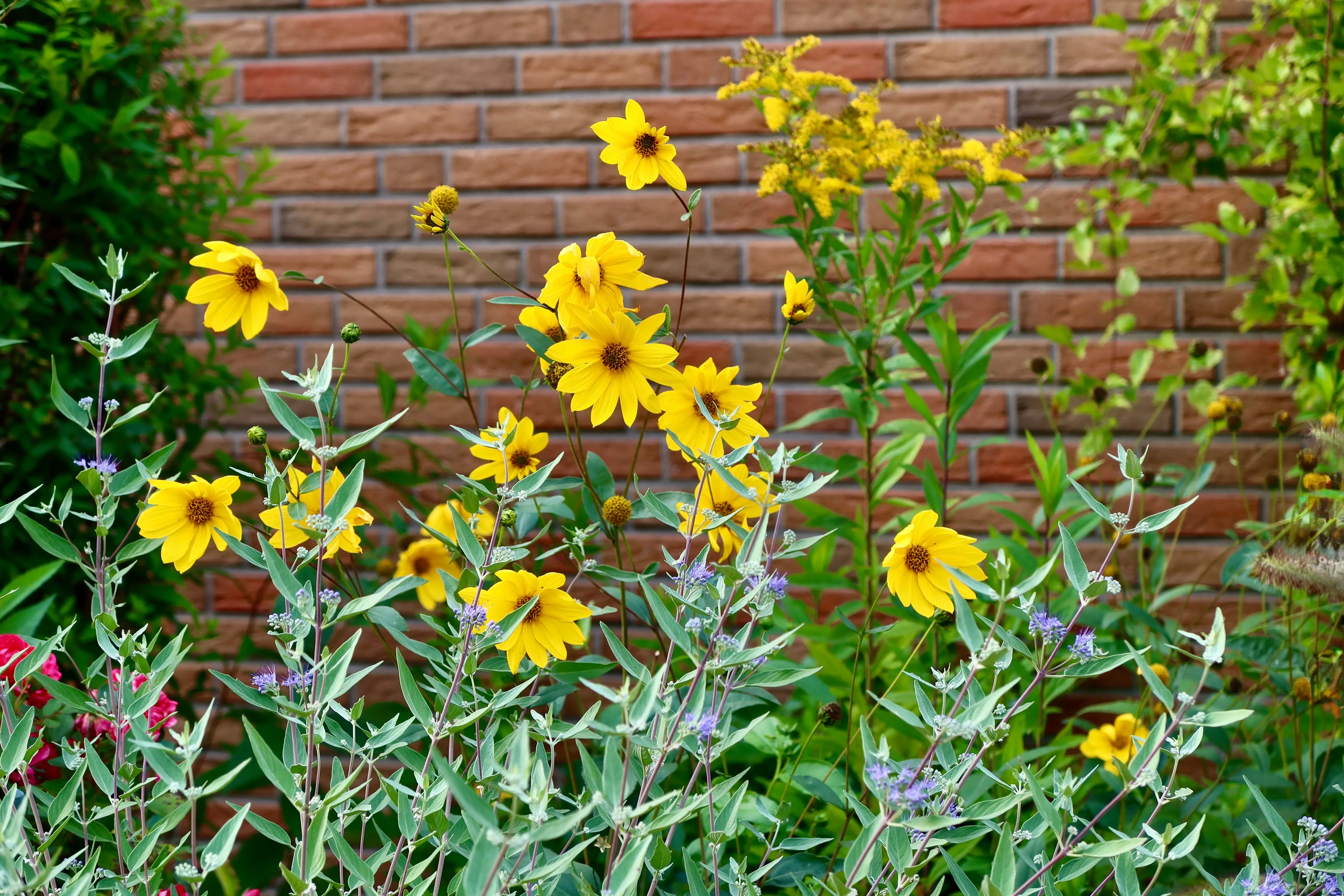
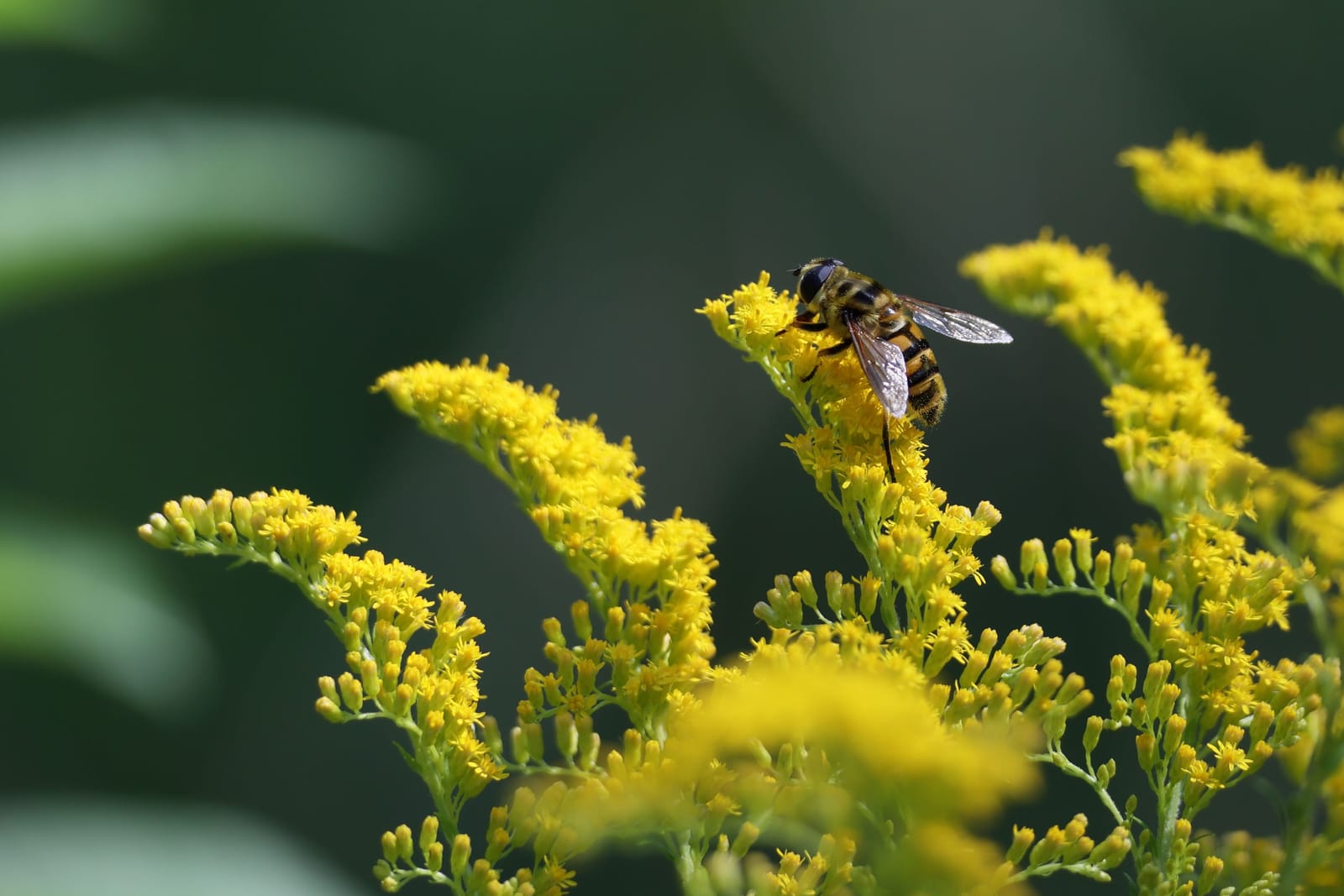
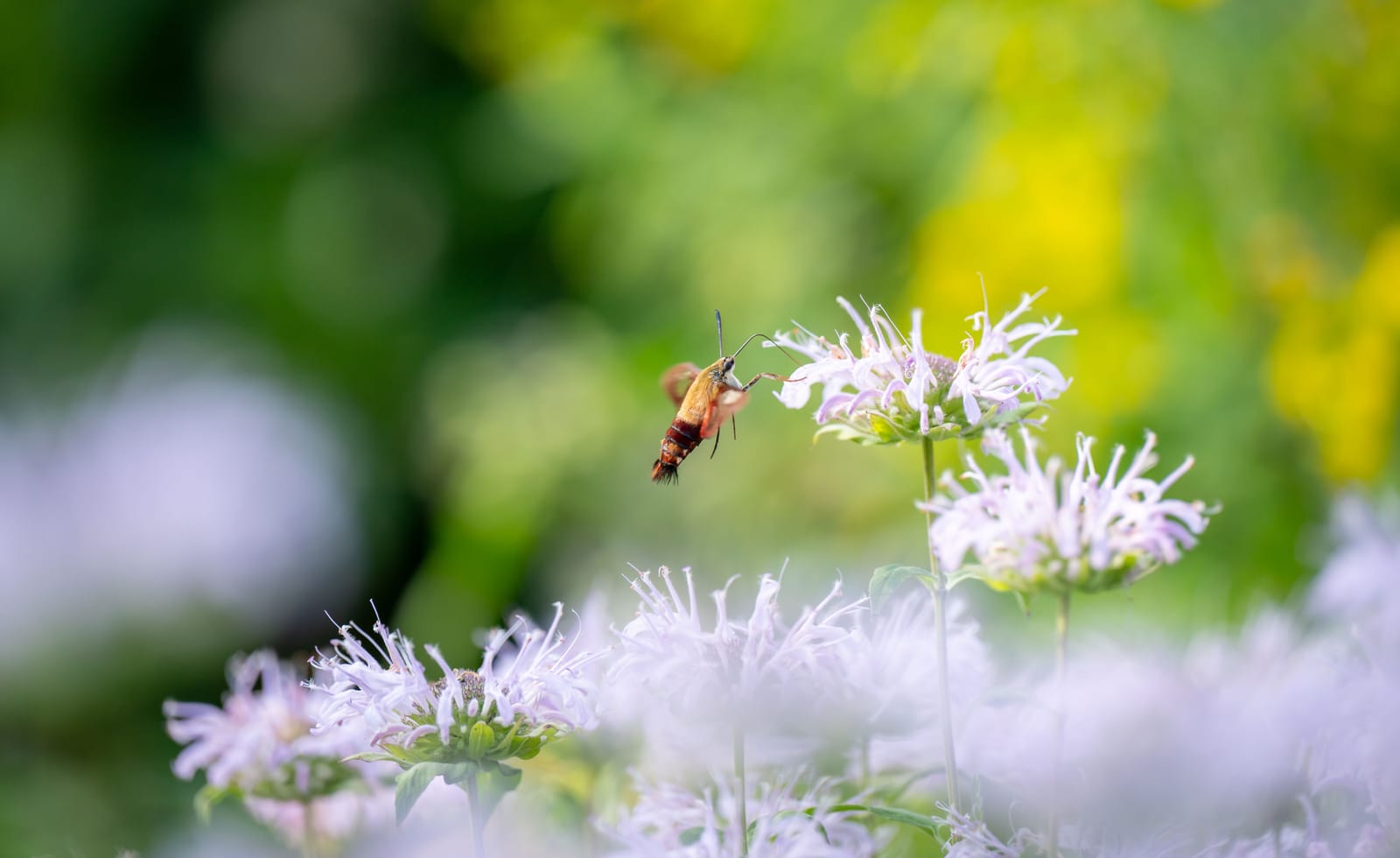
Black‑eyed Susan, purple coneflower, coreopsis, and prairie grasses (little bluestem, sideoats grama, switchgrass) thrive in sunny, average to dry soil. Add butterfly milkweed for monarchs, wild bergamot for bees, and goldenrods for late‑season pollinators. These plants bloom from June to October, providing continuous food.
Native Shade Plants for Woodland Areas
Trillium, bloodroot, wild ginger, Virginia bluebells, and Dutchman’s breeches do well in shade under deciduous trees. Pair ephemerals with ferns like lady fern or Christmas fern to fill gaps. Also consider heartleaf foamflower and wild columbine, which tolerate part shade.
Native Shrubs and Trees for Structure and Wildlife
Serviceberry (spring flowers, edible berries), spicebush (host for spicebush swallowtail), oaks (support hundreds of insect species), and sumac (fast‑growing, red fruit clusters) form the garden backbone. Also include black chokeberry, redbud, and dogwood. These woody plants provide nesting sites and fall food for birds.
Best Low‑Maintenance Indiana Native Plants
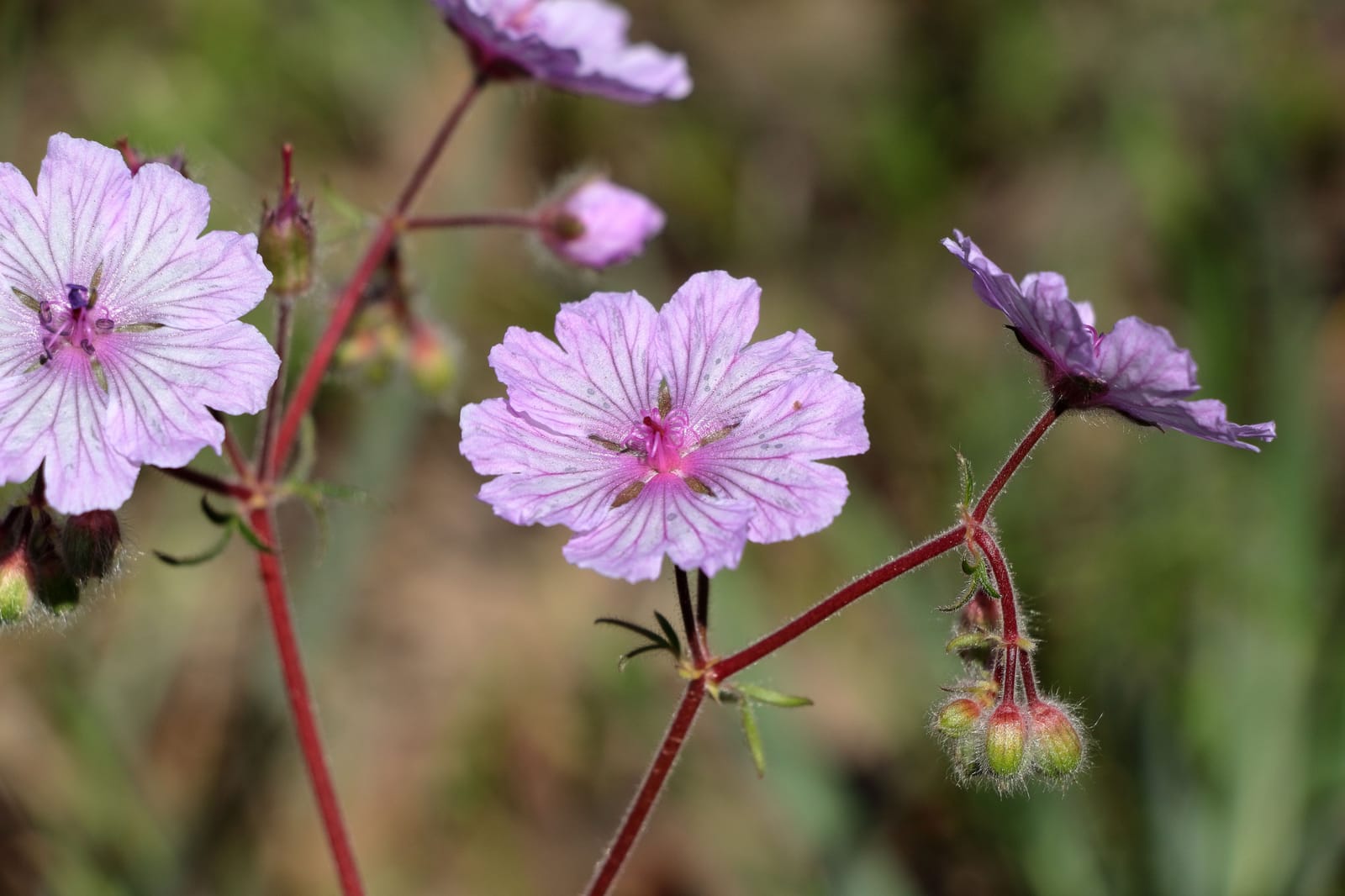
These selections thrive with minimal intervention once established.
Prairie Plants That Require Minimal Care
Deep‑rooted prairie species are drought‑tolerant and competitive: butterfly milkweed, black‑eyed Susan, purple coneflower, wild bergamot, goldenrods. After the first two years, they need little watering or fertilizing. Occasional fall cleanup is optional.
Native Grasses for Easy Landscaping
Little bluestem (blue‑green foliage, fall orange‑red color), prairie dropseed (neat clumps, airy seed heads, fragrant), and sideoats grama (short, unique dangling flowers) add movement, erosion control, and winter interest. They pair well with forbs and can be used as low hedges or meadow edges.
“Set It and Forget It” Native Perennials
Tough perennials like wild geranium, bee balm (full sun to avoid mildew), harebell (dry sunny areas), and ironweed (clay tolerant) need minimal care after establishment. Also consider yarrow, blue star, and false indigo, which form long‑lived clumps.
Native Plant Care: What to Expect in Your First Year
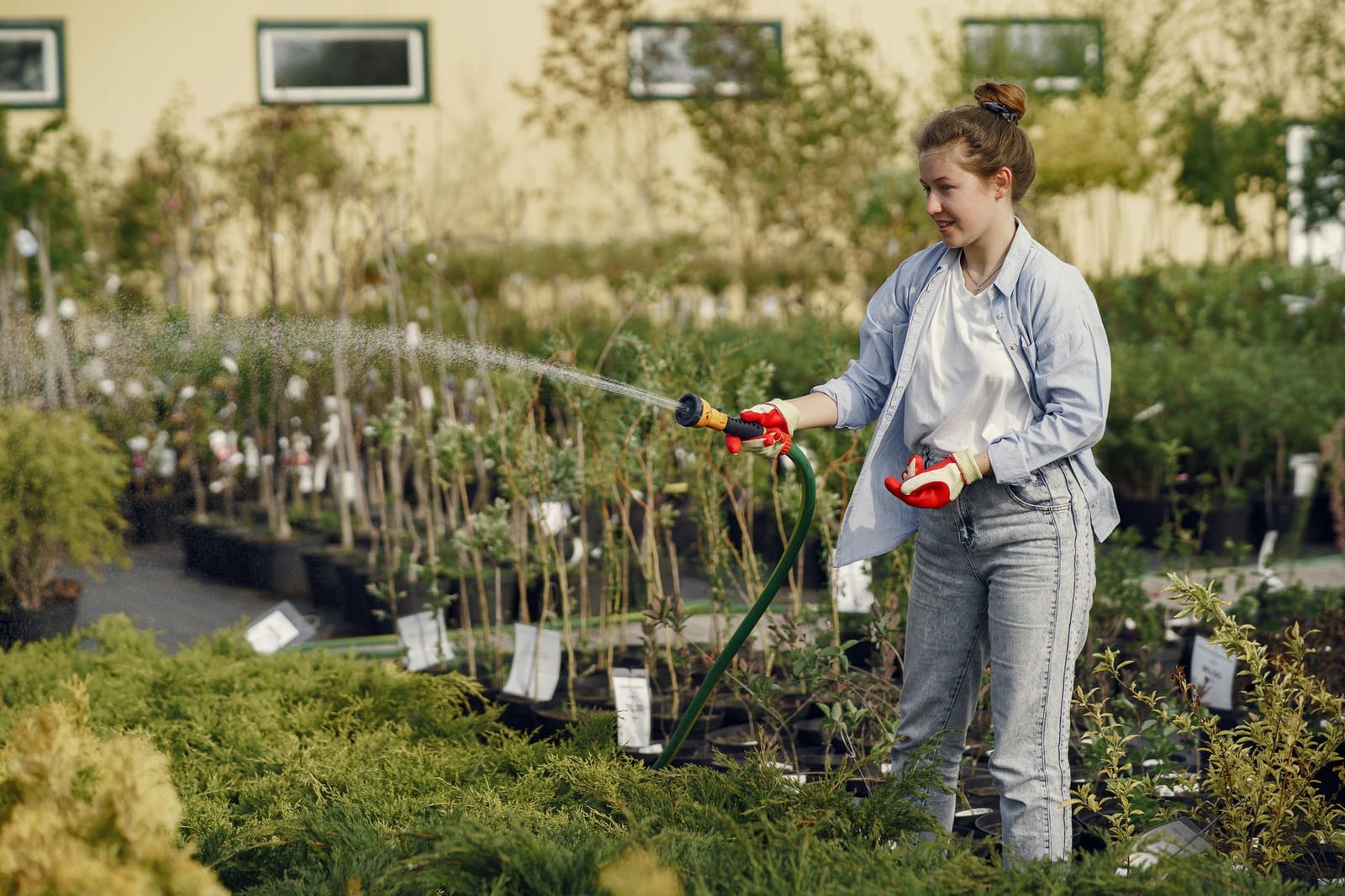
Patience and consistent care during the first two years pay off with a self‑sustaining garden.
Understanding the Establishment Phase: Watering and Weeding
During the first one to two years, plants focus on root growth. You may see little top growth—that’s normal. Water weekly if rain is less than one inch per week; in drought, water twice weekly. Deep soaking encourages deep roots. Weed diligently around young plants every two weeks; use light mulch (shredded leaves or wood chips) to suppress weeds. Do not pile mulch against stems. In year two, reduce watering to only during extended dry spells.
Beneficial vs. Problematic Insects: When to Intervene
Most insect activity is beneficial. Caterpillars on milkweed are monarch larvae; aphids attract ladybugs and lacewings. Only intervene if a true infestation severely damages a plant, like Japanese beetles on roses—then use hand‑picking or insecticidal soap, not broad‑spectrum pesticides. Spider mites on stressed plants can be washed off with water.
Seasonal Maintenance Calendar for Indiana Native Gardens
- Spring: Cut dead stems to 6–12 inches (leave some hollow stems for overwintering insects); remove winter mulch gradually; pull early weeds like garlic mustard.
- Summer: Water first‑year plants during dry spells; deadhead if desired but leave some seed heads for birds; watch for powdery mildew on bee balm (improve airflow or move to sunnier spot).
- Fall: Leave seed heads and stems for wildlife; do not cut everything down—many insects overwinter in leaf litter and hollow stems. Rake leaves into garden beds for natural mulch.
- Winter: Enjoy frost‑coated seed heads and birds feeding; plan new additions for spring.
Removing Invasives: Identifying and Replacing Common Threats
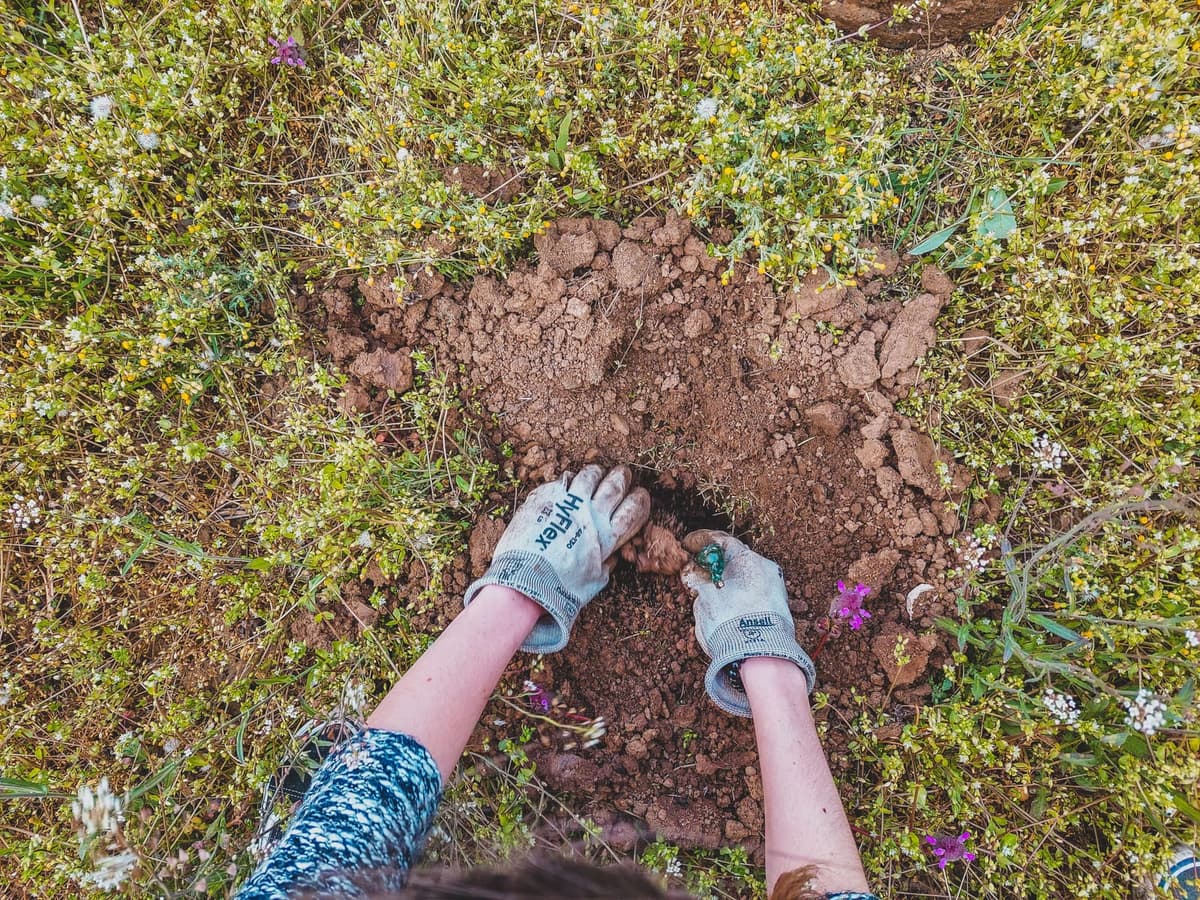
Before planting natives, survey your property for invasive species. Removing them first prevents competition and long‑term headaches.
Common Invasive Plants Mistaken for Native Species
Burning bush, non‑native honeysuckle, buckthorn, and barberry are common threats. Learn to identify these plants by leaf shape, bark, and growth habit.
Safe Removal Methods: Manual, Chemical, and Replacement
For small infestations, dig out the entire root system with a shovel or weed wrench. For mature shrubs, cut at the stump and apply a small amount of concentrated glyphosate or triclopyr immediately (within 5 minutes) to prevent resprouting. Follow label directions. Alternatively, repeated cutting through the season (every 2–3 weeks) exhausts root reserves over 1–2 years. After removal, plant native substitutes right away to prevent reinvasion. Cover bare soil with wood chips or native groundcovers.
Native Alternatives to Problematic Landscaping Plants
Replace burning bush with serviceberry, spicebush, or aronia. Replace invasive honeysuckle with native honeysuckle vine or spicebush. Replace barberry with fragrant sumac or coralberry. These alternatives offer similar wildlife value (berries, fall color, cover) without invasive risk.
Conclusion
Starting a native garden in Indiana is straightforward: assess sun and soil, choose matching plants, be patient during establishment, and embrace the insects and wildlife. Remove invasives before planting. Small steps—even a single milkweed plant or a 4×4 garden bed—make a real difference for pollinators and birds. As your garden matures, you’ll enjoy less watering, no fertilizing, and the satisfaction of watching butterflies, bees, and birds thrive. Consider joining the Indiana Native Plant Society or your local extension office for ongoing support.
FAQ
What flowers come back every year in Indiana?
Many native perennials are reliably perennial, returning from their root systems each spring. Examples include purple coneflower, black‑eyed Susan, butterfly milkweed, joe‑pye weed, wild geranium, and cardinal flower. Most are hardy to USDA zones 4–6 and live for decades with proper care. Avoid invasive non‑natives like purple loosestrife, which spread aggressively.
What is the invasive plant rule in Indiana?
Indiana restricts the sale and transport of invasive species like Oriental bittersweet, purple loosestrife, and Japanese knotweed. The Indiana Invasive Species Council maintains a list of prohibited plants. Gardeners should avoid buying known invasives and remove them if found. Check with your county extension for the current list and reporting requirements.
What plants grow best in Indiana?
Match plants to your site: full sun and clay soil suit swamp milkweed, ironweed, and blue flag iris; dry sunny areas are best for butterfly milkweed, little bluestem, and prairie dropseed; shade gardens work with trillium, bloodroot, and wild ginger. Native grasses and sedges are reliable across most conditions. For wet spots, consider buttonbush and cardinal flower. For average garden soil, coneflower, black‑eyed Susan, and bee balm are excellent choices. Always prioritize species native to your specific region of Indiana.
You Might Also Like