How to Find a Home Garden Expert for Ideas That Fit Your Space and Budget
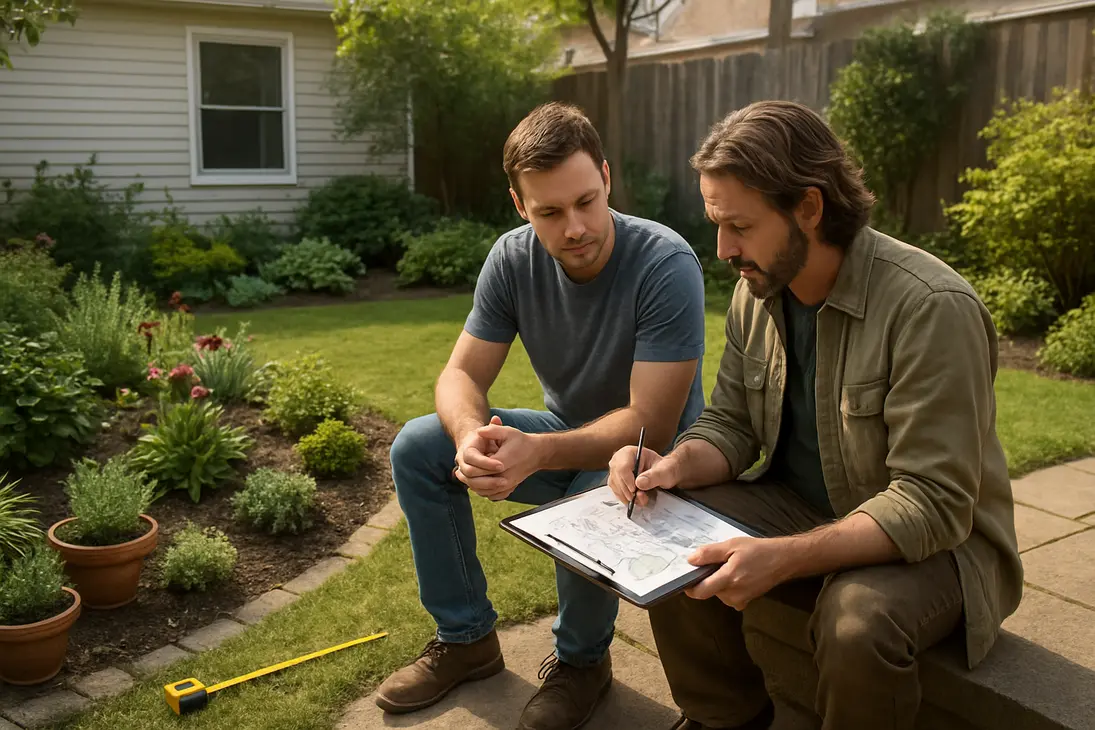
Finding the right home garden expert can save money, time, and frustration. The right person should understand your climate, soil, sunlight, budget, maintenance tolerance, and how you want to use the space.
This is especially useful if you are new to gardening, dealing with a neglected yard, or unsure why plants keep failing. A good expert turns vague goals into practical choices: what to keep, what to remove, where to plant, what to buy now, and what can wait.
When Should You Hire a Home Garden Expert?
You do not need professional help for every small task. Planting herbs, refreshing containers, or adding annuals may only require nursery advice and basic research.
Expert help is worthwhile when decisions affect the whole yard, involve costly materials, or depend on drainage, soil, plant health, sunlight, and long-term maintenance.
You’re Starting a Garden From Scratch
A bare yard can be harder to plan than it looks. Before buying plants, you may need to decide where beds, paths, trees, lawn, seating, vegetables, or privacy planting should go.
A home garden expert can help you avoid common mistakes such as:
- Planting trees too close to buildings, paving, fences, or utility lines
- Choosing sun-loving plants for shade
- Making beds too narrow for layered planting
- Installing lawn where it will be hard to water or mow
- Spending the budget on decorative plants before fixing soil or drainage
You may not need a luxury landscape plan. A simple scaled sketch with planting zones, paths, seating areas, and priorities can be enough.
Your Garden Looks Tired, Patchy, or Hard to Maintain
Many gardens do not need a complete redesign. They need diagnosis. Poor growth may come from compacted soil, shade, wrong plant choices, irrigation problems, poor pruning, or plants that have outgrown their space.
An expert can help you decide what is worth saving. Renovation pruning, soil improvement, or replacing only the weakest plants may be cheaper than clearing everything. Patchy lawns may need shade-tolerant alternatives, drainage work, or a different grass strategy rather than repeated reseeding.
You Want Better Plant Choices for Your Climate and Yard Conditions
Plant choice is where local knowledge matters. A plant that looks beautiful online may fail because of heat, winter cold, humidity, clay soil, sandy soil, salt, deer, wind, or watering limits.
A good expert should ask about:
- Sun exposure at different times of day
- Soil texture and drainage
- Wind, frost pockets, or hot walls
- Water availability
- Pets, children, deer, rabbits, or foot traffic
- Your tolerance for pruning, cleanup, staking, and seasonal gaps
If you feel you “kill everything,” the issue may not be effort. Often it is the wrong plant in the wrong place.
You Need Low-Maintenance or Budget-Friendly Garden Ideas
Low-maintenance does not mean no maintenance. Every garden needs watering during establishment, weeding, pruning, and seasonal cleanup. But smart design can reduce constant work.
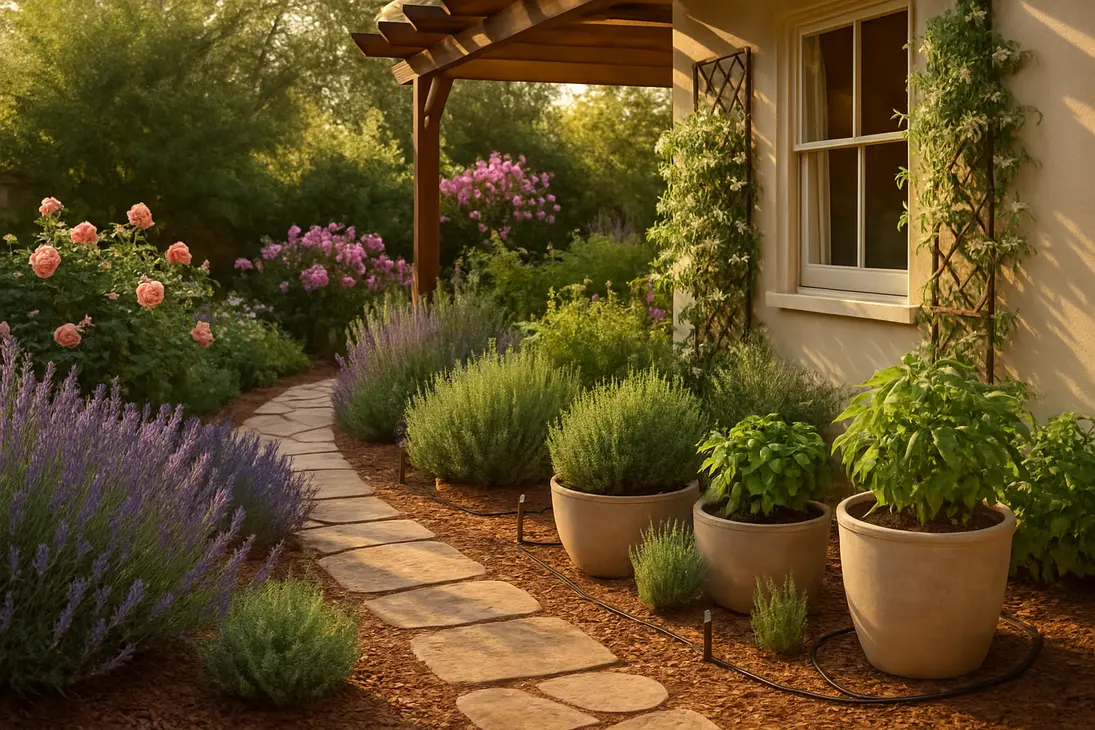
Useful choices include repeated plant groups, mulched beds, slow-growing shrubs that fit the space, climate-suited perennials, groundcovers for awkward bare soil, drip irrigation or soaker hoses where appropriate, and simple bed edges.
For budget-friendly gardens, the expert should be willing to phase the work, reuse materials, recommend smaller starter plants, and identify which upgrades matter most.
What Type of Home Garden Expert Do You Need?
“Garden expert” can mean several things. Choosing the right one helps you avoid paying for services you do not need.
| Type of expert | Best for | May not be ideal for |
|---|---|---|
| Garden designer | Layouts, planting plans, small transformations | Major construction unless they partner with contractors |
| Landscape designer or landscaper | Patios, paths, grading, installation | Detailed plant troubleshooting unless horticulturally skilled |
| Horticulturist or plant specialist | Plant health, soil, pruning, plant selection | Full design drawings or construction management |
| Gardening coach or nursery expert | Beginner advice, small projects, plant shopping | Large-scale design or structural work |
Garden Designer
A garden designer focuses on layout, appearance, and planting. They may provide concept plans, planting plans, mood boards, plant lists, and phased improvement ideas.
This is often the right choice for flower beds, borders, containers, privacy planting, a small backyard, or a front garden refresh. Ask whether they provide a scaled plan or sketch, plant quantities and sizes, substitutions, maintenance notes, and installation guidance.
Landscape Designer or Landscaper
A landscape designer or landscaper is usually more involved with built features: patios, paths, retaining walls, fences, lawns, irrigation, grading, lighting, and installation.
You may need this professional for drainage correction, raised beds, steps, walls, paved areas, outdoor entertaining spaces, or projects requiring crews and materials. Some landscapers are excellent with plants; others focus mainly on construction, so review their portfolio carefully.
Horticulturist or Plant Specialist
A horticulturist or plant specialist is valuable when you need plant knowledge more than design style. They can diagnose failing plants, recommend better species, advise on pruning, identify pests or diseases, and improve soil practices.
This is a good option if you keep replacing dead plants, have difficult soil, inherited mature trees and shrubs, want edible garden advice, or need climate-appropriate plant choices. For established gardens, a one- or two-hour consultation may be more useful than a full design package.
Gardening Coach or Local Nursery Expert
A gardening coach helps you learn by doing. They may walk the garden with you, suggest what to plant where, and show basic tasks such as pruning, dividing perennials, improving soil, or setting up containers.
A knowledgeable local nursery expert can also help, especially if you bring photos and measurements. This type of advice suits beginners, renters, small-space gardeners, and homeowners with modest budgets.
How to Find and Vet a Good Home Garden Ideas Expert
The best expert is not always the most expensive or the one with the best social media feed. Look for someone whose work fits your home, climate, budget, and maintenance style.
Where to Look for Recommendations
Start locally because gardening is site-specific. Good sources include:
- Neighbors with gardens you like
- Local nurseries and garden centers
- Community garden groups
- Master gardener or horticultural groups
- Landscaping supply yards
- Small garden maintenance companies
- Trusted neighborhood groups
- Friends with similar projects
Be specific when asking. Instead of “Do you know a garden expert?” ask, “Do you know someone who can design a low-maintenance front garden for partial shade on a modest budget?”
What to Check in Their Portfolio
A portfolio should show more than attractive finished photos. Look for yards similar to yours in size, light, climate, and budget.
Check for before-and-after examples, projects that still look good after a season or two, sensible spacing, practical paths and edges, manageable plant variety, and examples at different budget levels.
Be cautious if every image looks newly installed. Fresh mulch and small plants can make almost any project look polished on day one.
Why Local Experience Matters
Local experience is one of the most important qualities in a garden expert. Soil, rainfall, heat, frost, pests, and plant availability vary widely.
A locally experienced expert should understand reliable plants, common pest and disease pressures, watering realities, soil problems, planting seasons, and affordable local materials. They should also explain how they adapt ideas to your conditions.
Reviews, References, and Before-and-After Examples
Reviews can help, but read for substance. Look for comments about communication, staying within budget, plant survival, problem-solving, and aftercare—not just fast installation.
For larger projects, ask references whether the final cost matched the estimate, plant choices were realistic, the garden was manageable afterward, and the expert responded well to concerns.
Questions to Ask Before Hiring a Home Garden Expert
A short interview can reveal whether someone is a good fit. Ask practical questions and listen for specific answers.
What Would You Recommend for My Sun, Soil, and Yard Size?
This question shows whether the expert is thinking about your actual site. They should not recommend plants before understanding the conditions.
A thoughtful answer might mention afternoon sun, damp corners, compact narrow beds, dry shade under trees, drainage checks, or mature plant size. Be wary of anyone who says any plant will work anywhere with enough fertilizer or watering.
Can You Work Within My Budget?
Be honest about your budget early. A good expert can help you prioritize, but they cannot design realistically without knowing your limits.
Ask what the fee includes, such as consultation, written notes, sketch, scaled plan, plant list, shopping list, installation estimate, follow-up visit, or maintenance plan. Also ask what is excluded, including plants, delivery, mulch, compost, irrigation, labor, or hardscaping.
How Much Maintenance Will This Garden Need?
This may be the most important question. A beautiful garden that needs more time than you have will become stressful.
Ask how often you will need to water during the first season, how much weeding to expect, which plants need pruning, and whether anything needs staking, deadheading, dividing, or winter protection. If you dislike maintenance, say so. The expert should adjust the plan.
Which Plants Are Best for Beginners?
Beginner-friendly plants are reliable, forgiving, and suited to the site. They should not need constant spraying, complicated pruning, perfect soil, or daily attention after establishment.
Ask for local recommendations rather than generic lists. For edible gardens, beginners often do better with herbs, leafy greens, beans, cherry tomatoes, or seasonal container crops before attempting a large vegetable plot.
Can the Project Be Done in Phases?
Phasing makes garden improvements more affordable and less overwhelming. A sensible plan might begin with clearing weeds, improving soil, fixing drainage, and defining beds. Next come trees, privacy shrubs, or structural plants, followed by perennials, herbs, containers, paths, seating, lighting, or decorative details.
Ask which steps must happen first and which can wait. Good phasing prevents you from wasting money on plants before the site is ready.
How to Get the Most Value From Expert Garden Advice
A consultation works best when you prepare. The expert brings design and plant knowledge, but you know where water pools, where the dog runs, where children play, which views matter, and how you actually use the yard.
Bring Photos, Measurements, and a Wish List
Before the meeting, gather:
- Photos from several angles
- Rough measurements of beds, lawn, patio, fences, and paths
- Notes on sun and shade
- Plants you like and dislike
- Garden styles you enjoy
- Your budget range
- Your maintenance comfort level
Your wish list should focus on use as well as appearance: morning seating, privacy from the street, herbs near the kitchen, a tidy front entry, room for children, or easier lawn care.
Ask for a Simple Planting and Maintenance Plan
Even if you do not pay for a full design, ask for written recommendations. Verbal advice is easy to forget.
A basic plan may include plant names, quantities, sizes, spacing, soil preparation, mulch, watering instructions, and seasonal maintenance tasks. For beginners, maintenance notes are as important as plant names.
Prioritize the Garden Areas That Matter Most
Most budgets cannot fix everything at once. Focus first on areas you see and use often, such as the front entry, patio, views from main windows, a narrow side yard, an herb area near the house, or a privacy screen.
It is better to complete one important area well than to spread the budget so thinly that the whole yard looks unfinished.
Use Budget-Friendly Materials and Start Small
A good expert should be comfortable discussing trade-offs. Smaller plants, local materials, reused edging, seed-grown annuals, divisions from existing perennials, and phased mulching can reduce costs.
Budget-friendly does not have to look cheap. Clear bed shapes, healthy soil, repeated plant groups, and tidy mulch often make a bigger difference than expensive features. Do not save money in the wrong place: poor soil preparation, bad drainage, and overcrowded planting can cost more later.
Plan for Long-Term Plant Health, Not Just First Impressions
New gardens often look sparse at first. That is normal. Plants need room to reach mature size. Overplanting creates instant fullness but can lead to crowding, disease, extra pruning, and removal costs.
Ask what the garden should look like on installation day, after the first growing season, in three years, and in winter. A well-planned garden balances early appeal with long-term health.
Conclusion
The right home garden expert helps you make better decisions, not just buy more plants. Their advice should fit your space, climate, budget, skill level, and willingness to maintain the garden.
Before hiring, decide whether you need design ideas, plant advice, installation, coaching, or troubleshooting. Look for local experience, realistic portfolios, clear pricing, and honest maintenance expectations.
With the right guidance, you can start small, avoid costly mistakes, and build a garden that becomes easier and more rewarding each season.
FAQ
How much does it cost to hire a home garden expert?
Costs vary by location, experience, and service type. A short consultation or coaching visit may be affordable, while a full design with drawings, plant lists, revisions, and installation support costs more.
Ask whether the fee is hourly, fixed-price, or part of a package, and confirm what you receive afterward.
Is a garden designer different from a landscaper?
Yes, though roles can overlap. A garden designer usually focuses on layout, planting style, plant combinations, and how the garden functions. A landscaper often handles installation, hardscaping, grading, irrigation, lawns, and construction.
For planting ideas or small plans, a garden designer may be enough. For patios, retaining walls, drainage, or major installation, you may need a landscaper or landscape designer.
Can a home garden expert help if I have a small yard?
Yes. Small yards often benefit from expert advice because every decision is visible. The right expert can help with containers, vertical planting, privacy, compact shrubs, multi-use seating, narrow beds, and plants that will not outgrow the space.
Always ask about mature plant sizes, not just how plants look at the nursery.
What should I prepare before a garden consultation?
Prepare photos, rough measurements, sun and shade notes, your budget range, and a list of what you want from the garden. Include pets, children, drainage problems, privacy concerns, and your maintenance limits.
Inspiration photos help, but stay flexible. A good expert will adapt the look you like to the conditions you actually have.
You Might Also Like