How to Grow Mortgage Lifter Tomatoes
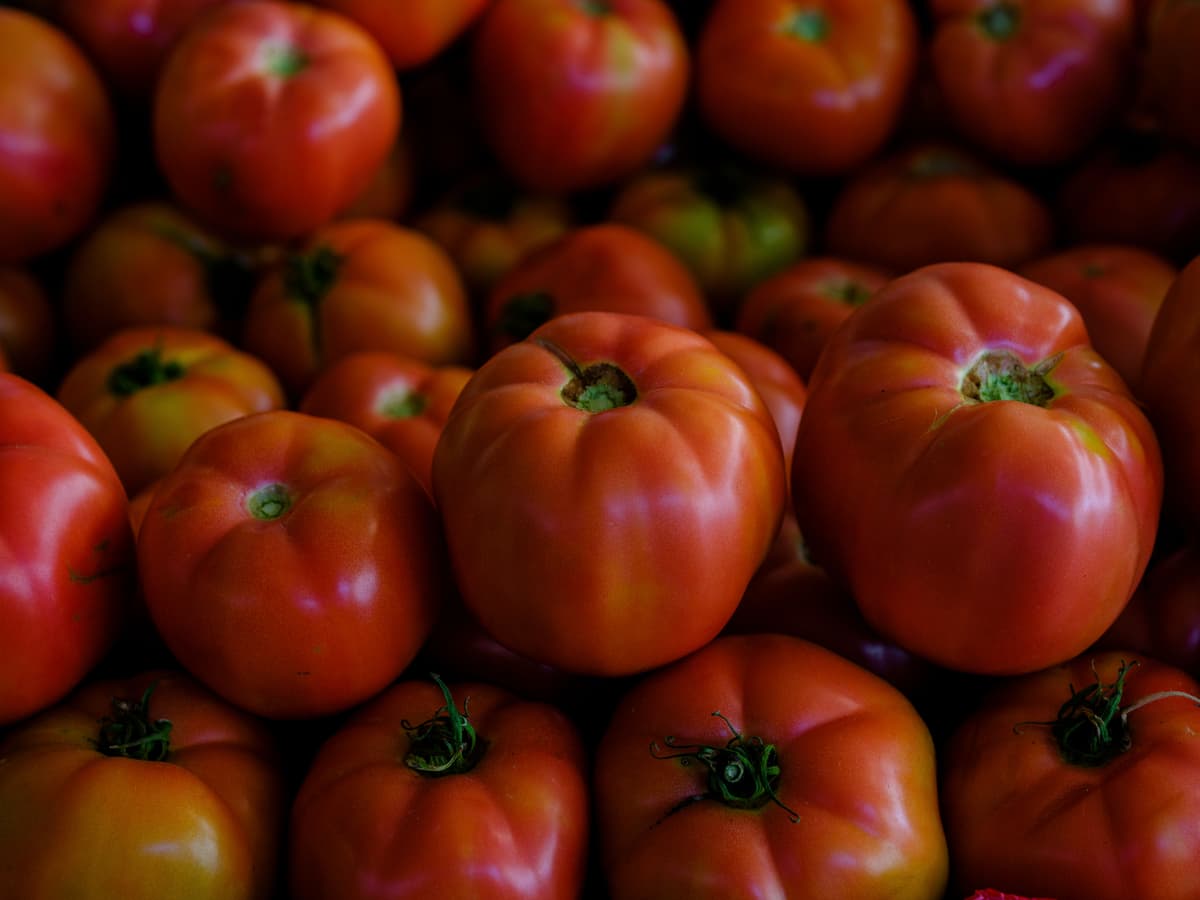
If you grow tomatoes long enough, you will hear about the Mortgage Lifter. This heirloom beefsteak carries one of the best backstories in gardening, and the fruit has earned a loyal following for large, sweet slicers straight from the vine. Developed by M.C. Byles, known as Radiator Charlie, in the 1930s, this variety became famous when Byles sold seedlings for one dollar each and paid off a $6,000 mortgage during the Great Depression. Growing Mortgage Lifter well requires more than good intentions—the plants are tall, the fruit is heavy, and care demands are specific. This guide covers what you need for strong vines and rewarding harvests.
Key Takeaways
- Strong support is non-negotiable: Mortgage Lifter is a tall indeterminate tomato that can reach 6 to 8 feet. Install tall stakes, concrete reinforcing wire cages, or trellises at planting time to avoid damaging roots later.
- Consistent watering prevents common fruit problems: Uneven soil moisture is the main cause of cracking, blossom end rot, and small fruit. Use mulch and water at the base, especially during flowering and fruit enlargement. A soaker hose or drip irrigation works well.
- Set realistic fruit size expectations: Most Mortgage Lifter fruits weigh 1 to 2 pounds under good conditions. Seed catalog claims of 2 to 4 pounds represent maximum potential, not typical harvest size. A 1-pound beefsteak is still a substantial slicer.
- Prune carefully and expect sucker regrowth: Mortgage Lifter suckers often regrow after removal. Train to one or two main stems, remove lower leaves touching the soil, and prune consistently without stripping leaf cover that protects fruit from sunscald.
With the right approach to support, watering, and realistic expectations, this heirloom delivers some of the best fresh slices you can grow.
Mortgage Lifter Tomato at a Glance
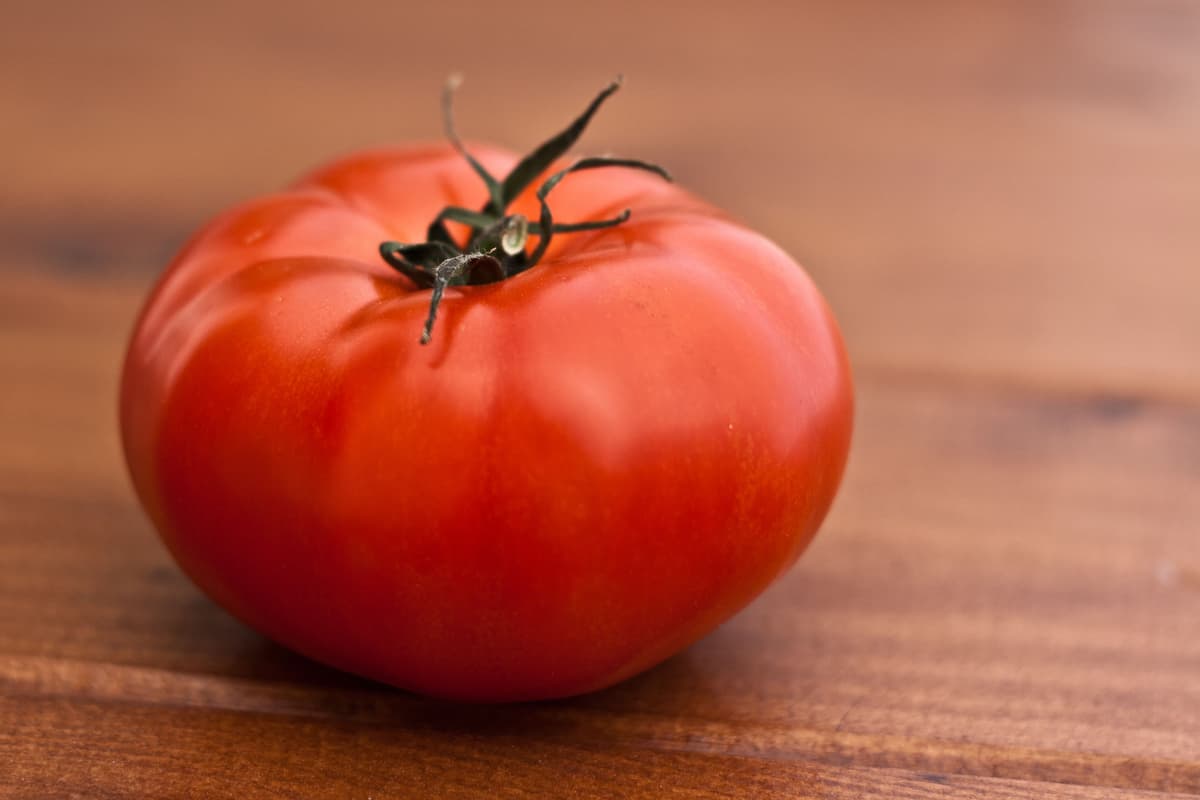
Mortgage Lifter is a large indeterminate heirloom beefsteak tomato producing pinkish-red fruit with rich, sweet flavor. The plants are vigorous and tall, requiring sturdy support and a long enough season for maturity. First developed by crossing four different varieties—including German Johnson, Beefsteak, and possibly others—Mortgage Lifter combines large size with a flavor profile that remains popular after decades. The fruit typically ripens in about 80 days from transplant.
Mortgage Lifter Tomato Quick Facts
| Trait | Mortgage Lifter tomato details |
|---|---|
| Tomato type | Large heirloom beefsteak / slicer |
| Growth habit | Indeterminate |
| Days to maturity | Commonly around 80 days; verify seed source |
| Fruit size | Often 1–2 lb; some larger fruit under excellent conditions |
| Fruit color | Pink to reddish-pink |
| Flavor | Rich, sweet, mild/low-acid impression |
| Plant size | Tall vining plant; needs strong support |
| Best uses | Sandwiches, slicing, salads, tomato plates, fresh eating |
| Main challenges | Tall vines, heavy fruit, cracking, uneven ripening, small fruit, blossom drop, leaf diseases, container limits |
What Mortgage Lifter Tomatoes Taste Like and How to Use Them
Mortgage Lifter is grown primarily for fresh eating. The fruit is large, meaty, and juicy, with a sweet, rich flavor and mild acid profile. It is a slicer, best used thick on sandwiches, BLTs, burgers, tomato plates with salt and olive oil, or salads. The dense flesh holds up well without turning mushy. Cracked or overripe fruit works in salsa or quick sauces, but this variety is not ideal for paste or large-scale canning. For best flavor, eat at room temperature within a day or two of picking.
Mortgage Lifter vs. Brandywine and Cherokee Purple
| Variety | Best for | Flavor/fruit style | Growing watch-out |
|---|---|---|---|
| Mortgage Lifter | Large pink slicers, heirloom story, fresh eating | Mild, rich, sweet, meaty | Tall vines, heavy fruit, support needs |
| Brandywine | Classic heirloom flavor | Large beefsteak, strong flavor reputation | Can be slower or less productive |
| Cherokee Purple | Dark heirloom flavor | Dusky pink/purple beefsteak | Ripeness confusion, cracking, variable yield |
Mortgage Lifter tends to be more productive than Brandywine in many gardens and has a smoother, more uniform shape compared to Cherokee Purple. While Brandywine is often praised for intense complexity, Mortgage Lifter appeals to those who prefer a milder, sweeter slice. Cherokee Purple offers a unique dusky color and rich taste but can be harder to judge for ripeness.
Planting Mortgage Lifter Tomatoes for Strong Vines and Big Fruit
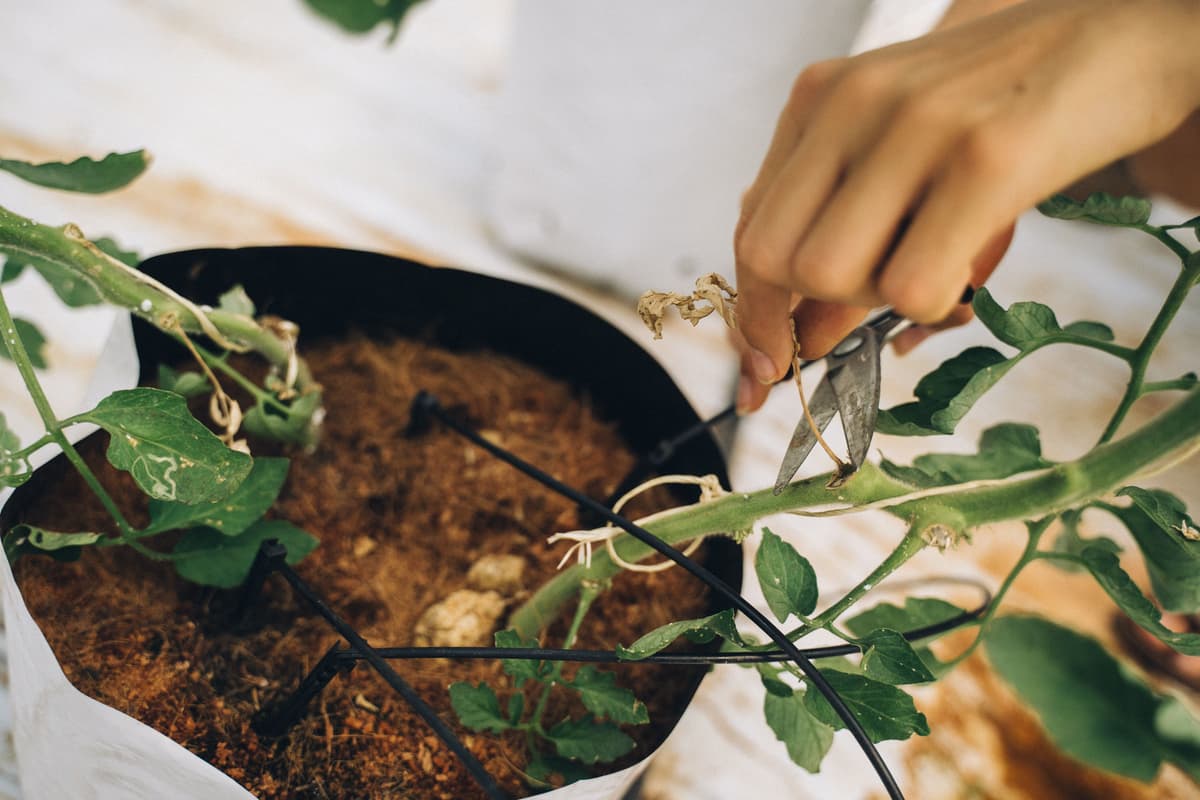
Good planting timing, site selection, soil prep, and support matter more for this variety than for smaller tomatoes.
When to Start Seeds and Transplant Mortgage Lifter Tomatoes
Start seeds indoors 6 to 8 weeks before your local last frost date. Use strong light from germination—place under grow lights or in a bright south-facing window. Harden off gradually over a week. Transplant outdoors after all frost risk has passed and soil is warm, ideally above 60°F. Bury the stem deeply, removing lower leaves so the top few sets of leaves are above soil. Adding a handful of compost or a balanced fertilizer to the planting hole gives young plants a gentle start.
Sun, Soil, Spacing, and Deep Planting
Mortgage Lifter needs full sun—at least 8 hours daily. Soil should be well-drained and fertile, amended with compost, with pH 6.0 to 6.8. Space plants 3 feet apart in rows 4 to 5 feet apart for good airflow. Avoid planting where tomatoes, peppers, or eggplants grew the previous year to reduce soilborne disease pressure.
Staking and Trellising Mortgage Lifter Tomatoes
This is critical. Mortgage Lifter is indeterminate and can reach 6 to 8 feet. Install strong support at planting time. Effective options include: concrete reinforcing wire cages (cut to 5–6 feet tall with 6-inch mesh), heavy wooden stakes 6–7 feet tall driven 18 inches into the ground, a trellis with horizontal strings every 12 inches, Florida weave, or overhead vertical strings anchored to a sturdy frame. Tie stems gently as they grow using soft plant ties or cloth strips. Without solid support, heavy vines and fruit can collapse.
Can You Grow Mortgage Lifter Tomatoes in Pots?
Possible but not ideal. Use a minimum 10-gallon container with drainage holes and strong support. Container soil dries out faster, requiring more frequent watering—sometimes twice daily in hot weather. Yields are typically smaller, and fruit may not reach full size. If space is limited, consider compact large-fruited varieties like Bush Goliath instead.
Mortgage Lifter Tomato Care: Pruning, Watering, Feeding, and Fruit Set

Seasonal care decisions determine whether Mortgage Lifter reaches its potential.
How to Prune Mortgage Lifter Tomatoes Without Overdoing It
Mortgage Lifter is indeterminate; selective sucker pruning helps manage height and airflow. Train to one or two main stems, removing suckers while small—pinch them off when 2–4 inches long. Expect regrowth; prune consistently but not obsessively. Remove lower leaves touching the soil to reduce disease splash. Do not strip upper leaf cover, which protects fruit from sunscald. A good rule: keep enough foliage to shade the fruit but allow air circulation through the plant’s center.
Watering and Fertilizing for Large Mortgage Lifter Fruit
Consistent soil moisture during flowering and fruit enlargement is critical to prevent cracking, blossom end rot, and small fruit. Mulch with straw, shredded leaves, or grass clippings to reduce fluctuations—apply a 2- to 3-inch layer after soil warms. Water at the base to keep foliage dry. Aim for about 1–2 inches of water per week. Fertilize with a balanced vegetable fertilizer (e.g., 5-10-10 or 10-10-10) at planting and again when first fruit sets. Avoid excess nitrogen, which promotes leafy growth at the expense of flowers. Side-dress with a low-nitrogen fertilizer when fruit begins to swell.
Why Mortgage Lifter Plants Flower but Do Not Set Fruit
| Symptom | Likely cause | What to do |
|---|---|---|
| Flowers drop before fruit forms | Heat, cold nights, water stress, poor pollination | Keep plant healthy; wait for better weather |
| Big leafy plant, few flowers | Too much nitrogen, not enough sun | Reduce nitrogen, improve light |
| Flowers form but no fruit | Poor pollen release, heat, weak airflow | Gently shake flowers, improve airflow |
| Fruit starts but stays small | Heat, container stress, heavy load | Stabilize care, wait for cooler conditions |
High temperatures above 90°F day or 70°F night can cause blossom drop. Shake flowers at midday to improve pollination. Address temperature, watering, and airflow before using bloom boosters; they rarely fix fundamental issues.
How Tall Is Too Tall? Managing Height Late in the Season
If vines exceed your support, add height with taller stakes or overhead string. Do not top too early; late-season topping can direct energy to ripening existing fruit. Remove new flowers only when there isn’t enough season left for those tomatoes to mature—typically 60–70 days before first frost. Keep airflow by removing lower leaves but maintain upper leaf cover. Heavy late-season growth can be pruned back to one or two main stems.
Mortgage Lifter Tomato Problems: Small Fruit, Leaf Spots, Cracking, and Uneven Ripening

Why Are My Mortgage Lifter Tomatoes Small or Underwhelming?
Many fruits are in the 1 to 2 pound range; not every fruit reaches 2 pounds. Causes include heat stress, poor pollination, inconsistent watering, low fertility, heavy fruit load, short season, container limits, or seed variation. Provide strong support, steady water, balanced feeding, and full sun. Manage expectations—a 1-pound tomato is still substantial and excellent for slicing. First fruits are often smaller; later ones may be larger as the plant matures.
Yellow Leaves, Brown Spots, and Lower-Leaf Problems
| What you see | Likely cause | What to do |
|---|---|---|
| Lower leaves yellowing without spots | Normal aging | Remove if declining; monitor |
| Yellow leaves with brown spots | Early blight, Septoria, fungal leaf spot | Remove affected leaves, mulch, improve airflow |
| Distorted or curled growth | Heat, herbicide drift, virus, stress | Diagnose before pruning/fertilizing |
| Sudden wilting | Water stress, root damage, wilt disease | Check soil moisture, roots; verify before assuming disease |
Normal aging of lower leaves is fine. If symptoms spread quickly, remove affected leaves with clean pruners, mulch to prevent soil splash, and water at base only. Consider a copper-based fungicide if fungal issues persist. Contact your local extension for uncertain diagnoses.
Cracking, Splitting, Blossom End Rot, and Catfacing
Cracking and splitting result from water fluctuations—consistent watering and mulching reduce risk. If cracks appear after heavy rain, harvest mature fruit early and finish indoors. Blossom end rot (dark sunken blossom end) is caused by inconsistent watering disrupting calcium uptake; keep soil evenly moist. Adding calcium is rarely effective if watering is irregular. Catfacing (misshapen fruit with scars) is common on early fruit after cool weather; affected fruit is edible if you cut away scarred parts.
Uneven Ripening and Green Shoulders
Large beefsteaks often ripen unevenly; green shoulders may be normal, especially if the fruit is still firm. Judge ripeness by feel (slight give under pressure) rather than color alone. Don’t strip leaves to force ripening. If frost or pests threaten, pick fruit at the mature breaker stage (when pink begins to show) and finish indoors on a countertop. Green shoulders can be trimmed away when slicing; the rest of the fruit is perfectly fine.
Harvesting, Eating, and Saving Mortgage Lifter Tomatoes
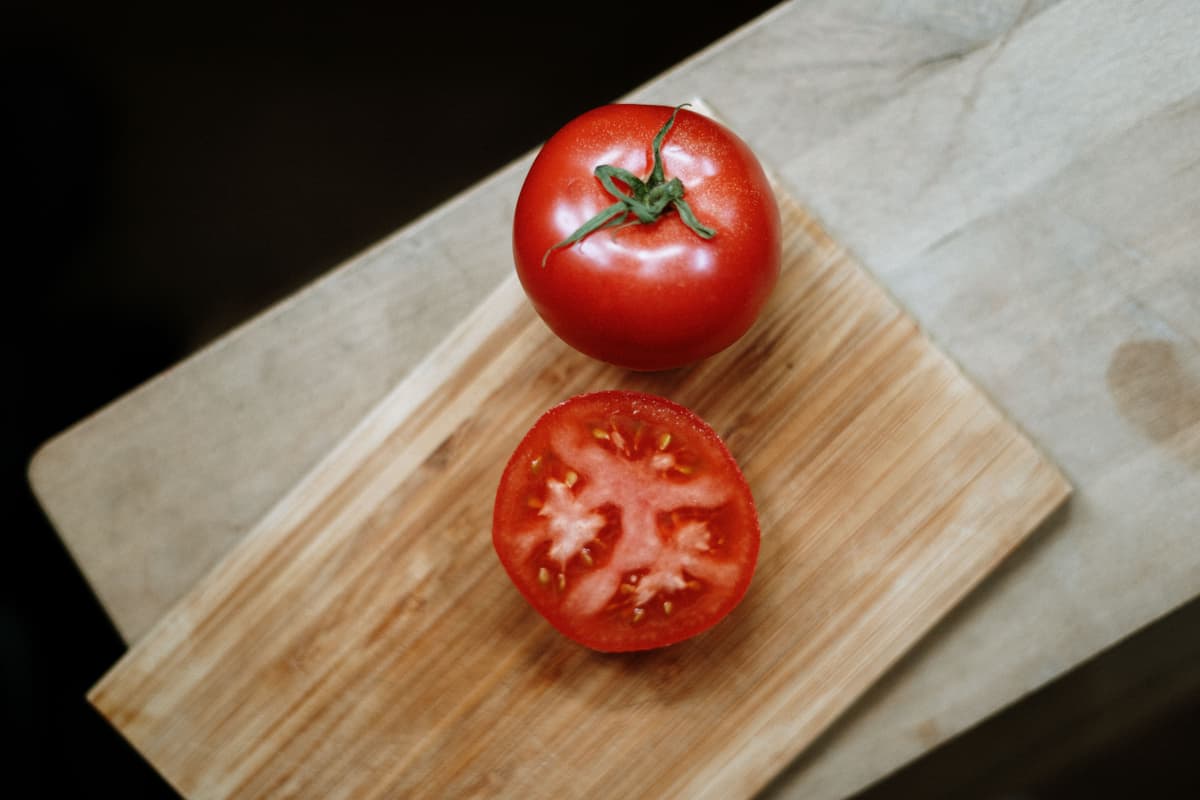
When to Pick Mortgage Lifter Tomatoes
Pick when fruit is mostly pinkish-red and gives slightly under gentle pressure. Use snips to cut the stem to avoid tearing the vine. If cracking is common, pick before heavy rain; mature fruit will finish ripening indoors. For best flavor, bring fruit to room temperature before eating. Refrigeration dulls tomato flavor.
Best Uses for Mortgage Lifter Tomatoes
Best fresh: sandwiches, BLTs, burgers, tomato plates, salads. Surplus or cracked fruit works in salsa or quick sauces, but it is not ideal for paste or large-scale canning. The low acidity means pressure canning is required for shelf-stable sauces. Large slices also pair well with fresh mozzarella, basil, and balsamic for a simple caprese.
Can You Save Mortgage Lifter Tomato Seeds?
Yes, as an open-pollinated heirloom, seeds produce true-to-type plants if not cross-pollinated. To save: select a healthy ripe fruit from the best plants—look for large size, good flavor, and disease resistance. Scoop seeds and jelly into a jar, add water, let ferment a few days (stir daily) until a white mold forms on top. Rinse seeds in a strainer under cool water, spread on a coffee filter to dry for a week, and store in a labeled envelope. Properly stored seeds remain viable for 3–5 years.
Conclusion
Mortgage Lifter is a rewarding heirloom for home gardeners prepared for its size and needs. With strong support, consistent watering, balanced feeding, and realistic expectations, you can grow large, sweet slicers that honor the variety’s legendary past. It isn’t the easiest tomato, but the investment pays off in satisfying harvests that taste like summer.
FAQ
Why is it called Mortgage Lifter?
The name comes from M.C. Byles (Radiator Charlie), who developed the variety in the 1930s. He sold seedlings for one dollar each—a steep price during the Depression—and the income helped him pay off a $6,000 mortgage on his greenhouse.
Is Mortgage Lifter determinate or indeterminate?
Mortgage Lifter is indeterminate, producing tall vines that set fruit throughout the season until frost. It needs strong support and benefits from selective pruning to manage height and airflow.
How big do Mortgage Lifter tomatoes actually get?
Most fruits are 1 to 2 pounds under good conditions with consistent care. Larger fruit is possible but not typical—growers in ideal climates may see an occasional 2.5-pound tomato. Seed catalog claims of 2 to 4 pounds represent maximum potential, not average harvest.
Are Mortgage Lifter tomatoes hard to grow?
They are manageable but not the easiest variety for beginners. They need full sun, strong support, consistent watering, good airflow, and realistic expectations. Beginners can succeed with proper planning—start with strong transplants, install support at planting, and water evenly. The main challenges are height management and fruit cracking, both preventable with good practices.
You Might Also Like