How to Grow Jelly Bean Tomatoes
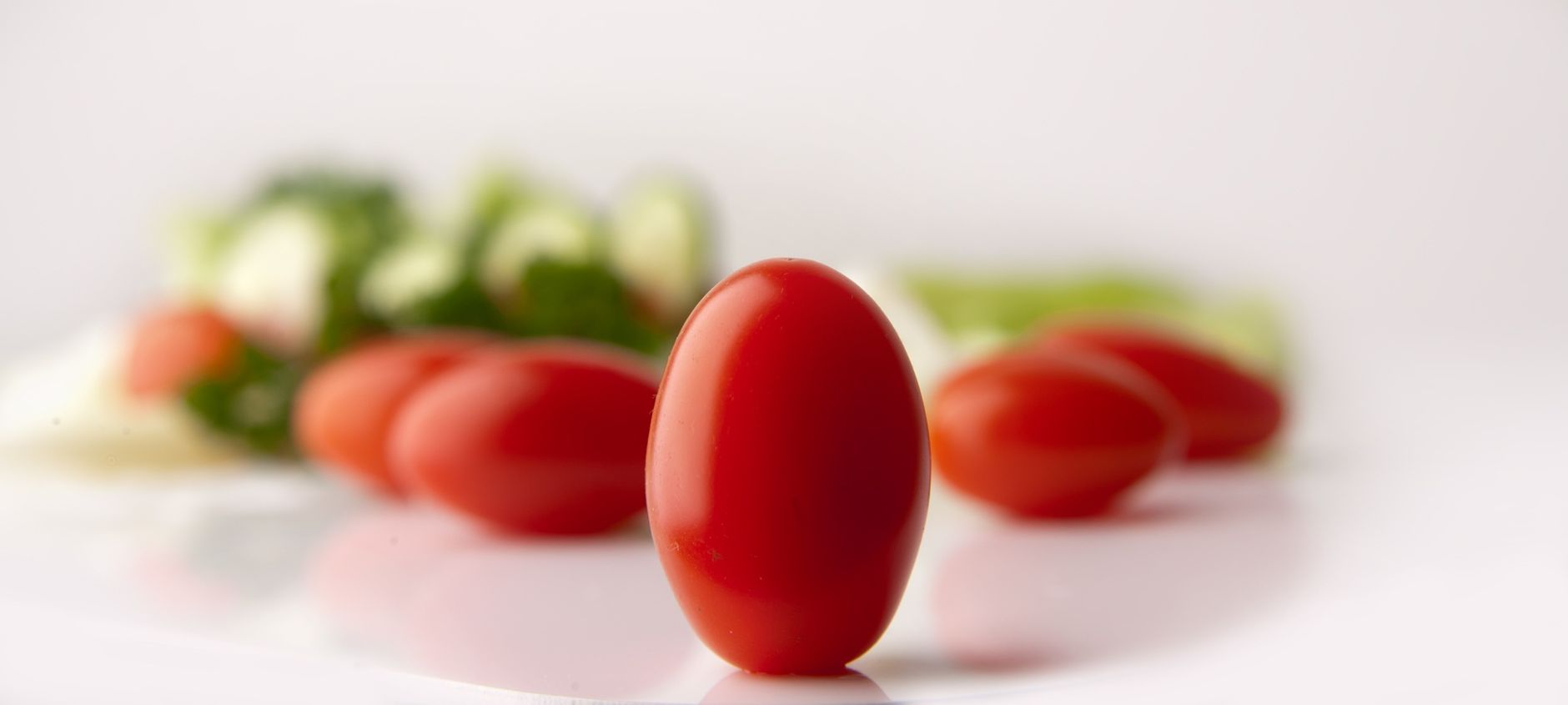
Jelly Bean is a sweet, snackable grape tomato with heavy clusters. It’s an F1 hybrid with indeterminate growth, so vines keep growing until frost. It needs space, support, and consistent care. This guide covers what to expect, how to grow it, and how to handle common problems. With proper attention, these small tomatoes can produce hundreds of fruit per season, making them a favorite for home gardens and small spaces alike.
Key Takeaways
- Indeterminate grape tomato needs space: Jelly Bean is an F1 hybrid with indeterminate growth. Despite its small fruit size, the plant needs sturdy support and at least 24–36 inches of spacing.
- Sweetness depends on growing conditions: Flavor varies with seed source, sunlight, ripeness, and care. Let fruit reach full color on the vine for the best taste.
- Consistent care prevents common problems: Even watering, mulch, balanced fertilizer, and regular harvest help reduce cracking and keep clusters productive.
- Container growing requires a large pot: Indeterminate vines need at least a 5–7 gallon container with drainage, strong support, and daily watering in hot weather.
- Saved seeds from F1 hybrids are unreliable: Buy fresh seed each season for consistent results.
- Heavy clusters need frequent picking: Regular harvest encourages continued flowering and prevents branch damage from weight.
Jelly Bean Tomato at a Glance
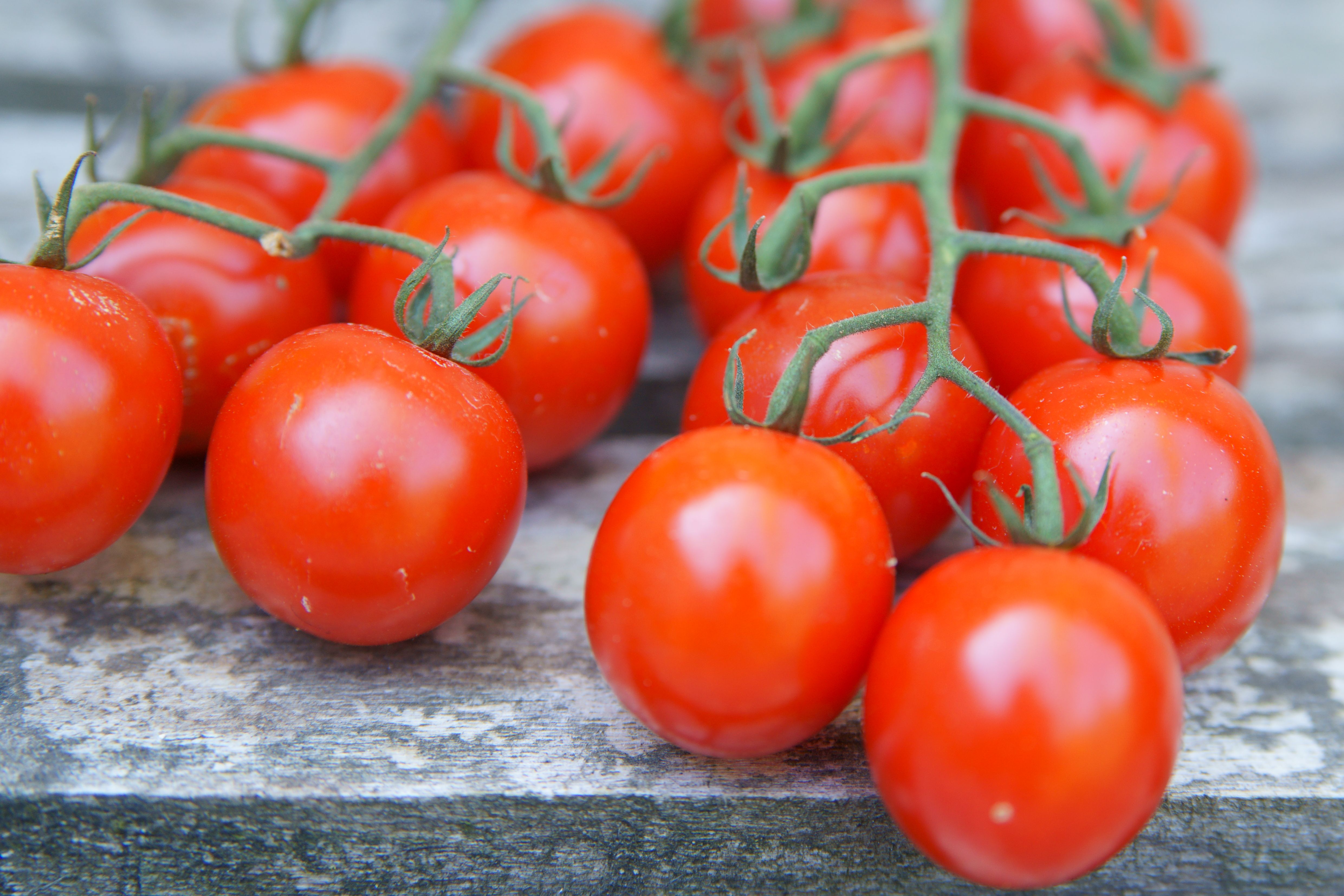
Jelly Bean is a grape-type tomato, not a round cherry. The fruit is small, oblong, and typically forms in dense clusters. It is an F1 hybrid and indeterminate. Red and yellow versions exist. Verify specific seed source for maturity, size, and disease resistance.
Jelly Bean Tomato Quick Facts
| Trait | Jelly Bean tomato details |
|---|---|
| Tomato type | Grape-type tomato / small snacking tomato |
| Hybrid status | F1 hybrid |
| Growth habit | Indeterminate |
| Days to maturity | Commonly 60–70 days; verify seed source |
| Fruit size | Small grape-type, often ½–¾ oz or about 1 inch |
| Fruit color | Red and Yellow Jelly Bean listings exist |
| Fruit clusters | Often 15–30 fruits per cluster |
| Flavor | Sweet, snackable, balanced acidity |
| Support need | Cage, stake, trellis, or vertical support |
| Main watch-outs | Seed-source accuracy, F1 saved seed variability, vigorous vines, container size |
Red Jelly Bean vs. Yellow Jelly Bean Tomatoes
| Type | Key traits | Best use | Watch-out |
|---|---|---|---|
| Red Jelly Bean | Red grape-type, sweet, cluster-forming | Snacking, salads, roasting | Verify seed source |
| Yellow Jelly Bean | Yellow grape-type, sweet, cluster-forming | Color contrast, snacking | Harvest at full yellow for best flavor |
| Saved-seed plants | Variable fruit color/shape/size | Experiment only | Won’t match F1 parent |
Is Jelly Bean Tomato Determinate or Indeterminate?
Major sources list Jelly Bean as indeterminate. The plant keeps growing taller and producing new flowers and fruit throughout the season. The small fruit size is misleading — the vines are not compact. Jelly Bean needs strong support and space. A single well-tended plant can reach 6–8 feet tall and produce clusters at multiple nodes, so staking or caging at planting time is essential.
Jelly Bean Tomato vs. Cherry, Grape, and Juliet Tomatoes
| Type | Shape/texture | Best use | Key difference |
|---|---|---|---|
| Jelly Bean | Small oblong grape-type, firm-juicy | Snacking, salads, roasting | Specific hybrid grape tomato |
| Cherry tomato | Round, often juicier | Snacking, salads, sauces | Rounder and often juicier |
| Grape tomato | Oblong, firmer, thicker skin | Lunch boxes, salads | Jelly Bean fits this category |
| Juliet tomato | Larger grape / mini-Roma, meaty | Roasting, salads, cooking | Larger and meatier |
| Sun Gold / SunSugar | Round, very sweet, juicy | Fresh snacking | Different color/flavor profile |
How Sweet Are Jelly Bean Tomatoes?
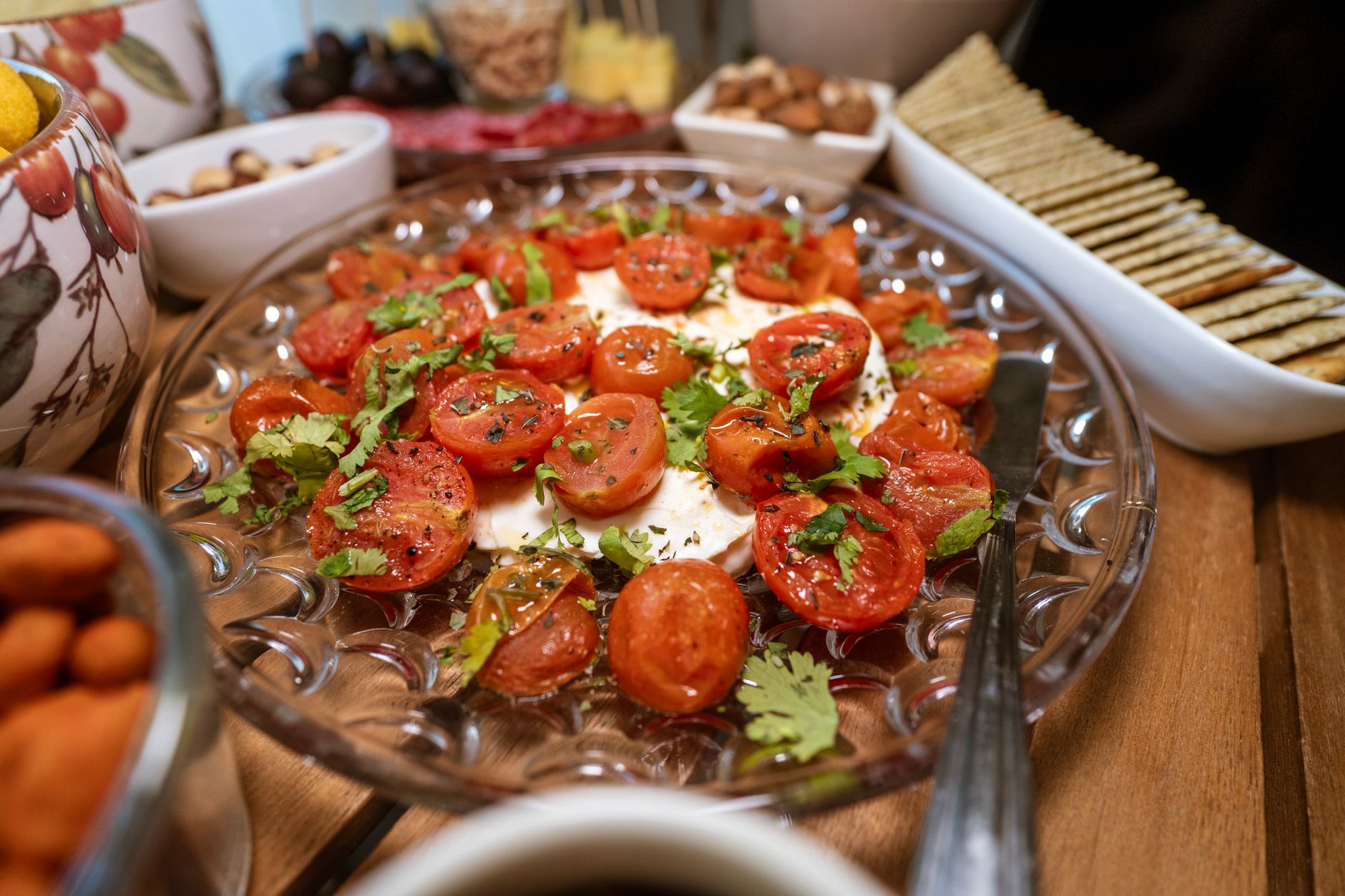
Jelly Bean is marketed as very sweet, but sweetness depends on seed source, growing conditions, ripeness, and taste. Some find them candy-sweet when fully ripe; others find them less notable. Brix levels, which measure sugar content, can range from 8 to 10 in well-grown fruit, but home garden conditions vary widely.
Jelly Bean Tomato Taste and Texture
When fully ripe, Jelly Bean tomatoes are sweet with balanced acidity. The skin is firmer than many round cherry tomatoes, typical for grape types. The interior is juicy but not watery. They work well as snacks, in salads, lunch boxes, or roasted. The firm skin holds up during handling and cooking. For salads, they maintain shape without turning mushy, and their small size makes them ideal for popping into the mouth whole.
Are Jelly Bean Tomatoes the Sweetest Tomatoes?
Some catalogs describe Jelly Bean as very sweet, but “sweetest” claims are unsupported. Sweetness is measured by Brix, but flavor also involves acidity and aroma. Other sweet small tomatoes include Sun Gold, SunSugar, Sweet Million, and Sweet 100. Compare fully ripe fruit from each variety. Under optimal conditions, Jelly Bean can be one of the sweetest grape types, but individual taste preferences matter most.
Why Jelly Bean Tomatoes May Taste Bland or Sour
| Problem | Likely cause | What to do |
|---|---|---|
| Not sweet | Picked too early, low sun, plant stress | Let fruit ripen fully; improve sunlight and care |
| Sour/tart | Underripe fruit | Wait for full color |
| Watery flavor | Too much water before harvest | Improve consistency; harvest after stable weather |
| Tough skin | Grape-type texture, heat, water stress | Use ripe fruit; keep moisture steady |
| Uneven flavor | Mixed ripeness in clusters | Harvest fruit individually |
How to Grow Jelly Bean Tomatoes
Growing Jelly Bean is similar to other indeterminate grape types. Seed starting, support, watering, and pruning affect yield and quality. Proper soil preparation with compost or a balanced organic fertilizer sets the stage for strong root development and high productivity.
Starting Seeds and Transplanting Jelly Bean Tomatoes
Start seeds indoors 6–8 weeks before the last frost. Tomatoes need warmth (70–80°F) and strong light. A heat mat and grow light prevent leggy seedlings. Harden off seedlings over a week. Transplant after all frost risk is past. If seedlings look stressed, check light, temperature, water, and hardening off. Space transplants 24–36 inches apart in rows or beds with well-draining soil.
Does My Jelly Bean Seedling Look Right?
Tomato seedlings produce narrow cotyledons, then true leaves with the familiar shape and smell. If leaves look like brassica, suspect a seed mix-up. Wait for true leaves to confirm identity. Label trays and compare multiple seedlings. Once true leaves appear, they should have the typical tomato leaf serrations and a distinct tomato scent when rubbed.
Sun, Spacing, and Support for Indeterminate Jelly Bean Vines
Full sun (6–8 hours daily) is essential for sweetness and productivity. Provide sturdy support at planting: cage, stake, trellis, or vertical system. Space plants 24–36 inches apart for airflow. Heavy clusters can cause branches to bend without proper support. A strong tomato cage (24–36 inches wide) or a Florida weave trellis works well for larger plantings.
Watering, Fertilizing, and Pruning for Steady Clusters
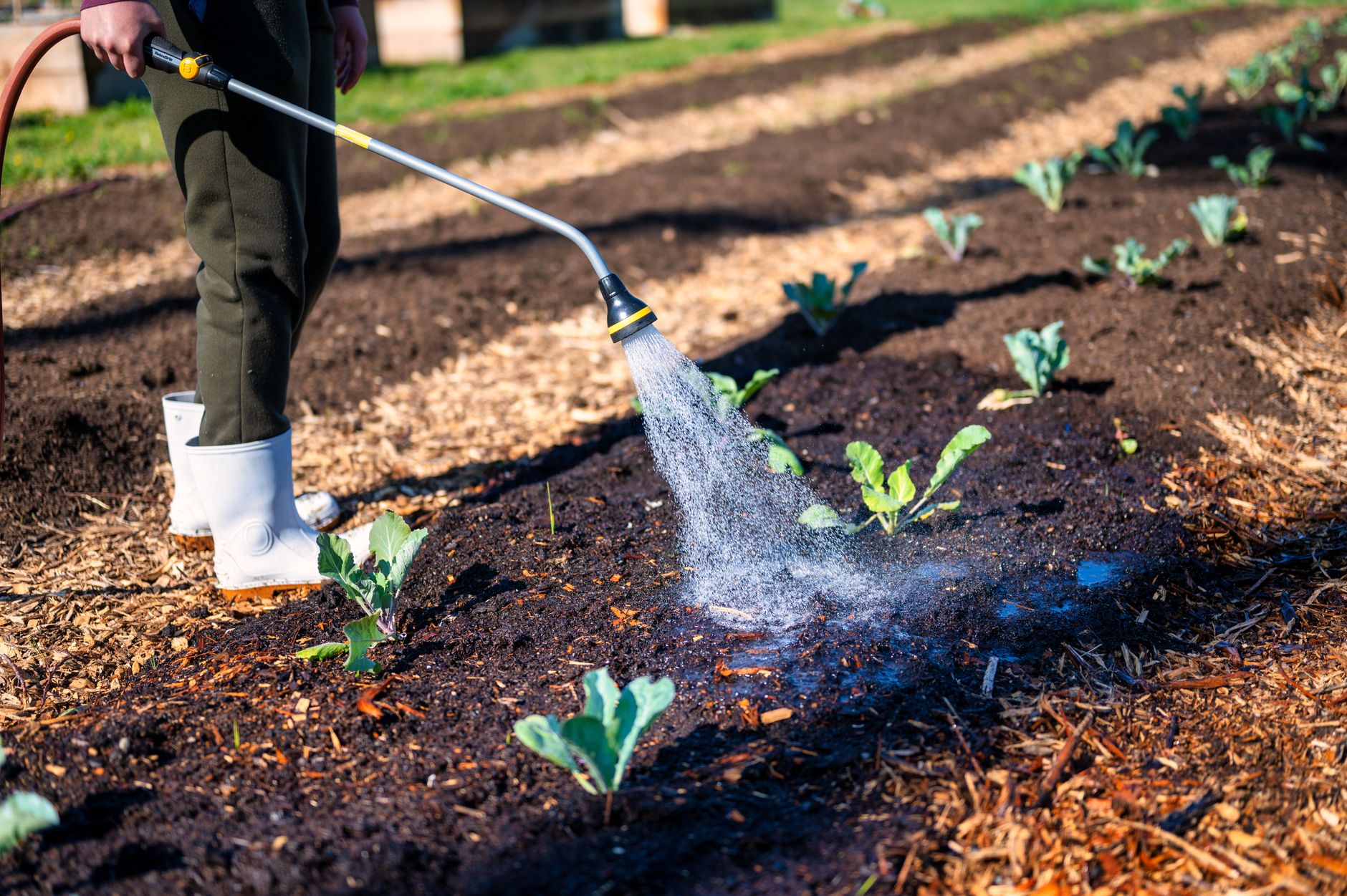
Keep soil moisture consistent to reduce cracking. Use mulch to cool roots and retain moisture. Avoid excess nitrogen; use balanced fertilizer at planting and after the first fruit flush. Remove lower leaves touching the soil. Prune lightly for airflow, but don’t strip heavily in hot weather. Regular harvest encourages continued production. For best results, water at the base rather than overhead to prevent foliar disease.
Can You Grow Jelly Bean Tomatoes in Containers?
Yes, but with limitations. Indeterminate vines need a 5–7 gallon container with drainage and quality potting mix. Use strong support. One plant per container. In hot weather, water daily. If space is very limited, a dwarf cherry tomato may be more reliable. Containers should be placed in full sun and monitored for water needs twice daily during heat waves.
Can You Save Seeds from Jelly Bean Tomatoes?
Jelly Bean is an F1 hybrid. Saved seeds will produce variable plants — different fruit color, size, sweetness, and vigor. For consistent results, buy fresh seed each season. Saved seeds are only an experiment. If you want to try, ferment the seeds, dry them, and plant only a few as a curiosity.
Harvesting, Storing, and Using Jelly Bean Tomatoes
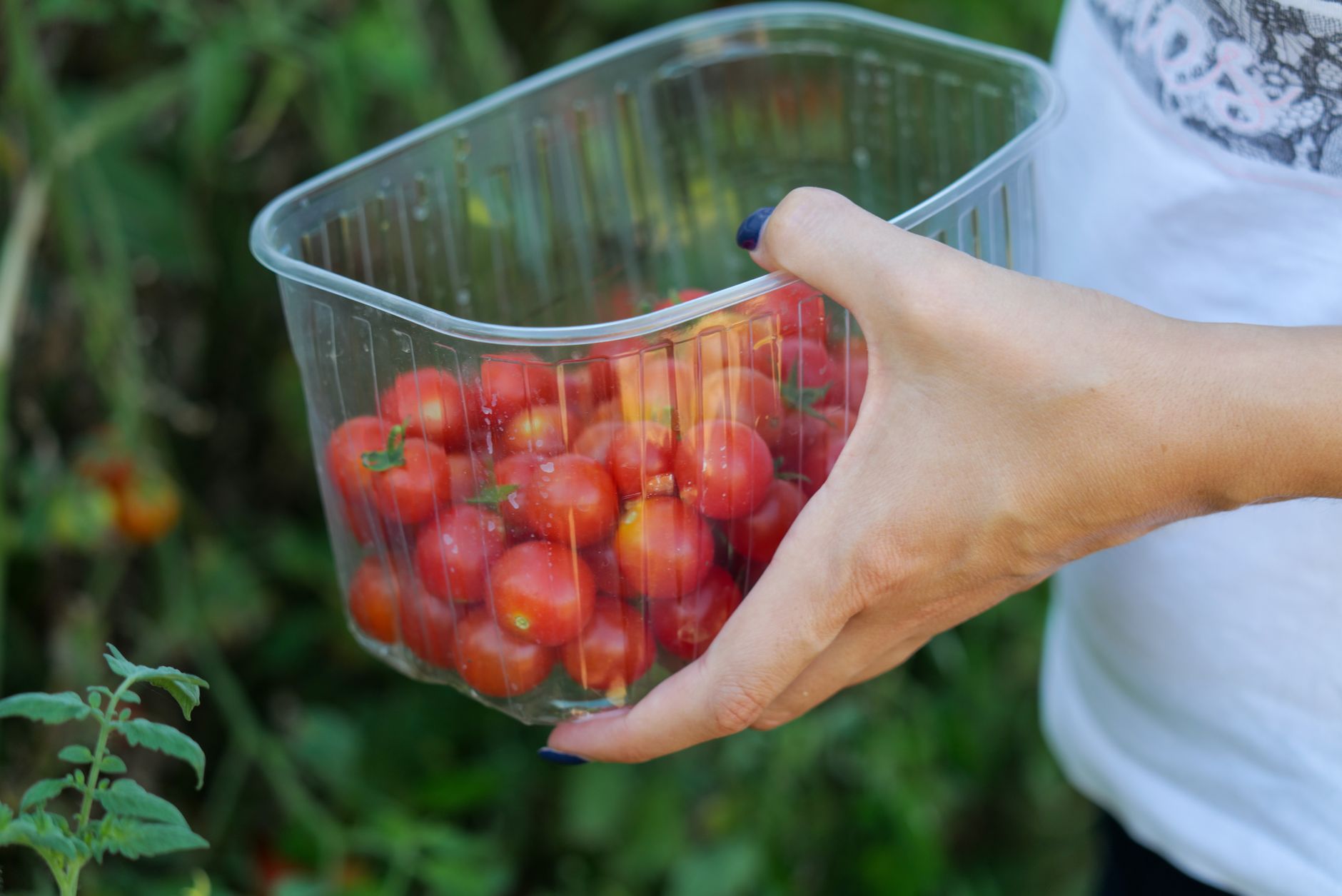
Knowing when and how to harvest improves flavor and texture. Regular picking also encourages more fruit set, extending the harvest window into early fall.
When to Pick Jelly Bean Tomatoes
Pick red Jelly Bean when fully red and slightly yielding. For yellow, wait for a rich full yellow. Harvest individual fruit as they ripen. Overripe fruit may split or drop. Use scissors to avoid tearing clusters. Check plants every two to three days during peak production.
How to Store Jelly Bean Tomatoes
Store ripe whole tomatoes at room temperature for a few days. Keep out of direct sunlight. Refrigerate cut tomatoes for safety. Let refrigerated whole fruit come to room temperature before eating for better flavor. For longer storage, lay them in a single layer on a counter, stem side up, and use within 5–7 days.
Best Ways to Eat Jelly Bean Tomatoes Fresh
Snack straight from the garden, pack in lunch boxes, toss in salads, add to grain bowls, or thread onto skewers. Olive oil, salt, basil, or balsamic vinegar complement their sweetness. Small size makes them easy for children. They also pair well with mozzarella for a simple caprese salad variation.
Roasting, Cooking, and Freezing Jelly Bean Tomatoes
Roast whole or halved with olive oil, salt, and herbs at 375–400°F until tender and caramelized. Use in pasta, pizza, sauces, soups, or grain bowls. Freeze for later cooked dishes; frozen tomatoes soften after thawing. For thick sauce, Roma tomatoes are better. Roasting concentrates flavor and makes them a versatile pantry ingredient.
Can You Can Jelly Bean Tomatoes?
Home canning requires proper acidification and tested recipes. For most gardeners, roasting and freezing is simpler and safer. Avoid unsafe “just pack and process” advice. If you choose to can, use only trusted sources like the USDA or extension service.
Jelly Bean Tomato Problems and Troubleshooting
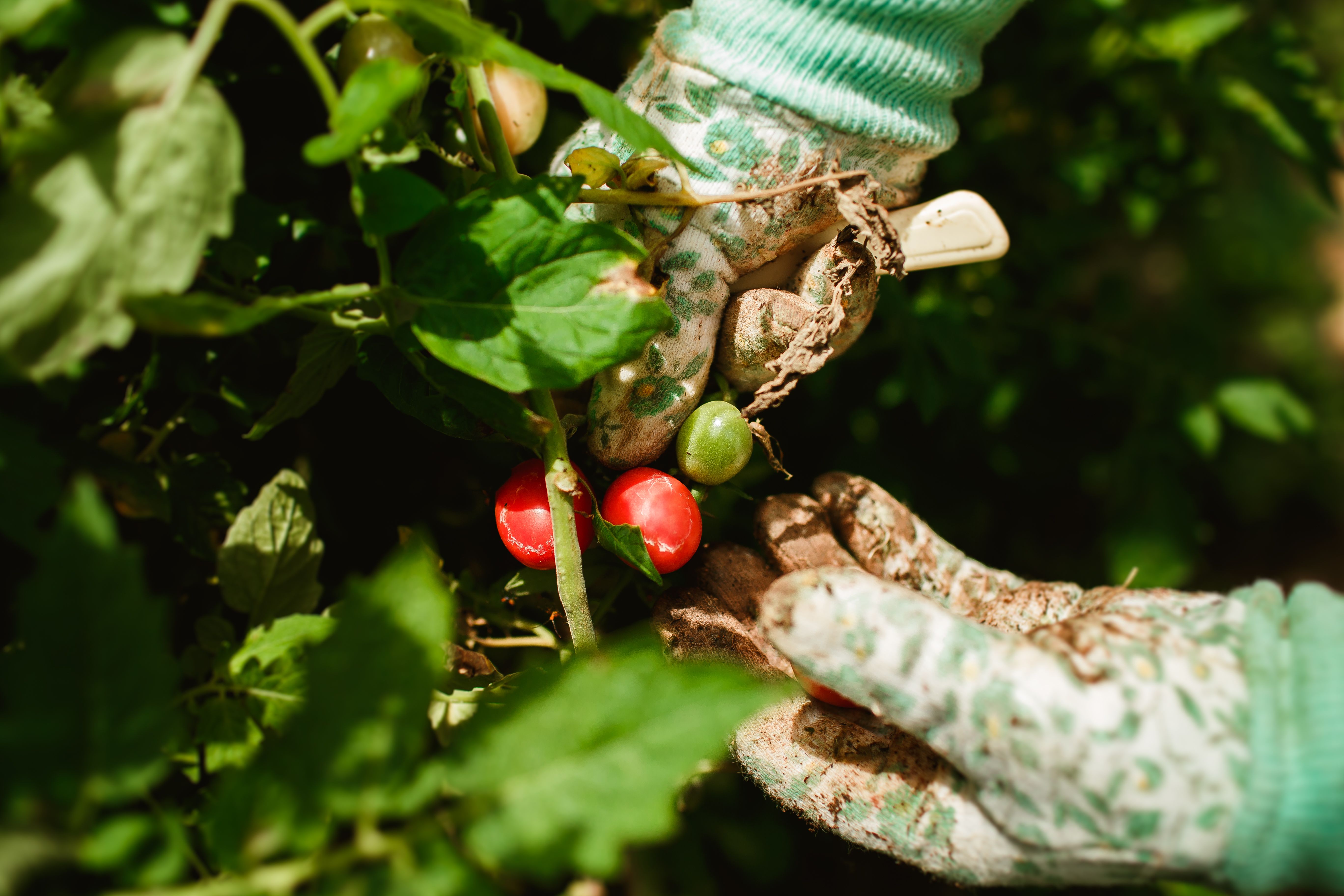
Jelly Bean Tomatoes Splitting or Cracking
Some sources list Jelly Bean as crack-resistant, but no tomato is completely crack-proof. Splitting follows heavy rain, inconsistent watering, or overripe fruit. Pick ripe fruit regularly. Mulch and steady watering reduce risk. Use sound split fruit quickly; discard if mold appears. During wet spells, harvest slightly early and ripen indoors to avoid loss.
Lots of Vine, Not Enough Fruit
| Symptom | Likely cause | What to do |
|---|---|---|
| Huge vines, few flowers | Too much nitrogen, low sun | Reduce nitrogen, improve light |
| Flowers drop | Heat, water stress, poor pollination | Keep moisture steady; shake flowers gently |
| Fruit clusters small | Plant stress, container limits | Improve support/water; wait |
| Slow ripening | Weather, shade, heavy crop | Harvest ripe fruit regularly |
| Low yield in pot | Container too small, inconsistent watering | Use larger pot next season |
Why Are My Jelly Bean Tomatoes Small, Weird, or the Wrong Color?
If all fruit are wrong, suspect a seed mix-up or saved hybrid seed. If only a few are odd, stress or weather is likely. Judge color against the seed packet. Cross-pollination affects the next generation, not current fruit. Catfacing or odd shapes usually result from cold nights during flowering.
Common Leaf and Plant Health Problems
Yellow lower leaves are often normal with age, but can signal nitrogen deficiency or overwatering. Leaf spots, wilting, and curling may indicate fungal issues or water stress. Focus on airflow, mulch, base watering, and removing lower leaves. For transplant shock, gradual hardening off and partial shade help. If disease spreads quickly, contact your local extension service. Regular inspection and prompt action keep small problems from escalating.
Conclusion
Jelly Bean is a productive, sweet grape tomato that rewards consistent care. It needs sturdy support, space, and regular watering and harvest. Seed-source accuracy matters, and saved seeds from the F1 hybrid won’t produce identical plants. With the right conditions, you’ll enjoy heavy clusters from mid-summer through frost. Whether grown in-ground or in a large container, this variety delivers a reliable crop of snack-sized tomatoes perfect for everyday use.
FAQ
Are Jelly Bean tomatoes determinate or indeterminate?
Indeterminate. The plant keeps growing and setting fruit until cold or stress stops it. Needs strong support and space.
What do Jelly Bean tomatoes taste like?
Sweet, snackable grape tomatoes with balanced acidity. Flavor is best when fully ripe. Sweetness depends on seed source, conditions, and ripeness.
How big do Jelly Bean tomatoes get?
Small grape-type fruit, often about 1 inch long or ½–¾ oz, varying by seed source and growing conditions.
Can Jelly Bean tomatoes be grown in containers?
Yes, but need a large container (at least 5–7 gallons), drainage, steady watering, and strong support. Small pots restrict growth and yield.
You Might Also Like