How to Grow and Care Black Krim Tomatoes: Ripeness, Green Shoulders and Splitting
If you are looking for a tomato that looks and tastes different from standard red slicers, Black Krim is worth considering. It is known for a rich, smoky-sweet flavor and dark, dusky color. But Black Krim also confuses beginners: the fruit often stays green near the stem, the skin can crack before fully ripe, and the vines grow large and vigorous. Understanding these traits before you plant makes growing smoother.
Key Takeaways
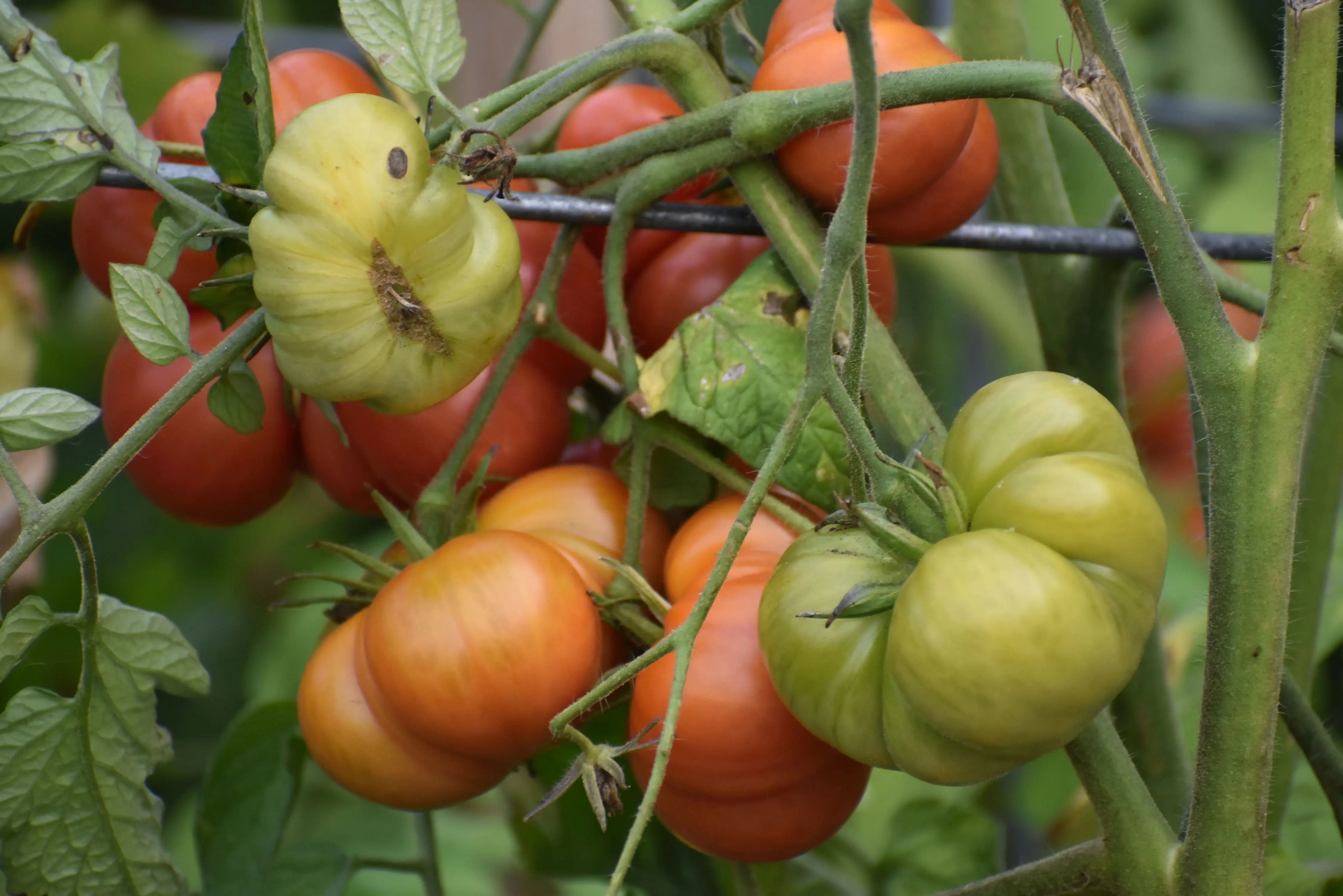
- Green shoulders are normal, not a defect: Ripe Black Krim tomatoes often stay green or olive near the stem. Do not wait for the shoulders to darken. Judge ripeness by gentle pressure and a sweet, earthy aroma instead.
- Consistent watering prevents splitting: Black Krim is thin-skinned and prone to cracking. Keep soil moisture steady with deep, less frequent watering and mulch to reduce the risk of splitting and blossom-end rot.
- Strong support is non-negotiable: This indeterminate vine grows 6 feet or more and produces heavy fruit. Use a sturdy stake, cage, or trellis from planting time.
- Use large containers for potted plants: If growing in a container, use a 15-gallon pot minimum. Small buckets restrict root growth, make watering difficult, and limit fruit production.
- Harvest by feel and aroma, not color alone: A ripe Black Krim yields slightly to pressure and has a strong sweet scent. Pick before heavy rain to avoid cracking, and let split fruit ripen indoors.
Is Black Krim Tomato Worth Growing?
Deciding whether to grow Black Krim depends on what you want. If your main goal is a high-yielding, uniform, crack-resistant tomato, a modern hybrid may serve you better. But if you are willing to trade some predictability for complex flavor and unusual appearance, Black Krim is a strong candidate.
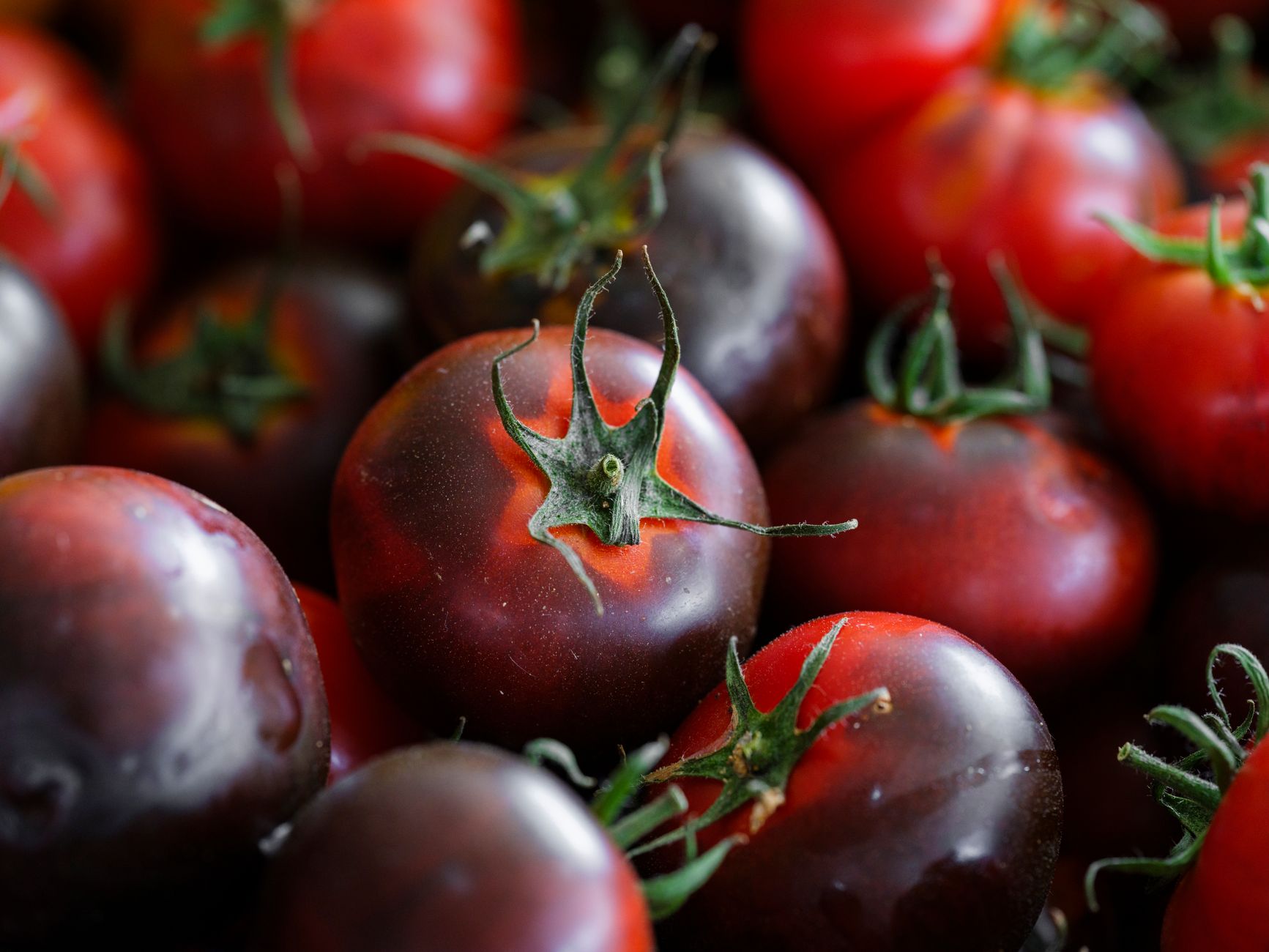
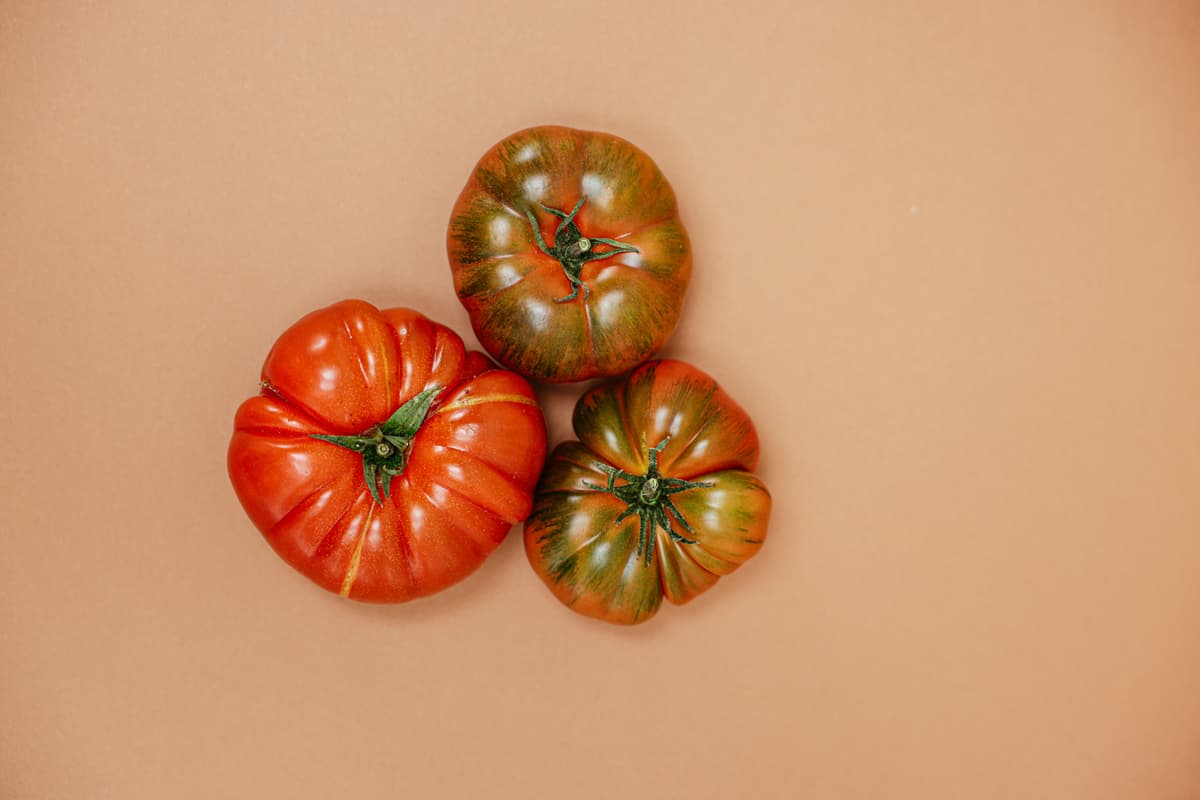
Black Krim is an heirloom variety originating near the Black Sea, in Crimea. The plant is indeterminate, keeps growing until frost, and needs sturdy support, consistent watering, and enough space. The fruit is a beefsteak type, medium to large, with dark red to mahogany-purple color that often fades to green near the shoulders.
Gardeners often mention two things: the flavor (rich, sweet, tangy, slightly smoky) and the challenges (green shoulders, splitting, uneven ripening, vigorous growth). Whether the trade-off is worth it depends on your patience and expectations.
Black Krim Tomato Taste, Color, and Green Shoulders
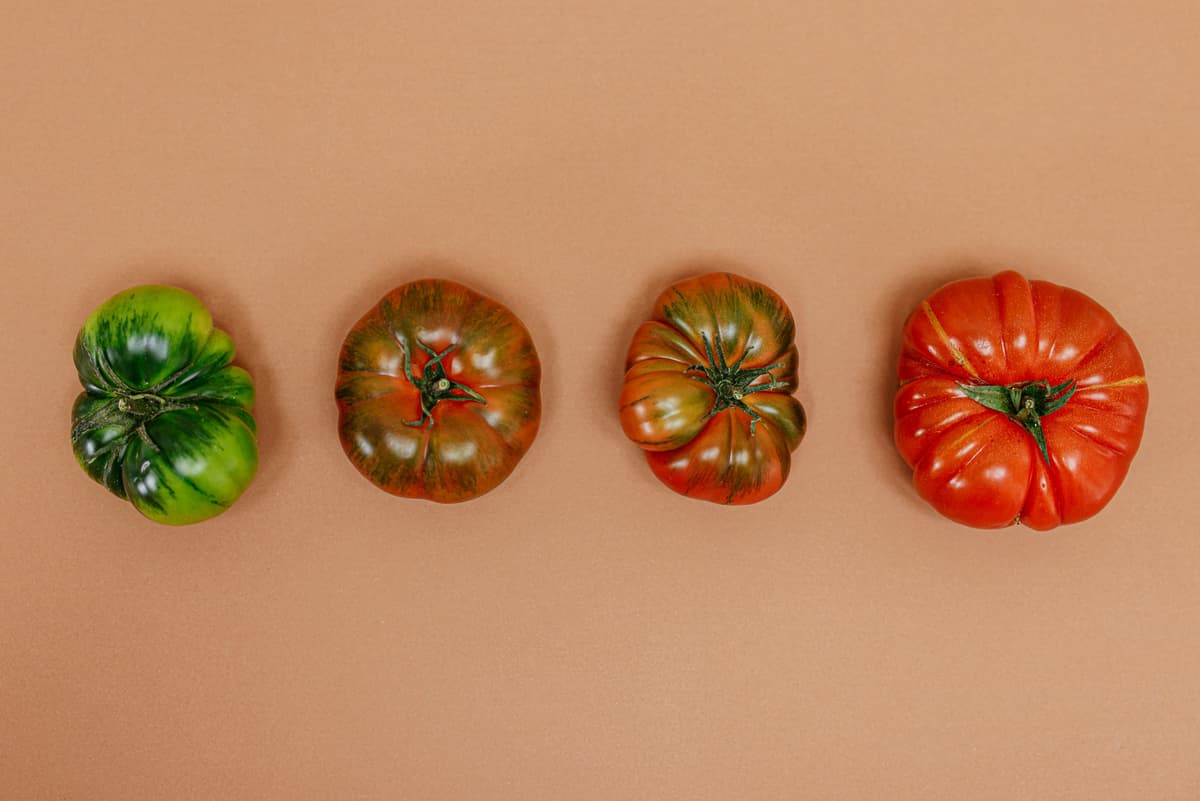
The flavor is richer and more complex than common hybrid tomatoes, with sweetness balanced by tangy or slightly salty notes, and some detect faint smokiness. The ripe fruit is not black but dark mahogany, dusky brownish-purple, or deep red, with green or olive shoulders even when fully ripe. This green shoulder is normal, not a sign of unripeness. Learning to judge ripeness by feel and aroma rather than color alone is essential. The green shoulders are caused by uneven chlorophyll breakdown; in many heirloom varieties, the shoulders simply never turn fully red. Allowing the fruit to hang longer in hope of color change usually leads to splitting or mealy texture.
Black Krim Tomato Quick Facts: Days to Maturity, Size, Vine Type, and Best Uses
| Trait | Black Krim tomato details |
|---|---|
| Tomato type | Indeterminate heirloom slicer / beefsteak-type tomato |
| Days to maturity | 70–90 days depending on source and conditions |
| Fruit size | Medium to large |
| Ripe color | Dark red, mahogany, brownish-purple, often with green shoulders |
| Plant size | Vigorous indeterminate vine; needs strong support |
| Best uses | Fresh slicing, sandwiches, salads, salsa, quick sauces if very ripe or split |
| Main challenges | Splitting, green shoulders, uneven ripening, support needs, variable fruit size |
Black Krim vs. Cherokee Purple vs. Black Cherry: Which One Should You Grow?
Black Cherry is a small, cherry-sized tomato that produces many fruits over a long season. It is easier to grow than larger dark varieties, splits less often, and ripens more reliably. It also works well in containers.
Cherokee Purple is another popular dark slicer, similar to Black Krim in size and flavor, but often sweeter and earthier. Both can crack and ripen unevenly. Some growers find Black Krim more forgiving in certain climates; others prefer Cherokee Purple for more consistent dark color with fewer green shoulders. Local conditions and personal taste determine which performs best. If you have room, growing both allows you to compare and enjoy each variety’s unique character.
How to Grow Black Krim Tomatoes from Seedling to Supported Vine
When to Start Black Krim Seeds and Transplant Outdoors
Start seeds indoors 6 to 8 weeks before your average last frost date. Do not start too early — leggy or root-bound seedlings perform poorly. A sturdy seedling 6–10 inches tall at transplant time is ideal. Use a seed-starting mix and maintain temperatures around 70–75°F (21–24°C) during germination, then drop to 65°F (18°C) after emergence to keep seedlings stocky. Provide 14–16 hours of strong light from a grow light or sunny windowsill, and turn the tray daily to prevent leaning.
Transplant outdoors after nighttime temperatures stay above 50°F (10°C) and soil has warmed to at least 60°F (15°C). Harden off seedlings over a week by gradually exposing them to outdoor conditions. When planting, bury the stem up to the first set of true leaves to encourage root growth. This deep planting helps the plant establish a strong root system.
Full Sun, Spacing, Containers, and Strong Support for Black Krim Vines
Black Krim needs full sun (6–8 hours direct light daily). Space plants 24–36 inches apart for good airflow. If planting in rows, space rows at least 3 feet apart. Amend the soil with well-rotted compost or a balanced organic fertilizer before planting. A slightly acidic pH of 6.0–6.8 is ideal.
If growing in a container, use at least 15 gallons. Small pots restrict root growth and reduce yield. Ensure drainage holes. Use a high-quality potting mix that retains moisture while draining well. Avoid garden soil in containers; it compacts and reduces drainage.
Provide strong support from planting time — stake, cage, or trellis. A flimsy cage will collapse under heavy fruit. For cages, use welded wire with 4–6 inch openings, at least 5 feet tall. For staking, use a 6–8 foot wooden stake and tie the main stem every 12 inches with soft twine. A trellis system with horizontal wires works well for multiple plants.
Trellising and Pruning Black Krim: Suckers, Main Stems, and Airflow
Suckers grow in the V-shaped angle between the main stem and a leaf branch. They can become fruiting stems. Pruning is a training choice: remove most suckers for fewer stems and larger fruit; leave many for more but smaller fruit.
A practical approach: remove lowest suckers and leaves to improve airflow and reduce soil-borne diseases. At the top, wait until the plant has a clear structure before pruning. In hot climates, leave more leaves to prevent sunscald. In humid areas, aggressive lower pruning helps prevent fungal diseases.
Avoid accidentally removing the main growing tip. The main tip is at the top; suckers appear in leaf axils below. If unsure, leave growth and watch which stem continues upward. Prune every one to two weeks during rapid growth, and always use clean, sharp pruners.
Watering and Fertilizing Black Krim to Reduce Splitting, Rot, and Leafy Growth
Inconsistent watering is the main cause of splitting and blossom-end rot. Water deeply and less frequently — two to three times per week in dry spells for in-ground plants. Containers may need daily watering when the plant is large. Check soil moisture a few inches below the surface. Aim for 1–1.5 inches of water per week during growth, adjusting for rain and temperature.
Mulch with straw, shredded leaves, or grass clippings to slow evaporation and keep soil temperature even. Apply a 2–3 inch layer around the base, but keep it a few inches away from the stem.
Use a balanced fertilizer, or one higher in phosphorus and potassium once flowering starts. Too much nitrogen promotes leafy growth at the expense of fruit. A 5-10-10 or 8-8-8 ratio works well. For organic options, use compost, well-rotted manure, or a tomato-specific organic fertilizer. In containers, feed more frequently with a liquid tomato fertilizer diluted to half strength every two weeks.
Fixing Common Black Krim Tomato Problems
Why Are My Black Krim Tomatoes Splitting or Rotting?
Splitting results from sudden changes in water availability. Thin-skinned heirlooms like Black Krim are prone to cracking. Keep soil moisture consistent and mulch. If heavy rain is forecast, pick fruit that has started to color; it will ripen indoors. Cracked fruit that is still firm can be used immediately. Discard if rot or mold has entered. Radial cracks (from stem downward) often heal over and are less serious; concentric cracks (circling the fruit) invite rot more quickly.
Blossom-end rot appears as a dark, sunken spot on the bottom of the fruit. It is not a disease but a calcium deficiency caused by uneven watering. Steady moisture prevents it. Adding calcium to the soil rarely helps if watering is inconsistent. Remove affected fruit and maintain even soil moisture.
Are Green Shoulders and Uneven Ripening Normal on Black Krim?
Yes, green shoulders are normal. Do not wait for them to darken. Use other ripeness signs: gentle pressure yields slightly (like a ripe avocado), and the fruit has a strong sweet aroma. If it is hard and scentless, it is not ready.
Uneven ripening — soft bottom, hard top — is also common. Pruning for better light and airflow can help, but some unevenness is typical. Over-waiting leads to splitting, rot, or mealy texture. Inconsistent watering or high temperatures can worsen uneven ripening. Harvest at the breaker stage if conditions are stressful.
Why Are My Black Krim Tomatoes Small, Few, or Slow to Ripen?
Possible causes: container too small, inconsistent watering, low fertility, too much nitrogen, heat stress, poor pollination, heavy pruning, or too short a season. In cool climates, start seeds early, use a south-facing wall or row cover, and choose an early-maturing strain if available.
Practical steps: improve support, steady watering, larger container, balanced fertilizer, better airflow, and earlier start in short seasons. Hand pollinate by gently shaking the flowers in mid-morning to improve fruit set when pollinators are scarce.
Growing Black Krim in Hot, Humid, Short-Season, or Container Conditions
In hot climates, provide afternoon shade from a tall plant or shade cloth to prevent flower drop above 90°F (32°C). Do not prune heavily to avoid sunscald on exposed fruit. Increase mulching to keep roots cool.
In humid climates, ensure good airflow by spacing plants, pruning lower leaves, and avoiding overhead watering to reduce disease. Consider using drip irrigation. Remove any yellowing or diseased leaves promptly.
In short-season climates, start seeds early, transplant after frost, and use season-extending techniques like row covers or black plastic mulch. Choose a south-facing slope if available. Harvest fruit at breaker stage before frost and let them ripen indoors.
In containers, use at least 15 gallons, strong support, consistent watering (possibly daily in hot weather), and regular feeding with liquid fertilizer. Monitor moisture carefully — containers dry out faster than in-ground beds.
When to Harvest and Use Black Krim Tomatoes
When to Pick Black Krim Tomatoes: Color, Feel, and Green Shoulders
Ripe fruit may be dark red, mahogany, brownish-purple, or a mixture. Shoulders stay green or olive. Check ripeness by gentle pressure: if it gives slightly and feels soft but not mushy, it is ripe. A strong sweet aroma at the stem end is another sign.
Underripe: hard, mostly green, no scent. Overripe: very soft, mushy, fermented smell, cracks with mold, or fruit dropping. Overripe fruit can still be used for sauces if cut away bad spots immediately.
Should You Pick Black Krim Early or Let It Ripen on the Vine?
Let fruit ripen on the vine when weather is stable and fruit is not cracking. That gives the fullest flavor.
Pick early if rain is coming, fruit has started splitting, pests are active, or the tomato has reached the breaker stage (first hint of color). It will ripen indoors over a few days. Indoor-ripened fruit won’t taste identical but will still be good if picked at the right stage. Place on counter at room temperature, out of direct sun. Do not refrigerate unripe tomatoes; chilling ruins texture and flavor. Once fully ripe, you can refrigerate for a few days, but bring to room temperature before eating.
Best Uses for Black Krim Tomatoes: Slicing, Sandwiches, Salads, Salsa, and Quick Sauces
Black Krim is primarily a fresh-eating tomato. Use it for thick slices on sandwiches, burgers, caprese salads, and fresh salsa. The dark color adds visual appeal, and its rich flavor shines without cooking.
Very ripe, split, or abundant fruit can be used for quick sauces. Because it is not a paste tomato, the sauce will be thinner. It works well for fresh pasta sauces, pico de gallo, or gazpacho. Use soft or split fruit within a day or two. Peel split fruit to avoid bitter flavors from exposed areas. The skin can be tough on larger fruit, so you may wish to peel for sauces by scoring and blanching briefly.
Conclusion
Black Krim is a rewarding variety for gardeners who appreciate strong flavor and are prepared for its quirks: green shoulders, splitting, and vigorous growth. With realistic expectations and the right care — sturdy support, consistent watering, and patience with ripeness — it can produce some of the most flavorful tomatoes in your garden. The effort is well worth the unique, smoky-sweet harvest that no hybrid can replicate.
FAQ
Are Black Krim tomatoes hard to grow?
They are not impossible for a beginner but are less forgiving than many hybrids. They need sturdy support, steady watering, good airflow, and acceptance of green shoulders and uneven ripening. If you can provide these, the plant is manageable.
What does a Black Krim tomato taste like?
Most gardeners describe the flavor as rich, sweet, tangy, and slightly smoky or earthy. Some detect mild saltiness. The exact taste varies by growing conditions, but it is consistently a standout among heirloom tomatoes.
Can Black Krim tomatoes be grown in containers?
Yes, but only in a large container, at least 15 gallons. Small pots restrict root growth and limit yield. Provide strong support, a high-quality potting mix, and monitor moisture and nutrients consistently. Expect more frequent watering and feeding than in-ground plants.
Do Black Krim tomatoes need a trellis?
Yes. The plants are indeterminate and grow vigorously, often reaching 6 feet or more with heavy fruit. A sturdy stake, cage, or trellis is necessary from planting time. Flimsy supports will collapse under the weight.
You Might Also Like