Top 10 Louisiana Native Plants For Your Home Landscape
If you’ve ever kept a non-native shrub alive through a Louisiana summer only to watch it wilt, you might be ready for a different approach. Louisiana native plants are adapted to the state’s heat, humidity, and heavy rainfall—thriving with less fuss. More gardeners are turning to these plants for reliability and for supporting pollinators, birds, and wildlife. This guide explains what makes a plant truly native, shows ten easy starter plants, and advises how to pick the right ones for your parish and conditions.
Key Takeaways
Starting with a few easy Louisiana native plants makes a real difference for your garden and local wildlife. These species handle the heat, thrive with less water, and attract pollinators.
- Start with easy native perennials for instant color: Black-eyed Susan, Texas star hibiscus, and purple coneflower bloom reliably and attract butterflies and bees from spring through fall.
- Match plants to your region and site conditions: Louisiana has seven distinct plant regions—use the Louisiana Native Plant Society’s resources to find species suited to your exact parish and yard.
- Plant trees and shrubs in fall for best results: Fall planting gives roots time to establish through winter, giving bald cypress, southern magnolia, and others a strong start.
- Buy from specialty native nurseries to avoid lookalikes: Big-box stores often carry non-native lookalikes; check scientific names against BONAP to ensure true native species.
What Are Louisiana Native Plants and Why Gardeners Are Choosing Them
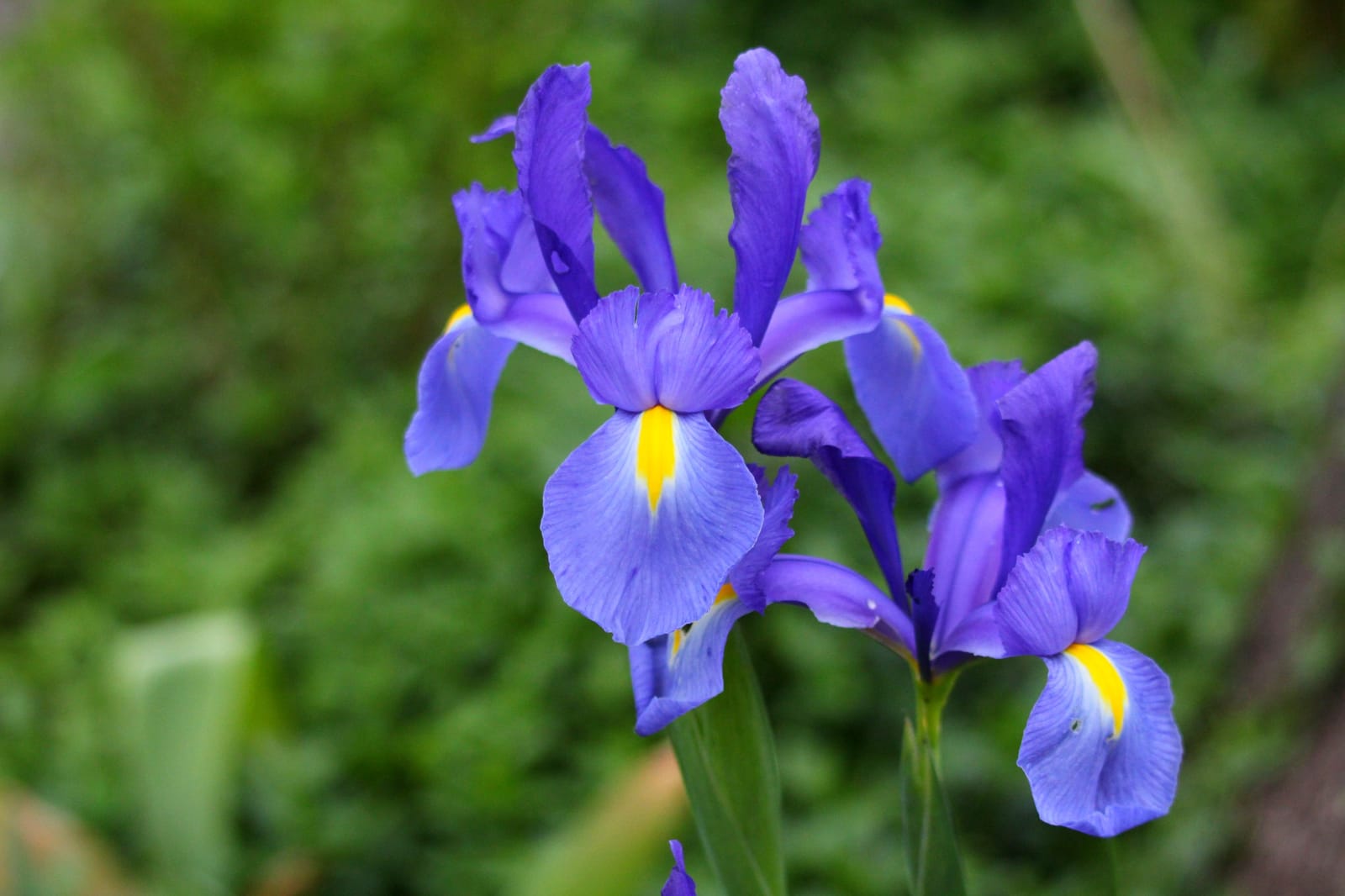
A native plant has grown in a region for thousands of years without human introduction. For Louisiana, that includes species that evolved with the local climate, soil, and wildlife. Gardeners are making the switch because native plants need less water, fertilizer, and pest control once established, and they support the ecosystem right outside your door.
What Makes a Plant Native Versus Non-Native in Louisiana
A plant is native to Louisiana if it occurred here naturally before European settlement—species like bald cypress, southern magnolia, and black-eyed Susan. A non-native was brought from another continent, often for ornamental or agricultural use. Some non-natives, like Chinese tallow tree, become invasive and crowd out native vegetation. Others, like crepe myrtles, grow well but don’t benefit local insects and birds the same way. The key difference is that native plants have co-evolved with local pollinators and wildlife, offering food and shelter those species depend on.
Why Louisiana Native Plants Matter for Pollinators, Birds, and Wildlife
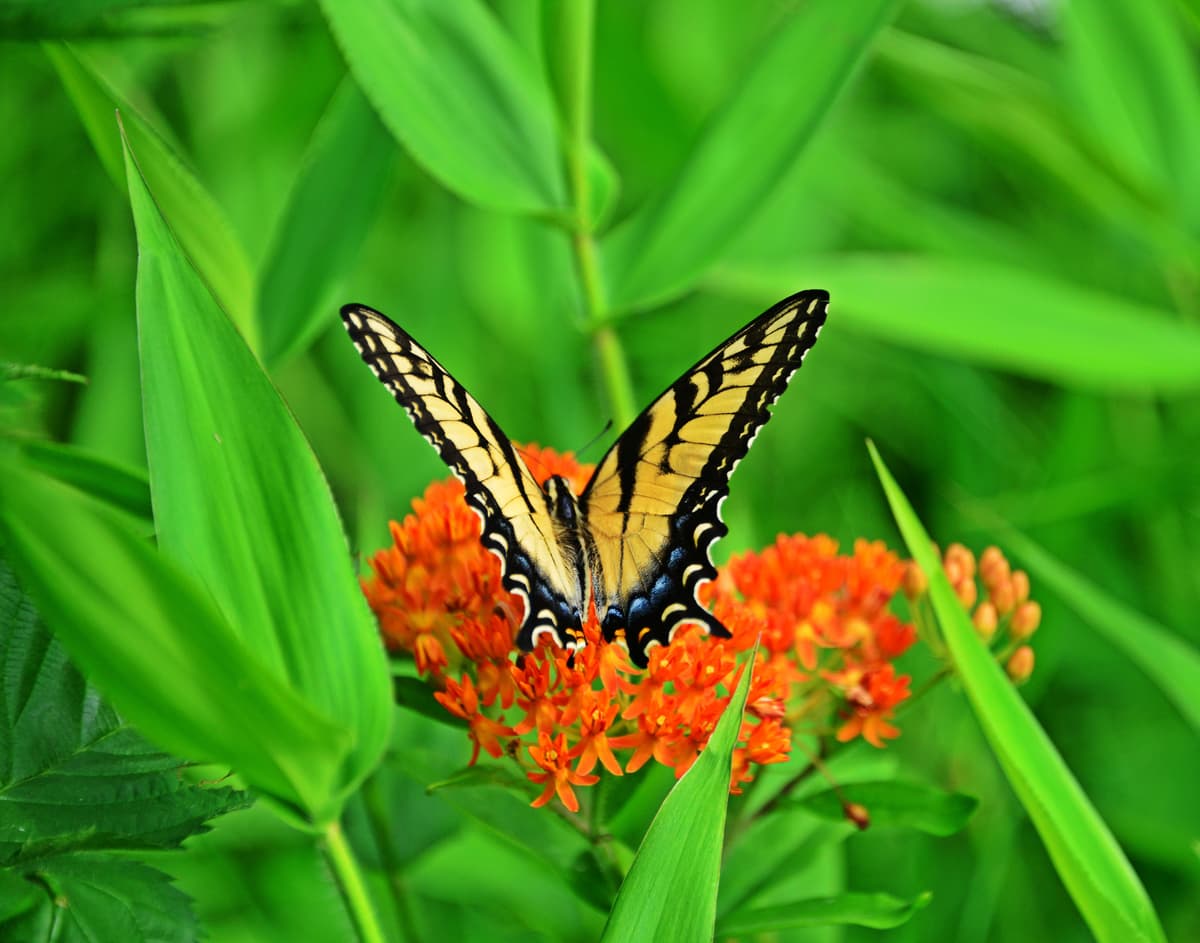
Louisiana hosts monarch butterflies, migratory songbirds, and small mammals. Native plants are the foundation of this biodiversity. Leaves of native oaks support hundreds of caterpillar species essential for nesting birds. Native wildflowers like Louisiana iris and Texas star hibiscus produce nectar for bees, butterflies, and hummingbirds. Planting native species creates a mini-ecosystem providing food, cover, and breeding sites—especially important where natural habitat is shrinking. Many gardeners see more butterflies, ladybugs, and birds within weeks.
Common Misconceptions About Native Plant Gardening in the Pelican State
Some think native plants look messy or weedy, but many have showy flowers, colorful berries, and graceful forms. Coral honeysuckle produces bright red tubular flowers hummingbirds love and can be trained on a trellis. Others assume any plant that thrives in Louisiana is native—not true: lantana and Japanese honeysuckle grow vigorously but can become invasive with little wildlife value. Native gardening isn’t only for experts; a handful of easy species works for beginners. Finally, one list of natives doesn’t work for the whole state—Louisiana has seven plant regions with different soils and climates.
Top 10 Louisiana Native Plants for Beginner Gardeners
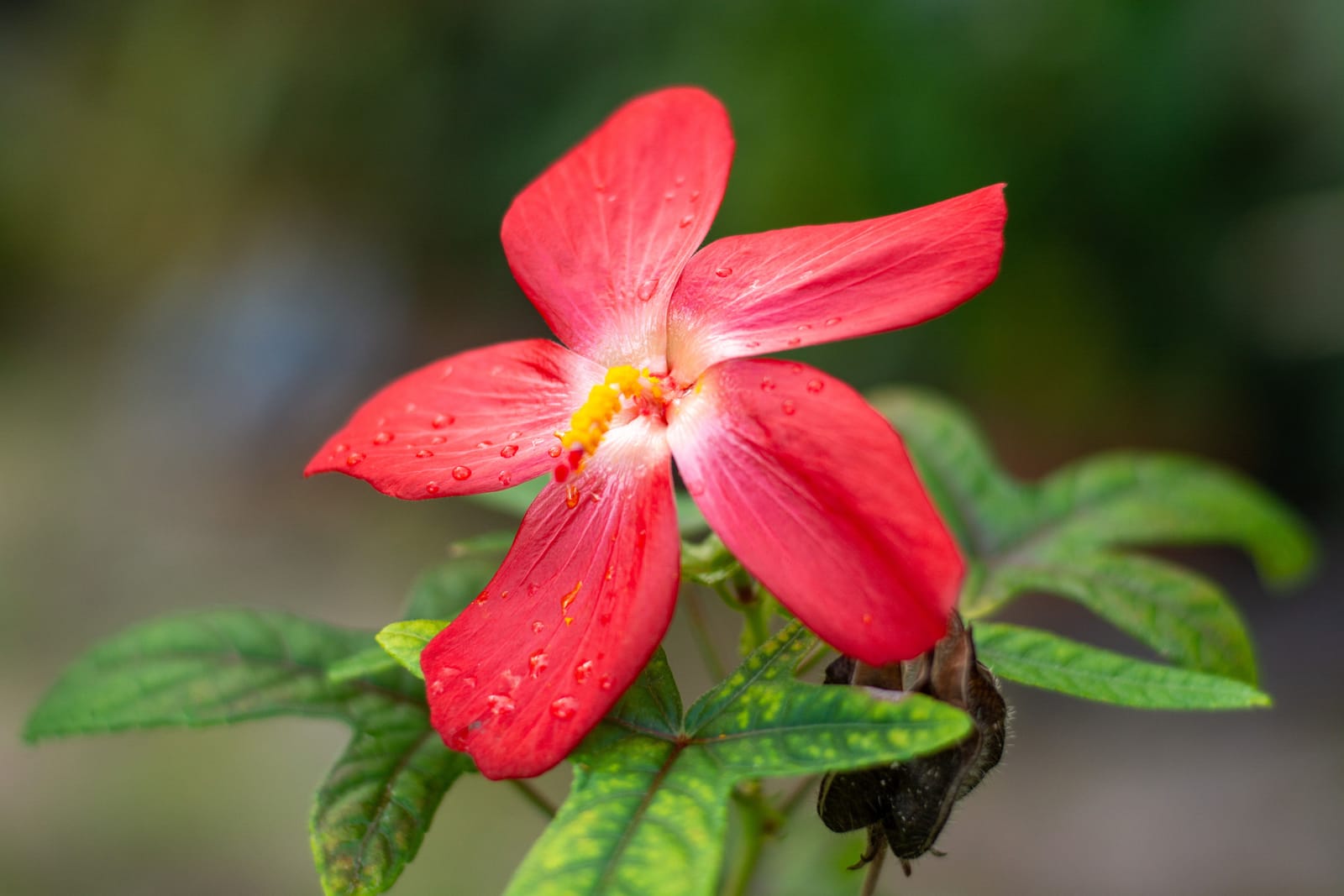
Louisiana has over 2,500 native species. Here are ten forgiving, attractive species grouped by type for a balanced landscape.
Best Native Perennials for Continuous Color: Black-Eyed Susan, Texas Star Hibiscus, and More
Perennials return year after year. Top choices:
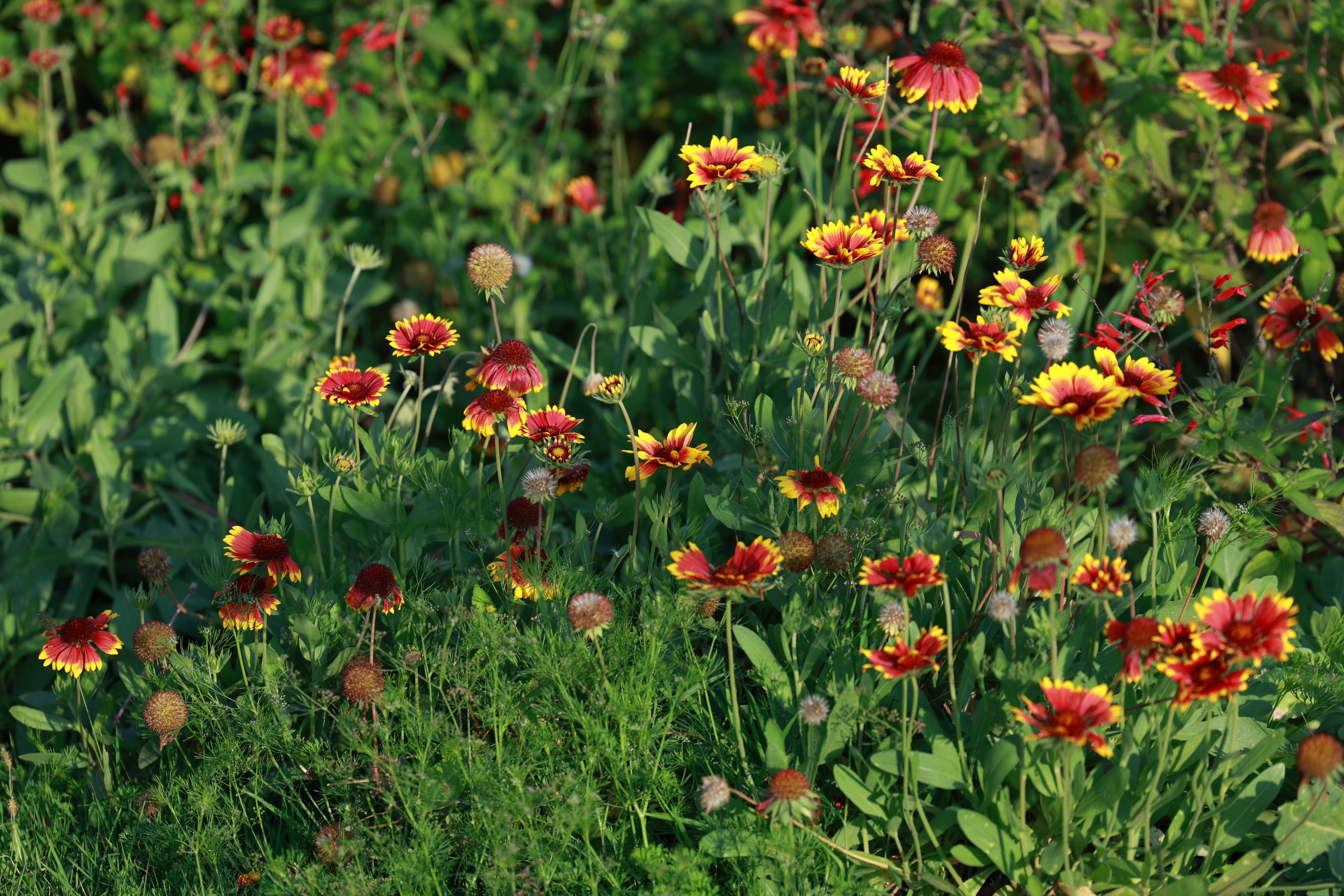
- Black-eyed Susan (Rudbeckia hirta): Bright yellow daisy blooms late spring through fall, tolerates heat and humidity, attracts butterflies and bees.
- Texas star hibiscus (Hibiscus coccineus): Native to the southeastern U.S., including Louisiana. Huge red flowers (up to six inches) midsummer to early fall, thrives in moist soil and full sun.
- Louisiana phlox (Phlox divaricata): Woodland species with blue or purple flowers in spring, performs well in partial shade.
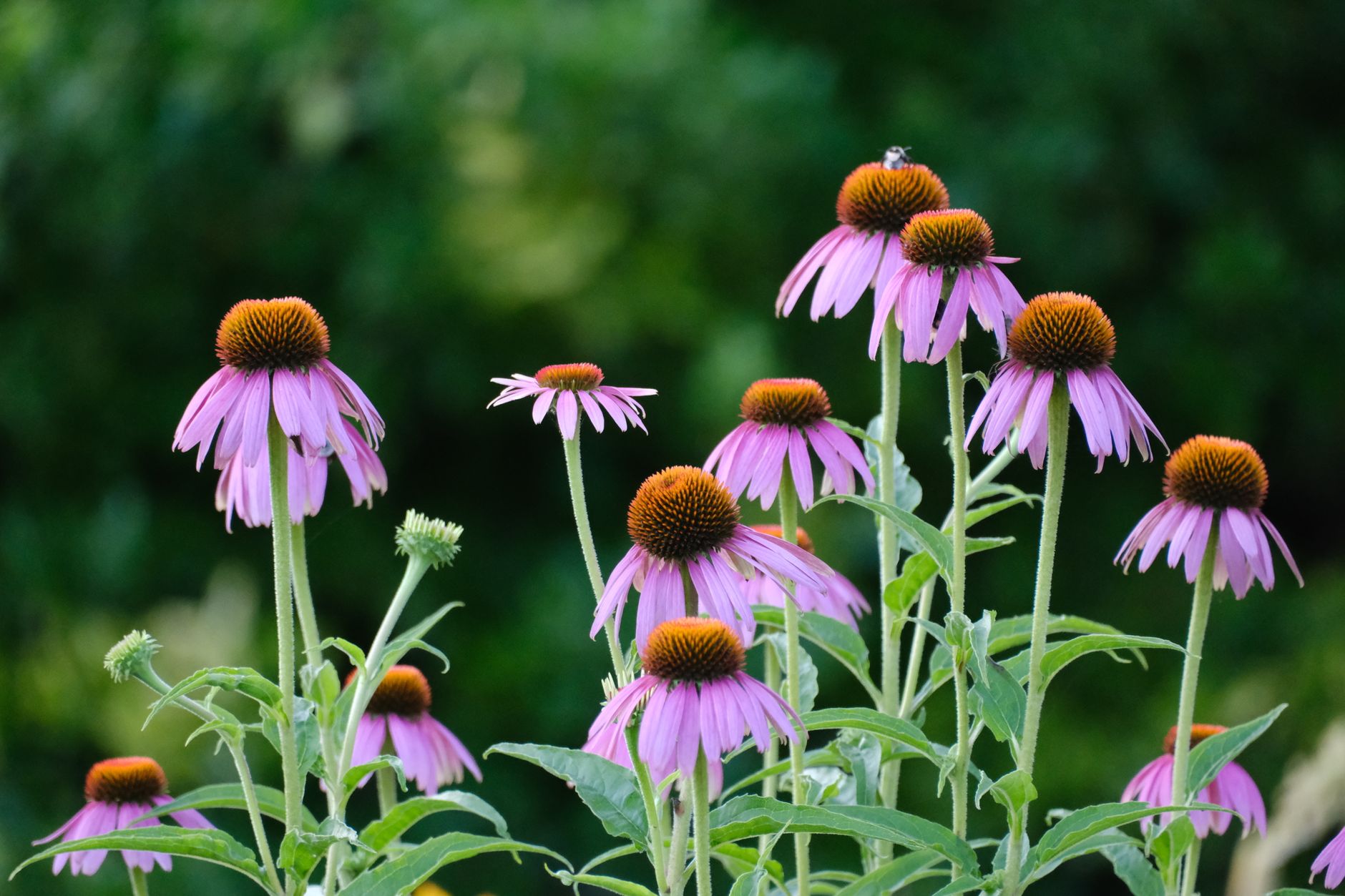
- Purple coneflower (Echinacea purpurea): Large pinkish-purple petals, blooms late spring to late summer, pollinator magnet, prefers well-drained soil.
- Swamp sunflower (Helianthus angustifolius): Tall, late-blooming perennial with yellow flowers in September and October, excellent for moist areas, attracts butterflies.
Plant a mix for succession of color spring through fall.
Native Trees and Shrubs That Provide Structure and Shade
- Bald cypress (Taxodium distichum): Pyramid-shaped conifer handles wet soil, ideal for low spots or rain gardens, rusty fall color, provides shade and habitat.
- Southern magnolia (Magnolia grandiflora): Iconic evergreen with large fragrant white flowers in late spring, slow-growing, lives for decades. Plant in full sun.
- Wax myrtle (Morella cerifera): Fast-growing evergreen shrub with waxy berries birds love, tolerates poor soil and coastal conditions, good for screens.
- American beautyberry (Callicarpa americana): Deciduous shrub with bright purple berry clusters in late summer and fall, birds feed on berries, grows well in partial shade.
Native Vines and Grasses for Vertical Interest and Erosion Control
- Coral honeysuckle (Lonicera sempervirens): Non-invasive evergreen vine with tubular red flowers that attract hummingbirds spring through fall. Better behaved than Japanese honeysuckle.
- Passion vine (Passiflora incarnata): Exotic purple-and-white flowers, edible passionfruit, larval host for Gulf fritillary butterflies. Spreads vigorously—give space.
- Switchgrass (Panicum virgatum): Tall clumping prairie grass with airy seed heads, turns golden in fall, excellent for erosion control on slopes.
- Muhly grass (Muhlenbergia capillaris): Stunning pink cloud of blooms in fall, thrives in full sun and well-drained soil.
How to Match Louisiana Native Plants to Your Growing Region and Conditions
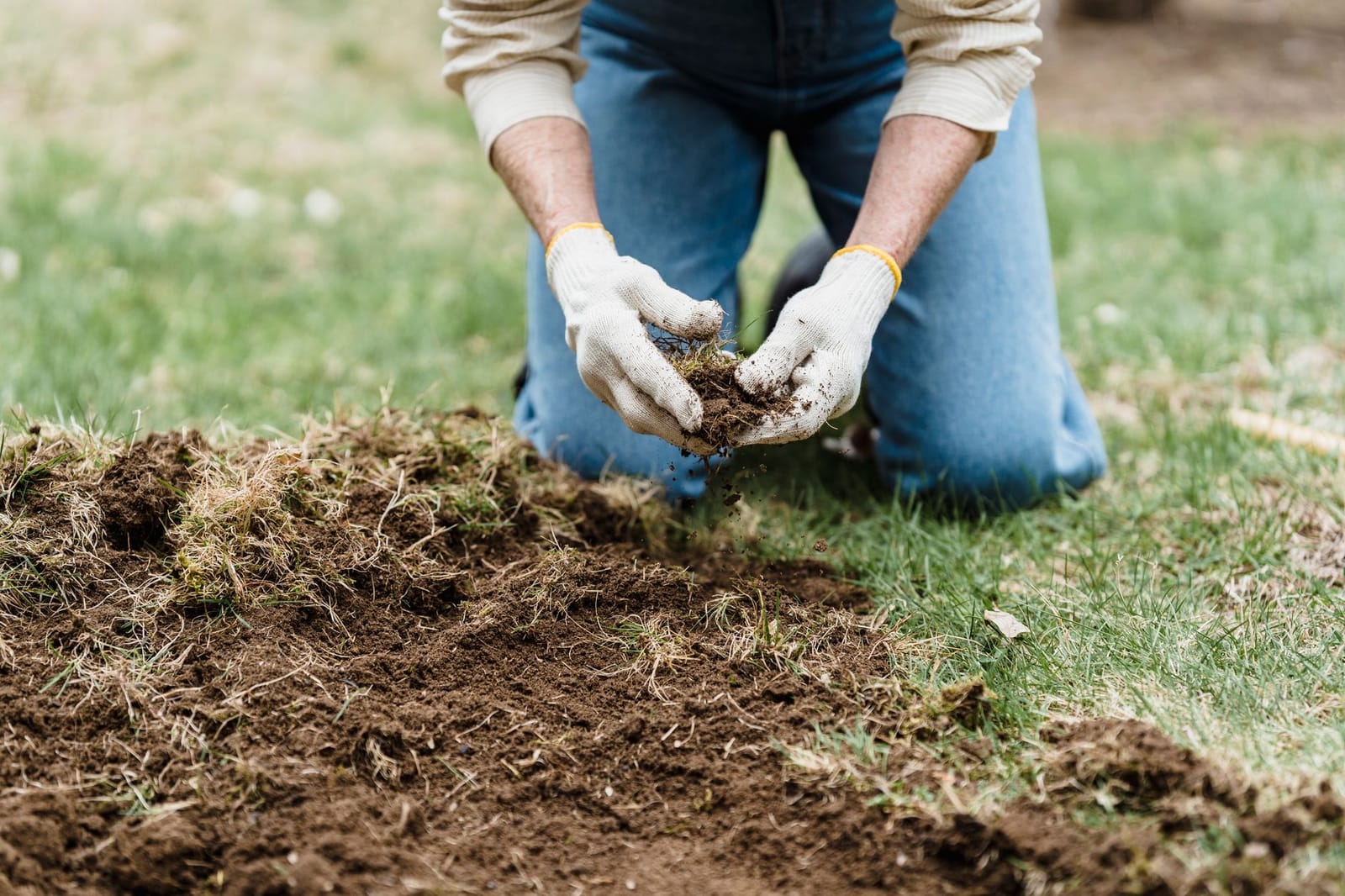
Choosing the right plant depends on your region and specific site. Louisiana is not uniform; what thrives in the Florida Parishes may struggle in the southwestern rice belt.
Understanding Louisiana’s Seven Native Plant Regions and Your Parish
The Louisiana Native Plant Society divides the state into seven regions:
- Piney Hills (northwest) – acid, sandy soils
- Tensas River Basin (northeast) – fertile bottomland
- Mississippi River Alluvial Plain – rich silts
- Florida Parishes (southeast, north of Lake Pontchartrain) – sandy loams
- Acadiana (south-central) – clay and loam, coastal influence
- Southwest Louisiana – sandy near coast, clay inland
- Coastal Marshes – saline, wet conditions
Find your parish on the LNPS website or USDA Plant Hardiness Zone map, then look up species that naturally occur there.
Matching Plants to Your Site Conditions: Sun, Soil Type, and Drainage
Evaluate three things before buying:
- Sun: Full sun (6+ hours), part shade (3–6), full shade (<3). Most perennials and grasses need full sun to bloom; woodland species like Louisiana phlox prefer part shade.
- Soil type: Sandy (well-draining but low nutrients) to clay (heavy, slow to drain). Choose plants that tolerate your existing soil. Black-eyed Susan grows in clay; Texas star hibiscus prefers moist, rich soil.
- Drainage: Bald cypress and swamp sunflower love wet feet; purple coneflower and muhly grass need good drainage. Standing water more than a day may require a rain garden.
Planting by Season — What to Plant in Spring, Summer, Fall, and Winter
- Spring (March–May): Plant perennials, vines, grasses after last frost. Warm soil and frequent rains help establishment.
- Summer (June–August): Challenging but possible with regular watering. Plant tough species like bald cypress and wax myrtle. Provide afternoon shade and mulch.
- Fall (September–November): Best for trees and shrubs. Warm soil, cooler air, returning rains let roots grow through winter.
- Winter (December–February): Ideal for bareroot trees and shrubs while dormant. Avoid planting tender perennials.
Where to Buy Louisiana Native Plants in Your Area
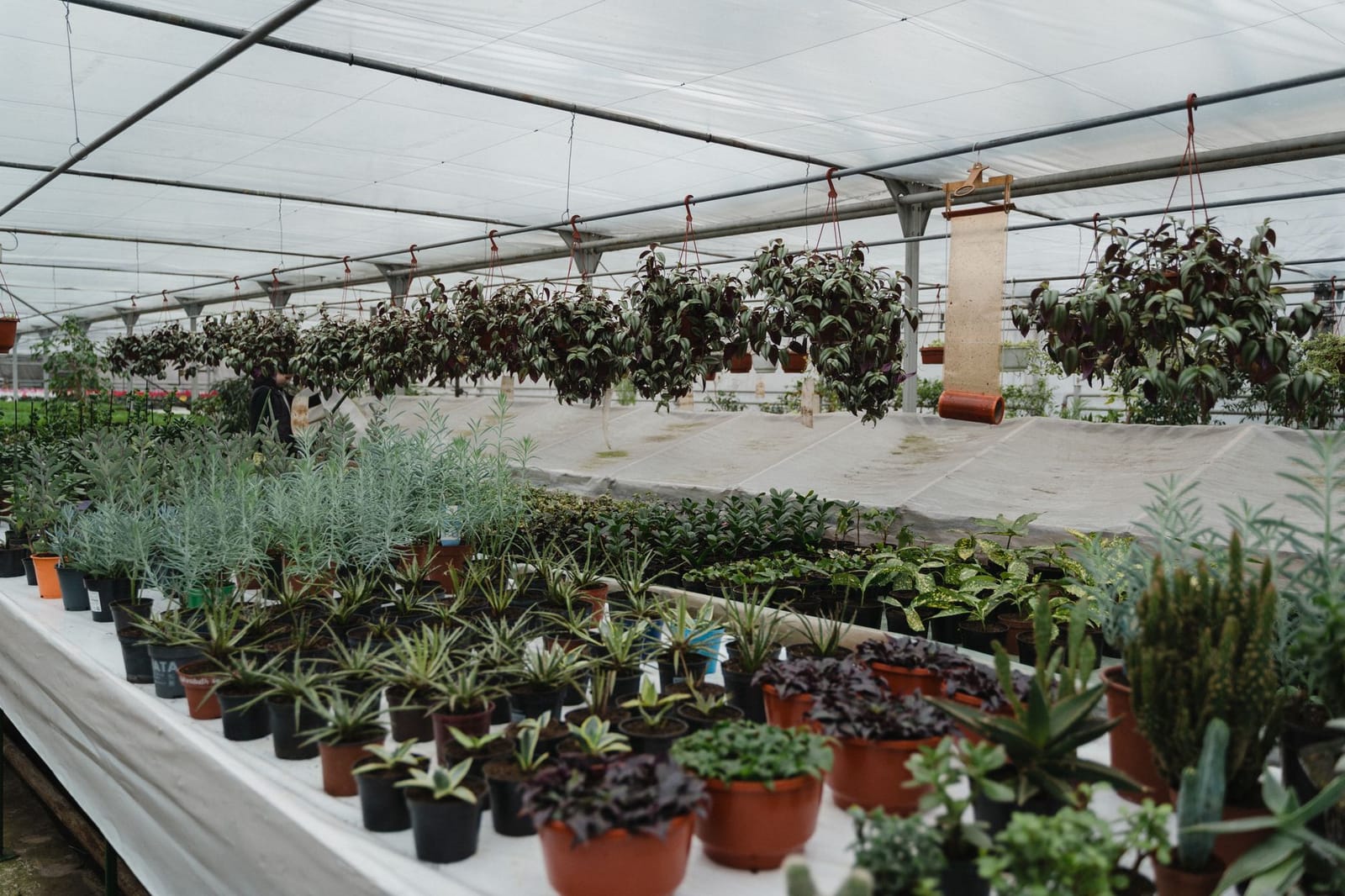
Finding authentic natives takes effort, but yields healthier plants true to species.
Native Plant Nurseries and Specialty Growers Across Louisiana
The Louisiana Native Plant Society maintains a directory of member nurseries. Search for “native plant nursery” plus your parish name. Nurseries often carry species big-box stores don’t, and can advise on appropriate plants. Buy locally grown plants when possible—they’re already acclimated to your region.
How to Use the Louisiana Native Plant Society and BONAP for Plant Research
- Louisiana Native Plant Society (lnps.org): Offers region-specific plant lists, growing guides, and a native plant database. Also hosts plant sales and meetups.
- BONAP (bonap.org): Provides county-level distribution maps. Enter a species name to verify which Louisiana parishes it’s documented in—the most authoritative way to confirm true natives.
What to Look for When Buying Native Plants and How to Avoid Non-Native Lookalikes
Check the tag for the scientific name. Common names can confuse—e.g., “butterfly bush” (Buddleja davidii) is not native. Watch for cultivars that may have lost nectar production; buy straight species when possible. Avoid plants labeled “native-looking” that are from other countries—Chinese tallow tree is invasive. Stick to species on LNPS lists or verified on BONAP.
Conclusion
Louisiana native plants offer a beautiful, practical, and ecologically meaningful way to landscape. They reduce maintenance, support local wildlife, and create a garden rooted in your place. Start small—pick two or three species from the top ten that match your sun and soil. As you gain confidence, expand with more perennials, shrubs, and vines. Your garden will become a refuge for butterflies, birds, and beneficial insects, and you’ll help restore Louisiana’s natural heritage.
FAQ
What plants grow well in Louisiana for a beginner gardener?
Start with perennials like black-eyed Susan, purple coneflower, and Texas star hibiscus. They’re forgiving, bloom reliably, and attract pollinators. For shrubs, wax myrtle and American beautyberry are low-maintenance. Avoid plants needing frequent watering or specialized soil amendments. A sunny corner with decent drainage is enough.
What is the state wildflower of Louisiana and where does it grow naturally?
The state wildflower is the Louisiana iris (Iris giganticaerulea). It grows naturally in coastal marshes and wet prairies of southern Louisiana, especially the Florida Parishes and Acadiana. It produces tall stalks with large blue-violet flowers in spring, thriving in full sun with moist, acidic soil.
Where can I buy native Louisiana plants near my parish?
Find them at specialty nurseries on the Louisiana Native Plant Society’s website. Search for “native plant nursery” plus your parish name. Many nurseries in New Orleans, Baton Rouge, and Lafayette carry regional selections. Online retailers like Almost Eden Plants ship across the state. Always verify the scientific name before purchasing.
Can I plant Louisiana natives in summer?
Yes, but with extra care. Plant in the evening, water deeply after planting, and apply thick mulch to keep roots cool. Water daily for the first two weeks if no rain, then taper off. Avoid planting during a heat wave. Fall is easier, but summer planting can succeed with vigilance.
Sources
- Louisiana Native Plant Society. (n.d.). Plant Region Information. lnps.org
- Biota of North America Program. (n.d.). BONAP Distribution Maps. bonap.org
- Almost Eden Plants. (n.d.). Native Plant Catalog. almostedenplants.com
- Louisiana Department of Wildlife and Fisheries. (n.d.). Native Plants for Wildlife. wlf.louisiana.gov
You Might Also Like