Is Bonsai Care Harder Than Caring for Houseplants?
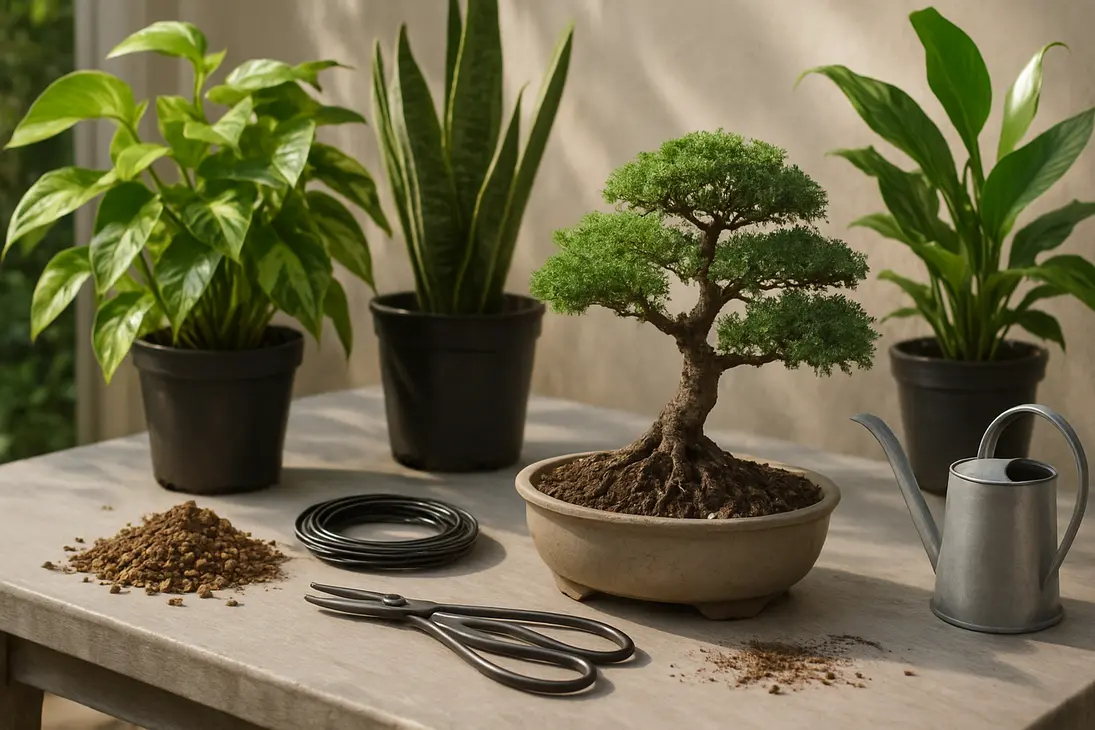
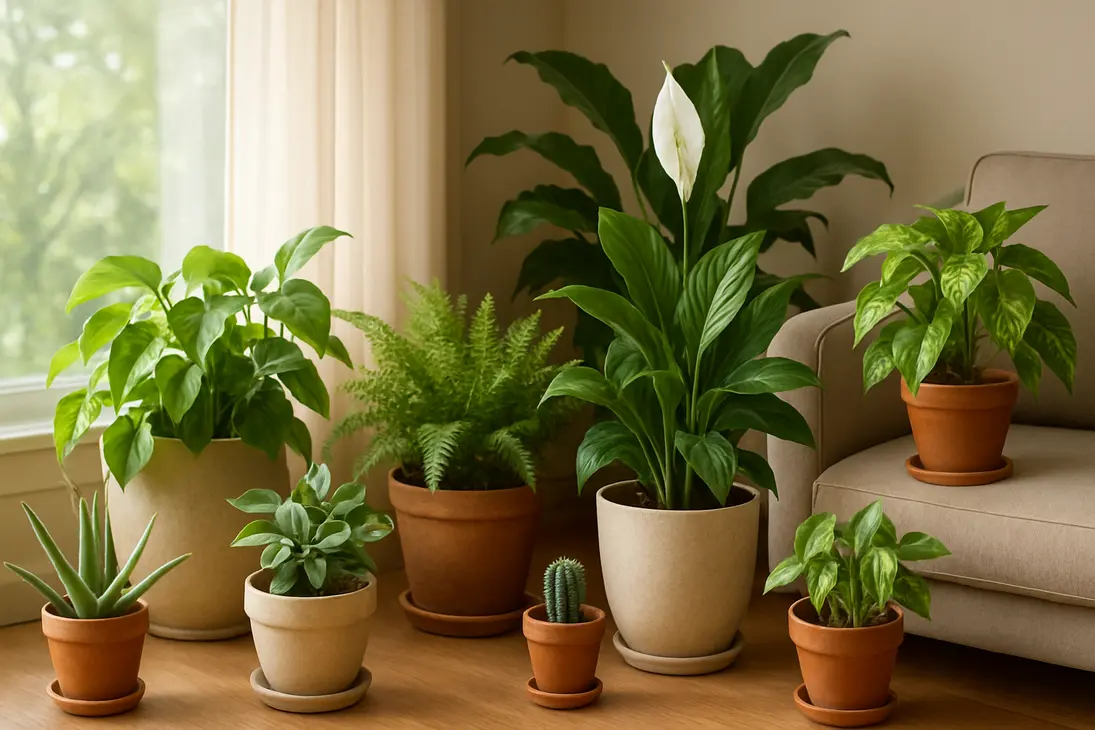
In most cases, yes: bonsai care is harder than caring for common houseplants. A pothos, snake plant, peace lily, or philodendron can often survive imperfect placement, delayed pruning, and occasional neglect. A bonsai has less room for error because it is both a living plant and a long-term design project.
That does not mean bonsai is impossibly difficult. Beginners can succeed with the right species, realistic expectations, and proper placement. The key difference in any honest bonsai care comparison is that bonsai requires active management: watering, pruning, repotting, root work, shaping, and seasonal decisions. Houseplant care is usually more about keeping a plant healthy and attractive indoors.
Bonsai vs Houseplants: The Core Difference
A bonsai is not a genetically tiny tree. It is a normal woody plant trained to remain miniature through pruning, root management, pot size, and shaping. Juniper, maple, elm, ficus, pine, and many other woody plants can become bonsai if they suit the technique.
Most houseplants are grown for foliage, flowers, texture, or indoor decoration. You may prune or repot them occasionally, but the goal is usually steady growth, not controlled miniaturization.
That difference changes the care. A shallow bonsai pot gives roots less buffer against drying out, overheating, nutrient depletion, and congestion.
Bonsai Is a Practice, Not Just a Plant Type
Bonsai is a horticultural craft, not simply a plant category. The grower repeatedly manages proportion, branch structure, trunk movement, leaf size, vigor, and root balance. A bonsai is never truly “finished.” Even a refined tree needs maintenance to keep its shape and health.
Many beginners buy a small tree in a shallow pot and expect it to behave like a desk plant. But bonsai still needs what any tree needs: enough light, air movement, correct watering, suitable seasons, and a managed root system.
Houseplants Are Usually Managed for Growth, Not Miniaturization
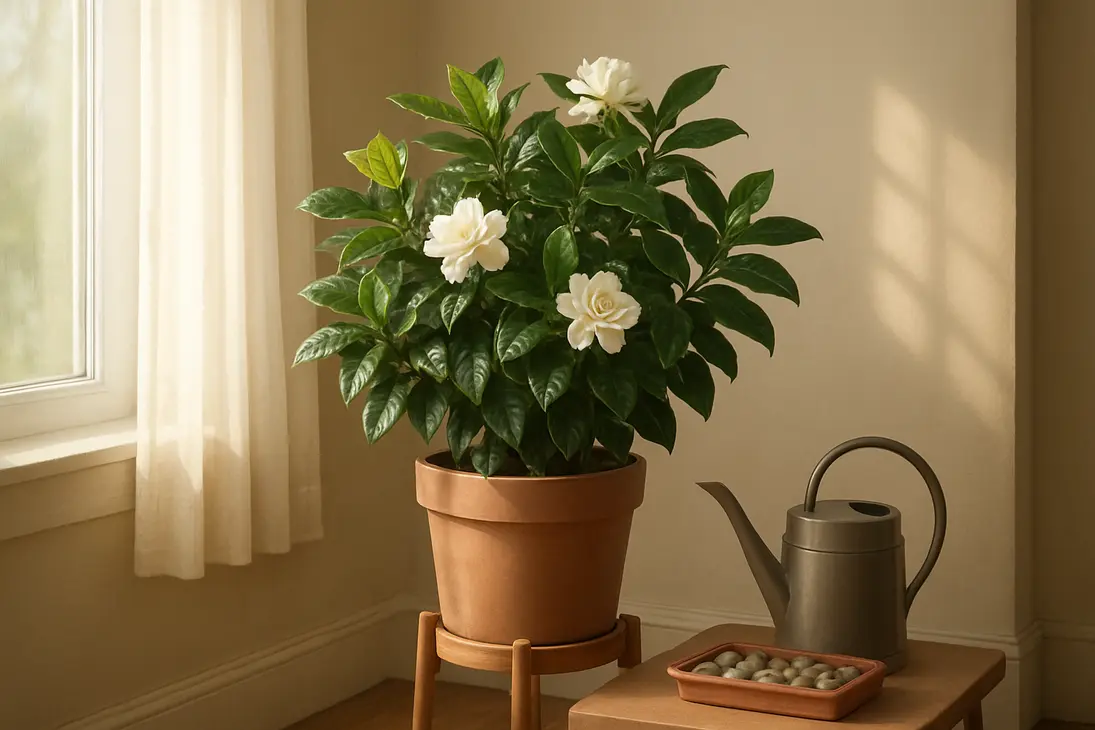
Houseplants are often chosen because they tolerate indoor conditions. Many popular types come from tropical understory environments, so they handle lower light, stable household temperatures, and container life better than most bonsai species.
With houseplants, pruning is often optional. A delayed trim may make a pothos look untidy, but it is rarely a structural problem. With bonsai, delayed maintenance can affect both design and health: branches thicken in the wrong places, inner shoots weaken, roots fill the pot, and proportions are lost.
Daily Care Comparison: Water, Light, Humidity, and Placement
Everyday care is where bonsai often feels less forgiving. The tasks are not always complicated, but the margin for neglect is smaller.
| Care factor | Typical houseplant | Bonsai |
|---|---|---|
| Watering | Every several days to weeks | Often checked daily in warm weather |
| Light | Many tolerate bright indirect light | Many need strong light or direct sun |
| Placement | Usually indoors year-round | Many must live outdoors |
| Pruning | Occasional grooming | Regular design and maintenance work |
| Repotting | Often every 1–3 years | More technical and species-dependent |
| Design work | Minimal | Ongoing shaping and branch selection |
Watering: Bonsai Dry Out Faster in Shallow Pots
Watering is one of the biggest differences between bonsai and houseplants. Bonsai pots are shallow, and bonsai soil is often coarse and fast-draining. That improves root oxygen but dries faster than standard potting mix in a deeper container.
A houseplant may tolerate delayed watering. A bonsai in a small pot may not, especially in warm, sunny, or windy weather. Some outdoor bonsai need water daily, and very small pots may need checking more than once a day.
Do not water on a fixed calendar. Check the soil. When the surface is dry and the soil just below it is beginning to dry, water thoroughly until water drains from the holes. Then let the soil approach dryness again. Constant sogginess can rot roots; complete dryness can kill fine roots quickly.
Light: Many Bonsai Need More Direct Sun Than Typical Houseplants
Many houseplants prefer bright, indirect light and may scorch in direct sun. Many bonsai are trees or shrubs adapted to outdoor light. Junipers, pines, maples, elms, and many flowering or fruiting bonsai need much stronger light than an indoor shelf provides.
A sunny windowsill may look bright but is still weaker than outdoor light. Glass reduces light, and indoor air can be dry and stagnant. A juniper kept on a desk indoors may decline even if watered correctly because the environment is wrong.
Tropical bonsai, such as ficus, schefflera, and some jade types, are better indoor candidates. Even they usually need a bright window or grow light for dense, healthy growth.
Indoor vs Outdoor Care: Not All Bonsai Belong Indoors
A common mistake is treating all bonsai as indoor plants. Some can grow indoors, but many cannot.
Temperate bonsai species need outdoor seasonal cycles, including winter dormancy. This includes many junipers, pines, maples, hornbeams, and elms. They may need protection from extreme winter cold because roots in small pots are exposed, but that is not the same as keeping them in a heated living room.
Tropical and subtropical bonsai are better suited to indoor warmth. Ficus is one of the most forgiving beginner choices because it tolerates pruning and adapts better than most traditional outdoor species.
The practical rule is simple: choose the tree for the place you can actually provide.
Humidity and Airflow Differences
Many houseplants appreciate humidity but tolerate average indoor air. Bonsai needs vary more. Outdoor bonsai benefit from natural airflow, rain, and changing humidity. Indoor bonsai can struggle in dry heated rooms, especially in winter.
Humidity trays may help slightly, but they do not replace proper watering or strong light. Misting gives only a brief boost and can cause problems if foliage stays wet in poor airflow.
Maintenance Work: Pruning, Wiring, Repotting, and Root Care
This is where bonsai care becomes clearly more demanding. A houseplant owner can often keep a plant alive with light, water, and occasional repotting. A bonsai owner must also manage structure and roots over time.
Pruning: Does It Hurt the Plant?
Pruning cuts plant tissue, but responsible pruning is not cruelty. Plants naturally lose branches to shade, wind, animals, weather, and age. They can seal cuts and redirect growth when pruning is done at the right time and in the right amount.
In bonsai, pruning maintains scale, encourages branching, removes weak or poorly placed growth, balances strong and weak areas, and lets light and air into the canopy.
The danger is excessive or poorly timed pruning. Removing too much foliage weakens a tree because leaves produce energy. Heavy pruning on a stressed, newly repotted, or wrong-season tree can cause serious setbacks.
Houseplant pruning is usually simpler: remove dead leaves, shorten vines, or cut stems for bushier growth. Bonsai pruning requires more judgment because each cut affects both health and design.
Wiring and Shaping: Training Without Damaging Branches
Wiring guides branches into position. Aluminum or copper wire is wrapped around a branch so it can be bent gradually. This makes bonsai much more hands-on than ordinary houseplant care.
The risk is damage. If wire stays on too long, it can bite into bark and scar the branch. If a branch is bent too sharply, it can crack. Some species are flexible when young but brittle when older.
Beginners should wire young, flexible branches, avoid dramatic bends in one session, check wired branches during active growth, remove wire before it cuts in, and practice on inexpensive material first.
Repotting and Root Pruning: Why Bonsai Need Scheduled Intervention
Bonsai roots eventually fill their small containers. When the root mass becomes too dense, water may run around it, oxygen may decline, and the tree may weaken. Repotting refreshes soil, restores drainage, and keeps the root system functional.
Root pruning sounds alarming, but it is normal bonsai care when done properly. The aim is not to starve the tree. It is to maintain a compact root system that can support a compact canopy.
Timing matters. Many temperate bonsai are repotted in early spring as buds swell. Tropical bonsai are often repotted during warm, active growth. Exact timing depends on species, climate, health, and how much root work is needed.
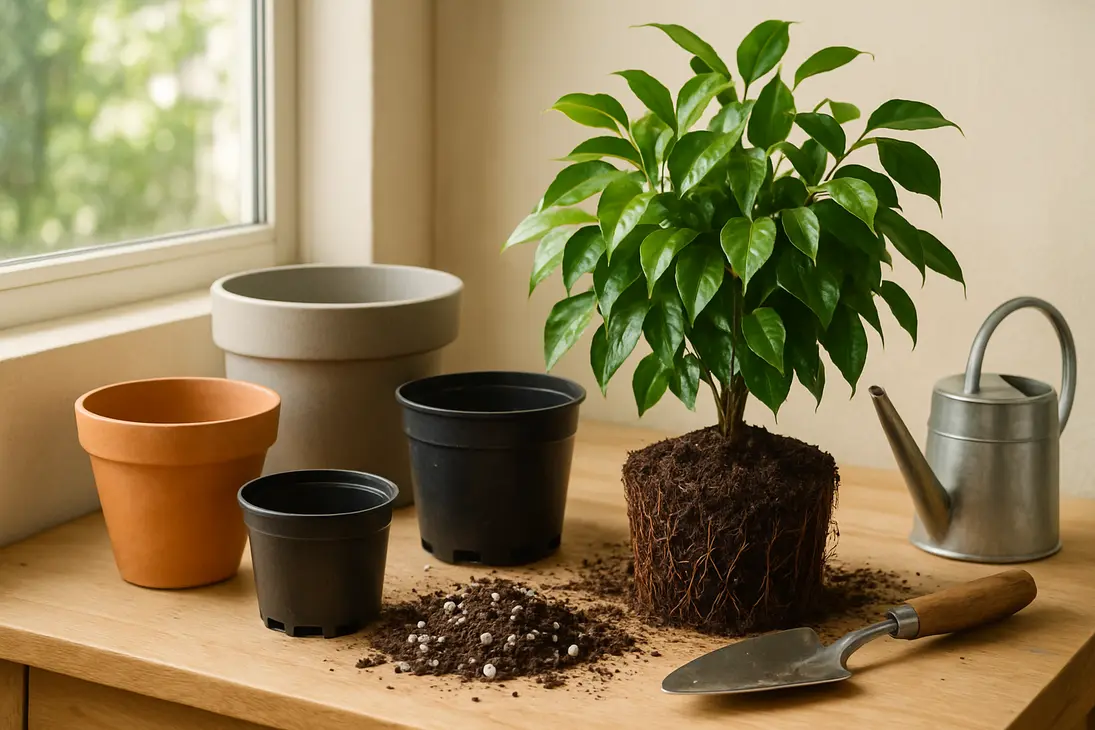
Houseplants also need repotting, but it is usually less technical. A rootbound pothos can often be moved to a larger pot with little disturbance. Bonsai repotting may involve combing roots, pruning them, choosing soil particle size, securing the tree, and protecting it afterward.
Common Beginner Mistakes to Avoid
Most bonsai failures come from predictable mistakes:
- Keeping outdoor bonsai indoors. Junipers are commonly lost this way.
- Watering on a rigid schedule. Water according to soil moisture, weather, and season.
- Using dense houseplant potting mix. Many bonsai need free-draining, oxygen-rich soil.
- Buying “bonsai seeds” expecting an instant bonsai. Bonsai is a training method; seeds grow seedlings first.
- Over-pruning too soon. Style only when the tree is strong enough.
- Neglecting aftercare. Recently repotted or heavily pruned trees may need shade, wind protection, and careful watering.
- Choosing the wrong species. A good beginner tree suits your real climate and home.
Cost, Time Commitment, and Beginner Difficulty
Bonsai can cost more than houseplants, but the bigger issue is often time and technique. A tree may be inexpensive yet still require special soil, tools, training wire, and seasonal care.
Upfront Cost: Tree, Pot, Soil, Tools, and Training Wire
A beginner can start modestly with nursery stock, a young pre-bonsai, or a basic tropical bonsai. Still, bonsai often requires supplies houseplants do not, such as bonsai soil, drainage mesh, training wire, pruning shears, root tools, a drainage pot, and fertilizer for container trees.
Houseplants can also be expensive, especially rare varieties or decorative setups. But a common houseplant can grow cheaply in standard potting mix with basic scissors and a nursery pot. Bonsai becomes more tool-dependent once you move beyond survival care.
Ongoing Time Commitment
Bonsai is not usually hours of work every day. Much of the routine is quick observation: check moisture, inspect leaves, notice pests, adjust placement, and water when needed. Longer tasks come seasonally, especially pruning, wiring, repotting, and winter protection.
| Task | Bonsai | Common houseplant |
|---|---|---|
| Moisture check | Daily or near-daily in warm weather | Every few days to weekly |
| Watering | As needed; sometimes daily outdoors | Often weekly or less |
| Pruning | Light trimming plus seasonal structure work | Occasional grooming |
| Repotting | Technical and species-dependent | Usually when rootbound |
| Winter planning | Important for temperate species | Usually minimal indoors |
The time commitment is manageable if you enjoy close observation. It feels burdensome if you want plants that can be ignored between waterings.
Which Is Better for Beginners?
For absolute beginners, a forgiving houseplant is usually the better first step. Pothos, snake plant, ZZ plant, spider plant, philodendron, and peace lily teach watering, light, and observation without root pruning or dormancy management.
For beginners who specifically want bonsai, choose a resilient species that fits your environment:
- Ficus bonsai for bright indoor conditions;
- Chinese elm where outdoor or very bright conditions are available;
- Dwarf jade in bright light and warmth;
- Juniper only if it can live outdoors.
Buying a young pre-bonsai or inexpensive nursery shrub is usually better than starting from seed. Seeds can be rewarding, but they add years before you can practice many bonsai techniques.
Is Bonsai Ethical or Cruel to Plants?
Some people worry that bonsai is cruel because the tree is kept small, pruned, wired, and root-pruned. The concern is understandable, especially when bonsai is described as “stunting” a tree. But responsible bonsai is not neglect or torture. It is intensive care.
Plants do not experience pain the way animals do. They do respond to stress, injury, drought, poor light, and disease. A badly kept bonsai can be harmed by poor care, just as a houseplant can be harmed by overwatering or darkness. But bonsai techniques are not inherently abusive when used properly.
A healthy bonsai is watered, fed, repotted, protected from unsuitable weather, given appropriate light, and pruned within its limits. Many bonsai live for decades in cultivation. The ethical issue is not miniaturization itself; it is whether the grower meets the plant’s biological needs.
If bonsai appeals to you, approach it as stewardship: work with the tree’s growth habits over time rather than forcing shape at any cost.
Conclusion
Bonsai care is usually harder than caring for houseplants because it combines ordinary plant care with long-term shaping and root management. A houseplant mainly needs suitable light, water, soil, and occasional grooming. A bonsai needs those things too, plus more precise watering, species-appropriate placement, pruning, wiring, repotting, and seasonal attention.
That extra complexity is also what makes bonsai rewarding. If you like observing plants closely and learning techniques gradually, bonsai can be deeply satisfying. If you want a low-effort plant for a dim room, a forgiving houseplant is the easier and kinder choice.
The best bonsai care comparison is not “hard versus easy” but “active versus passive.” Bonsai asks you to participate more. Houseplants usually let you step back.
FAQ
Are bonsai trees harder to keep alive than houseplants?
Often, yes. Bonsai trees grow in small, shallow pots with limited soil volume, so watering mistakes, poor light, and wrong placement show up quickly.
Difficulty depends on species. A ficus bonsai in a bright window may be easier than a fussy houseplant. A juniper kept indoors is likely to struggle even with careful watering.
Can bonsai be grown indoors like regular houseplants?
Some bonsai can be grown indoors, but not all. Tropical and subtropical species such as ficus, dwarf jade, and schefflera are the best candidates. They still need bright light and careful watering.
Temperate bonsai such as juniper, pine, maple, and many elms generally need outdoor seasonal cycles. They may need winter protection, but a heated room is usually unsuitable long-term.
Should beginners grow bonsai from seeds or buy a young tree?
Most beginners should buy a young tree, pre-bonsai, or inexpensive nursery plant. Growing from seed is slow, and for years you are mostly raising a seedling rather than practicing bonsai styling.
A young tree lets you learn watering, pruning, wiring, repotting, and design decisions much sooner. Seeds are better as a side project if you enjoy long timelines.
How often do bonsai need pruning compared with houseplants?
Bonsai usually need pruning more often than houseplants. During active growth, some need light trimming every few weeks, while structural pruning is done more selectively and seasonally.
Houseplants are usually pruned only when leggy, damaged, too large, or untidy. Bonsai pruning is more intentional because it controls both size and design.
You Might Also Like