Will Neem Oil Kill Fungus Gnats? What Works on Larvae, Adults, and the Potting Mix
Whether neem oil kills fungus gnats depends on the product. Labelled azadirachtin growing-media treatments can suppress larvae and reduce adult emergence; generic neem foliar sprays barely reach the potting mix. No neem product corrects the persistently moist medium that allowed the infestation.
A practical plan: confirm the pest, find breeding pots, read the current label, reduce moisture, monitor with sticky traps, apply a labelled larval treatment, and keep monitoring until the next generation stops replacing trapped adults. Adults can keep emerging from existing pupae after treatment, and repeated drenches can make the medium friendlier to gnats. No homemade neem-to-water ratio or dish-soap emulsifier appears here; household dish soap is not a tested pesticide formulation.
Set realistic expectations. Sticky traps don’t kill larvae, a soil drench won’t instantly remove flying adults, and no product prevents reinfestation from new plants, damp mix, or outdoor sources. A few lingering adults don’t necessarily mean failure.
Key Takeaways
- Neem products aren’t interchangeable: Whether neem oil kills fungus gnats depends on the product. A labelled azadirachtin growing-media treatment can suppress larvae and reduce adult emergence; a generic foliar neem spray barely reaches larvae in the potting mix.
- Adults aren’t the main treatment target: Fungus gnat adults are short-lived and don’t feed on plant tissue like aphids or whiteflies. Yellow sticky traps reduce and count adults, but larvae in the growing medium are the stage worth treating.
- Drenches can backfire by adding moisture: Fungus gnat larvae thrive in moist organic media, so repeated neem drenches can reset the drying cycle and extend the infestation. Apply soil treatments only when the plant actually needs water.
- Read the label before any soil drench: Use a neem product only if its label lists fungus gnats, growing-media application, houseplants, and a defined rate. Don’t turn a foliar spray into a drench, add dish soap, or copy a blog’s neem-to-water ratio.
- Layer the whole-lifecycle plan: Combine sticky-trap monitoring with a labelled larval treatment (Bti, Steinernema feltiae, or azadirachtin) and inspect new plants and mix. Success looks like declining weekly trap counts over several weeks, not an instant empty room.
Does Neem Oil Kill Fungus Gnats? It Depends on the Product and Life Stage
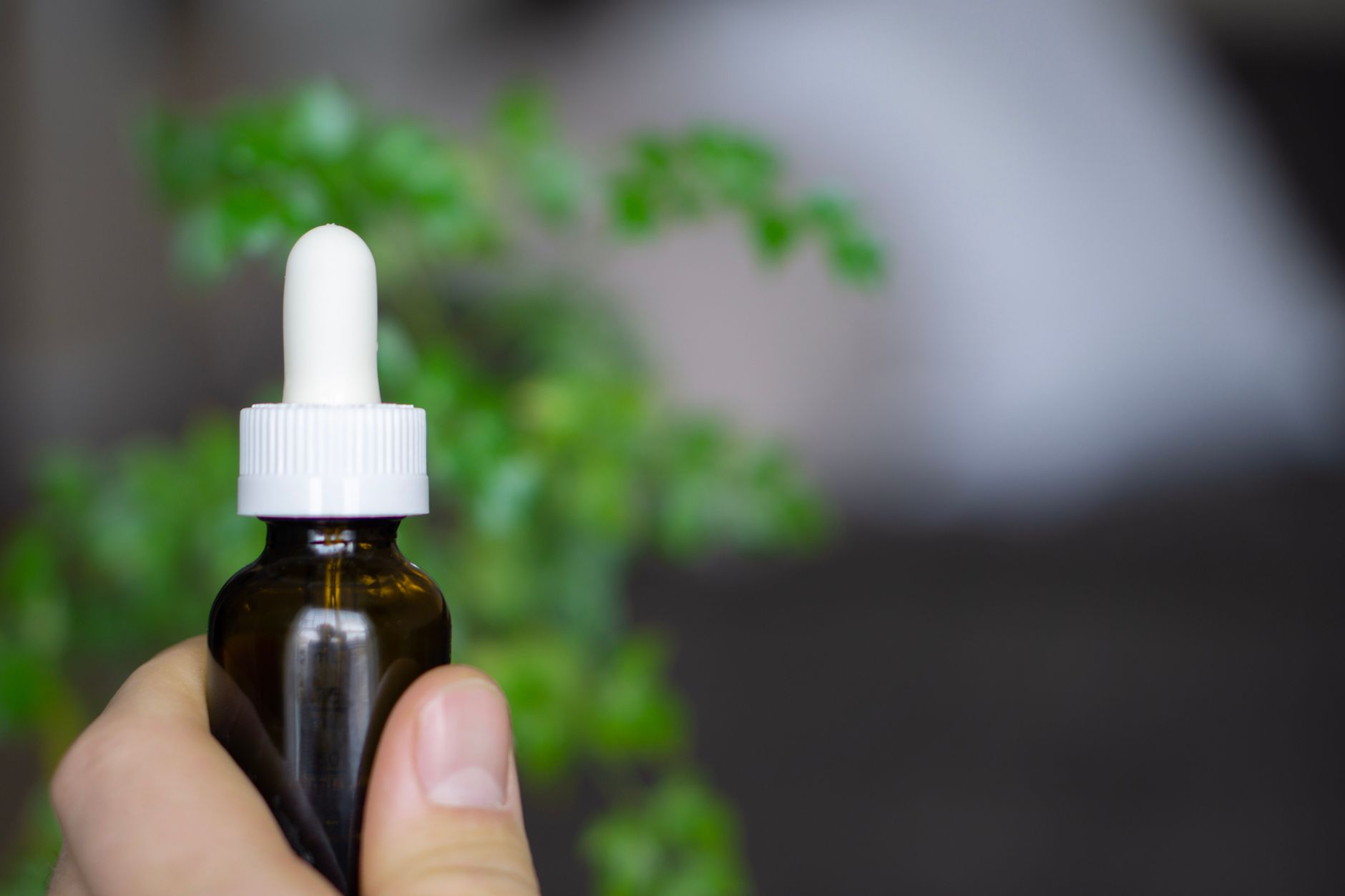
Fungus gnats develop through egg, larval, pupal, and adult stages. Eggs, larvae, and pupae stay in the growing medium; adults are the flying stage. Larvae are the most useful treatment target. “Neem worked” and “neem did nothing” can both be accurate because the people involved may have used different active ingredients, formulations, application methods, treatment intervals, moisture conditions, and infestation stages.
| Product description | Component/action | What to check for fungus gnats | Main limitation |
|---|---|---|---|
| Cold-pressed neem oil | Mixture; azadirachtin varies | Label lists fungus gnats, indoor plants, growing-media treatment | No validated soil-drench rate |
| Clarified hydrophobic neem oil | Oil after azadirachtin extraction; contact action | Soil application permitted? | Foliar spray has little access to larvae |
| Azadirachtin concentrate/IGR | Defined azadirachtin disrupts development | Larvae and growing-media listed | Won’t eliminate adults, eggs, pupae at once |
| Ready-to-use neem foliar spray | Diluted clarified neem for leaves | Target pests and application site | Do not convert a foliar spray into a drench |
These categories are not interchangeable; the term “neem” covers several product classes, and that difference decides real-world use.
Map Neem to the Fungus Gnat Life Cycle
Sticky traps catch adults; potato discs reveal larvae; Bti and Steinernema feltiae target larvae; labelled azadirachtin soil products suppress developing larvae. A foliar neem spray only contacts adults directly. Existing pupae may still emerge, and overlapping generations require monitoring beyond one treatment. Development speed changes with temperature, so no single lifecycle length applies to every room.
Cold-Pressed Neem, Clarified Neem Oil, and Azadirachtin Are Not Interchangeable
Neem oil contains azadirachtin, which can be extracted into insect growth regulators; the remaining oil is clarified hydrophobic neem oil. NPIC distinguishes these materials. A defined azadirachtin product disrupts larval development; a clarified foliar spray mainly coats insects on contact. Check the active ingredient, percentage, registration number, indoor-use directions, and whether soil application is listed on the current label; registrations and labels change over time.
What Research Supports About Azadirachtin and Fungus Gnat Larvae
UConn Extension’s greenhouse guidance cites research showing azadirachtin medium treatments reduce adult emergence and alter larval development in Bradysia species. Those studies use defined active ingredients and controlled rates; a homemade neem mixture has no such support. Don’t treat an internet drench ratio as research-backed.
Why Neem Is Weak Against the Adults You Can See
Adults are short-lived, don’t feed on plant tissue, and mainly seek moist media for egg-laying, so products that work through feeding or sap uptake have little leverage. Foliar neem works mostly by contact, residues fade quickly, and adults move away. Use yellow sticky traps for monitoring and reduction, but don’t rely on foliar sprays.
Confirm the Pest and Read the Label Before Treating the Soil
Confirm the pest and check the label before any drench; treating the wrong site wastes time and keeps the medium wet. Inspect the whole collection and note which pots breed gnats, which stay wettest, and which product you’re considering.
Confirm Fungus Gnats Instead of Fruit Flies, Drain Flies, Shore Flies, or Springtails
Adult fungus gnats are small, dark, mosquito-like flies with long legs and erratic flight near pots; larvae are translucent with black head capsules and live in moist soil. A “small black fly” isn’t a diagnosis. Fruit flies hover near fermenting food, drain flies cluster around plumbing, shore flies have spotted wings, and springtails jump when disturbed. Yellow sticky cards and potato discs provide better evidence.
Find the Pots and Conditions Producing New Adults
Check wet pots, saucers and cachepots holding water, broken-down media, dead roots, fallen leaves, self-watering reservoirs, seed trays, open mix bags, and recently moved plants. Keep sticky traps in consistent positions so weekly counts are comparable. Not every pot needs the same treatment; some pots breed gnats while others just attract passing adults.
Check Whether the Label Permits Growing-Media Application
Look for fungus gnats or sciarid flies, growing-media or drench directions, houseplants as approved sites, rates, and sensitivity warnings. If the label is foliar-only, don’t invent a drench or add dish soap. Don’t add concentrate to a ready-to-use product, and never substitute a different neem formulation. Verify the current label rather than copying an old blog ratio.
Decide Whether Neem Adds Anything to the Treatment Plan
Use neem when gnats are confirmed, larvae are present, the active ingredient is relevant, the label permits soil treatment, and the plant is ready for water. Skip it when the product is foliar-only, only a few adults are present, no larvae are found, standing water is the issue, or Bti/nematodes already cover the pots. Don’t apply monthly without label support.
Control Fungus Gnats Across the Full Life Cycle
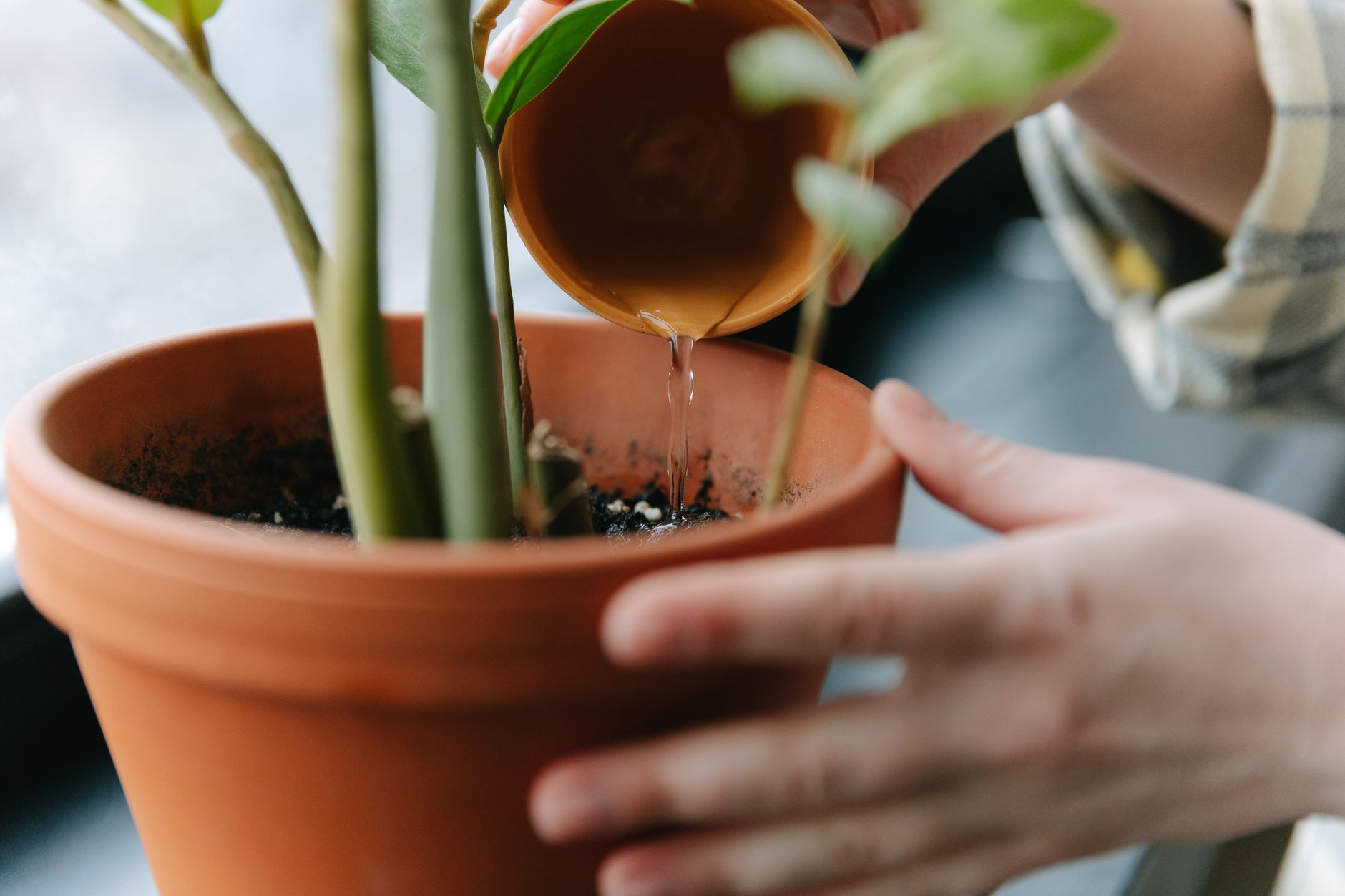
Effective control is layered: make the medium less suitable, monitor both stages, treat larvae with a labelled method, and inspect new plants and mix. Neem is one possible larval tool, not the whole strategy.
| Control method | Main target | Strongest role | Main limitation |
|---|---|---|---|
| Correct watering/drainage | Breeding environment | Makes medium less favourable | Must fit plant moisture needs |
| Yellow sticky cards | Adults | Monitoring trends | Doesn’t control eggs/larvae/pupae |
| Potato discs | Larvae | Confirms pots with larvae | Monitoring only |
| Labelled Bti | Susceptible larvae | Specific microbial control | No effect on adults; repeat |
| Steinernema feltiae | Larvae | Biological control | Needs correct storage, moisture |
| Labelled azadirachtin drench | Developing larvae | Disrupts development/emergence | Doesn’t remove adults/all stages |
| Horticultural sand | Adult egg-laying | Faster-drying surface | Auxiliary measure |
| Repotting | Heavily infested media | Removes breeding medium | Root disturbance; no prevention |
Correct Persistent Moisture Without Dehydrating the Plant
Don’t impose one drying rule on every pot. Adjust dry-down to species, pot size, drainage, light, season, and root condition. Let the surface dry as much as the plant tolerates, remove decaying leaves/dead roots, and empty saucers and reservoirs. Severe wilting is not the goal.
Monitor Adults and Larvae Separately
Place yellow sticky cards near the soil surface and record weekly counts. Potato discs cut-side down confirm larvae; check the underside after a few days. Log trap counts, pot locations, watering, and treatments; success looks like declining counts, not immediate zero.
Choose a Labelled Larval Treatment
Bti targets susceptible larvae but not adults; follow label intervals. Azadirachtin suppresses larvae only where the label allows soil application. Steinernema feltiae needs correct storage, temperature, moisture, and timing. These tools aren’t interchangeable; don’t combine living biologicals with incompatible pesticides.
Use Horticultural Sand Only as an Auxiliary Surface Measure
Clean horticultural sand dries faster than the underlying mix and can make the surface less inviting for egg-laying. Apply an even layer, keeping crowns and drainage visible; it doesn’t kill larvae deeper in the pot. Use it alongside moisture correction, monitoring, and larval treatment, not instead of them.
Inspect New Plants, Potting Mix, and the Entire Collection
When one pot is infested, check soil surfaces, drainage holes, saucers, and traps. Quarantine new plants before they join the rest, because adults move easily between nearby pots, and store potting mix closed, dry, and off wet floors. The pot with the most adults isn’t necessarily the only breeding source.
Repot Only When the Medium or Infestation Justifies the Root Disturbance
Repot when media has broken down and stays waterlogged, larvae persist despite management, root rot is present, or contaminated mix arrived. Use a clean pot and fresh media and remove decayed roots. Skip it for minor sightings; repotting doesn’t prevent recolonization.
Why Neem Treatments Fail—or Make the Problem Worse
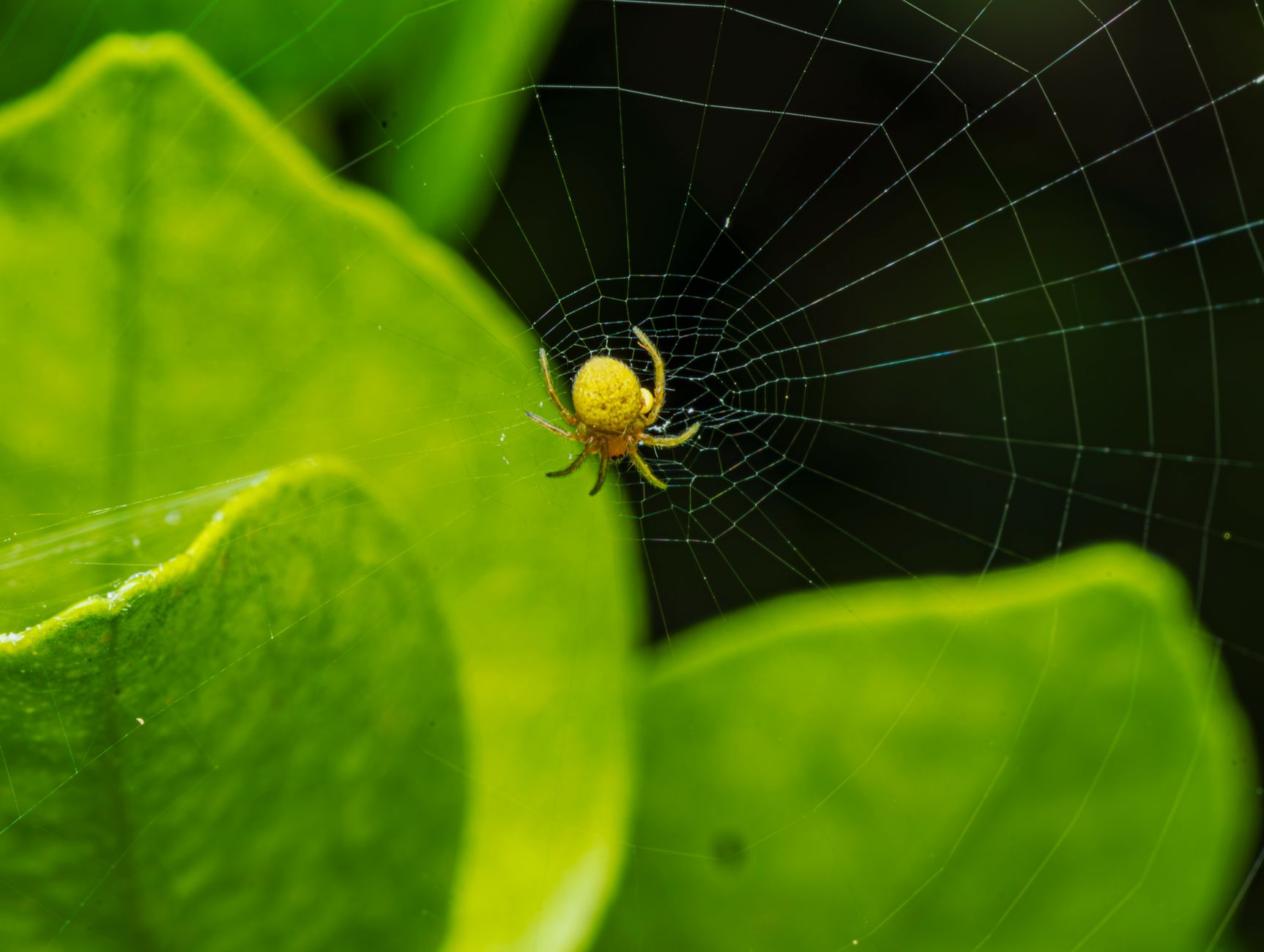
Failure usually comes from wrong pest, wrong product, wrong stage, excess moisture, pupal emergence, reinfestation, or plant injury. Use monitoring data to diagnose.
The Product Was a Foliar Neem Spray, Not a Labelled Soil Treatment
Clarified neem foliar sprays act on contact and don’t reach larvae in the medium; don’t pour a foliar spray into the pot, and don’t convert a spray rate into a homemade drench.
Repeated Neem Drenches Kept the Growing Medium Wet
Every drench adds water, and gnat larvae thrive in moist organic media. Apply soil treatments on a watering event the plant actually needs, not on a fixed schedule.
Homemade Dish-Soap Emulsifiers Caused Plant Injury or an Unstable Mixture
Household dish soaps contain detergents and fragrances and aren’t standardized formulations; they can injure foliage or roots while failing to keep oil emulsified. Use a formulated product with its own emulsifier.
Adults Kept Emerging From Existing Pupae
Larval treatments don’t kill eggs or pupae instantly, so adults can emerge for days. Track weekly trap counts and follow the labelled repeat interval; don’t raise concentration after a day or two.
The Infestation Source Was Never Removed
Treating one pot while seed trays, open mix bags, or other pots remain infested won’t reduce the room-wide population. Use traps to find clusters and quarantine new arrivals before they spread.
Too Many Treatments Were Added at Once
Starting neem, peroxide, Bti, nematodes, soap, and repotting at once makes results impossible to interpret, and some combinations are incompatible. Begin with identification, moisture correction, monitoring, and one labelled larval treatment.
Know When to Stop Neem and Change the Strategy
Stop when the label doesn’t allow soil use, the plant stays wetter, injury appears, trap counts aren’t declining, or infestation spreads. Switch to Bti or nematodes, replace degraded medium, or remove a severely infested low-value plant that threatens the collection.
Conclusion
Neem can help when the product matches the problem. A labelled azadirachtin growing-media treatment may suppress larvae and reduce adult emergence; a generic foliar spray won’t fix a breeding population. No product prevents reinfestation from new plants, damp mix, or outdoor sources. Correct moisture, monitor both stages, treat larvae with a labelled product, and inspect new plants and mix. With consistent monitoring, populations decline because the whole lifecycle is addressed.
FAQ
Does Regular Neem Oil Spray Kill Fungus Gnats?
Not reliably. A foliar neem spray may contact a few adults but won’t reach larvae and pupae in the medium. Don’t pour it into the soil unless the label permits a drench. Use sticky traps for adults and a labelled larval treatment for the medium.
How Long Does Neem Take to Reduce Fungus Gnats?
No universal timeline. Results depend on product, active ingredient, temperature, life stages, moisture, and reinfestation. Adults may keep emerging from existing pupae during treatment. Follow the label interval and track weekly trap counts.
Is Neem Oil or Bti Better for Fungus Gnats?
Bti has a clearer larval target—it controls susceptible larvae in the medium but not adults—while neem depends on the product. Both still require moisture correction, adult monitoring, and reinfestation prevention.
Can I Use a Neem Soil Drench on Every Houseplant?
No. Use a drench only if the label permits it, fungus gnats are listed, and the plant is ready for water. Don’t use dish soap or apply undiluted concentrate. Plant response varies with species, stress, roots, formulation, rate, and frequency.
Sources
- UC IPM — Fungus Gnats
- Colorado State University Extension — Fungus Gnats as Houseplant and Indoor Pests
- National Pesticide Information Center — Neem Oil Fact Sheet
- University of Connecticut Extension — Commercial Greenhouse Fungus Gnat Guidance
- University of Minnesota Extension — Indoor-Plant Pest Guidance
You Might Also Like