Native Texas Plants: The Essential Beginner's Guide to Choosing, Growing, and Buying
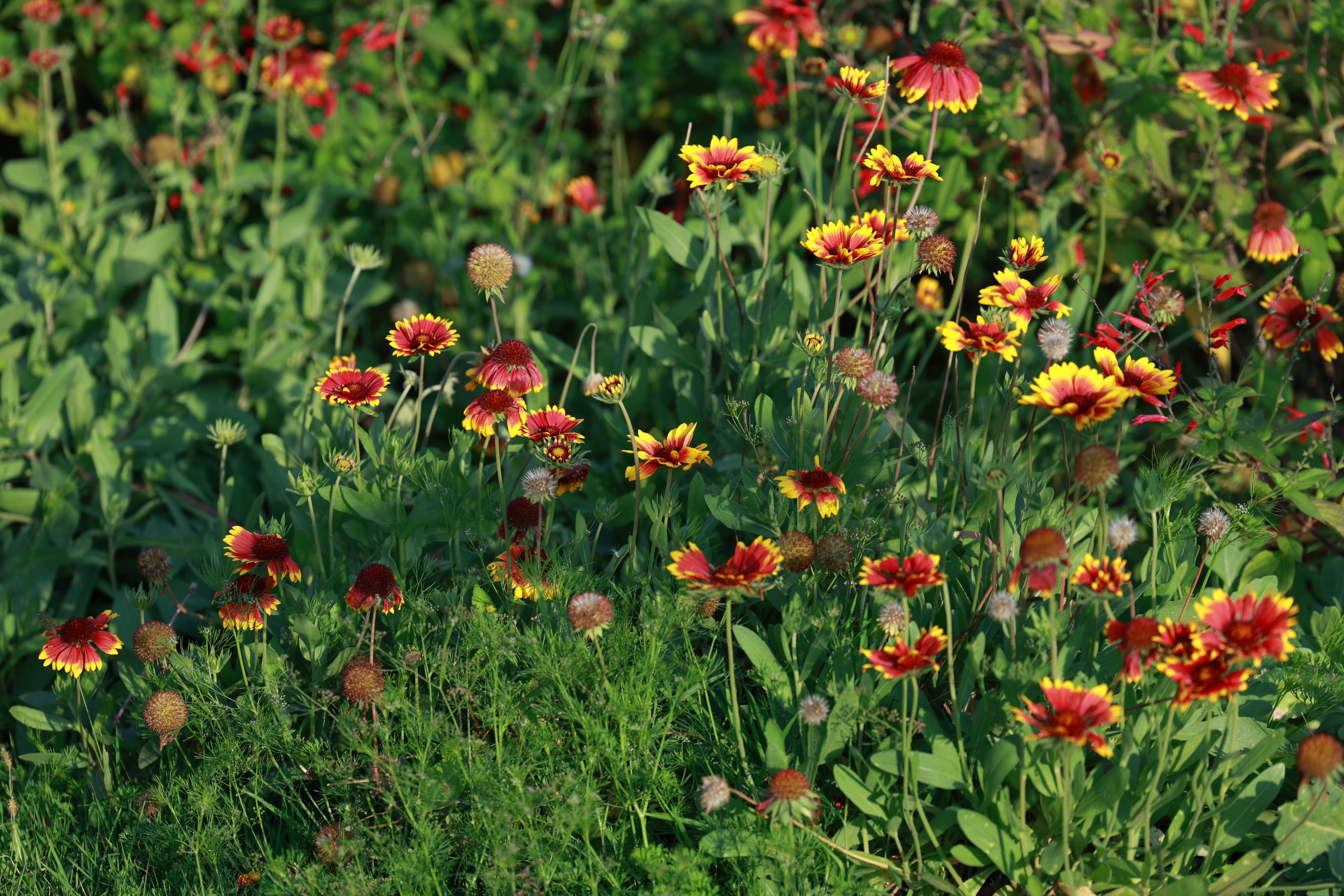
Moving to Texas and facing a blank slate yard can feel overwhelming. The intense heat, heavy clay soil, and long dry spells defeat many familiar plants from other regions. Native Texas plants offer a solution that works with the local climate, not against it. This guide covers why they matter, which ones to choose, how to start a garden from scratch, and where to buy them.
Key Takeaways
-
Match plants to your Texas region and growing conditions: A plant native to the Hill Country may not thrive near the Gulf Coast. Check with local NPSOT chapters or native plant nurseries to find species suited to your specific ecoregion, soil type, and sun exposure.
-
Choose full-sun, clay-tolerant natives for the easiest start: Gregg’s mistflower, Texas sage, blackfoot daisy, and flame acanthus handle full sun and heavy clay without heavy amendments or constant watering once established. These are ideal for beginners with blank-slate yards.
-
Plant in fall for the strongest root system: October through December is the best window for planting trees, shrubs, and perennials in Texas. Cooler temperatures and winter rains allow roots to establish before the following summer’s heat.
-
Source plants from regional native nurseries and NPSOT sales: Dedicated nurseries like The Natural Gardener (Austin), Buchanan’s Native Plants (Houston), and Redenta’s Garden (Dallas-Fort Worth) carry reliable stock. Annual Native Plant Society of Texas chapter sales offer expert advice and low prices.
-
Keep water expectations realistic for native plants: Most natives need deep watering during their first year to develop deep roots. After establishment, many survive on rainfall alone but benefit from occasional irrigation during extended dry spells.
Why Choose Native Texas Plants for Your Landscape
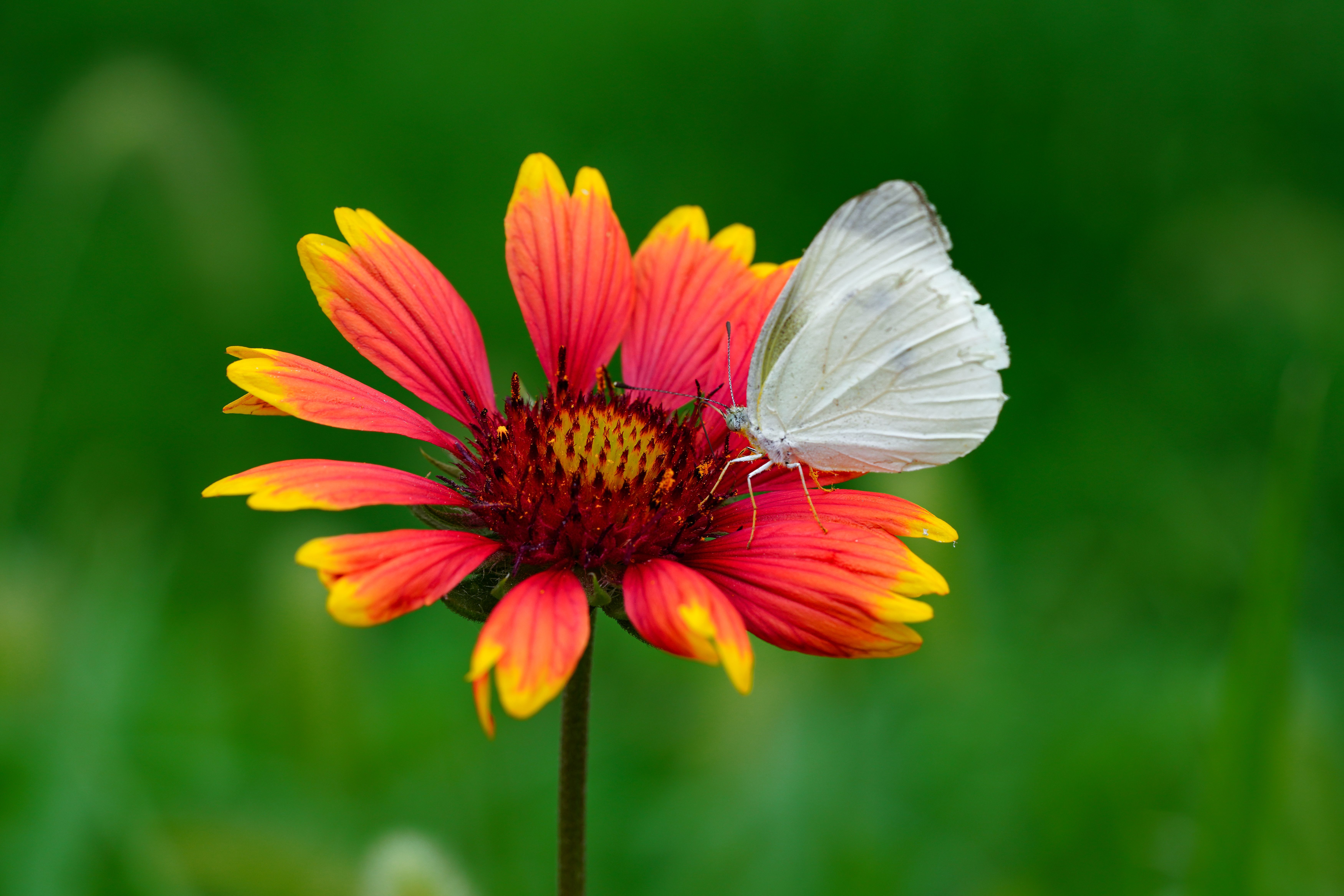
Native plants evolved in Texas conditions over thousands of years. They handle summer heat, survive droughts, and thrive in the challenging soils found across the state. For a newcomer used to gardening in cooler, wetter climates, switching to native species is the single best way to create a low-maintenance, resilient landscape.
What Makes a Plant “Native” to Texas
A plant is native to Texas if it grew here before European settlement. These species adapted to the state’s rainfall patterns, temperature extremes, soil chemistry, and local wildlife. Introduced plants often require extra water, fertilizer, and protection. Texas spans multiple ecoregions, so a plant native to the Hill Country may not perform near the Gulf Coast. Choose species from your specific region using local nurseries or the Native Plant Society of Texas.
Key Benefits for Texas Gardeners: Water Savings, Wildlife, and Resilience
The most obvious advantage is water savings. Once established, many natives need little supplemental watering. A yard of adapted natives can reduce outdoor water use by 50 percent or more compared to traditional turf-and-exotic landscapes. Native plants also support local wildlife by providing nectar for pollinators, seeds for birds, and foliage for insects. They become part of the local ecosystem. Resilience is another benefit: natives evolved to handle Texas extremes from drought to flood, late frosts to scorching heat. They rarely need pesticides or fungicides, saving time and money.
Common Misconceptions About Native Plants Addressed
A frequent worry is that native plants look messy. Many are ornamental—Gregg’s mistflower, Texas sage, and blackfoot daisy produce showy flowers. You can design a tidy border or a relaxed meadow style. Another misconception is difficulty finding them; many Texas nurseries stock natives, and NPSOT chapter sales offer wide selection at low prices. Some believe no watering is ever needed, but even drought-tolerant natives require deep watering during their first year. After establishment, many survive on rainfall alone, though occasional irrigation during long dry spells helps.
Best Native Texas Plants for Every Situation
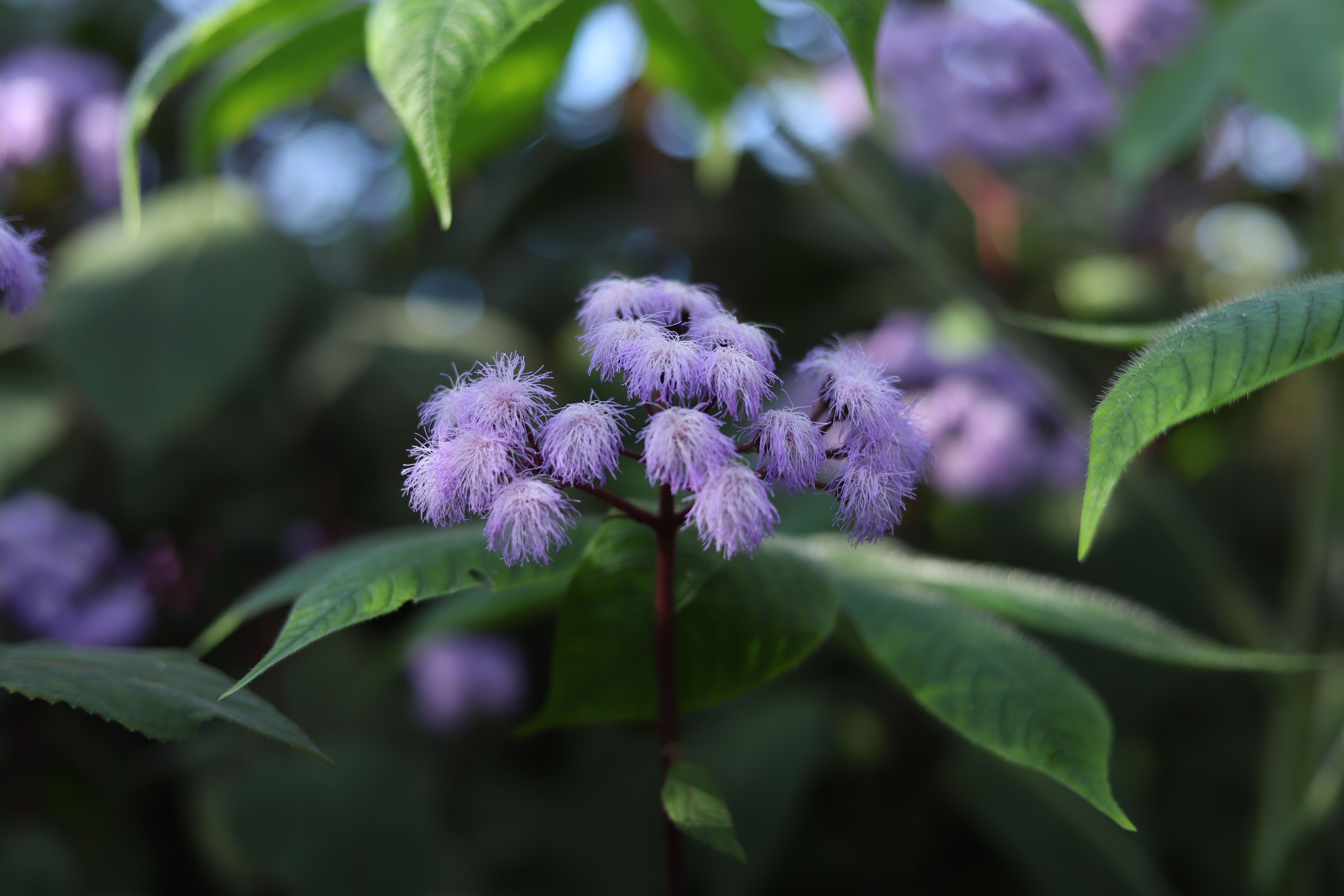
Success depends on matching plants to your specific conditions. These top choices cover common Texas scenarios: full sun with clay soil, fence lines, shade, fast growth, and year-round color.
Top Native Plants for Full Sun and Clay Soil
Clay soil is common in Texas, especially in Dallas-Fort Worth, central Texas, and parts of Houston. It drains slowly and can be alkaline. Native plants evolved on clay handle these conditions without heavy amendments.
| Plant (Common & Scientific) | Sun | Water After Establishment | Bloom Time | Height |
|---|---|---|---|---|
| Gregg’s mistflower (Conoclinium greggii) | Full sun to partial shade | Low to moderate | Spring to frost | 1–2 ft |
| Texas sage (Leucophyllum frutescens) | Full sun | Very low | Spring to fall after rain | 3–6 ft |
| Blackfoot daisy (Melampodium leucanthum) | Full sun | Low | Spring to fall | 6–12 in |
| Purple coneflower (Echinacea purpurea) | Full sun to part shade | Low | Summer | 2–4 ft |
| Little bluestem (Schizachyrium scoparium) | Full sun | Low | Fall seed heads | 2–4 ft |
| Flame acanthus (Anisacanthus quadrifidus var. wrightii) | Full sun | Low | Summer to frost | 3–4 ft |
Gregg’s mistflower is a standout for beginners, blooming from spring until hard frost and attracting monarchs. Texas sage, also called cenizo, erupts in purple blooms after rainfall and needs excellent drainage—avoid low spots.
Best Bush-Type Natives for Fence Lines and Borders
For privacy or screening without constant trimming, try these Texas natives:
- Agarita (Mahonia trifoliolata): Evergreen, holly-like leaves, red berries. 3–6 ft tall. Full sun to part shade, dry soil.
- Texas mountain laurel (Sophora secundiflora): Slow-growing evergreen with fragrant purple flowers in spring. Needs well-drained soil. Reaches 10–15 ft over years.
- Turk’s cap (Malvaviscus arboreus var. drummondii): Shade-tolerant shrub, red blooms from late spring to frost. 2–5 ft tall, spreads by roots.
- Esperanza (Tecoma stans): Fast-growing yellow trumpet flowers from summer to frost. Full sun. Dies back in hard freezes but regrows.
- Yaupon holly (Ilex vomitoria): Evergreen shrub or small tree with red berries on females. Sun or shade, wet or dry. Prunes well for a formal hedge.
Combine Texas sage, flame acanthus, and Gregg’s mistflower along a fence for almost no pruning and staggered blooms.
Fast-Growing Native Trees and Year-Round Blooming Flowers
No plant blooms every day, but many flower from spring through fall with deadheading.
Fast-Growing Native Trees:
- Texas redbud (Cercis canadensis var. texensis): 15–20 ft. Magenta spring blooms. Full sun with afternoon shade.
- Mexican plum (Prunus mexicana): 15–25 ft. White fragrant flowers, purple fruit. Tolerates clay.
- Anacacho orchid tree (Bauhinia lunarioides): 10–15 ft. Pink orchid-like flowers in spring and after rain.
- Cedar elm (Ulmus crassifolia): 50–70 ft. Fast, drought-tolerant, handles clay. Yellow fall color.
Year-Round Blooming Flowers (spring through frost with care):
- Gregg’s mistflower, blackfoot daisy, purple coneflower, zexmenia (Wedelia texana), Salvia greggii. Plant a mix of spring wildflowers, summer perennials, and fall bloomers (asters, goldenrod) for consistent color.
How to Start a Native Texas Garden from a Blank Slate Yard
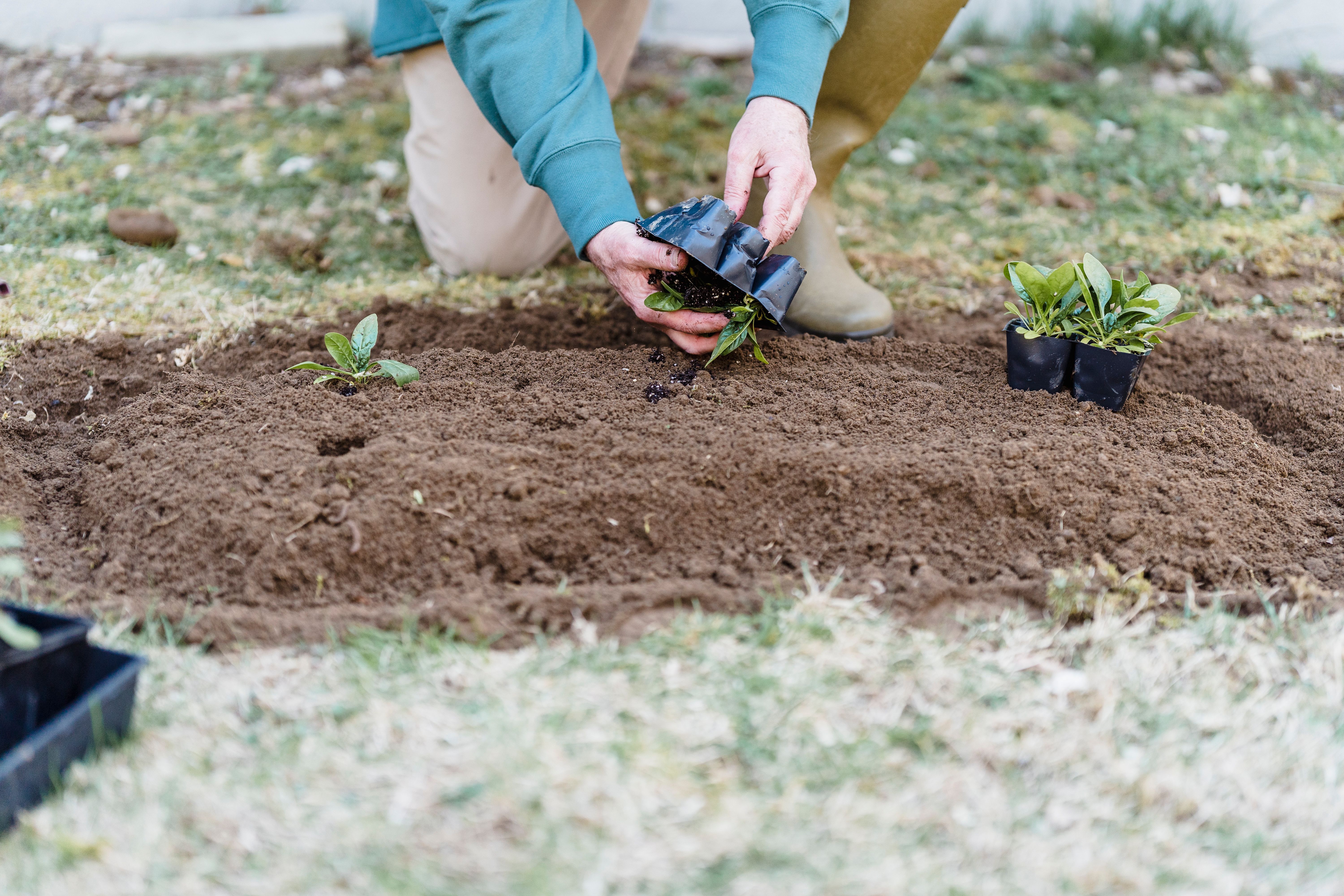
Many new residents face a yard with just clay and weeds. Following a sequence tailored to Texas climate makes starting from scratch easier.
Assessing Your Site: Sun, Soil, and Texas Climate Zone
Determine how many hours of direct sun each area receives. Full sun in Texas means at least six hours. For less than four hours, choose shade-tolerant species like Turk’s cap or inland sea oats. Test soil drainage: dig a 12-inch hole, fill with water, let drain, refill. If it drains slower than 1 inch per hour, you have clay soil. Avoid overwatering to prevent root rot. Check your USDA zone (most of Texas is 7b–9b) for plant selection.
Month-by-Month Planting Calendar for the First Year
The best time to plant perennials, trees, and shrubs is fall (October–December). Spring planting works but demands more watering.
| Month | Task |
|---|---|
| October–November | Clear weeds, install irrigation if needed, plant trees, shrubs, perennials. Mulch 2–3 inches. |
| December–February | Water only if dry. No fertilizer. Plan spring purchases. |
| March–April | Plant warm-season annuals and wildflower seeds. Pinch back fall-planted perennials. |
| May–June | Mulch deeply. Water deeply once per week if no rain. Deadhead. |
| July–August | Expect heat stress. Water early morning or evening. No fertilizer. |
| September | Prepare for fall planting. Order from native plant sales. Cut back leggy perennials. |
| October (Year 2) | Begin second round of planting. First-year plants should be established. |
Planting and Watering Tips for Success
Dig a hole two to three times wider than the container but no deeper. Set the plant with root flare at or slightly above grade. Backfill with the same soil—no amendments that create a “baton” effect. Water immediately, then every two to three days for two weeks, stretching to once or twice a week through week ten. After year one, reduce watering for drought-tolerant species to every two to three weeks or rely on rainfall. Apply 2–4 inches of organic mulch, keeping it away from stems. Mulch reduces soil temperature, slows evaporation, and suppresses weeds.
Where to Buy Native Texas Plants: Nurseries and Sales by Region
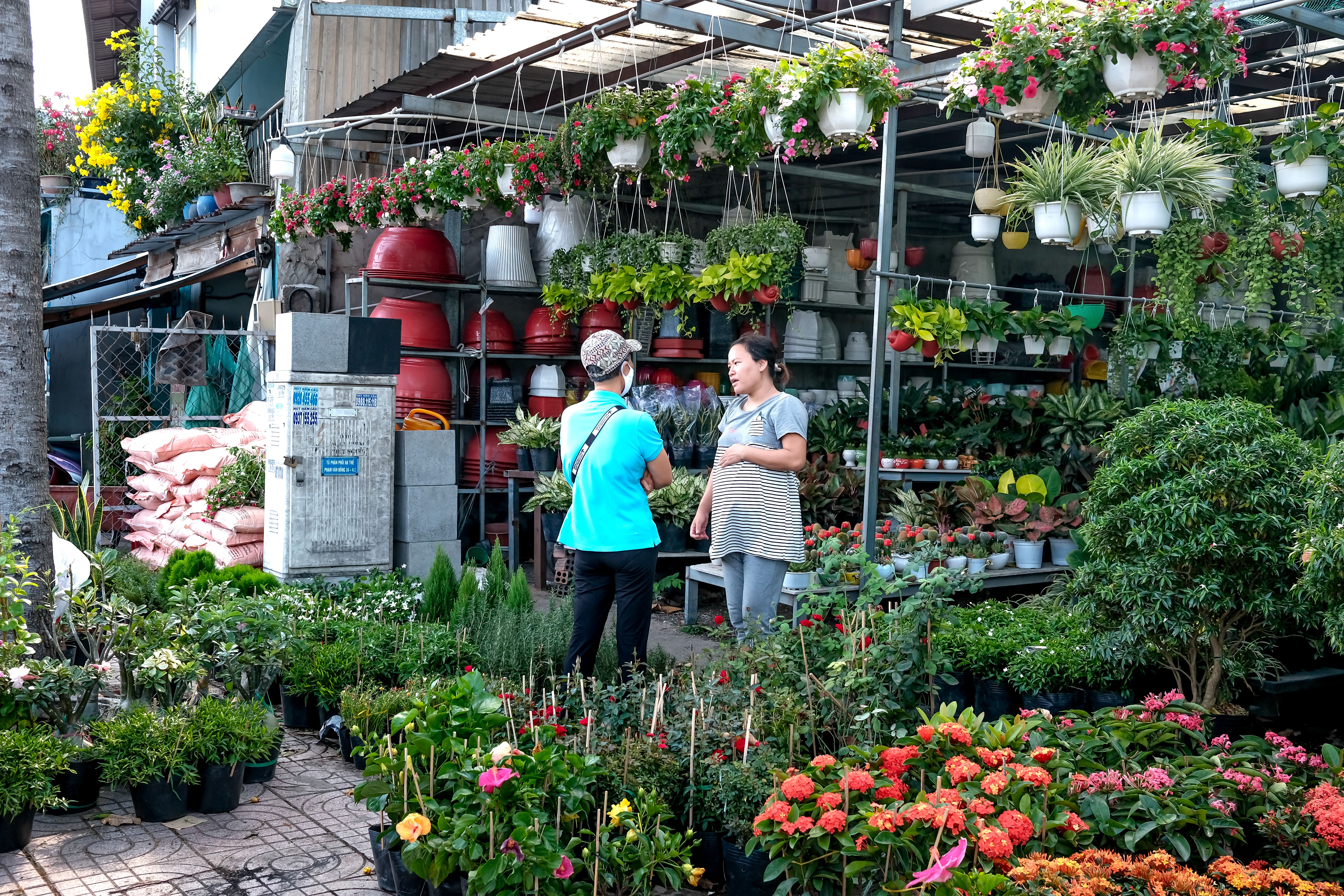
Sourcing natives is easy: many nurseries specialize in Texas natives, and annual plant sales offer bargains.
Regional Native Plant Nurseries (East, Central, West, Gulf Coast, Panhandle)
Central Texas (Austin, San Antonio): The Natural Gardener, Barton Springs Nursery, Shades of Green. North Texas (Dallas-Fort Worth): Redenta’s Garden, North Haven Gardens, Calloways Nursery (native sections). Gulf Coast (Houston): Buchanan’s Native Plants, Joshua’s Native Plants. West Texas (El Paso, Midland): High Desert Native Plants, Plant Palooza occasional sales. Panhandle (Lubbock, Amarillo): Nursery at The Arboretum, Amarillo Botanical Gardens sales.
Annual Native Plant Sales and Events
The Native Plant Society of Texas hosts fall and spring sales in many chapters. The Austin chapter’s fall sale in October and Dallas chapter’s spring sale offer seeds, container plants, and expert advice. Other regular events: Lady Bird Johnson Wildflower Center (Austin) spring and fall sales, Dallas Arboretum occasional events, Houston Audubon spring sale. Check websites for dates.
Tips for Buying Native Plants (Bare-Root vs. Container, When to Plant)
Most nurseries sell container-grown plants in quart, gallon, or 5-gallon pots. Gallon containers are easiest for beginners. Bare-root plants are cheaper but need immediate planting and extra water. Avoid “native” labels at big-box stores unless you verify scientific name. Best time to buy and plant is fall (October–December). Spring purchases require careful watering through the first summer.
Conclusion
Native Texas plants are beautiful, low-maintenance, and the smartest choice for any Texas gardener. They save water, support wildlife, and bounce back from weather extremes. By selecting species suited to your soil, sun, and region, you can turn a blank slate yard into a thriving garden. Start small: pick three to five species, plant correctly in fall, water deeply the first year, and watch them establish. Within two years, you’ll have blooms, butterflies, and a landscape that feels like it belongs.
FAQ
What are the easiest native plants for a beginner in Texas?
Gregg’s mistflower, blackfoot daisy, Texas sage, flame acanthus, and purple coneflower. They tolerate clay soil, full sun, and minimal watering after establishment. Widely available at native plant nurseries.
Do Texas sage and Gregg’s mistflower need special care?
Texas sage needs excellent drainage and full sun; avoid overwatering. It blooms after rain, no fertilizer needed. Gregg’s mistflower needs moderate water in year one, then very little. Cut back one-third in late winter for compact growth.
How do I prepare clay soil for a native Texas garden?
Do not amend clay with sand or peat. Dig a wide shallow hole, plant at grade, backfill with native soil. Add 2–4 inches of organic mulch on top. For raised beds, use native soil and compost. Avoid tilling wet clay.
Where can I find native Texas plant sales near me?
Check the Native Plant Society of Texas chapter page for your region. Lady Bird Johnson Wildflower Center in Austin holds spring and fall sales. Many local nurseries host annual events. Search “[your city] native plant sale” in season.
Did you find this post helpful?
A little support goes a long way in helping me create more free, in-depth content like this.