Best New Mexico Native Plants for Gardens: Sun, Soil, Pollinators, and Desert Heat
Key Takeaways
-
Match plants to your region and microclimate: New Mexico spans four ecoregions with vastly different conditions. Map your yard’s sun, wind, water flow, and soil before selecting plants to avoid failures.
-
Use sunken beds and waffle gardens, not raised beds: In arid climates, raised beds overheat and dry out soil. Sunken basins and Zuni waffle gardens collect rainfall, lower soil temperature, and improve water retention for most natives.
-
Avoid overwatering and over-amending soil: Overwatering and adding rich compost are top killers of New Mexico natives. Most are adapted to lean, alkaline soil. Water deeply but infrequently, and skip compost in planting holes.
-
Leave dead stems through winter for native bees: Cavity-nesting bees lay eggs in hollow stems. Delay cleanup until late winter, cut stems to 6–12 inches, and leave stubble to preserve nesting habitat.
-
Expect sparse growth the first year: Many natives focus on root growth in year one, with visible size increasing in years two and three. Group plants, add structural shrubs and grasses, and be patient.
Why New Mexico Native Plants Are Different
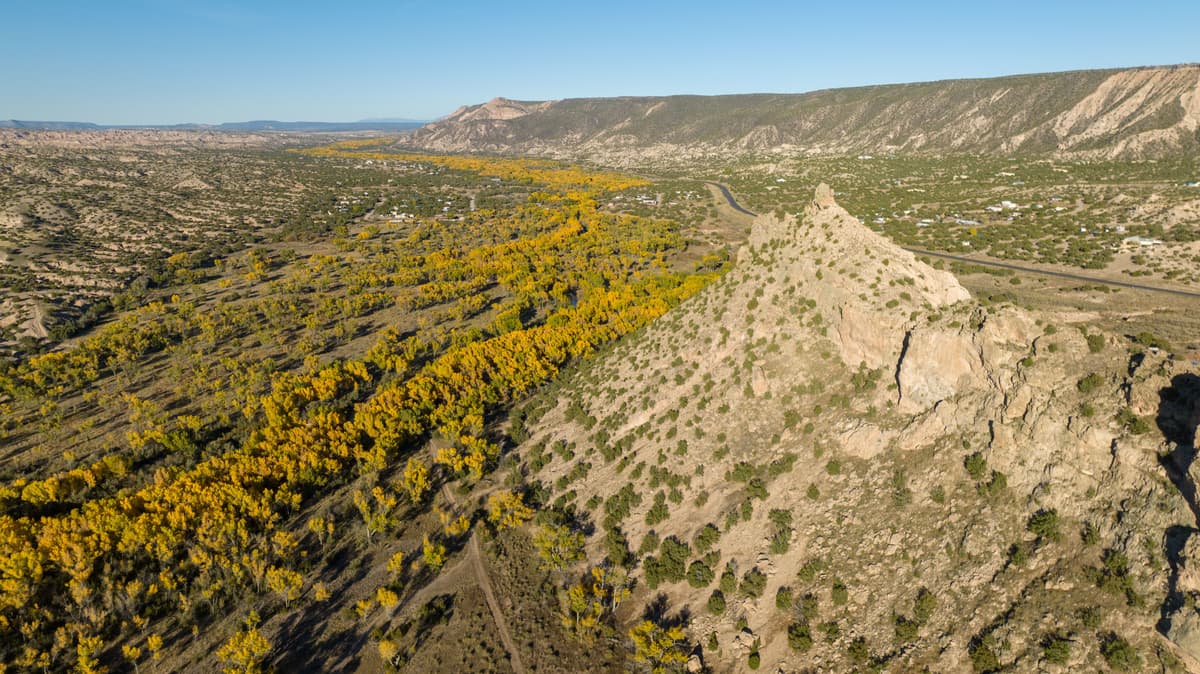
New Mexico sits at the intersection of four major ecoregions: Rocky Mountains, Great Plains, Colorado Plateau, and Chihuahuan Desert. Yards here face alkaline soil, caliche hardpan, intense UV, drying winds, and extreme temperature swings. Plants that evolved here are equipped for those extremes. Non-native ornamentals require constant water, fertilizer, and shade to survive.
The state holds an extraordinary diversity of native plants—trees, shrubs, perennials, grasses, cacti, and succulents—that can create lush, dynamic gardens when chosen and placed correctly. The key is working with local conditions rather than fighting them.
Why New Mexico Native Plants Handle Heat, Wind, Drought, and Alkaline Soil
Native plants have deep root systems, small or waxy leaves, and tolerance for lean, alkaline soil (pH 7.5–8.5). Adding rich compost can harm them by creating a root-bound “pot” effect. Native grasses and low shrubs stabilize soil and reduce evaporation. While drought-tolerant once established, they still need careful watering during the first year.
New Mexico Native Plants by Region
- High Desert / Central NM (Albuquerque, Santa Fe, Los Alamos): 5,000–7,000 ft. Hot summers, cold winters, alkaline soil with caliche. Use drought-adapted shrubs, perennials, grasses. Avoid riparian species unless you have a naturally damp area.
- Low Desert / Southern NM (Las Cruces, Deming, Alamogordo): Below 4,500 ft. Higher heat, lower rainfall, sandy or salty soil. Use cacti, succulents, desert-adapted shrubs. Site selection critical; reflected heat can fry plants.
- Mountain / Northern NM (Taos, Angel Fire, Chama): Above 7,000 ft. Colder winters, more snow, shorter growing season. Use cold-hardy shrubs, pines, junipers, mountain wildflowers. Check drainage to avoid rot from snowmelt.
- Eastern Plains / Llano Estacado (Clovis, Portales, Tucumcari): High plains with strong winds and heavy clay or caliche. Use prairie grasses, sunflowers, tough shrubs. Wind protection essential first year.
Xeriscape Is Not Gravel: How Native Plants Make New Mexico Yards Look Alive
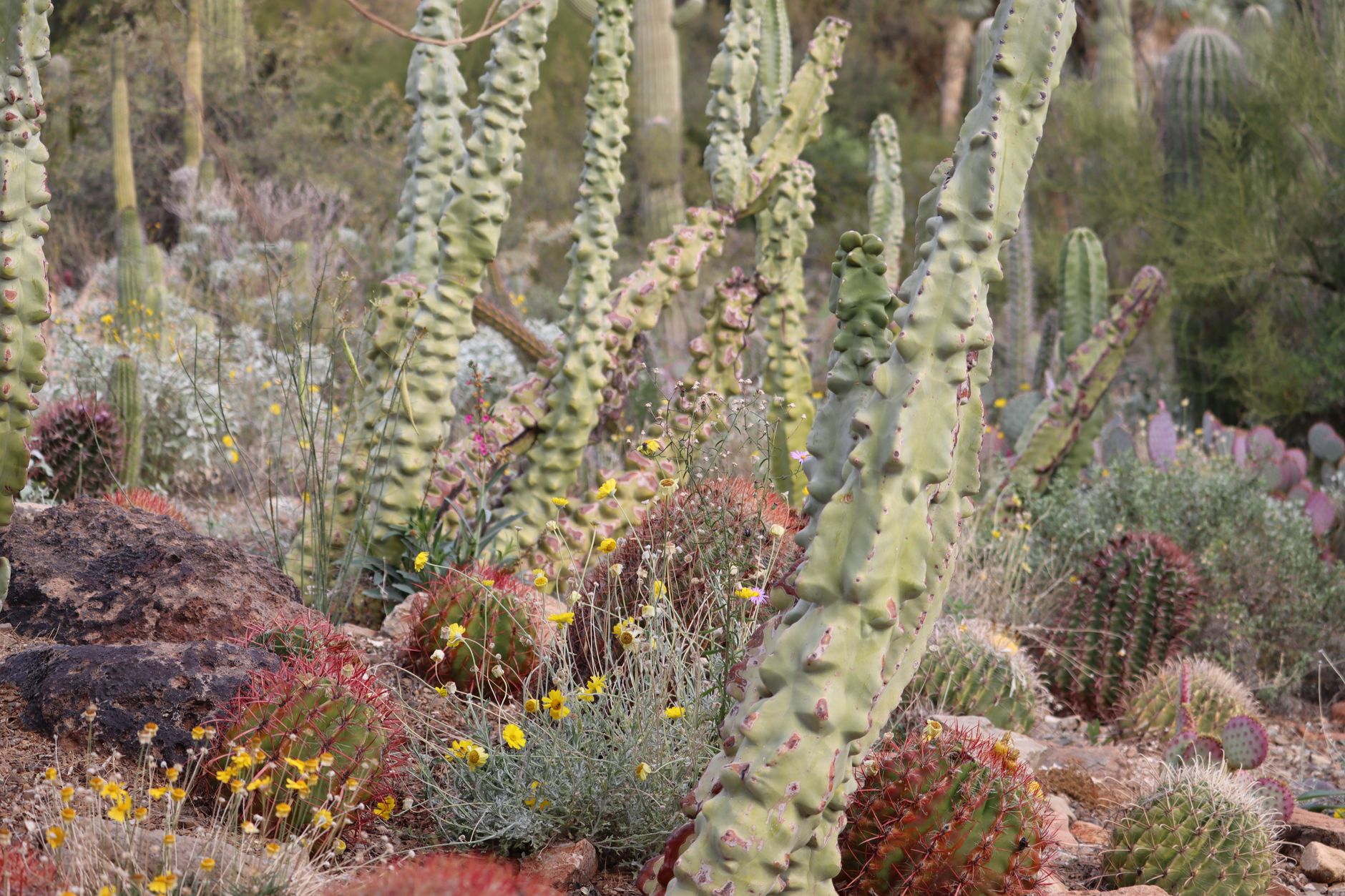
A true xeriscape is a layered, living garden: trees for shade, shrubs for structure, perennials for blooms, grasses for texture, and cacti for accent. Gravel, if used, is just mulch to reduce evaporation. The garden captures rainwater and requires minimal irrigation once established.
Best New Mexico Native Plants for Landscaping by Plant Type and Yard Goal
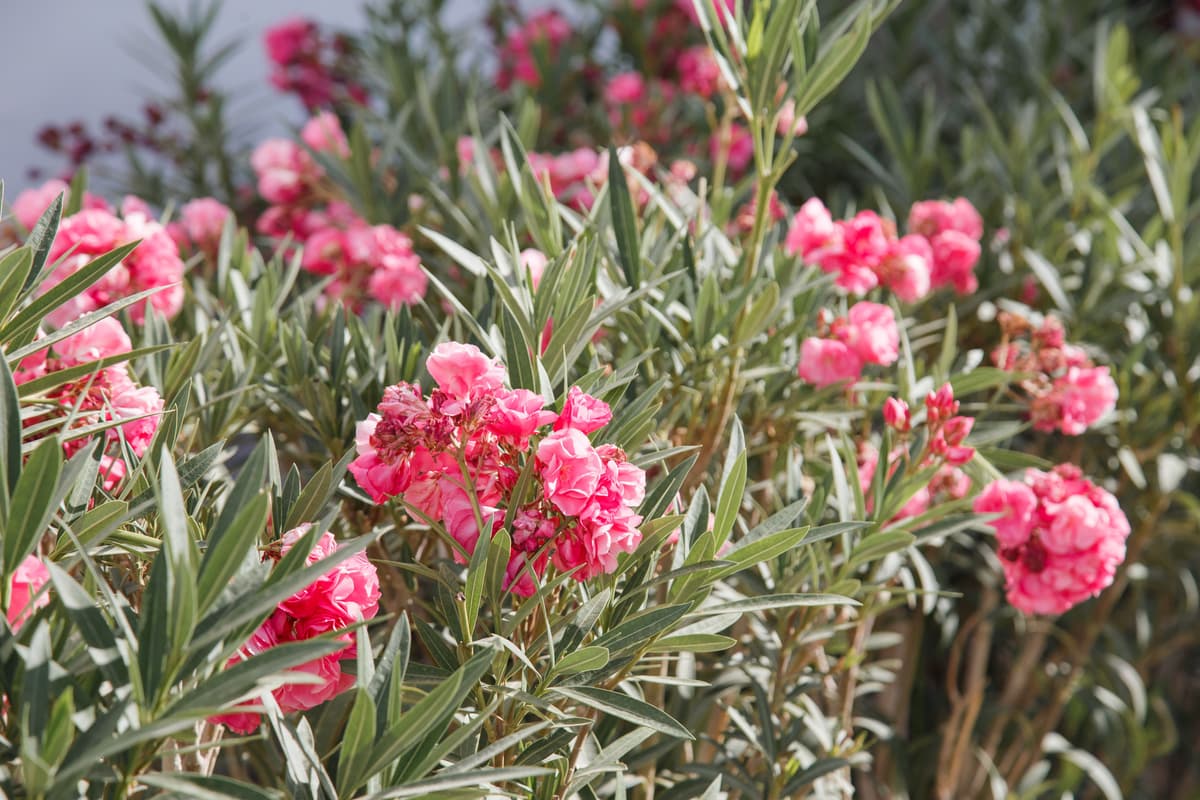
New Mexico Native Trees and Shrubs for Shade, Screening, Berries, and Structure
- Apache plume (Fallugia paradoxa): 3–6 ft shrub, white flowers, pink seedheads. Tolerates alkaline soil and full sun. Spreads by suckers.
- One-seed juniper (Juniperus monosperma): 10–20 ft evergreen, bird berries. Drought-tolerant. Plant away from foundations.
- Desert willow (Chilopsis linearis): 15–25 ft tree, pink trumpet flowers, attracts hummingbirds. Needs well-drained soil.
- New Mexico olive (Forestiera pubescens): 6–15 ft shrub, dense screening, berries for wildlife. Tolerates caliche.
- Three-leaf sumac (Rhus trilobata): 2–5 ft, good for slopes, red-orange fall color. Grows in poor soil.
- Mountain mahogany (Cercocarpus montanus): 6–12 ft evergreen, feathery seeds. Handles wind and cold.
- Netleaf hackberry (Celtis reticulata): 20–35 ft tree, bird fruit. Tolerates alkaline soil and reflected heat. Not under power lines.
- Chokecherry (Prunus virginiana): 6–15 ft, white flowers, dark fruit. For cooler, higher elevations or moist spots only.
New Mexico Native Flowers and Perennials for Full Sun, Color, and Pollinators
- Penstemon species: P. strictus (blue-purple spikes), P. barbatus (red, attracts hummingbirds). Bloom late spring–early summer. Well-drained soil.
- Globemallow (Sphaeralcea ambigua): 2–3 ft, orange/red flowers spring–fall. Handles wind, heat, alkaline soil.
- Desert marigold (Baileya multiradiata): Short-lived perennial, yellow daisies spring–fall. Full sun, excellent drainage, self-seeds.
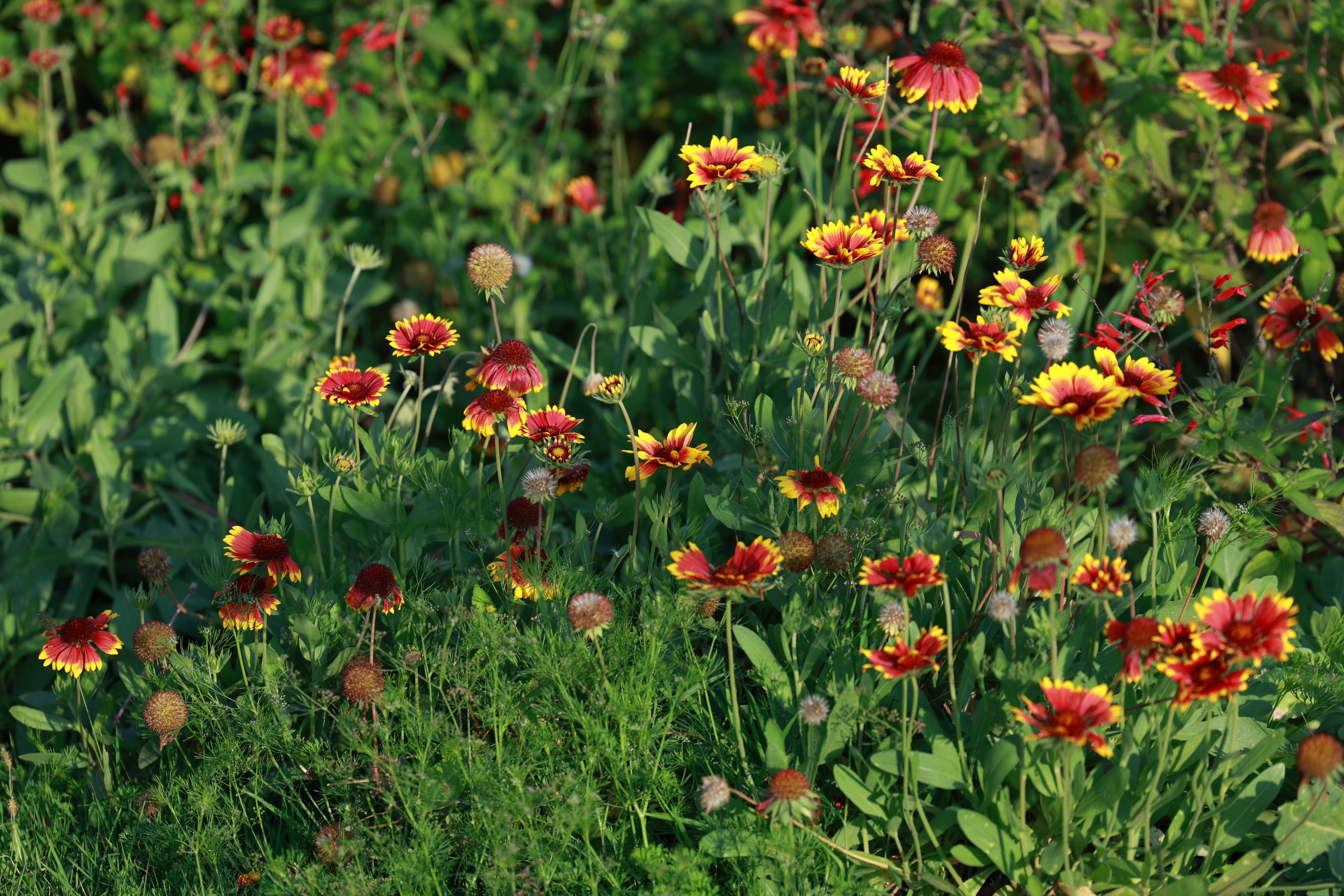
- Blanketflower (Gaillardia aristata): Red/yellow flowers summer–fall. Poor soil, heat. Attracts butterflies and goldfinches.
- Chocolate flower (Berlandiera lyrata): Low-growing, chocolate scent in morning. Very drought-tolerant. Needs well-drained soil.
- Blackfoot daisy (Melampodium leucanthum): 6–12 in mound, white daisies spring–frost. Rocky alkaline soil.
- New Mexico sunflower (Helianthus petiolaris): 3–5 ft annual/short perennial, yellow flowers, bird seeds. Self-seeds.
- Rocky Mountain bee plant (Cleome serrulata): 2–4 ft annual, pink/purple flowers, highly attractive to bees. Sandy soil.
- Evening primrose (Oenothera species): Opens in evening, fragrant. Good drainage.
New Mexico Native Cacti, Yucca, Agave, and Succulents for Hot, Dry Sites
- Prickly pear (Opuntia species): Flat pads, colorful fruit. Handles reflected heat. Avoid walkways.
- Claret cup cactus (Echinocereus triglochidiatus): Small clumping, red flowers spring. Rocky soil, south-facing slopes.
- Banana yucca (Yucca baccata): Stemless, blue-green leaves, edible fruit. No water after establishment.
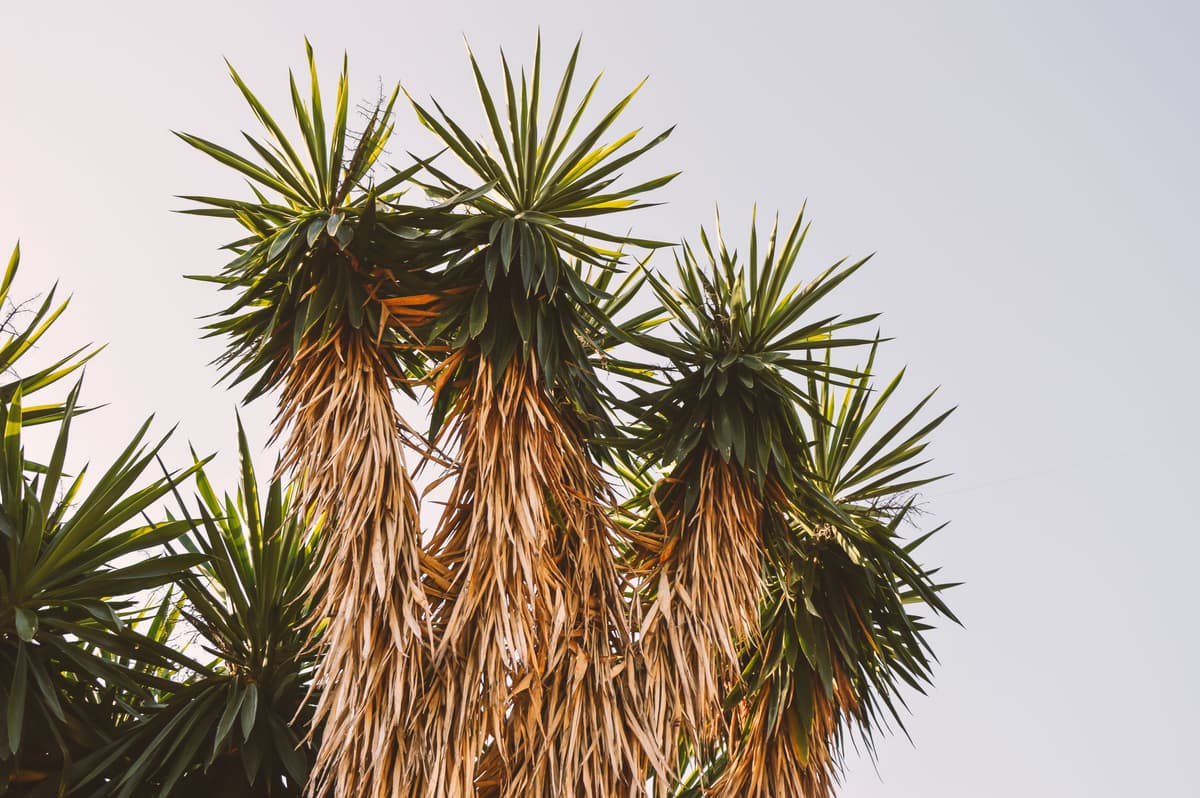
- Soaptree yucca (Yucca elata): 6–12 ft trunk, creamy flower spikes. Full sun, focal point.
- Parry’s agave (Agave parryi): Rosette, blue-gray spiny leaves, hardy to 10°F. Gritty soil, no winter wetness.
- Sotol (Dasylirion wheeleri): Grass-like shrub, tall flower stalk. Very drought-tolerant.
New Mexico Native Grasses and Groundcovers for Texture, Erosion Control, and Wildlife
- Blue grama (Bouteloua gracilis): 12–18 in bunchgrass, eyelash seedheads. Tolerates clay and sandy soil.
- Sideoats grama (Bouteloua curtipendula): 2–3 ft, dangling oat-like seeds. Handles alkaline soil and wind.
- Little bluestem (Schizachyrium scoparium): 2–4 ft clumping, blue-green foliage turns copper in fall.
- Alkali sacaton (Sporobolus airoides): 2–4 ft, thrives in saline/alkaline soil, poor drainage.
- Sand dropseed (Sporobolus cryptandrus): 1–2 ft, fine texture, stabilizes sandy soil.
- Beargrass (Nolina microcarpa): Fountain-like clump, white flower stalks. Dry rocky slopes, avoid overwatering.
New Mexico Native Plants for Full Sun, Rocky Soil, Sandy Soil, Caliche, Wind, and Dry Shade
| Yard Condition | Recommended Plants | Mistake to Avoid |
|---|---|---|
| Full sun, low water | Desert marigold, globemallow, prickly pear, blue grama | Overwatering |
| Rocky soil | Penstemon, blackfoot daisy, mountain mahogany, claret cup | Adding rich compost |
| Sandy soil | Sand dropseed, blanketflower, Apache plume, soaptree yucca | Fertilizing |
| Caliche (hardpan) | One-seed juniper, netleaf hackberry, alkali sacaton, banana yucca | Planting deep-rooted trees without breaking caliche |
| Windy sites | Sideoats grama, Apache plume, three-leaf sumac, mountain mahogany | Not mulching |
| Dry shade | Chokecherry (cool zones), New Mexico olive, bear grass, little bluestem | Planting full-sun cacti |
How to Grow New Mexico Native Plants in Xeric Yards
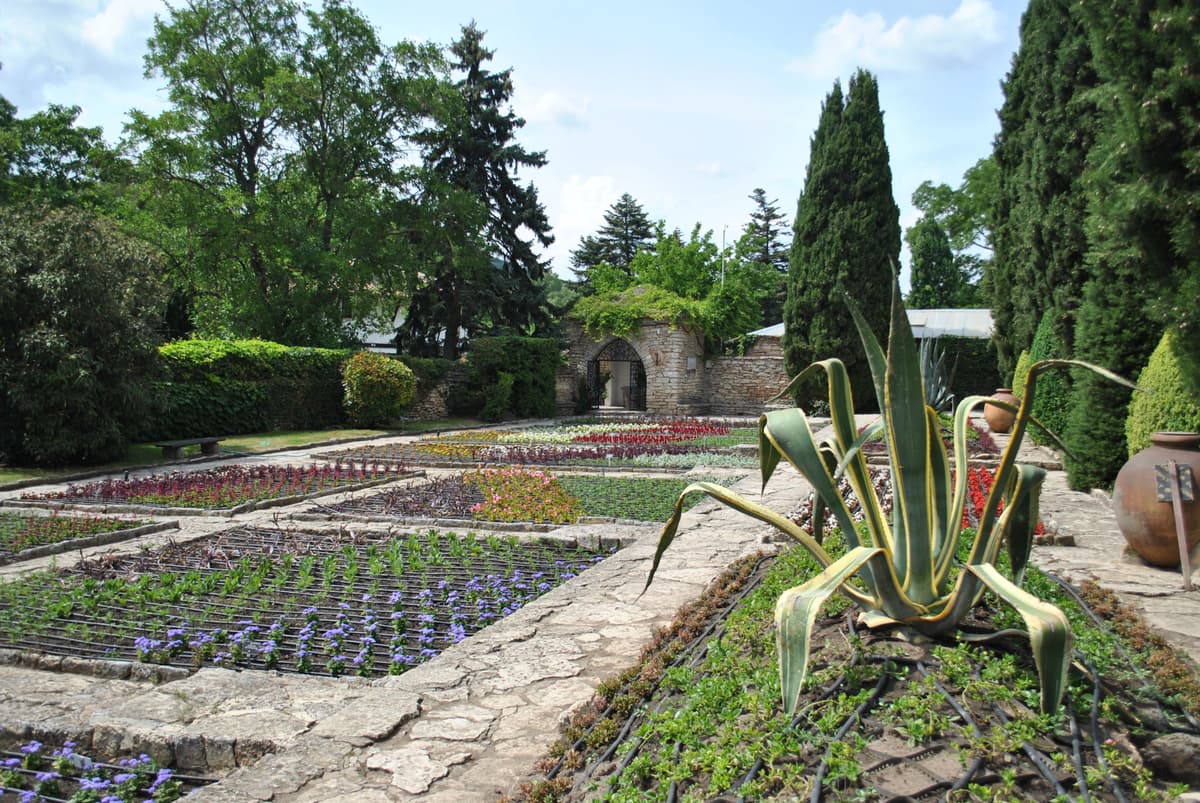
Raised Beds, Sunken Basins, and Waffle Gardens: Which Works Best in New Mexico?
In the desert, raised beds heat up and dry out quickly. For most natives, sunken basins or waffle gardens work better. Sunken beds (dig 4–8 in, create a level basin) decrease soil temperature and improve water retention. The Zuni waffle garden—a grid of shallow depressions outlined by berms—collects water. Use it for vegetables, pollinator flowers, and shrubs. For cacti that need sharp drainage, a slight mounding (6–12 in) is better. Do not default to raised beds.
Map Sun, Wind, Slope, Walls, and Water Flow Before Planting New Mexico Natives
Walk your property at different times. Note hot spots (south- and west-facing walls), cool spots north of buildings, wind corridors, slope direction, water flow after rain, and frost pockets. Place heat-loving cacti against south walls, wind-sensitive perennials behind shrubs, riparian plants in drainage swales.
Group New Mexico Native Plants by Water Needs: Rainwater-Only, Low Water, and Moderate Water Zones
| Water zone | Plant types | Irrigation approach |
|---|---|---|
| Rainwater-only after establishment | Cacti, yucca, agave, drought-adapted shrubs/grasses | Water first season, then rarely |
| Low-water | Low-water perennials, shrubs, grasses | Deep infrequent water first season; every 2–4 weeks in summer |
| Low-to-moderate | Pollinator perennials with longer bloom | Supplemental water during heat waves; one deep soak per week |
| Moist/riparian | Riparian shrubs, moisture-tolerant perennials | Keep separate; water to keep damp |
How to Protect New Mexico Native Plants from Heat, Wind, Rabbits, and Transplant Shock
- Temporary shade: 30–50% shade cloth for hottest weeks; remove by late summer. Not needed for most adapted natives.
- Wind protection: Burlap screen, ring of stones. Slows drying winds.
- Animal protection: Hardware cloth cylinder for first two seasons.
- Mulch: 2–3 in coarse gravel or crushed rock. Avoid fine organic mulches.
- Watering during establishment: Water deeply to 6–8 in once or twice a week in summer. Adjust as plant shows growth.
New Mexico Native Plant Care Mistakes: Watering, Soil, Drainage, and Winter Cleanup
How to Water New Mexico Native Plants Without Causing Root Rot
Overwatering is the top killer. Desert plants evolved with infrequent heavy rain. Frequent light watering keeps roots shallow and causes rot. For new transplants, water deeply to 8 in every 5–7 days in summer, every 10–14 days in cool months. Once established, many low-water natives need no supplemental water except during extreme drought. Base watering on the plant’s natural habitat.
New Mexico Soil Prep for Native Plants: Alkaline Soil, Caliche, Drainage, and Compost
Do not amend entire beds with compost. Many natives need lean, alkaline soil. Dig a hole only as deep as the root ball but two to three times as wide. Fill with original soil or a mix of 80–90% native soil and 10–20% coarse sand if drainage is poor. For caliche, break it up in a wide area (5–10 ft) or choose shallow-rooted plants like one-seed juniper. For perennials, add no more than 10% decomposed granite to heavy clay. Avoid fertilizer.
Should You Leave Dead Stems and Seedheads for Native Bees in New Mexico?
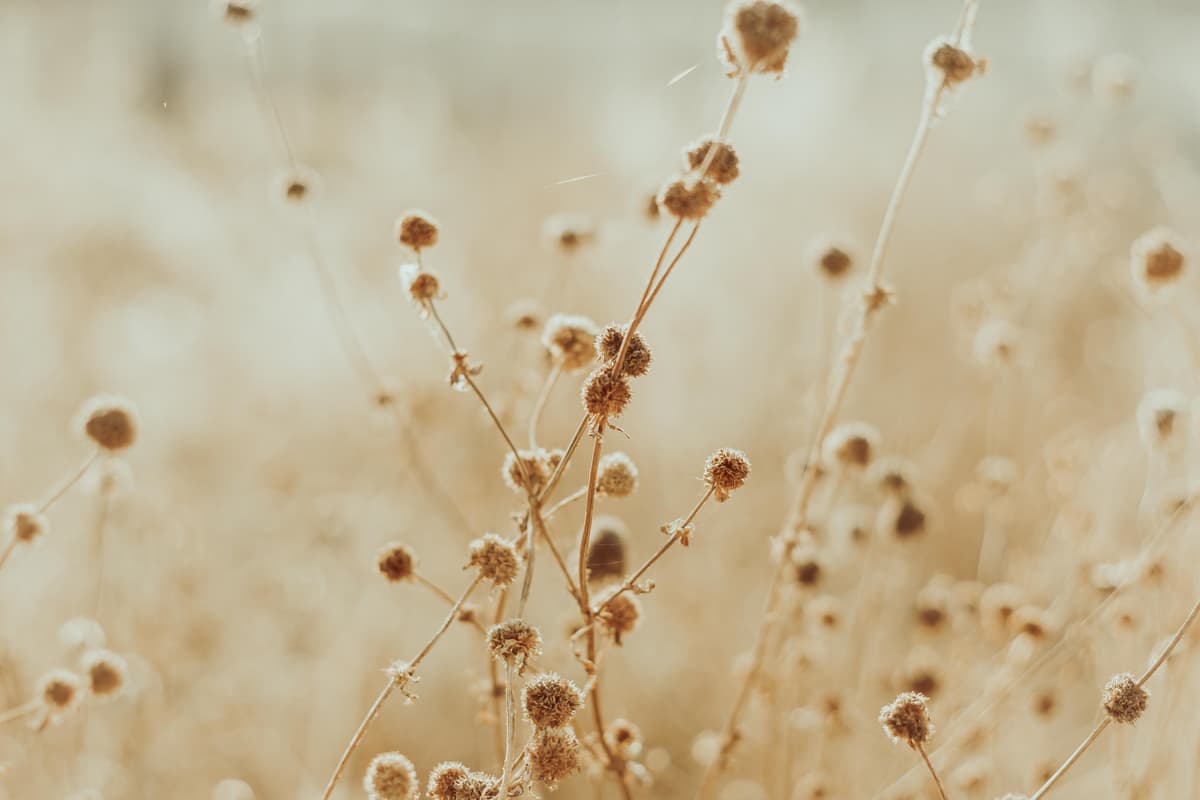
Yes. Solitary cavity-nesting bees lay eggs in hollow stems. Leave stems and seedheads through winter. In late winter (Feb/Mar), cut stems to 6–12 in, leaving stubble. Check for sealed holes. Alternatively, bundle cut stems and place upright. Remove only diseased or broken stems.
Why New Mexico Native Plants May Look Sparse the First Year
Many natives follow “sleep, creep, leap”: first year roots, second year slight expansion, third year takeoff. To make the garden look intentional, add structural shrubs and grasses, plant perennials in groups of three or five, and use low groundcover or rock to cover bare soil. Avoid overwatering or fertilizing to force growth. Be patient; by year three the garden will look full.
Where to Buy New Mexico Native Plants and Seeds
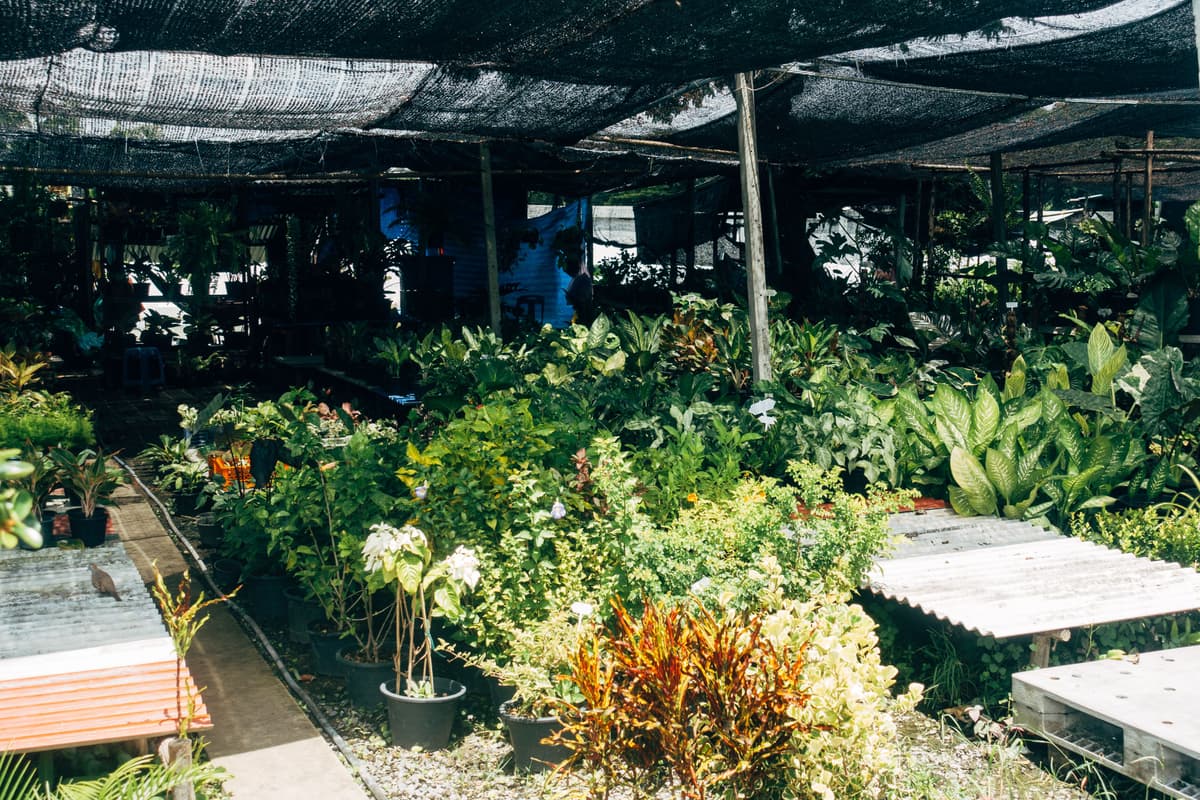
How to Choose a Trustworthy New Mexico Native Plant Nursery or Seed Source
Look for botanical names, confirmation that plants are native to New Mexico (not just drought-tolerant), specific sun/water/mature size info, bloom season, wildlife value, region/elevation suitability, and seed origin. Avoid generic mixes without species breakdown.
Are Wildflower Mixes Actually Native to New Mexico?
Many “Southwest” mixes contain non-natives like California poppy. They may grow but support local wildlife poorly. Read the species list and check for invasiveness. Choose mixes designed for New Mexico or your ecoregion.
Where to Find Reliable New Mexico Native Plant Lists
- NMSU Extension: Published lists for different regions.
- New Mexico Native Plant Society: Regional plant lists and field guides.
- Botanic gardens: Albuquerque Biopark and Santa Fe Botanical Garden have labeled collections.
- Seed libraries: Local varieties.
- Databases: USDA PLANTS, Lady Bird Johnson Wildflower Center. Cross-reference at least two sources. A plant that thrives in Las Cruces may fail in Los Alamos.
Conclusion
Choosing New Mexico native plants is a practical, low-water solution. Understand your region and microclimate. Select plants adapted to your sun, soil, and wind. Use sunken beds, waffle gardens, and temporary shade. Group by water needs and leave dead stems for bees. Avoid overwatering, over-amending, and expecting instant lushness. With patience, you can create a vibrant garden that supports wildlife and uses a fraction of the water of traditional landscapes.
FAQ
What plants grow best in New Mexico?
The best plants are native to your specific region. For low-water landscaping: drought-adapted shrubs (Apache plume, three-leaf sumac, one-seed juniper), flowering perennials (penstemon, globemallow, blanketflower, desert marigold), grasses (blue grama, sideoats grama, little bluestem), and cacti/succulents (prickly pear, claret cup, banana yucca, soaptree yucca). Match to your yard’s conditions.
What are the best New Mexico native plants for full sun?
Desert willow (tree), globemallow, blanketflower, desert marigold, blackfoot daisy (perennials), blue grama (grass), and prickly pear (cactus). All need full sun. First-year watering is important; after that, little to no supplemental irrigation.
What New Mexico native plants grow in rocky or sandy soil?
Rocky soil: penstemon, blackfoot daisy, mountain mahogany, claret cup cactus, three-leaf sumac. Sandy soil: sand dropseed, blanketflower, Apache plume, soaptree yucca. Do not over-amend.
Is xeriscaping just gravel?
No. Xeriscaping uses layered native plants—trees, shrubs, perennials, grasses, cacti—along with rainwater harvesting, mulch, and efficient irrigation. Gravel serves only as mulch to reduce evaporation.
You Might Also Like