Burnt Lawn from Fertilizer? How to Tell If It Will Recover and What to Do Next
If you notice yellow or brown patches on your lawn shortly after fertilizing, it is natural to worry that the damage may be permanent. This reaction happens to many homeowners, and in most cases, you still have time to help the grass recover. The key is identifying the problem quickly, understanding whether the grass can bounce back, and taking the right steps without making things worse. Even severe-looking burn is often reversible if you act within the first few days. The sooner you remove excess fertilizer and begin flushing salts, the better your lawn’s chances. But you must first confirm that fertilizer burn is actually the culprit—misdiagnosis leads to wasted effort or further damage.
Key Takeaways
- Confirm the cause before treating: Fertilizer burn appears as yellow or brown streaks, stripes, or sharp-edged patches within hours to days of application. Use the diagnostic table in the article to rule out drought, disease, dog urine, herbicide injury, or grubs before taking action.
- Assess grass condition to decide recovery: Yellow but flexible blades usually bounce back with deep watering. Brown tips with green crowns need patience and salt flushing. Crispy grass that pulls out easily is dead and requires reseeding, plugs, or sod.
- Recovery depends on your grass type: Warm-season grasses like Bermuda and zoysia spread through runners and may fill damaged areas on their own. Cool-season bunch grasses such as tall fescue often need overseeding if patches die completely.
- Flush, wait, then reseed only when needed: Remove visible granules, water deeply to push salts past the root zone, and monitor for 1–3 weeks. Check product labels if you used weed-and-feed or pre-emergent — some block new grass seed from germinating.
- Prevent future burn with smart application habits: Measure your lawn area, calibrate your spreader, avoid overlapping passes, and never fertilize grass that is already stressed by heat, drought, or disease. Small application changes make the biggest difference.
Is It Really Fertilizer Burn? Check the Pattern Before You Fix It
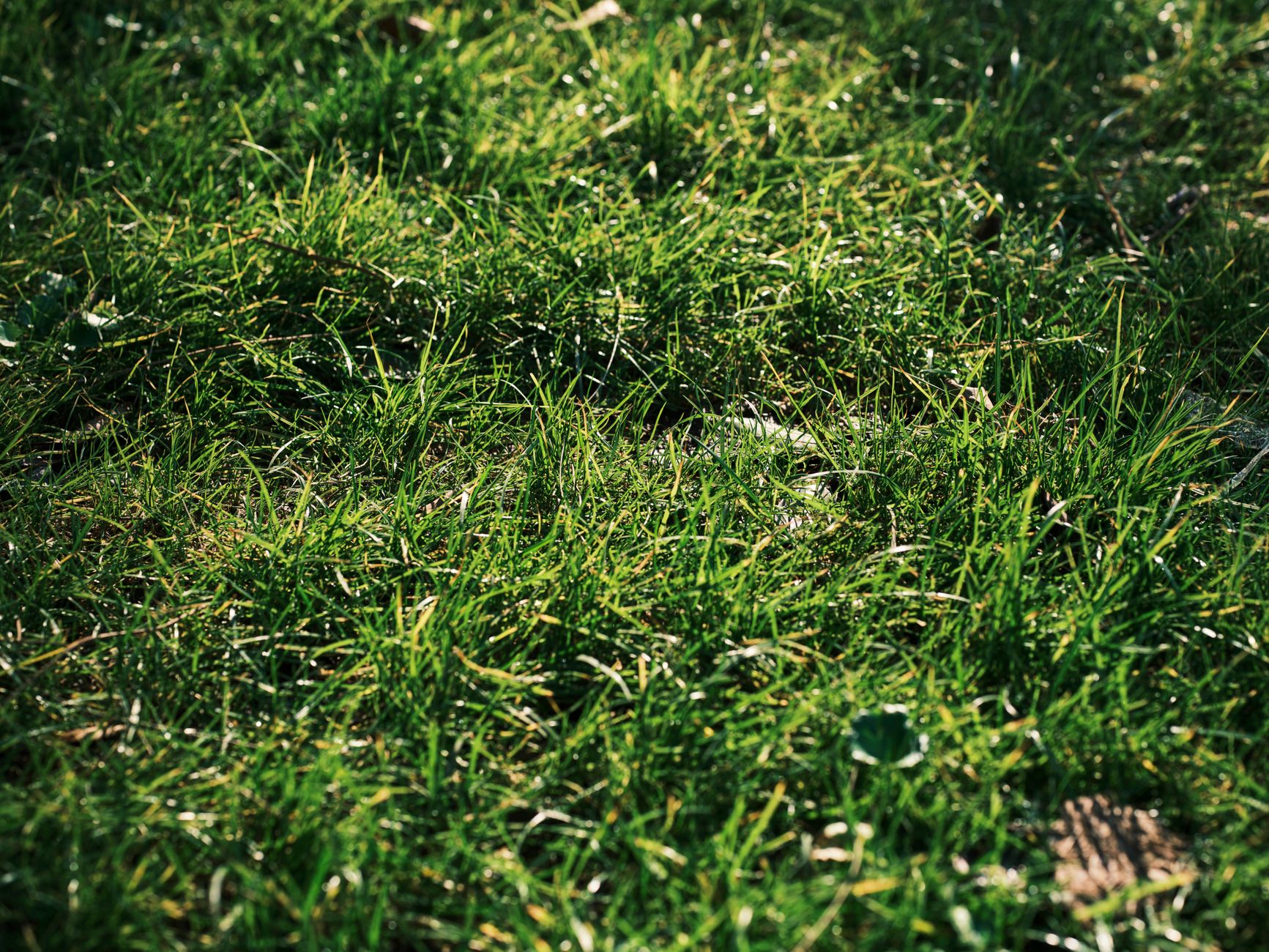
Before you start any treatment, confirm that the damage is actually fertilizer burn rather than something else. Look at the pattern first, because each lawn problem leaves a unique signature. Fertilizer burn is almost always tied directly to your recent application—its shape, timing, and location give it away.
What Fertilizer Burn Looks Like on a Lawn
Fertilizer burn typically appears as yellowing or browning in distinct streaks, stripes, or sharp-edged patches, often following your spreader path. Dark green stripes alongside brown ones suggest overlapping application. The affected grass may feel crispy, and you may still see visible fertilizer granules on the soil surface. Spills from the spreader or from a dropped bag create larger, irregular spots that can look like chemical spills. Edges of the burn are usually well-defined—not soft or diffuse like drought stress. If you see a pattern that mirrors your walking route or turning points, it is almost certainly fertilizer burn.
Fertilizer Burn vs. Drought, Lawn Disease, Dog Urine, Herbicide Injury, or Grubs
| Problem | Pattern | Timing | Clues | First action |
|---|---|---|---|---|
| Fertilizer burn | Stripes, overlap marks, spill spots, sharp patches | Hours to days after fertilizing | Granules, wrong spreader setting, hot/dry application | Remove excess product and water deeply |
| Drought stress | Broad dry areas, high spots, edges | During heat/dry periods | Footprints remain, soil dry | Deep watering |
| Lawn disease | Irregular patches, spots, rings, spreading areas | Humid/wet weather | Leaf lesions, fungal patterns | Diagnose before fertilizing |
| Dog urine | Small round spots, often with green ring | Random, recurring | Pet traffic areas | Flush spot, repair if dead |
| Herbicide injury | Distorted growth, yellowing, irregular drift pattern | After weed killer use | Curling, twisting, drift path | Stop herbicide exposure |
| Grubs/root damage | Brown turf lifts easily | Late summer/fall | Roots eaten, turf peels back | Check root zone |
If the discolored area keeps spreading beyond the original application lines, disease or another cause is more likely than simple burn. Also note that fertilizer burn does not usually cross sidewalks or driveways unless you spread there—drought and disease can.
When Fertilizer Burn Symptoms Appear After Application
Fertilizer burn usually appears within hours to a few days, especially if granular fertilizer was overapplied, spilled, or not watered in. Fast yellowing after a known mistake strongly supports fertilizer burn. Damage that appears long after fertilizing or continues to grow over a week may point to disease, grubs, or drought. If you applied a slow-release product, burn may take a few days longer, but the pattern will still match the spreader path. Keep a mental note of when you fertilized—timing is half the diagnosis.
Will Burnt Grass Grow Back or Do You Need to Reseed?
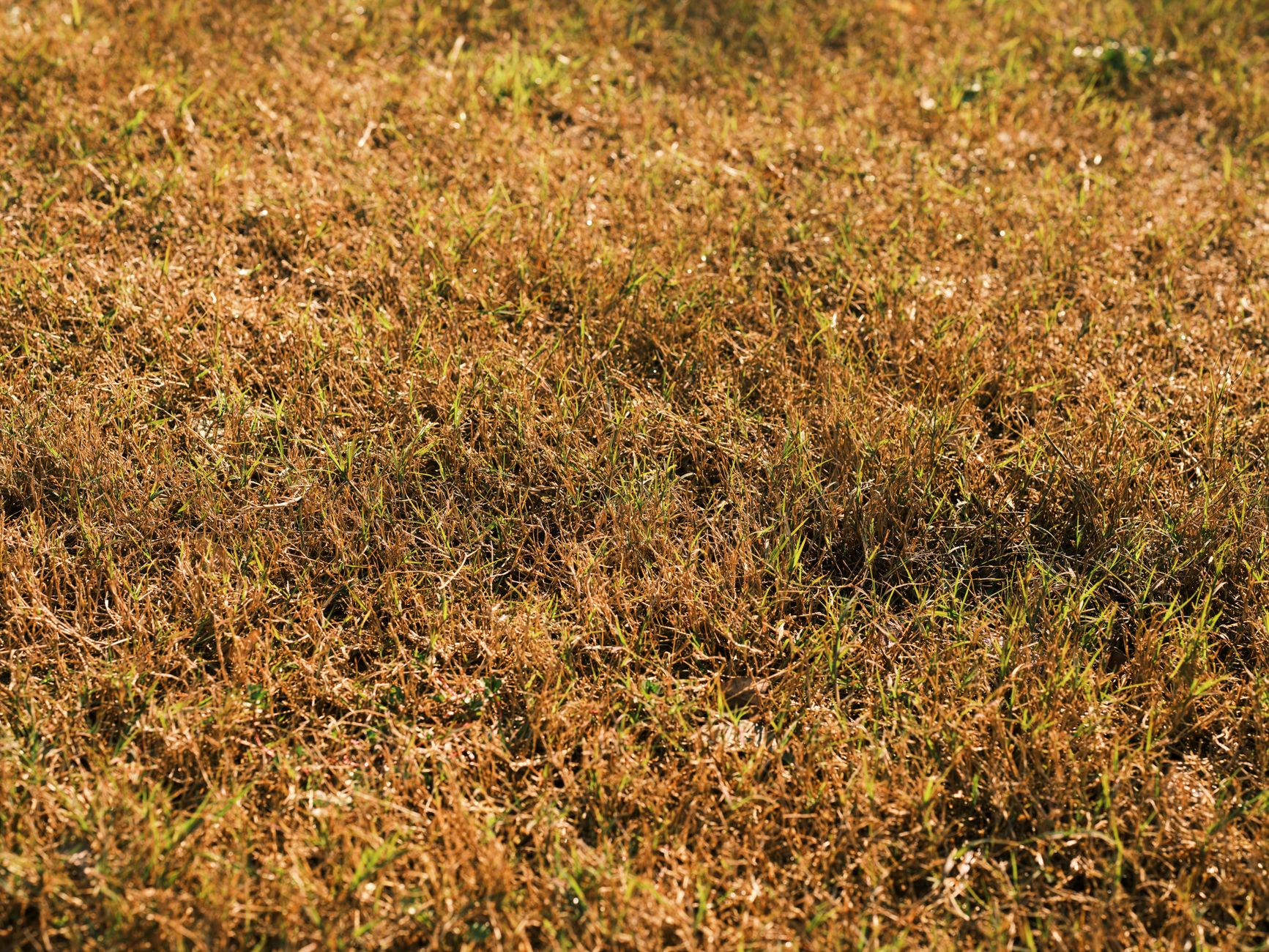
The answer depends on burn severity, grass type, and whether combination products such as pre-emergent were used. Even if the blades look dead, the crown and roots may still be alive. A simple tug test can tell you: if the grass holds firm, there is hope; if it pulls out easily like a loose carpet, the roots are gone.
The Recovery Test: Yellow, Brown, Crispy, or Bare?
| What the grass looks like | What it likely means | What to do |
|---|---|---|
| Yellow but flexible blades | Mild burn or stress | Water deeply and monitor |
| Brown tips but green near crown | Moderate stress | Flush salts, avoid more fertilizer, wait for regrowth |
| Brown streaks following spreader paths | Uneven application | Water deeply; reassess in 1–3 weeks |
| Crispy brown grass that pulls out easily | Severe burn or dead turf | Remove dead grass and plan reseeding/sod |
| Bare soil after raking dead grass | Turf is gone | Repair with seed, plugs, or sod when timing allows |
If the crown and roots are still alive, new shoots may push up from the base. If the crown is completely dead, no amount of watering will bring it back. Examine the base of the leaf blades closely: a white or cream-colored crown with firm roots means recovery is possible. A mushy, brown, or hollow crown means the plant has died.
Recovery Timeline: What to Expect After Fertilizer Burn
Mild yellowing may stabilize and fade within the first week. Between one and three weeks, surviving grass may begin to green up from the crown. After three to six weeks, dead or thin areas may require overseeding, plugs, or sod. Do not give up too early, but be realistic about what is dead. Grass that remains completely brown and crispy after three weeks of proper watering is almost certainly gone. Patience is important, but so is knowing when to move on to repair.
Cool-Season vs. Warm-Season Grass: Why Regrowth Differs
Warm-season grasses (Bermuda, zoysia, St. Augustine) spread through runners and may fill damaged areas without reseeding. Cool-season bunch grasses (tall fescue, fine fescue, perennial ryegrass) do not spread aggressively; if patches die completely, you will likely need to overseed or sod. Kentucky bluegrass spreads somewhat through rhizomes, but severe dead patches may not fill in alone. If you have a mixed lawn, treat the dominant grass type. For warm-season lawns, a small dead spot may disappear by the end of summer as stolons creep in. For cool-season bunch grasses, a dime-sized dead patch can remain bare unless you intervene.
How to Fix a Burnt Lawn from Fertilizer
Step 1: Remove Excess Fertilizer and Flush the Area
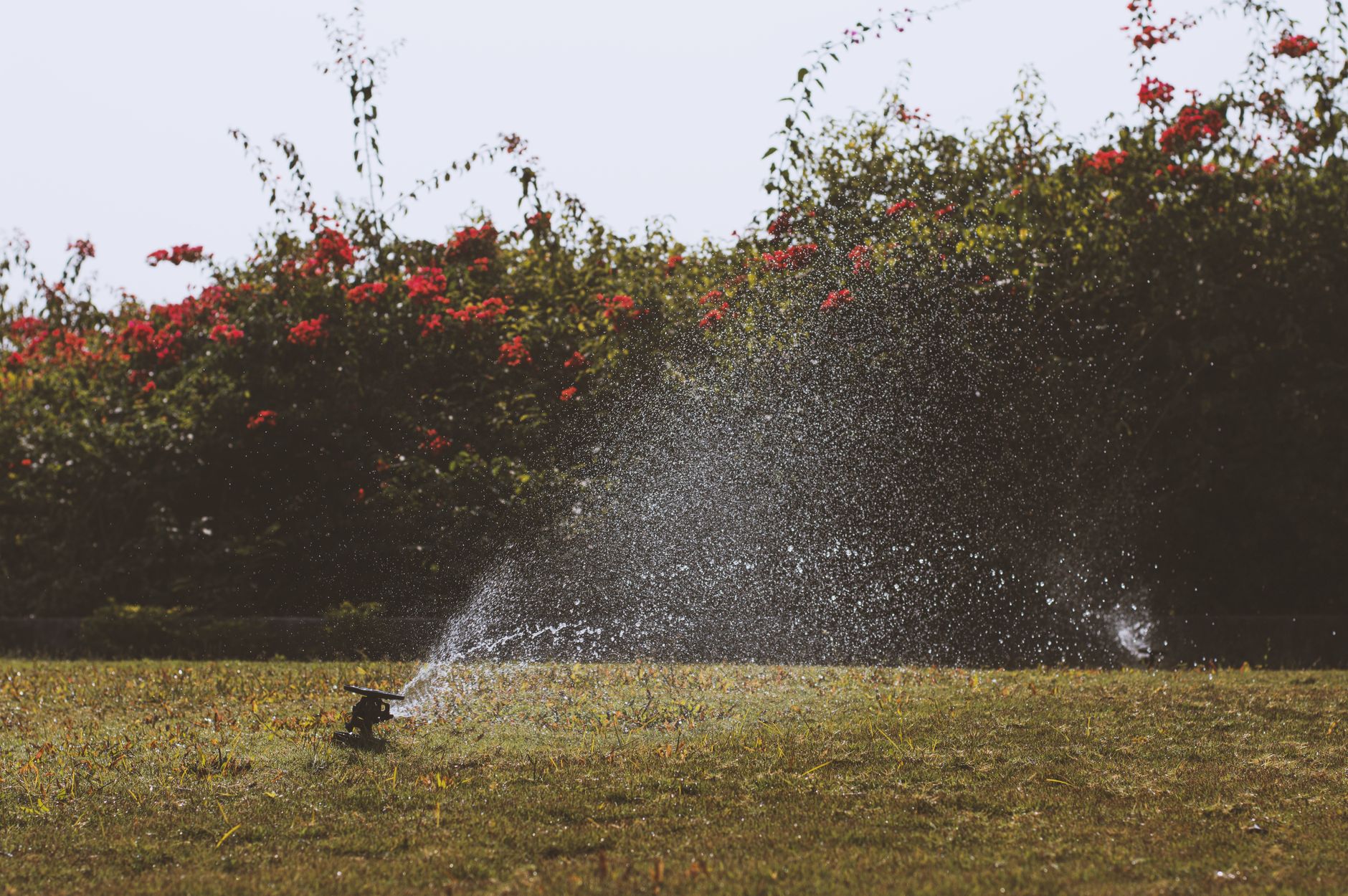
Sweep, rake, or vacuum visible granules before watering. Then water deeply to move excess salts past the root zone. Apply water slowly to avoid runoff. Do not add more fertilizer, Epsom salt, lime, or compost — these can worsen salt stress. Aim for at least one inch of water, applied in two or three sessions if your soil drains slowly. The goal is to dissolve and push the salt down below the root depth, not just wet the surface.
Step 2: Water and Monitor Without Overcorrecting
Keep the damaged area evenly moist. Water in the morning to reduce evaporation. Do not scalp the lawn or apply more nitrogen. Track whether green blades return from the crown. If the grass pulls out easily, it is likely dead. Overwatering can suffocate roots and encourage disease, so balance moisture with drainage. If the soil stays soggy for days, reduce frequency but maintain thorough soaking.
Step 3: Reseed, Plug, or Sod Only When the Area Is Truly Dead
Rake out dead material only when it is clearly finished. Use seed or sod matching your existing grass type. Keep new seed consistently moist until established. For warm-season grasses, plugs or sod may be more practical. Reseeding into a lawn that still contains live grass is wasteful—the existing grass will compete with the new seed and you may create a patchy look. Wait until you are sure the area is bare.
Step 4: Check Product Labels Before Reseeding After Weed-and-Feed or Crabgrass Preventer
Some pre-emergent herbicides prevent grass seed from germinating. Check the label for reseeding restrictions. If blocked, focus on watering and wait until the restriction period passes. Sod or plugs may bypass the restriction. Common pre-emergents like prodiamine or dithiopyr can halt seed germination for 6–12 weeks after application. If you used a weed-and-feed product, the herbicide may still be active in the soil. Always read the fine print before buying seed.
How to Prevent Fertilizer Burn Next Time
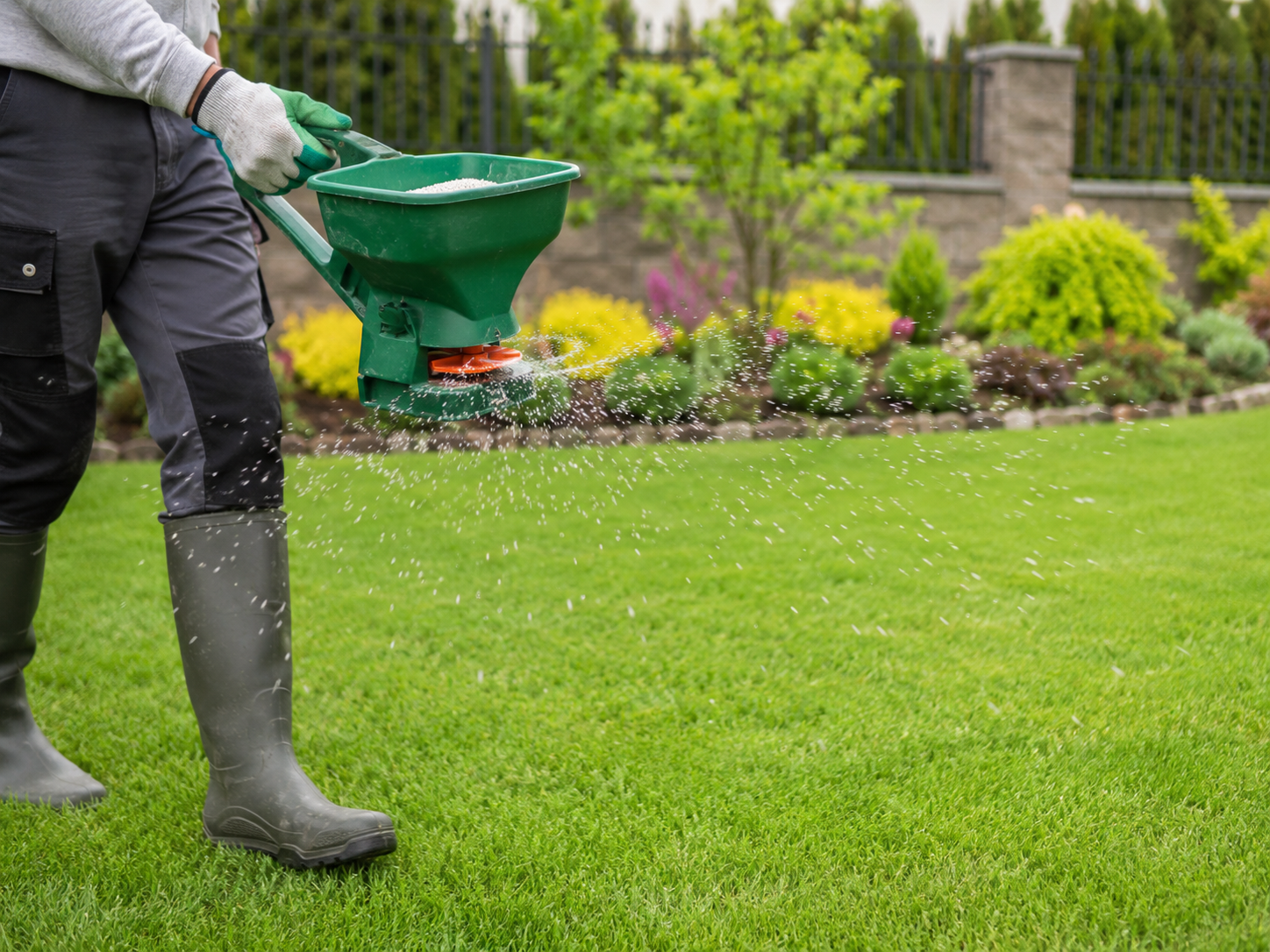
Most fertilizer burn comes from wrong spreader settings, overlapping, spilling, or fertilizing stressed grass. With a few simple adjustments, you can eliminate the risk almost entirely.
Fertilizer Rate, Nitrogen Amount, and Label Math
More fertilizer does not mean a greener lawn. Measure your lawn and calculate the correct amount based on pounds of nitrogen per 1,000 sq. ft. A soil test can reveal whether nutrients are actually low. Slow-release fertilizers lower burn risk but can still cause problems if overapplied. The general rule is no more than one pound of actual nitrogen per 1,000 sq. ft. per application. Quick-release nitrogen sources like ammonium sulfate are especially prone to burn, so consider switching to a product with at least 30–50% slow-release nitrogen.
Spreader Settings, Overlap, and Calibration
Bag settings are starting points. Calibrate your spreader or apply half the fertilizer in one direction and half perpendicular. Avoid double-passing edges and turns. Fill the spreader on a hard surface to handle spills easily. To calibrate: weigh out a small amount of fertilizer, set your spreader to the recommended setting, and spread over a measured 100 sq. ft. patch. Then weigh the leftover—adjust until you apply the correct rate. This takes ten minutes and saves you from future burn spots.
Hand Spreader, Drop Spreader, or Broadcast Spreader: Which Is Safer?
No spreader is risk-free if improperly used. The key is correct setting, consistent walking speed, and keeping the spreader moving before opening the gate. Calibrate if unsure, and practice on a small area first. Hand-held broadcast spreaders are convenient for small lawns but require even wrist motion. Drop spreaders are less likely to drift but leave stripes if not perfectly overlapped. For most homeowners, a broadcast spreader with a calibration test is the easiest way to get even coverage.
When Not to Fertilize: Heat, Drought, Wet Grass, and Stressed Lawns
Avoid fertilizing drought-stressed or heat-stressed grass. Apply to dry leaves unless the label says otherwise. Do not fertilize before an intense heat wave if you cannot guarantee watering. Granular fertilizer on wet grass can stick to blades and cause burn spots. Also avoid fertilizing during a prolonged rainy spell—rain can wash granules into puddles and concentrate the salt. The best time to fertilize is when the grass is actively growing, soil is moist, and a light watering is planned for the next day.
Conclusion
Fertilizer burn is common and fixable. Confirm the cause, assess whether the grass is stressed or dead, and flush with water if needed. Crispy dead turf will require reseeding or sod. Prevent recurrence by using the correct rate, calibrating your spreader, and avoiding application to stressed turf. With careful attention to your lawn’s condition and your application technique, you can fertilize confidently without fear of damaging the grass you work so hard to maintain.
FAQ
Will grass grow back if burned by fertilizer?
Yellow or lightly browned grass may recover if the crown and roots are alive. Crispy dead turf or bare patches need reseeding, plugs, or sod. The tug test gives you the quickest answer.
How long does it take for a lawn to recover from fertilizer burn?
Mild stress may improve within a few weeks. Severe dead areas will not recover and require repair when the season allows. Full recovery of damaged but living grass usually takes one to three weeks after flushing.
What does fertilizer burn look like on a lawn?
It appears as yellowing, browning, crispy grass in streaks, stripes, or sharp-edged patches, often with visible granules. Spilled fertilizer creates larger irregular spots, while overlapping passes create alternating dark and light stripes.
Should I water fertilizer burn every day?
Deep flushing early is important. After that, keep the area evenly moist without waterlogging. Adjust frequency based on soil drainage and weather. Overwatering can cause root rot, so aim for about one inch of water per week in total, split into two or three sessions.
You Might Also Like