Best and Worst Companion Plants for Tomatoes: What to Grow Nearby and What to Avoid
Key Takeaways
- Basil, marigolds, and nasturtiums are popular for different reasons — basil pairs as a compact edible, marigolds attract beneficial insects, nasturtiums act as a trap crop for aphids. Evidence varies, so realistic expectations matter. In practice, basil is the most reliable for space efficiency, while marigolds require decent flower coverage to attract hoverflies and parasitic wasps.
- Potatoes, fennel, corn, and walnut trees carry the clearest risks — potatoes share blight, fennel may release growth-inhibiting compounds, corn shares earworm pressure, walnut trees produce juglone toxic to tomatoes. Keep these well separated, ideally in a different bed or far enough to avoid root contact.
- Container companion planting has tight limits — a 5-gallon bucket is too cramped for a second plant with a full-size tomato. A 15–20 gallon grow bag can fit a single basil or compact herb. For smaller containers, place companions in separate pots nearby to avoid crowding the tomato’s root system.
- Companion planting supports good fundamentals but does not replace them — no companion fixes poor soil, inconsistent watering, or overcrowding. Real value comes from space efficiency, beneficial insect habitat, and harvest convenience. Start with healthy plants and then add companions.
- Test combinations in your own garden for reliable results — local climate and soil matter more than any general chart. Track changes in pest pressure, fruit quality, and ease of care. Repeat what works and drop what doesn’t after a season.
Tomato Companion Planting at a Glance
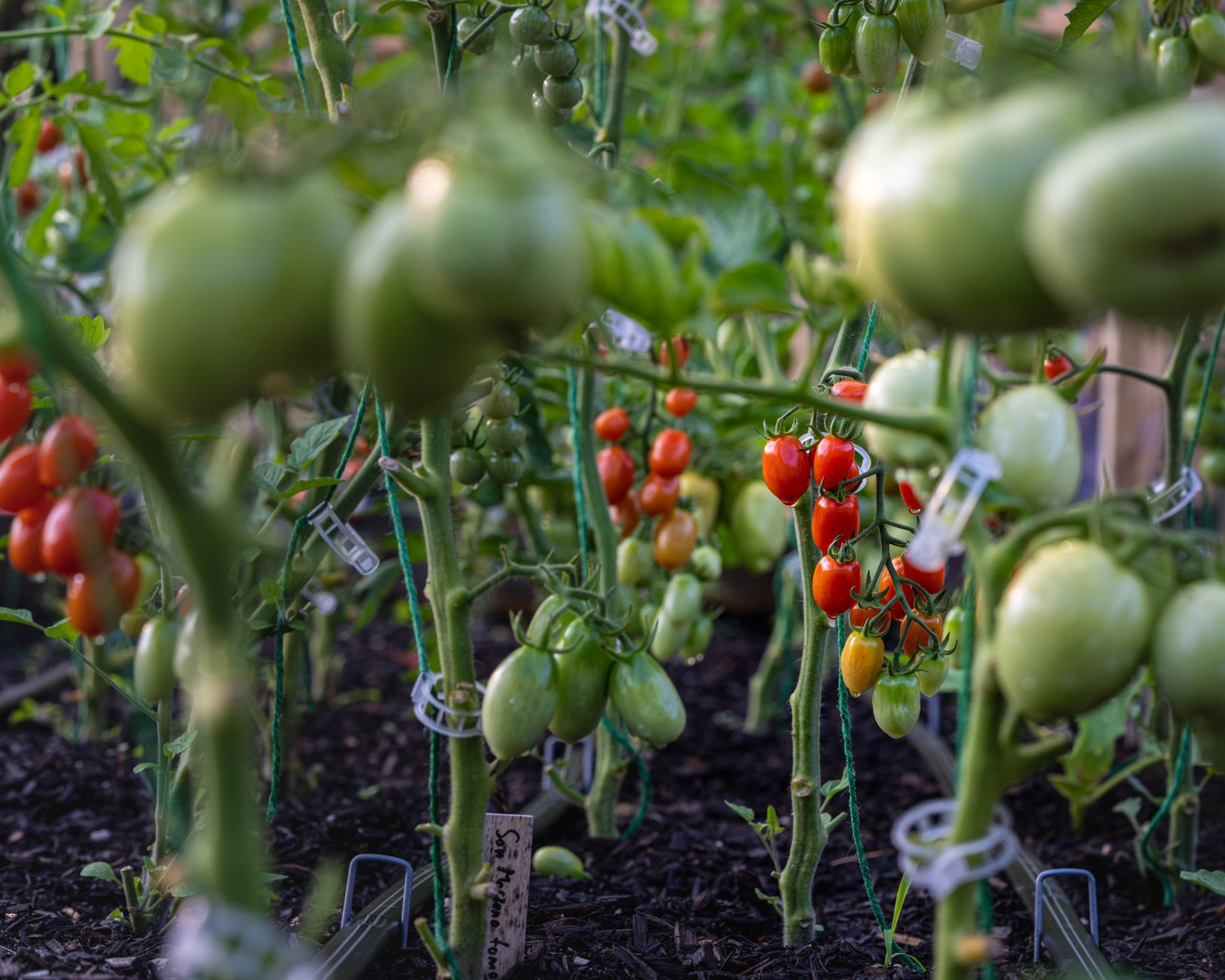
Companion planting is a popular strategy for tomatoes. Claims range from basil repelling hornworms to borage improving flavor, but the practical reality is more measured. Some pairings offer real benefits, others are harmless space-savers, and a few create genuine problems. The key is to understand what each companion can realistically do—pest distraction, beneficial insect attraction, or efficient use of garden space—without expecting magic solutions.
Quick Answer: Best Companion Plants for Tomatoes
| Companion plant | Best role near tomatoes | Evidence level | Watch-out |
|---|---|---|---|
| Basil | Edible herb, possible pest reduction, space-efficient | Some research + strong gardener tradition | Needs sun and regular moisture |
| French marigold | Beneficial insects, possible nematode/pest role | Some research, often context-dependent | Not a magic pest shield |
| Nasturtium | Trap crop, edible flowers, aphid distraction | Practical/gardener use; evidence varies | Can sprawl aggressively |
| Calendula | Beneficial insects and edible flowers | Mostly practical/gardener use | Needs space and deadheading |
| Borage | Pollinator attraction | Commonly recommended; verify locally | Can get large or self-seed heavily |
| Chives / alliums | Aromatic border, aphid/pest confusion | Mixed/practical evidence | Avoid crowding tomato roots |
| Lettuce / spinach | Living mulch, cool-season understory | Practical space use | Needs shade/moisture balance |
| Carrots / radishes | Space-efficient root crops | Practical interplanting | Avoid disturbing tomato roots later |
Companions work best when tomatoes already have good sun, consistent water, fertile soil, open airflow, and proper spacing. Without these basics, no companion will save the crop.
Quick Answer: What Not to Plant with Tomatoes
| Avoid near tomatoes | Main risk | Better approach |
|---|---|---|
| Potatoes | Shared blight and pest risks; root disturbance | Separate bed or rotate carefully |
| Eggplant / ground cherry | Shared nightshade pests and diseases | Separate if disease pressure is common |
| Corn | Shared pest pressure (fruitworms/earworms) | Keep in another part of the garden |
| Large brassicas | Heavy feeding and space competition | Give tomatoes their own nutrient zone |
| Fennel | Growth-inhibiting reputation / allelopathy | Grow alone in pot or separate bed |
| Walnut trees | Juglone sensitivity risk | Containers or plant away from root zone |
| Mature dill | Can become competitive when mature | Use young dill carefully or plant elsewhere |
Best Companion Plants for Tomatoes by Job
Basil, Marigolds, and Nasturtiums: Popular Tomato Companions and What They Actually Do
Basil stays compact, grows in similar conditions, and is useful in the kitchen. Gardeners often report fewer hornworms near basil, though formal research on pest reduction is mixed. The claim that basil improves tomato flavor is widespread but lacks solid evidence. Even so, the combination is a space-efficient, edible pairing for beds and large containers. For best results, plant basil at the edge of the tomato bed or in a large grow bag, and keep it well-watered to prevent bolting.
French marigolds attract beneficial insects and may affect soil nematodes when grown as a cover crop and tilled in. Simply tucking a few marigolds around plants is less proven but still draws pollinators and predatory insects. For nematode suppression, you need a dense planting of marigolds grown for several months and incorporated into the soil—standard garden marigolds are less effective.
Nasturtiums serve as a trap crop for aphids, drawing them away from tomatoes. They also provide edible flowers and ground cover, though they can sprawl aggressively. Check trap crops regularly; if aphids build up heavily, remove the nasturtium to prevent the pest from migrating back to tomatoes.
Flowers and Herbs That Bring Beneficial Insects to Tomato Beds
Tomatoes are self-pollinating, but flowers attract predatory wasps, hoverflies, and ladybugs that help control pests. Plants to consider:
- Calendula – continuous blooms for beneficials; deadhead to extend flowering.
- Borage – loved by bees; can get large and self-seed. Plant at bed edges.
- Yarrow – attracts predatory wasps and hoverflies; tough perennial.
- Dill and parsley – allow a few to flower for parasitic wasps; harvest leaves for kitchen use.
- Cilantro / coriander – excellent for tiny beneficial insects; bolts quickly in heat.
- Sweet alyssum – low-growing, attracts hoverflies; great ground cover.
- Chives and garlic chives – small flowers and mild pest deterrent; easy to tuck in.
Manage self-seeding herbs with regular trimming. Plant these around the perimeter of the tomato bed rather than directly at the base of tomato plants to preserve airflow.
Vegetables and Greens That Make Sense Around Tomatoes
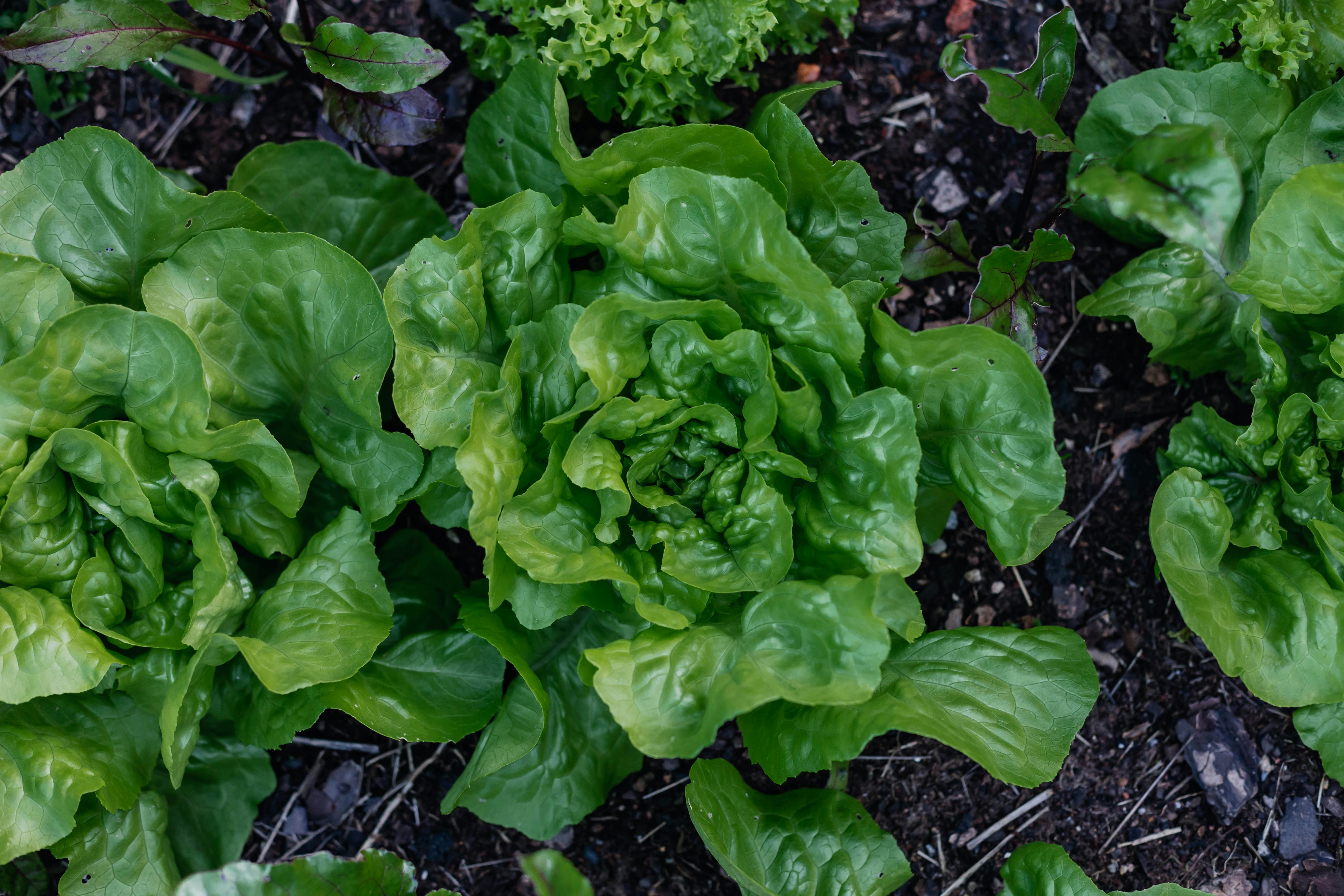
- Lettuce and spinach grow quickly in early spring, acting as living mulch before tomatoes fill in. Harvest them before the tomato canopy creates too much shade.
- Radishes and carrots use deeper soil layers; harvest radishes early to avoid root disturbance. Carrots can stay, but avoid digging near tomato roots.
- Bush beans fix nitrogen but need full sun and open spacing. Plant them on the north side of tomatoes to avoid shading.
- Onions and scallions have shallow roots, easy to tuck around tomatoes. They don’t compete heavily for nutrients.
- Asparagus is permanent; only pair if bed is planned for long-term coexistence. Asparagus and tomatoes can coexist if given enough space.
Peppers and tomatoes share similar growing requirements, making them compatible with adequate spacing and airflow. Both are warm-season fruiting crops that compete for nutrients; monitor for blight or pest pressure. Give each at least 18–24 inches of space.
Tomato Companion Planting Combinations That Actually Work
| Garden situation | Practical companion mix | Why it works | Watch-out |
|---|---|---|---|
| In-ground tomato bed | Tomato + basil + marigold edge + lettuce early season | Edible herb, flowers, living mulch | Do not crowd tomato stem |
| Raised bed | Tomato + basil + calendula + scallions | Uses vertical and edge space | Keep airflow open |
| Pest-monitoring bed | Tomato + nasturtium nearby + marigolds at edge | Trap crop and beneficial insects | Check trap crops regularly |
| Small kitchen garden | Tomato + basil + chives/scallions | Edible companions, compact plants | Water consistently |
For the pest-monitoring bed, place nasturtiums in a separate pot or at least 2 feet away from tomatoes to avoid competition.
What Not to Plant With Tomatoes and Why
Potatoes, Eggplants, and Other Nightshades
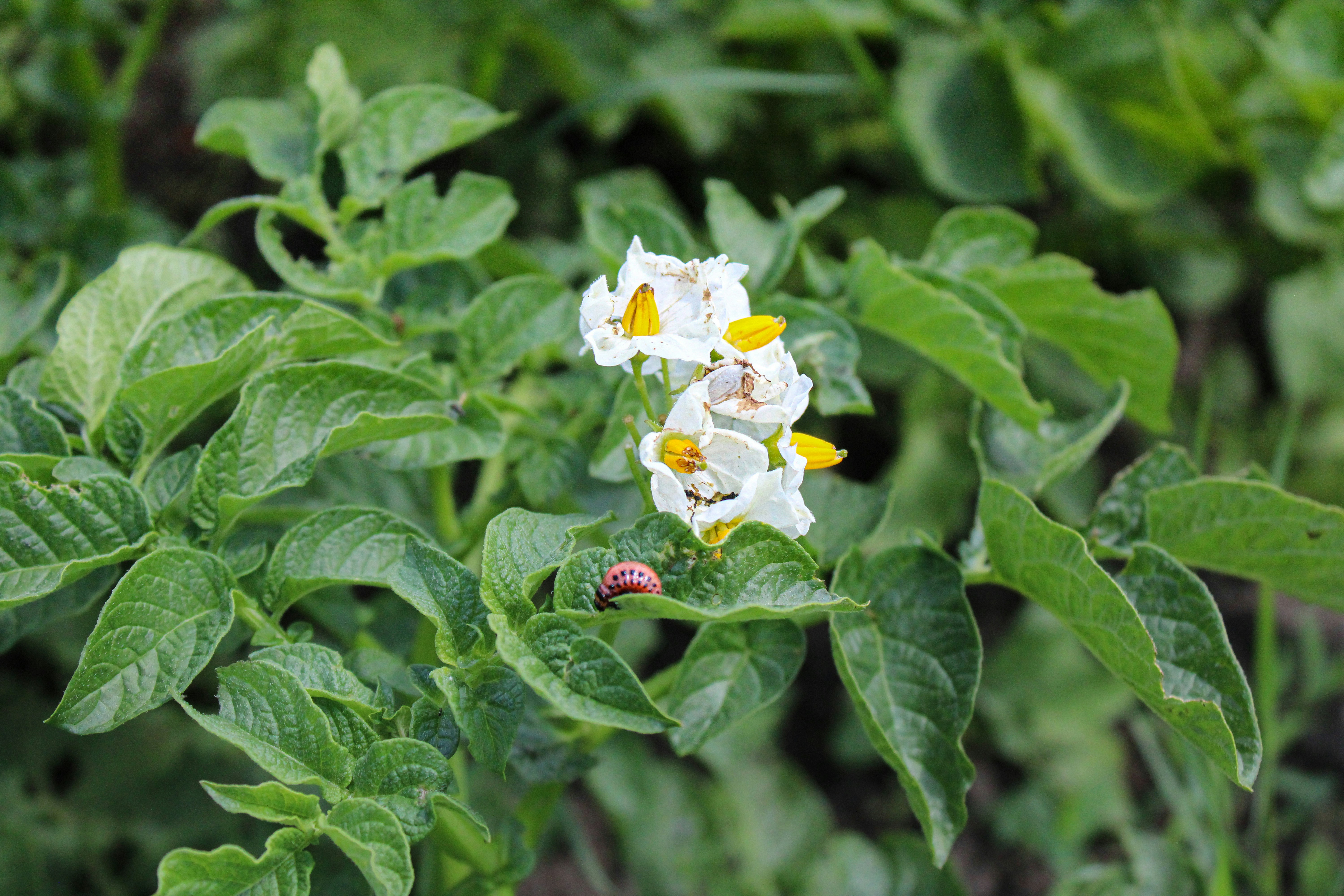
Potatoes are the highest risk: early and late blight can spread to tomatoes, and potato harvest disturbs tomato roots. Eggplants and ground cherries carry similar disease pressure. Peppers are least risky but still need careful spacing and rotation. Keep these in separate beds with good distance and rotate crops for at least 3 years if blight has been present. Avoid planting tomatoes where nightshades grew the previous season.
Corn, Brassicas, Cucumbers, and Other Heavy Competitors
Corn shares corn earworm pressure and can shade tomatoes, reducing fruit production. Large brassicas (broccoli, cabbage, cauliflower) are heavy feeders that compete for nutrients, especially nitrogen. Cucumbers create shade and humidity that may increase disease risk in humid climates. Give each plant enough space and maintain airflow. If you must grow cucumbers nearby, plant them on the north side of tomatoes and train them vertically.
Fennel, Walnut, and Mature Dill
Fennel is allelopathic, releasing compounds that slow tomato growth; plant it alone in a pot. Walnut trees produce juglone, toxic to tomatoes, especially near the root zone; keep tomatoes at least 50 feet away from walnut trees. Young dill attracts beneficial insects, but mature dill can become competitive for space and nutrients. Harvest seeds early to avoid potential effects, or plant dill in a separate pot.
Can You Companion Plant Tomatoes in Pots, Grow Bags, and Small Raised Beds?
Can Basil or Marigolds Grow in the Same Pot as Tomatoes?
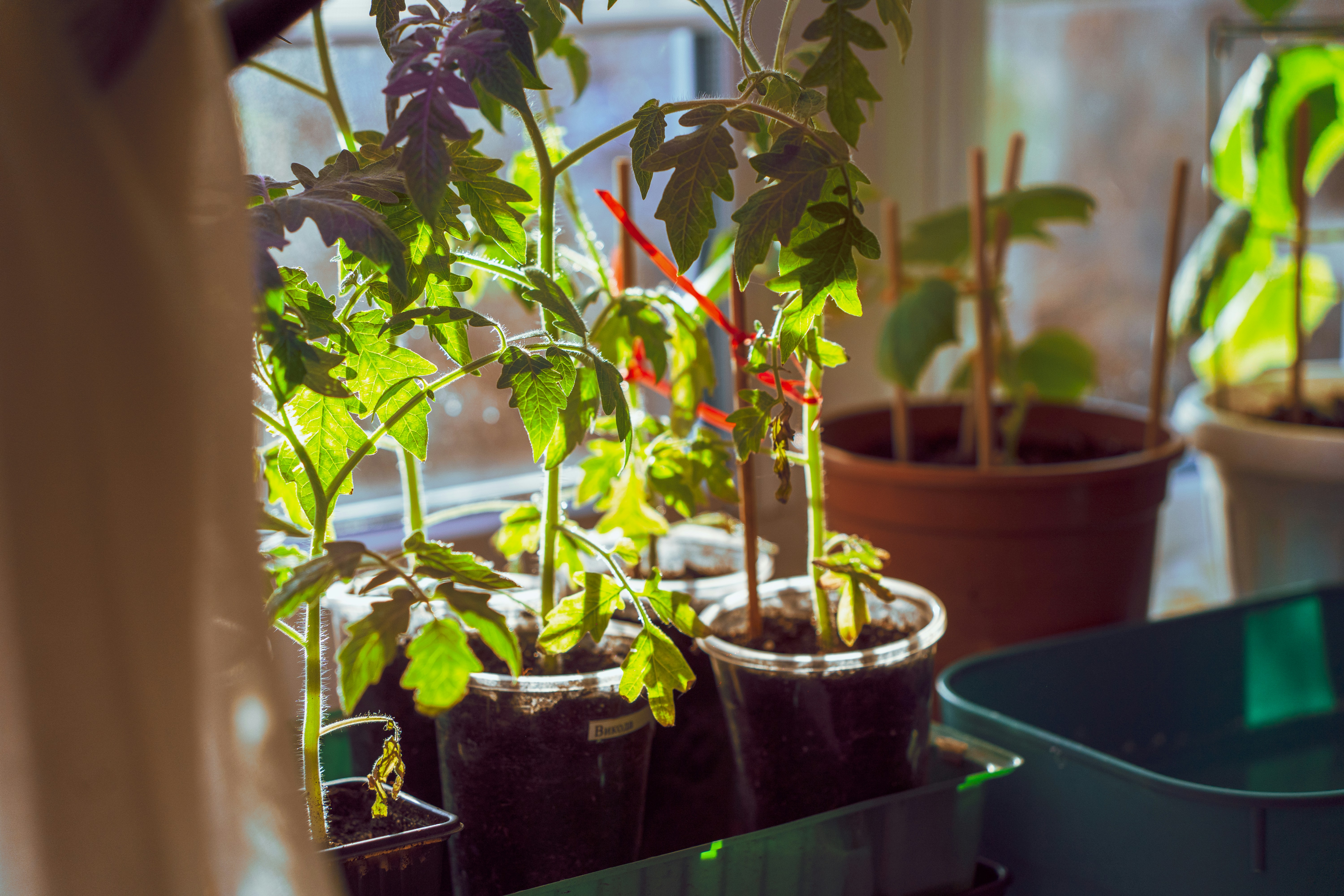
Yes, but container size matters. A single basil in a 15–20 gallon grow bag with one tomato is realistic. Marigolds can work at the edge of a large container, but they need enough room for their roots. In any container under 10 gallons, do not add a companion; the tomato needs all the root space. If you want companions in small containers, plant them in separate small pots placed next to the tomato container.
5-Gallon Bucket Tomatoes: What Companions Are Realistic?
A 5-gallon bucket is tight for most full-size tomatoes. Adding a companion is risky because the tomato’s root system will fill the bucket. If you try, choose something very small like chives or a tiny basil seedling, and only if you are willing to sacrifice some tomato yield. Better: place companions in separate small pots next to the bucket for ease of watering and feeding.
Raised Bed Spacing: How Close Should Companion Plants Be to Tomatoes?
Keep the tomato stem and root zone clear. Plant flowers and herbs at bed edges or between tomatoes only when airflow remains open. A general rule: companions should be at least 6–12 inches from the tomato stem, and tomatoes should have 18–24 inches of spacing between plants. Early-season greens can go under the still-small tomato canopy and be harvested before the tomato fills in. This interplanting method works well for small raised beds.
What Companion Planting Can and Can’t Do for Tomato Plants
Evidence, Tradition, and Garden Myths
Research is patchy. Some claims have backing — marigolds can reduce certain nematodes, trap crops attract aphids. Most other claims come from gardener experience. Common myths include basil improving flavor, marigolds as foolproof pest shields, or a single companion fixing poor soil or watering. Companion planting can help with pest management and space efficiency, but won’t rescue a stressed plant. The real value is in creating a diverse garden ecosystem that supports natural pest control and makes the most of available space.
How to Test Companion Planting in Your Own Tomato Garden
Plant a tomato with a companion (e.g., basil and marigold) and another of the same variety without. Track pest numbers, fruit quality, ease of watering and harvest, and disease signs. Keep notes on weather and soil conditions. In your climate, repeat what works and drop what doesn’t. Local testing is more valuable than any chart because your specific pest pressures and microclimate will determine success.
Conclusion
Companion planting for tomatoes offers practical benefits with reasonable expectations. Basil, marigolds, nasturtiums, lettuce, and alliums improve space use and beneficial insect habitat. Potatoes, fennel, corn, and walnut trees carry genuine risks. No companion replaces good soil, consistent watering, spacing, and airflow. Start with those fundamentals, then add companions to support what is already working. With careful selection and local testing, companion planting can make your tomato garden more productive and resilient.
FAQ
What is the best companion plant for tomatoes?
Basil is the easiest all-around companion because it stays compact, grows in similar conditions, and offers a useful harvest. The “best” companion depends on your goal: basil for compact edible pairing, marigold or calendula for flowers and beneficial insects, nasturtium as a trap crop, or lettuce for early-season ground cover. For containers, basil is the most reliable choice.
What should not be planted next to tomatoes?
The main plants to avoid are potatoes, eggplants, and other nightshades (disease risk), fennel (allelopathy), corn (shared pests), large brassicas (competition), and walnut trees (juglone toxicity). Mature dill can also become problematic if allowed to seed and compete.
Are peppers good companion plants for tomatoes?
Peppers and tomatoes have similar growing needs, so they can be grown nearby with careful spacing. However, both compete for nutrients and can share diseases like blight and bacterial spot. Give them enough room (at least 18–24 inches) and monitor for blight or pest pressure. Rotate them together to avoid building up soil pathogens.
Will coffee grounds help tomatoes grow?
Coffee grounds are not a companion plant. Adding them to soil or compost provides organic matter over the long term, but dumping fresh grounds directly around tomatoes can create moisture issues and nutrient imbalances. Use sparingly in the compost pile, and avoid direct contact with tomato stems.
You Might Also Like