Gardening with Arizona Native Plants: Easy, Water-Wise Landscaping for Your Yard
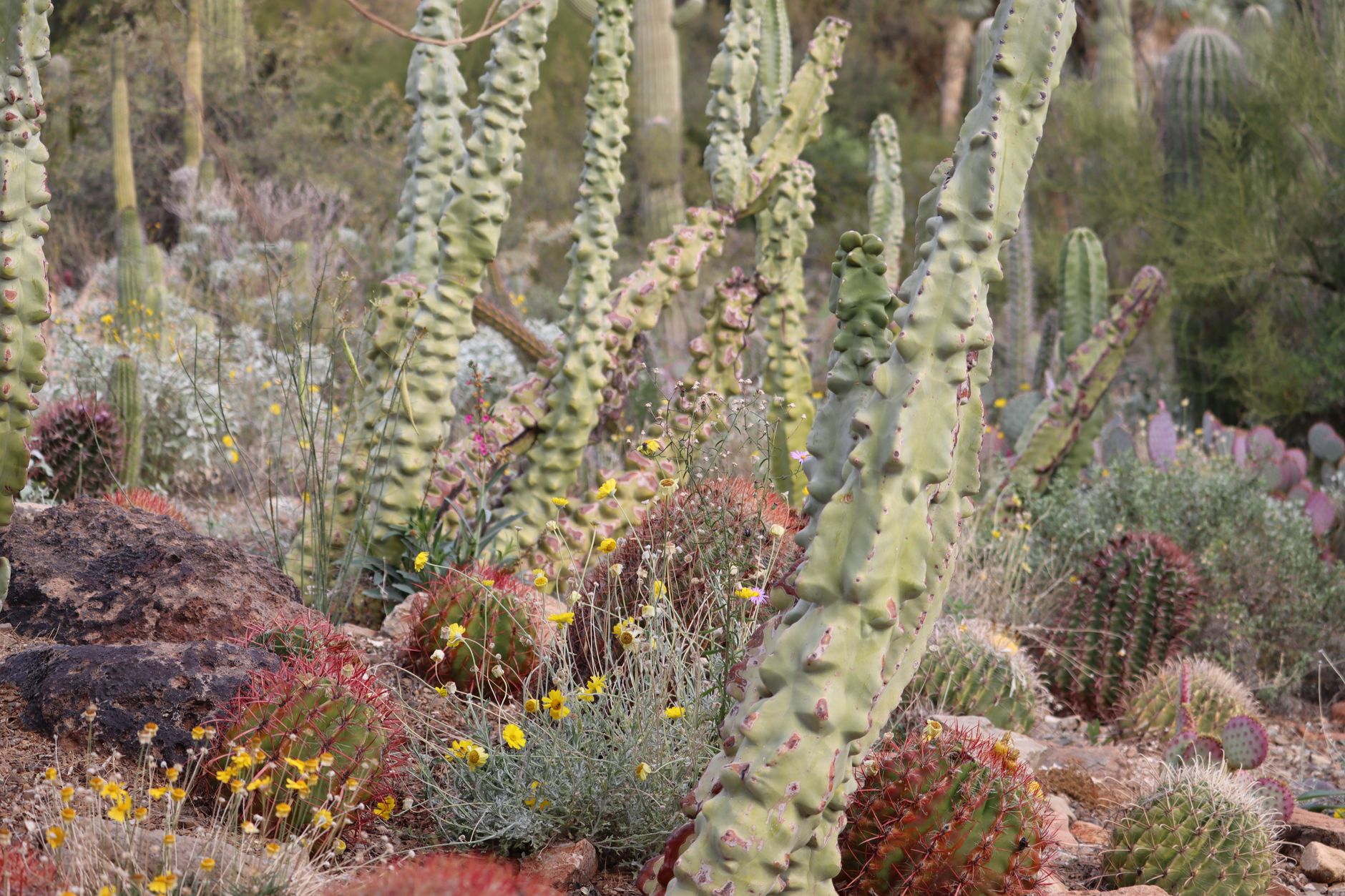
Many Arizona homeowners struggle with withering non-native shrubs and rising water bills. The solution lies in plants adapted to this place: natives that have evolved deep roots, waxy leaves, and drought-dormancy strategies over thousands of years. Switching to natives doesn’t mean settling for gravel and tumbleweeds—it means a stunning, practical garden that works with nature.
Key Takeaways
- Match plants to your specific Arizona region: A plant that thrives in Phoenix will struggle or die in Flagstaff. Always select species from the low desert, high desert, or transition zone list that matches your elevation and climate.
- First-year watering determines long-term success: Even tough native plants need consistent deep watering during establishment. Follow a graduated schedule starting every 3–5 days and tapering to monthly intervals by the end of year one.
- Design for continuous seasonal interest: Combine species with staggered bloom times — palo verde and penstemon in spring, desert willow in summer, goldeneye in fall — to keep your garden colorful year-round.
- Replace struggling non-natives with direct native swaps: Swap oleander for Arizona rosewood, bottlebrush for chuparosa or penstemon, and Italian cypress for Arizona cypress to get the same look with far less water.
- Overwatering is the number one killer of native plants: Yellowing leaves, soft stems, and leaf drop usually signal too much moisture. Let soil dry between waterings, skip fertilizer, and never amend planting holes with compost.
Why Choose Arizona Native Plants?
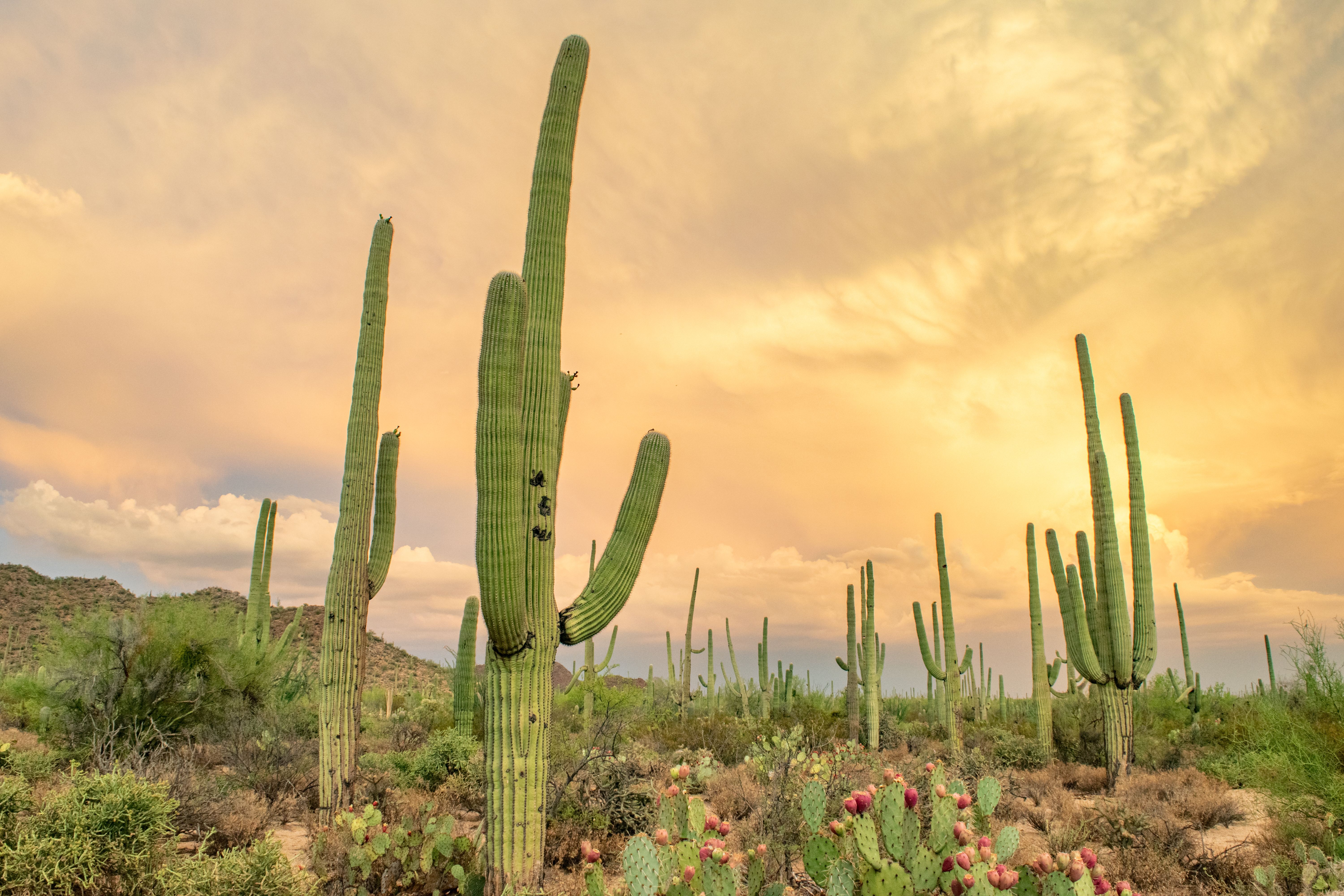
Native species save you money, cut maintenance, and turn your yard into a refuge for local wildlife. In a state where water conservation is essential, choosing natives is one of the most impactful decisions you can make. These plants have co-evolved with Arizona’s soil, insects, and climate, meaning they require far fewer inputs than non-natives. They also create a sense of place—your garden will look and feel authentically Southwestern rather than like a watered-down version of a Midwestern lawn.
Save Water and Money: The Real Cost of Native vs. Traditional Landscaping
A conventional low-desert landscape—think turf, tropical shrubs, and annuals—can use 50–75% of a household’s total water. Native plants established on deep, infrequent irrigation or natural rainfall alone use a fraction of that. For example, a 1,000-square-foot native garden may use less than 10,000 gallons annually compared to 50,000 for turf. The savings don’t stop at the water bill: homeowners also spend less on replacement plants, amendments, fertilizer, and pest control. Maintenance drops to a few hours per season—mostly pruning and weeding—rather than weekly mowing, spraying, and deadheading.
For a typical Phoenix home with 1,500 square feet of planted area, switching from turf and tropicals to native plants can save over $400 per year on water alone, based on current municipal rates. Over five years, that’s more than $2,000—enough to replace several large plants or upgrade your irrigation system.
Common Myths About Native Plants – Separating Fact from Fiction
Myth: Native plants need no water at all. They need regular watering their first year to develop deep roots; after that, only occasional supplemental water during extended drought. Even a three-year-old creosote bush will look healthier with a deep soak once a month during a dry summer.
Myth: Native landscapes look like dead dirt. A well-designed native garden offers color from Globe Mallow (orange), Desert Senna (yellow), Blackfoot Daisy (white), and chuparosa (red) that hummingbirds love. Add structural evergreens like Arizona cypress or Arizona rosewood, and the garden stays visually interesting even in winter.
Myth: One plant list works everywhere in Arizona. Flagstaff sits at 7,000 feet with snow; Phoenix at 1,100 feet with 110°F summers. Choose plants for your specific region. A high-elevation juniper will rot in low desert heat, while a palo verde will freeze at 5,000 feet.
Myth: Natives are maintenance-free. They are low-maintenance, not no-maintenance. You still prune dead wood, remove weeds, and check irrigation. But the work is minimal compared to a fescue lawn or a rose garden.
Myth: Native plants are ugly. Many produce spectacular flowers, interesting bark, and architectural forms rivaling exotics—desert willow, Arizona cypress, and brittlebush are widely admired. Some, like the Alligator Juniper with its checkered bark, become conversation pieces.
Wildlife Value: Attracting Birds, Butterflies, and Pollinators
Desert Willow draws hummingbirds and bees; Arizona Milkweed feeds monarch caterpillars; Engelmann’s Prickly Pear produces fruit for birds and mammals; native grasses like Blue Grama provide seeds and nesting material. By planting natives, you create a functioning ecosystem supporting wildlife year-round. Even a small patio garden with a few potted natives can attract butterflies and orioles.
Best Arizona Native Plants for Your Region
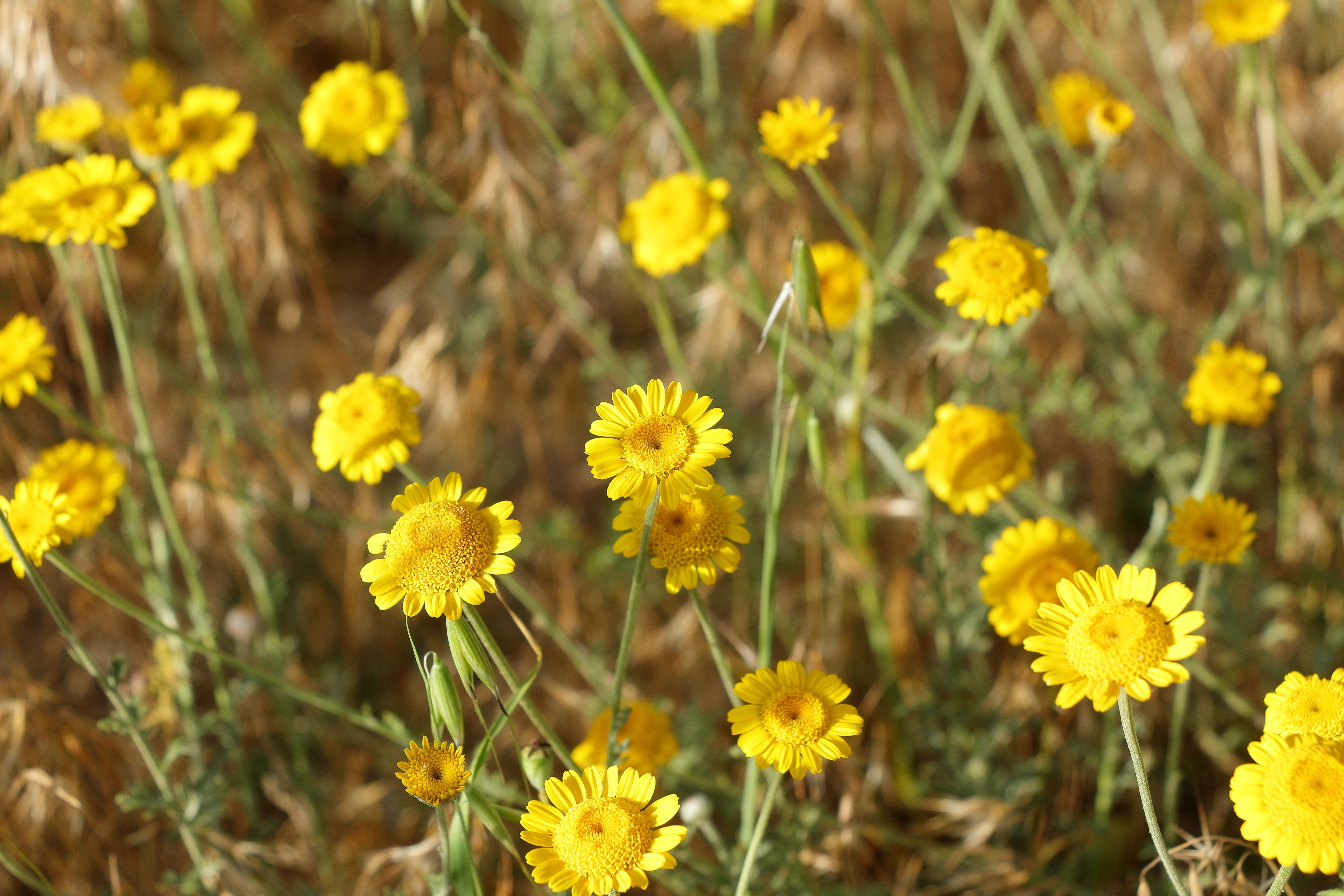
Arizona spans three major climate regions: low desert, high desert, and transition zone. Choose plants from your specific region.
Low Desert (Phoenix, Tucson): Top Trees, Shrubs, and Perennials
Elevations 1,000–3,500 feet. Long hot summers, mild winters, 8–12 inches annual rainfall.
Trees: Blue Palo Verde – yellow spring blooms, low water, filtered shade, iconic for the region. Desert Willow – pink trumpet flowers in summer, attracts hummingbirds, grows 15–20 feet. Velvet Ash – deciduous shade, moderate water, golden fall color, good for slightly moister spots.
Shrubs: Arizona Rosewood – evergreen hedge, tolerates pruning, dark green leaves all year. Anderson’s Wolfberry – edible berries, bird magnet, handles reflected heat near walls. Creosote Bush – extremely drought-tolerant, aromatic after rain, good for dry slopes. Littleleaf Cordia – small white flowers, attracts bees, very heat tolerant.
Perennials: Globe Mallow – orange blooms spring-fall, easy. Blackfoot Daisy – white flowers most of the year, compact. Desert Marigold – yellow, low water, self-seeds. Penstemon – red spikes, hummingbird attractor. Chuparosa – red tubular flowers nearly year-round, loved by hummingbirds.
High Desert (Flagstaff, Prescott): Cold-Hardy Natives
Above 5,000 feet. Winter lows below zero, snow common.
Trees: Arizona Cypress – evergreen, blue-gray, fast-growing, to 30–40 feet. Gambel Oak – deciduous, wildlife food, fall color, relatively slow but tough. Ponderosa Pine – extremely cold-tolerant, iconic, needs room to grow.
Shrubs: Cliffrose – white fragrant flowers, soil stabilizer, grows on rocky slopes. Apache Plume – pink feathery seed heads, graceful. Mountain Mahogany – cold-hardy, flowers attract bees, dense foliage.
Perennials: Rocky Mountain Penstemon – blue-purple spikes, hardy to -30°F. Hairy False Goldenaster – yellow daisies summer-fall. Blue Grama Grass – low water, attractive clumps, good as a lawn substitute. Rabbitbrush – yellow fall blooms, thrives in poor soil.
Transition Zone (Payson, Sedona): Plants for Varying Elevations
3,500–5,500 feet. Handles temperature swings, moderate rainfall.
Trees: Alligator Juniper – checkered bark, wildlife value. Netleaf Hackberry – tough, drought-tolerant, produces berries. Emory Oak – evergreen, edible acorns, slow but sturdy.
Shrubs: Threeleaf Sumac – red fall color, edible berries. Sugar Sumac – evergreen, handles heat and frost, good screen. Red Barberry – flowers attract bees, fruit feeds birds.
Perennials: Palmer’s Penstemon – fragrant pink spikes. Firecracker Penstemon – bright red, hummingbird magnet. Paperflower – yellow, very drought-tolerant, blooms after summer rains. Blackfoot Daisy – reliable white flowers.
How to Plant and Establish Arizona Native Plants
Where to Buy Native Plants in Arizona – Nurseries and Native Plant Sales
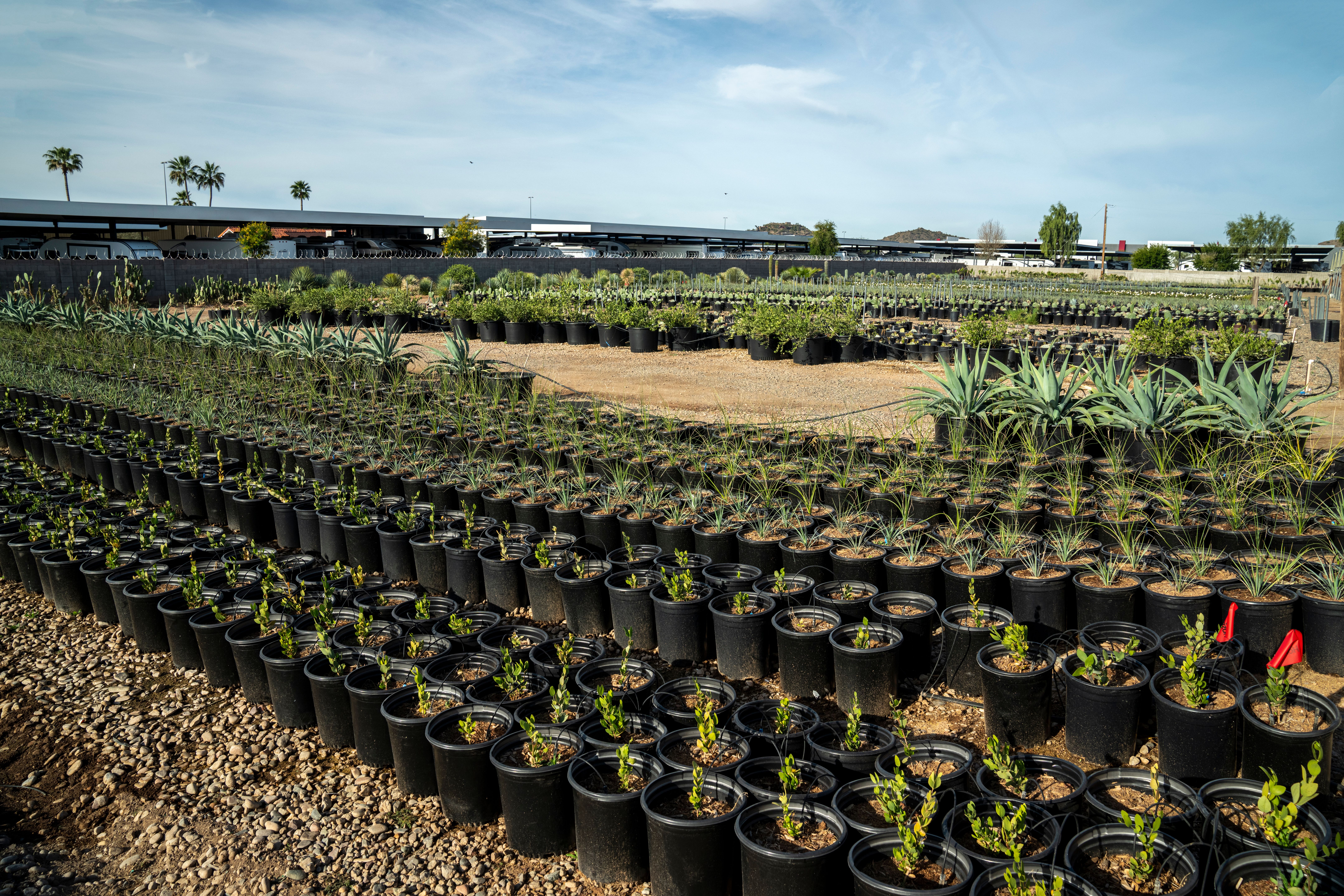
The Arizona Native Plant Society holds annual sales statewide—these are your best source for locally-adapted specimens. Independents like Treeland Nursery (Mesa), Plants for the Southwest (Tucson), and Flagstaff Native Plant and Seed carry regionally appropriate stock. Big-box stores often carry plants labeled “waterwise” that are actually from Mediterranean climates—read the Latin name and check if it’s native to Arizona. Buy locally sourced plants when possible; they’ll have the best genetic fit for your area.
Soil Preparation and Planting Techniques for Native Success
Do not amend the planting hole with compost or peat moss—this creates a “pot effect” where roots stay in the rich soil and rot. Instead, backfill with native soil. Dig the hole two to three times wider than the root ball but no deeper; the top of the root ball should sit slightly above ground level to prevent water pooling at the crown. Water thoroughly after backfilling to settle the soil. Apply a 2-inch layer of decomposed granite mulch, keeping it a few inches away from the stem to avoid rot. Avoid wood mulches in low desert—they hold too much moisture and attract termites.
First-Year Watering Schedule – Getting Your Plants Established
University of Arizona Cooperative Extension recommends this graduated schedule:
- Weeks 1–4: Water deeply every 3–5 days.
- Weeks 5–8: Every 7–10 days.
- Weeks 9–16: Every 14 days.
- Months 5–12: Every 3–4 weeks during warm months, less in winter.
“Deeply” means moistening soil 12–18 inches down. Use a moisture meter or a long screwdriver to check; if it goes in easily 12 inches, there’s enough moisture. After year one, most natives need only occasional deep watering during extended drought—once a month in summer, every 6–8 weeks in winter. Adjust for sandy soils (more frequent but less volume) and clay soils (less frequent but more volume).
Designing a Beautiful Native Landscape
Companion Planting and Hydrozoning – Group Plants by Water Needs
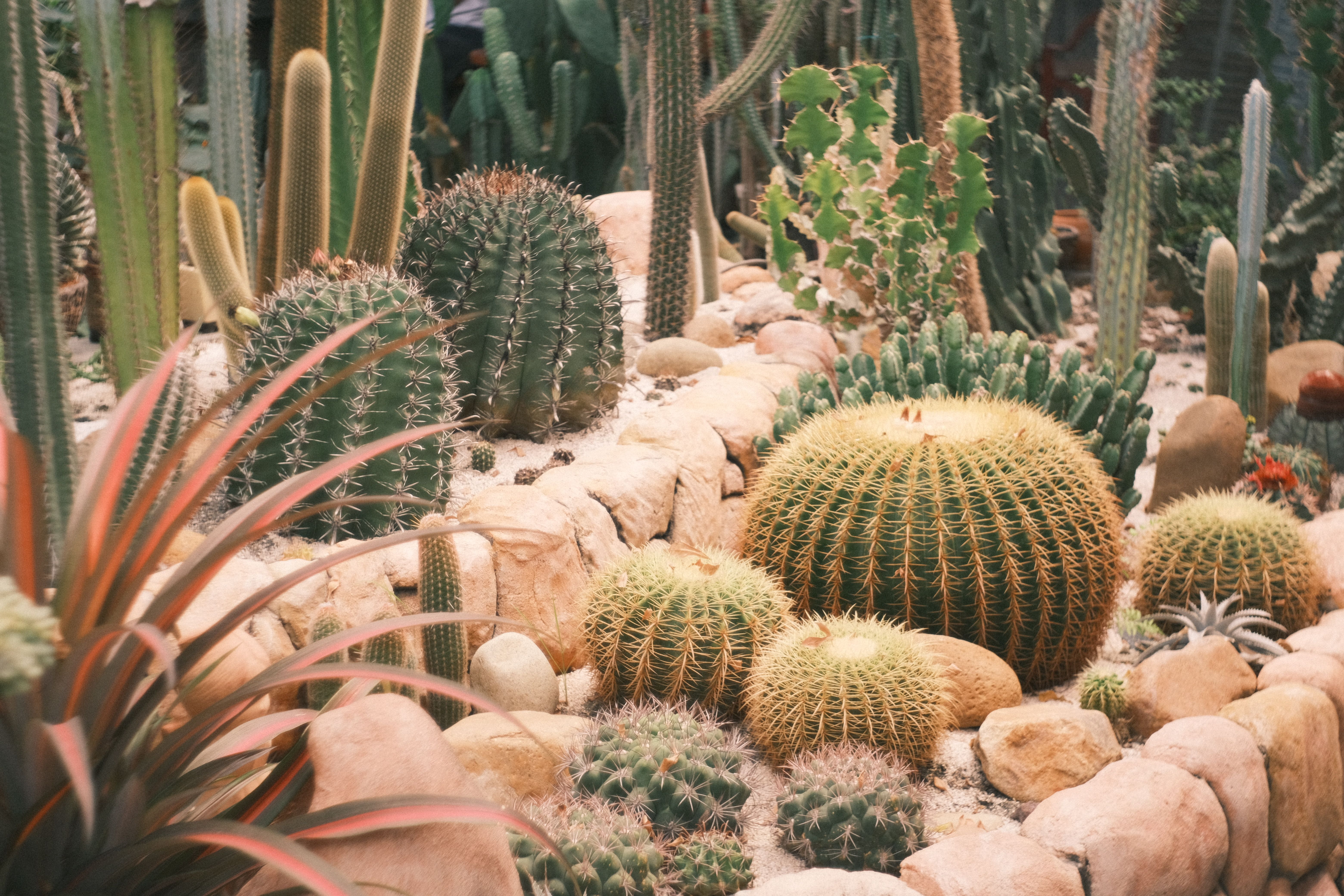
Keep driest-loving plants like Creosote Bush and cactus in a minimal-irrigation zone with gravel mulch. Pair Globe Mallow with Blackfoot Daisy; underplant palo verde with Desert Marigold and Penstemon. Create a moderate-water zone for desert willow and Arizona rosewood near seating areas where you want more lushness. This reduces water use and keeps plants healthy. A raised berm or slope can help drain water away from roots of sensitive species.
Year-Round Color: Native Plants That Bloom in Every Season
Spring: Blue Palo Verde (yellow), Globe Mallow (orange), Penstemon (red/pink), Desert Marigold (yellow), Brittlebush (yellow). Summer: Desert Willow (pink), Desert Senna (yellow), Chuparosa (red), Palmer’s Penstemon (fragrant pink). Fall: Goldeneye (yellow), Apache Plume (pink seed heads), Threeleaf Sumac (red leaves). Winter: Brittlebush (yellow after rain), Anderson’s Wolfberry (blue berries); Arizona Rosewood and Arizona Cypress provide green structure all year. With this mix, your garden will always have something in bloom.
Native Alternatives to Common Non-Native Ornamentals
| Non-Native | Native Alternative |
|---|---|
| Oleander | Arizona Rosewood or Desert Willow |
| Bottlebrush | Chuparosa or Penstemon |
| Lantana | Desert Senna or Goldeneye |
| Italian Cypress | Arizona Cypress |
| Fruitless Mulberry | Velvet Ash or Desert Willow |
| Pyracantha | Anderson’s Wolfberry (edible berries, less thorny) |
| Bougainvillea | Chuparosa (red blooms, drought-tolerant) |
Maintaining Your Native Plant Garden
Troubleshooting: Why Your Native Plant Might Be Struggling
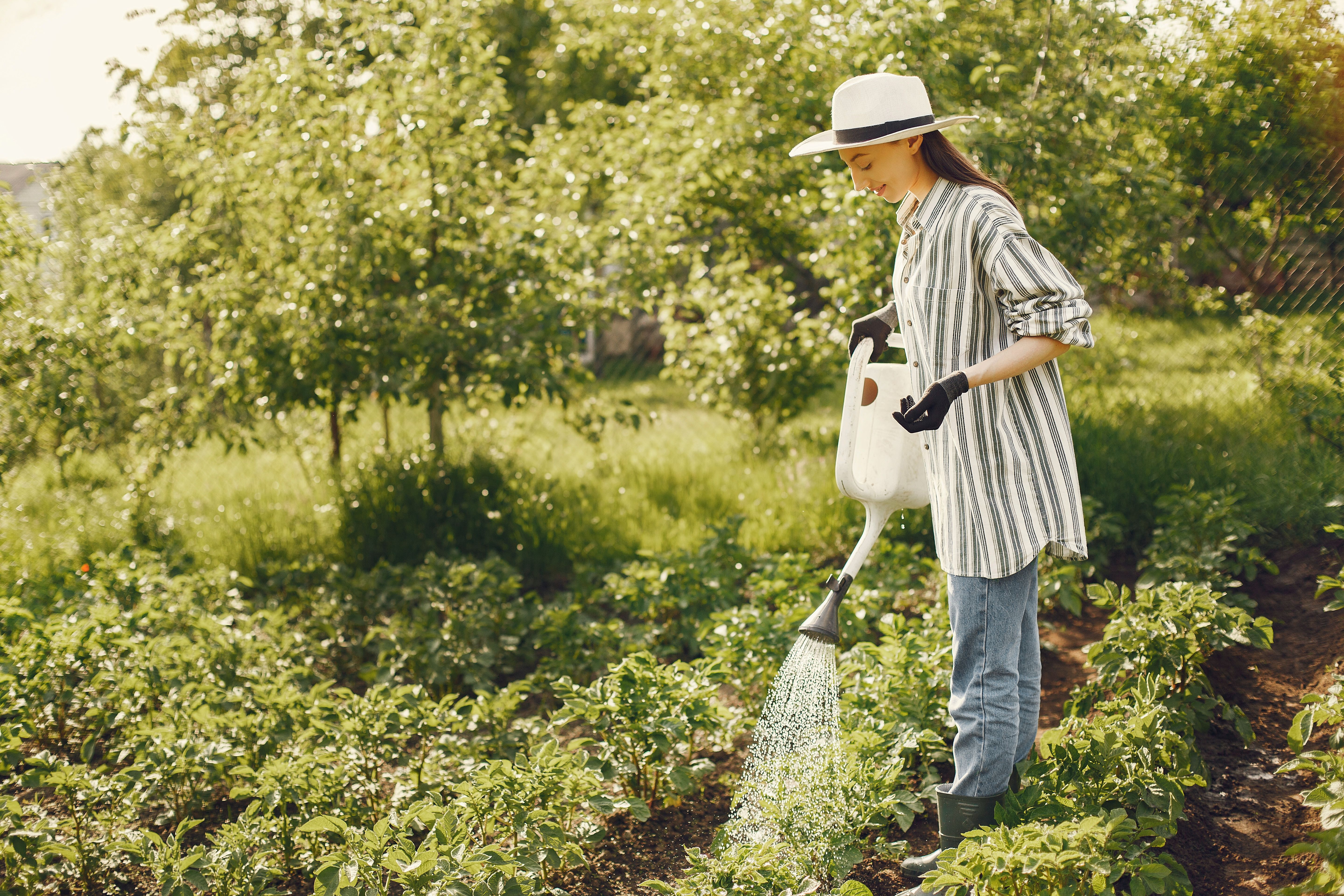
Overwatering is the top killer—yellowing leaves, soft stems, leaf drop. Check soil 4 inches down; if wet, skip watering. Poor drainage also kills; plant on a slight mound in heavy clay. Underwatering during the first year causes wilting and crisp edges. Pests are rare; a blast of water or insecticidal soap handles aphids. Do not fertilize unless a soil test shows deficiency; use low-nitrogen, slow-release if needed (once in spring). Root rot from overwatering is almost always fatal—prevent it by letting soil dry.
Seasonal Care Calendar for Arizona Native Plants
Spring (March–May): Plant new natives, prune dead wood, test irrigation, mulch with decomposed granite. Summer (June–September): Water deeply during monsoon breaks if rainfall is light; watch for overwatering after storms. Fall (October–November): Reduce watering, plant new natives for winter root growth, apply stone mulch around frost-tender species. Winter (December–February): Water only during extended dry periods (every 3–6 weeks), protect frost-tender species with frost cloth; do not prune.
Pruning, Fertilizing, and Pest Management – Minimal but Important Tasks
Remove dead/damaged branches in late winter. Do not shear shrubs into formal shapes—natives look best in their natural form. Fertilizer is rarely needed; if necessary, use low-nitrogen, slow-release once in early spring. Rely on prevention: healthy plants resist pests. Use least toxic options like insecticidal soap or neem oil when needed. Aphids and scale are the most common issues, usually on new growth—a strong spray from a hose often solves the problem.
Conclusion
Arizona native plants offer a practical, beautiful, sustainable way to landscape in a challenging climate. They save water and money, support wildlife, and reward gardeners who work with the environment. Choose the right plants for your region, plant correctly, and provide consistent first-year care. After that, you get a garden that thrives on its own—a living connection to Arizona’s landscapes. Whether you’re starting from scratch or replacing a struggling lawn, natives give you more beauty with less effort.
FAQ
What are the easiest Arizona native plants for a beginner?
Globe Mallow, Desert Marigold, and Blackfoot Daisy are forgiving and provide reliable color. Blue Palo Verde and Desert Willow are excellent beginner trees—they grow quickly, bloom profusely, and handle neglect. For shrubs, try Arizona Rosewood or Littleleaf Cordia.
Can native Arizona plants survive frost and freezing temperatures?
Yes, but it depends on species and location. High-desert natives like Ponderosa Pine survive sub-zero; low-desert natives like palo verde may be damaged by extended freezing. Protect tender species with frost cloth or by planting near south-facing walls. In Flagstaff, choose only cold-hardy species from the high desert list.
How often should I water newly planted Arizona native plants?
For the first month, water deeply every 3–5 days. Gradually extend intervals over the next year—by month four, every 14 days. After year one, most natives need only occasional deep watering during dry periods (once a month in summer, every 6–8 weeks in winter). Always check soil moisture before watering.
Where can I find a list of Arizona native plants with pictures?
The Arizona Native Plant Society website offers a photo gallery by region. The University of Arizona Cooperative Extension publishes regional plant guides with descriptions and images. The Lady Bird Johnson Wildflower Center database also includes many Arizona natives with photos. Local nurseries specializing in natives can also provide region-specific advice.
Sources
- Arizona Native Plant Society. https://aznps.com
- University of Arizona Cooperative Extension. https://extension.arizona.edu
- AMWUA (Arizona Municipal Water Users Association). https://www.amwua.org
- Lady Bird Johnson Wildflower Center. https://www.wildflower.org
Did you find this post helpful?
A little support goes a long way in helping me create more free, in-depth content like this.