What Indoor Plants Look Like Succulents and Need Little Water?
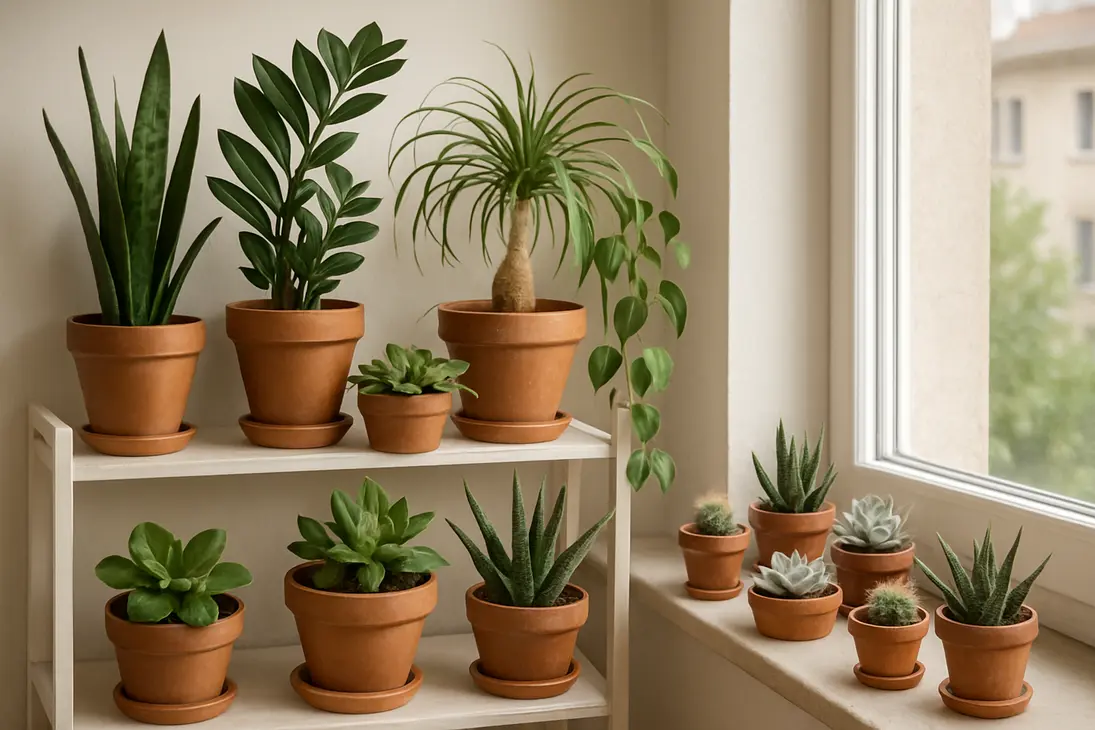
If you like the chunky, sculptural look of succulents but want indoor plants that forgive missed waterings, good options include snake plant, ZZ plant, ponytail palm, hoya, peperomia, jade plant, aloe vera, haworthia, echeveria, ghost plant, and small cacti such as moon cactus.
Match the plant to your light. Snake plant and ZZ plant tolerate lower light, while true succulents usually need a bright window. Most prefer drying out between waterings, but they do not all want identical care.
What “succulent-like” means for indoor plants
Succulent-like indoor plants often have thick leaves, waxy foliage, swollen stems, rosettes, upright sword-like growth, or compact architectural shapes. These traits help some plants store water or reduce moisture loss.
However, “succulent-like” is not always a botanical category. ZZ plants store water in underground rhizomes. Ponytail palms store water in swollen bases. Peperomias may have plump leaves but are generally tropical houseplants, not desert succulents.
True succulents vs. succulent-looking houseplants
True succulents store water in thickened leaves, stems, or roots. Jade plant, aloe vera, haworthia, echeveria, ghost plant, and cacti fit this group.
Succulent-looking houseplants may not be classic succulents, but many still tolerate drying out better than ordinary leafy plants. Snake plant, ZZ plant, ponytail palm, hoya, and many peperomias fall into this middle ground.
The difference matters because true succulents usually need brighter light and faster-draining soil. Succulent-looking tropical plants often tolerate lower light but can still rot if kept wet.
Cacti vs. succulents: the quick distinction
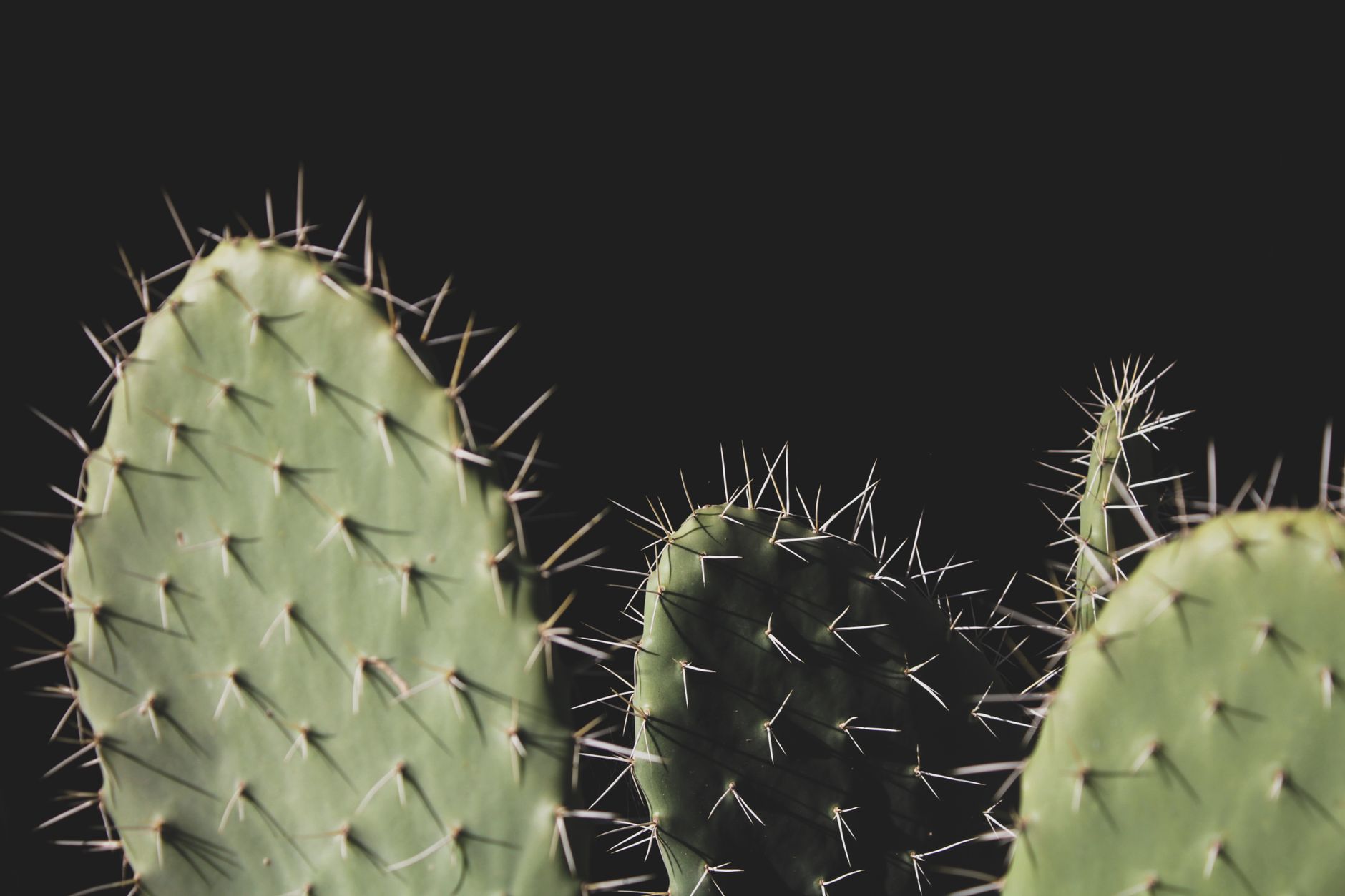
Cacti are succulents, but not all succulents are cacti. Cacti belong to the Cactaceae family and usually have areoles, the small pads or bumps where spines, hairs, or flowers emerge.
Other succulents, such as jade, aloe, and echeveria, usually store water in fleshy leaves.
Why these plants are popular indoors
Succulent-like plants are popular because they are tidy, compact, and visually strong. A snake plant fills a corner neatly, a haworthia fits on a windowsill, and a ponytail palm gives a small-tree look without frequent watering.
Their biggest weakness is usually overcare: too much water, poor drainage, or too little light.
Best succulent-like indoor plants to try
Here are reliable indoor choices and where they fit best.
| Plant | Succulent-like look | Best indoor light | Water tolerance |
|---|---|---|---|
| Snake plant | Upright sword leaves | Low to bright indirect | Very drought tolerant |
| ZZ plant | Glossy thick leaflets | Low to medium indirect | Very drought tolerant |
| Ponytail palm | Bulbous trunk, grassy top | Bright indirect to some sun | Very drought tolerant |
| Peperomia | Small plump leaves | Medium to bright indirect | Moderately drought tolerant |
| Hoya | Waxy vines | Bright indirect | Drought tolerant |
| Jade plant | Thick oval leaves | Bright light | Drought tolerant |
| Aloe vera | Fleshy spiked leaves | Bright light | Drought tolerant |
| Haworthia | Small striped rosettes | Bright indirect | Drought tolerant |
| Echeveria/ghost plant | Rosette shape | Very bright light | Drought tolerant |
| Moon cactus/small cacti | Spiny stems | Bright light | Very drought tolerant |
Snake plant
Snake plant, now commonly classified under Dracaena, is one of the best low-water indoor plants. Its stiff, upright leaves look sculptural and handle dry spells well.
It tolerates low light better than most true succulents, though it grows best in medium to bright indirect light. Let the soil dry well before watering.
ZZ plant
ZZ plant has glossy, thick leaflets and sturdy stems that look almost artificial. It stores water in underground rhizomes, helping it survive long gaps between waterings.
It is ideal for offices, bedrooms, and rooms with limited natural light. Let the mix dry almost completely before watering, and avoid oversized pots that stay wet.
Ponytail palm
Ponytail palm is not a true palm. It has a swollen water-storing base and narrow arching leaves, making it a good small indoor tree for people who water infrequently.
Give it bright indirect light or a few hours of gentle sun. Use a gritty mix and a pot with drainage.
Peperomia
Peperomia includes many compact plants with thick, textured, or rounded leaves. Baby rubber plant, watermelon peperomia, ripple peperomia, and raindrop peperomia all give a succulent-like effect.
Most peperomias are not desert plants. They prefer medium to bright indirect light and should dry partly between waterings, not stay bone dry for weeks.
Hoya
Hoyas, or wax plants, have thick glossy leaves and often trail or climb. Mature plants handle drying between waterings and work well in hanging planters or on shelves.
They prefer bright indirect light and a chunky, airy mix. Wrinkled leaves can mean thirst, but they can also signal root damage from earlier overwatering.
Jade plant
Jade plant is a classic true succulent with thick oval leaves and woody stems. With age, it can resemble a small tree.
Jade needs bright light indoors, usually from an east, west, or bright south-facing window. Water thoroughly, then let the mix dry.
Aloe vera
Aloe vera has fleshy pointed leaves in a loose rosette. It is a true succulent and one of the most recognizable low-water houseplants.
Indoors, aloe needs bright light to stay compact. Use cactus or succulent mix in a draining pot, and water only after the soil dries. Aloe gel can irritate some people and should not replace medical care.
Haworthia
Haworthias are small, tidy succulents with striped, dotted, or translucent leaves. They stay compact and often tolerate indoor conditions better than many rosette succulents.
They prefer bright indirect light rather than harsh direct sun. Water when the soil is dry, and avoid leaving water in the center of the rosette.
Echeveria or ghost plant
Echeveria and ghost plant form the flower-like rosettes many people imagine when they think of succulents. They come in soft greens, blues, pinks, purples, and grays.
Their main challenge indoors is light. They need very bright conditions to stay compact. Without enough light, they stretch upward and lose their shape.
Moon cactus and other small cacti
Moon cactus is the colorful grafted cactus sold with red, yellow, orange, or pink tops. The bright top lacks enough chlorophyll to grow on its own, so it is grafted onto a green cactus base.
Small cacti need bright light and cautious watering. They can stay dry longer than most houseplants, especially in winter.
How to choose the right plant for your room
Choose based on your actual room, not just the plant’s appearance. Consider light level, pot drainage, and how often you realistically want to water.
For low-light rooms
Choose snake plant or ZZ plant first. They tolerate lower light better than most succulent-like indoor plants and can go longer between waterings.
Low light does not mean no light. If the room is too dark to read in during the day without a lamp, it is probably too dark for long-term plant health. Avoid jade, aloe, echeveria, ghost plant, and most cacti in dim rooms.
For bright windowsills
Bright windowsills suit jade plant, aloe vera, haworthia, echeveria, ghost plant, ponytail palm, and small cacti. These plants keep their compact form when they receive enough light.
Introduce direct sun gradually. A plant moved suddenly from a shaded store shelf to a hot south-facing window can scorch.
For small desks, shelves, and apartments
Haworthia, peperomia, small hoyas, moon cactus, and miniature cacti fit tight spaces well. They stay compact and do not need frequent repotting.
For desks away from windows, peperomia or ZZ plant is more forgiving than true succulents. If the desk is far from natural light, use a small grow light.
For beginners who forget to water
Snake plant, ZZ plant, ponytail palm, jade plant, haworthia, and small cacti are strong choices. They forgive missed waterings better than repeated overwatering.
Use pots with drainage and avoid placing a small plant in a large pot of soil. Too much wet mix around a drought-tolerant plant often causes root rot.
For homes with pets or children
Many succulent-like plants can cause irritation or digestive upset if chewed, including snake plant, ZZ plant, jade plant, and aloe. Cacti also pose a spine hazard.
Peperomia and some hoyas are often chosen for pet-conscious homes, but species vary. If pets or children chew plants, keep all houseplants out of reach and confirm the exact plant with a reliable toxicity database or veterinarian.
Basic care for succulent-like indoor plants
Most problems come from treating these plants like ordinary leafy houseplants. They generally need more drying time, better drainage, and enough light to use the water they receive.
How often to water
Do not water on a fixed calendar. Light, pot size, soil, season, temperature, and root health all affect drying time.
A simple method works best:
- Check the soil with a finger, skewer, or moisture meter.
- Water peperomia and hoya when the mix is dry at least halfway down.
- Water true succulents, snake plant, ZZ plant, ponytail palm, and cacti when the mix is nearly or fully dry.
- Water thoroughly, then empty the saucer.
Many indoor succulent-like plants need water every two to four weeks in bright growing conditions, and less often in winter or low light.
Best soil and pots
Drainage matters more than pot style. Use a container with a drainage hole whenever possible. Decorative cachepots are fine if the plant sits in a removable nursery pot.
For true succulents and cacti, use cactus/succulent mix or amend potting mix with pumice, perlite, coarse sand, or fine bark. Hoyas prefer a chunky mix. Peperomias usually do well in light houseplant mix with added perlite.
Avoid garden soil indoors because it compacts and drains poorly.
Light requirements indoors
Light determines how fast a plant uses water. A succulent in bright light dries faster; the same plant in a dim corner may rot if watered too often.
Snake plant and ZZ plant tolerate the lowest light. Peperomia and hoya prefer medium to bright indirect light. Jade, aloe, echeveria, ghost plant, ponytail palm, and cacti need bright light to thrive.
Stretching, leaning, pale growth, or wide gaps between leaves usually mean the plant needs more light.
Fertilizer needs
Succulent-like plants are light feeders indoors. Fertilize only during active growth, usually spring through early fall, with a diluted balanced houseplant fertilizer or succulent fertilizer.
Do not fertilize a stressed, newly repotted, bone-dry, or rotting plant. Fertilizer cannot fix poor light or soggy soil.
Cleaning dusty leaves without damaging the plant
Dust blocks light and dulls the plant’s appearance. Wipe broad leaves, such as snake plant, ZZ plant, jade, hoya, and peperomia, with a soft damp cloth.
Avoid leaf shine products and oils. For cacti, fuzzy plants, or tight rosettes, use a soft dry paintbrush. Be gentle with echeveria and ghost plant because their powdery coating, called farina, rubs off easily.
Common mistakes to avoid
Succulent-like indoor plants are easy when their basic needs are respected. Most failures come from too much water, poor drainage, or the wrong light.
Overwatering
Overwatering is the most common killer. Warning signs include yellow leaves, mushy stems, blackened bases, translucent leaves, fungus gnats, and soil that stays wet for many days.
If you suspect rot, stop watering and check the roots. Healthy roots are firm and pale or tan. Rotten roots are dark, soft, and may smell bad. Trim damaged roots and repot into fresh dry mix.
Using heavy soil with poor drainage
A low-water plant in heavy wet soil is always at risk. Dense soil can stay damp too long even if you water rarely.
Use gritty or airy mixes for cacti, jade, aloe, haworthia, echeveria, and ghost plant. If you use decorative pots without drainage, treat them only as outer covers.
Putting every plant in direct sun
Not every succulent-like plant wants intense sun. Echeveria, jade, aloe, ponytail palm, and cacti often appreciate direct sun after acclimation. ZZ plant, snake plant, peperomia, hoya, and haworthia can scorch in hot afternoon sun.
Bleached patches, crispy brown spots, or stressed red/yellow leaves may mean too much sun. Move the plant back or filter the light.
Assuming all low-water plants need the same care
A ZZ plant in a dim office and an echeveria on a sunny sill may both be low-water plants, but they do not need identical care. ZZ tolerates low light and stores water underground. Echeveria needs strong light and stores water in its leaves.
Identify the plant first, then match watering, light, and soil to that plant.
Conclusion
The best indoor plants that look like succulents and need little water are snake plant, ZZ plant, ponytail palm, hoya, peperomia, jade plant, aloe vera, haworthia, echeveria or ghost plant, and small cacti.
For low-light rooms, start with snake plant or ZZ plant. For bright windowsills, choose jade, aloe, haworthia, echeveria, ghost plant, ponytail palm, or cacti. Give them drainage, let the soil dry appropriately, and do not assume all succulent-like plants want blazing sun.
FAQ
What indoor plant looks like a succulent but tolerates low light?
Snake plant and ZZ plant are the best choices. Both have a thick, sculptural look and tolerate lower light better than most true succulents.
Are succulent-like plants good for beginners?
Yes. Snake plant, ZZ plant, ponytail palm, haworthia, and jade are especially beginner-friendly. The main beginner mistake is watering too often or using a pot without drainage.
Do succulent-like indoor plants clean the air?
Indoor plants can make a room feel fresher, but a few houseplants should not be relied on as air purifiers. Ventilation, cleaning, source control, and filtration matter much more for air quality.
What is the easiest succulent-like plant to keep alive?
For most homes, ZZ plant or snake plant is easiest. ZZ plant is especially forgiving of low light and missed waterings, while snake plant offers a stronger upright succulent-like shape.
You Might Also Like