Campari Tomatoes: What They Are, How to Use Them, and Can You Grow Them?
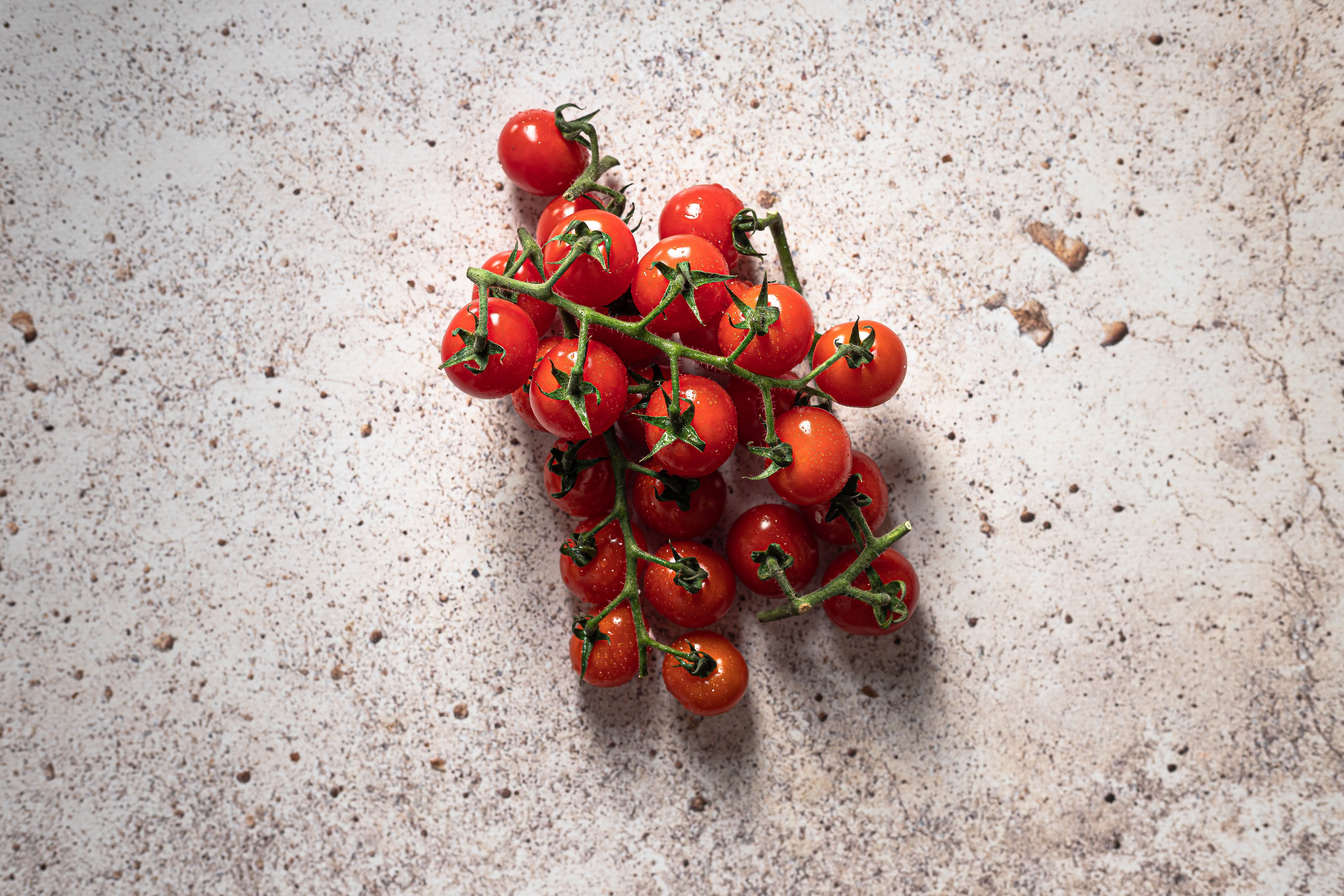
If you’ve browsed the tomato section of a grocery store lately, you’ve probably seen small, deep-red Campari tomatoes sold in clamshells or still attached to their vine. They look like oversized cherry tomatoes and often cost a bit more. This article explains what Campari tomatoes are, how they compare to other tomato types, how to use them in the kitchen, and what to expect if you try to grow them from a store-bought fruit.
Key Takeaways
- What Campari tomatoes actually are: Campari is a cocktail tomato variety that sits between cherry and slicing tomatoes in size. It is known for its sweet, juicy flavor and balanced acidity, and is commonly sold in clamshells or attached to the vine in grocery stores.
- How Campari compares to other tomatoes: Campari tomatoes are juicier and sweeter than Roma tomatoes, larger than cherry tomatoes, and less firm than grape tomatoes. “Tomato-on-the-vine” is a sales format, not a specific variety, so not all vine-attached tomatoes are Campari.
- Growing Campari from store seeds: You can sprout seeds from a store-bought Campari tomato, but because it is a hybrid (F1) variety, the offspring will produce unpredictable fruit in size, color, and flavor. For consistent results, buy named cocktail tomato seeds designed for home gardens instead.
- Best uses and proper storage: Campari tomatoes excel in fresh salads, Caprese, bruschetta, and snacking, but also work well roasted or in quick sauces. Store ripe tomatoes at room temperature and refrigerate only to prevent spoilage, letting them warm up before eating for best flavor.
What Are Campari Tomatoes?
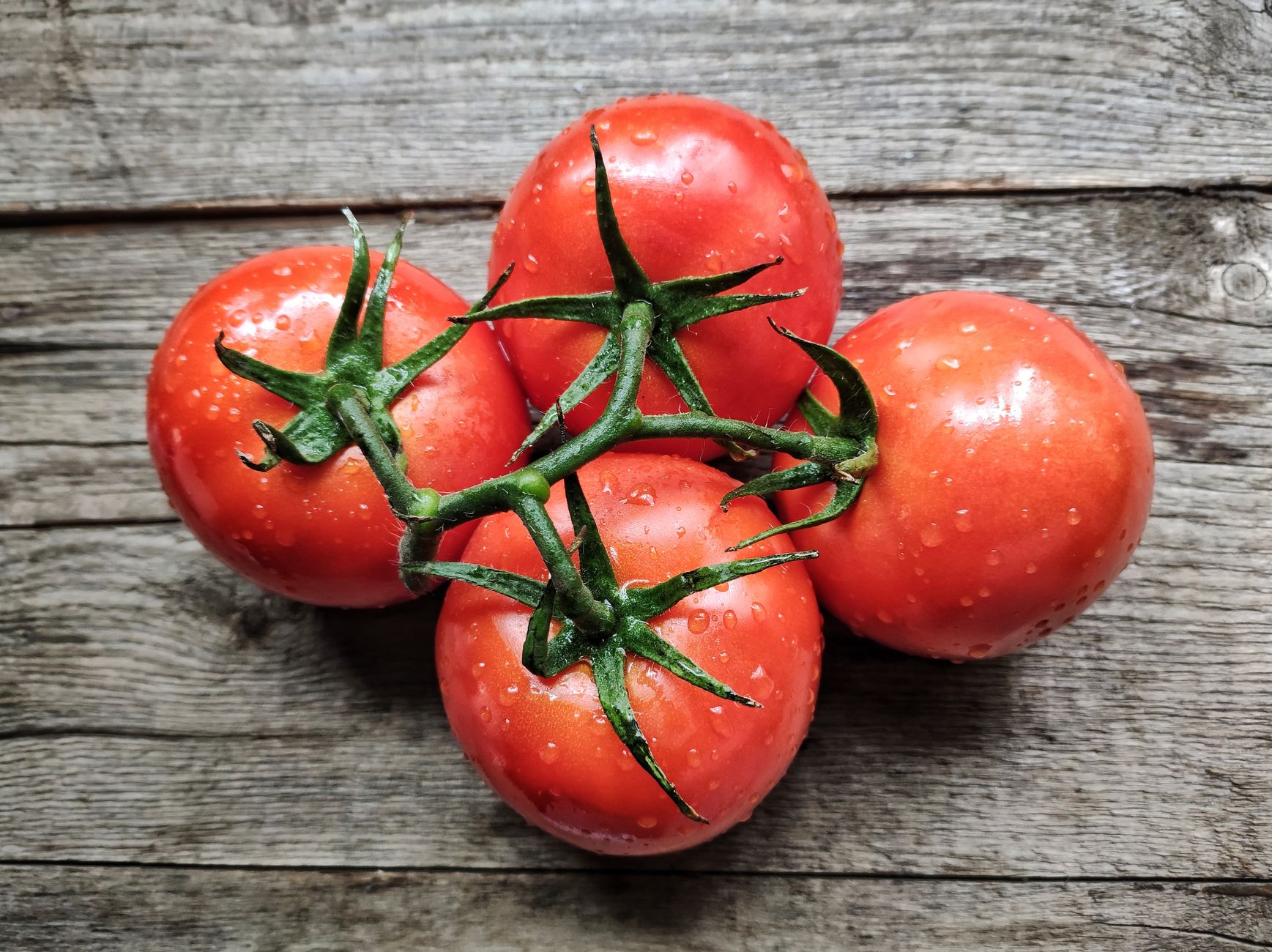
A Campari tomato is a type of cocktail tomato—a category that sits between cherry tomatoes and standard slicing tomatoes in size. Campari tomatoes are round, bright red when fully ripe, and known for their sweet, juicy flavor with balanced acidity. They are typically sold in grocery stores under the Campari brand name, though the term is also used generically for similar hybrid cocktail tomatoes. Note that “Campari” refers to the tomato, not the Italian liqueur.
Campari Tomato Quick Facts
| Trait | Campari tomato details |
|---|---|
| Tomato type | Cocktail tomato / small-to-medium fresh eating tomato |
| Size | Larger than cherry tomatoes, smaller than many standard slicing tomatoes |
| Shape | Round to slightly flattened |
| Color | Deep red when ripe |
| Flavor profile | Sweet, juicy, balanced acidity |
| Common sale format | Often sold in clamshells or attached to vine clusters |
| Best uses | Snacking, salads, Caprese, bruschetta, roasting, quick sauces |
| Seed/growing note | Often treated as a hybrid/branded market type; saved seeds may not grow true-to-type |
Campari Tomato Taste and Texture
Campari tomatoes are noticeably sweeter than many supermarket slicing tomatoes, with a juicy, aromatic bite and enough acidity to keep them from tasting flat. The flesh is firm but tender, and they contain more juice than grape tomatoes while being less watery than some beefsteak varieties. Their moderate size—about that of a golf ball—makes them easy to slice, halve, or quarter for salads and sandwiches.
Campari Tomato vs. Cherry, Grape, Roma, and Tomato-on-the-Vine
| Tomato type | Size/shape | Texture | Best uses | How it differs from Campari |
|---|---|---|---|---|
| Campari | Cocktail size, round | Juicy, sweet, balanced | Salads, Caprese, snacking, roasting | Middle ground between cherry and slicer |
| Cherry | Smaller, round | Juicy, often very sweet | Snacking, salads, skewers | Smaller and usually bite-size |
| Grape | Small, oblong | Firmer, thicker skin, lower moisture | Lunchboxes, salads, roasting | Less juicy, more oblong |
| Roma | Plum-shaped, meaty | Lower moisture, fewer seeds | Sauce, paste, canning | More of a cooking/paste tomato |
| Tomato-on-the-vine | Sale format, not one variety | Varies | General grocery use | Campari may be sold on vine, but TOV is not the same category |
A common point of confusion is “tomato-on-the-vine.” That term describes a harvest and sales format, not a specific variety. Many Campari tomatoes are sold with the vine attached, but any tomato that ripens well on the plant can be sold that way. Check the label—it may be Campari, but it could be another cocktail or small slicing variety.
Is Campari the Same as Campari Liqueur?
No. Campari tomatoes and Campari liqueur share a name but have nothing else in common. The liqueur is a bitter, red alcoholic drink used in cocktails like the Negroni. The tomato is a sweet, juicy fruit.
Can You Grow Campari Tomatoes at Home?
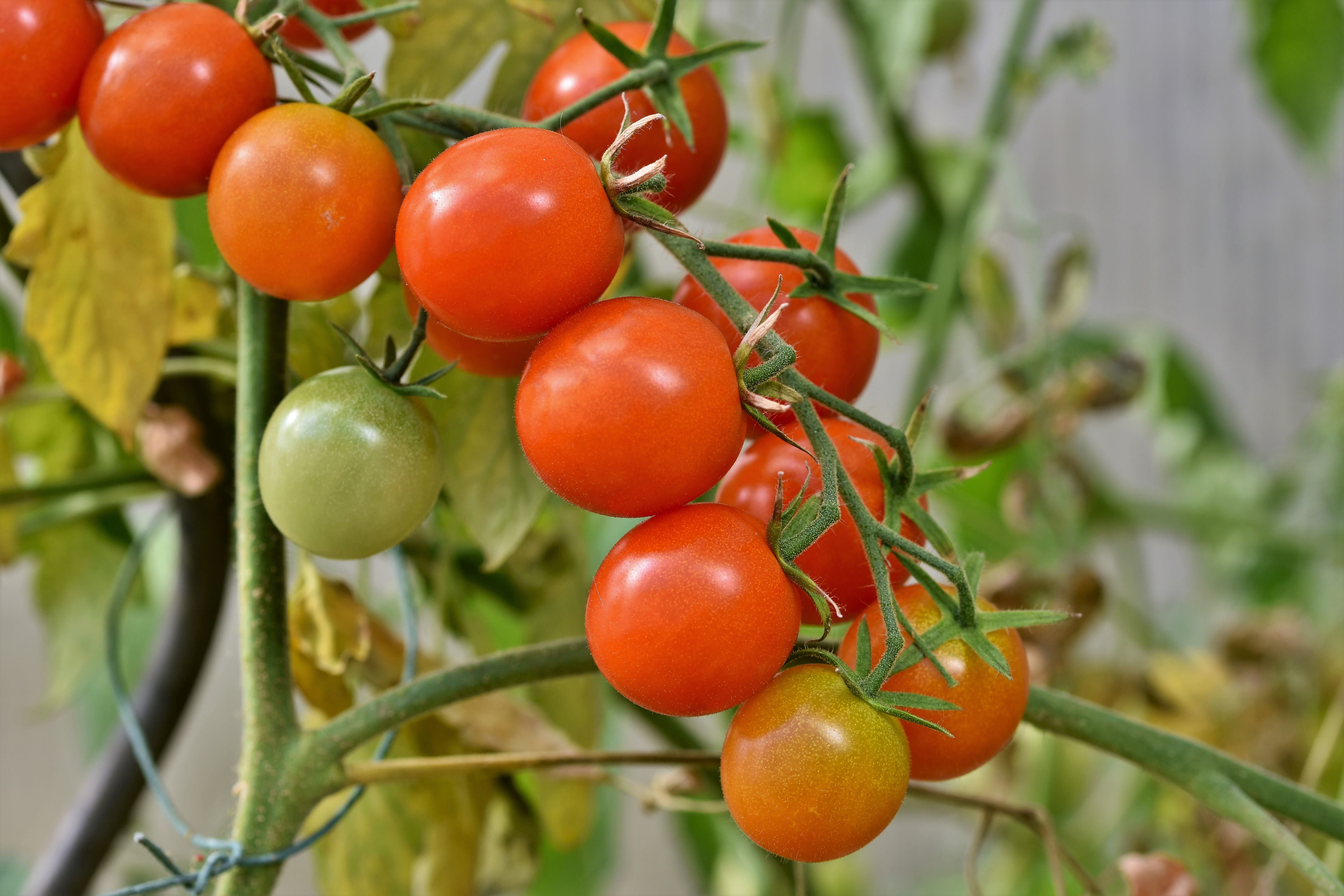
Yes, you can grow a plant from a store-bought Campari tomato, but the fruit you get may not look or taste like what you bought.
Can You Grow Campari Tomatoes from Store-Bought Seeds?
The seeds inside a store-bought Campari tomato can sprout, and many gardeners have successfully grown plants from them. However, most Campari are hybrid (F1) varieties, created by crossing two parent lines for specific traits. When you save seeds from a hybrid fruit, the F2 generation shows wide genetic variation. Some plants may produce tomatoes similar to the parent, but many will yield fruit that is smaller, larger, different color, or less sweet. The plant itself may also be less vigorous or productive. So you can sprout a plant, but results are unpredictable. For reliable, consistent Campari-like tomatoes, buy named seed varieties suited to home gardens.
Why Homegrown Campari Tomatoes May Not Look Like Store Campari
- Genetics: Hybrid seeds produce variable offspring.
- Growing conditions: Commercial Campari are grown in controlled greenhouses; home gardens have variable light, water, and nutrients.
- Harvest stage: Store tomatoes are picked at shipping ripeness; homegrown ones ripen longer on the vine, changing appearance.
- Pruning and support: Greenhouse growers use precise trellising and pruning; home methods differ.
If your seedlings produce oddly shaped fruit, it is likely genetic variation, not disease.
What to Grow If You Want a Campari-Like Tomato
| Goal | Look for this seed/plant type | Why |
|---|---|---|
| Sweet salad tomato | Cocktail tomato / saladette tomato | Similar size and fresh-eating use |
| Grocery-style cluster tomato | Greenhouse or cluster tomato types | Similar market style, may need support |
| Bite-size snacking | Cherry tomato | Easier to find, often productive |
| Firmer lunchbox tomato | Grape tomato | Stores and travels well |
| Sauce tomato | Roma/plum tomato | Better for thick sauces than Campari |
When buying seeds or plants, look for varieties labeled “cocktail tomato” or “saladette.”
Basic Growing Tips for Campari-Like Tomatoes
- Sun and warmth: Full sun—6–8 hours of direct light daily.
- Soil: Well-drained soil or quality potting mix; add compost.
- Support: Use cages, stakes, or trellises; plants can grow several feet tall.
- Watering: Consistently, especially after fruit sets. Inconsistent watering causes cracking or blossom-end rot.
- Container growing: At least 5 gallons; larger pots hold moisture better.
These guidelines apply to most fresh-eating tomato varieties.
How to Buy and Choose Campari Tomatoes
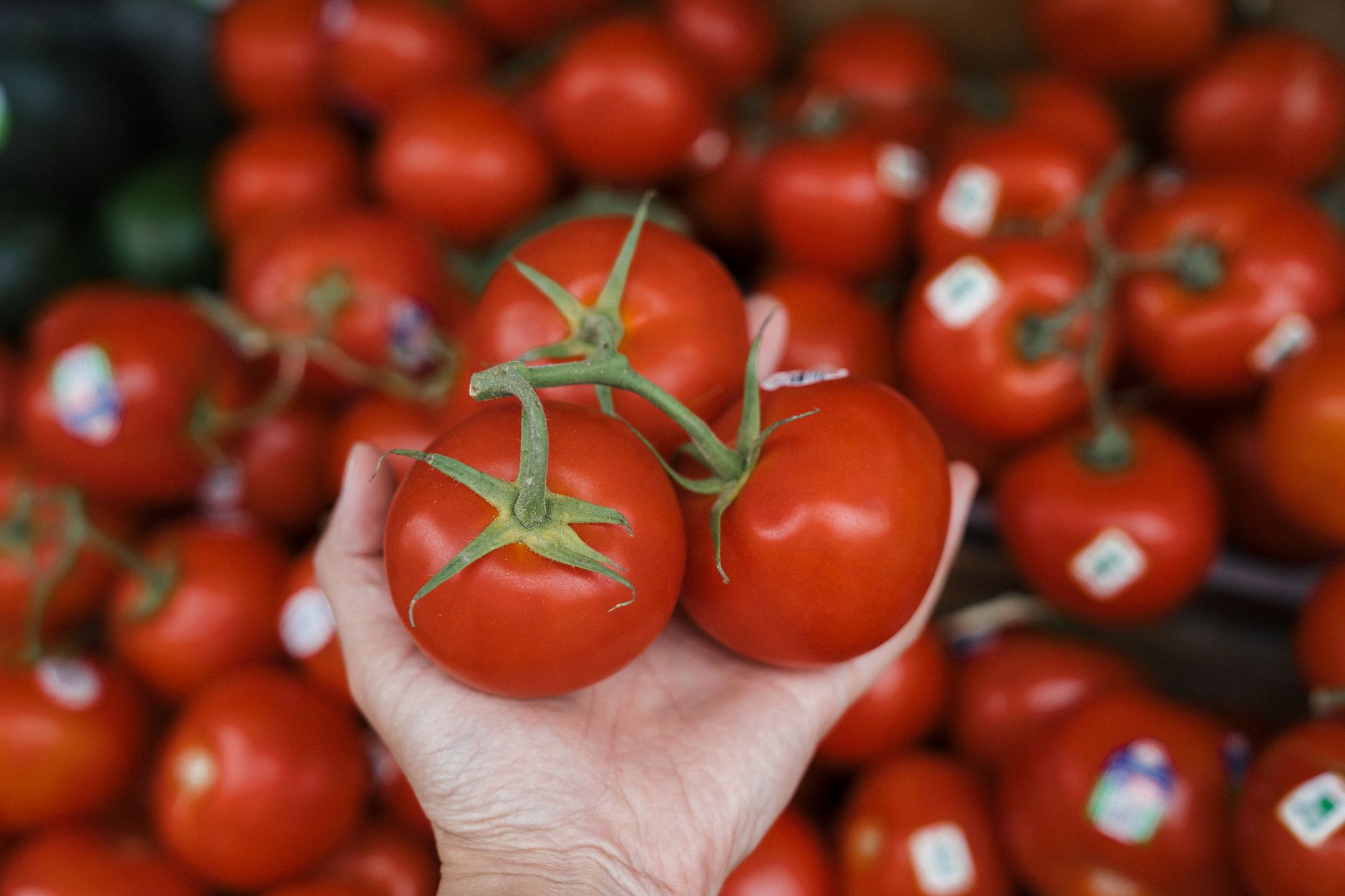
Where to Find Fresh Campari Tomatoes
Campari tomatoes are widely available in grocery stores, often in clear plastic clamshells (1–2 pounds) or on the vine. Some warehouse clubs and specialty grocers carry them year-round. Farmers markets may sell similar cocktail tomatoes but rarely label them “Campari.”
How to Choose Ripe Campari Tomatoes
- Deep red color: Uniformly red, without green or yellow shoulders.
- Smooth, taut skin: Firm but not tough. Wrinkled or cracked skin indicates overripeness.
- Heavy for size: Feels solid and heavy; lightweight fruit may be dry.
- Avoid defects: No bruises, soft spots, mold, or leaking juice.
If sold on the vine, stems may be green but that is not a reliable freshness indicator.
Campari Tomato Price and Availability: What to Expect
Campari tomatoes typically cost more than loose tomatoes due to controlled greenhouse production and premium packaging. When too expensive or out of season, substitute other cocktail tomatoes, cherry tomatoes, or ripe slicing tomatoes cut into small pieces.
Best Ways to Use Campari Tomatoes
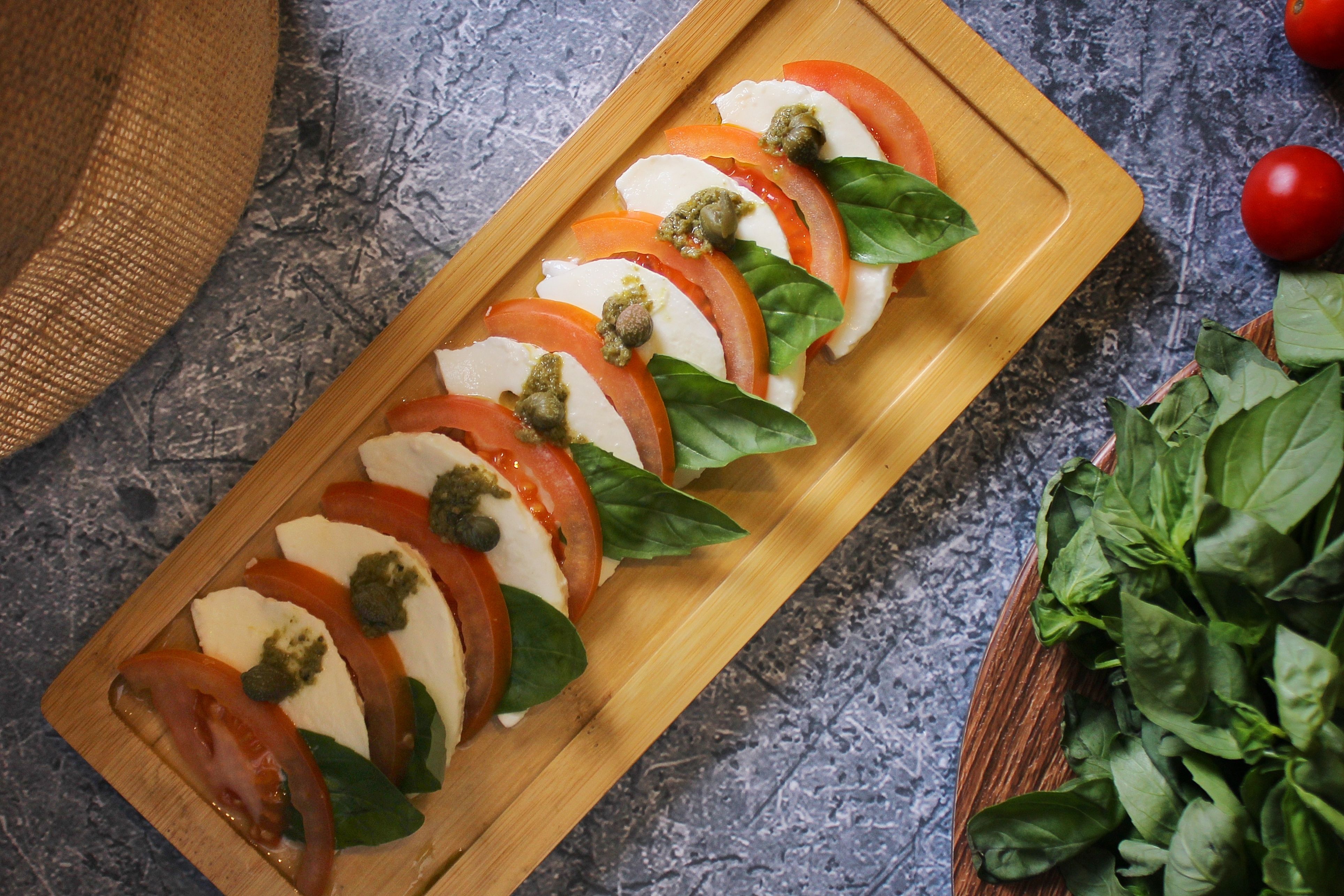
Fresh Uses: Salads, Caprese, Bruschetta, and Snacking
Campari tomatoes are at their best raw. Their size makes them easy to slice or halve, and they hold shape well in salads.
- Caprese salads: Slice ¼ inch thick, layer with mozzarella and basil, drizzle with olive oil and salt.
- Bruschetta: Dice tomatoes, toss with basil, garlic, olive oil, and balsamic vinegar. Spoon onto toasted bread.
- Chopped salads and grain bowls: Quarter or halve and add to salads with cucumbers, red onion, feta, vinaigrette.
- Snacking: Excellent straight from the clamshell; add salt or hummus.
Cooked Uses: Roasting, Quick Sauce, Soups, and Pasta
Cooking concentrates sweetness and softens skins.
- Roasting: Halve tomatoes, toss with olive oil, salt, herbs, roast at 400°F (200°C) for 20–25 minutes. Use on pasta, pizza, or as a side.
- Quick sauce: Campari are juicier than Roma, so fresh sauce may need longer simmering. Cook chopped tomatoes with garlic and olive oil for 10–15 minutes.
- Soups: Use in tomato soup or gazpacho; sweetness reduces need for added sugar.
- Baked dishes: Add halved tomatoes to baked eggs, shakshuka, or flatbreads.
What to Do With Too Many Campari Tomatoes
- Roast and freeze: Roast halved tomatoes, cool, freeze in bags for later sauces and soups.
- Make quick sauce: Cook down a batch and freeze in portions.
- Blend into gazpacho: Perfect for using many tomatoes at once.
- Dehydrate or oven-dry: Slice thin, dry at 140°F (60°C) until leathery, store in airtight jar.
- Discard moldy fruit to prevent spreading rot.
Campari Tomato Nutrition and Health Benefits
Like all tomatoes, Campari provide dietary fiber, vitamin C, potassium, and lycopene. They are low in calories and fat.
How to Store Campari Tomatoes for Better Flavor
Room Temperature vs. Refrigerator
- Underripe tomatoes: Leave at room temperature out of direct sunlight to ripen. A paper bag speeds the process.
- Ripe tomatoes: Eat within a day or two at room temperature for best flavor.
- Very ripe or warm conditions: If fully ripe and you cannot eat soon, or kitchen is over 75°F (24°C), refrigerate in the main compartment—not coldest spot—and use within a few days.
- Before eating: Let refrigerated tomatoes sit at room temperature for 30 minutes to restore flavor.
- Cut tomatoes: Refrigerate for food safety; use within a couple of days.
How to Keep Campari Tomatoes from Getting Mealy or Watery
- Avoid refrigerating underripe tomatoes; cold stops ripening and causes poor texture.
- Store tomatoes in a single layer, not stacked.
- Use softening fruit quickly in cooked dishes.
- If flavors flat after refrigeration, add salt, olive oil, or roast.
Can You Freeze Campari Tomatoes?
Yes, freezing preserves a large harvest. Frozen tomatoes work well in cooked dishes but not fresh salads.
- Whole or halved: Freeze in a freezer bag; skins loosen after thawing for easy peeling.
- Roasted before freezing: Concentrates flavor for sauces and soups.
- Thawed usage: Use in sauces, stews, chili, soups; they will be softer and more watery, so adjust cooking times.
Conclusion
Campari tomatoes are a popular cocktail tomato prized for sweet, juicy flavor. They fit between cherry and slicing tomatoes, ideal for salads, snacking, roasting, and light cooking. While you can grow a plant from store-bought Campari, hybrid genetics make the offspring unpredictable—choose named cocktail varieties for reliable results. Knowing how to select, store, and use both fresh and cooked versions helps you get the most from these versatile tomatoes.
FAQ
Are Campari tomatoes hybrid or heirloom?
Campari tomatoes are generally hybrid (F1) commercial tomatoes, not heirloom. They are bred from controlled crosses for consistent size, sweetness, and disease resistance. Saved seeds may sprout, but offspring will not grow true-to-type—fruit size, color, flavor, and plant habit can vary widely.
Why don’t my homegrown Campari tomatoes look like the ones from the store?
The most likely reason is that you grew the plant from a seed saved from a hybrid fruit. The F2 generation is genetically variable. Other factors include outdoor vs. greenhouse conditions, harvest timing, and plant stress. Unusual size or shape does not automatically mean disease.
What is the difference between Campari tomatoes and Roma tomatoes?
Campari are juicy cocktail tomatoes for fresh eating and light cooking. Roma are plum/paste tomatoes with lower moisture and meatier flesh, better for thick sauces and canning. They differ in size, shape, texture, and best use.
What are Campari tomatoes best used for?
Snacking, salads, Caprese, bruschetta, sandwiches, roasting, quick sauces, soups, and general fresh or lightly cooked dishes. They are less suited for thick sauces (use Roma instead) or long-term canning, but work well in any recipe that benefits from a sweet, juicy tomato.
You Might Also Like