How Many Times Can You Replant Seeds From a Parent Plant Before the DNA Changes?
Short Answer: There Is No Fixed Limit
You can save and replant seeds from a parent plant for many generations. There is no set number—three years, ten years, or fifty years—after which the seed’s DNA suddenly “wears out.”
DNA is not used up by plant seed replanting. A seed carries genetic information from its parent or parents. What can change over time are the genetics within the seed line and the traits you see in the garden.
Those changes usually come from:
- Pollen from another variety
- Normal genetic recombination
- Occasional mutations
- Saving seed from too few plants
- Unintentional selection
- Replanting seed from F1 hybrids
So the practical answer is: you can replant saved seeds indefinitely if the plants remain healthy, fertile, and well selected. Beans, peas, lettuce, and heirloom tomatoes may remain similar for years if seed is saved carefully. Squash grown near another compatible squash may surprise you the next season. Seed from a hybrid tomato may produce plants unlike the original plant.
What Actually Changes When You Save and Replant Seeds
Gardeners often say “the DNA changed” when they mean “the new plant does not look like the parent.” Sometimes the difference is genetic. Sometimes it is environmental. Sometimes it is simply the normal result of sexual reproduction.
A plant grown from seed is a new individual. It may closely resemble the parent, especially in stable open-pollinated varieties, but it is usually not an exact copy.
Seeds Are Not Clones of the Parent Plant
Most seeds form through sexual reproduction, which shuffles genetic material. Even self-pollinated plants do not always produce perfect duplicates.
That differs from cuttings, divisions, bulbs, tubers, suckers, and grafts, which preserve the parent plant more directly.
| Propagation method | Genetic result | Examples |
|---|---|---|
| Seed | New individual | Tomatoes, beans, lettuce |
| Cutting | Clone | Rosemary, basil, figs |
| Division | Clone | Hostas, rhubarb |
| Bulb/tuber offset | Clone or near-clone | Garlic, potatoes |
| Grafting | Preserves top variety | Apples, pears |
This is why seed saving works well for some crops but is not the best way to preserve exact traits in others.
Pollination Mixes Genetic Material
Pollination is one of the main reasons saved seed does not match the parent plant.
If pollen comes from the same variety, the next generation may stay predictable. If pollen comes from a different variety of the same species, the seeds may carry a new genetic mix.
This matters most with crops that cross easily, including squash, pumpkins, corn, cucumbers, melons, brassicas, carrots near wild relatives, and many flowers.
The fruit you harvest this year usually reflects the mother plant, not the pollen donor. The surprise appears when you plant the saved seed next year.
Mutations Happen, But Usually Slowly
Mutations are real DNA changes. They can occur naturally when cells divide, when seed forms, or when plants face environmental stress. Most are tiny, unnoticed, or not useful.
Mutation is usually not the main reason gardeners see sudden changes after replanting seed. Cross-pollination and hybrid segregation are much more common.
If one plant in a long-saved bean line suddenly has a different flower color or growth habit, it could be a mutation. It could also be stray pollen, mixed-up seed, or seed saved from an off-type plant.
Traits Can Change Even When the Plant Is Healthy
A different-looking seedling does not automatically mean the seed was bad or the plant is unhealthy. It may express a different combination of genes, or it may be responding to different growing conditions.
Traits that can shift include fruit size, color, flavor, plant height, flower color, days to maturity, disease tolerance, yield, leaf shape, and germination rate.
Environment matters too. A saved tomato seed may grow poorly the next year if the weather is cold, soil is compacted, or seedlings are stressed. That is not necessarily a DNA problem. Judge saved seed by comparing several plants, not one weak seedling.
Why Replanted Seeds May Not Grow Like the Parent Plant
Unexpected results usually come from one of four causes: hybrid seed, cross-pollination, poor selection, or too small a breeding population.
F1 Hybrids Often Do Not Come True From Seed
F1 hybrid seeds are produced by crossing two specific parent lines. The first generation is often uniform and vigorous because each seed receives the same planned genetic combination.
When you save seeds from an F1 hybrid and replant them, the next generation—the F2—can split into many combinations. Some plants may resemble the hybrid parent. Others may resemble one of the original parent lines. Some may be weaker, later, smaller, or less flavorful.
This does not mean the DNA went bad. It means the genetics are separating.
Many modern hybrid tomatoes, sweet corn, cucumbers, peppers, annual flowers, and bedding plants behave this way. You can save seed from hybrids for experimentation, but you should not expect uniform results.
Open-Pollinated and Heirloom Seeds Are More Predictable
Open-pollinated varieties are more stable when properly maintained. They have been selected over generations to produce plants that look and perform consistently from seed.
Heirlooms are usually open-pollinated varieties with a history of being saved and passed down. Good beginner crops include beans, peas, lettuce, open-pollinated tomatoes, arugula, cilantro, dill, marigolds, and calendula.
“More predictable” does not mean “unchangeable.” Open-pollinated varieties can still cross, drift genetically, or change if seed is repeatedly saved from unusual plants.
Cross-Pollination Can Change the Next Generation
Cross-pollination is why careful seed savers separate varieties. The amount of separation needed depends on the plant and the pollinators in your garden.
| Crop type | Cross-pollination risk | Difficulty |
|---|---|---|
| Peas and beans | Low | Easy |
| Lettuce | Low to moderate | Easy to moderate |
| Tomatoes | Low to moderate | Easy to moderate |
| Peppers | Moderate | Moderate |
| Squash and pumpkins | High | Harder |
| Corn | High | Harder |
| Brassicas | High | Harder |
| Carrots | High near wild relatives | Harder |
For home gardeners, the easiest strategy is to grow only one variety of a cross-prone crop for seed in a season. If you grow multiple varieties, use distance, timing, hand pollination, or barriers.
Inbreeding, Small Seed Lots, and Poor Selection Can Weaken a Line
Some plants tolerate self-pollination well. Others need more genetic diversity to stay vigorous. Saving seed from too few plants can narrow the gene pool, especially in outcrossing crops.
Corn is a common example. Saving seed from only a few ears year after year may reduce vigor. Brassicas, carrots, onions, and many other outcrossing crops also benefit from larger seed-saving populations.
Selection matters too. If you always save seed from weak, diseased, late, or odd plants, you may gradually shift the line in an unwanted direction.
How to Replant Saved Seeds and Keep Plants Consistent
If you want stable plant seed replanting, treat seed saving as part of the growing season, not an afterthought.
Save Seeds From Healthy, Typical Plants
Choose parent plants that match the variety description and perform well in your garden.
Look for plants that are healthy, productive, true to type, good tasting if edible, well adapted to your season, and not unusually late, weak, or misshapen.
Avoid saving seed from the one strange plant unless you intentionally want to explore a new trait. For self-pollinating crops, a few strong plants may be enough for a home seed lot. For outcrossing crops, save from many plants when possible.
Prevent Unwanted Cross-Pollination
Use the level of control the crop requires.
Simple options include:
- Grow only one variety for seed.
- Separate varieties by distance.
- Stagger planting so flowering does not overlap.
- Use blossom bags or row cover before flowers open.
- Hand-pollinate selected flowers.
- Label seed plants clearly.
For squash, hand pollination is often the most reliable home method. Cover selected male and female flowers before they open, transfer pollen by hand in the morning, then re-cover and label the fruit.
For tomatoes and beans, basic spacing and variety awareness are often enough for casual saving, though some crossing can still occur.
Let Seeds Fully Mature Before Collecting
Immature seed may germinate poorly even if it looks normal. Let seeds mature before harvest.
Typical timing:
- Tomatoes: fully ripe, often slightly overripe
- Peppers: mature color, not green eating stage
- Beans and peas: dry pods on the plant when possible
- Lettuce: fluffy, dry seed heads
- Squash: fully mature fruit, often beyond eating stage
- Cucumbers: large and yellowish for seed saving
A healthy parent plant cannot make up for seed collected too early.
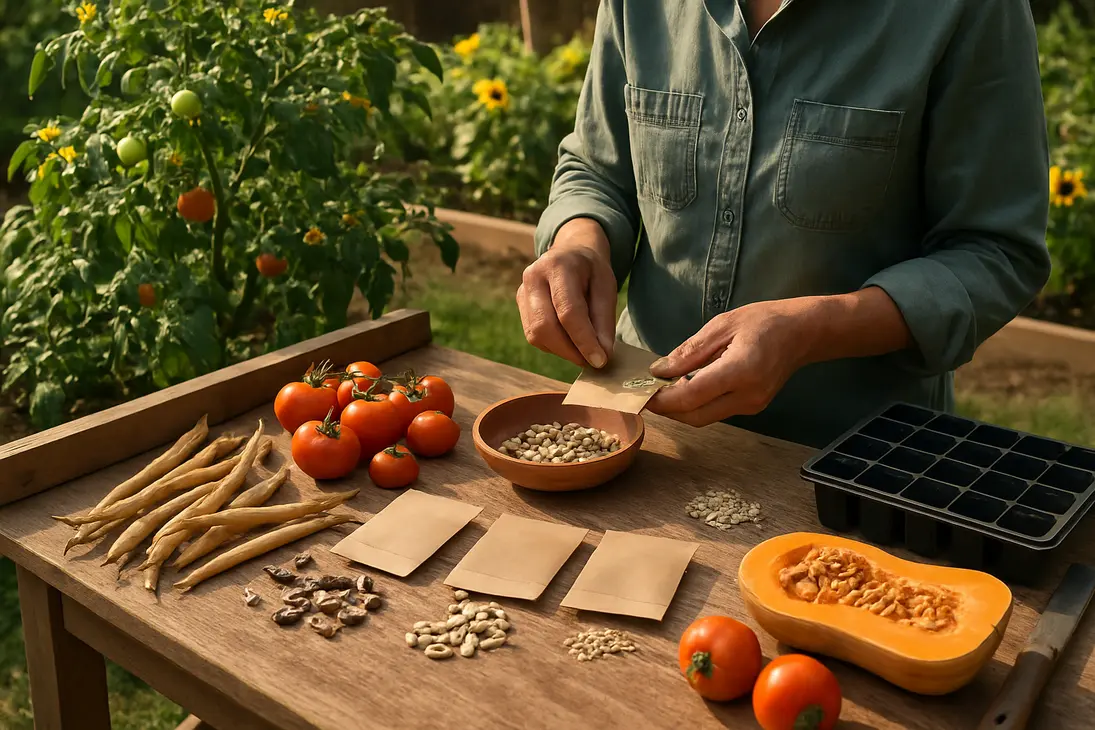
Dry and Store Seeds Properly
Poor storage can reduce germination and make a seed line seem weak when the real problem is moisture, heat, or age.
After cleaning seeds, dry them thoroughly in a shaded, airy place. Do not seal damp seed in a jar or plastic bag.
Store seeds cool, dry, dark, clearly labeled, and protected from pests. A paper envelope inside a sealed jar works well once seed is fully dry. Label with the variety and year.
Seed life varies by crop. Onion and parsnip seed often lose viability quickly, while beans, tomatoes, brassicas, and many flowers may last longer when stored well. Lower germination after storage is not the same as DNA changing.
Start Seeds in the Right Medium
Many problems blamed on genetics are actually seed-starting issues.
Use a seed-starting mix that holds moisture but drains well. Heavy garden soil in trays can compact, stay unevenly wet, and produce weak seedlings.
For indoor seed starting, use fresh seed-starting mix or fine potting mix, containers with drainage holes, even moisture, suitable warmth, and strong light after germination.
Large-seeded crops such as beans, peas, squash, and corn often do well sown directly outdoors when soil temperatures are right.
Transplant Carefully to Avoid Root Stress
Replanting seedlings is different from replanting seeds, but transplant damage can make a plant look genetically weak when it is actually stressed.
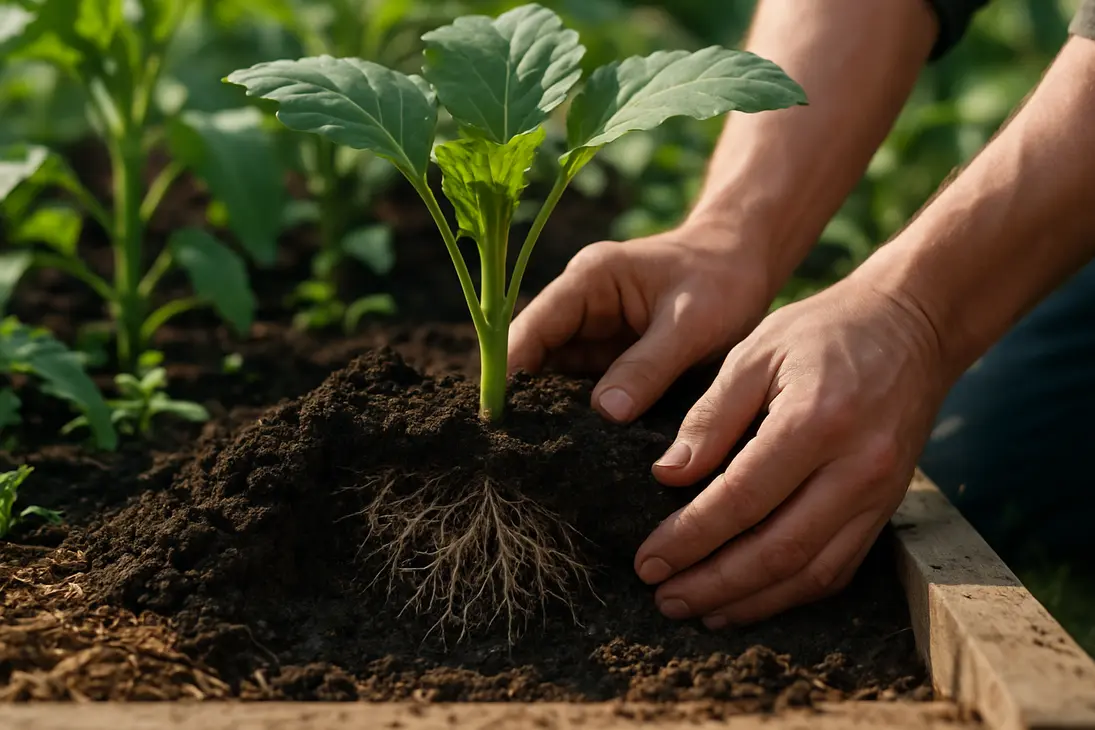
Handle seedlings by the leaves, not the stem. Keep the root ball intact when possible. Transplant after seedlings have a few true leaves but before they are rootbound.
Taprooted plants need extra care. If the taproot tip is damaged, the plant may branch instead of forming one deep central root. This matters more for carrots, parsnips, tree seedlings, and some deep-rooted perennials than for fibrous-rooted annuals.
Water before moving, harden seedlings off, plant at the right depth, protect from harsh weather, and water in gently. Root damage affects growth, not DNA.
When Seeds Are Not the Best Way to Reproduce a Plant
Seeds are useful for many annual vegetables, flowers, grains, and herbs. But if you need an exact copy of a parent plant, seed is often the wrong method.
Fruit Trees Grown From Seed Can Be Unpredictable
You can grow fruit trees from seed, and some seedlings become healthy and productive. But seed-grown fruit trees are new genetic individuals. They may not match the fruit you ate, may take years to bear, and may produce excellent, mediocre, or poor fruit.
That is why apples, pears, peaches, plums, and many citrus trees are usually grafted. Grafting preserves the named fruit variety and pairs it with a rootstock chosen for traits such as size, vigor, soil tolerance, or disease resistance.
Plant fruit seeds for experimentation. Buy a grafted tree if you want a specific cultivar.
Berries and Perennials Are Often Better Propagated Vegetatively
Many berries and perennial crops are reproduced by runners, cuttings, divisions, crowns, offsets, or suckers because those methods preserve the parent plant.
Examples include strawberries from runners, blackberries from layering or suckers, raspberries from suckers, grapes from cuttings, rhubarb from crown division, artichokes from offsets, and garlic from cloves.
Growing these from seed can be useful for breeding, but it may not give you the same plant.
Some Plants Self-Seed Easily and May Become Weedy
Some plants make seed so readily that controlling them becomes the challenge.
Common self-seeders include lemon balm, dill, cilantro, calendula, borage, mustard greens, arugula, feverfew, some poppies, and many wildflowers.
Self-seeding plants can adapt to your garden over time, but they may spread into paths and beds. Deadhead before seeds mature, or collect the seed you want and remove the rest.
Self-seeding does not mean the DNA is degrading. It means the plant is completing its life cycle successfully.
Conclusion
There is no fixed number of times you can replant seeds from a parent plant before the DNA changes. Seeds can be saved and replanted for many generations. DNA does not wear out because you keep growing plants from saved seed.
What matters is the type of seed and how it is managed. F1 hybrids may change dramatically in the next generation. Open-pollinated and heirloom varieties are usually more predictable. Cross-pollination can introduce new genetics. Small seed lots and poor selection can alter or weaken a line. Mutations happen, but they are usually not the main cause of sudden differences.
For consistent plant seed replanting, save seed from healthy, typical plants; prevent unwanted crosses; collect mature seed; store it well; and start seedlings carefully. When you need an exact copy, use cuttings, divisions, runners, bulbs, crowns, or grafted stock instead of seed.
FAQ
Can you replant seeds from the same plant every year?
Yes, if the plant produces viable seed and you collect, dry, store, and replant it properly. For best results, save from several healthy, typical plants when possible, especially with crops that cross-pollinate.
How many generations can heirloom seeds be replanted?
Heirloom seeds can be replanted for many generations. That is how heirloom varieties survive.
The variety stays stable when seed savers select true-to-type plants and prevent unwanted crossing. If seed is saved carelessly, even an heirloom can drift.
Do seeds from hybrid plants change genetically?
Seeds from hybrid plants usually do not produce the same plant as the hybrid parent. The next generation contains new combinations of genes, so plants may vary in size, vigor, flavor, color, disease resistance, and yield.
This is not a defect. It is the normal result of saving seed from an F1 hybrid.
Does damaging a taproot during replanting affect the plant?
Yes. Damage to a taproot may cause branching instead of one strong central root. Some plants recover well, while others may be stunted or develop misshapen roots.
This is especially important for carrots, parsnips, tree seedlings, and other taprooted plants. Root damage affects growth, not DNA.
You Might Also Like