Michigan Native Plants: A Guide to Choosing, Planting, and Supporting Local Ecosystems
Key Takeaways
Michigan native plants offer real advantages for gardeners who want lower water bills, less maintenance, and a landscape that actively supports local wildlife. But success depends on choosing the right plants for your specific region, yard size, and goals.
- Match plants to your Michigan region: A plant native to the Upper Peninsula may not thrive in Zone 6 near Detroit. Use county-level recommendations and local ecotype seeds for the best results in your garden.
- Choose oaks based on your available space: Northern White Oak needs a half-acre or more, while Dwarf Chinkapin Oak stays compact enough for a small suburban yard while still providing keystone ecological value.
- Replace invasive shrubs with native alternatives: After removing Burning Bush, Japanese Barberry, or Common Buckthorn, plant Dwarf Chinkapin Oak, Winterberry Holly, or Serviceberry for similar form without ecological harm.
- Buy from local sources for better success: Native plants grown from Michigan ecotype seeds perform better than plants from out-of-state sources. Check conservation district sales and MSU Extension resources for region-specific stock.
Start small — even one keystone oak or a single bed of native wildflowers makes a measurable difference for local birds, bees, and butterflies in Michigan.
What Are Michigan Native Plants and Why Should You Use Them?
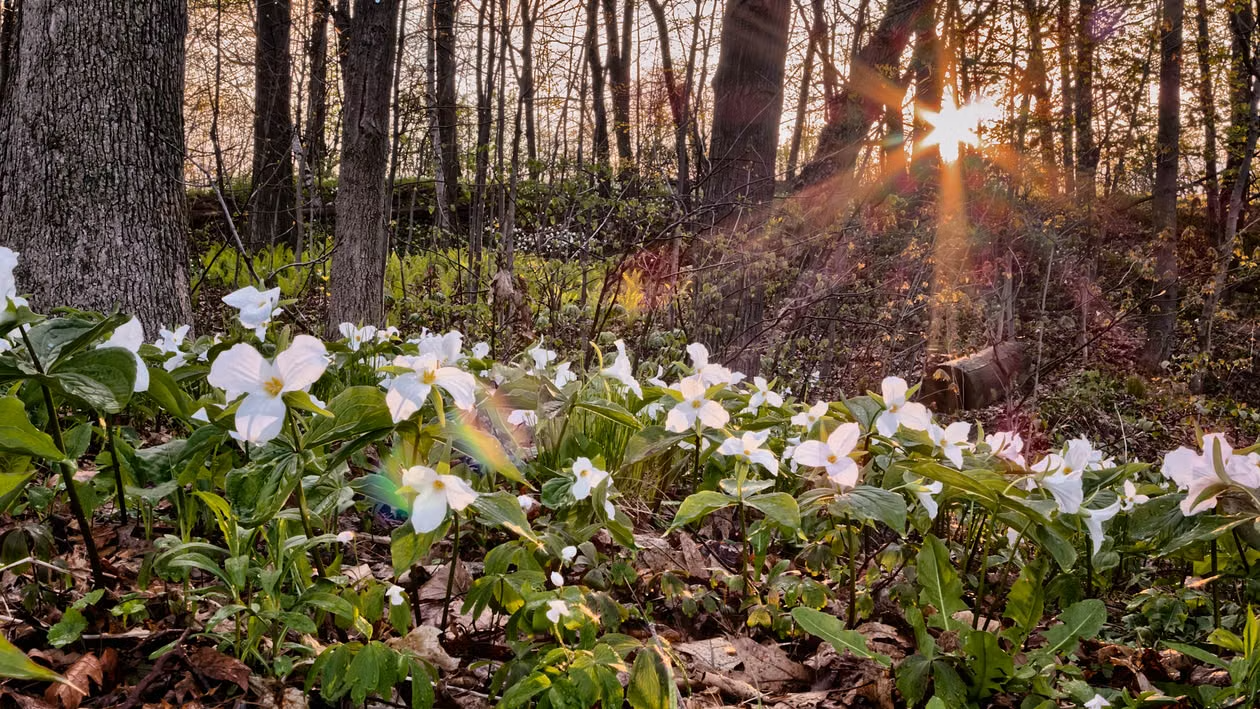
A Michigan native plant is one that was growing naturally in the region before European settlement. These plants evolved alongside local wildlife and climate over thousands of years. Using them in a home landscape means working with the ecosystem rather than against it. Once established, they need less watering, fewer fertilizers, and less maintenance than non-native ornamentals. They also provide critical food and shelter for local insects, birds, and mammals that cannot adapt to exotic plants.
Defining “Native” in the Michigan Context
The term “native” depends on how strictly you draw the boundary. A plant native to North America is not necessarily native to Michigan, and a plant from the Upper Peninsula may not perform the same in the southern Lower Peninsula. Michigan spans hardiness zones 3 to 6, so county-level recommendations are essential. Using local ecotype seeds and nursery stock gives the best chance that the plant is adapted to your soil and climate. For example, a Michigan ecotype of Little Bluestem will handle the state’s freeze-thaw cycles better than one from Texas.
Ecological Benefits for Wildlife, Pollinators, and You
Keystone plants support the highest number of insects, which feed birds and other wildlife. In Michigan, oaks are the most important keystone trees. A single oak can support over 500 species of caterpillars, critical for breeding songbirds. Planting even one keystone tree has outsized ecological impact. Native plants also develop deep root systems that prevent erosion, improve water infiltration, and reduce runoff. For gardeners, this means lower water bills and healthier soil with less effort. Additionally, deep-rooted natives like Little Bluestem can sequester carbon in the soil, helping mitigate climate change on a small scale.
Common Misconceptions About Native Plants
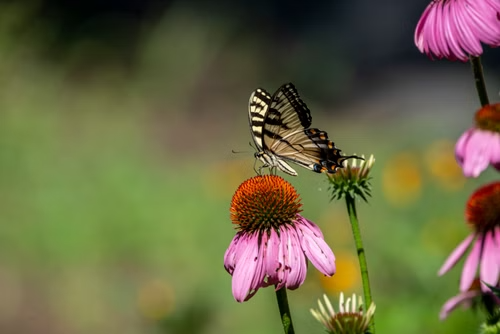
A common misconception is that picking wildflowers from public lands is legal. In Michigan, it is illegal to remove plants from state parks, state game areas, and other public lands without a permit. On private land, picking common species for personal use is generally permitted, but never dig up entire plants or collect from endangered populations. Another misconception is that “native” means “weedy.” Many native species like Purple Coneflower, Wild Bergamot, and Butterfly Weed stay where planted and do not self-sow aggressively, easily fitting into tidy garden designs. Others, like Black-eyed Susan, may self-sow moderately but can be controlled with a quick trim of spent flowers.
Top Michigan Native Plants for Every Landscape and Garden Goal
Choosing the right native plants means matching them to your light, soil, space, and maintenance preferences. The following sections cover keystone trees, pollinator-friendly wildflowers, and low-growing lawn alternatives.
Keystone Trees: Choosing the Right Oak for Your Yard Size
Oaks are the top keystone plants for Michigan, but their mature size varies enormously. The table below compares common species by space requirements and landscape value.
| Oak Species | Mature Height / Spread | Lot Size Suitability | Notes |
|---|---|---|---|
| Northern White Oak (Quercus alba) | 60–80 ft / 50–80 ft | Large (half-acre or more) | Slow-growing; iconic but too large for most suburban lots |
| Bur Oak (Quercus macrocarpa) | 70–80 ft / 60–80 ft | Large | Very drought-tolerant; deep roots; good for open areas |
| Chinkapin Oak (Quercus muehlenbergii) | 50–70 ft / 40–60 ft | Medium to large | Faster growth than White Oak; good for medium-sized yards; attractive foliage |
| Dwarf Chinkapin Oak (Quercus prinoides) | 10–15 ft / 10–15 ft | Small (residential lots) | The only oak that fits a small suburban yard; shrubby form; supports caterpillars; produces edible acorns |
For a typical quarter-acre lot, Dwarf Chinkapin Oak is the most realistic choice. For larger properties, Bur Oak or Chinkapin Oak offer shade and longevity without the enormous spread of Northern White Oak. If you have a very small space with room for only one keystone tree, Dwarf Chinkapin Oak provides ecological value that far exceeds any non-native ornamental.
Native Wildflowers and Pollinator Favorites for Sun and Shade
These reliable wildflowers are widely available from Michigan native plant nurseries.
- Butterfly Weed (Asclepias tuberosa): Full sun, dry to medium soil. Height 1–2 ft. Orange blooms. Host for monarch butterflies. Low maintenance; does not spread aggressively.
- Purple Coneflower (Echinacea purpurea): Full sun to part shade, average soil. Height 2–4 ft. Pink-purple blooms. Low maintenance; drought-tolerant once established.
- Wild Bergamot (Monarda fistulosa): Full sun to light shade, medium soil. Height 2–4 ft. Lavender blooms. Excellent for pollinators including bees and hummingbirds. Can self-sow moderately.
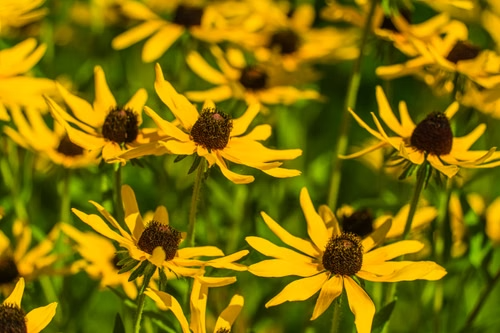
- Black-eyed Susan (Rudbeckia hirta): Full sun, average to dry soil. Height 1–3 ft. Yellow blooms. Self-sows moderately; very easy for beginners.
- Wild Lupine (Lupinus perennis): Full sun, sandy soil. Height 1–2 ft. Blue blooms in late spring. Host for Karner Blue butterfly. Prefers lean soils; avoid fertilizer.
- Columbine (Aquilegia canadensis): Part shade, well-drained soil. Height 1–2 ft. Red-yellow blooms in spring. Attracts hummingbirds. Reseeds lightly.
- Smooth Aster (Symphyotrichum laeve): Full sun to part shade, average soil. Height 2–4 ft. Blue-purple fall blooms. Excellent late-season pollinator source for migrating butterflies.
- Michigan Lily (Lilium michiganense): Full sun to part shade, moist soil. Height 3–5 ft. Orange spotted blooms in summer. Showy but needs consistent moisture.
For rain gardens, choose Wild Bergamot and Smooth Aster — both tolerate occasional standing water. For pollinator gardens in full sun, Butterfly Weed, Purple Coneflower, and Black-eyed Susan are lowest maintenance. Combine early, mid, and late bloomers to provide season-long nectar.
Native Grasses and Groundcovers as Lawn Alternatives
Replacing a portion of your lawn with native grasses and groundcovers reduces mowing, watering, and fertilizer use while providing habitat.
- Little Bluestem (Schizachyrium scoparium): Full sun, dry to medium soil. Height 2–4 ft. Warm-season grass; mow once in early spring. Good for erosion control; excellent fall color.
- Pennsylvania Sedge (Carex pensylvanica): Part shade to full shade, average soil. Height 6–12 in. Soft turf requiring mowing only once or twice per year. Ideal under oaks and maples; spreads slowly by rhizomes.
- Wild Ginger (Asarum canadense): Full to part shade, moist soil. Height 6–12 in. Spreads slowly; no mowing needed. Good for woodland gardens; unique ground-level flowers.
- Creeping Phlox (Phlox stolonifera): Part shade, well-drained soil. Height 4–8 in. Spring blooms. Forms a low mat; good for slopes.
- Prairie Dropseed (Sporobolus heterolepis): Full sun, dry to medium soil. Height 2–3 ft. Fine-textured; fragrant seed heads. Good for small lawn-like areas; minimal mowing.
Once established, these need about 1 inch of water per week from rainfall or irrigation. They may go dormant during dry spells but recover when rain returns. For a low-maintenance lawn alternative, mix Pennsylvania Sedge with Creeping Phlox for seasonal interest.
Replacing Invasive Plants with Native Alternatives
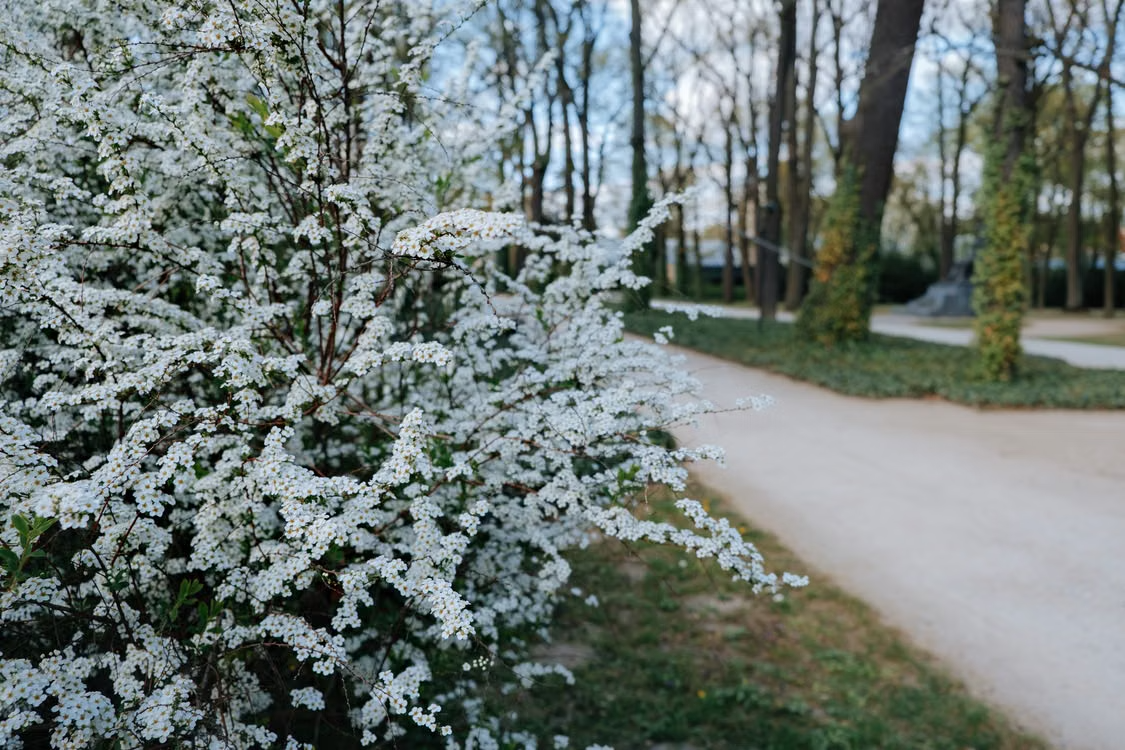
Invasive species degrade habitat in Michigan. Replacing them with native alternatives restores ecological function and improves your garden’s resilience.
Identifying and Removing Common Invasive Species in Michigan
Common invasives include Burning Bush (Euonymus alatus), Japanese Barberry (Berberis thunbergii), and Common Buckthorn (Rhamnus cathartica). For small infestations, pull young shrubs when soil is moist. For larger shrubs, cut the stem and apply herbicide to the fresh cut. Always follow label instructions. The Michigan DNR provides region-specific guidance. After removal, monitor the site for regrowth for at least two years — invasive seeds can remain viable in the soil.
Native Replacements for Invasive Trees and Shrubs
- Replace Burning Bush with Dwarf Chinkapin Oak (Quercus prinoides) for fall color and wildlife value, or Winterberry Holly (Ilex verticillata) for red winter berries (needs a male pollinator).
- Replace Japanese Barberry with Wild Rose (Rosa blanda) or Lowbush Blueberry (Vaccinium angustifolium) for bird cover and spring flowers.
- Replace Common Buckthorn with Serviceberry (Amelanchier canadensis) for early spring flowers and edible berries, or Gray Dogwood (Cornus racemosa) for four-season interest.
- Replace Autumn Olive (Elaeagnus umbellata) with American Plum (Prunus americana) or Nannyberry (Viburnum lentago) for fruit and dense cover.
Step-by-Step: Converting an Invasive Area to a Native Garden
- Remove invasive plants by pulling or cut-stump treatment. Bag and trash the material — do not compost, as seeds may survive.
- Prepare site – remove debris and allow herbicide to take effect (at least two weeks). Rake the area lightly.
- Plant native replacements at appropriate depth and water in. Space plants according to mature size to avoid overcrowding.
- Mulch with shredded bark or leaf mulch, keeping it away from stems to prevent rot.
- Monitor for regrowth of invasives for two years; remove new shoots promptly. Spot-treat with herbicide if needed.
Fall planting is ideal for many Michigan native trees and shrubs — roots establish while soil is still warm and rain is plentiful.
Finding Native Plants and Trusted Resources in Michigan
Access to reliable sources and region-specific info makes the difference between a successful native garden and a struggling one.
Local Native Plant Nurseries and Sales
Search for native plant nurseries by county using Michigan State University Extension resources and Wild Ones chapter directories. Many conservation districts hold spring native plant sales. When buying, ask whether plants were grown from local ecotype seeds – these perform better than out-of-state stock. Also check the Michigan Native Plant Producers Association for certified growers. For wildflower seeds, consider Prairie Moon Nursery, which often lists Michigan ecotypes.
Online Tools and Databases for Identification and Design
Use the National Wildlife Federation Native Plant Finder (enter zip code) or Xerces Society pollinator plant lists. MSU Extension offers fact sheets for different landscape uses including rain gardens, pollinator patches, and shorelines. These tools help you build a plant list matched to your county. The “Gardening in Michigan” app from MSU also provides region-specific recommendations.
Regional Guides for the Upper Peninsula, Northern Lower, and Southern Lower
A plant that thrives in Zone 6 near Detroit may not survive a UP winter (Zone 3). Sandy soils in the northern Lower Peninsula require different species than clay in the southeast. MSU Extension publications often break recommendations by region. Ask your county conservation district or local Wild Ones chapter for a region-specific list. The “Michigan Trees” and “Michigan Wildflowers” field guides by the University of Michigan Press are also useful for identification.
Conclusion
Understand what “native” means in your specific part of Michigan. Choose plants that fit your space and goals – a compact oak for a small yard or wildflowers for a pollinator garden. Find trustworthy local resources before you start. The benefits are real: lower water bills, less maintenance, and a landscape that supports local wildlife. You don’t need to convert your entire yard at once; even one keystone tree or a small bed of native wildflowers makes a measurable difference. Start this spring with a single planting area and expand as you learn what thrives.
FAQ
What flowers are native to Michigan?
Common native wildflowers include Black-eyed Susan (Rudbeckia hirta), Wild Lupine (Lupinus perennis), Michigan Lily (Lilium michiganense), Columbine (Aquilegia canadensis), and Butterfly Weed (Asclepias tuberosa). All are perennials that come back year after year. For late-season blooms, add Smooth Aster (Symphyotrichum laeve) and New England Aster (Symphyotrichum novae-angliae).
What is the rarest plant in Michigan?
One of the rarest is the Michigan Monkey-flower (Mimulus michiganensis), found only along the Great Lakes shoreline. The Dwarf Lake Iris (Iris lacustris), Michigan’s state wildflower, is also threatened. Never collect these from the wild. If you want to grow rare natives in your garden, purchase nursery-propagated plants from reputable sources.
What are the best low maintenance plants in Michigan?
Drought-tolerant, slow-growing natives like Black-eyed Susan, Little Bluestem, Pennsylvania Sedge (for shade), and Dwarf Chinkapin Oak need little watering, fertilizer, or pruning once established. Also consider Wild Bergamot, which tolerates lean soil, and Purple Coneflower, which handles both dry and average conditions.
Why is it illegal to pick wildflowers in Michigan?
Removing wildflowers from state parks, game areas, and other public lands is illegal because it damages plant populations and habitat. On private land, picking common species for personal use is generally allowed, but never dig up entire plants or collect from protected species. Check Michigan DNR regulations for specifics. A better alternative is to grow native wildflowers in your own garden, where you can enjoy them without harming wild populations.
Did you find this post helpful?
A little support goes a long way in helping me create more free, in-depth content like this.