How to Grow Early Girl Tomatoes
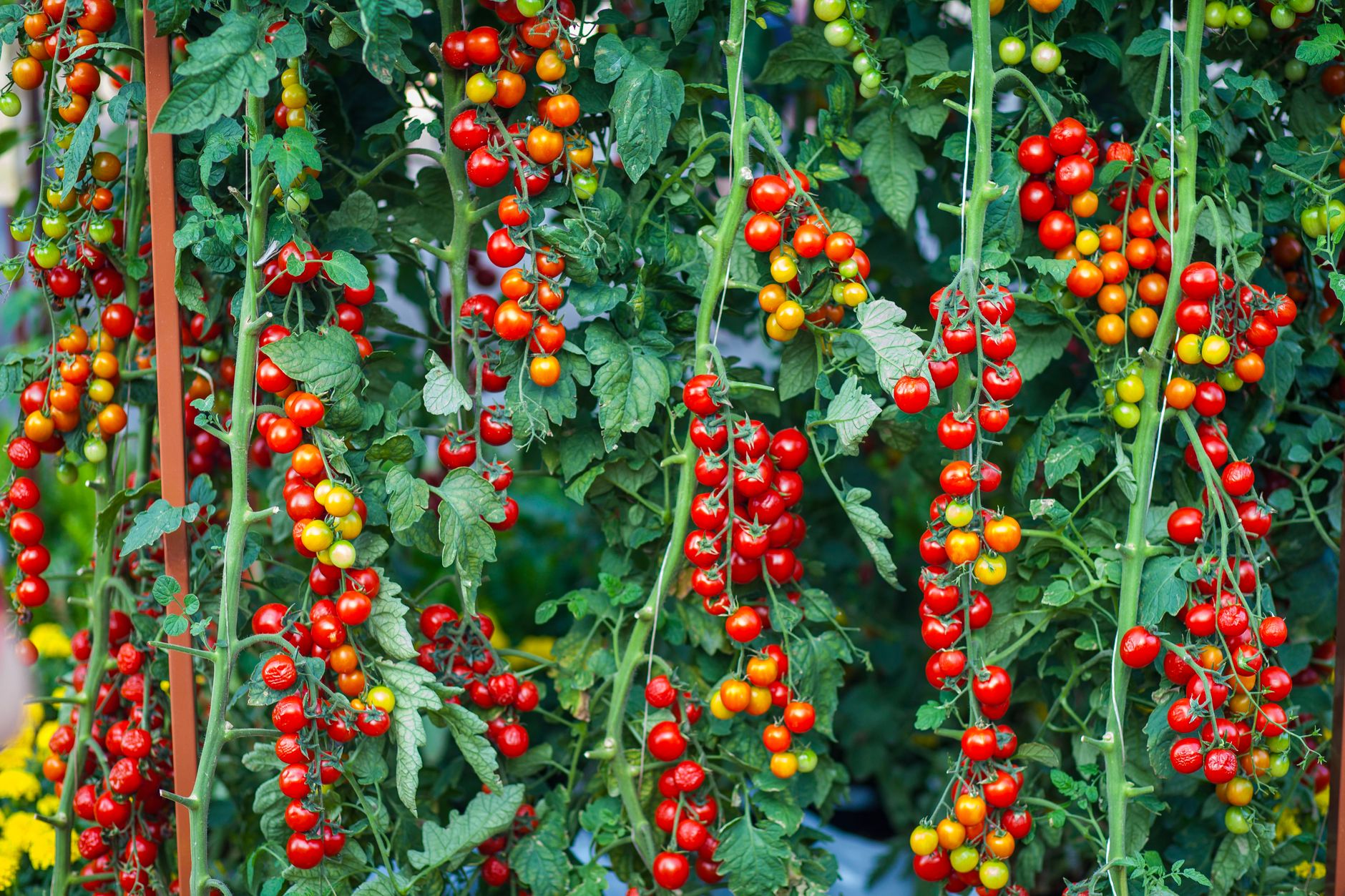
When you start looking for a tomato that delivers usable fruit early in the season, the name Early Girl comes up quickly. It produces medium-sized red slicing tomatoes reliably, often weeks ahead of other standard varieties. But the name covers more than one plant. Standard Early Girl, Early Girl VF, Early Girl VFF, and Bush Early Girl are not the same tomato, and knowing the difference matters for pruning, support, container choice, and harvest expectations. This article covers what Early Girl tomatoes are, how to grow them well, and how to decide which version fits your garden.
Key Takeaways
- Standard vs. Bush Early Girl: Standard Early Girl is indeterminate and keeps producing all season; Bush Early Girl is determinate with a more concentrated harvest. Choose based on your space, support setup, and whether you want continued or batch production.
- Pruning depends on the type: For indeterminate Early Girl, selectively remove suckers and lower leaves for airflow. For Bush Early Girl, avoid heavy sucker pruning since it carries much of its crop on side branches.
- Consistent base watering prevents problems: Water deeply at soil level using drip irrigation or soaker hoses. Overhead watering and uneven moisture increase fungal disease risk and stress the plant.
- Early Girl’s value is timing, not flavor complexity: It delivers early reliable slicing tomatoes, not heirloom-level taste. Grow it alongside heirlooms to get early harvests while waiting for later varieties.
- F1 hybrid status means buy fresh seed: Early Girl is an F1 hybrid, so saved seeds will not produce the same plant. Buy fresh seed each season for predictable results, or save seeds only as an experiment.
Early Girl Tomato at a Glance
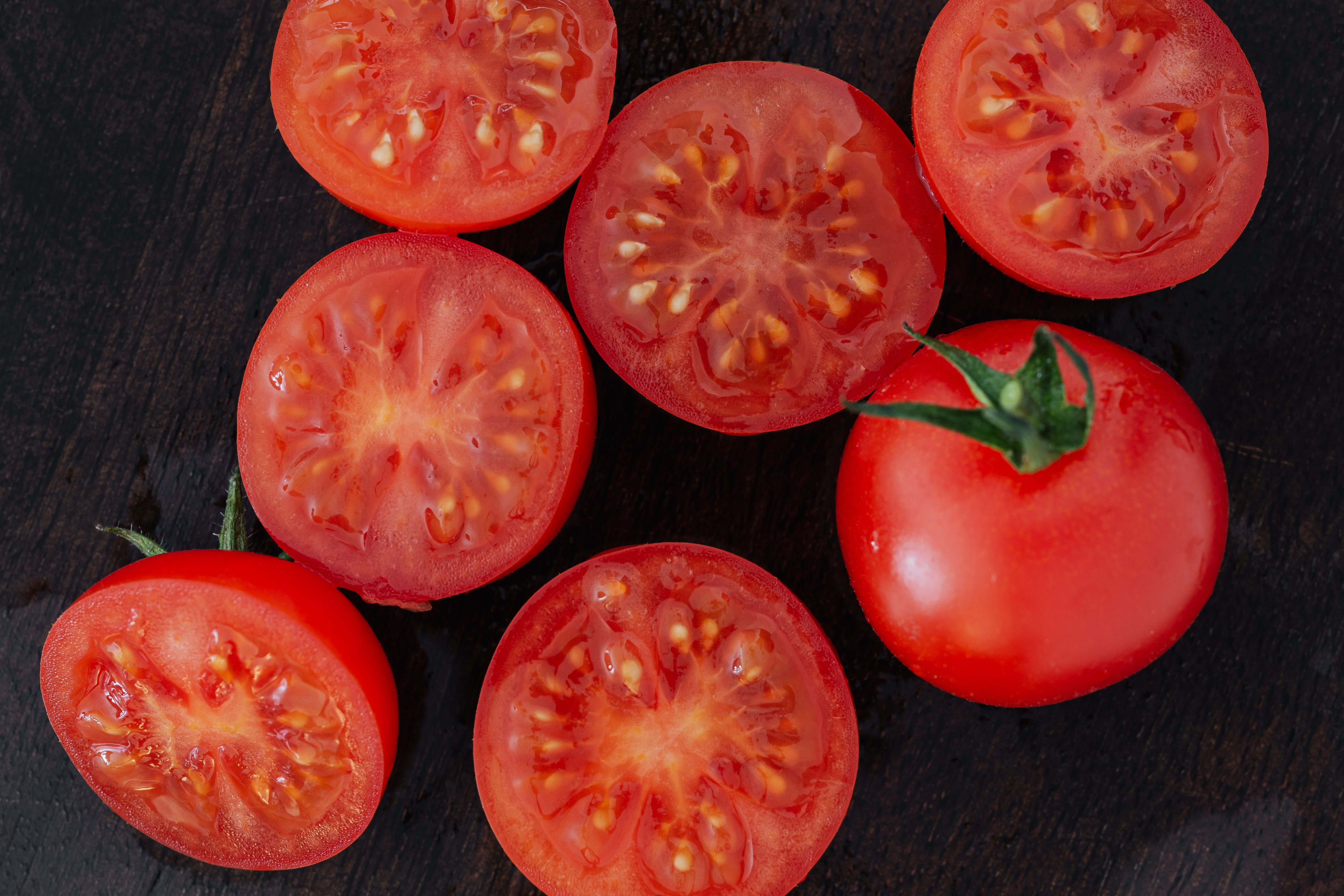
Early Girl is an F1 hybrid slicer developed to produce usable slicing tomatoes earlier than most other medium-sized red tomatoes. The plant is usually indeterminate, meaning it keeps growing and setting fruit until frost or stress stops it. There is also a determinate compact version called Bush Early Girl, which behaves differently.
Early Girl Tomato Quick Facts
| Trait | Early Girl tomato details |
|---|---|
| Tomato type | F1 hybrid slicer / medium red tomato |
| Growth habit | Indeterminate for standard Early Girl; Bush Early Girl is determinate |
| Days to maturity | Commonly listed around 50–60 days from transplant; verify seed source |
| Fruit size | Often 4–6 oz depending on source and strain |
| Best use | Fresh slicing, sandwiches, salads, quick sauces |
| Main strength | Early harvest, reliability, short-season usefulness |
| Disease resistance | VF or VFF depending on strain/source; verify label |
| Main watch-outs | Pruning confusion, hybrid seed saving, heat blossom drop, fungal disease, container watering |
Always check specific seed packet details for days to maturity and resistance codes. Saving seeds from a hybrid will not produce the same plant. The VF designation indicates resistance to Verticillium and Fusarium wilts, but even resistant plants can be affected under high disease pressure.
The Story Behind Early Girl: Why This Tomato Became Popular
Early Girl became popular because it produced slicing tomatoes earlier than most other red hybrids, especially valuable for short-season climates. It is not the most complex-flavored tomato, but it became a dependable early-season workhorse. Gardeners in northern regions or high-elevation areas quickly adopted it as a reliable way to get homegrown tomatoes before summer’s end.
Is Early Girl Tomato Determinate or Indeterminate?
Standard Early Girl is indeterminate, requiring strong support and selective pruning. Bush Early Girl is determinate—compact, shorter harvest window, no tall trellising. Always check the plant tag before pruning.
Early Girl VF, Early Girl VFF, and Bush Early Girl
| Type | Growth habit | Best for | Watch-out |
|---|---|---|---|
| Early Girl | Indeterminate | Early slicers, long harvest window | Needs support and pruning management |
| Early Girl VF | Indeterminate | Early harvest with VF resistance | Verify resistance code by source |
| Early Girl VFF | Indeterminate | Early slicer with expanded Fusarium resistance | May mature slightly differently by source |
| Bush Early Girl | Determinate / compact | Containers, small gardens, compact support | Do not prune like indeterminate Early Girl |
VF/VFF codes refer to resistance to Verticillium and Fusarium wilt, but resistance is not immunity. Bush Early Girl is a separate variety, not a pruned standard plant.
How to Plant and Care for Early Girl Tomatoes
When and Where to Plant Early Girl Tomatoes
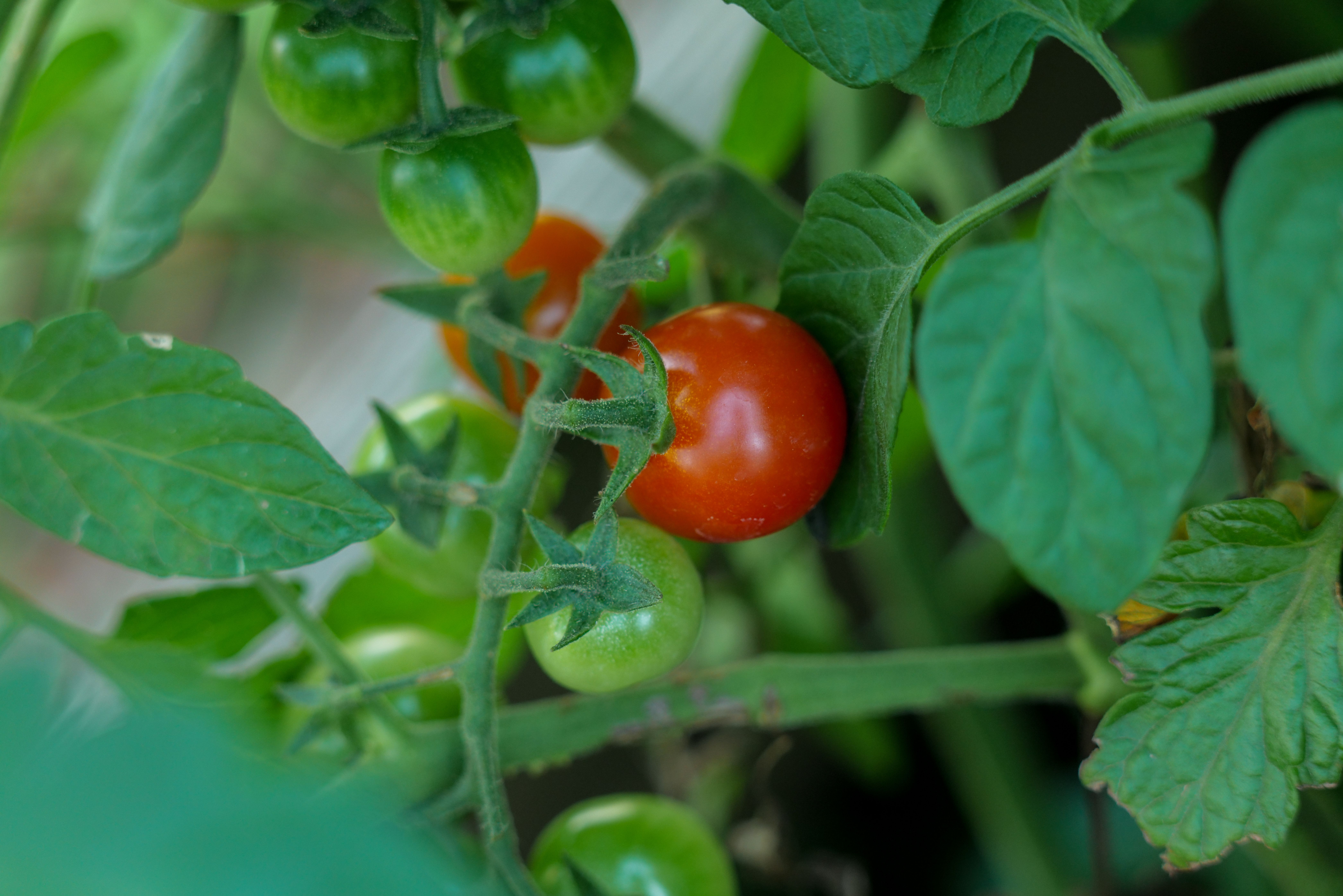
Wait until soil warms to at least 60°F and frost danger passes. Choose full sun (six+ hours), well-drained soil with a pH between 6.0 and 6.8. Amend with compost before planting to improve fertility and drainage. Harden off seedlings over a week by gradually exposing them to outdoor conditions. Rotate away from previous tomato-family crops (peppers, eggplant, potatoes) if disease pressure is high. Plant deeply up to first true leaves to encourage root growth.
Spacing, Cages, and Support for Early Girl
Install strong support at planting time to avoid disturbing roots later. Space standard Early Girl 24–36 inches apart for airflow. For Bush Early Girl, use a shorter cage about 3–4 feet tall; do not trellis like an indeterminate vine. Avoid letting plants sprawl on the ground, which invites disease and pest damage. For indeterminate types, consider a Florida weave (using stakes and twine) or sturdy tomato cages at least 5 feet tall. Prune the lower branches to keep foliage off the soil.
Watering Early Girl Tomatoes: Consistent Moisture vs. Dry Farming
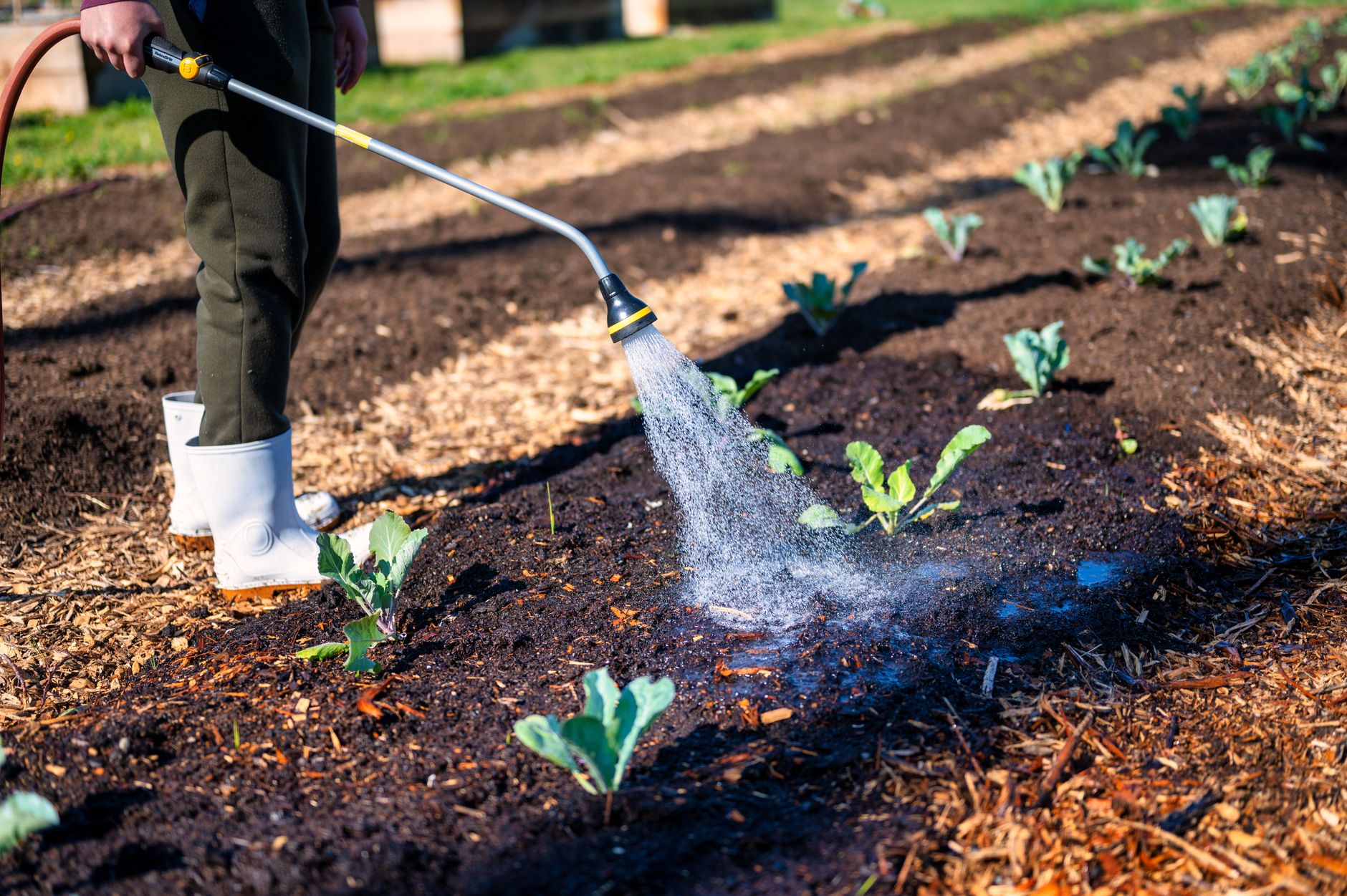
Use drip irrigation or soaker hoses at soil level to keep foliage dry. Apply a 2–3 inch layer of organic mulch (straw, wood chips, or shredded leaves) to reduce moisture swings and soil splash. For most home gardens, consistent moisture produces reliable harvests. Aim for about 1–2 inches of water per week, adjusting for rainfall. Inconsistent watering can lead to blossom end rot and cracked fruit. In hot dry spells, water deeply two to three times per week rather than light daily sprinkling.
Fertilizing for Early Fruit Without Too Much Leaf Growth
Use a balanced fertilizer (such as 10-10-10) at planting; avoid excess nitrogen, which pushes leaves at the expense of fruit. After fruit set, light side-dress only if needed. A 5-10-10 or similar low-nitrogen formula works well. Overfertilized plants may look lush but produce few flowers. Organic gardeners can use compost tea or a slow-release tomato fertilizer. Stop fertilizing once fruits begin to ripen to avoid splitting and delay.
How to Prune Early Girl Tomatoes Without Hurting the Harvest
For standard indeterminate Early Girl: remove lower leaves touching soil and selectively prune suckers if training to one or two stems, but do not strip the plant bare. For Bush Early Girl: do not heavy sucker-prune; most yield comes from side branches. A good rule for indeterminate types is to prune only below the first flower cluster once established. Remove any damaged or diseased foliage promptly to maintain airflow.
Growing Early Girl Tomatoes in Containers
Standard Early Girl needs a large pot (5+ gallons) and frequent watering, often daily in hot weather. Bush Early Girl is better for containers and can thrive in a 3–5 gallon pot. Use quality potting mix, not garden soil, and one plant per pot. Ensure drainage holes are clear. Expect lower yield than in-ground but still satisfying. Containers dry out faster, so check moisture daily and consider self-watering pots or adding a water-retaining amendment.
Early Girl vs. Other Tomato Varieties
| Variety/type | Best for | Strength | Watch-out |
|---|---|---|---|
| Early Girl | First slicers, short seasons, reliability | Very early harvest, indeterminate production | Flavor may feel standard to heirloom lovers |
| Better Boy | Larger red slicers, longer-season | Bigger fruit, classic garden tomato | Later than Early Girl |
| Celebrity | Reliable compact hybrid, disease pressure | Disease resistance, manageable habit | Not as early as Early Girl in many sources |
| Heirloom slicers | Distinctive flavor and color | Strong character, diversity | Often later, less predictable, more disease-sensitive |
| Cherry tomatoes | Insurance crop and snacking | Productive and forgiving | Not a medium slicer |
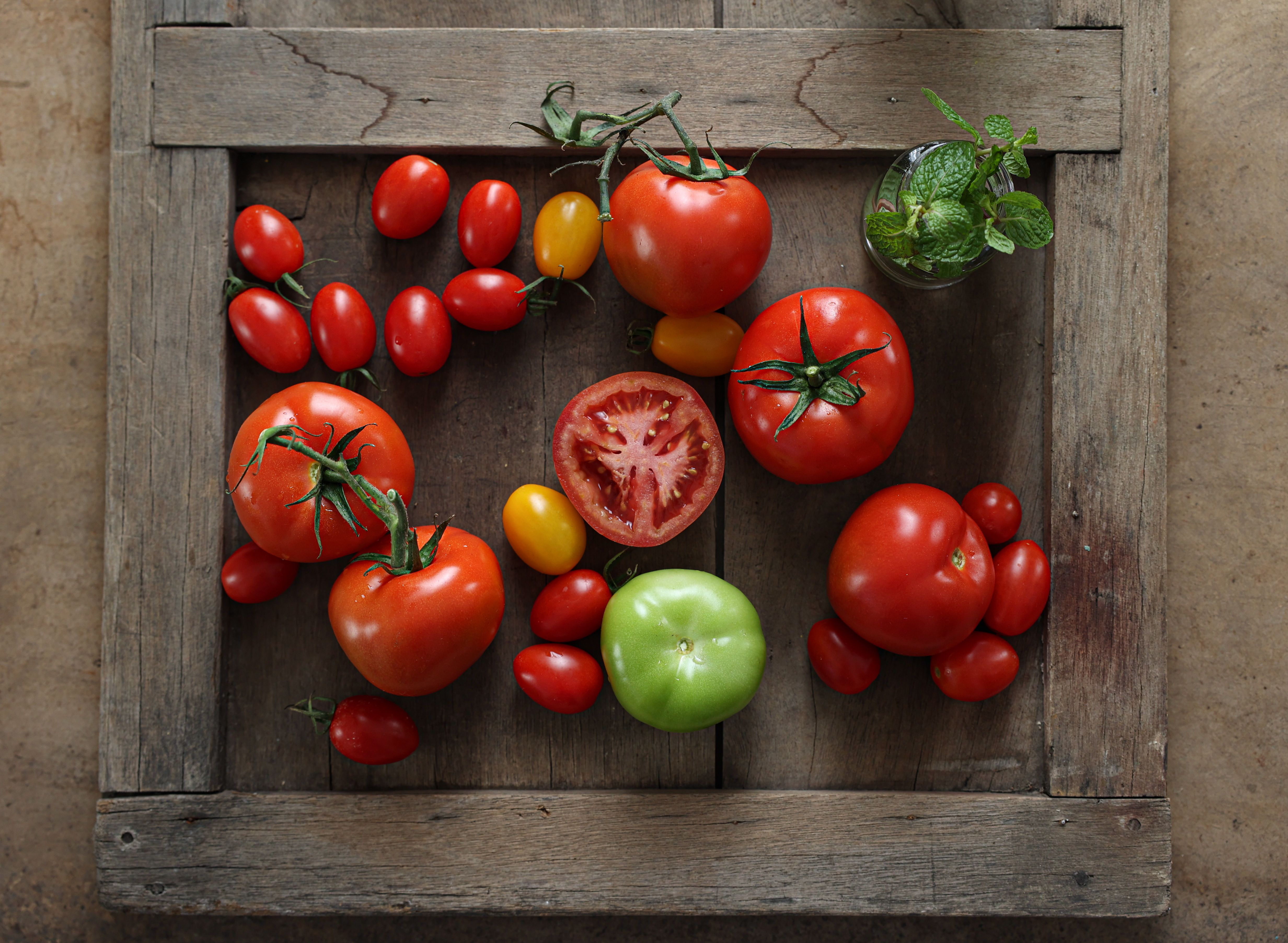
Many gardeners grow Early Girl alongside heirlooms for early harvests while waiting for slower tomatoes.
Why Grow Early Girl If Heirlooms Taste Better?
The value is timing and reliability. Early Girl gives usable slicing tomatoes weeks before many heirlooms, especially in short-season climates. Grow both—use Early Girl for early slicers and heirlooms for flavor later. It is also more disease-tolerant than many heirlooms, making it a lower-risk choice for beginners.
Bush Early Girl vs. Early Girl: Which Should You Choose?
Choose standard Early Girl for garden space, tall support, and long-season production. Choose Bush Early Girl for containers, small beds, or a concentrated flush of fruit useful for processing or canning.
Early Girl for Cool, Short, Hot, or Dry Gardens
Short-season gardeners benefit most; warm soil with black plastic or row covers. In hot climates, Early Girl may stop setting fruit during heat waves; plant early or use shade cloth. In high humidity areas, prioritize good airflow and disease-resistant strains like Early Girl VFF. For dry gardens, deep mulching and drip irrigation help maintain moisture.
Early Girl Tomato Problems and Troubleshooting
| Symptom | Possible cause | What to check | What to do |
|---|---|---|---|
| Leaves curl upward | Heat, drought stress, transplant shock, over-pruning | Weather, water, recent pruning | Stabilize water and reduce stress |
| Lower leaves yellow | Aging, nutrient movement, water stress | Pattern and plant age | Remove declining lower leaves; monitor |
| Yellow leaves with spots | Early blight, Septoria, fungal leaf spot | Lower leaves, wet foliage, soil splash | Remove affected leaves, mulch, improve airflow |
| Distorted new growth | Herbicide drift, virus, severe stress | New leaves, nearby spraying | Diagnose before pruning/fertilizing |
| Wilting in heat | Water stress, root issue, disease | Soil moisture, roots, recovery at night | Water deeply and verify cause |
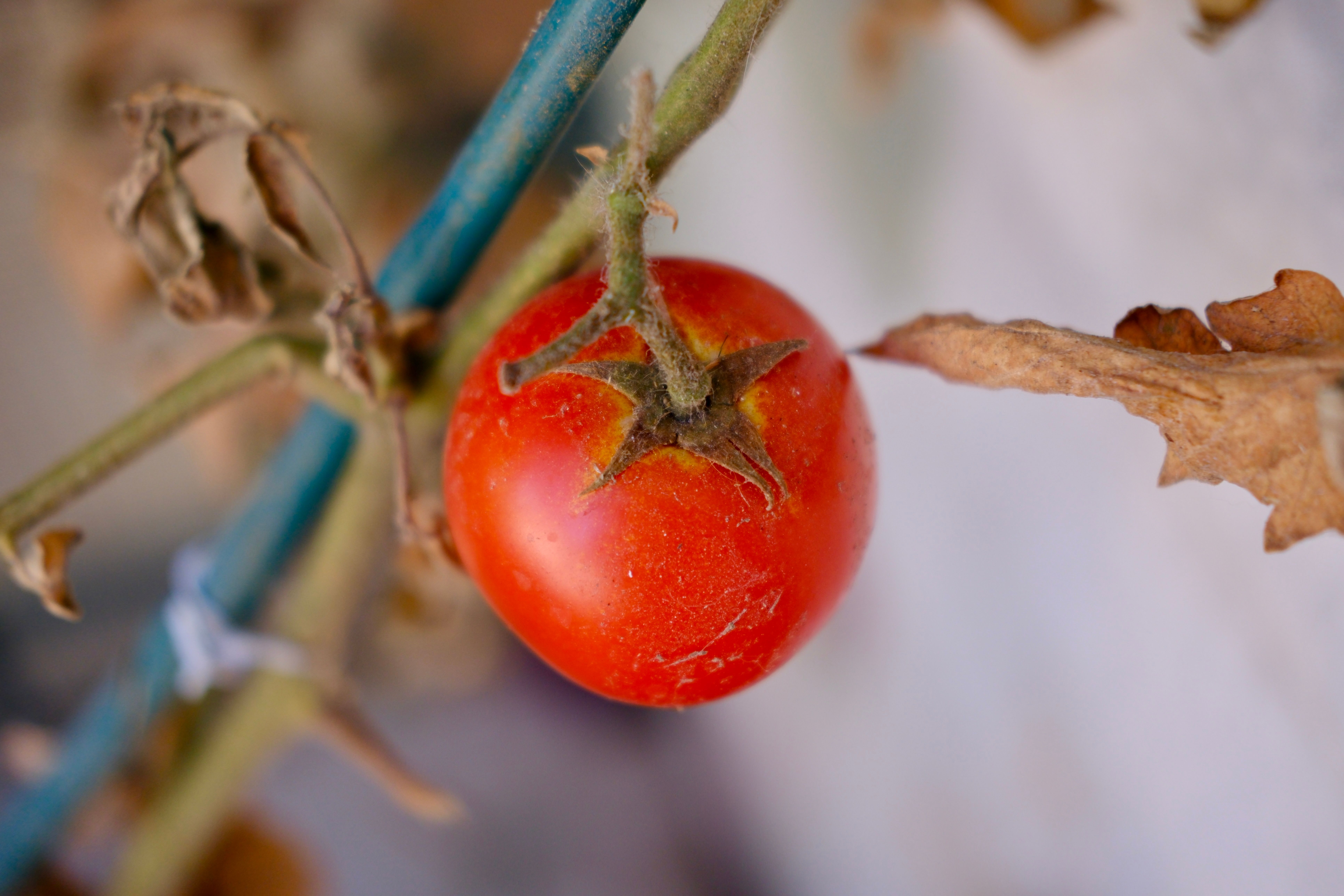
| Blossom end rot | Calcium deficiency, inconsistent watering | Fruit bottom, watering pattern | Mulch, stabilize moisture, avoid overfertilizing with nitrogen |
Overhead watering and dense foliage increase fungal risk. Keep leaves off soil, water at base, improve airflow. Do not compost diseased plant material.
Why Early Girl Flowers Drop or Do Not Set Fruit
Blossom drop usually results from temperature extremes (above 90°F days or below 55°F nights) or excess nitrogen. Tomatoes are self-pollinating but benefit from wind or gentle shaking. If in a hot spell, provide light afternoon shade or shade cloth. In cool weather, wait for temperatures to stabilize. Avoid heavy nitrogen fertilizer after flowers appear.
Why Are My Early Girl Tomatoes Ripening All at Once?
If standard indeterminate Early Girl ripens all at once, you may have Bush Early Girl, a mislabeled plant, or stress from heat/water fluctuation causing a flush. If the plant continues flowering after the flush, it is behaving indeterminately.
Can You Save Seeds from Early Girl Tomatoes?
Early Girl is an F1 hybrid. Saved seeds will not reliably produce the same plant. Buy fresh seed each season for predictable results.
Harvesting and Using Early Girl Tomatoes
When to Pick Early Girl Tomatoes
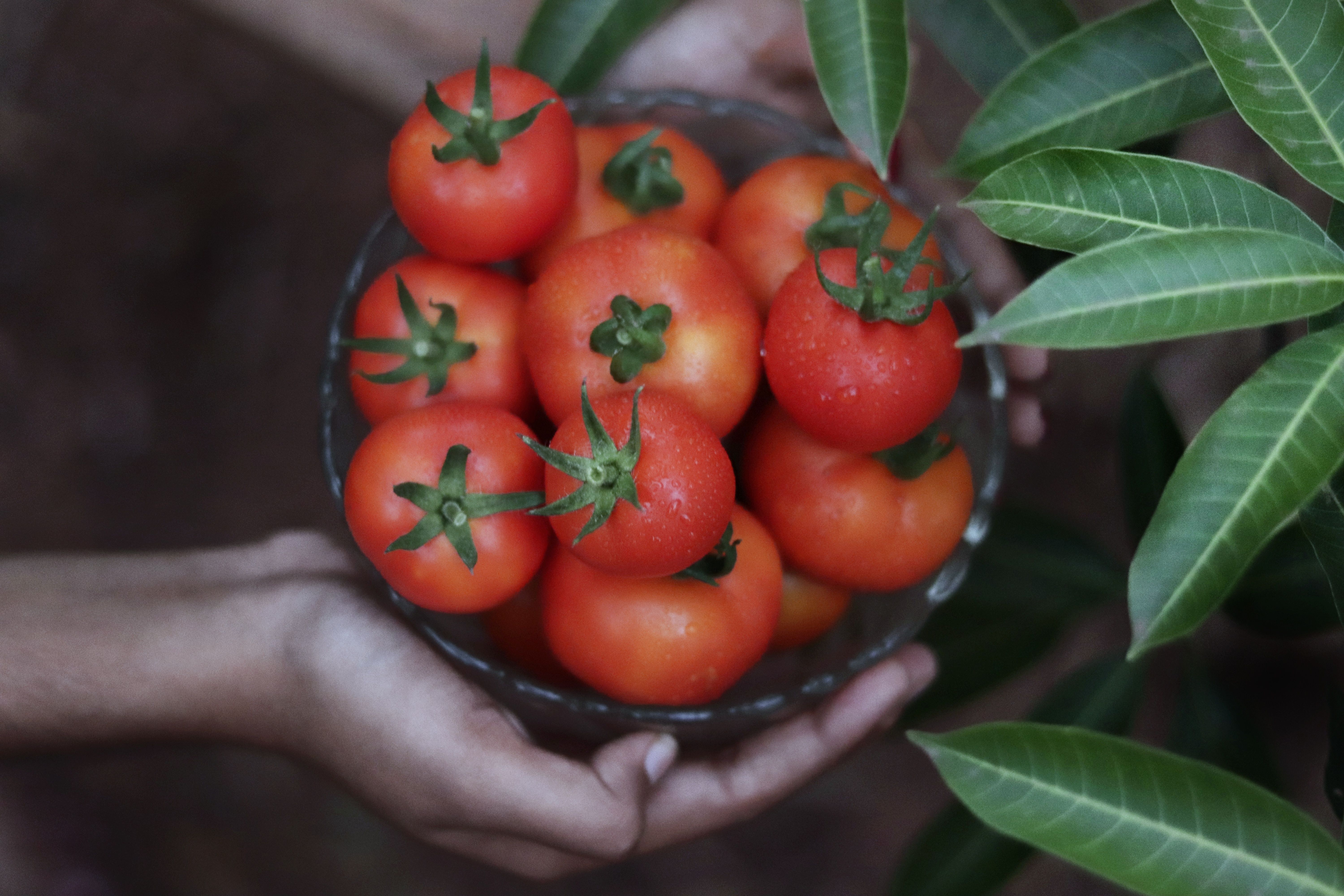
Pick when fully colored, or at breaker stage (first blush of color) if pests or storms threaten. Harvest regularly to encourage continued production. For indeterminate types, picking every few days during peak season keeps the plant productive and prevents overripening on the vine.
What Early Girl Tomatoes Taste Like and What They Are Best For
Early Girl is a reliable, tomato-forward slicer—not complex like a Brandywine, but solid fresh flavor with good acidity. Best for sandwiches, salads, burgers, quick sauces. Main strength is early production, not flavor complexity, but it holds its own in fresh dishes.
How to Store Early Girl Tomatoes
Store whole ripe tomatoes at room temperature for a few days. Refrigerate cut tomatoes for safety. If whole tomatoes are about to over-soften, short refrigeration can preserve them; let them come to room temperature before eating for better flavor. Do not store unripe tomatoes in the fridge; place them on the counter out of direct sun.
Conclusion
Early Girl tomatoes earn their popularity through early production and reliable performance. Success comes from matching the variety to your space and understanding its growth habit. Provide full sun, consistent base watering, strong support, and appropriate pruning. Early Girl is not the most complex-flavored tomato, but as an early dependable slicer, it earns a spot in many gardens. For best results, combine it with later heirlooms to enjoy fresh tomatoes from midsummer through fall.
FAQ
Are Early Girl tomatoes determinate or indeterminate?
Standard Early Girl is indeterminate; Bush Early Girl is determinate. Check the plant tag before pruning or choosing support.
Do Early Girl tomatoes produce all season long?
Standard indeterminate Early Girl can keep producing until frost or stress ends the season. Bush Early Girl has a more concentrated harvest window of about 2–3 weeks.
Can I save seeds from Early Girl tomatoes?
Early Girl is an F1 hybrid, so saved seeds will not reliably produce the same plant. Buy fresh seed for predictable results.
What is the difference between Early Girl and Bush Early Girl?
Early Girl is a vining indeterminate tomato for continued harvest. Bush Early Girl is a compact determinate version better suited to containers and small spaces, with a shorter harvest period.
You Might Also Like