How to Grow and Care for Beefsteak Tomatoes
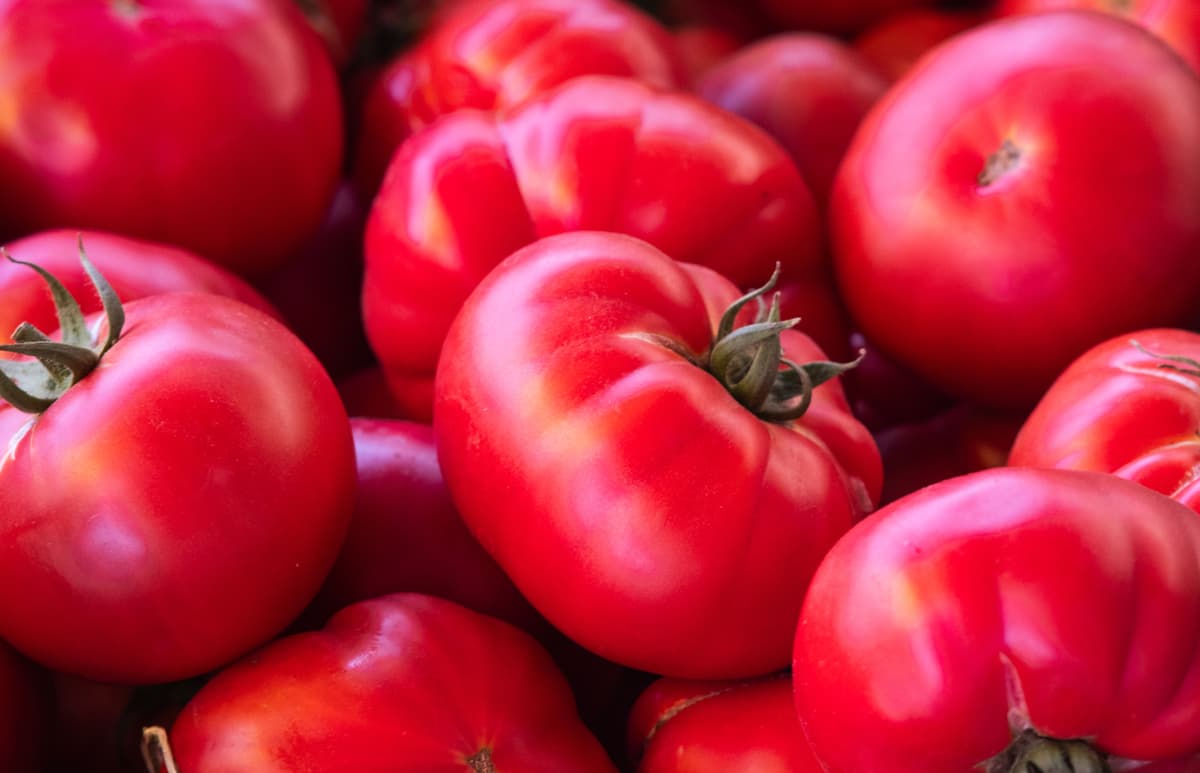
If you have ever bitten into a thick, juicy slice of tomato on a sandwich, you were likely eating a beefsteak tomato. These large, heavy fruits are the gold standard for fresh slicing but are often considered trickier to grow than smaller types. Their dense flesh, rich flavor, and impressive size make them a favorite among home gardeners. This guide explains what beefsteak tomatoes are, how they differ from other categories, and how to grow them successfully.
Key Takeaways
- Beefsteak is a category, not a single variety: Varieties like Big Beef, Brandywine, and Cherokee Purple differ in flavor, disease resistance, and heat tolerance. Match your variety to your climate.
- Strong support and consistent watering are non-negotiable: Indeterminate vines can exceed 30 pounds by midsummer. Uneven watering leads to cracking, blossom end rot, and poor fruit size.
- Heat above 90°F can stop fruit set: Days above 90°F and nights above 75°F cause blossom drop in many beefsteak varieties. Heat-tolerant hybrids and careful timing improve success.
- Prune according to climate: Removing suckers improves airflow and fruit size, but over-pruning in hot climates exposes fruit to sunscald. Keep leaf cover to shade fruit.
- Beefsteak tomatoes are for fresh slicing: Their dense, juicy interior makes them ideal for sandwiches and salads. Use cracked or overripe fruit for cooking; choose paste tomatoes for sauce.
Beefsteak Tomatoes at a Glance: What They Are and Which Type to Grow
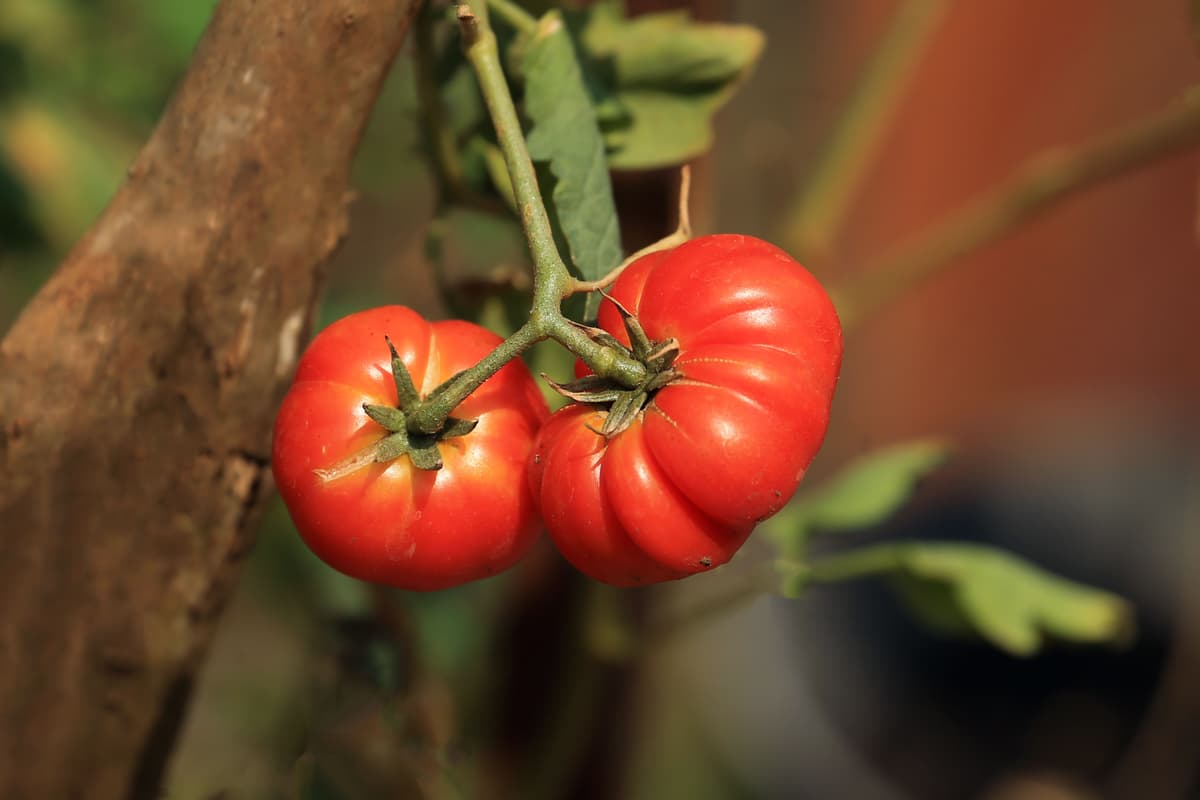
A beefsteak tomato is a category grown for large fruit size, dense flesh, and juicy interior. Most are slicing tomatoes best used fresh rather than cooked. Fruit typically weighs 8 ounces to over 2 pounds, with some heirlooms exceeding 3 pounds. Fruit is often lobed and irregular, with many seed compartments. Beefsteak plants are almost always indeterminate, requiring strong support and a longer season.
Beefsteak Tomato vs. Cherry, Roma, and Regular Tomatoes
Beefsteak tomatoes produce the largest fruit with dense, juicy flesh. Cherry tomatoes are smaller, faster, and more forgiving — they set fruit reliably even in heat. Roma or paste tomatoes have meatier, drier interiors and are standard for sauce. For a gardener who wants both fresh eating and sauce, growing a few beefsteaks alongside paste tomatoes is smart. Regular slicing tomatoes, like Better Boy, are medium-sized and more heat-tolerant than many beefsteaks.
Why “Beefsteak Tomato” Is a Category, Not One Variety
“Beefsteak” describes a type of fruit: large, lobed, dense, with many seed compartments. Varieties like Big Beef, Brandywine, Cherokee Purple, Mortgage Lifter, and German Johnson all qualify, though they differ in flavor, color, disease resistance, and heat tolerance. Always check specific variety traits before planting. Understanding that “beefsteak” is not a single variety helps you choose the right one for your garden conditions.
Popular Beefsteak Tomato Varieties and What They Are Best For
Choose based on your climate and goals. For reliable large fruit with disease resistance, consider Big Beef (73 days). For heirloom flavor, Brandywine (80–100 days, not heat-tolerant) or Cherokee Purple (80 days, warm-region heirloom). For hot climates, use heat-tolerant hybrids like Heatmaster or Phoenix. For short seasons, try Early Girl Bite-sized (65 days). Check days to maturity and match to your growing season. Growing two or three different varieties can extend your harvest window and provide variety in flavor.
Are Beefsteak Tomatoes Harder to Grow?
Beefsteaks are less forgiving than cherry tomatoes. Large fruit takes longer (70–90+ days) and is prone to catfacing, blossom end rot, splitting, and slow ripening. Heavy vines need strong support and consistent watering. However, with proper variety selection and attentive care, they are rewarding. Grow a reliable cherry or medium slicer alongside as insurance. Many experienced gardeners find that starting with a disease-resistant hybrid like Big Beef reduces early frustrations.
How to Plant and Grow Beefsteak Tomatoes for Big Fruit
When and Where to Plant
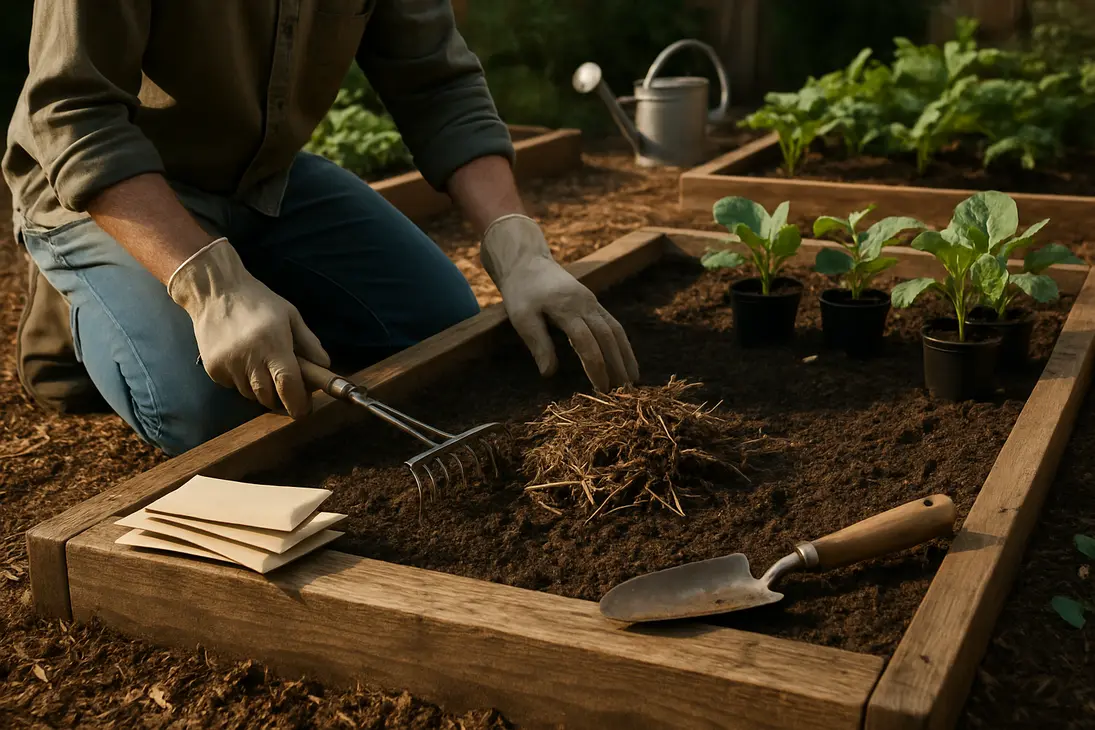
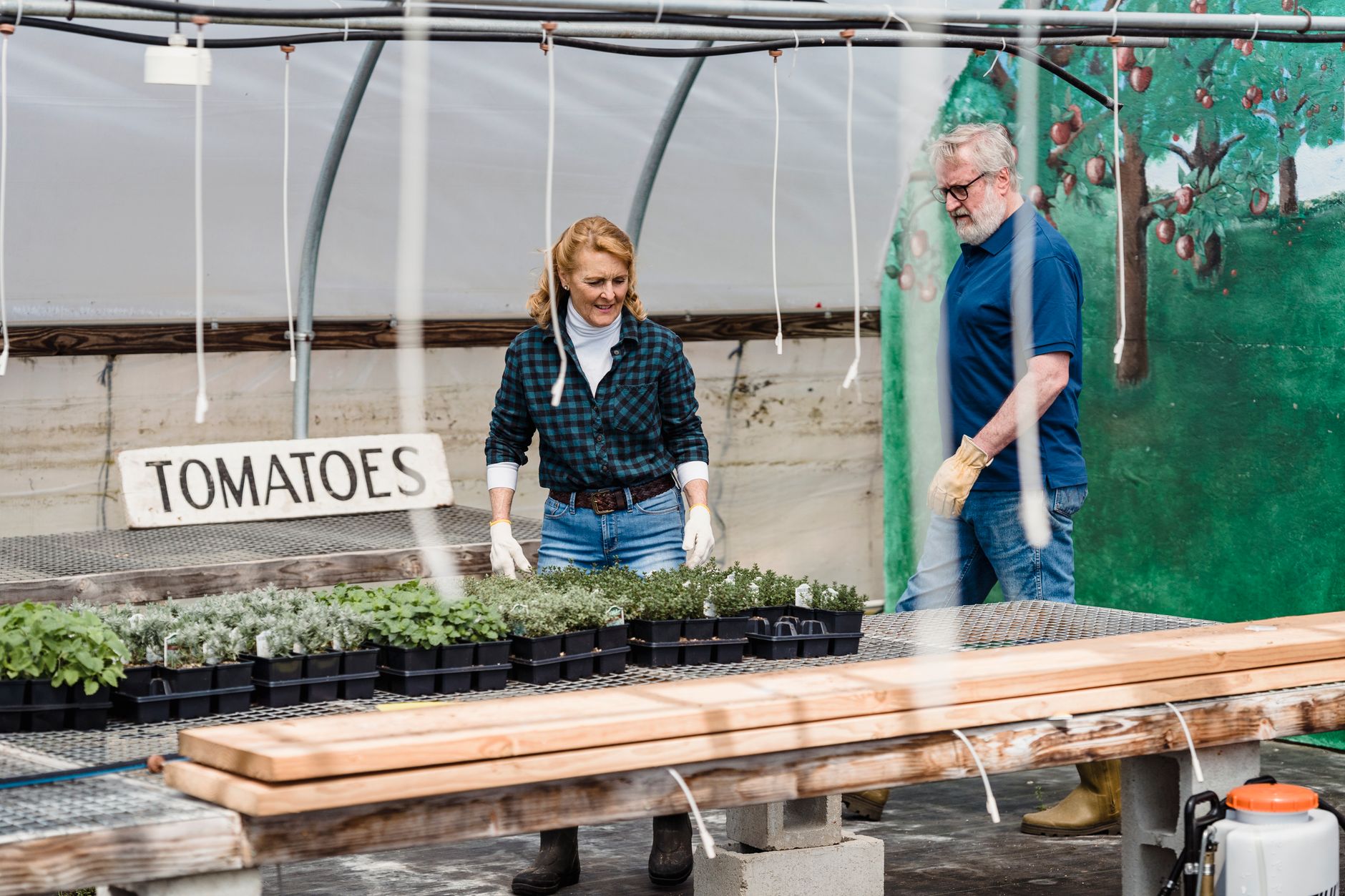
Plant after last frost and when soil is at least 60°F. Start seeds indoors 6–8 weeks before transplant. Choose a full-sun location (8+ hours), with fertile, well-drained soil. Incorporate compost a few weeks before planting. Plant seedlings deeply, burying two-thirds of the stem. Space 24–36 inches apart for good airflow. In cooler climates, use black plastic mulch to warm the soil. In hot climates, use reflective mulch or straw to keep roots cooler. Adding a handful of bone meal or crushed eggshells to the planting hole supplies calcium for blossom end rot prevention.
Strong Support for Heavy Plants
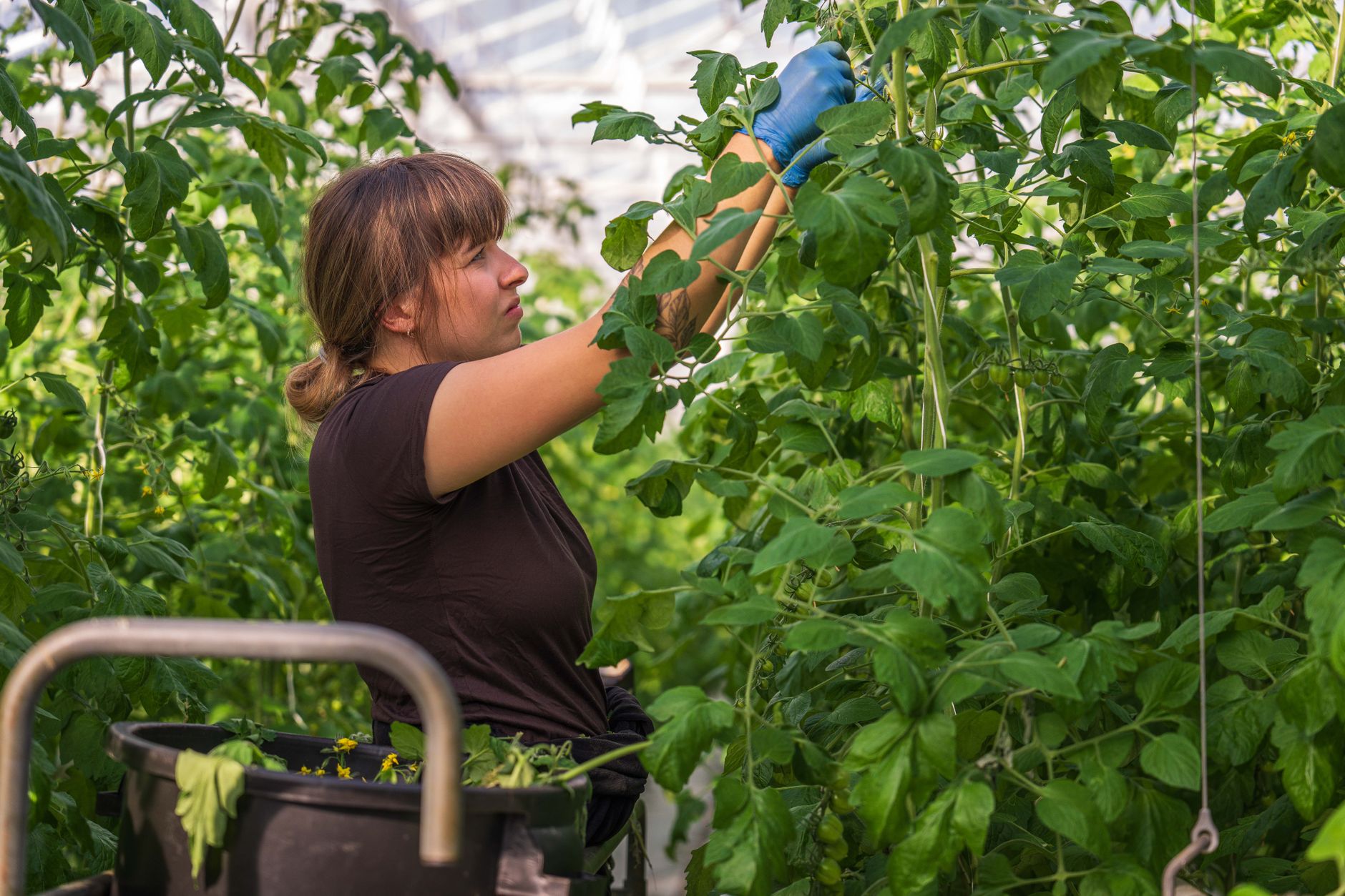
Ordinary small cages are insufficient. Use tall cages made from concrete reinforcing wire (6-foot, 6-inch mesh), sturdy stakes 6+ feet, trellises, Florida weave, or vertical strings. Install supports at planting time to avoid root damage. Strong support keeps fruit off the ground and improves airflow. For heavy-fruited varieties, consider using a combination of stakes and cages for extra stability. Prune to 1–2 main stems when using a stake trellis system to reduce weight.
Watering and Fertilizing Without Cracking or Leafy Growth
Water deeply and consistently: 1–2 inches per week. Use drip irrigation or soaker hoses to keep foliage dry. Mulch with 3–4 inches of straw or shredded leaves to maintain even moisture. Fertilize at planting with a balanced slow-release fertilizer (5-10-10 or 10-10-10). Once flowering begins, switch to lower-nitrogen fertilizer (5-10-10) to avoid excessive leafy growth. Uneven watering causes blossom end rot more often than calcium deficiency; consistent moisture is the best prevention. During fruiting, side-dress with compost every three weeks or apply a liquid tomato food high in phosphorus and potassium.
Should You Prune Beefsteak Tomato Plants?
Prune according to climate. In cooler, short-season climates, train to 1–2 main stems and remove all other suckers to focus energy into fruit. In hot, sunny climates, leave more suckers to shade fruit from sunscald. Always remove lower leaves that touch the soil or show disease. Use clean, sharp pruners. For indeterminate varieties, pruning also improves air circulation, reducing the risk of fungal diseases. Avoid pruning during wet weather to prevent infection.
Growing Beefsteak Tomatoes in Containers
Use a minimum 5-gallon container; 7–10 gallons is better for full-sized fruit. Use high-quality potting mix, not garden soil. Expect smaller yields and more frequent watering — container soil dries faster. Water daily in hot weather and feed every two weeks with balanced liquid fertilizer. One plant per large container. For limited space, consider dwarf large-fruited varieties like Bushsteak or Patio Princess. Place containers where they get full sun but can be moved to shade during extreme heat.
Climate and Fruit Set: Why Beefsteak Tomatoes Struggle in Heat, Humidity, or Short Seasons
Beefsteak Tomatoes in Hot and Humid Climates
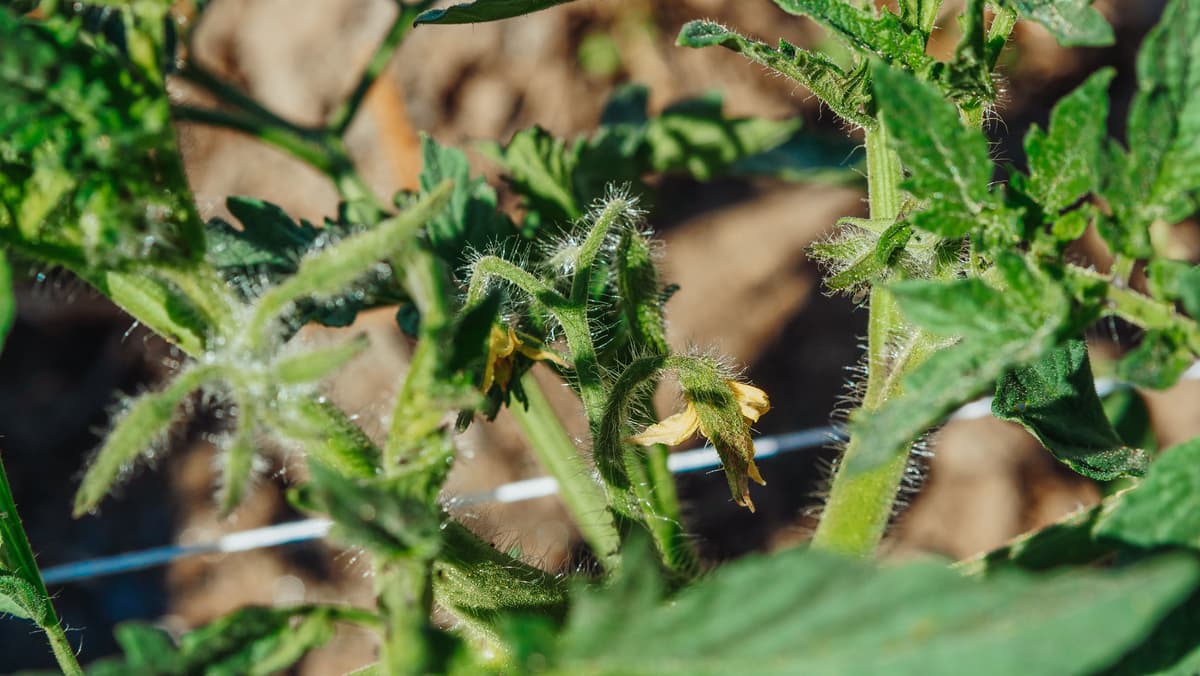
Daytime temperatures above 90°F and nights above 75°F cause blossom drop and reduce fruit set. Humidity increases foliar diseases. Time spring planting to mature before peak summer heat. Use shade cloth (30–40% reduction) only during extreme heat. Heat-tolerant hybrids like Heatmaster, Sunmaster, or Phoenix outperform classic heirlooms. Grow heirlooms in spring and fall; reserve summer for heat-set varieties. In high-humidity regions, space plants wider (36 inches) and prune lower leaves to improve air movement.
Why Beefsteak Flowers Drop or Refuse to Set Fruit
Flower drop results from temperature stress (too hot or too cold), water stress, or excess nitrogen. Cherry tomatoes tolerate wider temperature ranges. If your climate regularly exceeds 90°F, grow smaller-fruited types alongside. Try hand-pollinating by tapping flowers in the morning. If blossoms drop but new ones form, fruit may set when temperatures moderate. To support fruit set, avoid over-fertilizing with nitrogen and maintain even soil moisture. A light application of liquid kelp or fish emulsion can help reduce stress during heat waves.
Short-Season Beefsteak Strategy
In areas with fewer than 90 frost-free days, choose early-maturing varieties like Early Girl Bite-sized (65 days) or Gladiator (70 days). Start seeds indoors 8 weeks before last frost and use season extension methods like row covers or mini greenhouses. About 4 weeks before first frost, “top” the plant to direct energy into ripening existing fruit. Pick fruit at breaker stage and ripen indoors at 65–70°F. Using black plastic mulch and walls of water can add an extra few weeks of heat to the season.
Beefsteak Tomato Problems: Small Fruit, Catfacing, Splitting, Sunscald, and Seed Mix-Ups
Why Are My Beefsteak Tomatoes Small?
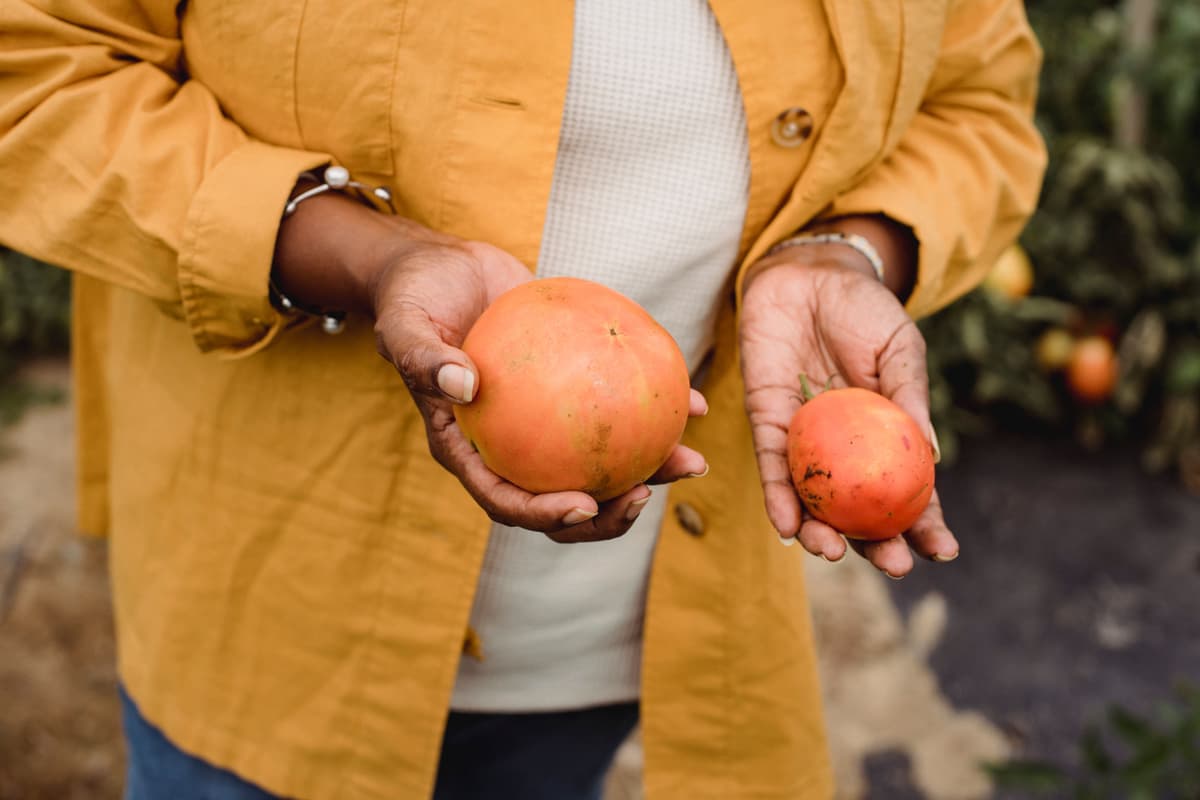
Possible causes: variety genetics, heat stress, poor pollination, container limits, inconsistent watering, low fertility, or heavy fruit load. Fixes: use a larger container, water consistently, side-dress with balanced fertilizer once fruit are marble-sized, thin fruit clusters to 3–4 per truss, and choose a variety known for large size in your climate. If you are growing in a container, make sure the pot is large enough to accommodate an extensive root system.
Catfacing, Misshapen Fruit, and Blossom-End Scars
Catfacing is a physiological disorder from cool temperatures (below 55°F) during flower formation, common in large-fruited tomatoes. First fruits are most affected. The fruit is edible after trimming damaged areas. Remove severely deformed fruit. Heirlooms like Brandywine are more prone; hybrids like Big Beef are less so. To minimize catfacing, avoid planting too early when soil is still cool, and protect young plants from cold snaps with row covers.
Blossom End Rot, Splitting, and Sunscald
Blossom end rot: caused by calcium uptake issues from moisture stress; consistent watering and mulch are the best preventatives. Splitting: caused by heavy rain after a dry period; pick nearly ripe fruit before storms. Sunscald: pale patches from over-pruning; keep leaf cover to shade fruit. Mulching heavily helps buffer moisture fluctuations that cause splitting and blossom end rot.
Did Your Beefsteak Seeds Grow the Wrong Tomato?
Seed mix-ups, mislabeled packets, or saving hybrid seed can produce unexpected fruit. Buy from reliable sources. If only a few fruits are odd, stress or catfacing is likely. If every fruit is wrong, you likely have a different variety — still edible. To avoid this, keep seed packets labeled and store them in a cool, dry place.
Sick Beefsteak Plant Symptoms
Common diseases: early blight (dark spots with concentric rings on lower leaves), Septoria leaf spot (small spots with dark borders), late blight (white fuzzy mold), Fusarium/Verticillium wilt (yellowing and wilting). Prevention: space plants for airflow, water at soil level, apply thick mulch, rotate crops, remove diseased leaves promptly. For late blight, contact local extension. No cure for wilt diseases; remove infected plants. For bacterial spot, use copper-based sprays at first sign.
Harvesting, Storing, and Using Beefsteak Tomatoes
When to Pick for Best Flavor
Pick when fully colored and slightly yielding to gentle pressure. Color varies by variety. Green shoulders are common in heirlooms and not a defect. Pick nearly ripe fruit before a storm. Mature fruit at breaker stage will ripen indoors with good flavor. The best flavor develops when fruit ripens on the vine in warm, sunny weather.
Best Ways to Use Fresh
Beefsteaks excel in sandwiches, burgers, salads, caprese, and BLTs. Their thick slices hold up well. Simply add salt, pepper, and olive oil. Homegrown flavor surpasses store-bought. For a simple side, slice large beefsteaks, drizzle with balsamic vinegar and olive oil, and top with fresh basil.
When to Cook
Use cracked, overripe, or imperfect fruit for roasting, quick sauces, and soups. Beefsteak sauce takes longer to thicken than paste tomatoes. For serious canning, grow Roma or San Marzano alongside. Roasting beefsteak halves at 300°F with garlic and herbs concentrates their flavor and reduces water content.
How to Store and Ripen
Store whole ripe tomatoes at room temperature, stem-side up, away from direct sun. Do not refrigerate unless necessary — cold below 55°F destroys texture and flavor. To ripen indoors, place in a single layer in a box at 65–70°F with good airflow. Adding an apple or banana to the box can speed ripening with ethylene gas.
Conclusion
Beefsteak tomatoes reward careful gardeners with excellent fresh-eating fruit. They demand strong support, consistent care, and favorable weather, but the payoff is unmatched. By matching variety to climate, providing proper support and watering, and harvesting at the right time, you can enjoy juicy, flavorful tomatoes that no store-bought version can replicate. Don’t be discouraged by initial challenges — even a few perfect beefsteak slices make the effort worthwhile.
FAQ
What are beefsteak tomatoes best for?
Beefsteak tomatoes are best for fresh slicing—sandwiches, burgers, salads, and caprese. Their dense, juicy flesh delivers rich flavor. Cooking is a good use for cracked or overripe fruit, but paste tomatoes are better for sauce.
Are beefsteak tomatoes difficult to grow?
Beefsteaks are manageable but less forgiving than cherry tomatoes. They need strong support, a longer season, consistent watering, and favorable temperatures. Hot or humid climates can be challenging, but heat-tolerant hybrids and careful timing improve success.
Why are my beefsteak tomatoes small or misshapen?
Small fruit can result from variety genetics, heat stress, poor pollination, container limits, inconsistent watering, low fertility, or heavy fruit load. Misshapen fruit is often catfacing from cool temperatures during flower formation—it’s edible after trimming. Adjust watering and fertilization, and choose a suitable variety.
Can I grow beefsteak tomatoes in Florida or hot humid climates?
Yes, but timing, variety choice, and disease prevention are critical. Heat-tolerant hybrids like Heatmaster and Phoenix outperform heirlooms in midsummer heat. Plant for peak harvest in late spring and fall, not midsummer. Use drip irrigation, mulch, and wide spacing.
You Might Also Like