Can You Water Moss With Tea?
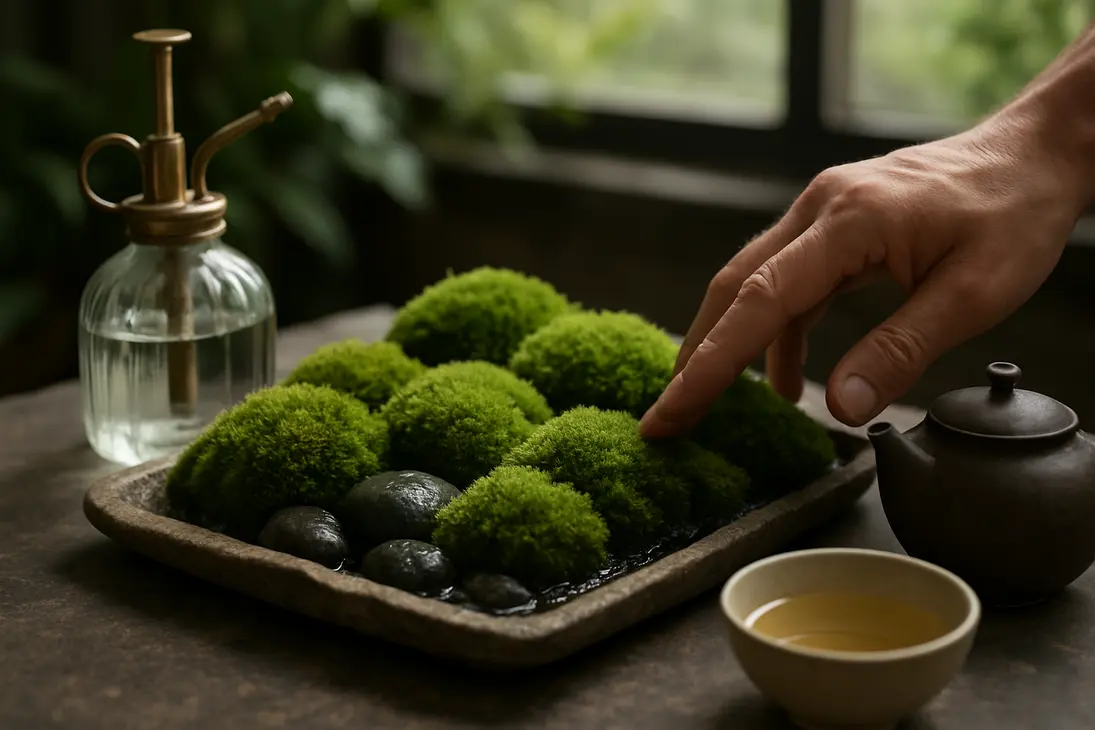
Yes, you can water moss with tea in a limited, experimental way—but it is not a good everyday choice. Plain, weak, cooled, unsweetened tea is unlikely to kill healthy moss if used once in a while. However, moss generally does better with clean, low-mineral water and steady moisture.
The safest answer is: watering moss with tea should be occasional at most, not routine. If you try it, use only diluted black or green tea, test a small patch first, and stop if you see browning, mold, slime, sour smells, or residue.
Tea may seem harmless because it is natural, but moss is sensitive to moisture, minerals, airflow, and surface conditions. Natural liquids can still create problems.
Is Tea Good for Moss?
Tea is not necessary for moss. It may be tolerated in small amounts if weak and unsweetened, but it should not replace water.
Mosses are not like houseplants with deep roots and regular fertilizer needs. They absorb water and dissolved substances directly through their surfaces, which makes them responsive to moisture but also vulnerable to salts, sugars, residues, and stale organic liquids.
Weak tea may slightly acidify the surface and add trace organic compounds. For some moss setups, that may cause no visible harm. But any possible benefit is modest, while the risks increase if tea is strong, frequent, sweetened, milky, flavored, or stagnant.
Why Moss Usually Prefers Water Over “Plant Tonics”
Moss does not need the same feeding routine as garden plants. Its rhizoids mainly anchor it in place; water uptake happens through leaves and surface tissues.
Good moss care usually depends on:
- Consistent moisture
- Clean water
- Suitable light
- Good airflow
- A stable growing surface
- Low competition from algae, mold, and weeds
Liquids such as tea, coffee, fertilizer water, compost water, or kitchen “plant tonics” can upset that balance. Even if they contain useful compounds, they may leave residue that feeds mold or algae.
Moss often thrives in low-nutrient places such as shaded stone, old brick, bark, compacted acidic soil, or damp surfaces. More additives do not automatically mean better growth.
What Tea May Add: Mild Acidity and Trace Organic Matter
Plain tea contains water, tannins, polyphenols, small amounts of minerals, and—in black, green, white, and oolong tea—caffeine. Depending on the tea and brewing strength, it may be mildly acidic.
That mild acidity is why some gardeners wonder whether tea helps moss. Many mosses prefer slightly acidic conditions, and hard alkaline tap water can affect moss color over time.
However, tea is not a controlled moss acidifier. Its strength, acidity, and residue vary by tea type, brewing time, water source, dilution, and frequency. If hard water is the problem, switching to rainwater or distilled water is cleaner and more predictable.
When Tea Can Harm Moss
Tea becomes risky when it changes the surface conditions around the moss. The main concerns are caffeine, sugar, milk, flavorings, strong tannins, mold growth, residue buildup, and repeated changes to moisture chemistry.
Moss sits close to the surface, so anything poured or misted onto it remains in direct contact with living tissue. A houseplant may tolerate questionable watering because liquid drains through soil. Moss, especially in a terrarium or bonsai pot, may hold residue where it can cause damage.
Avoid Sweetened, Milky, or Flavored Tea
Only plain tea should ever be considered for moss. Do not use tea that contains:
- Sugar, honey, or syrup
- Milk or cream
- Lemon juice
- Artificial sweeteners
- Spices
- Fruit flavorings
- Herbal oils or strong aromatic ingredients
Sugar and milk are the biggest problems because they feed bacteria, yeast, mold, fungus gnats, and sour-smelling growth. In a closed terrarium, even a small amount can become sticky film or a mold bloom.
Flavored teas may contain oils or aromatic compounds that are fine for drinking but not ideal for moss. Citrus, mint, cinnamon, clove, vanilla, and fruit blends are not worth the risk.
Herbal teas are also unpredictable. Chamomile, peppermint, hibiscus, rooibos, and similar infusions may be caffeine-free, but they still contain plant compounds that can leave residue or affect microorganisms. Clean water is safer.
Don’t Use Strong Tea or Tea Too Often
Strong tea leaves more tannins and dissolved organic matter on the moss. Tannins are not automatically harmful, but excess residue can stain surfaces, encourage microbial growth, and alter the growing environment.
Caffeine is another concern. Tea has less caffeine than coffee, but caffeine is biologically active, and moss does not need it. Occasional weak tea is very different from repeatedly soaking moss with strong leftover tea.
Problems may not appear after one use. They often show up after repeated applications, especially in containers with limited drainage.
Possible warning signs include:
- Dull, yellow-brown, or patchy moss
- Slimy texture
- White, gray, or fuzzy mold
- Sour or stale smell
- Fast algae growth
- Sticky residue
- Fungus gnats
If these appear after tea use, return to clean water and improve airflow.
How to Water Moss Safely
The best watering method depends on where the moss is growing. Indoor moss, terrarium moss, bonsai moss, and outdoor patches all need moisture, but not in the same way.
In general, moss prefers being evenly moist rather than repeatedly flooded and dried. Some mosses can dry and revive when rehydrated, while others decline if dry too long. The goal is suitable surface moisture, not waterlogging.
Use Rainwater, Distilled Water, or Dechlorinated Tap Water
Water quality matters because moss can be sensitive to dissolved minerals.
| Water type | Best use | Notes |
|---|---|---|
| Rainwater | Outdoor patches, containers, terrariums | Usually low in minerals |
| Distilled water | Indoor moss and sensitive displays | Very low mineral content |
| Dechlorinated tap water | General use if not very hard | May reduce chlorine, not minerals |
| Hard tap water | Use cautiously | Can leave deposits |
| Tea | Occasional experiment only | Must be plain, weak, cooled, and diluted |
If indoor moss is browning despite regular watering, check the water source. Hard water can leave pale crusts or mineral deposits on moss, rocks, soil, and container edges. Switching to distilled or rainwater is usually more useful than adding tea.
Letting chlorinated tap water sit overnight may help with chlorine, depending on local treatment, but it will not remove dissolved minerals.
Mist or Soak Depending on the Moss Setup
Misting helps with surface moisture, but it is not always enough. Soaking can rehydrate dry moss more deeply, but too much soaking can create stagnant conditions.
For indoor moss trays or decorative bowls, mist lightly when moss looks dry or dull. If it has dried significantly, water more thoroughly, then tip out excess water.
For closed terrariums, water sparingly. They recycle moisture, so frequent watering can cause condensation, mold, and rot. Constantly dripping glass means the setup is too wet.
For open terrariums, mist as needed, but allow airflow. Edges often dry faster than the center.
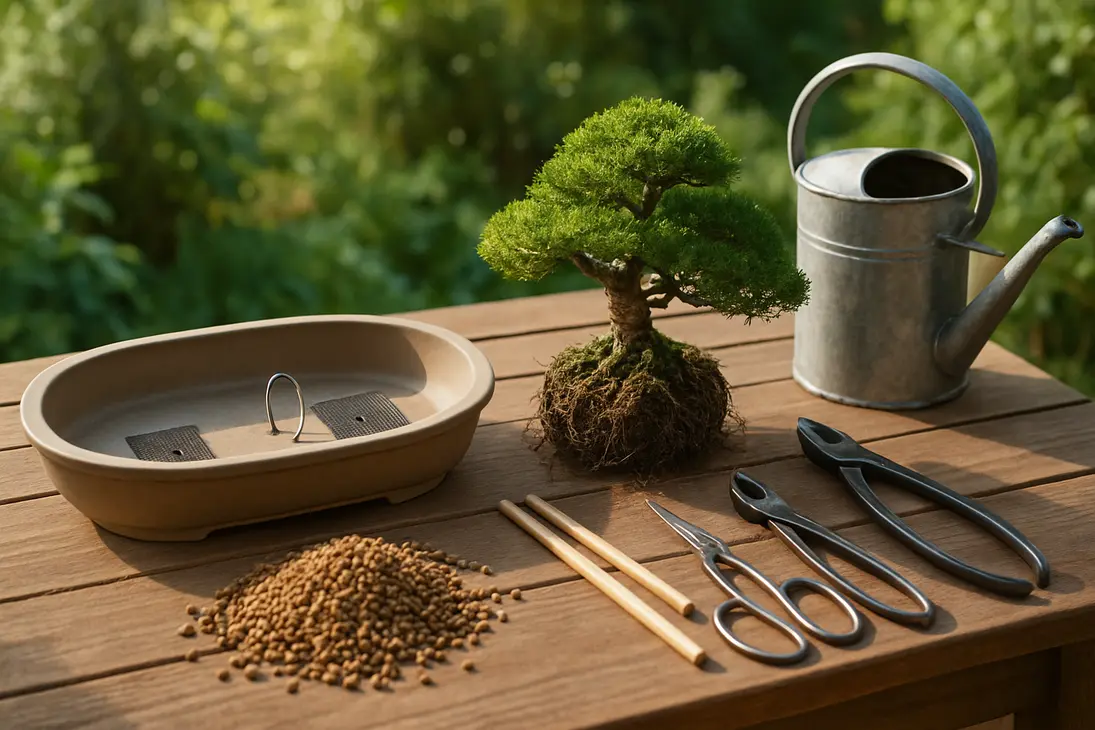
For bonsai moss, the tree’s needs come first. Mist the moss to keep it fresh, but do not keep bonsai soil soggy just for the moss.
For outdoor moss patches, established moss usually needs help only during dry spells. Use a gentle morning spray, not a strong hose blast.
Water in the Morning and Avoid Stagnant Conditions
Morning watering is usually best because it hydrates moss while allowing excess moisture to evaporate during the day.
Stagnant conditions are a common reason moss declines indoors. Moss likes moisture, but molds and algae also like moisture—especially when air is still and organic residue is present.
To reduce problems:
- Do not leave moss sitting in puddles unless the species suits boggy conditions.
- Vent closed terrariums if condensation is excessive.
- Remove dead leaves and decaying plant bits.
- Avoid heavy organic additives.
- Keep moss in bright indirect light rather than dark, stale corners.
Moist moss should look fresh and springy, not slimy.
If You Want to Try Tea on Moss
If you still want to experiment with tea, treat it as a small trial, not a care routine. Use plain black or green tea only. Brew it weak, cool it completely, and dilute it with clean water. Apply it to a small test area and wait. Do not use hot or warm tea.
A cautious method:
- Brew plain black or green tea lightly.
- Let it cool to room temperature.
- Dilute it until very pale.
- Apply a small amount to one small patch.
- Do not soak the whole display.
- Wait one to two weeks before considering another application.
- Watch for browning, mold, slime, or odor.
Safe Tea-Watering Checklist
Before using tea on moss, make sure:
- The tea is plain black or green tea.
- It contains no sugar, honey, milk, cream, lemon, spices, or flavoring.
- It is fully cooled, weak, and diluted.
- The moss is healthy.
- You are testing a small area first.
- The setup has airflow.
- There is no existing mold problem.
- Tea is not the main water source.
- You will stop if the moss reacts badly.
Tea should be rare—more like an occasional experiment than a scheduled treatment. If you are tempted to use it weekly, use rainwater or distilled water instead.
Signs You Should Stop Using Tea
Stop using tea if you notice:
- Browning soon after application
- Yellowing or dull color
- New fuzzy mold
- Slimy or greasy texture
- Sour smell
- Increased algae
- Tiny flies
- Crusty or stained residue
- Moss shrinking, lifting, or separating from its surface
If this happens, gently flush the area with clean water if drainage allows. In a terrarium, remove moldy debris and increase ventilation briefly. For bonsai moss, avoid over-flushing if it would disturb the tree’s soil.
Some moss can recover once conditions improve, but fully brown, brittle patches may not regrow evenly.
Common Moss Watering Mistakes
Many moss problems come from good intentions: watering too often, adding homemade fertilizers, misting without airflow, or assuming brown moss always needs more water. With moss, the right approach depends less on a fixed schedule and more on moisture, light, airflow, and setup.
Overwatering vs. Letting Moss Dry Too Long
Moss can suffer from both extremes.
When moss is too dry, it may look dull, feel crisp, pull away from the surface, stop spreading, or turn tan at the edges.
When moss is too wet, it may look dark and limp, develop slime, grow mold, smell stale, attract gnats, or break apart when touched.
Both dry and overwatered moss can turn brown, so check texture and smell. Dry moss is often crisp or papery. Overwet moss is more likely to be mushy, slimy, or sour-smelling.
If there is standing water, constant condensation, poor light, or no airflow, more water is probably not the answer. If the moss is in bright indirect light, exposed to dry air, and feels crisp, it likely needs gentle rehydration.
Using Tea as Fertilizer
Tea should not be treated as moss fertilizer. Moss does not need regular feeding like vegetables, annual flowers, or many houseplants. Repeated tea use can create residue and microbial problems rather than better growth.
If moss is not growing, ask first:
- Is the moss suited to the surface?
- Is it getting enough indirect light?
- Is the water too hard?
- Is the air too dry?
- Is it being kept too wet?
- Is there enough airflow?
- Was it moved from a very different environment?
A woodland moss moved to a hot, dry windowsill may decline no matter what you water it with. Tea will not fix the wrong growing conditions.
Water Quality Problems
Water quality is often overlooked. Moss watered with hard tap water may slowly lose color indoors because minerals build up instead of washing away in rain. White deposits on stones, glass, or the growing surface are a clue.
Tea does not fix mineral-heavy water. If you brew tea with hard tap water, the minerals remain, plus tea compounds. For sensitive indoor moss, distilled water or rainwater is usually a better first change.
A practical reset:
- Stop using tea or additives.
- Switch to distilled or rainwater for a few weeks.
- Adjust watering based on texture and appearance.
- Improve light and airflow.
- Remove dead or moldy debris.
This makes it easier to see what the moss actually needs.
Conclusion
Watering moss with tea is possible, but it is not the best routine care method. Plain, weak, cooled, unsweetened tea may be tolerated occasionally if tested on a small area first. Strong tea, sweet tea, milky tea, flavored tea, or frequent tea watering can cause browning, mold, residue buildup, and stagnant conditions.
For healthy moss, focus on clean low-mineral water, steady moisture, suitable light, and airflow. Rainwater, distilled water, or appropriate dechlorinated tap water are better everyday choices than tea.
If you try tea, treat it as a careful experiment—not fertilizer and not a replacement for water.
FAQ
Can I water moss with green tea?
Yes, you can try green tea occasionally, but only if it is plain, weak, cooled, and diluted. Do not use sweetened, bottled, flavored, or lemon green tea.
Green tea still contains caffeine and plant compounds, so it should not be used often. Test a small area first. For regular watering, rainwater or distilled water is safer.
Can I pour used tea leaves onto moss?
It is better not to pour used tea leaves onto moss. Wet tea leaves can mat down the moss, block light, hold too much moisture, and encourage mold or fungus gnats as they decompose.
In terrariums, bonsai pots, and indoor moss bowls, avoid adding tea leaves altogether.
How often should moss be watered?
There is no single schedule. Water when moss begins to dry, fade, or lose its springy texture, but before it stays crisp too long.
As a rough guide:
- Closed terrariums may need water only rarely.
- Open indoor moss may need misting every few days, depending on humidity.
- Bonsai moss may need light misting between regular bonsai watering.
- Outdoor moss may need help only during dry spells once established.
Constantly wet, airless moss can grow mold; completely dry moss may brown or stop growing.
Why is my moss turning brown after watering?
Moss can turn brown after watering if the water is too mineral-heavy, the moss is staying too wet, airflow is poor, or the moss was already stressed from drying out.
If browning happened after using tea, stop using tea and return to clean water. Check for mold, slime, sour smell, or residue. If the moss feels crisp, it may need gentle rehydration. If it feels mushy or smells stale, reduce watering and improve airflow.
You Might Also Like