Summer Care for Peonies After Blooming: What to Do Next
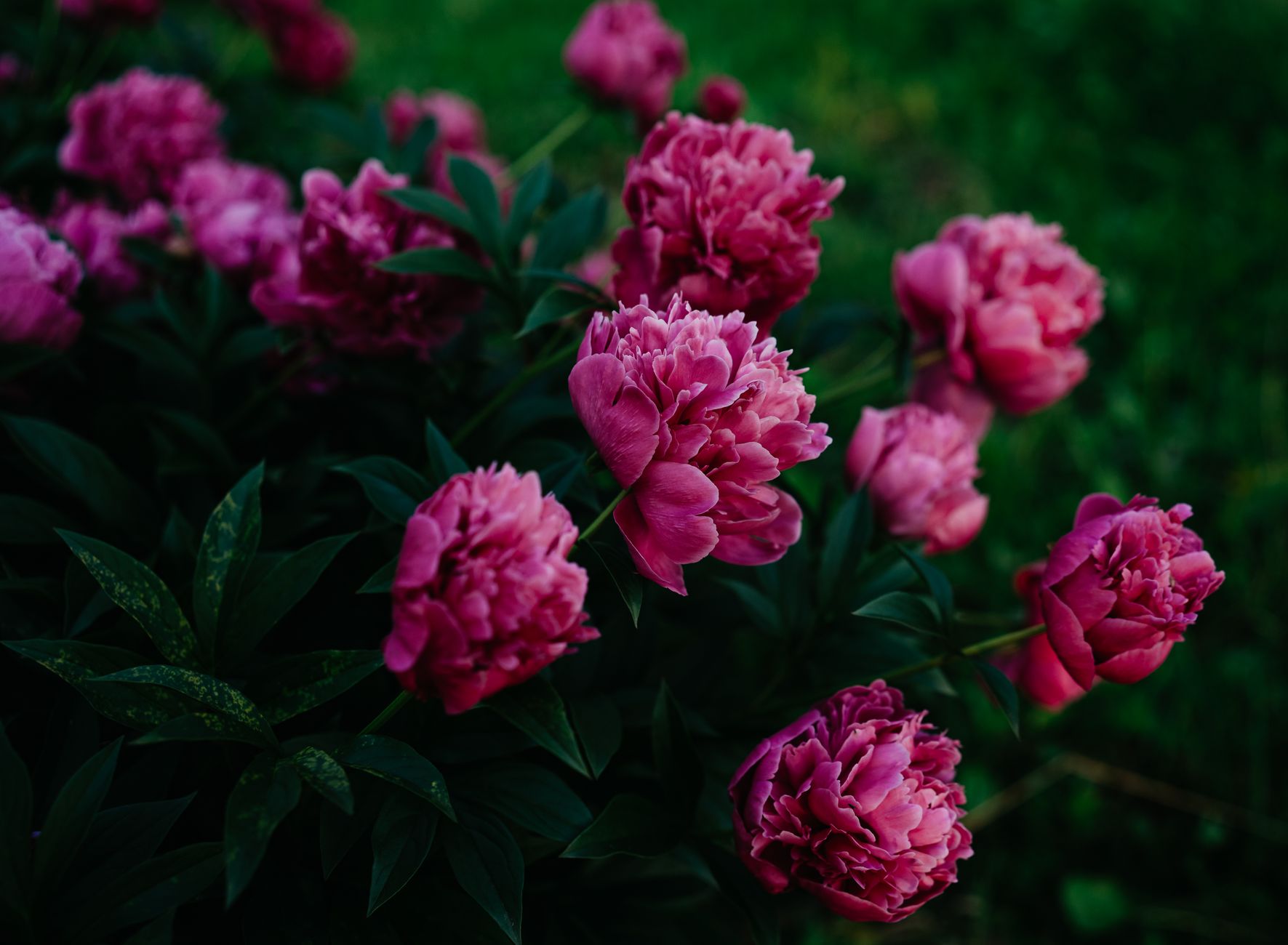
The main question gardeners have after their peonies finish blooming is: what should I do now? The answer covers seven practical steps. Deadhead faded flowers promptly. Leave healthy green foliage completely in place through summer. Water only when soil is dry several inches down and weather is hot, especially for newly planted or recently divided plants. Keep mulch pulled well back from the crown. Do not automatically apply fertilizer after flowering. Diagnose leaf symptoms before deciding to cut the plant down. Plan division or transplanting for the correct regional window in late summer or fall. This guide walks through each step and explains the reasoning behind it.
| Peony type | What remains after flowering | Summer pruning | Dormant-season treatment |
|---|---|---|---|
| Herbaceous peony | Green non-woody stems and foliage | Deadhead and remove damaged tissue only | Cut dead stems near ground after frost or full dieback |
| Itoh peony | Foliage on short, partly woody basal stems | Deadhead and preserve green growth | Remove dead upper growth while retaining appropriate basal framework |
| Tree peony | Permanent woody branches with deciduous leaves | Deadhead and remove only dead or damaged growth | Preserve woody framework; never cut the shrub to ground level |
Key Takeaways
- Preserve healthy foliage through summer: After peonies finish blooming, the green leaves continue photosynthesizing to build energy reserves for next year’s flowers. Cutting foliage back in July or August weakens the plant and reduces the following season’s bloom.
- Deadhead above healthy leaves for all peony types: Remove faded flowers above a strong set of leaves for herbaceous and Itoh peonies, or above a new growth point for tree peonies. Deadheading keeps the plant tidy but does not trigger rebloom that summer.
- Water, mulch, and fertilize based on observation, not a fixed schedule: Check soil moisture before watering, keep mulch pulled back from the crown, and avoid automatic summer fertilizing. Buried crowns are the most common reason established peonies stop flowering.
- Diagnose leaf symptoms before deciding to cut back: Powdery mildew, leaf blotch, and Botrytis require different responses. Mild cases do not justify removing healthy foliage, but severely diseased, nonfunctional foliage late in the season may be cut back.
- Plan division and transplanting for late summer or fall: Summer is for observing sunlight, drainage, and crown depth. Digging and moving peonies should wait until the regional fall window to avoid disrupting energy storage.
What to Do With Peonies After They Finish Blooming
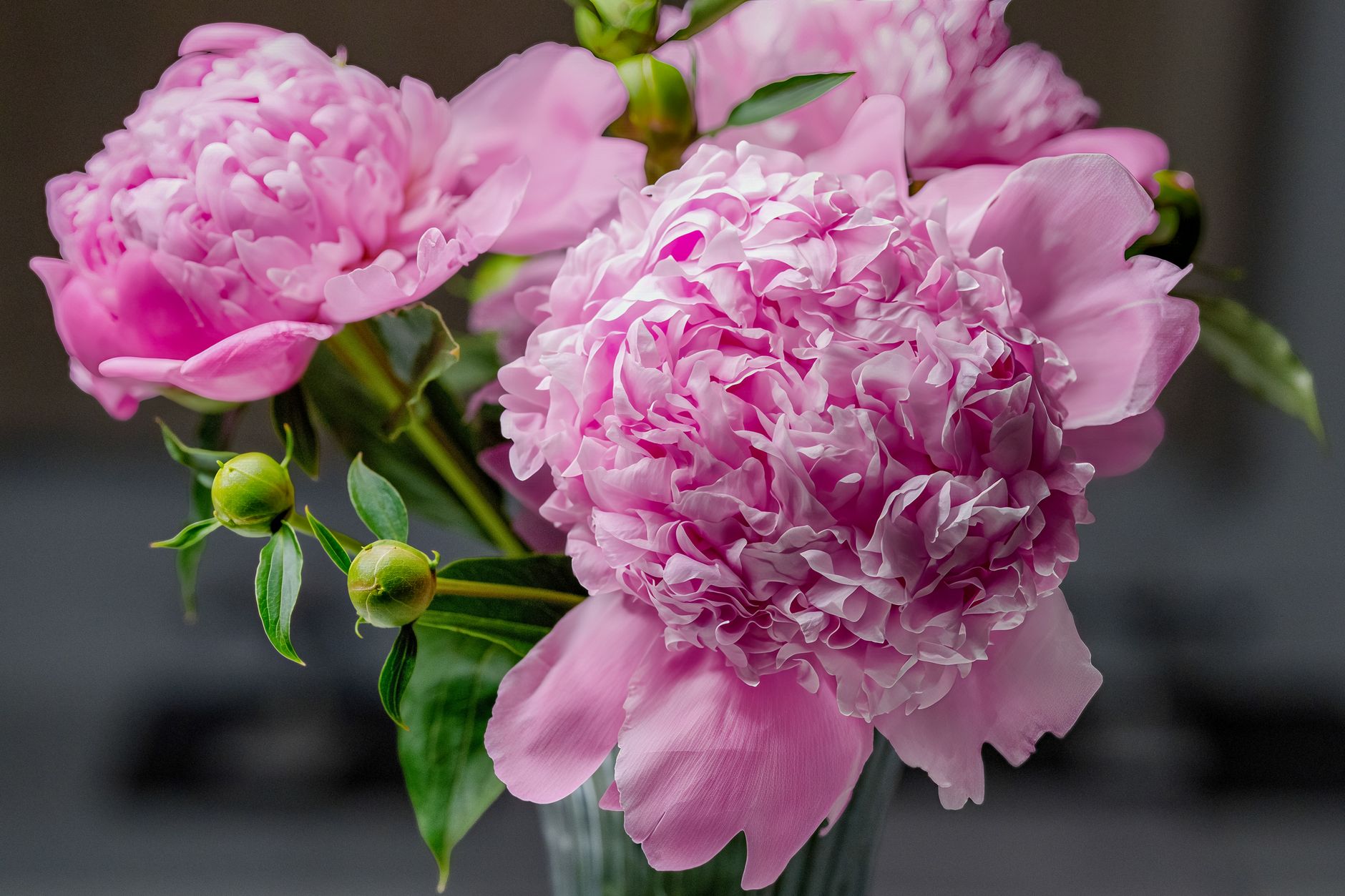
The period after flowering sets the stage for next year’s performance. Many gardeners feel an urge to tidy up, but the key is distinguishing what should be removed from what should stay. Petals that fall naturally are fine as long as they are not matting down wet foliage. If flowers collapse or remain wet after rain, deadhead promptly. Use sharp, sanitized tools when cutting diseased tissue. Do not cut every stem to a uniform height, and do not remove every seed pod unless you prefer to prevent self-seeding.
Keep Healthy Peony Foliage Through Summer
Healthy green leaves are the peony’s engine for the rest of the growing season. After flowers fade, leaves capture light, produce carbohydrates through photosynthesis, and transport resources to roots and crown. These reserves support the plant through winter and fuel spring growth. Research has observed that flower-bud initiation in herbaceous peonies begins in late summer and continues into autumn. Removing foliage in midsummer strips the plant of its ability to form next year’s flowers at the critical time. Iowa State University Extension specifically cautions that midsummer foliage removal leads to weaker plants and fewer blooms the following season.
Preserve all green leaflets, healthy stems, and foliage around the crown. You may remove broken stems, fully dead leaves, or severely diseased tissue. Yellowing foliage in late summer can result from normal aging, drought, heat, disease, or poor drainage. Diagnose the cause before assuming early dormancy. The key is preserving functioning leaves while removing material that clearly is not.
Deadhead Herbaceous, Itoh, and Tree Peonies Correctly
Deadhead when petals fade, collapse, or begin shedding. The cutting point changes by peony type. For herbaceous, follow the faded flower stem down and cut above a strong set of healthy leaves. For Itoh, preserve green foliage and the low woody framework. For tree peonies, cut the faded flower back to just above a healthy new growth point; preserve permanent woody stems. Deadheading reduces decaying flower debris and unnecessary seed production but will not create another flush of flowers that summer.
Extend the Peony Display Without Expecting Summer Rebloom
An individual peony plant produces one seasonal flush of blooms per year, lasting roughly 5–14 days. Deadheading or special fertilizer cannot force summer rebloom. To extend the garden display, combine early-, midseason-, and late-flowering cultivars. Itoh peonies may hold flowers somewhat longer but still do not bloom all summer. You can also integrate later-blooming perennials around peony foliage, but do not remove peony foliage to create space for annuals, as that compromises the plant.
Keep Peonies Healthy Through Summer
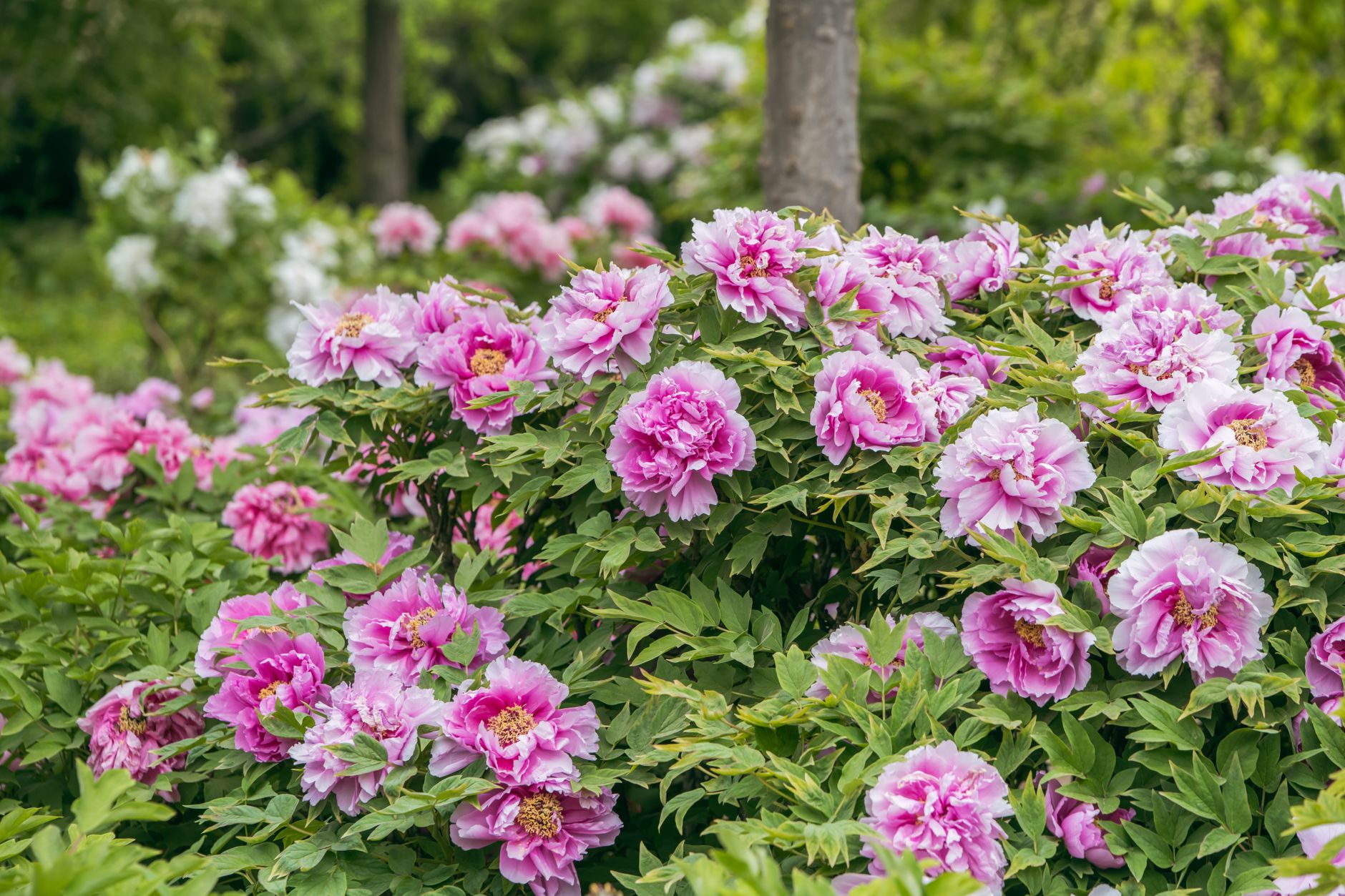
Summer care is guided by observation, not a rigid schedule. Before acting, check the plant’s age, soil moisture several inches down, drainage, recent rainfall, mulch position, spring fertilizer history, and leaf symptoms. Newly planted or divided peonies need closer moisture monitoring than established plants. “More water and fertilizer” is not a universal recovery plan.
Water Peonies According to Soil, Age, and Weather
Newly planted peonies need regular attention while establishing. Established peonies tolerate moderate dry periods, but prolonged summer drought can weaken foliage and reduce next season’s flowering. Check soil several inches below the surface before watering. When you water, do so slowly and deeply at the root zone using drip irrigation or a soaker hose. Avoid repeatedly wetting foliage, especially if leaf blotch or Botrytis has been a problem. Signs of insufficient water: persistent wilting that does not recover by evening, dry soil at root depth, browning leaf edges during heat. Signs of excess water: constantly saturated soil, yellowing leaves with wet soil, soft stems, rotten odor from crown. Temporary midday wilt followed by evening recovery does not always justify more water.
Mulch and Fertilize Without Burying the Crown
Apply loose organic mulch around the peony, but keep the center clear. The crown, growth eyes, and stem bases must remain uncovered. If mulch has accumulated over the crown over years, pull it back immediately. This is a common reason established peonies produce foliage but few flowers.
For fertilizer: if the plant was already fed in spring, or if surrounding lawn fertilizer routinely reaches the bed, additional feeding is unlikely to help. Look for signs of excessive lush foliage and weak flowering, which indicate too much nitrogen. If uncertain about soil fertility, a soil test is reliable. Avoid late-summer nitrogen applications that stimulate soft growth that won’t harden off before frost. Do not automatically add bone meal, bloom booster, high-phosphorus fertilizer, lime, wood ash, or Epsom salt. Flower failure is far more often caused by planting depth, shade, or age than by phosphorus deficiency.
Powdery Mildew, Leaf Blotch, and Botrytis: Treat or Cut Back?
The right response depends on the problem and its severity. Compare symptoms against the major issues:
- Powdery mildew: White/gray powdery coating. Improve airflow, maintain root moisture, remove fully damaged tissue. Only cut back when foliage is heavily coated and nonfunctional late in the season.
- Leaf blotch/measles: Red-purple blotches, red stem streaks. Remove badly affected debris, avoid overhead watering. Usually wait until fall cleanup unless foliage is dead.
- Botrytis/peony wilt: Blackened buds, collapsing shoots, dark lesions, gray mold. Remove infected stems promptly, sanitize tools. Do not wait when tissue is actively rotting.
- Drought/heat stress: Browning edges, wilt, dry soil, no powder/lesions. Correct root-zone moisture. Do not cut unless tissue is fully dead.
For mild powdery mildew, leave healthy foliage, remove a few heavily affected leaves if possible, improve airflow, keep roots from drought stress. No fungicide needed. For moderate cases, remove heavily coated leaves, preserve unaffected foliage, consider fungicide only if justified by timing and label. For severe late-season cases where most leaves are nonfunctional, early removal may be reasonable; compare with natural dieback timing. Remove diseased material from area, clean tools. Fungicides prevent new infection better than curing heavily infected leaves. Horticultural oils can damage leaves in heat; home treatments like milk or baking soda have variable effectiveness.
Prepare Peonies for Fall and Better Blooms Next Year
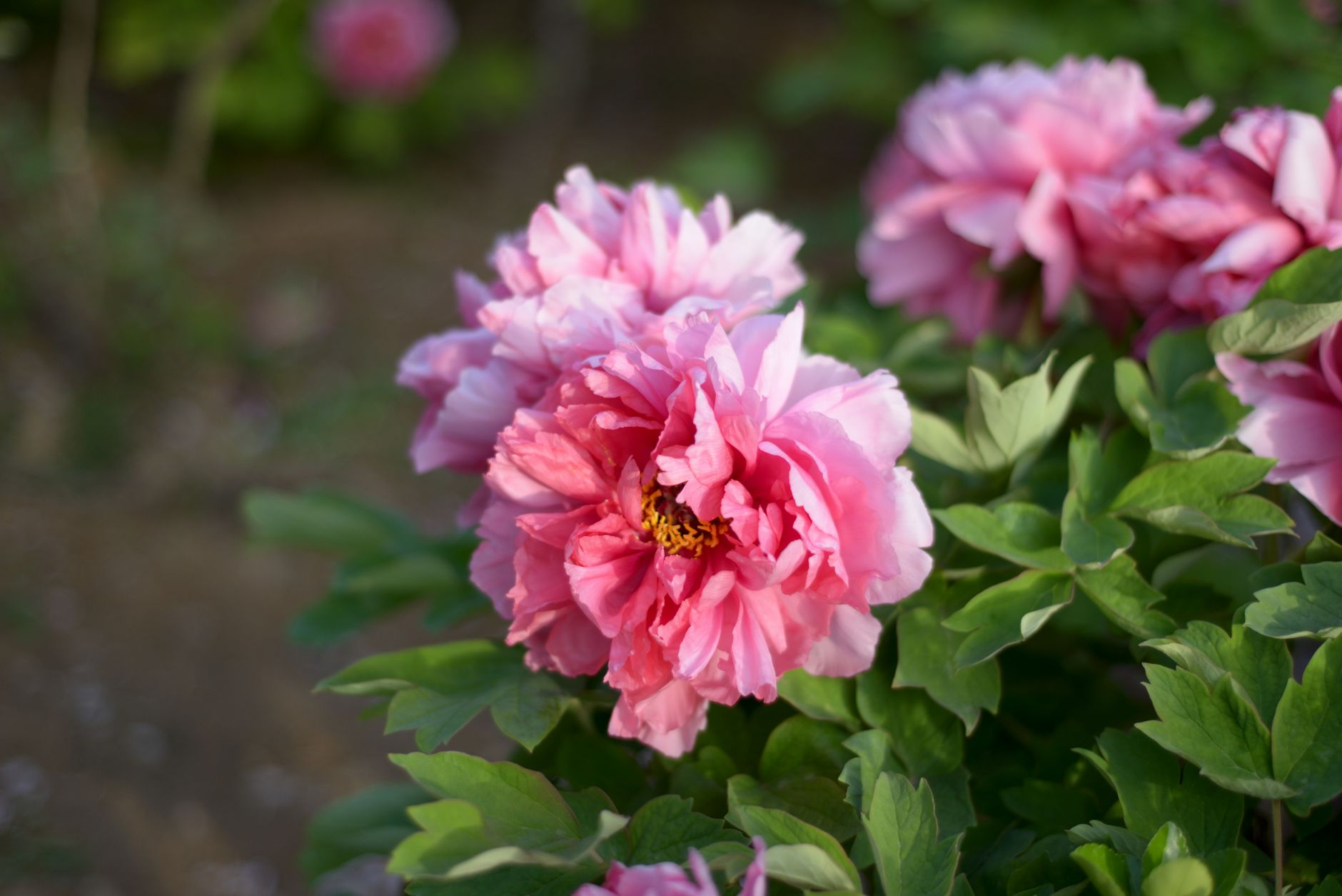
Summer is the time to observe and collect information for fall action: hours of direct sunlight, shade changes, water movement, crowding, crown depth, disease patterns. Digging and division are postponed until the regional late-summer or fall window, but summer is when you decide if those steps are needed.
Diagnose Why Your Peony Did Not Bloom
If no buds formed: check planting depth (herbaceous eyes 1–2 inches below soil), light levels, plant age, excess nitrogen, premature foliage removal last summer. If buds turned black before opening: check for late spring frost or Botrytis. If buds enlarged but never opened: check cool wet weather, flower balling, disease, or water stress. If a mature plant bloomed before but stopped: review what changed—a tree may have grown taller creating shade, mulch may have buried the crown, or a severe drought may have reduced stored energy. Do not add phosphorus before diagnosis. Do not expect immediate flowering after correction, especially if you moved or divided the plant.
Divide or Transplant Peonies at the Right Time
Moving or dividing is justified when a plant has outgrown its space, is in too much shade, is planted too deeply, suffers from poor drainage, or is a very old congested clump with declining performance. A single poor flowering year, cosmetic summer mildew, ants on buds, or a recently planted peony needing more time are not valid reasons. Use local Extension guidance for timing—generally September for cool climates. Avoid digging during extreme summer heat. For herbaceous division: prepare new sunny, well-drained location in advance. Wait for fall, cut back stems, retain as much root system as possible, keep several healthy eyes per division, replant at correct shallow depth, water, expect multiple seasons to resume full flowering. Tree peonies should not be divided like herbaceous; many are grafted. Itoh peonies can be divided following intersectional methods.
Should a Potted Peony Stay in Its Container?
Most herbaceous and Itoh peonies grow better in the ground. Containers have limited root space, heat up faster, dry out quickly, and accumulate fertilizer salts. Compact patio cultivars are an exception and can thrive in large, well-drained pots with attentive care. For potted peonies, monitor moisture much more frequently, avoid saturated media, do not follow in-ground fertilizer rates automatically, prevent overheating, and do not disturb roots during peak summer. Consider moving to the ground if flowering declines for several years, roots are restricted, or the pot dries out too rapidly.
Conclusion
After flowers are gone, the plant’s priority shifts to storing energy for next year. Deadhead spent flowers. Keep healthy green foliage intact. Water only when justified. Keep mulch away from crown. Avoid automatic summer fertilizing. Diagnose foliage symptoms before cutting. Wait for fall before moving or dividing. These steps protect the plant’s long-term health and set the stage for a strong bloom next year.
FAQ
Should You Cut Back Peonies in Summer?
Not routinely. Healthy herbaceous and Itoh peony foliage should remain in place through summer to photosynthesize. Tree peonies must retain permanent woody structure. The only exception is a severely diseased plant with nonfunctional foliage late in the season, where early removal may be reasonable.
Can Peonies Bloom All Summer?
No, an individual peony normally produces one bloom period lasting roughly 7–14 days. Deadheading will not cause rebloom. To extend the display, combine early-, midseason-, and late-flowering cultivars. Itoh peonies may offer a longer display but still do not bloom all summer.
Can You Cut Down a Peony Covered in Powdery Mildew?
Depends on severity and season. For mild early season cases, leave healthy foliage, remove only heavily affected leaves. For severe late-season cases where foliage is nonfunctional, cutting may be reasonable but will reduce energy storage for next year. Remove diseased debris and clean tools.
Do Peonies Grow Better in Pots or in the Ground?
Most grow better in the ground due to deep root systems, stable soil, and natural winter insulation. Containers require much more frequent watering and careful fertilization. Compact patio cultivars can thrive in large, well-drained pots, but ordinary cultivars and tree peonies are generally not suited to long-term container culture.
Sources
- Gardening Know How: SERP structure and post-bloom tasks [S1]
- Better Homes & Gardens: Deadheading structure, no same-season rebloom, sanitation [S2]
- Royal Horticultural Society (RHS): Herbaceous, intersectional, and tree peony guides [S3, S7, S10]
- Peer-reviewed peony flower-bud research: Late-summer bud initiation [S4]
- Iowa State University Extension: Peony care, fertilizing, planting depth, division, failure to bloom [S5, S8, S9, S24, S27]
- University of Connecticut Peony Guide: After-bloom care, foliage retention, no late-summer feeding [S6]
- Ask Extension Powdery Mildew Guidance: Severity, foliage function, late-season removal [S19]
- University of Minnesota Extension: Peony symptom guide [S21]
- Iowa State University: Disease management guidance [S22]
- Royal Horticultural Society: Peony profiles for herbaceous, Itoh, and patio types [S29, S30, S31]
You Might Also Like