How to Get More Tomatoes Per Plant
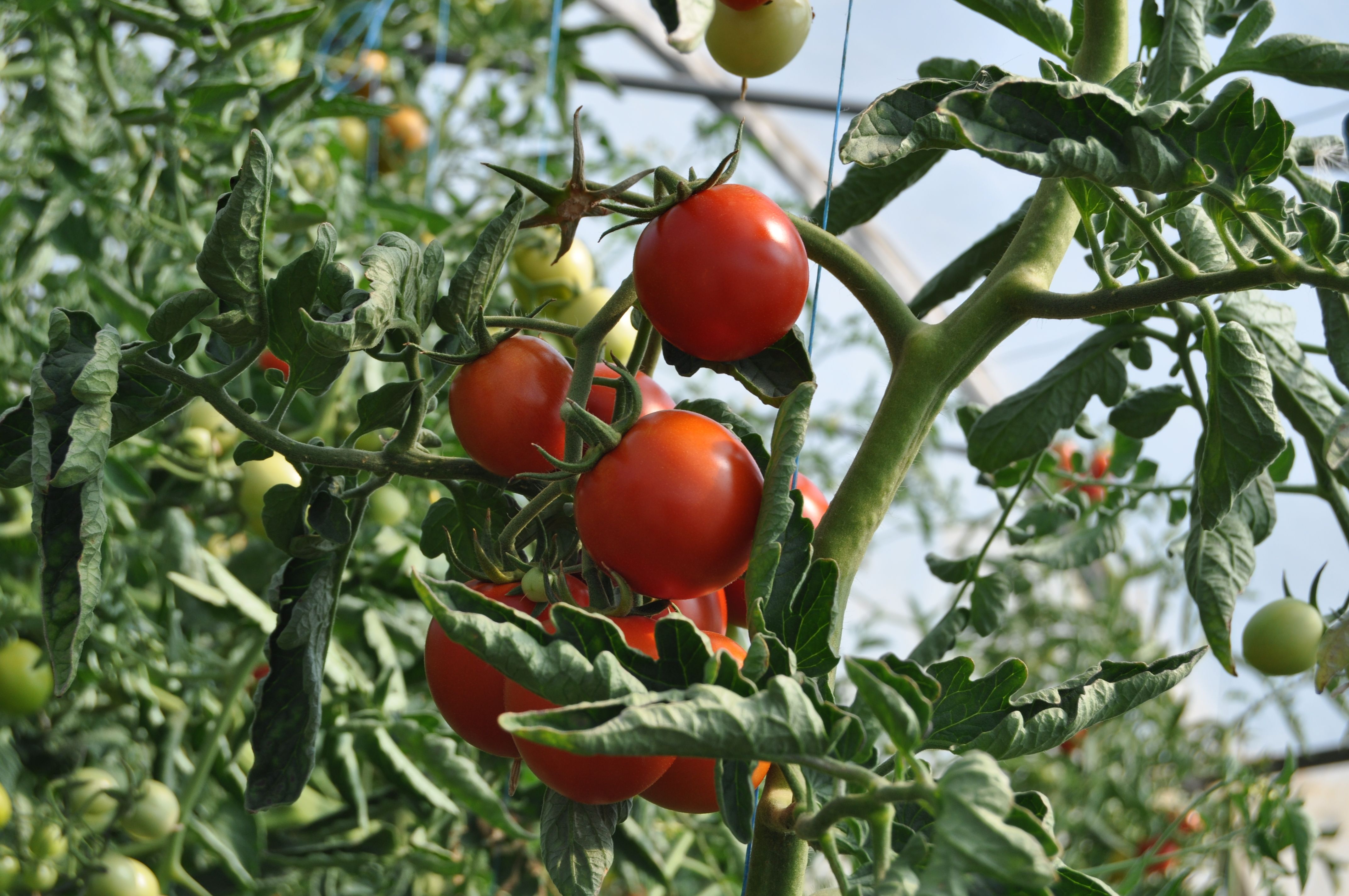
Every gardener wants a bigger harvest, but the path to more tomatoes is a system. This article walks through common bottlenecks and gives practical steps to remove them. The key is to identify your single biggest limiting factor first, then make one targeted improvement at a time.
Key Takeaways
- Diagnose the bottleneck first – Use the yield checklist to match symptoms with causes.
- Choose the right tomato type for your harvest goal – Cherry/grape tomatoes produce the most fruit by count; indeterminate slicers give larger fruits; determinate paste tomatoes concentrate harvest.
- Keep watering, feeding, and mulching consistent – Deep water at the root zone, use organic mulch, and apply a balanced low‑nitrogen fertilizer to prevent cracking, blossom end rot, and leafy plants.
- Prune selectively based on variety and climate – Heavy sucker removal reduces yield on determinate types. Focus on removing lower leaves touching the ground and prune based on support, climate, and variety.
- Protect harvest from heat, pests, and disease – Midsummer heat stops fruit set; use shade cloth and heat‑tolerant varieties. Harvest at the breaker stage and use netting to prevent losses.
Small, targeted changes to the biggest limiting factor will improve yield more than trying every tip at once.
Start by Finding What Is Limiting Your Tomato Harvest
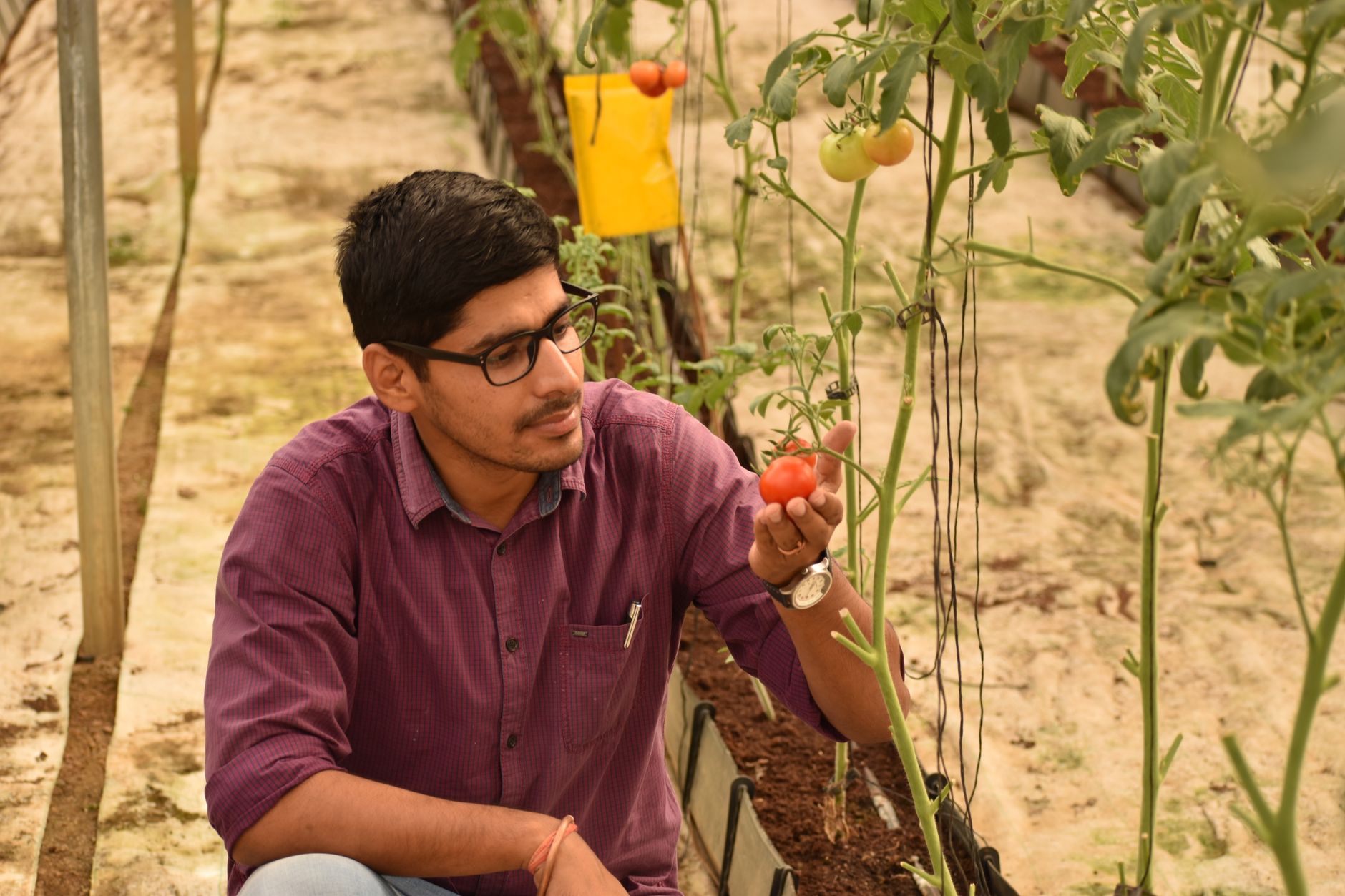
A tomato plant can underperform for many reasons. The fix for a leafy plant with no flowers differs from one dropping flowers in heat. Diagnose first. Use the checklist below to match what you see with the most likely cause, then act on that one issue before moving to others.
Tomato Yield Checklist: Why Your Plant Has Fewer Tomatoes Than Expected
| What you see | Most likely yield limiter | What to check first | Best next step |
|---|---|---|---|
| Big leafy plant, few flowers | Too much nitrogen, too little sun, immature plant | Fertilizer, sun hours, plant age | Reduce nitrogen, improve light, wait for maturity |
| Lots of flowers, no fruit | Heat/cold stress, poor pollen release, water stress | Day/night temperature, airflow, watering | Wait for better weather, shake flowers, stabilize care |
| Fruits form but stay small | Variety, container limits, water/fertility stress, heavy fruit load | Tomato type, pot size, root zone | Improve water/feed/support; choose better variety next time |
| Tomatoes crack or get blossom end rot | Moisture swings, root stress, container stress | Watering pattern, mulch, pot size | Keep moisture even; remove affected fruit |
| Healthy plant, fruit disappears | Birds, squirrels, rodents, hornworms, fruitworms | Bite marks, missing fruit, droppings | Netting, harvest earlier, pest monitoring |
| Midseason production stops | Heat, high night temps, exhausted plant, disease | Temperature, new flowers, foliage health | Manage heat, keep plant alive for cooler set |
Your goal—more fruit count, total weight, longer harvest, or fewer losses—determines which bottleneck matters most. For example, if you want a long supply of fresh tomatoes, focus on indeterminate varieties and heat management rather than maximizing early yield.
Choose the Right Tomato Type for the Harvest You Want
| Goal | Best tomato type | Why |
|---|---|---|
| Most fruit count | Cherry or grape tomatoes | Small fruits set easily and produce heavily, often hundreds per plant |
| Big slicing tomatoes | Indeterminate slicers / beefsteaks | Fewer fruits but larger weight per fruit, often 1–2 pounds each |
| Sauce batch | Determinate paste tomatoes | Concentrated harvest window over a few weeks, ideal for processing |
| Long fresh harvest | Indeterminate tomatoes | Continuous flowering and fruiting until frost/stress stops growth |
| Small patio garden | Compact determinate / dwarf tomatoes | Better fit for containers, require less staking and pruning |
| Hot climates | Heat-tolerant or locally proven varieties | Better fruit set under high temperatures, e.g., ‘Solar Fire’, ‘Heatmaster’ |
Determinate tomatoes grow to a fixed size and produce in a few weeks; indeterminate keep growing until stopped by cold or disease. Overcrowding reduces per‑plant yield; choose the right single plant for your space.
Sun, Spacing, and Root Space: The Yield Foundation
Tomatoes need at least six to eight hours of direct sunlight daily. Space indeterminate tomatoes 24–36 inches apart in rows 3 feet apart; determinate types 18–24 inches. Crowded plants compete for light and water and invite disease. Plant deeply—bury stem so only top few leaf sets are above soil—to encourage extra roots. Test soil pH (aim for 6.0–6.8) and amend with organic matter like compost before planting to improve drainage and nutrient availability.
Pot Size for More Tomatoes in Containers
For a single indeterminate tomato, use at least a 10–15 gallon container. Five‑gallon buckets work only for compact determinate or dwarf varieties. One tomato per pot simplifies watering and nutrition. Expect to water more frequently than in‑ground; choose pots with drainage holes and quality potting mix. Fabric pots or self‑watering containers can reduce watering frequency and improve root aeration.
Watering, Feeding, and Mulching for Better Fruit Set
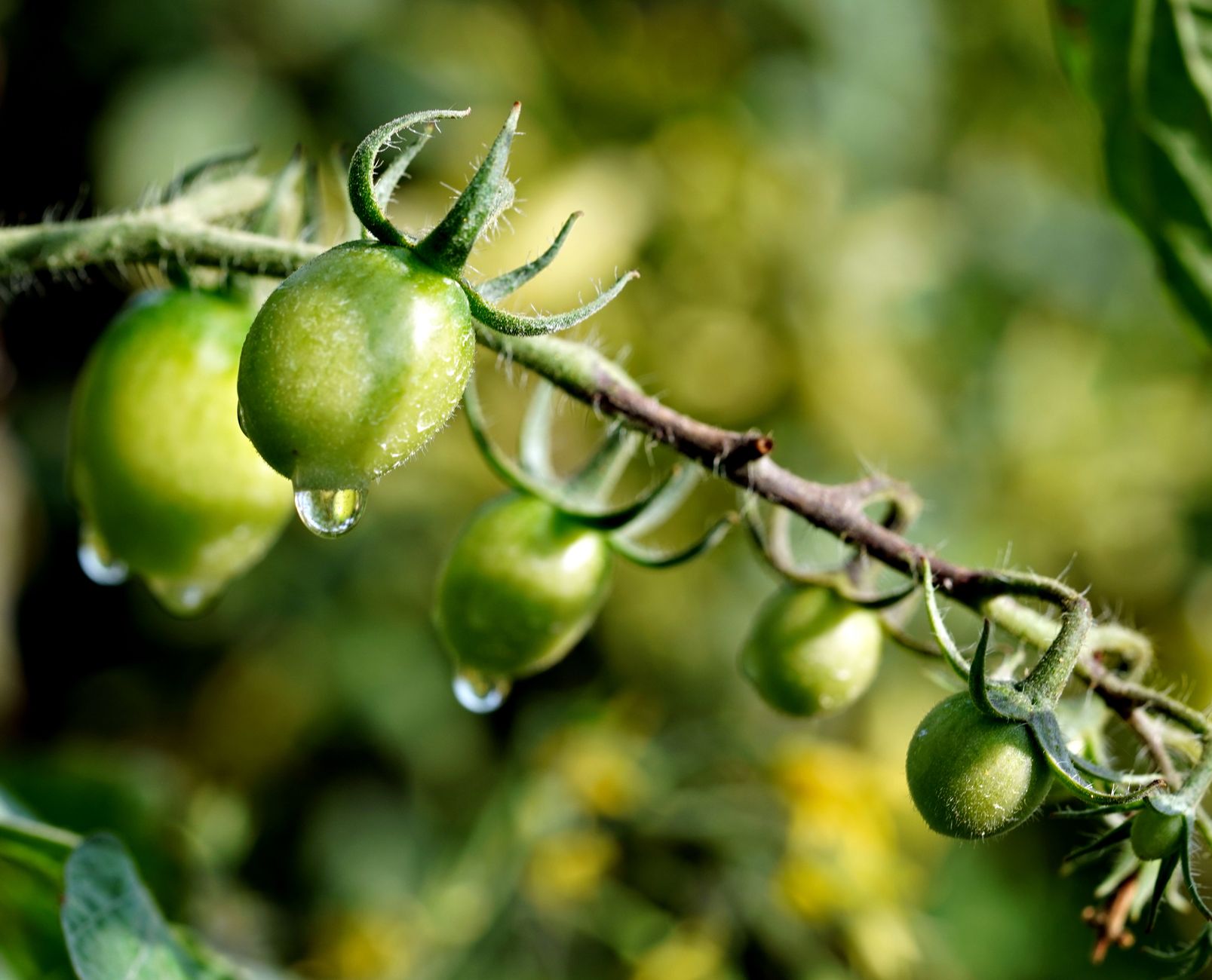
Inconsistent watering causes cracking and blossom end rot; unbalanced feeding creates leafy plants with few flowers.
Water Deeply and Consistently at the Root Zone
Tomatoes need steady water, especially during flowering and fruit growth. Deep watering—soaking the root zone then letting it dry slightly before the next watering—promotes deep roots. Water at the base to avoid wet leaves; use drip irrigation, soaker hoses, or a watering wand. Consistency during fruit set and swelling prevents cracking and blossom end rot. Check soil moisture by sticking a finger two inches into the soil; if dry, water deeply. Mulch buffers moisture swings. Container tomatoes may need daily checks; in‑ground plants on mulch can go 2–3 days between deep waterings.
Mulch to Reduce Water Swings and Soil Splash
A 2–3 inch layer of organic mulch (straw, shredded leaves, wood chips) around the base after soil warms insulates soil, reduces evaporation, and blocks soil splash that spreads blight. Keep mulch a few inches from the main stem to prevent stem rot. Straw is especially effective because it breaks down slowly and doesn’t compact.
Fertilize for Flowers and Fruit, Not Just Leaves
Use a tomato fertilizer with a lower first number and higher second and third numbers (e.g., 5‑10‑10 or 8‑15‑30) to support flowering and fruit development. Apply at planting and again after first fruits appear. Over‑feeding—especially late‑season nitrogen—delays ripening and attracts pests. For a gentle organic option, use fish emulsion or compost tea every 2–3 weeks during fruit set.
Blossom End Rot: Prevent the Next Fruit, Not the Damaged One
Blossom end rot (BER) is caused by calcium uptake problems from inconsistent watering, root stress, or heavy nitrogen. Remove affected fruit. Prevention: keep soil evenly moist with deep watering and mulch, avoid over‑nitrogen, and use adequate pot size. Epsom salt does not help; it can interfere with calcium uptake. If BER persists despite even moisture, consider a foliar calcium spray, but first address watering consistency.
Prune and Support Tomatoes Without Reducing Total Yield
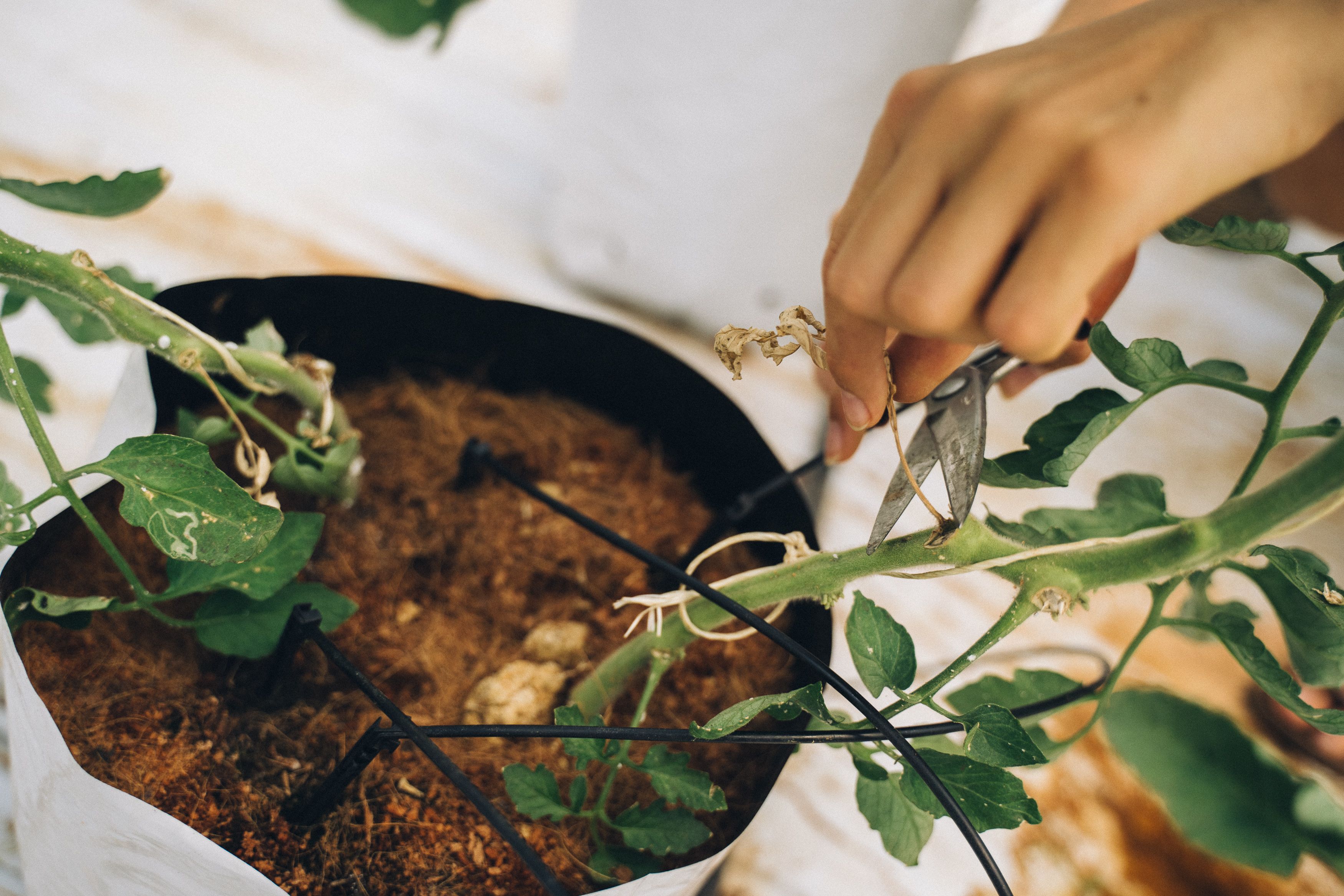
Should You Remove Tomato Suckers?
| Tomato type / situation | Should you prune suckers? | Why |
|---|---|---|
| Determinate tomato | Usually no heavy pruning | Side shoots carry much of the crop |
| Indeterminate tomato on tall trellis | Yes, selectively | Easier support, airflow, earlier ripening |
| Indeterminate tomato in cage | Light pruning only | Keep enough foliage for yield and sun protection |
| Hot sunny climate | Be cautious | Too much pruning exposes fruit to sunscald |
| Disease‑prone humid garden | Remove lower/crowded leaves | Better airflow and drier foliage |
| Short‑season garden | Moderate pruning/topping late | Can speed ripening of existing fruit |
For determinate tomatoes, heavy sucker removal reduces total yield. For indeterminate, removing a few early suckers helps shape without drastically cutting production. Always use clean hands or sanitized pruners to avoid spreading disease.
Remove Lower Leaves and Crowded Growth First
Remove leaves touching the ground, yellowing, diseased, or shading other fruit. Prune on a dry morning; use clean hands or sanitized pruners. Leave enough foliage above fruit to shade from intense sun. Keep the lower 12–18 inches of stem clear but maintain a full canopy above.
Stake, Cage, or Trellis for More Usable Tomatoes
Support keeps fruit off the ground, reducing rot and pest damage. For indeterminate, use a sturdy cage (≥5 feet) or trellis like the Florida weave. Stakes require regular tying. Install support at planting to avoid root damage.
Big Bushy Plant, Few Tomatoes: What It Really Means
A large, leafy plant with few flowers signals too much nitrogen, insufficient sun, or a young plant. Switch to a lower‑N fertilizer. Ensure at least 6 hours direct sun. If flowers appear but drop, the issue is temperature stress or poor pollination—more water/fertilizer won’t fix heat‑related blossom drop. Check for signs of overfertilization like dark green leaves or leaf curl.
Fix Flower Drop, Midsummer Slumps, and Poor Pollination
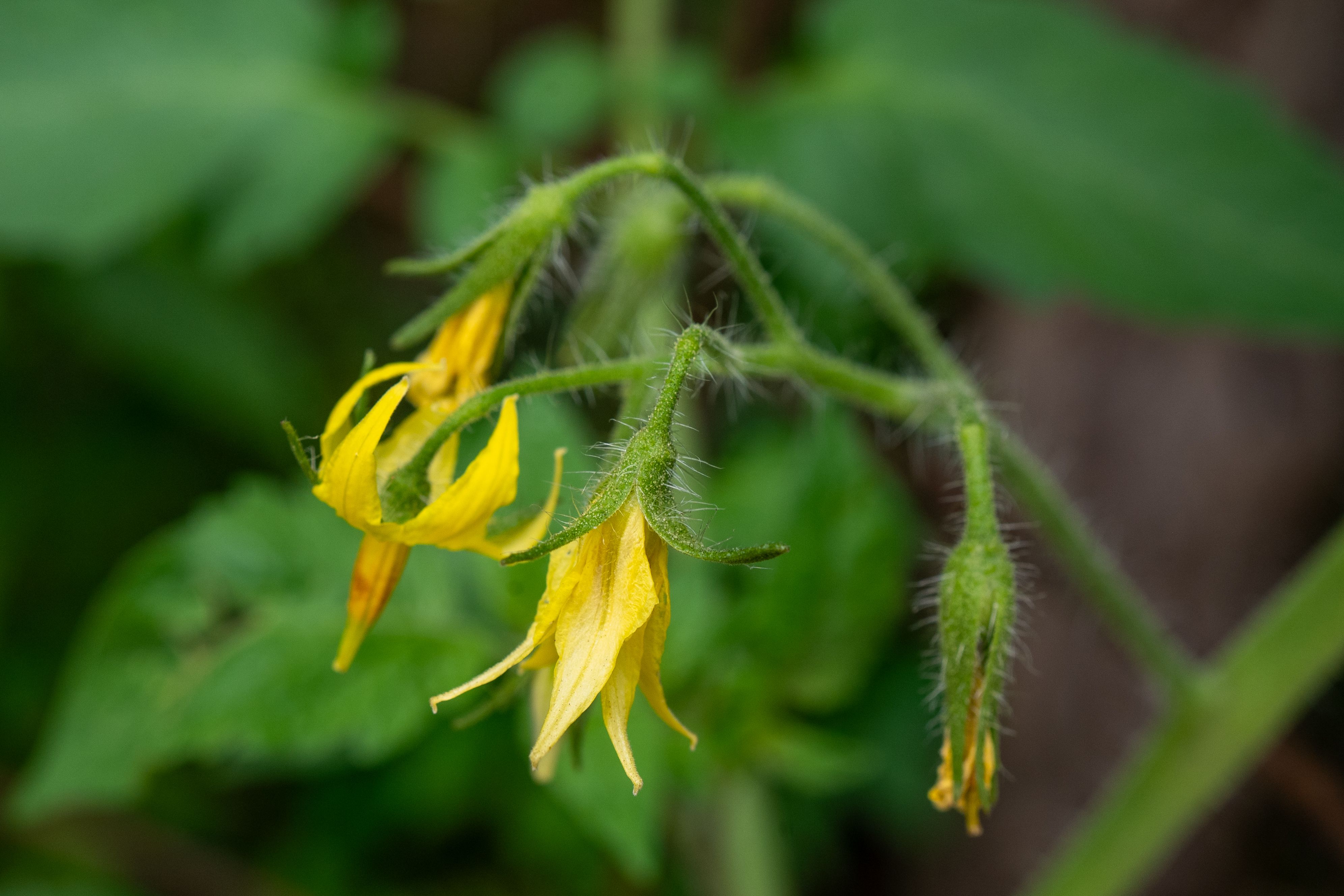
Why Tomato Plants Stop Producing in Midsummer
The most common cause is heat. Flowers fail to set when daytime temperatures exceed 90°F or night temperatures stay above 70°F. Pollen becomes sterile and flowers drop. Keep the plant healthy—watered, mulched, pest‑free—so it resumes when temperatures drop. Cherry tomatoes and heat‑tolerant varieties like ‘Solar Fire’ set fruit at higher temperatures.
Hand-Pollination and Flower Shaking: When It Helps
Tomatoes are self‑pollinating, but in calm spots wind may not move enough pollen. Gently tap the stake or shake flower clusters when dry to improve fruit set. This works when temperatures are 60–85°F day, 55–70°F night. It won’t fix sterile pollen from extreme heat or cold.
Heat, Shade Cloth, and Season Extension
In intense heat, a 30–50% shade cloth reduces stress and allows fruit set; use only during the hottest part of the day or during heat waves. Keep root zone cool with mulch. Remove shade cloth when temperatures moderate to maximize photosynthesis. In short seasons, choose early‑maturing varieties like ‘Early Girl’ (50–60 days) and use black plastic mulch to warm soil.
Harvest Often to Keep More Fruit Usable
Pick fruit at the breaker stage (first blush of color) and let it ripen indoors to reduce cracking, pest damage, and rot. Check plants every few days during peak season. A plant picked regularly sets new fruit more reliably. Place ripening tomatoes out of direct sunlight on a countertop for best flavor.
Protect the Harvest from Disease, Pests, and Wildlife
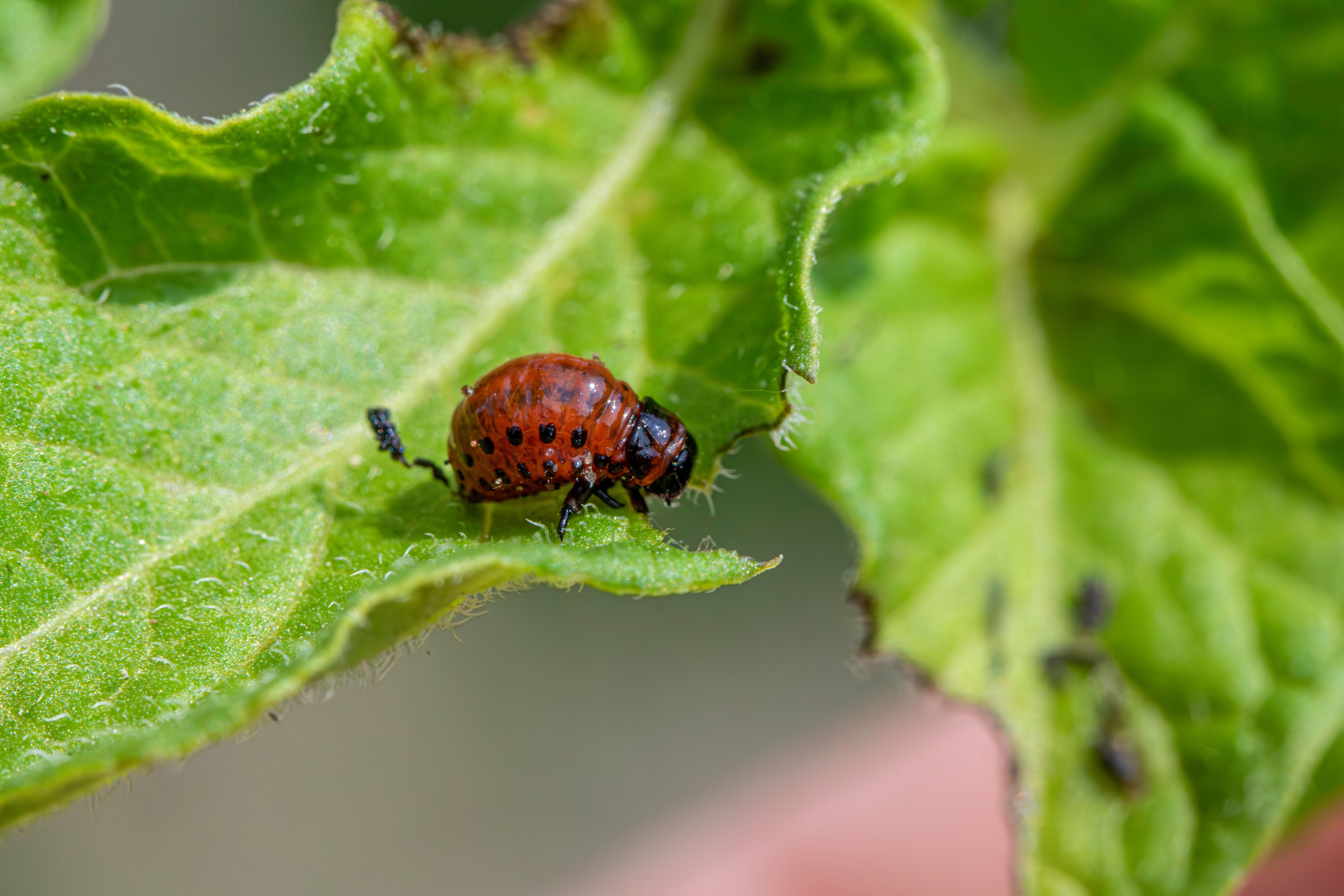
Prevent Blight and Leaf Spot With Garden Hygiene
Water at the base, use mulch, and space for airflow. Remove spotted leaves as soon as seen; dispose in trash. Rotate tomatoes and nightshade crops each year. In small spaces, replace top soil or use fresh potting mix in containers. For persistent fungal problems, consider applying a copper‑based fungicide early in the season, following label instructions.
What Is Eating or Stealing Your Tomatoes?
| Damage | Possible culprit | What to do |
|---|---|---|
| Half‑eaten ripe tomatoes | Squirrels, rodents, birds | Harvest earlier, netting, barriers |
| Holes in fruit | Tomato fruitworm, hornworm, slugs | Inspect, remove pests |
| Missing seedlings/low fruit | Rabbits, deer, groundhogs | Fencing |
| Tiny sucking insects | Aphids, whiteflies, mites | Spray water, encourage beneficials |
Pick fruit as soon as it colors. Use lightweight bird netting or floating row covers (removed during flowering for pollination). Hand‑pick larger pests.
Do More Plants Always Mean More Tomatoes?
More plants can reduce per‑plant yield if they compete for light, water, and nutrients. A single well‑cared‑for indeterminate plant can yield 20–30 pounds. Two cramped plants might yield half that. Choose plant count based on actual use: three to four for fresh salads; six to eight for canning—only if space, sun, and support allow.
End‑of‑Season Strategy: Ripen What You Already Have
Stop fertilizing 4–6 weeks before first expected frost. Remove new flowers—they won’t have time to develop. Top indeterminate plants by cutting the growing tip to redirect energy into ripening existing fruit. Pick all tomatoes showing any color change and ripen indoors. Harvest even green mature‑size fruit before frost. Cover plants with frost cloth if light frost is predicted to buy extra ripening time. This step salvages much of the total yield.
Conclusion
More tomatoes per plant is about removing the biggest limit in your garden. Diagnose the problem: variety, sun, water, heat, disease, or harvest timing. Take one focused step at a time: choose the right type, give full sun and generous root space, water deeply, feed for fruit not foliage, prune according to variety and climate, and protect from pests and rot. Small, targeted changes produce bigger results than trying every tip at once. Start with the single most impactful bottleneck for your situation.
FAQ
How do I get my tomato plants to produce more tomatoes?
Choose a tomato type suited to your goal and climate, give it 6+ hours direct sun, plant deeply in well‑draining soil, water consistently at the root zone, feed with a balanced low‑nitrogen fertilizer, support with a stake or cage, prune lower leaves and suckers selectively, protect flowers from heat stress, and harvest at the breaker stage. Diagnose the biggest bottleneck in your garden first, then make one change at a time rather than overhauling everything at once.
Does Epsom salt really help tomato plants produce more fruit?
No. Epsom salt supplies magnesium and sulfur; most garden soils have enough. It does not prevent blossom end rot—a common misconception—and can compete with calcium, worsening BER. Only use if a soil test confirms magnesium deficiency. A simple soil test kit can tell you whether you actually need it.
Why does my tomato plant have lots of leaves but no tomatoes?
Usually too much nitrogen, insufficient sun, or a young plant. Switch to a lower‑N fertilizer. Ensure at least six hours direct sun. If flowers appear but drop, the issue is heat stress or poor pollination, not nutrient deficiency. Check daytime temperatures: if they exceed 90°F, flowers will drop regardless of care.
You Might Also Like