Washington Native Plants for Beginners: What to Grow in Western and Eastern Washington
Key Takeaways
-
Match plants to your Washington region and yard conditions: Western and Eastern Washington have vastly different climates. Use zip-code tools like Native Plant Finder and WNPS to find species adapted to your county’s rainfall, soil, and sun exposure.
-
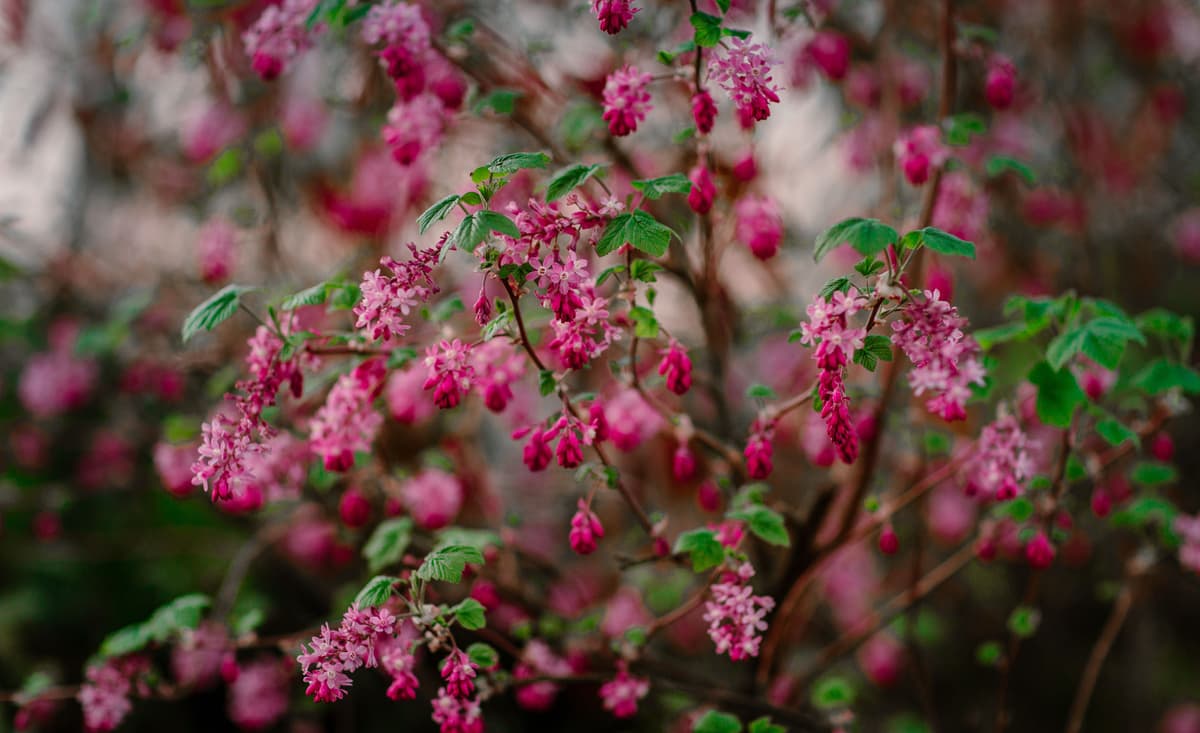
Start with forgiving, low-risk beginner species: Sword fern, red-flowering currant, kinnikinnick, and yarrow tolerate a range of conditions while supporting local wildlife. Verify safety with the ASPCA if you have pets or children.
-
Plan for the two-year establishment period: Most natives need regular watering during their first two summers, even drought-tolerant ones. Patience through year two or three is essential — plants focus on root growth before they fill in visually.
-
Convert one problem area at a time: Start with a single troublesome spot (shady lawn, wet runoff area, sunny slope) instead of overhauling your entire yard. Repeat 2–3 species per layer for a cohesive, intentional look.
-
Remove invasive plants before planting natives: Established blackberry and ivy must be fully removed first — through sheet mulching, solarization, or digging. Natives cannot outcompete aggressive invasives without proper site prep.
Why Washington Native Plants Belong in Your Garden
The Real Benefits of Going Native (Wildlife, Water, Low Maintenance)
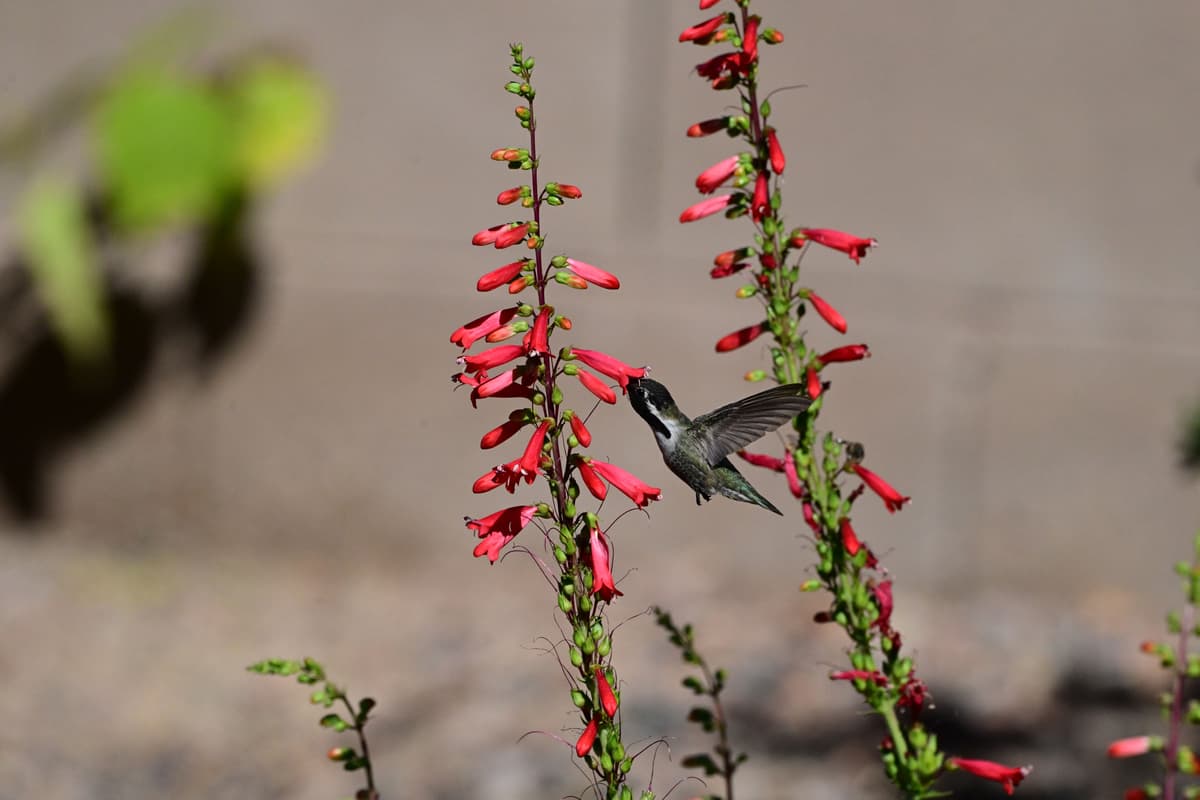
Native plants evolved with local wildlife and climate. They serve as host plants for butterfly larvae—willows support dozens of caterpillar species that birds feed their young. Deep-rooted species like bluebunch wheatgrass and Oregon grape control erosion and improve water infiltration. After establishment, they need less water and fertilizer and have fewer pest problems than conventional ornamentals. A garden that looks intentional can also function as a mini wildlife refuge, reducing runoff and requiring no chemical inputs. Over time, they build soil structure and create microclimates that support beneficial insects and pollinators.
Why “Native” Doesn’t Always Mean “Easy” or “Safe”
“Native” describes origin, not maintenance. Some natives (e.g., willows) need consistent moisture; others (e.g., red-osier dogwood) spread vigorously. Oregon grape can cause mild digestive upset if ingested. Evaluate each plant individually and check safety with the ASPCA or your local extension office. This article focuses on forgiving, low-risk species.
Host Plants vs. Ornamental Natives vs. Nectar Plants: What’s the Difference?
Host plants are eaten by caterpillars (e.g., willow, lupine). Ornamental natives (e.g., red-flowering currant) provide flowers and berries but may not host caterpillars. Nectar plants (e.g., yarrow, penstemon) feed adult pollinators. A well-designed garden includes all three. Beginners should start with at least one host plant for the biggest ecological return—willows host over 400 caterpillar species in Washington.
How to Choose the Right Washington Native Plants for Your Yard
Assess Your Yard First: Sun, Soil, Moisture, and Space
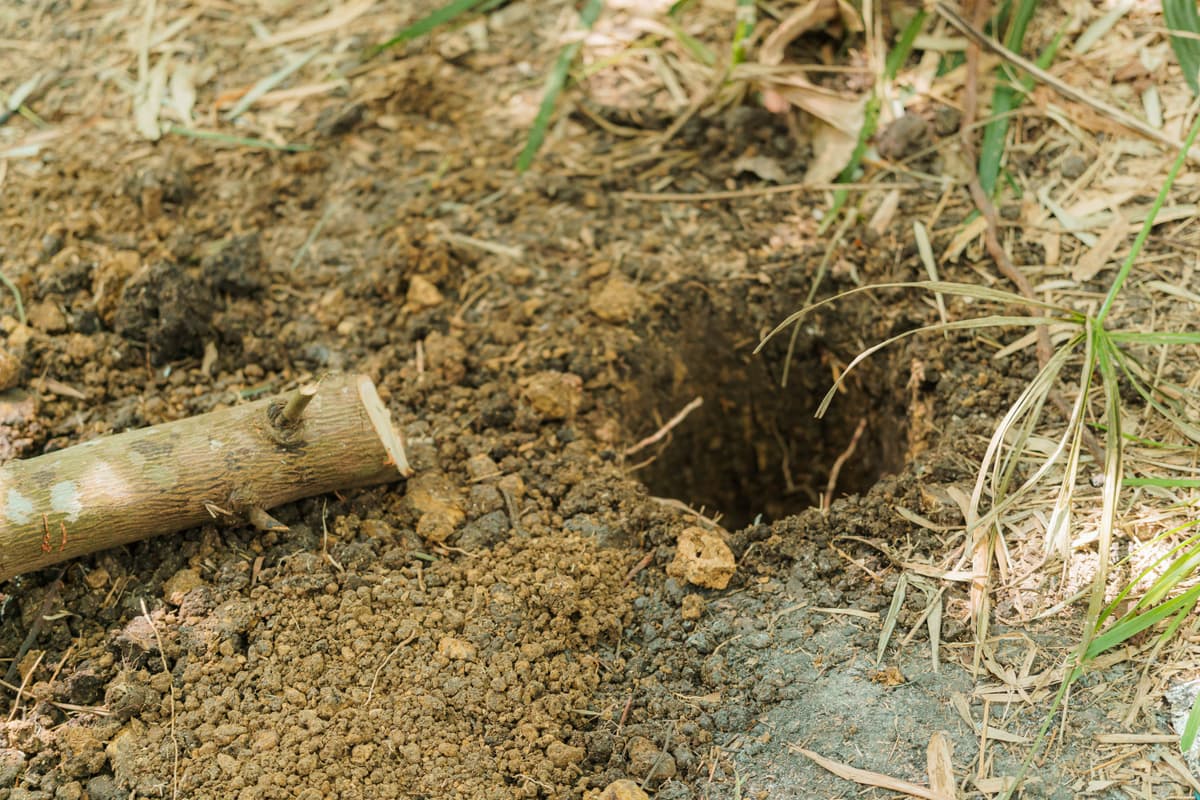
Before buying, measure direct sunlight hours per planting area. Test soil drainage by digging a hole, filling it with water, and checking after 24 hours. Note moisture levels and mature plant size. Match the plant’s natural habitat (woodland edge, boggy swale, dry slope) to your yard’s conditions. Also consider wind exposure—eastern Washington gardens often face drying summer winds.
Use Native Plant Finder and Other Databases to Get Zip‑Code Specific
Native Plant Finder (National Wildlife Federation) generates a list of host plants for your zip code. Washington Native Plant Society (WNPS) provides a searchable directory with cultivation notes. iNaturalist shows real-world observations. Use Native Plant Finder first, then cross-reference with WNPS for growing requirements. For deeper regional accuracy, consult your county’s conservation district plant guide.
Western vs. Eastern Washington Native Plants: One List Doesn’t Fit All
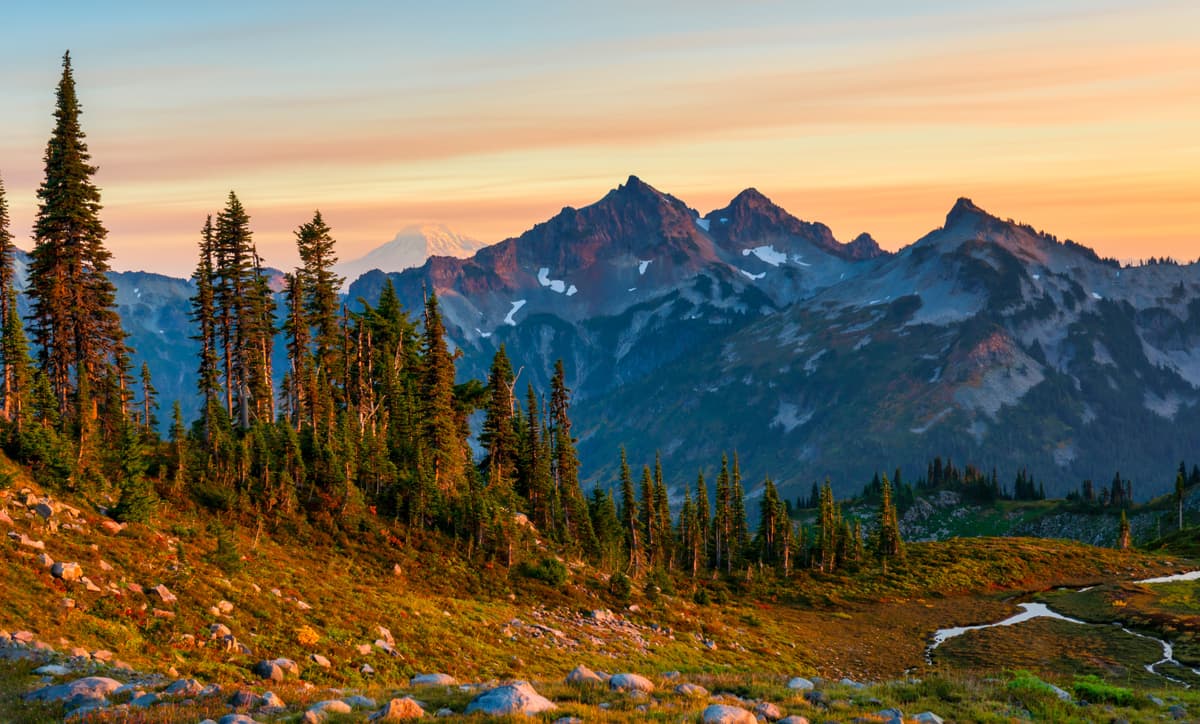
Western Washington gets 30–100 inches of rain per year; eastern gets 6–15 inches. Choose plants adapted to your region’s rainfall, temperature extremes, and soil.
Western Washington Native Plants for Wet Winters, Dry Summers, and Woodland Edges
West of the Cascades, winters are wet and mild, summers dry, soils acidic. Reliable choices: evergreen huckleberry, salal, sword fern, red-flowering currant. For shade: Pacific bleeding heart, inside-out flower, vanilla leaf. These tolerate summer drought once established. For wet clay areas, consider slough sedge, red-osier dogwood, and Pacific ninebark. Many western natives thrive in filtered light under madrone and Douglas-fir canopy.
Eastern Washington Native Plants for Dryland Gardens, Shrub-Steppe, and Hot Summers
East of the Cascades, soils are alkaline and summers hot. Adapted species: big sagebrush, bitterbrush, bluebunch wheatgrass, Idaho fescue, balsamroot. They have deep taproots or silvery leaves to reduce water loss. Xeric perennials like penstemon, bitterroot, and lupine also work. Avoid planting western woodland species here—they will suffer from alkaline pH, low humidity, and cold winters. Many eastern natives require excellent drainage and will rot in heavy clay.
How to Check Whether a Plant Is Native to Your Part of Washington
Use the WNPS plant directory (county-level data) or your county conservation district’s plant list. Most districts hold annual native plant sales and offer region-specific advice. When buying from online nurseries, ask for the source location of seeds or plants—local ecotypes perform far better.
What to Plant in Common Washington Yard Situations
Puget Sound Shade Yards: Native Plants for Woodland Edges and Tree Canopies
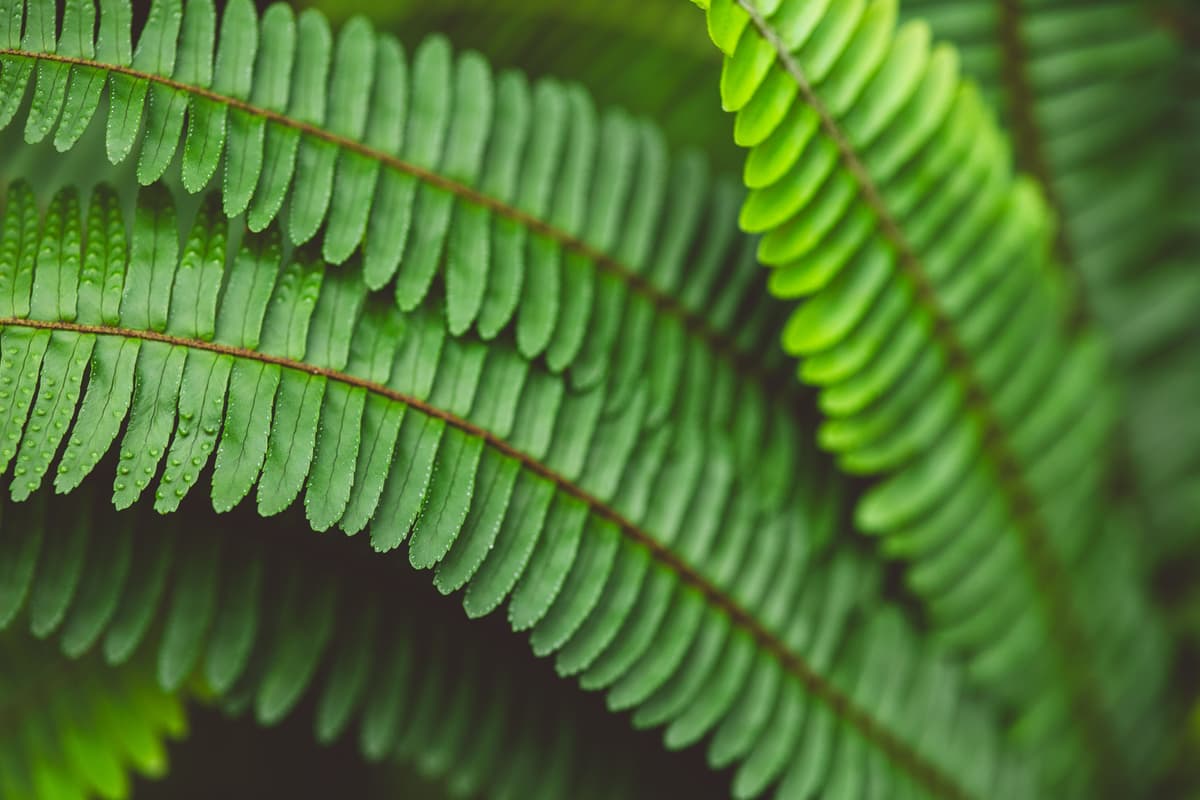
Dry shade under conifers: sword fern, salal, inside-out flower. Moister shade: fringecup, Pacific bleeding heart, vanilla leaf. Shrubs: evergreen huckleberry, red-flowering currant tolerate partial shade. For deeper shade under cedars, consider Oregon oxalis, deer fern, and foamflower.
Rain Gardens and Wet Winter Runoff: Native Plants for Low Spots, Swales, and Downspouts
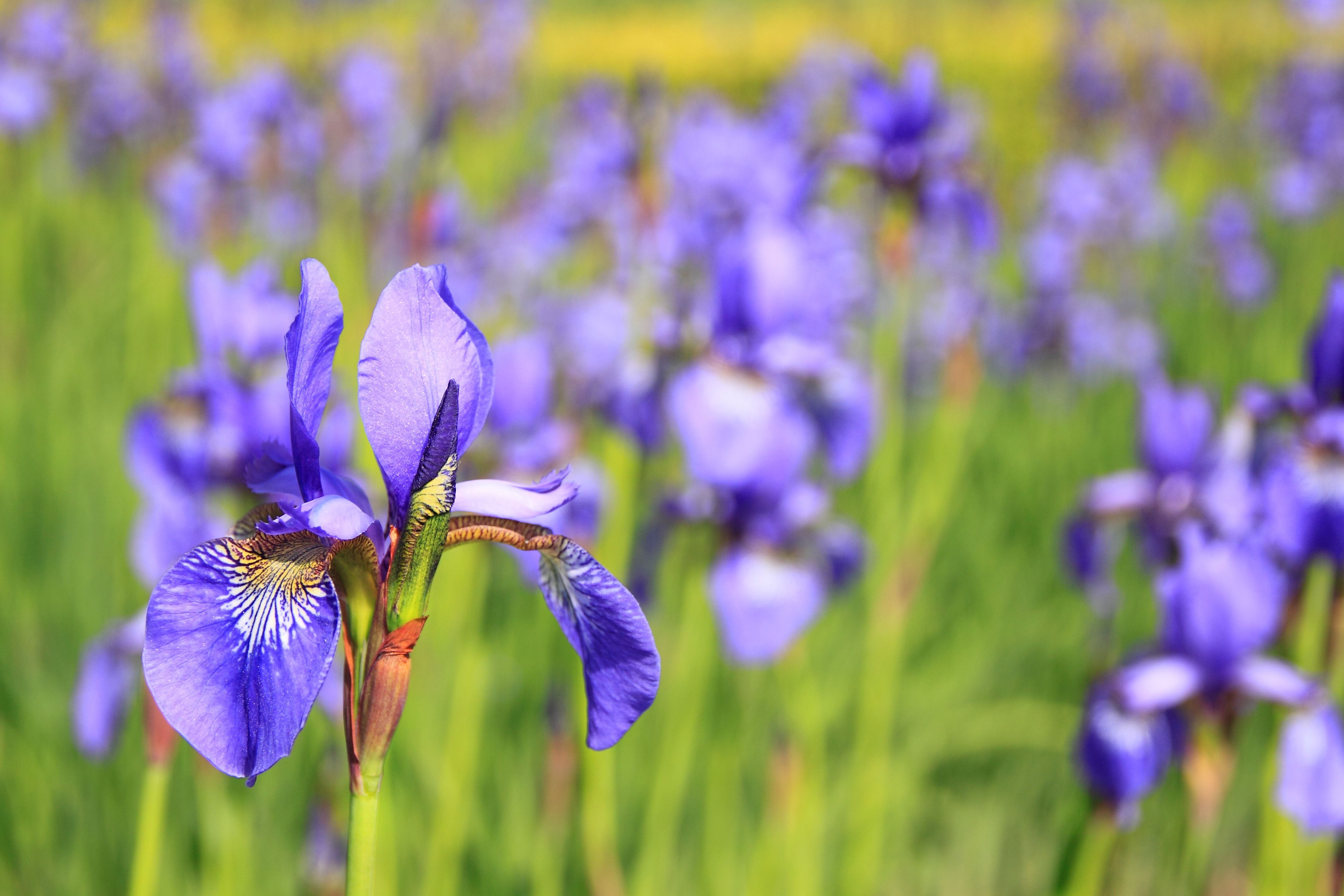
Bottom zone (wettest): slough sedge, dagger-leaf rush. Middle zone: red-osier dogwood, Pacific ninebark, twinberry. Edge: salmonberry, Pacific iris. Keep moisture lovers on the wet side. Check with your city for rain garden incentives.
Dry Summers and Sunny Slopes: Washington Natives That Handle Lean Soil After Establishment
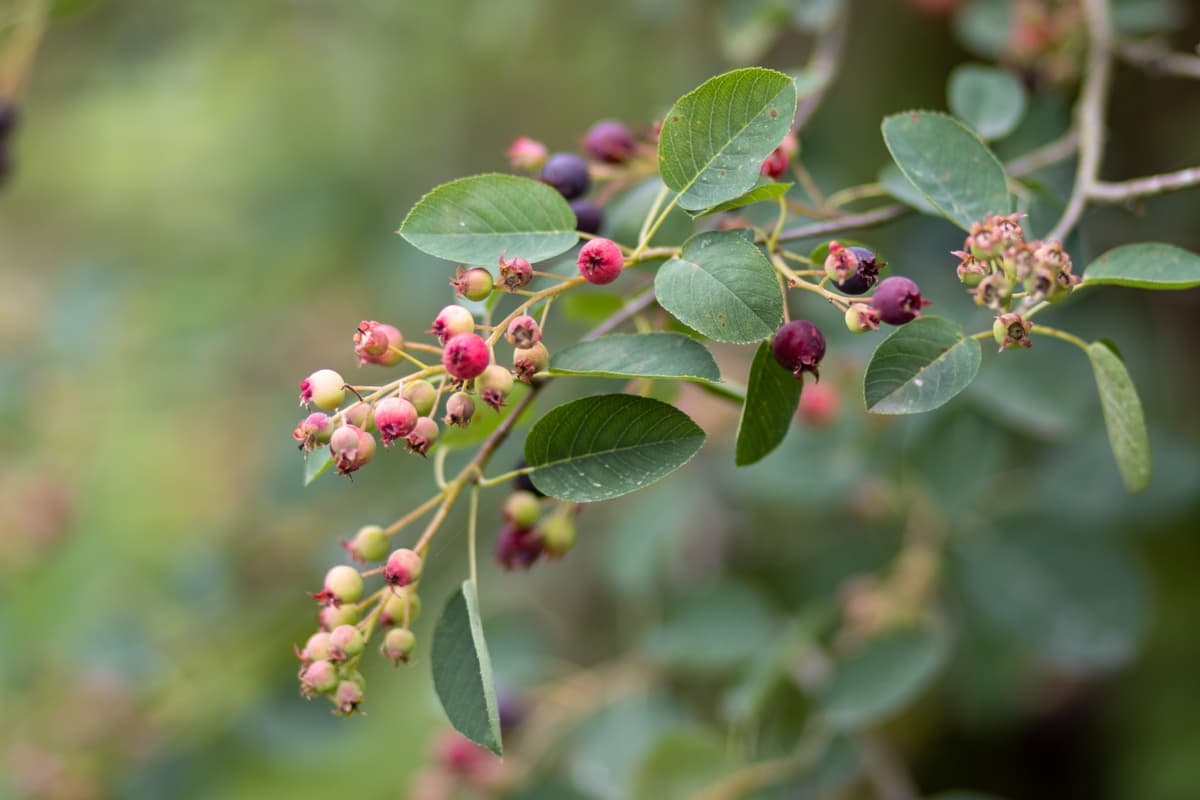
Drought-tolerant groundcover: kinnikinnick. Perennials: yarrow, Oregon sunshine, showy penstemon, lupine. Grasses: Idaho fescue, bluebunch wheatgrass. Shrub/small tree: serviceberry. Water regularly for first two seasons. A layer of 2–3 inch composted bark mulch helps cool roots.
Eastern Washington Dryland Gardens: Shrub-Steppe Plants, Bunchgrasses, and Xeric Perennials
Iconic: big sagebrush (needs space), bitterbrush. Bunchgrasses: bluebunch wheatgrass, Idaho fescue, Sandberg’s bluegrass. Flowers: bitterroot, penstemon, balsamroot. Require full sun and well-drained soil; do not overwater. Remember that sagebrush can become quite large (6+ ft) and aromatic.
Replacing Lawn or Blackberry Patches: Native Groundcovers, Shrubs, and Site Prep
Kill existing vegetation via sheet mulching, solarization, or careful herbicide. Leave fallow a season to deplete weed seed bank. Plant groundcovers: kinnikinnick, beach strawberry, low Oregon grape. Add structure: sword fern, salal, snowberry, red-osier dogwood. Do not skip prep. In blackberry patches, the root crown must be dug out at least 12 inches deep.
Small Urban Front Yards and Path Edges: Compact Native Plants That Still Look Intentional
Foundation shrub: low Oregon grape (under 3 ft). Groundcover: beach strawberry, kinnikinnick. Vertical texture: sword fern. Fill gaps: fringecup, compact sedges. Height: yarrow, red-flowering currant. Repeat each plant in groups of three or five. Add a stepping-stone path to integrate the garden with the entry.
Wildlife Layers for Washington Gardens: Flowers, Berries, Seeds, Shelter, and Host Plants
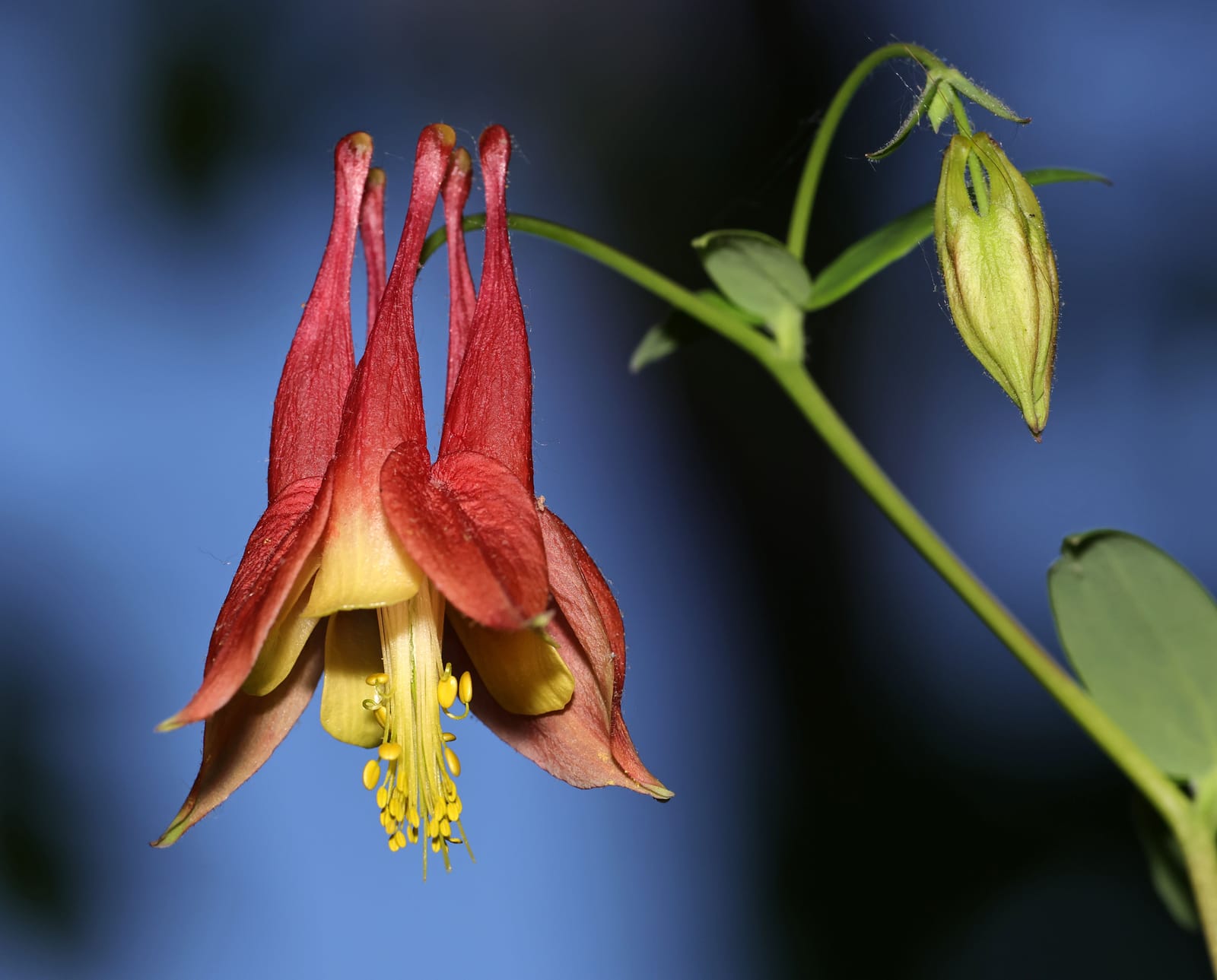
Build layers: canopy (serviceberry, willow), understory shrubs (red-flowering currant, evergreen huckleberry, salmonberry), groundcovers (kinnikinnick, salal), herbaceous plants (yarrow, penstemon, lupine). Include evergreens (Oregon grape, sword fern) for shelter. Leave seed heads for birds. For hummingbirds, add scarlet gilia, columbine. For songbirds, include a thicket of snowberry and Nootka rose.
Where to Buy Washington Native Plants and Seeds
Best Places to Buy Native Plants in Washington
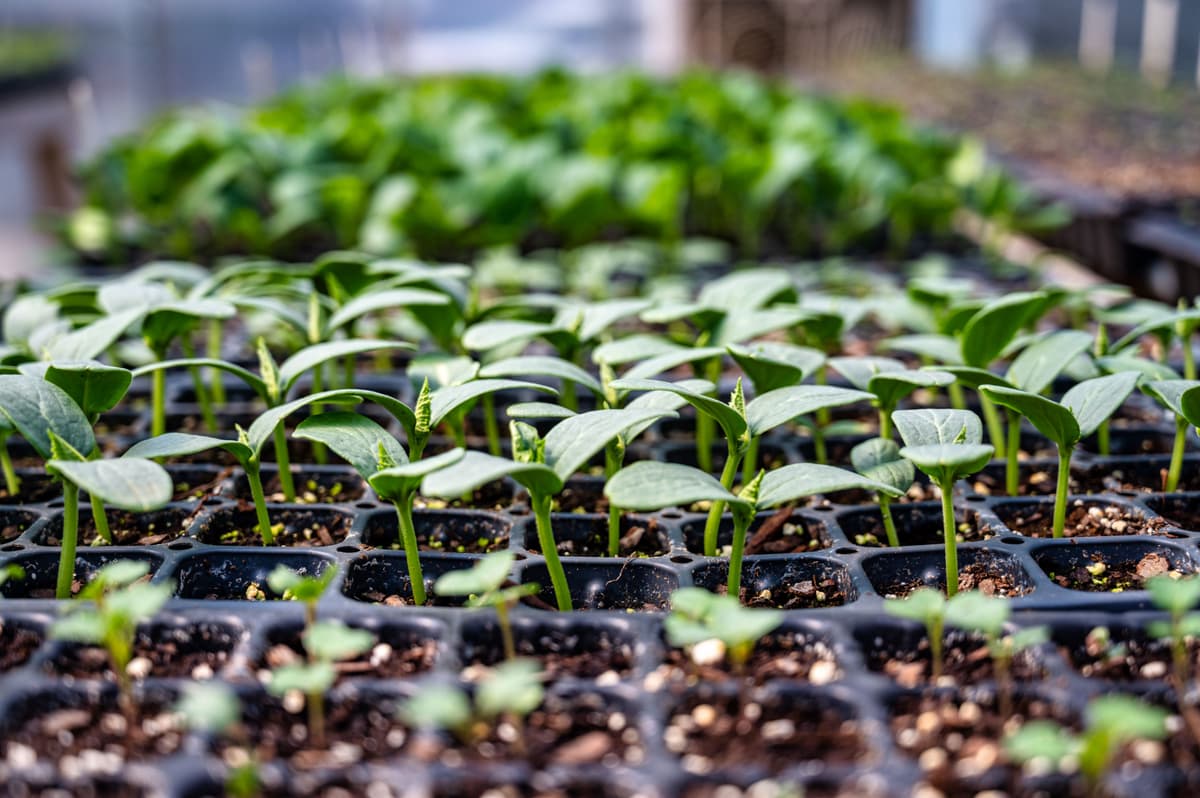
Local nurseries: Woodbrook Native Plant Nursery (Gig Harbor), Fourth Corner Nurseries (Bellingham). County conservation district spring sales (affordable bare-root seedlings). Washington Native Plant Society chapter sales. For seeds: Klamath-Siskiyou Native Seeds, Prairie Moon Nursery. Also check city habitat restoration programs for free plants.
Why Big-Box “Native” Labels Can Be Misleading
Big-box “native” plants may be cultivars or from a different region. Many cultivars have reduced pollen/nectar value. Buy from nurseries that source seeds and cuttings from local populations. Ask specifically for “Willamette Valley ecotype” or “Cascades ecotype” if you live in those areas.
Seeds, Plugs, or Potted Plants: Which Should Beginners Choose?
Seeds are cheapest but need cold stratification and patience. Plugs (small starts) are a cost-effective middle ground. Potted plants give fastest results but cost more. Beginners: plugs or small pots for fastest establishment. For large areas (over 500 sq ft), consider seed mixes from conservation districts. Avoid bare-root plants unless you can plant them within 24 hours.
How to Transition a Washington Yard to Native Plants Without Starting Over
Start with One Problem Area: Shade Lawn, Runoff Spot, Slope, or Blackberry Edge
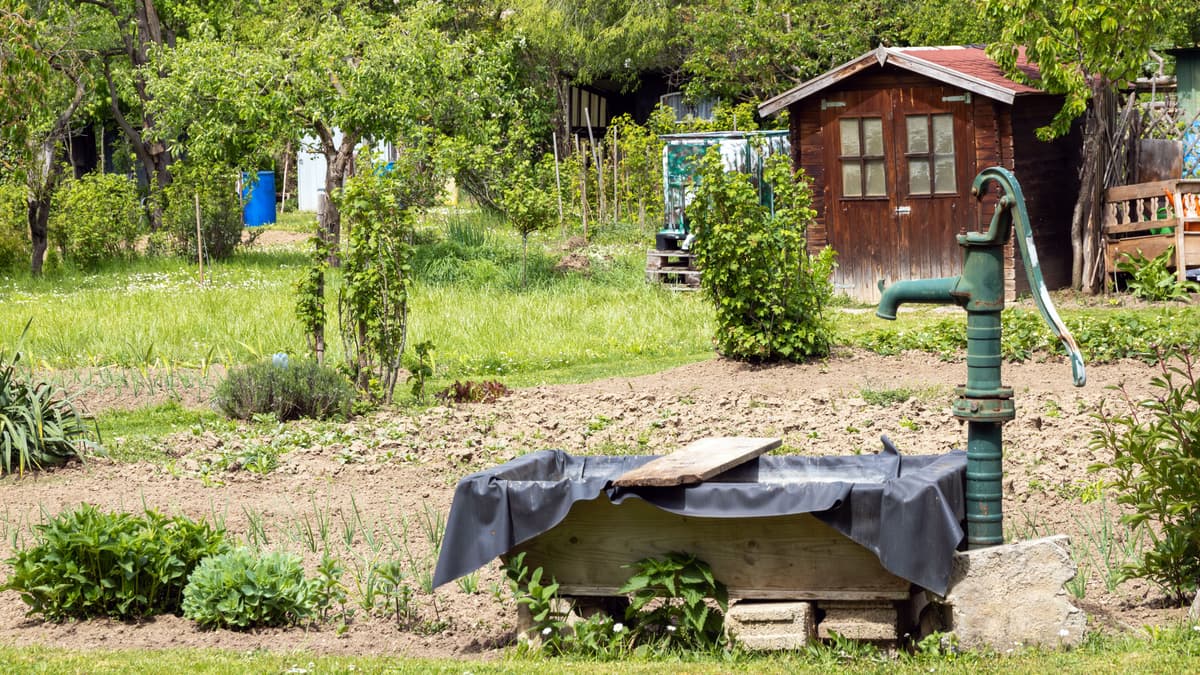
Convert a single troublesome area first. This lets you learn without being overwhelmed. After one area succeeds, expand slowly. Document what works and what dies. Keep a simple journal of watering schedules and wildlife visits.
Use Layers and Repetition So the Garden Looks Intentional
Repeat two or three species per layer (groundcover, shrub, tall accent) to create cohesion. For example: kinnikinnick groundcover, red-flowering currant mid-story, serviceberry focal point. Use odd numbers (3, 5, 7) for massing.
Keep Paths, Edges, and Sightlines Clean
Maintain clear edges (mown strip or stone border), weed-free paths, and prune invasive suckers. A tidy edge makes the garden look intentional. Annual mulching with shredded leaves or arborist chips keeps weeds down and feeds soil microbes.
Common Mistakes New Washington Native Plant Gardeners Make
Using a Generic PNW Plant List Without Checking Your Region
A plant that thrives in Snohomish may die in Spokane. Check county-level data via WNPS or conservation district lists.
Expecting Native Plants to Beat Blackberry or Ivy Without Site Prep
Remove invasives thoroughly (cut, dig, solarize over a full growing season). Monitor for regrowth before planting. A thick layer of cardboard weighted with mulch works well for shallow-rooted weeds like English ivy.
Planting Dry-Summer Natives Without Establishment Watering
“Drought-tolerant” means after roots are deep. Most need weekly water during the first two summers. Use a soaker hose or drip irrigation on a timer to ensure consistent moisture.
Choosing Plants That Outgrow Small Urban Yards
Check mature dimensions. Red-osier dogwood spreads 10 ft; serviceberry reaches 15 ft. Choose compact species (low Oregon grape, beach strawberry, sword fern) for small yards.
Giving Up Before Year Two or Three
First-year natives focus on root growth; top growth may be minimal. By year two or three, they fill in. Patience pays off. Take photos each spring and fall to track progress.
Conclusion
Success with Washington native plants comes down to three steps: identify your region (west or east), read your yard’s conditions (sun, soil, moisture), and choose a small group of plants that match both. Start with a single problem area, use repetition and layers, and be patient through establishment. You’ll create a garden that supports local wildlife, handles Washington’s climate, and looks intentional from the start. Even a modest 10x10 foot patch can host dozens of beneficial insects, feed migrating birds, and reduce your water bill.
FAQ
Are all Washington native plants safe for pets and children?
No. Oregon grape can cause vomiting/diarrhea in large amounts; unripe red-flowering currant berries may upset stomachs. Always check with the ASPCA or a veterinarian before planting in accessible areas. Teach children not to eat unknown berries.
What are the absolute easiest Washington native plants for a complete beginner to grow?
Sword fern and red-flowering currant are the most forgiving. Sword fern tolerates deep shade and dry summers once established. Red-flowering currant grows in sun or part shade, handles various soils, and blooms early. Kinnikinnick is a reliable groundcover for well-drained sites. Yarrow is nearly indestructible in sunny, dry areas. In eastern Washington, bluebunch wheatgrass and penstemon are excellent starters.
What does the 70/30 rule mean in native gardening, and should I follow it?
The 70/30 rule suggests planting about 70% natives and 30% non-native ornamentals to balance ecology and aesthetics. For pure ecological value, 100% natives is better. If mixing, prioritize host and nectar plants among natives and avoid invasive non-natives.
What native plants grow well in Eastern and Western Washington?
Western Washington: sword fern, salal, red-flowering currant, evergreen huckleberry, Pacific bleeding heart, fringecup, Oregon grape, kinnikinnick, red-osier dogwood. Eastern Washington: big sagebrush, bitterbrush, bluebunch wheatgrass, Idaho fescue, Sandberg’s bluegrass, bitterroot, penstemon, balsamroot, lupine. Always verify for your specific county. For transitional areas near the Cascades, species like serviceberry and Nootka rose do well in both regions.
You Might Also Like