Maine Native Plants: What to Grow for Pollinators, Birds, and Easy-Care Landscapes
Key Takeaways
-
Match plants to your specific site conditions: Before buying, know your sun exposure, soil type, moisture level, and USDA hardiness zone.
-
Build a continuous bloom sequence for pollinators: Include early bloomers (wild strawberry), mid-summer bloomers (milkweed), and late bloomers (goldenrod and aster).
-
Prioritize host plants and berries for birds: Serviceberry, black cherry, and arrowwood viburnum provide both caterpillar host leaves and winter berries.
-
Expect a slow first year and a full garden by year three: Native perennials focus on root growth in year one, accelerate in year two, and reach mature size by year three.
-
Buy from local sources using Maine-native seed stock: Check Maine Audubon and Wild Seed Project nursery lists and ask about seed origin before buying.
Why Maine Native Plants Matter for Your Garden and Local Ecosystem
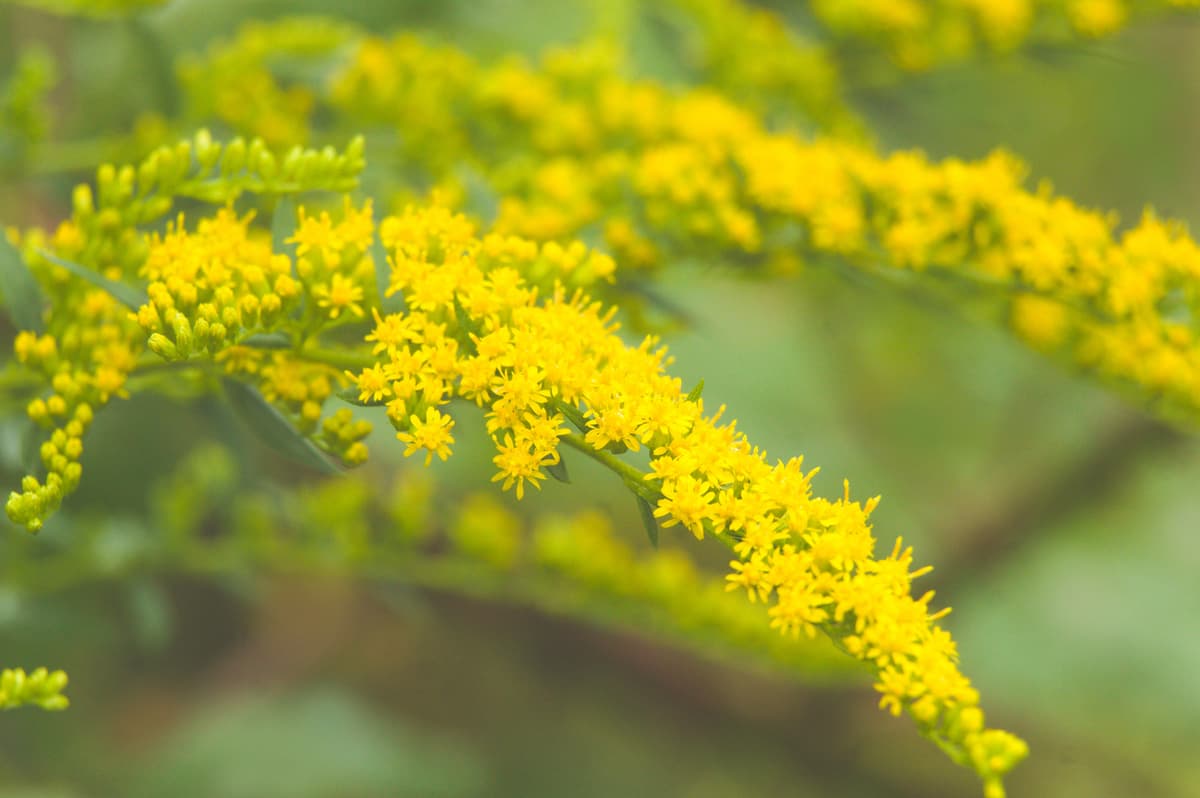
Native plants grew in Maine before European settlement, adapted to cold winters and short growing seasons. When you choose a Maine native, you select something with built-in tolerance for your conditions.
Native plants form the foundation of the local food web. A single non-native ornamental may support almost no caterpillars, meaning fewer birds find protein to raise their young. Native plants host dozens of caterpillar species.
The right natives bloom from spring to fall, resist deer, and fit small city lots or rural acres.
How Native Plants Support Maine’s Wildlife and Biodiversity
Maine’s 270+ native bee species need continuous nectar and pollen from early spring through fall. Native plants fill those gaps exactly when insects need them.
Most songbirds feed chicks almost exclusively on caterpillars from native trees and shrubs. A yard with oaks, cherries, serviceberries, and goldenrods supports dozens of bird species.
Native plants also support soil health and water quality. Deep root systems hold soil, reduce runoff, and filter pollutants.
Debunking Myths: Native Plants Are Not Slow, Boring, or Hard to Grow
Many native perennials fill in by their second or third year. Goldenrods, asters, milkweeds, bergamot, cardinal flower, and blue flag iris are far from dull. They support far more wildlife than beds of annuals from big-box stores.
The Hidden Benefits: Less Water, Fewer Chemicals, and Lower Maintenance
Established Maine natives need significantly less watering than non-native ornamentals. Their deep roots reach moisture deeper in the soil, eliminating hose dragging during July and August dry spells.
Because they evolved alongside local pests, natives rarely need chemical treatments. They attract natural predators and tolerate minor damage, allowing you to skip synthetic fertilizers and pesticides.
Over time, a native garden requires less weeding, mulching, and fussing than a conventional flower bed.
Understanding Maine’s Unique Growing Conditions Before Choosing Native Plants
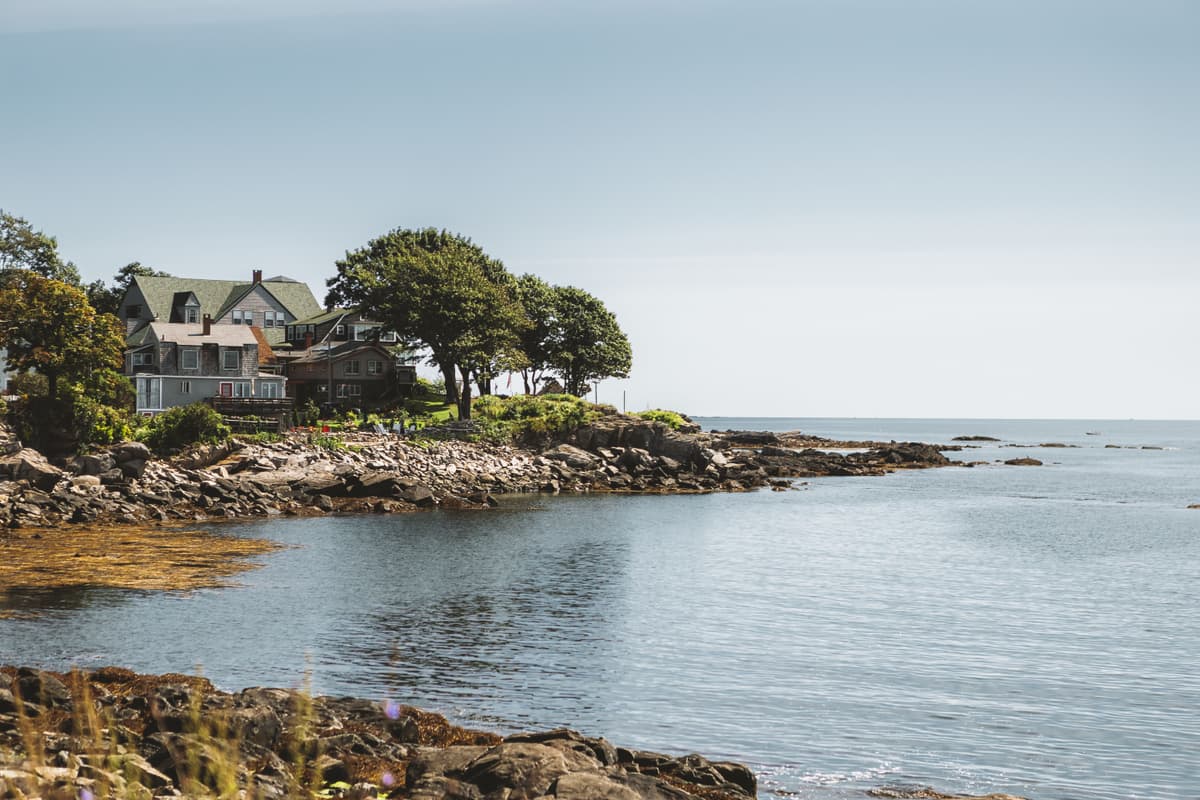
Coastal Maine vs Inland Maine: Why Plant Choices Differ
Coastal Maine has milder winters and cooler summers but strong wind and salt spray. Inland Maine has colder winter lows and a shorter season. Match plants accordingly.
Common Maine Soil Types and How They Affect Native Plant Selection
Maine soils are generally acidic but vary widely: clay, sandy, or loamy. Clay supports swamp milkweed and Joe-Pye weed. Sandy soil suits sweet-fern, bearberry, and beach plum. Loamy soil supports a broad range.
Deer, Salt Spray, and Winter Damage: Challenges Maine Gardeners Face
Deer resist bearberry, sweet-fern, mountain mint, milkweeds, and goldenrods. Salt-tolerant natives like beach plum, seaside goldenrod, and red-osier dogwood handle coastal exposure. Winter damage is reduced by mulching in late fall and choosing hardy species.
How to Choose and Buy Maine Native Plants for Your Landscape
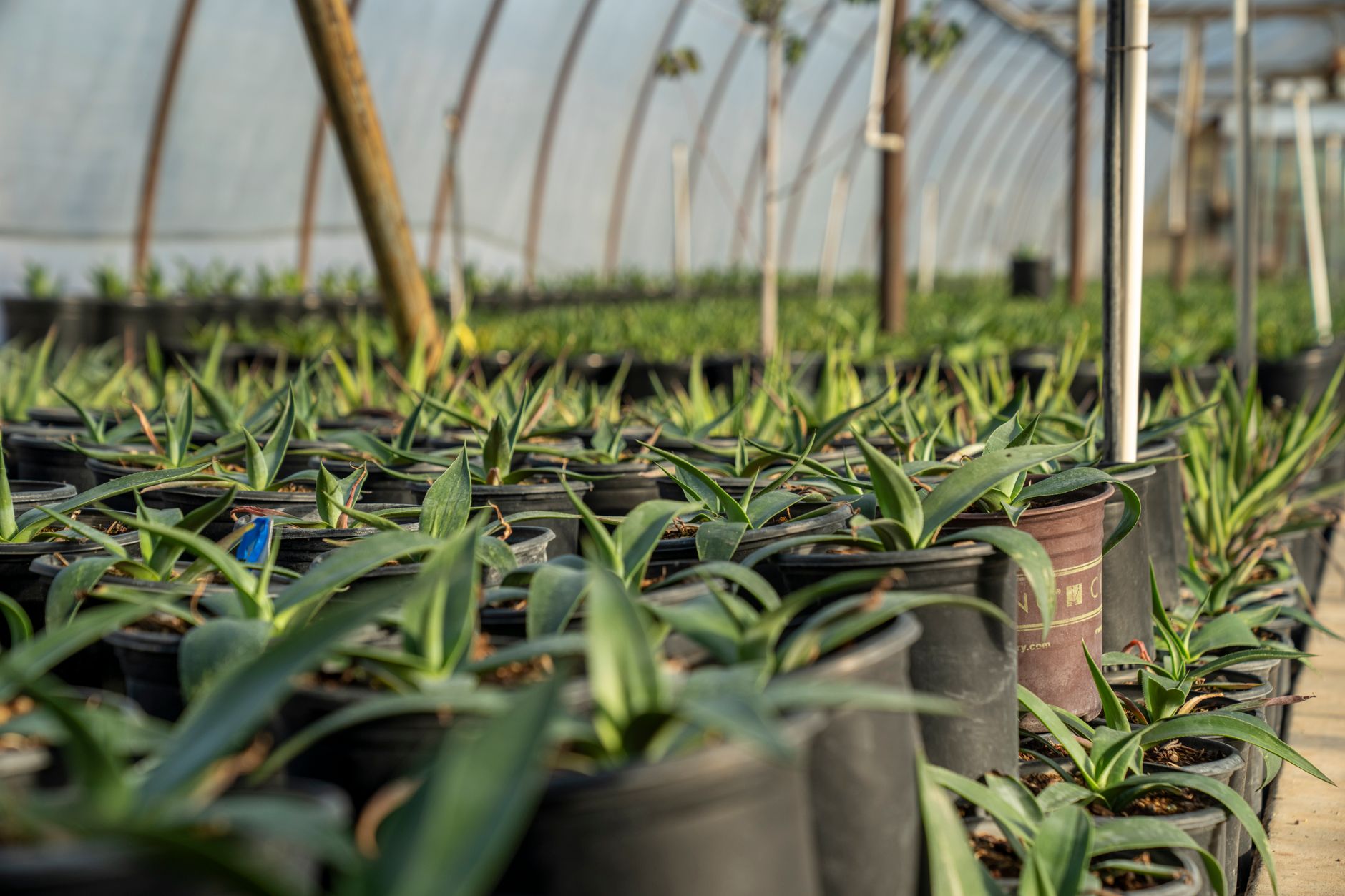
Where to Buy Maine Native Plants: Local Nurseries, Online Retailers, and Native Plant Sales
Local native plant nurseries and small farms are the best source. Maine Audubon and the Wild Seed Project publish lists of reputable sellers. Native plant sales in spring and fall offer good variety and lower prices.
Bare Root vs. Potted Plants: Which Is Better for a Beginner?
Bare-root plants are cheaper but need planting soon after arrival. Potted plants cost more but give immediate visual cues. For beginners, potted plants are easier. For large areas on a budget, bare-root is better value.
Matching Plants to Your Site: Sun, Soil, Moisture, and Hardiness Zone Considerations
Know your sun exposure: full sun is at least six hours direct sun; part shade is three to six hours. Know your soil type and moisture level. Most of Maine is zones 4a to 6a; choose plants rated for your zone or colder.
Best Maine Native Plants by Garden Goal and Site Condition
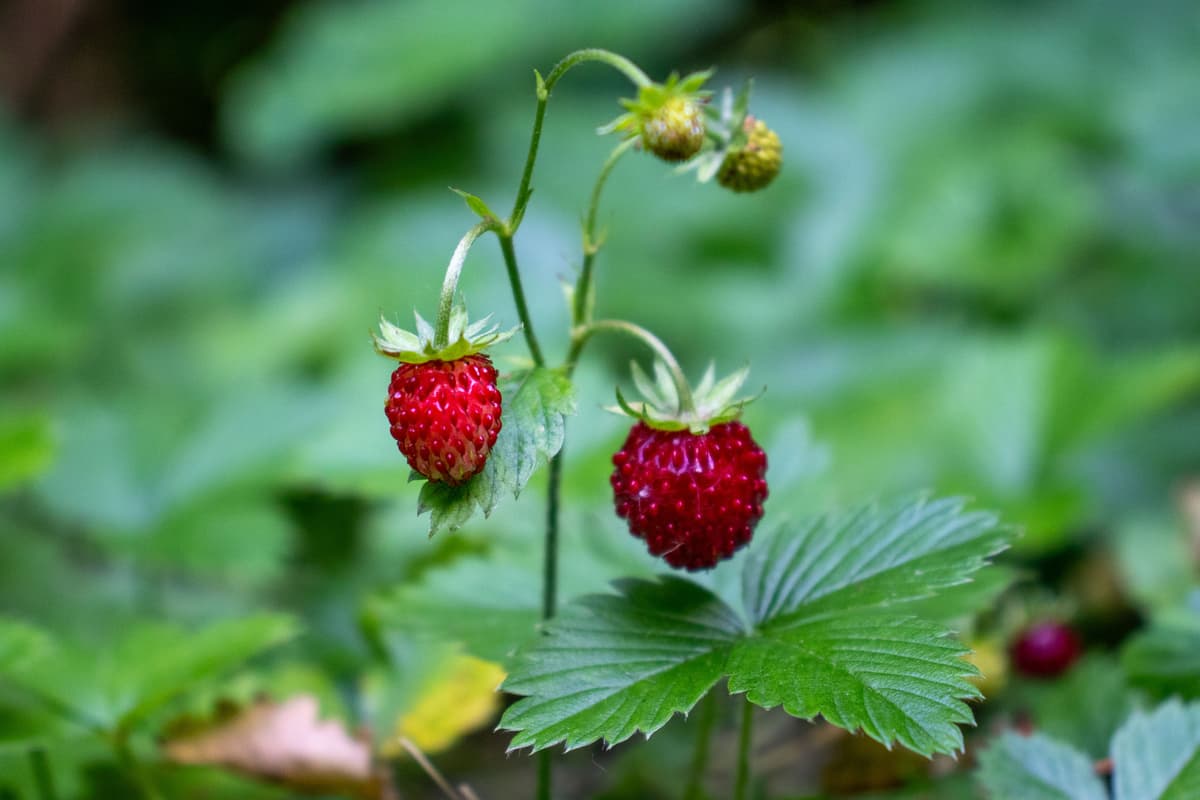
Maine Native Plants for Pollinators: Build a Bloom Sequence from Spring to Fall
Include early, mid, and late bloomers. A garden blooming only in June won’t support bees all season.
Plants to consider:
- Wild strawberry (Fragaria virginiana) — early spring bloom / host plant / low groundcover
- Wild geranium (Geranium maculatum) — mid-spring bloom / shade-tolerant
- Golden Alexanders (Zizia aurea) — late spring bloom / host for black swallowtail
- Common milkweed (Asclepias syriaca) — mid-summer bloom / monarch host / full sun
- Swamp milkweed (Asclepias incarnata) — mid-summer bloom / monarch host / moist to wet soil
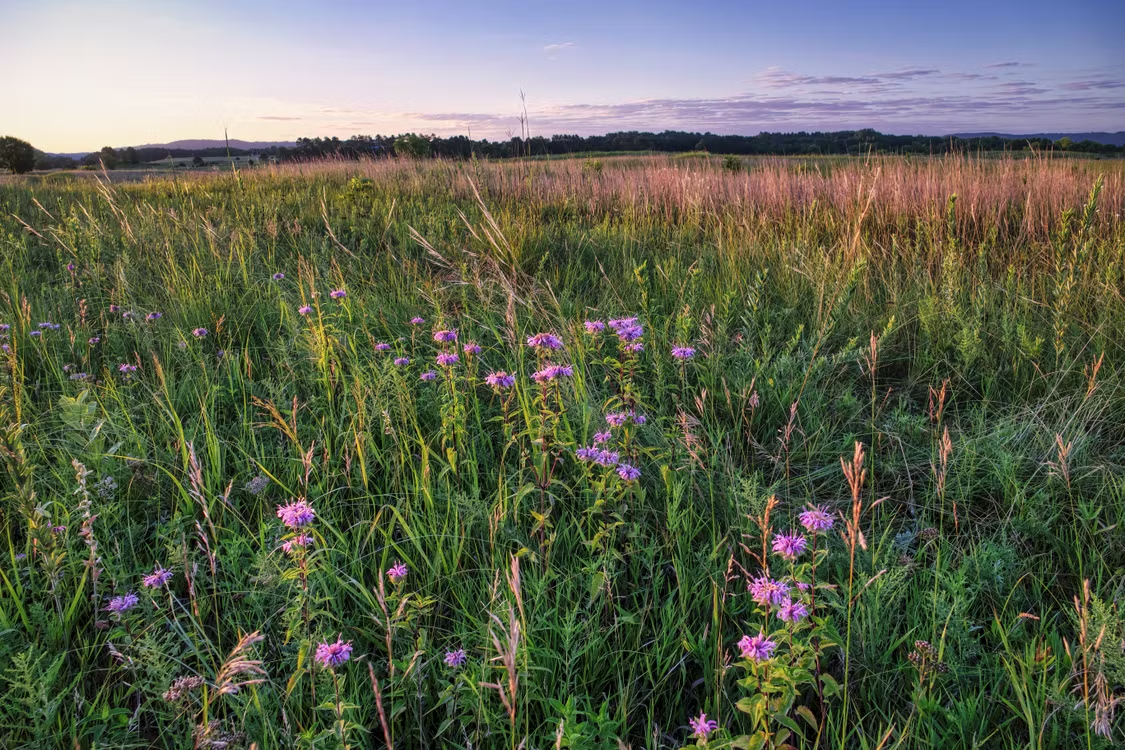
- Wild bergamot (Monarda fistulosa) — mid-summer bloom / attracts bees, hummingbirds, butterflies
- Mountain mint (Pycnanthemum spp.) — mid to late summer bloom / extremely attractive to native bees
- New England aster (Symphyotrichum novae-angliae) — late summer to fall bloom / critical late-season nectar
- Goldenrods (Solidago spp.) — late summer to fall bloom / supports many specialist bees
Include at least two early bloomers and two late bloomers alongside milkweed.
Maine Native Plants for Birds and Wildlife: Berries, Seeds, Shelter, and Host Plants
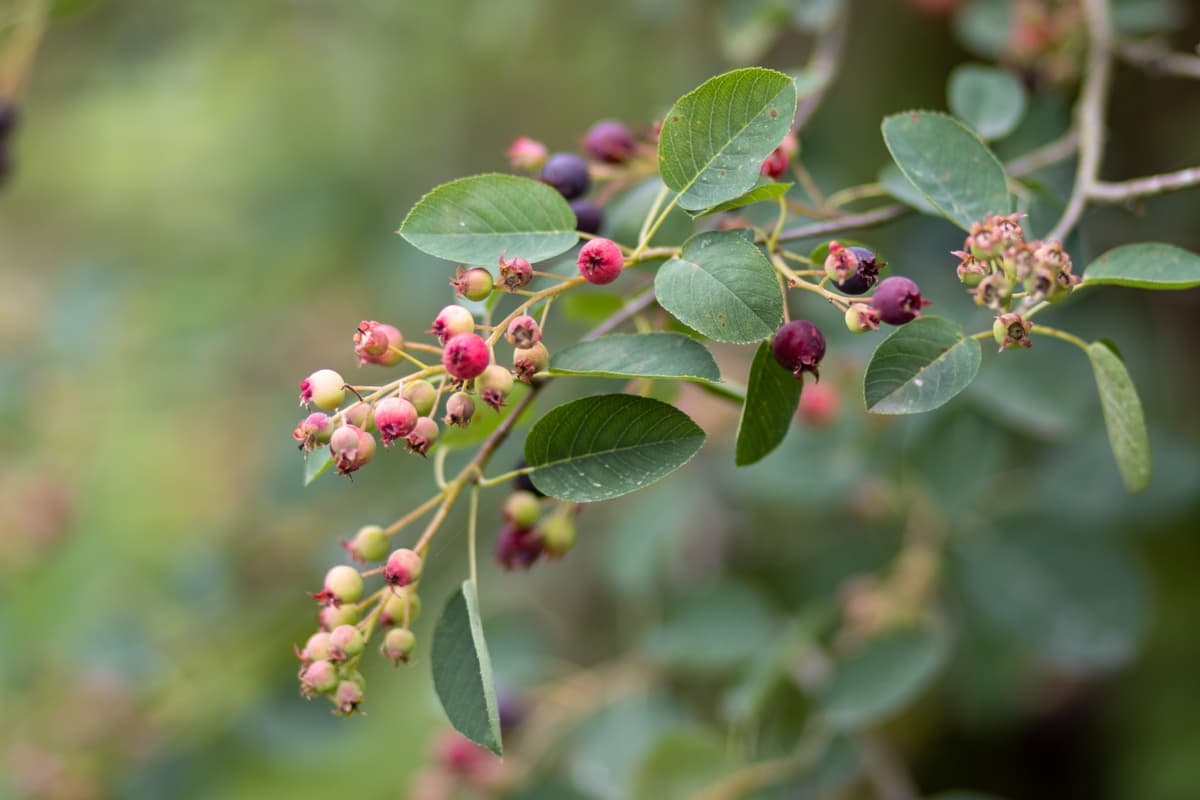
A single serviceberry supports over 40 caterpillar species, primary food for chickadees, nuthatches, and warblers.
Plants to consider:
- Serviceberry (Amelanchier spp.) — early summer berries / caterpillar host / understory tree
- Winterberry holly (Ilex verticillata) — red berries through winter / needs male pollinator / wet soil tolerant
- Arrowwood viburnum (Viburnum dentatum) — fall berries / dense shrub for nesting
- Nannyberry (Viburnum lentago) — edible berries into winter / tall shrub or small tree
- Blueberry (Vaccinium spp.) — mid-summer berries / supports bees and birds / acidic soil
- Black chokeberry (Aronia melanocarpa) — fall berries / good fall foliage
- Red-osier dogwood (Swida sericea) — white berries in summer / red winter stems / wet soil
- Black cherry (Prunus serotina) — late summer berries / host for many caterpillars / large tree
Stick with native species. Non-native invasive shrubs like barberry and honeysuckle produce berries low in fat that act as nutritional traps for migratory birds.
Maine Native Shrubs and Trees for Privacy Screens: Layered Hedges Instead of a Single Wall
A layered hedge of natives provides better wildlife habitat and seasonal interest. Plant taller trees like black cherry or serviceberry in back, mid-height shrubs like arrowwood viburnum in the middle, and shorter shrubs like lowbush blueberry or sweet-fern in front. Avoid invasive non-natives like autumn olive or burning bush.
Maine Native Plants for Wet Soil and Rain Gardens: What Can Handle Periodic Standing Water
Many beautiful natives thrive in moist to wet conditions.
Plants to consider:
- Blue flag iris (Iris versicolor) — wet soil / showy blue flowers late spring / rain garden center
- Swamp milkweed (Asclepias incarnata) — moist to wet soil / monarch host
- Cardinal flower (Lobelia cardinalis) — moist to wet soil / brilliant red flowers / hummingbird magnet
- Spotted Joe-Pye weed (Eutrochium maculatum) — moist to wet soil / tall pink blooms late summer
- Boneset (Eupatorium perfoliatum) — wet soil / white flowers late summer / rain garden edges
- Buttonbush (Cephalanthus occidentalis) — wet soil, standing water / unique white flowers / excellent for bees
- Winterberry holly (Ilex verticillata) — wet to moist soil / red winter berries
- Red-osier dogwood (Swida sericea) — wet to moist soil / red stems / spreads to form thicket
Plants like buttonbush and blue flag iris need consistently wet soil. If your soil drains well, choose moist-soil species instead.
Maine Native Plants for Dry, Sandy, or Gravelly Soil: Tough Choices for Lean Sites
Even tough natives need regular watering during their first year; after that, they survive on natural rainfall.
Plants to consider:
- Bearberry (Arctostaphylos uva-ursi) — dry sandy / evergreen groundcover / red berries / deer resistant
- Sweet-fern (Comptonia peregrina) — dry sandy or gravelly / fragrant leaves / nitrogen-fixing / deer resistant
- Beach plum (Prunus maritima) — dry sandy / edible fruit / salt-tolerant / coastal
- Bush honeysuckle (Diervilla lonicera) — dry to medium / yellow flowers summer / deer resistant
- Common juniper (Juniperus communis) — dry sandy or rocky / evergreen shrub / full sun
- Wild strawberry (Fragaria virginiana) — dry to medium / early spring flowers / low groundcover
- Moss phlox (Phlox subulata) — dry sandy / spring flowers pink or white / slopes and rock gardens
- Seaside goldenrod (Solidago sempervirens) — dry sandy / late yellow blooms / salt-tolerant
Maine Native Plants for Shade and Woodland Edges: What to Grow Under Trees
Shade under trees is usually dry and acidic. Choose plants that tolerate these conditions.
Plants to consider:
- Bunchberry (Chamaepericlymenum canadense) — part shade / white flowers spring / red berries / moist acidic
- Wintergreen (Gaultheria procumbens) — part to full shade / white flowers summer / edible red berries / evergreen
- Large-leaved wood aster (Eurybia macrophylla) — dry shade / white flowers late summer / aggressive spreader
- White wood aster (Symphyotrichum divaricatus) — dry shade / white flowers fall
- Canada mayflower (Maianthemum canadense) — part to full shade / white flowers spring / low groundcover
- Hay-scented fern (Dennstaedtia punctilobula) — dry shade / light green fronds / spreads aggressively
- New York fern (Thelypteris noveboracensis) — part to full shade / medium moisture / less aggressive
- Wild ginger (Asarum canadense) — part to full shade / low groundcover / heart-shaped leaves / moist
Maine Native Plants for Small Yards, Patio Edges, and Narrow Beds: Compact Choices That Won’t Take Over
Choose compact, clumping species and avoid aggressive spreaders like common milkweed. Wild strawberry, wild geranium, mountain mint, and New England aster (cut back in early summer) are tidy options. Use serviceberry or lowbush blueberry instead of large trees.
Designing and Planting Your Maine Native Garden from Scratch
The Right Order of Planting: Hardscape First, Then Trees, Shrubs, and Perennials
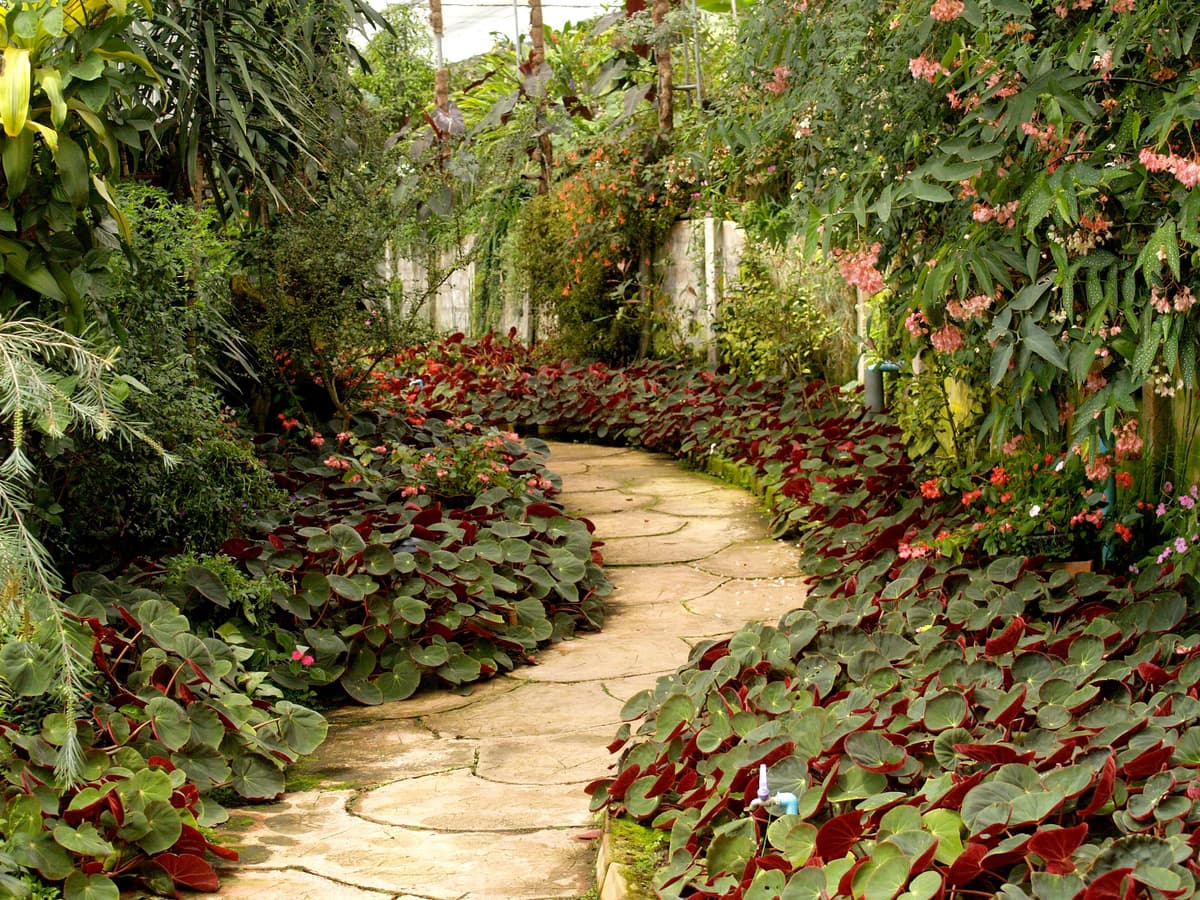
Install patios, paths, and hardscape first. Then plant trees, then shrubs, then perennials and groundcovers. This prevents digging up new plants later.
What to Expect in Year 1, 2, and 3: A Timeline for Success
Year 1: Perennials look small and sparse, focusing on root growth. Water regularly; pull weeds; mulch lightly. Year 2: Plants are larger with more blooms. Continue watering but less frequently. Year 3: Most perennials reach mature size. Garden looks full; maintenance drops to occasional deadheading.
Combining a Native Garden with Patios, Grills, and Functional Outdoor Areas
Use neat edging along hardscape to define garden boundaries. Choose upright plants like mountain mint near seating. Keep a small lawn area if desired. Grilling areas should be several feet from dry plants for fire safety.
Common Mistakes New Maine Native Gardeners Make
Planting Aggressive Native Spreaders in Small Spaces
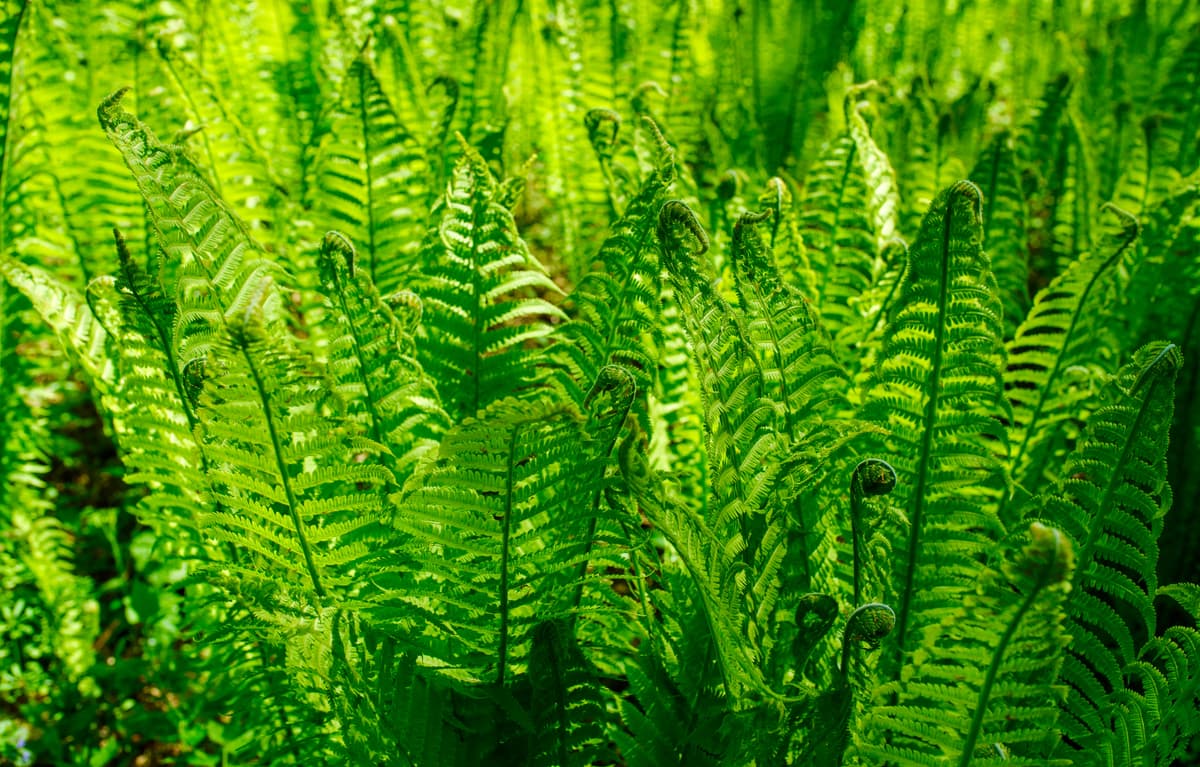
Common milkweed, hay-scented fern, and Canada mayflower can take over small beds. In compact gardens, choose clump-forming species.
Expecting a Fully Mature Garden in the First Year
Year one is about roots, not blooms. Give plants time.
Buying Plants Labeled “Native” Without Verifying Their Origin
“Native” is unregulated. Plants may be from seed sourced from other regions. Buy from local sources and ask about origin. The Wild Seed Project and Maine Audubon provide lists of nurseries using local ecotypes.
Ignoring Mature Plant Size and Seasonal Growth Habits
A small potted aster may reach four feet tall. Look up mature dimensions before planting and give room.
Conclusion
Planting Maine native plants creates a beautiful garden that supports local wildlife, requires less water and chemicals, and fits almost any yard. Match plants to your site, buy from reliable sources, and be patient during the first year or two. Every native plant you add makes a difference.
FAQ
What are the easiest Maine native plants for an absolute beginner?
Wild strawberry, wild geranium, golden Alexanders, and common milkweed are forgiving and widely available. Mountain mint and New England aster are also reliable choices.
What flowers bloom in fall in Maine?
New England aster, several species of goldenrod, white wood aster, and large-leaved wood aster bloom late summer to fall. These are critical for monarch butterflies preparing to migrate and native bees stocking up for winter.
How long do Maine native plants take to establish and fill in?
Most perennials need one to three years to reach mature size. Year one is slow as roots develop. By year two, growth accelerates. By year three, the garden looks full and requires less watering. Trees and shrubs take five to ten years.
Can I have a patio or grill area in a native plant garden?
Yes. Install hardscape first, then add native beds around it. Keep taller plants away from grills for fire safety. Use neat edging to define borders.
Sources
- Wild Seed Project. Native Plant Lists and Growing Guides. Portland, ME.
- Maine Audubun. Native Plants for Wildlife. Falmouth, ME.
- University of Maine Cooperative Extension. Pollinator Garden Resources. Orono, ME.
- Reddit r/NativePlantGardening. User discussions on Maine native plant sourcing, planting order, and establishment timelines. 2024.
You Might Also Like