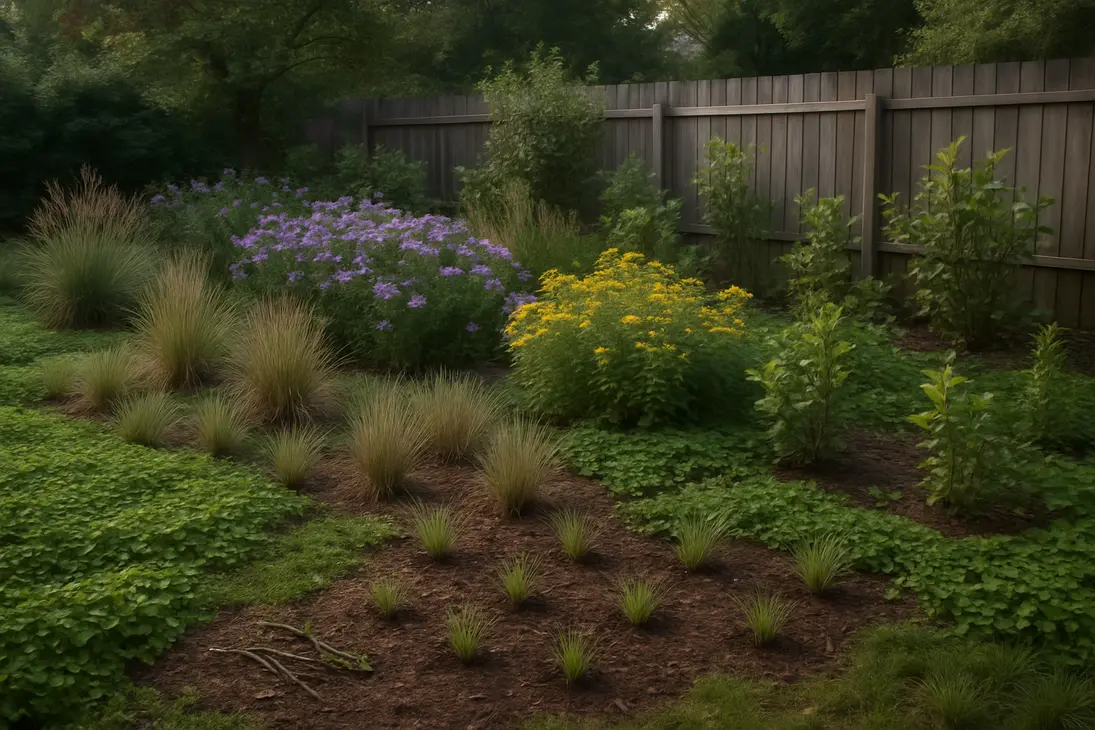
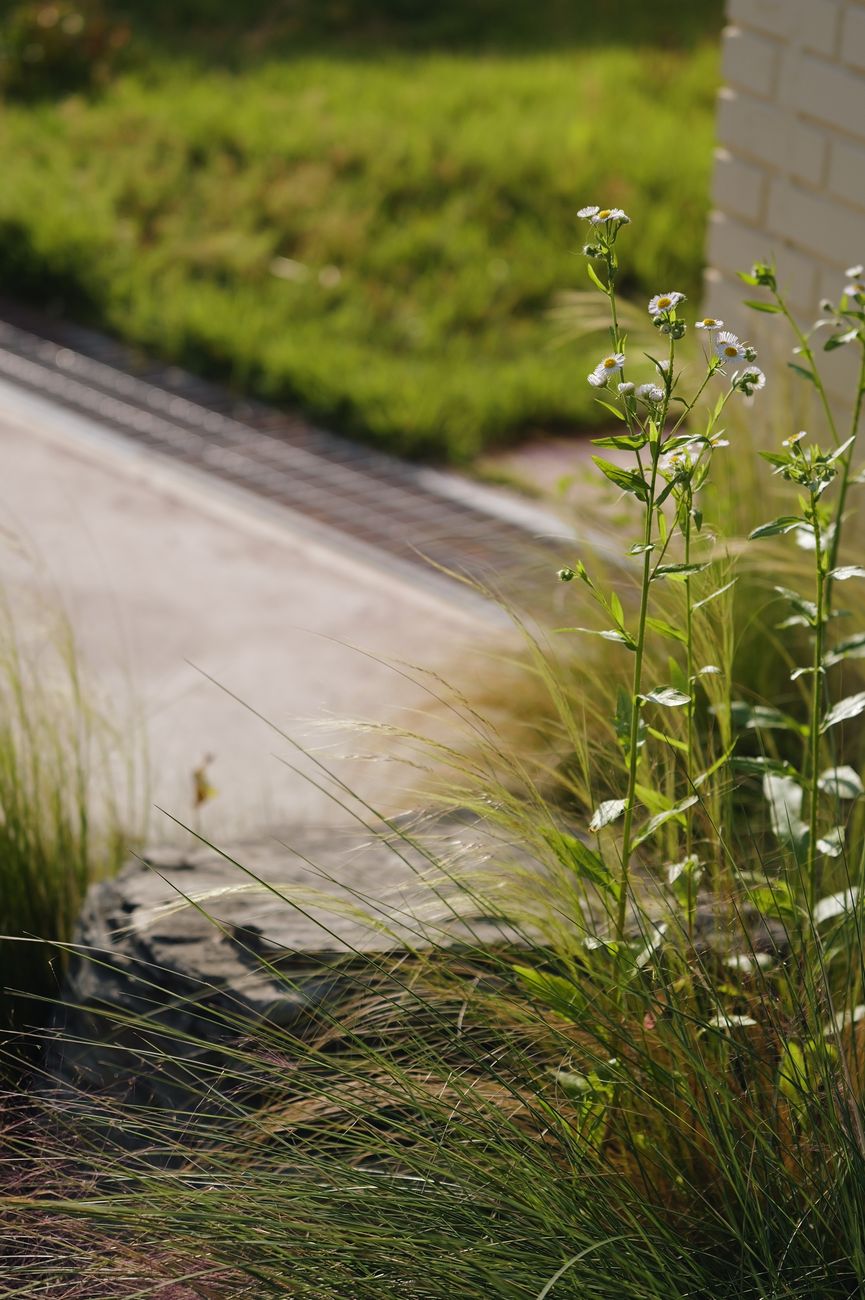
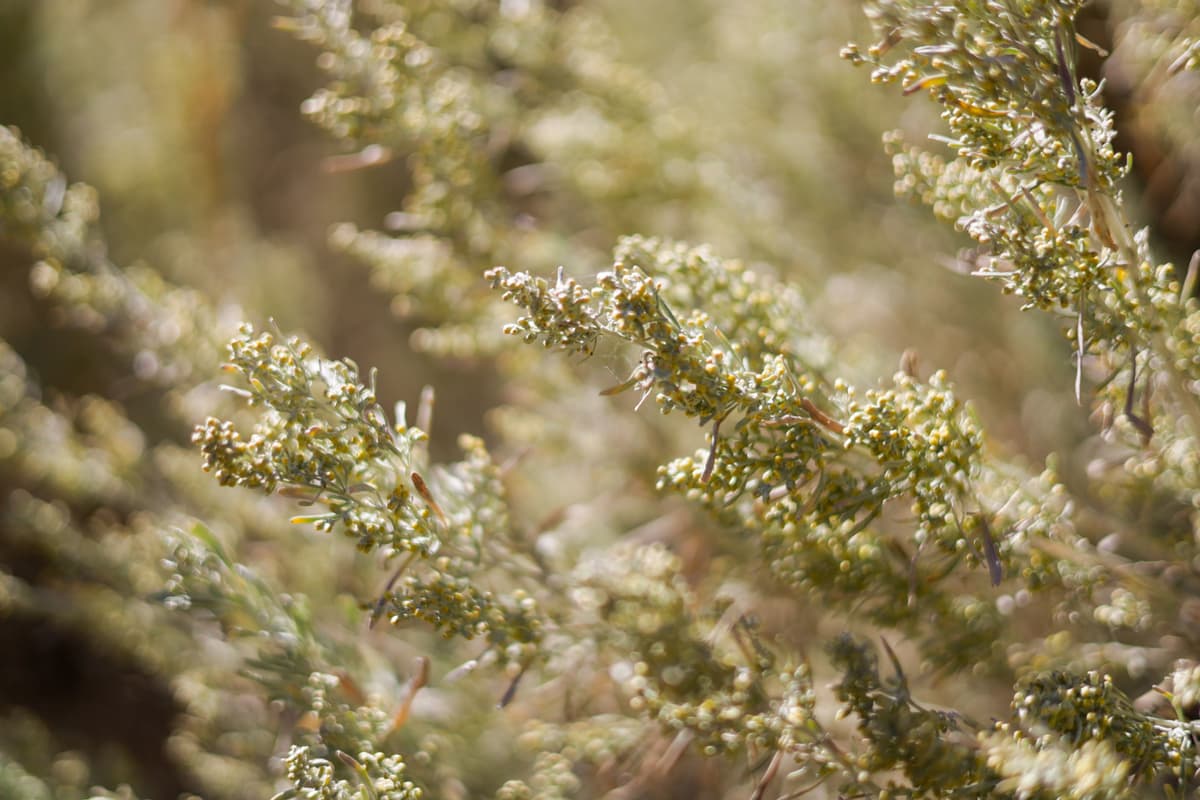
What Flowers Grow Naturally in the World?
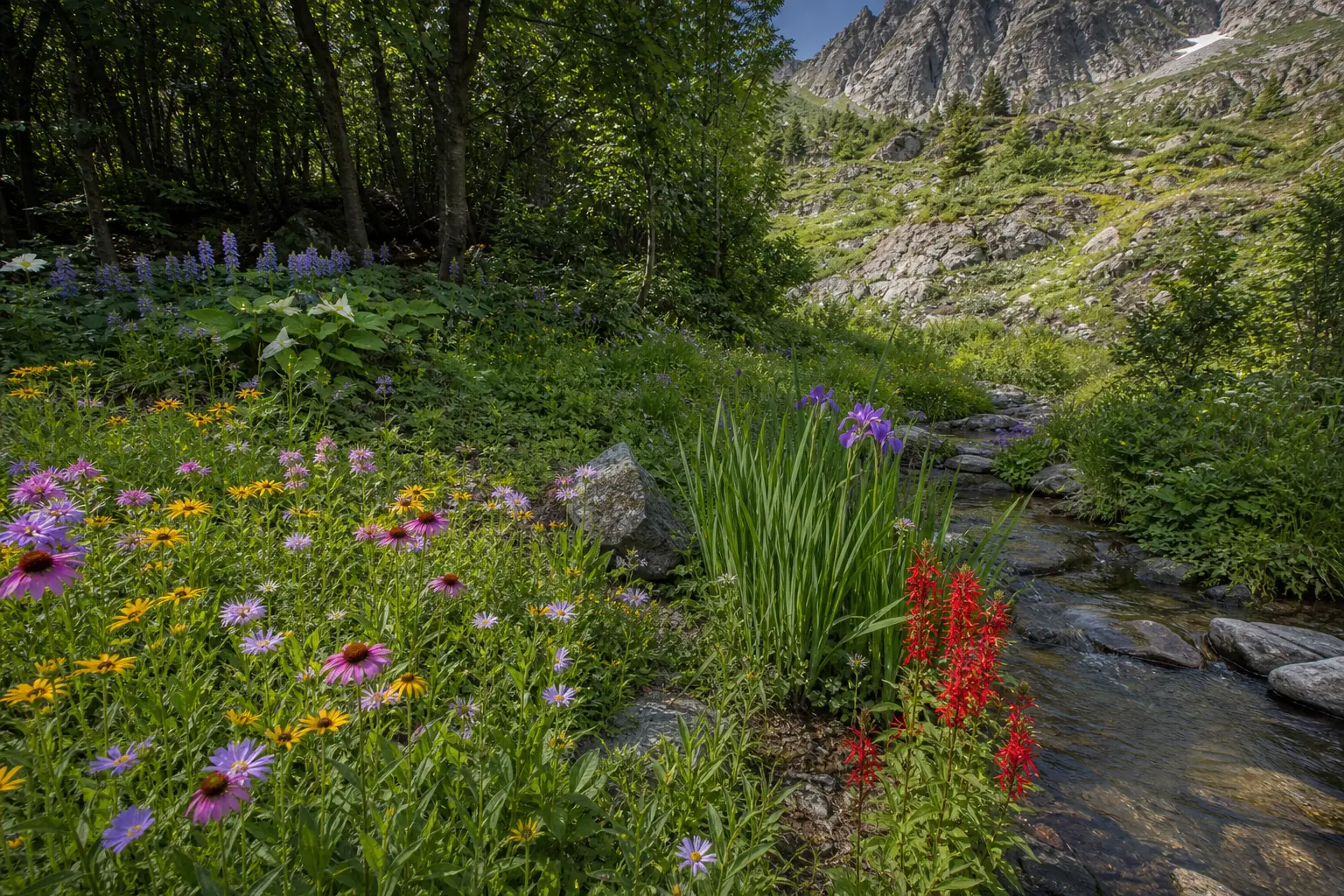
Flowers that grow naturally occur in almost every land ecosystem, from dry deserts and alpine slopes to damp woodland floors and coastal dunes. The particular flowers you see depend on the local climate, soil, rainfall, elevation, and history of plant movement.
Common examples include coneflowers and asters in North American prairies, poppies in Mediterranean-type climates, bluebells in European woodlands, alpine gentians in mountain regions, and desert marigolds in arid areas. However, a flower growing without human attention is not automatically native to that place—or suitable to plant in every garden.
What “Naturally Growing” Flowers Means
Several terms are often used interchangeably, but they describe different things:
- Wildflower: A flowering plant that grows in the wild rather than being deliberately cultivated. A wildflower may be native or introduced.
- Native flower: A flower that evolved or arrived in a region without recent human introduction. Native plants are usually adapted to local weather, soils, insects, and seasonal patterns.
- Naturalized flower: A non-native plant that has escaped cultivation and reproduces on its own in the landscape. It may coexist relatively quietly with local plants, or it may spread widely.
- Invasive species: A non-native plant that spreads aggressively and causes ecological, economic, or practical harm. Invasive plants can displace native vegetation, alter habitats, and become difficult to control.
A flower can grow without watering, fertilizer, or deliberate planting and still be non-native. For example, an ornamental plant may escape from gardens, set seed along roadsides, and become naturalized. In some places, that same plant may later be classified as invasive.
This is why “grows naturally” should not be treated as a guarantee that a flower belongs in your local landscape. The most useful question is: Does this species naturally occur in my region and suit the conditions of my site?
Naturally Growing Flowers by Habitat
Wildflowers are best understood by the habitats they occupy. A plant adapted to an open, dry prairie will not necessarily thrive in a shaded, humid woodland garden—even if both are called wildflowers.
Species also vary greatly by country and ecosystem. The names below are examples of flower groups and familiar species, not a universal planting list.
Meadow, Prairie, and Grassland Flowers
Open grasslands support flowers that tolerate full sun, wind, seasonal drought, grazing, and competition from grasses. Many have deep roots, narrow leaves, or long flowering periods that help them persist in exposed conditions.
Examples include:
- Coneflowers (Echinacea species), especially in parts of North American prairie and open woodland.
- Black-eyed Susans (Rudbeckia species), common in sunny fields and disturbed ground in many regions of North America.
- Poppies (Papaver and related genera), including species adapted to dry, open ground.
- Lupines (Lupinus species), which occur in grasslands, open slopes, and sandy or disturbed soils in various parts of the world.
- Daisies, a broad group found in many climates; some are native locally, while others are introduced.
- Asters (now divided among several botanical genera), important late-season flowers in prairies, fields, and meadows.
These flowers often look effortless in large natural displays, but those displays are shaped by local conditions. A prairie coneflower may need sun and well-drained soil, while a meadow species from a wetter climate may tolerate heavier ground.
Before sowing a “wildflower mix,” check the species list. Many commercial mixes contain flowers that are not native to your area, and some include species poorly suited to your rainfall or soil.
Woodland and Shade-Loving Wildflowers
Woodland wildflowers are adapted to filtered light, leaf litter, tree-root competition, and seasonal changes in shade. Some bloom early in spring before tree canopies fully leaf out, then rest or die back for part of the year.
Naturally occurring woodland flowers include:
- Trilliums (Trillium species), found in suitable forests in North America and eastern Asia.
- Bluebells, including different species in Europe and North America.
- Violets (Viola species), a diverse group found in woods, grasslands, wetlands, and gardens worldwide.
- Columbines (Aquilegia species), which occur naturally in woodland edges, rocky slopes, and mountain environments.
- Wild geraniums (Geranium species), often found in open woods and shaded clearings.
Woodland plants are often slow to establish because their natural habitat is stable rather than frequently disturbed. They may depend on cool soil, consistent leaf mulch, and moisture held beneath trees. Removing them from the wild is rarely successful and can damage local populations; obtain nursery-propagated plants or seed instead.
Wetland, Streamside, and Moist-Soil Flowers
Wetland and streamside flowers cope with soils that remain moist for long periods, flood seasonally, or have limited oxygen around their roots. Many are not suitable for ordinary dry borders, even if they look attractive in a nursery pot.
Examples include:
- Irises, particularly moisture-loving native iris species in wet meadows, marshes, and pond margins.
- Cardinal flowers (Lobelia cardinalis), vivid red flowers found in moist habitats in parts of North America.
- Marsh marigolds (Caltha palustris), spring flowers of wet ground, stream edges, and marshes in cool regions.
- Moisture-tolerant asters, including species that grow in wet meadows and along waterways.
A wetland flower may survive in average garden soil for a short time but fail to grow strongly or flower well. Its roots may need steady moisture, cool conditions, or the periodic flooding that occurs in nature.
If you want to grow these plants at home, match them to a rain garden, pond edge, low-lying area, or consistently moist border rather than a raised bed that dries quickly.
Desert, Coastal, and Mountain Wildflowers
Some of the most striking flowers that grow naturally are adapted to environments that seem hostile to plant life. Their beauty is often tied to highly specific survival strategies.
Desert flowers may germinate rapidly after rain, complete their life cycle before drought returns, or store water in thick stems and leaves. Desert marigolds are one example of flowers adapted to sunny, dry landscapes.
Coastal wildflowers must endure salt spray, wind, shifting sand, and nutrient-poor soil. They are often low-growing, flexible, or deeply rooted. A coastal plant may struggle inland where drainage, humidity, and soil chemistry differ.
Mountain and alpine flowers cope with cold temperatures, short growing seasons, intense sunlight, and rocky soils. Alpine gentians often grow low to the ground, while Indian paintbrush species can appear on mountain slopes, grasslands, and open habitats in parts of North America.
These plants are usually poor candidates for “average” garden conditions. A mountain flower may need sharp drainage and winter cold; a desert annual may need a dry rest period; a dune plant may need sandy soil and open exposure.
How Wildflowers Grow Without Human Care
Wildflowers are not unmanaged by nature—they are supported by ecological relationships and conditions that suit them.
They reproduce in several ways:
- Seed: Many flowers produce abundant seed that falls nearby, travels in wind, floats in water, or is moved by animals.
- Bulbs, corms, and tubers: Some plants store energy underground and return when seasonal conditions improve.
- Rhizomes: Underground stems spread outward and form new shoots, helping plants occupy suitable ground.
- Runners or stolons: Above-ground stems root where they touch soil, creating new plants.
- Division of crowns or clumps: Mature perennial plants can gradually expand from their base.
Pollinators are equally important. Bees, butterflies, moths, flies, beetles, birds, and other animals move pollen between flowers, allowing many plants to form viable seed. Weather then determines whether those seeds germinate: some need winter chilling, smoke exposure, fluctuating temperatures, light, or a period of rainfall.
Wildflowers also survive through seasonal dormancy. What looks like a bare patch in summer or winter may contain dormant roots, bulbs, seeds, or rhizomes waiting for the right season.
Why Some Wildflowers Return Each Year
A natural flower display can look dependable, yet the individual plants within it may have very different life cycles.
| Plant type | Typical life cycle | What it means in a natural setting |
|---|---|---|
| Annual | Completes its life cycle in one growing season | Returns only if it produces and successfully germinates seed |
| Biennial | Grows leaves in year one, flowers and seeds in year two | May appear in shifting patches from year to year |
| Perennial | Lives for several years | Returns from roots, crowns, bulbs, or rhizomes |
| Self-seeding plant | Can be annual, biennial, or perennial | Persists by dropping seed into favorable soil |
A field full of annual poppies may be spectacular one spring and sparse the next. That does not necessarily mean anything is wrong. Rainfall timing, temperature, grazing, mowing, seed predation, and competition from grasses all influence what appears.
Perennial wildflowers may return reliably but still bloom differently each year. A late frost, drought, deep shade, or browsing animals can reduce flowering without killing the plant.
Why a Naturally Growing Flower May Not Thrive in a Garden
A flower may grow freely in the wild yet struggle after being planted in a garden because the garden does not recreate its habitat.
Common causes include:
- Wrong light level: A prairie flower placed in shade may become weak and floppy; a woodland flower in hot sun may scorch.
- Inappropriate soil: A plant from lean, sandy soil can decline in rich, heavily amended ground, while a wetland plant may fail in dry soil.
- Poor drainage or insufficient moisture: “Well-drained” does not mean bone dry, and “moist” does not mean constantly waterlogged.
- Competition: Lawn grass, dense groundcovers, tree roots, and vigorous weeds can overwhelm young wildflowers.
- Transplant shock: Plants with taproots, delicate roots, or a short active growth period may resent being moved.
- Missing seasonal cues: Some species need winter cold, summer dryness, fire-related cues, or a particular dormant season to establish well.
- Premature tidying: Cutting down stems too early can remove seed heads or eliminate shelter for overwintering insects.
Gardeners often assume a native or wildflower will thrive with no attention. In reality, the lowest-maintenance plants are those matched closely to the site. They may still need watering during establishment, weeding while young, and room to spread.
Choosing Naturally Growing Flowers for a Garden
The goal is not to copy a distant meadow or buy the largest possible wildflower mix. It is to choose flowers that fit your local ecology and your actual garden conditions.
Match Flowers to Local Conditions
Use this checklist before buying seed or plants:
- Climate: Can the plant tolerate your winter cold, summer heat, humidity, and growing-season length?
- Native range: Is it native to your state, province, country, or local ecological region—not simply native somewhere on the same continent?
- Sun exposure: Observe the site through the day. Full sun usually means at least six hours of direct sun.
- Soil texture: Is your soil sandy, loamy, clay-heavy, rocky, or rich in organic matter?
- Drainage: Does water disappear quickly, sit after rain, or collect seasonally?
- Moisture pattern: Consider summer drought, irrigation, roof runoff, and naturally damp spots.
- Available space: Can the plant reach its mature width and height without crowding others?
- Maintenance tolerance: Are you willing to weed, deadhead, thin seedlings, or control spread?
Start with a small area if you are new to native or naturalistic planting. This makes it easier to see how plants respond before you repeat them across the garden.
Check Mature Size and Spreading Habit
A compact-looking nursery plant can become surprisingly large after one or two seasons. Check both its mature dimensions and how it spreads.
Flowers may expand by:
- Clumping gradually from a central crown
- Sending out rhizomes underground
- Producing runners across the soil surface
- Dropping seed nearby
- Dispersing seed farther by wind, water, or animals
Rhizomatous plants can be useful for stabilizing a bank or filling a large naturalistic planting, but they may be unsuitable beside paths, lawns, vegetable beds, or a neighbor’s property. Self-seeding annuals can be easy to manage in a loose meadow planting but tiresome in a tightly designed border.
Give plants realistic spacing from the beginning. Overcrowding leads to competition for light, water, and root space, and it can make later maintenance harder. If a flower is described as “vigorous,” “colonizing,” “spreading,” or “naturalizing,” find out exactly what that means in your region before planting it.
Native, Naturalized, or Invasive: Know the Difference
Do not rely only on labels such as “wildflower,” “pollinator-friendly,” or “low maintenance.” These terms do not confirm whether a species is appropriate for your area.
Before planting, check:
- Whether the flower is native to your region.
- Whether it is listed as invasive or a noxious weed locally.
- Whether it has a history of spreading beyond gardens in your climate.
- Whether there is a local native alternative with a similar flower color, bloom time, or habitat role.
Local native-plant societies, university extension services, botanical gardens, conservation groups, and regional invasive-species lists are useful places to verify a plant’s status. Plant names matter: common names can refer to several different species, so use the botanical name when researching.
A naturalized flower is not automatically harmful, and a native flower is not automatically easy to contain. The important distinction is how the plant behaves in your specific region and garden.
Conclusion
Flowers that grow naturally include an enormous range of plants: meadow coneflowers, woodland trilliums, wetland irises, desert marigolds, alpine gentians, and many more. Their ability to survive without cultivation comes from adaptation to a particular combination of climate, soil, moisture, pollinators, and seasonal change.
For a home garden, the best choice is rarely the flower that looks most dramatic in a photograph or carries a generic “wildflower” label. It is the species that naturally fits your local conditions, has enough room to mature, and can be managed responsibly as it spreads.
FAQ
What is the difference between a wildflower and a native flower?
A wildflower is any flowering plant growing without deliberate cultivation. A native flower is one that naturally belongs to a particular region. Some wildflowers are native, while others are introduced species that have become naturalized.
Can wildflowers grow without being watered or fertilized?
Established wildflowers adapted to local conditions may need little or no extra water or fertilizer. Newly planted seedlings and transplants usually need watering until their roots establish. Fertilizer is often unnecessary and can encourage weak growth or favor weeds, especially for plants adapted to lean soils.
Are naturally spreading flowers always invasive?
No. Many native flowers spread gradually by seed, clumps, or rhizomes without causing harm. A plant is considered invasive when it is non-native and spreads in ways that damage ecosystems or create significant management problems. Even non-invasive spreaders may be too vigorous for a small garden bed.
How do I find flowers that grow naturally where I live?
Begin with local native-plant societies, extension services, botanical gardens, conservation organizations, and reputable native-plant nurseries. Search by your ecological region and site conditions—such as dry sun, wet shade, clay soil, or sandy ground—rather than choosing plants only by flower color.
You Might Also Like