Best Drought-Tolerant Grass Seed for Dry Lawns and Low-Water Yards
If you are looking for a lawn that survives with less water, you have likely searched for “drought tolerant grass seed” and found conflicting recommendations. The right grass depends on your region, sun exposure, foot traffic, and whether you accept a brown dormant lawn that recovers when rain returns. This article helps you cut through confusion by explaining which grass types fit your area, what “drought tolerant” really means on a seed bag, how to avoid poor-quality mixes, and how to establish a low-water lawn that performs year after year.
Key Takeaways
- Match the grass to your region, not a ranking list: Turf-type tall fescue suits cool-season and transition zones; bermudagrass and native grasses like buffalograss fit hot southern and western lawns. Always check local extension recommendations.
- Drought tolerance starts after establishment, not during germination: Even the most drought-tolerant seed needs consistent moisture to germinate and root. Skipping proper watering during the first few weeks is the most common reason new lawns fail.
- Read the seed label, not just the front of the bag: Look for named cultivars, germination percentage, and weed seed content. Avoid K-31 tall fescue, contractor mixes with annual ryegrass, and bags that list only generic species names.
- Set realistic expectations for drought performance: Most drought-tolerant grasses survive dry periods by going dormant and turning brown. A brown lawn is not dead; it will recover when water returns.
- Consider alternatives if your site is extreme: For deep shade, no irrigation, or very poor soil, reducing lawn area and switching to native plant beds or groundcovers may be more practical.
With the right seed choice and realistic care, a low-water lawn is achievable in most regions.
Quick Answer: The Best Drought-Tolerant Grass Seed Depends on Your Region

There is no universal best. Your region’s climate, sun exposure, soil, and lawn use matter more than any single seed name. Separate two goals: some grasses survive drought by going dormant (brown) and recovering; others stay greener during mild drought but need more water overall.
Drought-Tolerant Grass Seed by Region and Lawn Goal
| Lawn situation | Best grass seed types | Why it fits | Watch-out |
|---|---|---|---|
| Cool-season, sunny | Turf-type tall fescue, fescue/KBG blend | Deep roots, heat tolerance | Needs proper establishment; may need overseeding |
| Cool-season, low-maintenance/shade | Fine fescue mix (hard fescue, creeping red) | Lower water needs, shade tolerance | Poor wear tolerance |
| Transition zone | Turf-type tall fescue, zoysia where adapted | Handles mixed climate | Avoid generic northern/southern mixes |
| Hot southern, full sun | Bermudagrass, bahiagrass, zoysia | Heat and drought tolerance once established | Winter dormancy; some spread aggressively |
| Dry western / Great Plains, low traffic | Buffalograss, blue grama | Very low water once established | Slow/finicky establishment; no shade or heavy traffic |
| No irrigation allowed | Fine fescue or native grasses where adapted | Better survival under low-input care | Expect dormancy/browning |
| High-traffic family/pet lawn | Turf-type tall fescue, bermudagrass where adapted | Good wear tolerance | Needs more water than ultra-low-input natives |
Drought tolerance is strongest only after full establishment. Even the most drought-tolerant seed needs consistent moisture during germination.
Warm-Season vs. Cool-Season Drought-Tolerant Grasses
Warm‑season grasses (bermudagrass, zoysia, bahiagrass, buffalograss, blue grama) grow best in hot summer weather, go dormant after frost, and thrive in southern regions. Cool‑season grasses (tall fescue, fine fescue, Kentucky bluegrass, perennial ryegrass) grow in spring and fall, struggle in hot summers without irrigation, and stay green through mild winters. Transition‑zone lawns are hardest; turf‑type tall fescue is often the best cool‑season option, while zoysia or bermudagrass work in warm sunny spots.
What “Drought Tolerant” Really Means
It covers several survival strategies: deep roots, waxy leaves, leaf rolling, growth slowdown, or dormancy recovery. It does not mean no water—every grass needs water to germinate and establish. Even after establishment, most will turn brown during extended dry periods unless irrigated. Drought tolerance begins after roots are established, not during the first weeks of growth.
Best Drought-Tolerant Grass Seed Types Compared
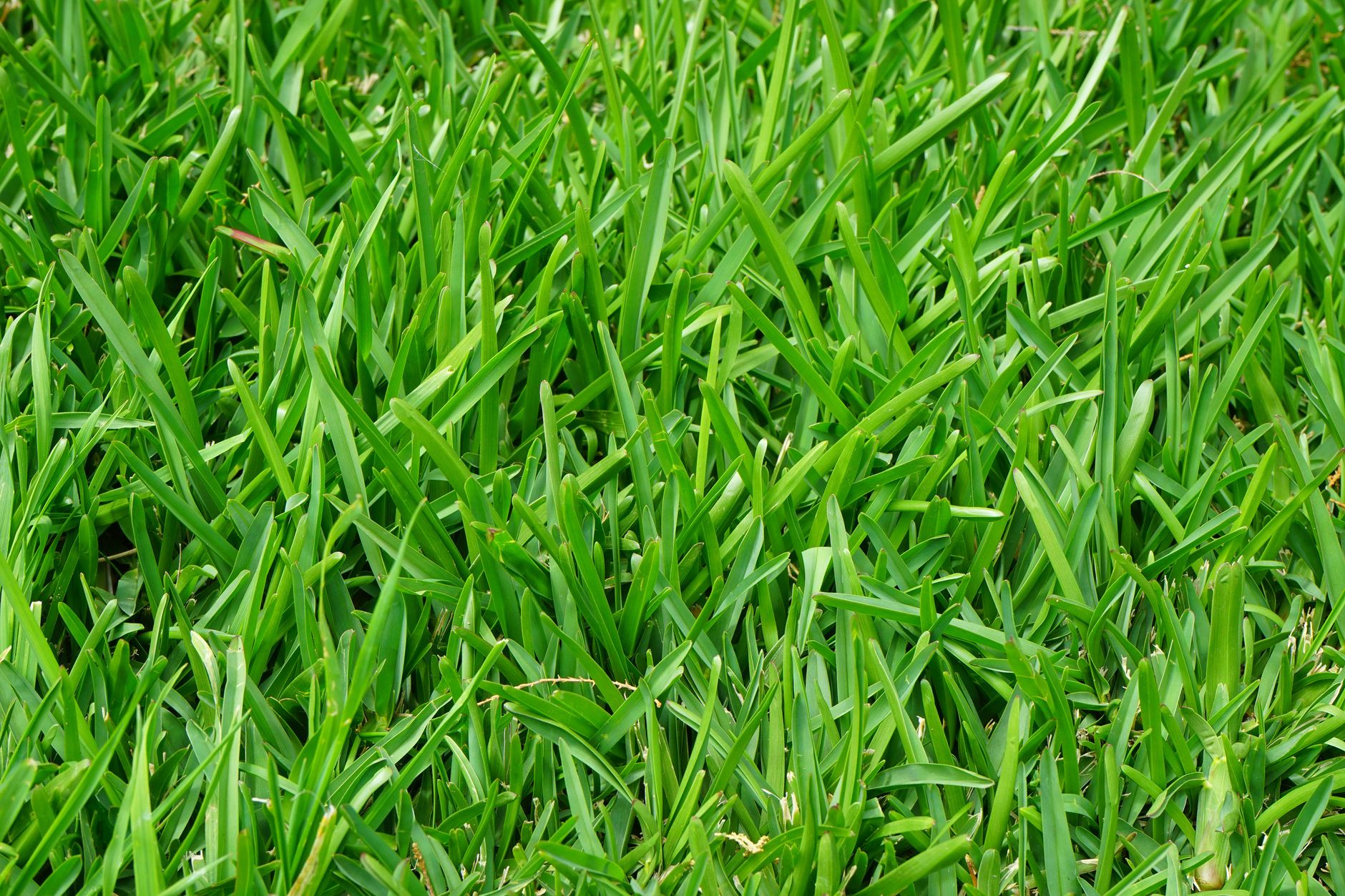
This section explains main grass types with their best use, drought strategy, and main weakness.
Cool-Season Choices: Tall Fescue, Fine Fescue, and Drought-Tolerant Bluegrass Blends
| Grass type | Best for | Drought strategy | Main weakness |
|---|---|---|---|
| Turf-type tall fescue | Sunny cool-season lawns, transition zone, moderate traffic | Deep rooting, heat tolerance | Bunch-type; may need overseeding |
| Fine fescue (hard, sheep, creeping red) | Shade, low-input lawns, no-irrigation areas | Lower water use, dormancy tolerance | Poor traffic tolerance |
| Kentucky bluegrass (drought-tolerant cultivars) | Lawns needing repair/spreading ability | Rhizome recovery | Higher water needs than fescues |
| Perennial ryegrass (in blends) | Fast establishment | Quick cover | Often less drought-resilient long-term |
Turf-type tall fescue is the most reliable cool-season grass for drought-prone sunny lawns. Newer turf-type varieties are finer and denser than older K-31. Fine fescues are excellent for low-input, shady, or low-irrigation sites but cannot handle heavy foot traffic. Kentucky bluegrass is not typically recommended for low-water lawns; even improved varieties need more water than fescues.
Warm-Season Choices: Bermudagrass, Zoysia, Bahiagrass, Buffalograss, and Blue Grama
| Grass type | Best for | Drought strategy | Main weakness |
|---|---|---|---|
| Bermudagrass | Hot sunny lawns, high traffic | Deep roots, aggressive spreading, dormancy | Poor shade tolerance, invasive, winter dormancy |
| Zoysia | Warm lawns needing dense turf | Slow growth, heat/drought tolerance | Slow establishment, expensive |
| Bahiagrass | Low-input sandy southern lawns | Deep roots, heat tolerance | Coarser look, less dense |
| Buffalograss | Low-water western/native-style lawns | Very low water once established | Difficult establishment; no shade/heavy traffic |
| Blue grama | Dry low-traffic native lawns/meadows | Low water, heat tolerance | Bunchgrass habit; not dense high-use lawn |
Bermudagrass is one of the most drought-tolerant grasses for hot sunny regions, but it spreads invasively and browns in winter. Zoysia is slow to establish but forms dense turf. Buffalograss and blue grama are excellent for low-water, low-mow lawns in dry western areas, but they are finicky to establish and cannot tolerate shade or heavy traffic. Check HOA rules before choosing native grasses.
Native vs. Conventional Drought-Tolerant Grass Seed
Native grasses (buffalograss, blue grama) need less water and fertilizer, but look different and cannot handle heavy use. Conventional turf types (turf-type tall fescue, bermudagrass) form denser, more uniform surfaces for family lawns, but generally need more water.
How to Choose Quality Drought-Tolerant Grass Seed
Read the Seed Label Before You Buy
A complete seed label includes species names, named cultivars, germination percentage, weed seed percentage, other crop seed, inert matter, test date, and whether it contains annual ryegrass. Generic “tall fescue” without a cultivar is less reliable than a bag listing a specific variety like “turf-type tall fescue cultivar ‘Coronado Gold’.” Seed older than 12 months may have lower germination. Weed seed above 0.5% can introduce unwanted plants. Coated seed contains less actual seed by weight—adjust seeding rate.
K-31, Contractor Mixes, and Fast-Germinating Seed: What to Watch For
K-31 (Kentucky 31) is an older coarse tall fescue; look for “turf-type tall fescue” with named modern cultivars. Contractor mixes often contain annual ryegrass that germinates fast but dies after one season and fails during dry summers. Fast germination does not equal long-term drought performance.
NTEP, TWCA, and Local Extension Recommendations
NTEP (National Turfgrass Evaluation Program) tests cultivars across multiple locations; a bag referencing NTEP data is a positive sign. TWCA (Turfgrass Water Conservation Alliance) certifies varieties with proven water savings. The most useful resource is your local university extension service—search “[your state] extension turfgrass seed recommendations” for region-specific lists.
Mixes vs. Single Species: Which Is Better?
Mixes (e.g., multiple tall fescue cultivars) improve resilience across variable conditions. Single species is better for very specific sites (e.g., pure buffalograss for native lawn). Avoid random mixes combining incompatible warm‑ and cool‑season grasses, and match new seed to existing grass if overseeding.
How to Plant Drought-Tolerant Grass Seed Successfully
Can You Just Throw Grass Seed Down?
No. For reliable results, remove debris, loosen the top half‑inch of soil, rake seed in lightly, and keep foot traffic off. Do not use pre‑emergent crabgrass preventer unless labeled safe for new seedings.
Best Time to Plant Drought-Tolerant Grass Seed
| Grass type | Best seeding window | Why |
|---|---|---|
| Cool-season grasses | Early fall; spring second choice | Cooler temps, better root growth |
| Warm-season grasses | Late spring to early summer when soil is warm | Warm soil supports germination |
| Buffalograss / blue grama | Warm soil period; region-specific | Seeds need warmth and consistent moisture |
| Overseeding existing cool-season lawn | Early fall | Better competition against weeds and heat stress |
If watering restrictions prevent irrigation, wait until restrictions are lifted or choose a time with reliable natural rainfall.
Establishment Watering Without Waste
New seed needs frequent, light moisture to keep the top inch of soil damp—usually once or twice a day for 2–3 weeks. After germination, shift to deeper, less frequent watering to encourage deep roots. Once established, water deeply once a week or less. Drought tolerance starts only after roots are established; plan for more water upfront to save water later.
Soil Preparation for a Low-Water Lawn
Test soil pH (most grasses prefer 6.0–7.0). Loosen compacted soil by aerating or tilling. Firm the seedbed to prevent rapid drying. Add organic matter (compost) to help sandy or clay soils. Control weeds before planting to reduce competition.
Myths, Maintenance, and Realistic Expectations
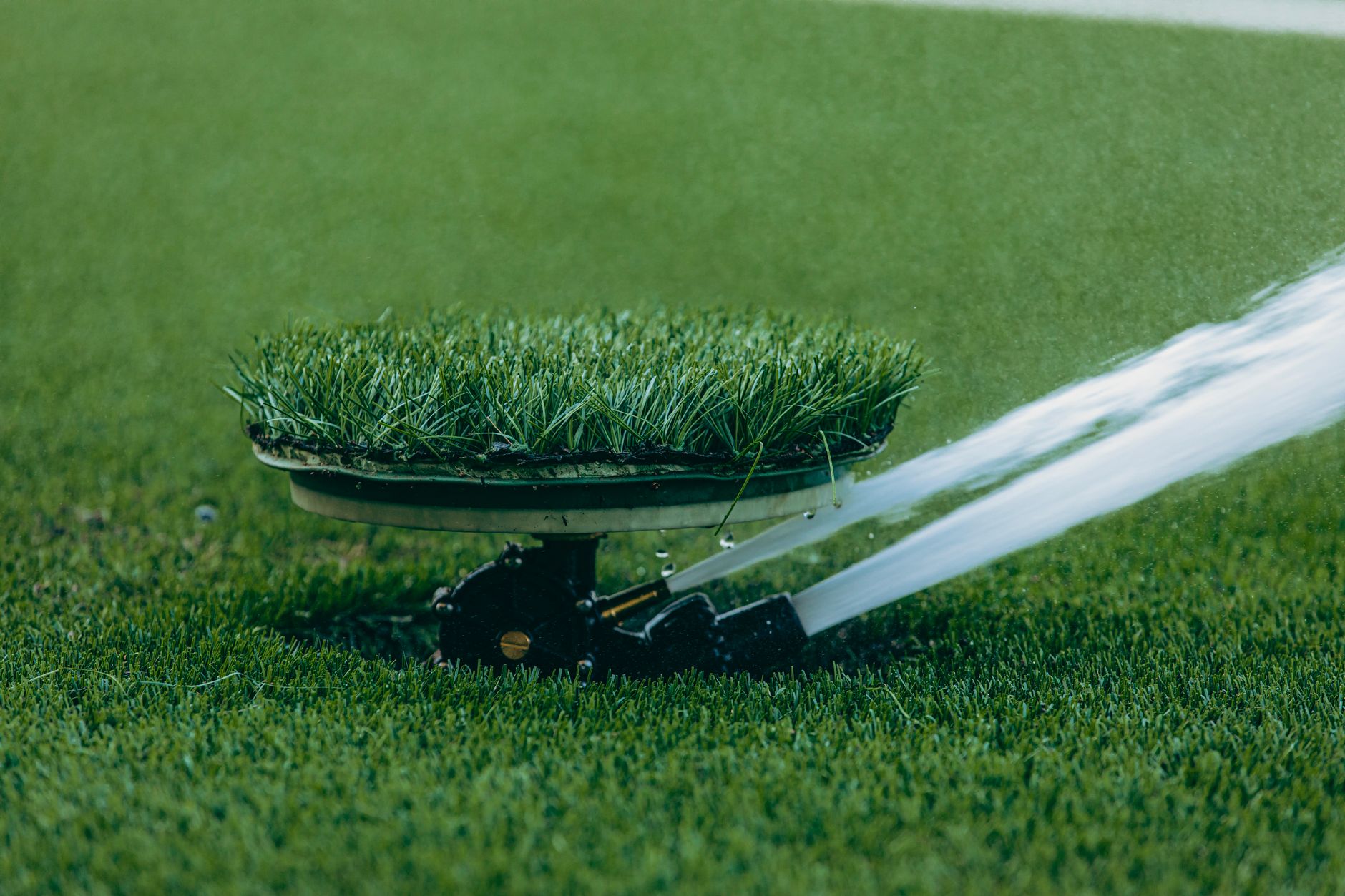
Myth: Drought-Tolerant Grass Seed Needs No Water
Every seed needs water to germinate. Even established drought-tolerant grass may go dormant (brown) during extended dry periods. Dormancy is a survival mechanism—the grass is not dead and will green up when water returns. If you need green grass during drought, you must provide some water. Under severe restrictions, deep watering once every 2–3 weeks improves survival.
Mowing and Foot Traffic During Drought
Mow taller during dry periods: tall fescue at 3–4 inches, bermudagrass at 1.5–2 inches. Never cut more than one‑third of the blade at once. Reduce mowing frequency, and avoid heavy foot traffic on stressed turf. Do not fertilize heavily during heat or drought; it increases water demand.
Watering Established Drought-Tolerant Lawns
Water deeply and infrequently to encourage deep roots. Water early morning to reduce evaporation. Apply about one inch per week during active growth, but adjust for grass type, soil, and climate. Check penetration depth with a screwdriver—6 inches is good. During water restrictions, let low‑priority turf go dormant; it needs only half an inch every 3–4 weeks to survive. Use rain sensors or smart controllers to avoid unnecessary watering.
When Grass Alternatives May Be Better Than Drought-Tolerant Grass Seed
For sites with no irrigation, deep shade, very poor soil, or severe restrictions, consider reducing lawn area and planting native plant beds, mulch paths, or low‑water groundcovers. Keep turf only where it serves a real function (play areas, paths). This is not anti‑lawn—a well‑chosen grass lawn has benefits—but for extreme sites, alternatives make more sense.
Conclusion
Choosing the right drought-tolerant grass seed starts with understanding your region, your lawn’s conditions, and your expectations. Warm‑season grasses like bermudagrass and buffalograss work in hot areas; cool‑season grasses like turf‑type tall fescue and fine fescue are better for northern and transition zones. Always read the seed label, avoid cheap filler mixes, and prioritize named cultivars with proven performance.
Remember that drought tolerance comes after establishment. Proper soil preparation, correct planting timing, and consistent watering until roots are deep are essential. After establishment, mow high, water deeply and infrequently, and accept that even drought‑tolerant grass may go dormant during severe dry spells. If a traditional lawn does not fit your site, consider reducing lawn area or using native alternatives. With the right seed and realistic care, a low‑water lawn is an achievable goal.
FAQ
What is the most drought-tolerant grass seed?
There is no universal winner. In cool‑season regions, turf‑type tall fescue and fine fescues are strong options. In hot sunny regions, bermudagrass, zoysia, bahiagrass, buffalograss, or blue grama may fit better depending on region and use.
What is the best grass seed for no water?
No grass seed is truly “no water,” especially during germination. For established low‑water lawns, consider fine fescue in cool regions or buffalograss/blue grama in dry sunny regions, but expect dormancy and site limits.
Can you just throw grass seed down and it will grow?
Sometimes a few seeds may sprout, but reliable lawn establishment requires seed‑to‑soil contact, correct timing, moisture, light soil coverage, and protection from weeds and traffic.
How do I find the best drought-tolerant grass seed for my specific area?
Check your state or county extension turfgrass recommendations, read seed labels for species and named cultivars, consider NTEP/TWCA data, and match grass type to sun, shade, traffic, soil, and irrigation limits.
You Might Also Like