How Do Roots Help Plants Grow?
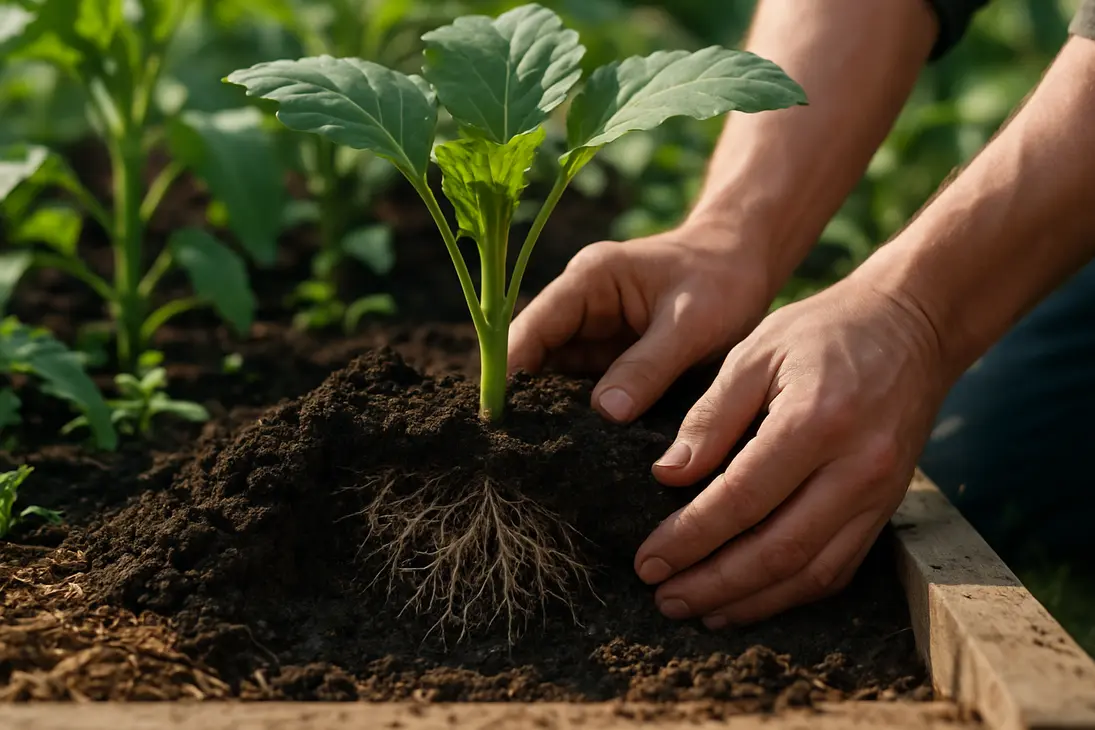
Plant root growth drives much of what you see above the soil: new leaves, stronger stems, flowers, fruit, and recovery after stress. Roots anchor plants, absorb water and nutrients, store energy, support soil life, and respond to moisture, oxygen, gravity, temperature, and obstacles.
When roots are healthy, the visible plant usually grows better. When roots struggle, leaves and stems often show the first symptoms.
What Roots Do for a Plant
Roots are a plant’s underground support and supply system. A plant may have enough light, but it can still fail if its roots cannot breathe, drink, or spread.
Anchoring the Plant in Place
Roots hold plants steady so stems and leaves can reach light without tipping over. This is especially important for tall plants, heavy-fruiting crops, young transplants, and plants exposed to wind.
Fine roots grip soil particles, while larger roots provide structure. In some plants, such as corn, brace roots add stability near the base. Good anchoring also prevents rocking, which can tear young roots before they establish.
Absorbing Water and Dissolved Nutrients
Roots take up water and nutrients dissolved in soil moisture, including nitrogen, potassium, calcium, magnesium, phosphorus, and trace elements.
Watering and feeding are closely linked. Dry soil limits nutrient uptake even when fertilizer is present. Waterlogged soil can also limit uptake because roots need oxygen. Most absorption happens through young roots and root hairs, which greatly increase soil contact.
Moving Resources to Stems, Leaves, Flowers, and Fruit
After roots absorb water and nutrients, the plant moves them upward through its vascular system. Water keeps cells firm, while nutrients help build chlorophyll, proteins, enzymes, flowers, seeds, and fruit.
If roots cannot supply enough water, leaves may wilt. If they cannot access nutrients, growth may slow or leaves may pale. The cause is not always lack of fertilizer; roots may be too wet, dry, cold, compacted, damaged, or confined.
Storing Energy for Future Growth
Many plants store energy in roots or underground structures. Carrots, beets, radishes, dahlias, sweet potatoes, peonies, bulbs, and many perennials rely on stored energy to regrow, flower, survive winter, or recover after stress.
This is why perennial foliage should not always be cut back too early. After flowering, leaves often keep sending energy below ground for the next season.
Supporting Soil Life and Beneficial Microbes
Roots interact with fungi, bacteria, and other soil organisms. Some microbes help release nutrients, improve soil structure, or protect root surfaces.
Mycorrhizal fungi can extend the effective reach of many root systems. Legumes such as peas and beans can host nitrogen-fixing bacteria under suitable conditions. Organic matter, mulch, and reduced soil disturbance help support this living root zone.
How Roots Grow and Respond to Their Environment
Roots are active, responsive structures. They branch, slow down, change direction, or stop depending on moisture, oxygen, compaction, nutrients, and space.
Root Tips, Root Hairs, and New Growth
The youngest roots are the most active. Root tips push into new soil spaces, while root hairs absorb much of the plant’s water and nutrients.
These delicate structures can be damaged by drying, rough transplanting, excess fertilizer, or saturated soil. A healthy root system is usually a branching network with many fine roots, not just one thick root.
Why Roots Usually Grow Downward
Most roots respond to gravity and tend to grow downward. This helps plants find moisture, minerals, and support.
However, roots do not all grow straight down. Many spread sideways where oxygen, nutrients, and moisture are best. In garden beds, many active roots stay in the upper soil layers because those layers often contain more organic matter, air, and microbial activity.
Why Most Roots Grow Away from Light
Most roots grow away from light and into darker growing media, a response often called negative phototropism. Darkness usually signals a protected, moist environment.
There are exceptions, such as aerial roots and some orchid roots. But most vegetables, houseplants, shrubs, and trees are adapted to root in dark, moist, aerated soil or potting mix. Roots visible on the surface may suggest erosion, shallow watering, compaction, or a crowded pot.
Shallow vs. Deep Root Systems
Plants differ widely in root form.
| Root pattern | Examples | Gardening implication |
|---|---|---|
| Shallow, fibrous | Lettuce, grasses, many annuals | Need steady surface moisture and mulch |
| Deep taproot | Carrots, parsnips, dandelions | Need loose soil; transplant poorly |
| Wide-spreading | Many trees and shrubs | Avoid compacting soil beyond the drip line |
| Container-limited | Houseplants, patio crops | Need drainage, space, and repotting |
Tree roots do not usually mirror the canopy underground. Many grow shallow and wide where oxygen is available.
How Root Growth Changes by Plant Type
Annual vegetables build roots quickly to support fast growth. Fruiting crops such as tomatoes, peppers, cucumbers, and squash need enough root capacity to support leaves and fruit.
Perennials often build roots before showing much top growth. Succulents, cacti, orchids, bog plants, and ferns all need different root environments. Matching the growing medium to the plant matters more than following one universal watering rule.
Soil Conditions That Support Healthy Root Growth
Healthy roots need moisture, oxygen, nutrients, drainage, and room to expand. Too much or too little of any one factor can limit growth.
Loose Soil for Easy Root Expansion
Roots grow best in loose, crumbly soil that allows root tips to spread and branch. Compacted soil restricts roots, reduces oxygen, and can cause water to run off or pool.
For vegetables, loosen the planting bed and remove rocks or dense clods. For trees and shrubs, loosen a wide area rather than creating a small pocket of soft amended soil surrounded by hard ground.
Good Drainage Without Drying Out Too Fast
Good drainage means excess water can leave while the soil still holds useful moisture. Roots need water, but they also need air spaces.
Sandy soil drains quickly but dries fast. Clay soil holds moisture and nutrients but may drain slowly and compact. Organic matter helps improve soil structure. In containers, use a proper potting mix and drainage holes; gravel in the bottom does not fix poor drainage.
Oxygen Around the Roots
Roots use oxygen for respiration, which powers growth, nutrient uptake, and repair. When soil stays saturated, oxygen drops, and roots may stop functioning even though water is present.
Low-oxygen root problems can look like yellowing, wilting, weak growth, leaf drop, or sour-smelling soil. Before adding fertilizer or more water, check whether the soil is staying wet too long. Hydroponic systems also need oxygenated water.
Organic Matter and Nutrient Availability
Compost, leaf mold, aged bark fines, and decomposed plant material improve soil structure, moisture retention, nutrient holding, and microbial activity.
Use finished organic matter in moderate amounts. Too much rich or unfinished material can hold excess water or disrupt nutrients. Nutrient availability also depends on pH. If deficiency symptoms repeat despite feeding, a soil test may be more useful than more fertilizer.
Matching Soil or Potting Mix to the Plant
Different plants need different root conditions. A cactus, fern, tomato, orchid, blueberry, and water lily should not all grow in the same medium.
In gardens, choose plants suited to your soil when possible. In containers, choose mixes based on drainage and water-holding needs. Chunky mixes suit many plants that dislike wet roots, while seedlings need finer, evenly moist media.
Common Root Problems That Slow Plant Growth
Many leaf and stem problems begin below ground. Before treating the top of the plant, check soil moisture, drainage, pot size, and root condition.
Overwatering and Root Rot
Overwatering means watering too frequently for the plant, pot, light, temperature, and mix. Roots need moisture, but they also need oxygen.
Root rot develops when prolonged wet conditions damage roots and pathogens take advantage. Healthy roots are usually firm and pale or tan. Rotting roots may be brown or black, mushy, slimy, hollow, or foul-smelling. Early cases may improve with better drying, light, airflow, and fresh mix; severe cases may not recover.
Root Rot in Hydroponic Systems
Hydroponic roots can rot if water, nutrients, and oxygen fall out of balance. Roots growing in water still need dissolved oxygen and clean conditions.
Problems are more likely in warm, stagnant, poorly aerated, or contaminated systems. Symptoms include browning, slime, bad odor, wilting, and slow growth. Prevention is key: maintain aeration, keep equipment clean, remove dead material, and monitor system function.
Compacted or Poorly Draining Soil
Compacted soil limits root growth and reduces oxygen. Poor drainage keeps roots wet too long. Both can cause stunted growth, yellowing leaves, poor flowering, and weak yields.
Common causes include foot traffic, working wet clay, construction activity, and old container mix breaking down. Improve soil with organic matter, mulch, reduced traffic, and loosening when appropriate. In severe wet sites, raised beds or moisture-tolerant plants may be more practical.
Pot-Bound Roots in Containers
Pot-bound plants have roots that fill the container, circle, mat together, or crowd out the potting mix. They may wilt often, dry out quickly, or stop growing despite care.
Signs include roots circling the surface, roots coming from drainage holes, a root ball that lifts out as one mass, and water running through quickly. Repotting into a slightly larger container usually helps. For many houseplants, one pot size up is safer than a much larger pot.
Root Damage During Transplanting or Moving Plants
Roots can be damaged during digging, dividing, repotting, or moving. Fine roots dry quickly in sun and wind, and broken root tips slow establishment.
Some plants tolerate disturbance well; others, especially taprooted plants and mature shrubs, may struggle. Water before transplanting if dry, handle the root ball gently, plant at the correct depth, water afterward, and provide temporary shade or wind protection if needed.
How to Encourage Stronger Roots and Better Plant Growth
Strong roots come from good conditions, not one trick. Focus on moisture, oxygen, drainage, space, and minimal stress.
Water Deeply but Not Constantly
Deep watering encourages roots to use more soil volume. Frequent light sprinkling keeps moisture near the surface and can promote shallow rooting.
In garden beds, water when the upper soil begins to dry, then moisten the active root zone. In containers, water until excess drains out, then wait until the mix dries to the right level for that plant. Most plants should not sit constantly wet.
Choose the Right Container Size
A pot that is too small restricts roots and dries quickly. A pot that is too large can stay wet too long, especially for small plants in low light.
Move many houseplants up gradually, often one pot size at a time. Fast-growing vegetables need larger containers because they build large root systems and use water quickly. Always use containers with drainage holes.
Improve Soil Before Planting
It is easier to support roots before planting than to fix poor conditions later. For vegetables and flowers, loosen soil, remove debris, add finished compost if needed, and check how water moves through the bed.
For trees and shrubs, dig no deeper than the root ball and loosen a wider area. Keep the tree root flare at the correct level, and avoid burying stems with soil or mulch.
Avoid Disturbing Roots Unnecessarily
Unnecessary digging around established plants can damage fine roots. Be careful when weeding near shallow-rooted crops, perennials, trees, and shrubs.
Use mulch, hand-pull small weeds when soil is moist, or slice weeds at the surface. Avoid trenching, grade changes, and heavy traffic in root zones. When dividing perennials, replant promptly and keep roots shaded and moist.
Use Mulch to Protect Soil Moisture and Temperature
Mulch supports roots by reducing evaporation, moderating soil temperature, limiting crusting, and protecting soil structure from heavy rain.
Useful mulches include shredded leaves, straw, composted bark, wood chips around woody plants, and thin layers of clean grass clippings. Keep mulch slightly away from stems and trunks to reduce rot and pest problems.
Watch Plant Growth for Signs of Root Stress
Leaves often reveal root trouble, but symptoms overlap. Look for patterns and check the soil before reacting.
| Above-ground symptom | Possible root-related cause |
|---|---|
| Wilting in wet soil | Root rot, low oxygen, damaged roots |
| Wilting in dry soil | Too little water, limited roots, pot-bound roots |
| Yellow lower leaves | Overwatering, nutrient issues, root decline |
| Stunted growth | Compaction, poor drainage, restricted roots |
| Daily wilting in a pot | Small container or pot-bound roots |
Check moisture, drainage, pot size, recent weather, and root appearance before diagnosing.
Conclusion
Roots help plants grow by anchoring them, absorbing water and nutrients, moving resources upward, storing energy, and supporting soil life.
For gardeners, the lesson is simple: care for the root environment, not just the visible plant. Give roots suitable soil or mix, steady but not excessive moisture, oxygen, drainage, organic matter, and room to expand.
FAQ
What do roots do for a plant?
Roots anchor the plant, absorb water and dissolved nutrients, move resources upward, store energy, and interact with beneficial soil microbes. They support both daily growth and long-term survival.
How do roots help plants grow faster?
Healthy roots give plants better access to water, nutrients, and oxygen. That supports more leaf growth, photosynthesis, and energy production. Growth still depends on suitable light, temperature, space, and overall care.
Do plant roots grow toward light?
Most roots grow away from light and into dark, moist growing media. They usually respond more to gravity, moisture, oxygen, and nutrients. Aerial roots and specialized roots can behave differently.
How can I tell if my plant has unhealthy roots?
Unhealthy roots may cause wilting, yellowing, stunted growth, leaf drop, poor flowering, or sour-smelling soil. Healthy roots are usually firm and pale or tan. Rotting roots are often brown or black, mushy, slimy, hollow, or foul-smelling.
You Might Also Like