How to Grow Cherry Tomatoes Indoors: Light, Pollination, Pots, and Common Problems
Key Takeaways
- Choose compact varieties for your indoor space: Micro-dwarf cherry tomatoes like Tiny Tim work on windowsills, while dwarf patio types suit grow-light shelves. Always check the mature height on the seed packet before buying.
- Grow lights are usually necessary for fruiting: A sunny window alone often isn’t enough, especially in winter. Plan for 12 to 16 hours under quality grow lights placed close to the plant.
- Hand pollinate indoor cherry tomato flowers: Since indoor plants lack wind and bees, gently shake stems or use an electric toothbrush near open flowers. A small fan also helps release pollen.
- Water consistently to prevent fruit problems: Blossom end rot and fruit cracking come from uneven moisture. Check the soil with your finger and water only when the top inch is dry.
- Most problems trace back to light, water, or pollination: Yellow leaves, leggy growth, flower drop, and fungus gnats all connect to these three factors. Fixing the root cause is more effective than treating symptoms.
- Temperature and airflow matter more than many new growers assume: Keeping plants in a warm room with gentle air movement reduces stress and supports steady fruit production.
Can You Really Grow Cherry Tomatoes Indoors?
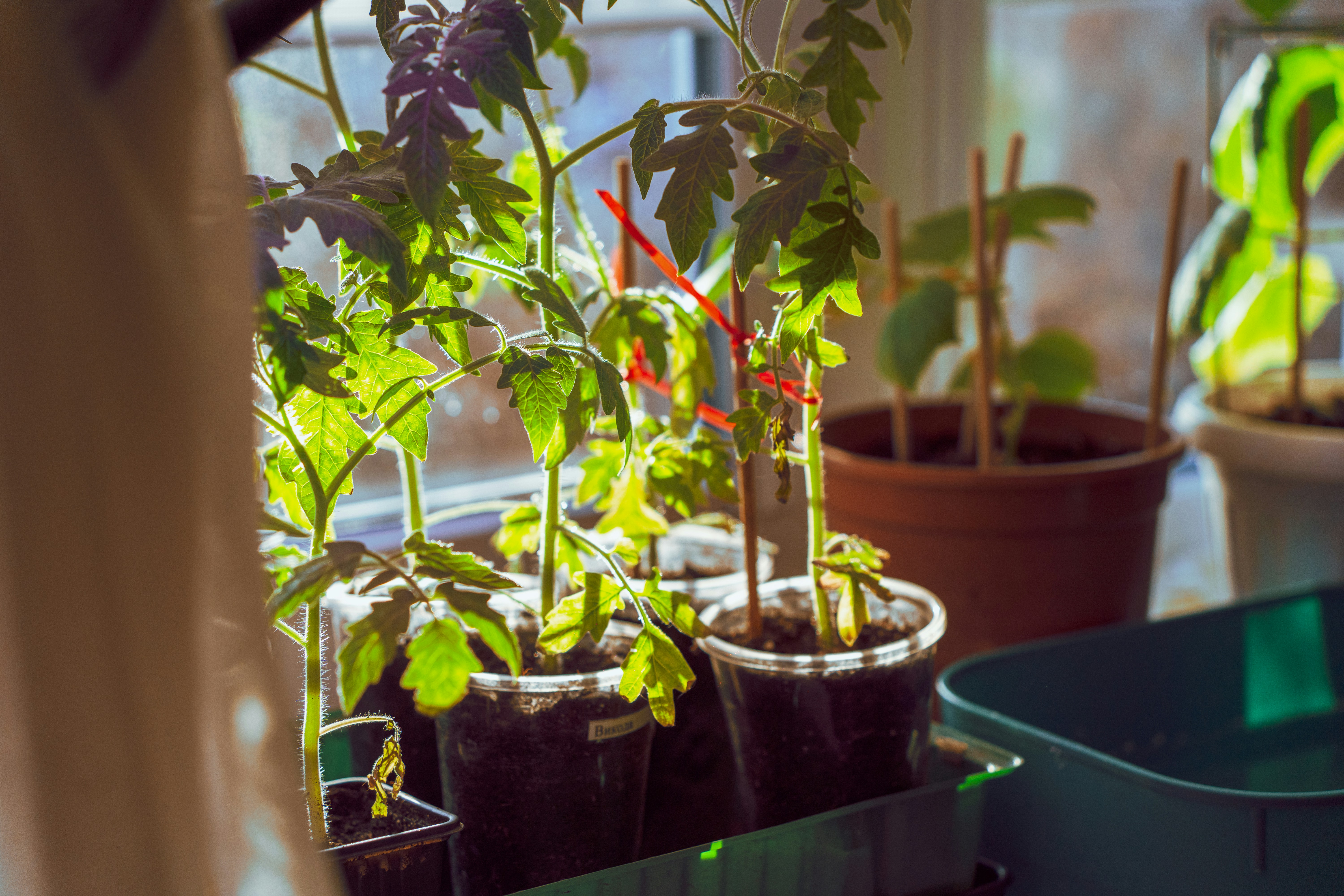
Yes, but success depends on meeting specific conditions: enough light, a compact variety, adequate root space, warm temperatures, hand pollination, and consistent watering. A windowsill alone often isn’t enough, especially in winter. This article covers what indoor cherry tomatoes need, which setups work best, how to choose varieties and containers, how to handle light and pollination, and how to fix common problems. Many new growers underestimate the commitment—these plants require daily attention to watering, light schedules, and pollination. The payoff of fresh, homegrown cherry tomatoes in any season makes the effort worthwhile.
What Indoor Cherry Tomatoes Need Before They Will Fruit
| Indoor need | What cherry tomatoes require | Why it matters |
|---|---|---|
| Light | Strong window light plus grow lights in many homes | Weak light causes leggy plants, few flowers, and poor fruit set |
| Variety | Compact, dwarf, patio, or micro-dwarf cherry types | Large outdoor varieties can outgrow indoor spaces |
| Container | Enough root space and drainage | Small pots dry out fast and limit fruiting |
| Temperature | Warm, stable indoor conditions (65–80°F) | Cold rooms slow growth and fruiting |
| Pollination | Gentle shaking, fan, or toothbrush | No wind or bees indoors means flowers may not set fruit |
| Airflow | Light air movement | Helps pollination and reduces stagnant, humid conditions |
The term “indoors” covers windowsills, grow-light shelves, grow tents, or countertop hydroponic units. Each option has trade-offs in cost, space, and results. Do not expect year-round harvest without strong light and consistent care. Even with the best setup, a steady supply of a few fruits per week is realistic.
Windowsill vs. Grow Light: Which Indoor Setup Works Best?
| Setup | Best for | Main limitation |
|---|---|---|
| Sunny windowsill only | Micro-dwarf plants, very bright homes | Often too little light for heavy fruiting |
| Window + grow light | Most beginners | Needs timer and correct placement |
| Grow-light shelf | Multiple compact plants | Space and cost |
| Grow tent | Serious year-round growing | Cost, heat, space |
| Countertop hydroponic unit | Small dwarf tomatoes | Height limits and pruning |
A practical rule: place grow lights a few inches above the plant and run them 12–16 hours per day using a timer. Weak or distant lights are usually not enough for fruiting. Leggy stems, pale leaves, or dropped flowers indicate insufficient light. Supplementing a windowsill with a single compact LED panel can dramatically improve results without requiring a full setup. Full-spectrum LEDs designed for plants work better than standard household bulbs.
Choose Indoor Cherry Tomato Varieties, Pots, and Soil That Match Your Space
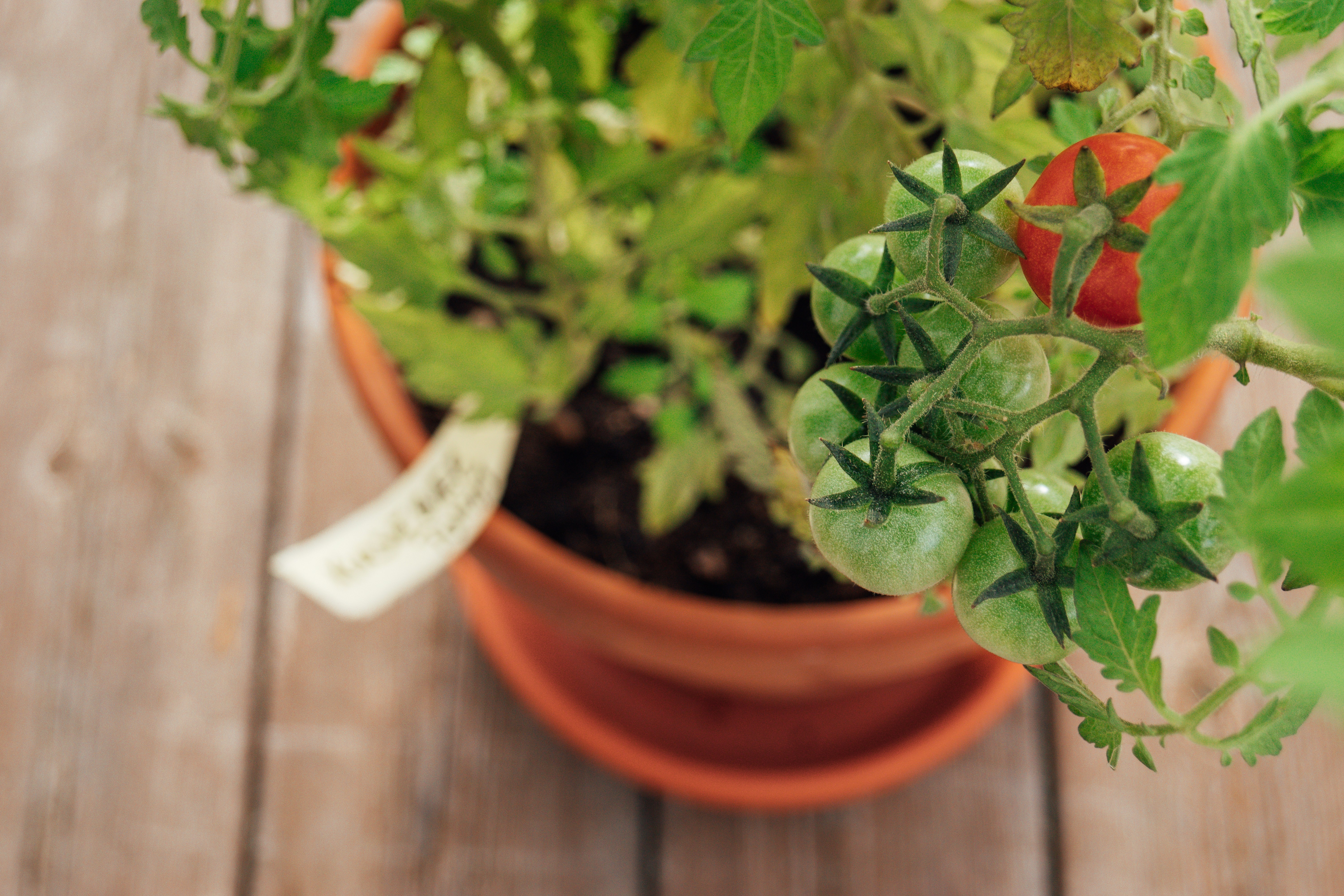
Many failures happen when the tomato outgrows its space. Take time to research the mature size of each variety—seed packets and online descriptions provide heights and growth habits.
Best Cherry Tomato Varieties for Indoor Growing
| Indoor space | Best tomato type | Examples |
|---|---|---|
| Windowsill or tabletop | Micro-dwarf cherry tomatoes | Tiny Tim, Micro Tom, Red Robin |
| Grow-light shelf | Dwarf or patio cherry tomatoes | Patio Choice, Cherry Falls, Terenzo |
| Large pot near strong light | Compact determinate cherry tomatoes | Sweet Million (verify height) |
| Grow tent or floor setup | Small indeterminate cherries with pruning | Sun Gold (pruned heavily), Gardener’s Delight |
Determinate types grow to a fixed size and are easier to manage indoors. Always check the seed packet for mature height. Micro-dwarfs like Tiny Tim reach only 8–12 inches and can fruit in a 4-inch pot, ideal for tight spaces.
Pot Size, Drainage, and Indoor Potting Mix
Micro-dwarf plants need at least 1–2 gallons; larger types need 5 gallons or more. Drainage holes are non-negotiable. Use lightweight indoor potting mix, not garden soil. Garden soil compacts in containers, retains too much water, and may introduce pests. A quality potting mix labeled for vegetables works well. Choose a container that is wider than it is deep—tomato roots spread horizontally. Avoid adding a gravel layer at the bottom, as it reduces effective root depth.
Fertilizer, Support, and Pruning for Indoor Cherry Tomatoes
Use a balanced liquid fertilizer (10-10-10) early, then switch to a formula higher in phosphorus and potassium once flowers appear. Avoid high-nitrogen fertilizers after flowering—they promote leaves at the expense of fruit. Most compact tomatoes need a small stake or cage. For micro-dwarfs, a bamboo skewer is sufficient. Prune only lower leaves touching soil and remove suckers that crowd the plant. Keep pruning minimal to avoid reducing energy production.
Light, Water, and Pollination: The Indoor Care Routine That Actually Matters
How Much Light Do Indoor Cherry Tomatoes Need?
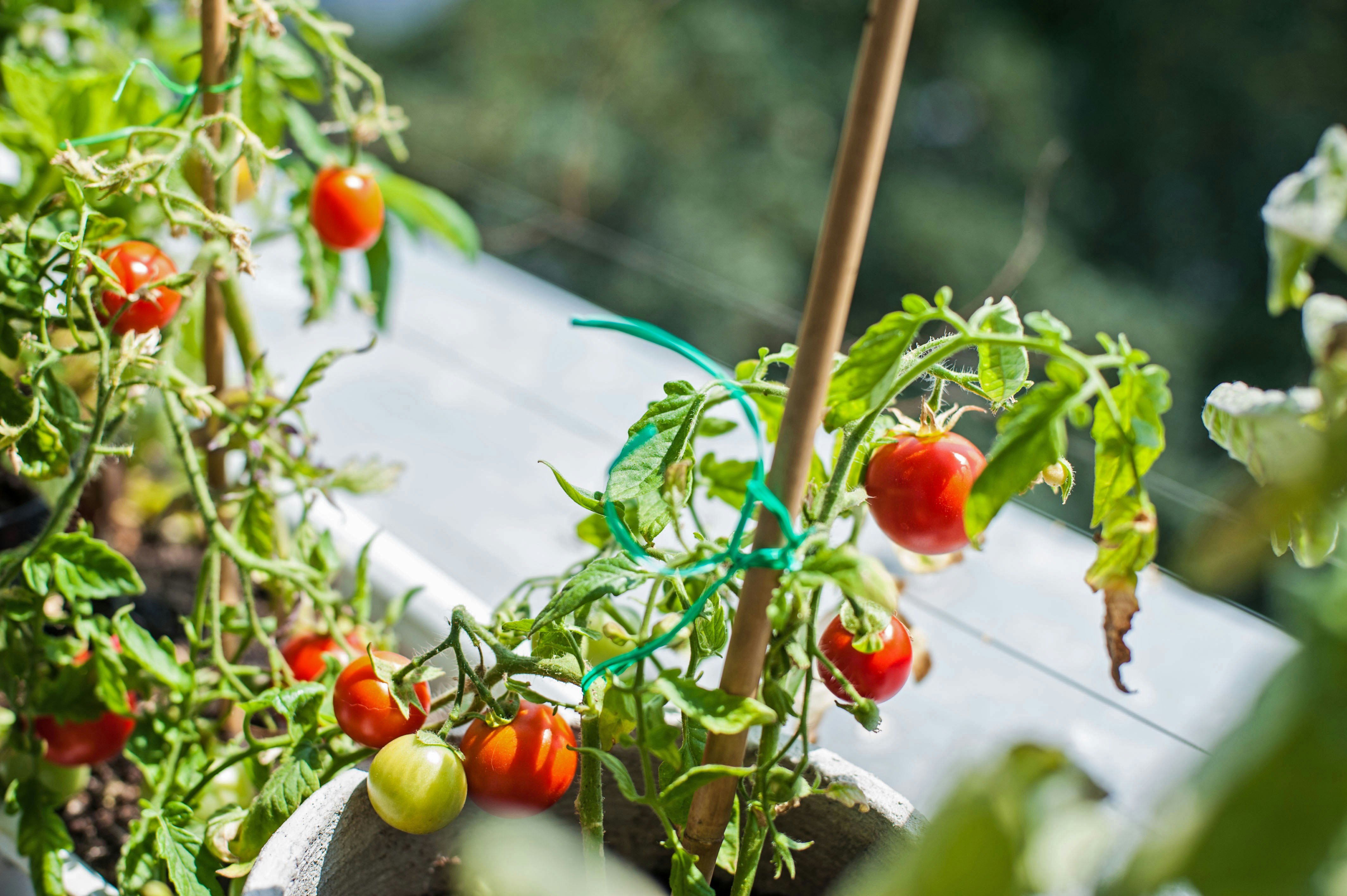
Cherry tomatoes need 12–16 hours of strong light daily. Signs of insufficient light: leggy stems, pale leaves, leaning plants, no flowers, or flower drop. Rotate the pot every few days for even growth and use a timer. A bright room is rarely enough; supplemental grow lights are almost always required. Lights should be placed 2–6 inches from the top leaves for compact LEDs, and no more than 12 inches for stronger panels. If the plant stretches more than 2 inches between leaf nodes, increase light intensity or lower the fixture.
How to Water Indoor Cherry Tomatoes Without Root Rot or Blossom End Rot
Check soil moisture with your finger; water only when the top inch is dry. Keep the soil evenly moist—not soggy, not bone dry. Overwatering causes root rot and fungus gnats; underwatering leads to blossom end rot and fruit cracking. Watering frequency depends on light, temperature, plant size, and pot size. A plant in a 5-gallon pot under strong lights may need water every 2–3 days, while a micro-dwarf in a 1-gallon pot on a windowsill might need water every 4–5 days. Always water at the base of the plant—avoid wetting leaves. Use room-temperature water to avoid shocking roots.
How to Pollinate Cherry Tomatoes Indoors
Tomatoes are self-pollinating, but indoors there’s no wind or bees. Gently shake the main stem or tap flower clusters every few days. An electric toothbrush held near the flower stem creates stronger vibration. A small fan also helps by moving air around the plant. Pollinate when flowers are open and the plant is dry. For best results, pollinate every 2–3 days during flowering. After pollination, you should see petals drop and tiny green fruit begin to swell within a week.
Indoor Cherry Tomato Problems and What They Usually Mean
Fungus Gnats in Indoor Tomato Soil
Fungus gnats appear when potting mix stays too wet. Prevention: let the top layer dry slightly between waterings, use clean indoor mix, and avoid overwatering. Sticky traps catch adults; proper watering is the best long-term solution. If infestation is severe, allow the top 1–2 inches of soil to dry completely between waterings. A thin layer of sand or diatomaceous earth on top of the soil deters egg-laying.
Yellow Leaves, Leggy Growth, or Weak Stems
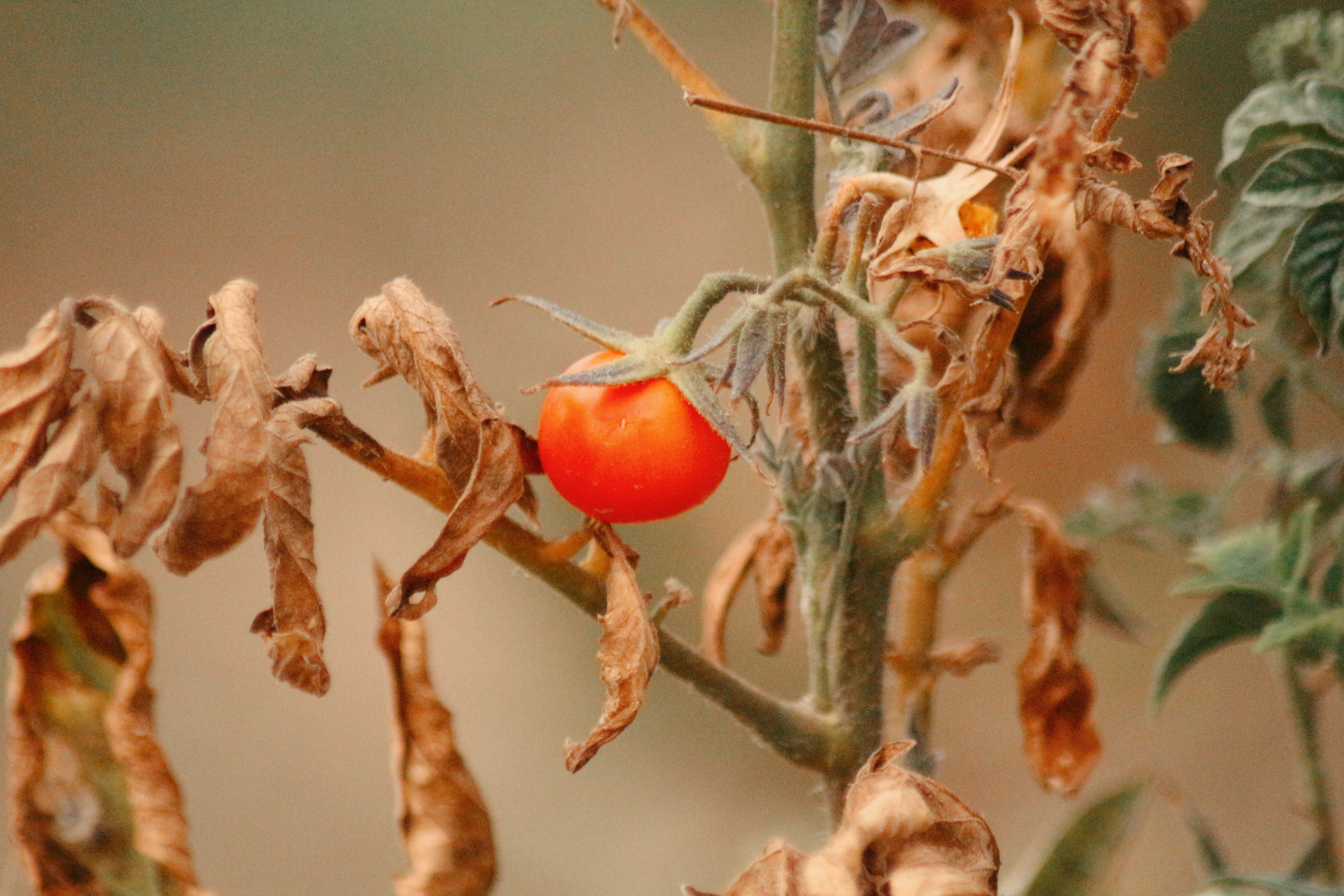
Leggy growth nearly always indicates insufficient light. Yellow leaves can come from overwatering, underwatering, nutrient issues, or aging. Widespread yellowing needs attention: if lower leaves yellow first, it could be nitrogen deficiency or natural aging; if new leaves yellow, suspect iron deficiency or overwatering. Weak stems may need more light, better airflow, or a stake. Prune off completely yellow leaves to redirect energy to healthy growth.
Flowers but No Cherry Tomatoes
Possible causes: no pollination, insufficient light, temperature stress, too much nitrogen, or a weak plant. Check light and temperature (ideal range is 65–80°F; nights below 55°F or days above 90°F cause flower drop). Switch to a bloom-focused fertilizer, and ensure pollination. If the plant is young and small, it may drop flowers because it isn’t mature enough—this often resolves as the plant grows.
Blossom End Rot, Cracking, and Small Fruit Indoors
Blossom end rot (dark sunken spot on fruit bottom) comes from inconsistent watering causing calcium uptake problems. Water evenly to prevent it. Fruit cracking follows moisture swings. Small fruit can result from weak light, restricted roots, or inconsistent feeding. Improving conditions usually helps. Hand pollinating early flowers can lead to better-sized fruit.
Indoor Cherry Tomato Timeline: From Seedling to First Harvest
Starting from Seeds, Seedlings, or Grocery Store Cherry Tomatoes
Seeds offer the best variety control and the widest selection of compact types. Start seeds in small pots using sterile seed-starting mix. Keep them warm (70–75°F) and under bright light until germination (5–10 days). Store-bought seedlings are easier if you find compact types, but they are often indeterminate varieties meant for outdoor gardens. Grocery store tomatoes are unpredictable—their seeds may not grow true. For reliable results, buy seeds from a reputable source.
What to Expect Week by Week
| Stage | What happens | What to do |
|---|---|---|
| Seed starting | Germination and first leaves | Warmth (70–75°F), light (14–16 hrs), gentle moisture |
| Young plant | Transplanting and root growth | Pot up to final container when 3–4 inches tall; add support |
| Vegetative growth | Leaves and stems expand | Feed lightly every 2 weeks with balanced fertilizer; rotate pot |
| Flowering | Yellow flowers appear | Pollinate daily, keep lights strong, avoid temperature stress |
| Fruiting | Small green tomatoes form | Maintain consistent water; switch to bloom fertilizer |
| Ripening | Fruit changes color | Harvest when fully colored and slightly firm; pick regularly |
The entire process from seed to first ripe fruit takes about 8–12 weeks for micro-dwarfs and 12–16 weeks for larger dwarf varieties.
When and How to Harvest Indoor Cherry Tomatoes
Harvest when fruit reaches full color and detaches with a gentle tug. Pick regularly to encourage continued production. Cherry tomatoes can be stored at room temperature for a few days, or refrigerated for up to a week (though cold reduces flavor slightly). For best taste, eat within a day or two of picking. Check plants daily during peak harvest.
Conclusion
Growing cherry tomatoes indoors is possible with realistic expectations and consistent care. Choose compact varieties, provide strong grow lights for 12–16 hours, use properly sized containers with drainage, water evenly, and pollinate by hand or fan. Most problems trace back to light, water, or pollination. Start with a single micro-dwarf plant on a sunny windowsill supplemented with a small LED grow light—that combination offers the easiest entry point for beginners.
FAQ
Can I grow cherry tomatoes indoors without grow lights?
Sometimes in a very bright south-facing window with compact varieties, but grow lights are often needed for reliable fruiting, especially in winter. Expect fewer and smaller fruit than with supplemental light.
What cherry tomato varieties grow best indoors?
Compact, dwarf, or micro-dwarf types like Tiny Tim, Micro Tom, Patio Choice, Cherry Falls, Red Robin, and Terenzo. Always verify mature height on the seed packet.
How many hours of light do indoor cherry tomatoes need?
12 to 16 hours per day, but intensity and distance matter as much as duration. Use a timer to maintain a consistent photoperiod.
Do I need to pollinate indoor cherry tomato plants by hand?
Usually yes, or use a fan or gentle shaking. Shaking the stem every 2–3 days or using an electric toothbrush for a few seconds per flower cluster ensures good fruit set.
You Might Also Like