Gardening Activities for Kids: Fun Ideas by Age, Space, and Season
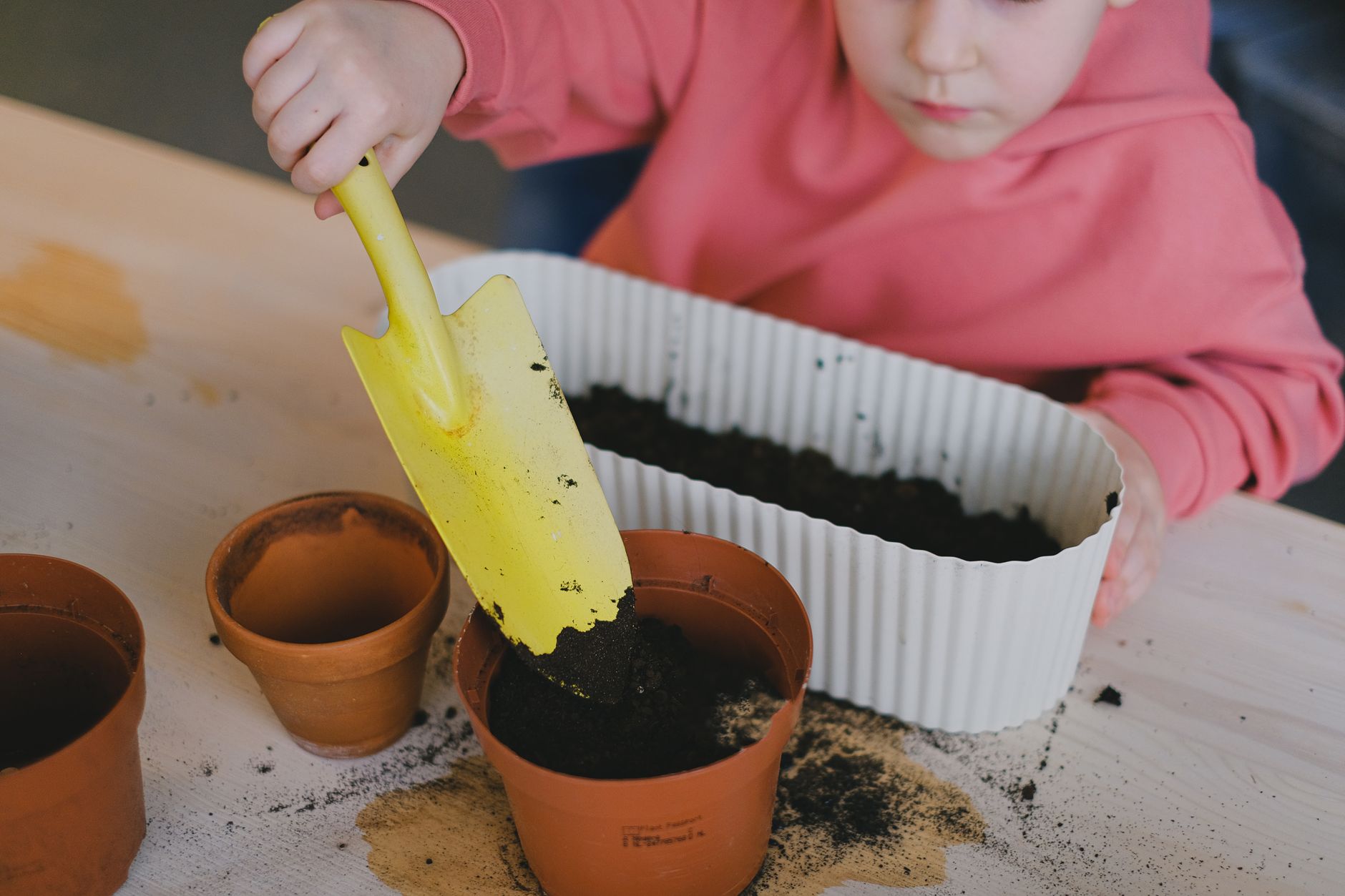
You do not need a large yard, expensive tools, or previous experience. A windowsill herb pot or a five-minute watering job can provide a meaningful introduction. The right activity matches your child’s age, abilities, attention span, available space, and the supervision you can offer. Age ranges are flexible; the basic principle: let the child own the choices and participation, while you manage safety and background maintenance.
| Your situation | Best starting activity | Main adult responsibility |
|---|---|---|
| Child wants fast results | Grow cress, microgreens, or use a seed viewer | Maintain moisture |
| No yard is available | Plant one windowsill herb | Provide suitable light |
| Child dislikes touching soil | Use a scoop, gloves, or observation sheet | Offer alternatives |
| Parent is a beginner | Buy one healthy seedling in a container | Learn watering and light needs with the child |
Key Takeaways
- Match activities to developmental stages: Toddlers thrive on 5–20 minute sensory tasks like watering one pot or digging. Elementary-age kids can follow sequences, measure growth, and care for one plant. Tweens and teens need real decisions, useful outcomes, and community relevance to stay engaged.
- Start with one container or one plant: A windowsill herb, single seedling, or five-minute watering job is enough. Pair a fast-growing project like cress or radishes with a slower plant to maintain interest.
- Design for common problems before they happen: Create a separate digging zone for toddlers, use a watering can with a fill line, protect seedlings with low barriers, and shorten activities when attention fades.
- Adapt for sensory, mobility, and mixed-age needs: Gloves, scoops, tongs, photography, or observation sheets let children participate without forced contact. Mixed-age projects work well when each child has a distinct, appropriate role.
- Safety is the adult’s non-negotiable job: Adults handle pesticides, power tools, cutting, plant identification, and contaminated soil. Children should never taste unapproved plants, and all produce must be washed before eating.
Choose Gardening Activities by Age and Ability
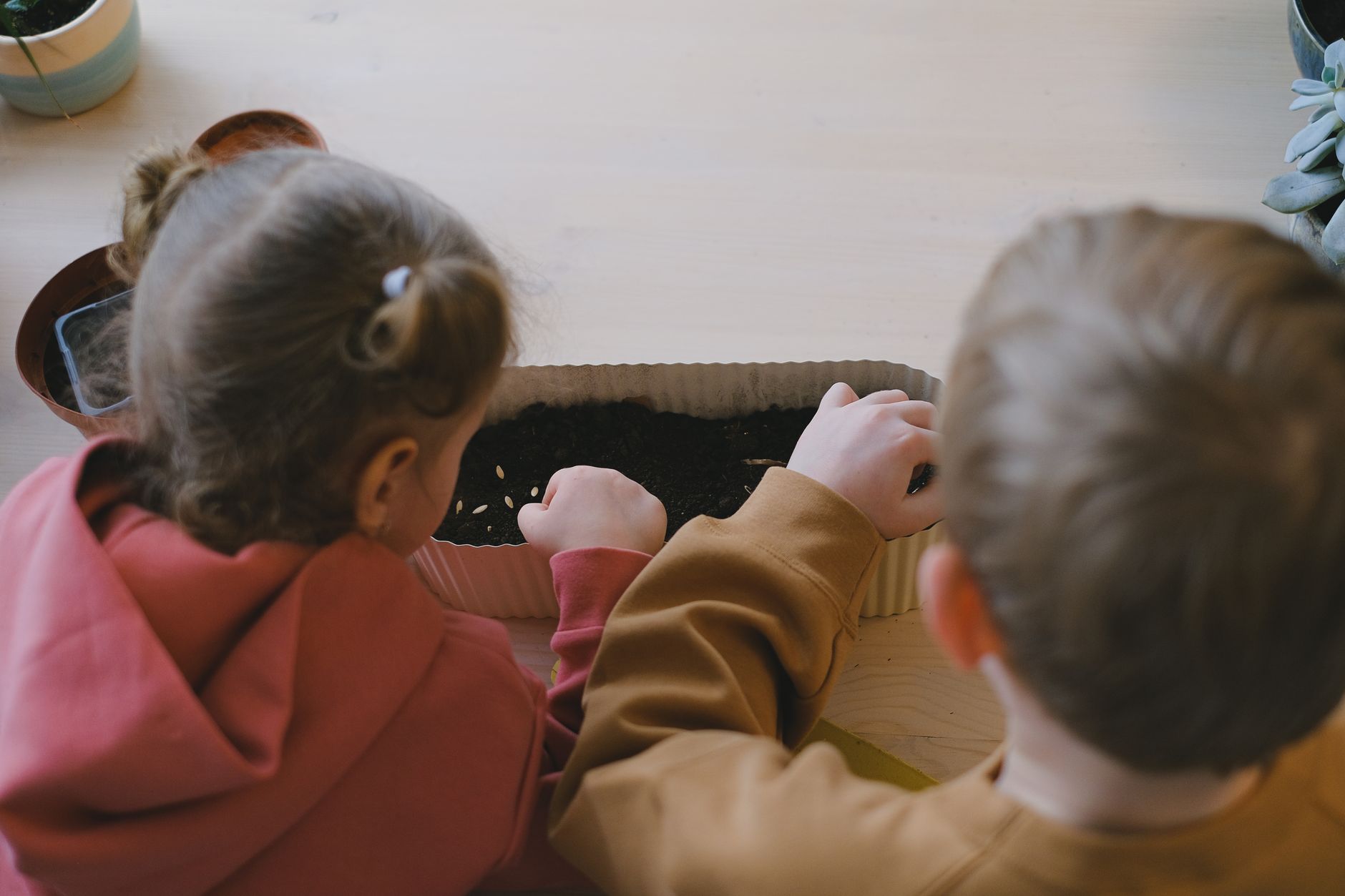
Children develop at different rates, but general age ranges provide a useful starting point. Younger children are interested in movement, water, soil, colors, and immediate sensory feedback. Elementary-age kids can follow short sequences and take partial responsibility for one plant. Tweens and teens need real decisions, useful outcomes, or community relevance. A good mix includes garden work, sensory exploration, science, art, food, and environmental projects. Toddlers should not handle tiny seeds, treated seeds, sharp tools, deep water, or unidentified plants.
Gardening Activities for Toddlers and Preschoolers
Children ages 1–5 explore through sight, sound, smell, movement, and touch. Continuous adult supervision is required. Keep activities between five and twenty minutes. Provide an acceptable digging or water activity so the main garden does not become the play area.
| Activity | Best age | Child’s role | Adult help |
|---|---|---|---|
| Water One Marked Pot | 2–5 | Pours a measured amount into one assigned pot | Draws a fill line, checks soil moisture first |
| Create a Dedicated Digging Patch | 1–5 | Digs, scoops, moves objects in a separate area | Fills container with clean material, sets boundaries |
| Take a Safe Herb Smell Walk | 1–5 | Smells adult-identified herbs | Rubs a leaf, asks simple questions |
| Plant Large Seeds | 3–5 | Makes a hole, places one seed, covers it | Confirms seed is untreated |
| Harvest Large, Easy-to-Recognize Produce | 2–5 | Picks ripe beans, peas, or strawberries | Checks ripeness and choking risks |
Gardening Activities for Elementary-Age Kids
Children ages 6–10 can read seed-packet instructions, measure growth, sort seeds or leaves, use lightweight hand tools with supervision, and care for one plant. Pair one quick project with one longer project. Use real tasks rather than worksheets. Let imperfect rows remain when safety and plant survival are not affected.
| Activity | Best age | Child’s role | Adult help |
|---|---|---|---|
| Make a Clear Seed Viewer | 6–10 | Observes and labels roots, stem, leaves | Sets up container, manages moisture |
| Grow a Fast Crop | 6–10 | Seeds, waters, measures, harvests | Chooses regionally appropriate radish or lettuce |
| Plant a One-Container Theme Garden | 6–10 | Chooses theme, plants, labels | Ensures plant compatibility |
| Keep a Picture-Based Garden Journal | 6–10 | Draws or photographs changes weekly | Provides simple prompts |
| Complete a Pollinator Observation | 6–10 | Counts visits calmly | Sets boundaries near bees and wasps |
| Harvest and Prepare a Simple Snack | 7–10 | Washes, tastes, helps prepare | Manages knives, heat, allergies, food safety |
Gardening Projects for Tweens and Teens
Tweens and teens disengage when a project feels childish or adults make every decision. Offer authentic choices about what to grow, how to arrange the space, and what to do with the harvest. Let older children use appropriate tools after instruction. Power tools, pesticide application, and heavy construction should not be independent youth activities.
| Activity | Best age | Child’s role | Adult help |
|---|---|---|---|
| Design a Small Garden on Paper | 11–16 | Measures space, checks sun, draws plan | Reviews feasibility |
| Run a Two-Variable Garden Test | 12–16 | Compares mulch vs. no mulch | Ensures consistent conditions |
| Propagate Plants from Cuttings | 11–16 | Takes cuttings, compares rooting methods | Handles sharp tools initially |
| Save Seeds from Suitable Plants | 12–16 | Collects, dries, labels, stores | Explains hybridization limits |
| Plan a Harvest-to-Meal Project | 12–16 | Chooses recipe, prepares food | Manages cooking risks |
| Donate Produce or Plants | 12–16 | Grows, harvests, delivers | Contacts recipient first |
| Mentor a Younger Gardener | 13–16 | Demonstrates planting or measuring | Remains responsible for safety |
Gardening Activities for Any Space, Budget, or Season
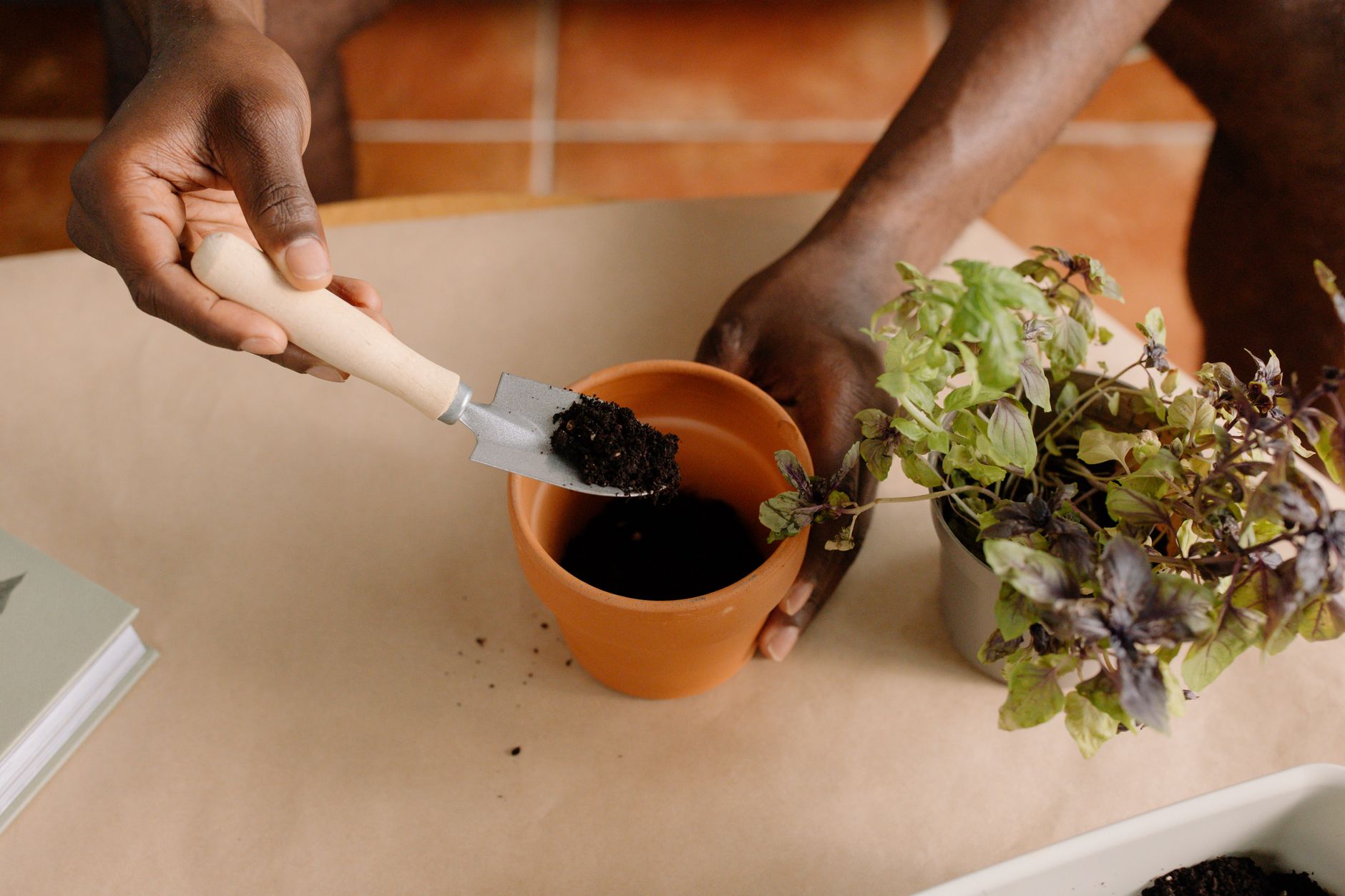
You do not need a yard or raised beds. A windowsill, balcony, or single container can support meaningful activities. The key is to combine one fast result, one living plant, and one observation or craft activity. Containers must have appropriate drainage. Do not use ordinary garden soil as indoor seed-starting mix.
| Constraint | Suitable activities | Avoid starting with |
|---|---|---|
| Five to ten minutes | Water one pot, photograph growth, collect colors | A multi-step construction project |
| No outdoor space | Windowsill herbs, seed viewer, propagation | Large fruiting crops without adequate light |
| Very small budget | One seedling, reused nursery pot, paper labels | A large raised bed |
| Child needs fast feedback | Cress, microgreens, root viewer | Only slow perennial plants |
| Rainy or cold day | Garden plan, seed packet, plant labels, leaf prints | Messy outdoor soil work indoors |
Quick and Low-Cost Gardening Activities
Use a quick project and slow project pairing. Quick projects: growing cress or microgreens, planting a radish container, using a seed viewer, rooting a houseplant cutting, harvesting a purchased herb plant, or photographing one plant weekly. Longer projects: cherry tomato seedling, sunflower, bean trellis, strawberry container, or pollinator container. Buying a healthy seedling is a valid beginner choice. Kitchen-scrap regrowing is best treated as an observation experiment—carrot tops produce leaves, not a new storage root. Obtain free materials from seed libraries or nursery-pot reuse.
Indoor, Balcony, and Small-Space Activities
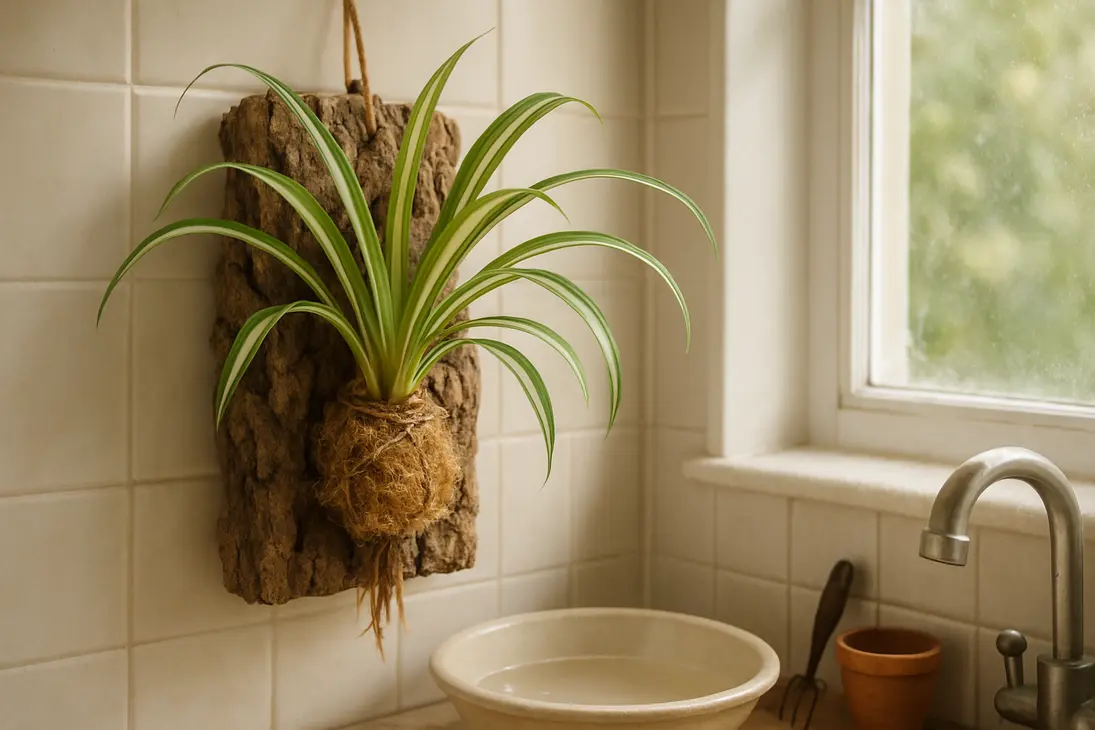
Begin with available light rather than choosing the plant first. Compact projects: one herb container, microgreens, a seed viewer, spider-plant propagation kept out of reach, a small salad container, a dwarf tomato only where light and container size are adequate, a portable sensory tub, and an indoor plant journal. Keep mint in its own container. Indoor projects need drainage protection and a waterproof tray. On balconies, secure containers away from rail edges.
One-pot starter plan:
- Let the child choose between two or three appropriate plants.
- Use a stable container with drainage.
- Add a picture label.
- Assign one age-appropriate job.
- Set a realistic watering check.
- Photograph weekly.
- Harvest, repot, or review at a defined milestone.
Gardening Activities for Rainy Days, Winter, and Hot Weather
Rainy-day activities: designing plant markers, making seed packets, drawing a garden map, making leaf prints, and creating a harvest recipe. Winter activities: reviewing the previous garden journal, choosing plants for next season, observing a houseplant. In hot weather, work early, complete a moisture check, observe shade patterns, and move crafts indoors. Autumn activities: collecting mature seeds, observing leaf color, comparing decomposition. Weather activities should connect back to a real plant or future garden decision.
Keep Gardening Safe, Fun, and Inclusive
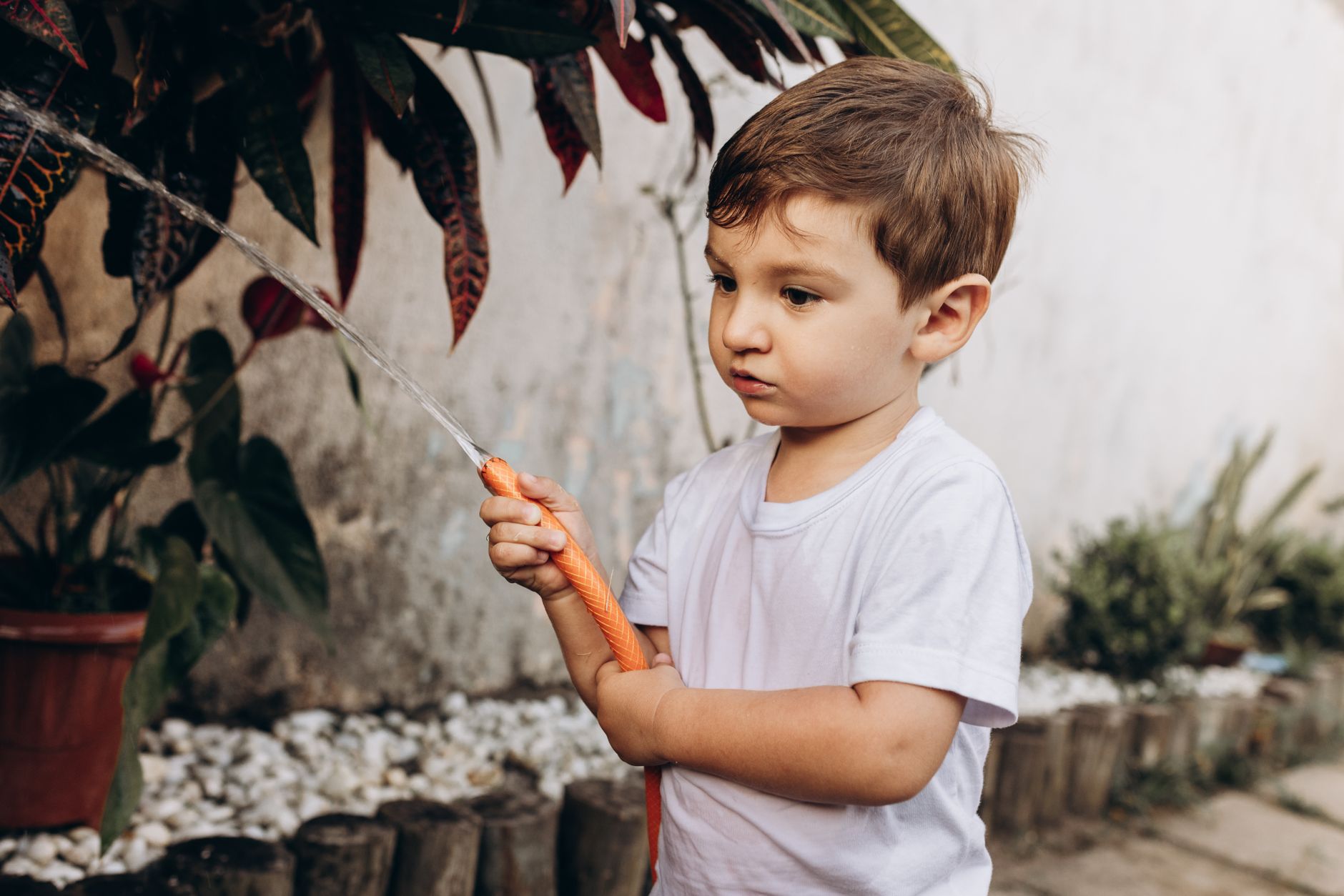
Put safety before completing the activity exactly as planned. Inspect the garden from the child’s height. Create clear categories: tasks the child can do independently, tasks with an adult, and adult-only tasks. Adult-only tasks include applying pesticides, mixing fertilizers, using power tools, cutting hard plastic or metal, handling unknown plants, treating stinging-insect nests, and managing contaminated soil.
Garden Safety Checklist for Kids
Plant safety: Teach that nothing is eaten without adult approval. Keep poisonous plants away from the child activity zone.
Seed and bulb safety: Some seeds may be chemically treated. Read the package. Avoid loose small seeds with children who may swallow them.
Soil and potting-medium safety: Use material from a known source. Avoid soil with possible contamination.
Tools: Use lightweight tools sized for the child’s grip. Teach carrying and storage rules. Adults handle sharp blades and power equipment.
Water: Never leave buckets or ponds unattended around young children.
Heat and sun: Use hats, sunscreen, drinking water, and shade.
Insects and wildlife: Observe rather than grab. Teach calm movement around bees.
Pesticides and fertilizers: Store in original labeled containers, locked out of reach. Remove children during application.
Hygiene: Wash hands with soap and clean running water after gardening.
Food: Confirm plant identity and edible part. Check allergies and choking risks.
| Task | Why it remains adult-only |
|---|---|
| Applying pesticides or herbicides | Exposure, measurement, label, and re-entry requirements |
| Mixing concentrated fertilizer | Risk of ingestion, eye contact, skin exposure |
| Cutting bottles, cans, wire, or hard plastic | Sharp edges and tool injuries |
| Using drills, saws, mowers | High injury risk |
| Handling unidentified plants or fungi | Toxicity cannot be judged casually |
| Removing stinging-insect nests | Risk of multiple stings |
What to Do When Kids Pull Plants, Overwater, or Lose Interest
Treat destructive behavior and plant failure as design problems. When a toddler pulls seedlings, create a separate digging patch. When a child overwaters, use a small watering can with a fill line. When interest fades, shorten the activity, offer two choices, or add a quick-result project. When plants die, inspect moisture, light, roots, weather, and pests, then decide whether to retry or end the project.
| Problem | Likely reason | Better activity design |
|---|---|---|
| Seedlings pulled up | Digging is more rewarding | Create a separate digging area |
| Plant flooded | Pouring water is the activity | Use a measured can and one watering target |
| Child disappears after planting | Result takes too long | Pair with a quick-growing project |
| Child refuses to touch soil | Sensory discomfort | Offer gloves, scoop, tongs, or photography |
| Child upset when plant dies | Success defined only as harvest | Investigate one cause and choose a next step |
| Older child says gardening is boring | Lacks ownership | Add design, cooking, data, or community impact |
Adapt Gardening for Sensory, Mobility, and Mixed-Age Needs
Modify the child, task, or environment so participation does not depend on standing, tolerating mud, or handling insects. Sensory adaptations: gloves, scoops, tongs, quiet observation. Mobility adaptations: table-height containers, stable seating, lightweight tools. Cognitive adaptations: picture instructions, one step at a time. Emotional adaptations: offer two choices, create a predictable routine.
For mixed-age projects, a toddler can scoop or water, an elementary child can measure and label, a teen can plan and build, and the adult handles safety.
| Shared project | Younger child | Elementary child | Teen | Adult |
|---|---|---|---|---|
| Plant a herb container | Adds scoops and waters once | Labels plants and records growth | Plans placement and later prepares a recipe | Selects safe plants and manages drainage |
| Grow beans on a trellis | Collects large safe materials | Plants and measures vines | Designs and helps assemble support | Handles cutting and anchoring |
| Harvest meal | Carries produce | Washes and sorts | Follows a recipe | Manages knives, heat, allergies |
Conclusion
Start with your child’s age, abilities, and interests. Choose an activity that fits the available time and space. Add one quick result. Give the child a real but manageable role. Keep adult-only tasks separate. Begin with one project rather than purchasing a full garden setup. The goal is to let curiosity and participation lead the way.
FAQ
What Are the Easiest Gardening Activities for Kids?
The easiest activities are watering one assigned pot, planting a large untreated seed, harvesting ripe produce, using a clear seed viewer, growing cress or microgreens, and completing a garden color hunt. For toddlers, stick to pouring, scooping, and collecting with continuous supervision. For school-age children, a purchased seedling in a container is simpler than starting from seed.
How Do You Make Gardening Fun for Kids?
Children stay engaged when they have choices, short tasks, visible milestones, real tools suited to their hands, and permission to explore without adult judgment. Offer two or three plant choices. Keep sessions brief. Pair a quick project with a longer one. Some children prefer science, art, construction, cooking, or wildlife observation to planting. Adults may need to maintain the project between the child’s moments of interest.
What Gardening Tools Do Kids Need?
Most children can begin with a small watering can, a scoop or trowel, gloves if desired, a stable container, and adult supervision. Choose lightweight functional tools over brittle toy tools. Keep pruners, drills, cutting tools, and chemicals adult-controlled.
How Do You Keep a Toddler From Destroying the Garden?
Design for toddler behavior rather than expecting self-control. Provide a separate digging bin. Limit watering to one marked pot with a fill line. Protect seedlings with low barriers. Keep sessions short. Continuous adult supervision remains necessary.
Sources
- Rutgers Cooperative Extension: Developmental differences, activities, and safety considerations from toddler through teen years.
- KidsGardening: Start small, let children help choose, accept failure, and adapt activities by age and interest.
- Penn State Better Kid Care: Safe plants, potting medium, treated seeds, tools, and close supervision for young children.
- U.S. Environmental Protection Agency: Locked pesticide storage, original containers, label compliance, removal of children during application.
- CDC handwashing guidance: Washing with soap and clean running water after outdoor activities; limitations of sanitizer.
- KidsGardening Everyone Grows: Occupational-therapy approach to adapting the child, task, environment, tools, and sensory demands.
You Might Also Like