Tennessee Native Plants Guide: Native Flowers, Shrubs, and Trees That Actually Fit
Tennessee native plants are adapted to the state’s climate and soil. Success comes from choosing the right plants for your specific yard and placing them correctly. This guide focuses on practical plant selection—matching plants to your actual conditions, whether you are starting a new pollinator bed or replacing an overgrown foundation shrub. Let the site dictate your choices, not the other way around.
Key Takeaways
- Match plants to your yard conditions, not the other way around: Check sun exposure, shade type, clay drainage, slope, and moisture before buying. Choose plants suited to what you have rather than trying to amend the soil.
- Start small and expect a gradual fill-in: Convert one bed, shade corner, or sunny strip at a time. Most native perennials spend their first year developing roots; the garden will look sparse until the second or third season.
- Replace invasive plants by function, not all at once: Swap problem plants like honeysuckle or Bradford pear with natives that serve the same role — screening, spring bloom, or pollinator value.
- Let your region of Tennessee guide your plant choices: East Tennessee’s mountain woodlands, Middle Tennessee’s clay soils, and West Tennessee’s humid floodplains support different plant communities. Filtering by region increases success.
Tennessee Native Plants Worth Starting With
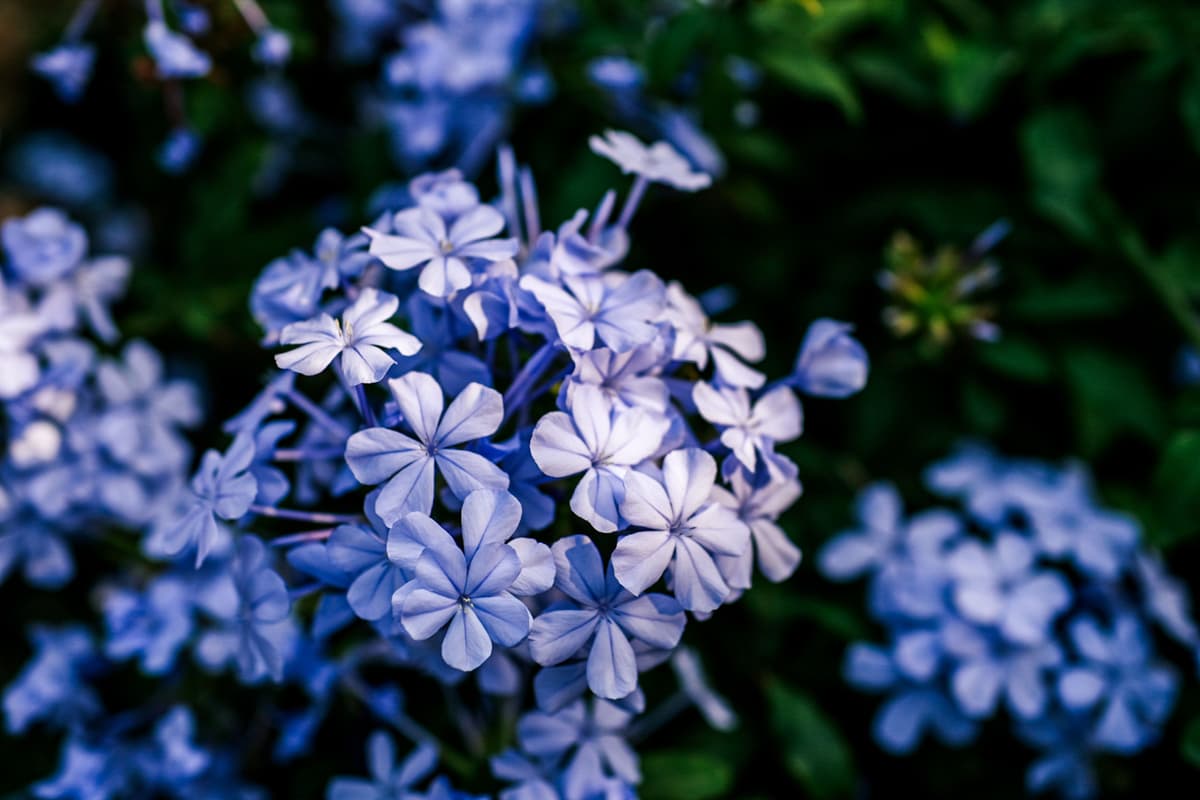
The plants below are organized by role: flowers for pollinators, shrubs for structure, woodland plants for shade, and grasses for filling gaps.
Tennessee Native Flowers for Pollinator Gardens, from Spring to Fall
| Bloom window | Native flowers to consider | Best site | Wildlife value | Beginner note |
|---|---|---|---|---|
| Spring | Wild blue phlox (Phlox divaricata), columbine (Aquilegia canadensis), native violets (Viola spp.) | Part shade to woodland edge; moist, well-drained soil | Early nectar for queen bumblebees; columbine is host for columbine duskywing | Wild blue phlox spreads slowly; space 12–18 inches apart |
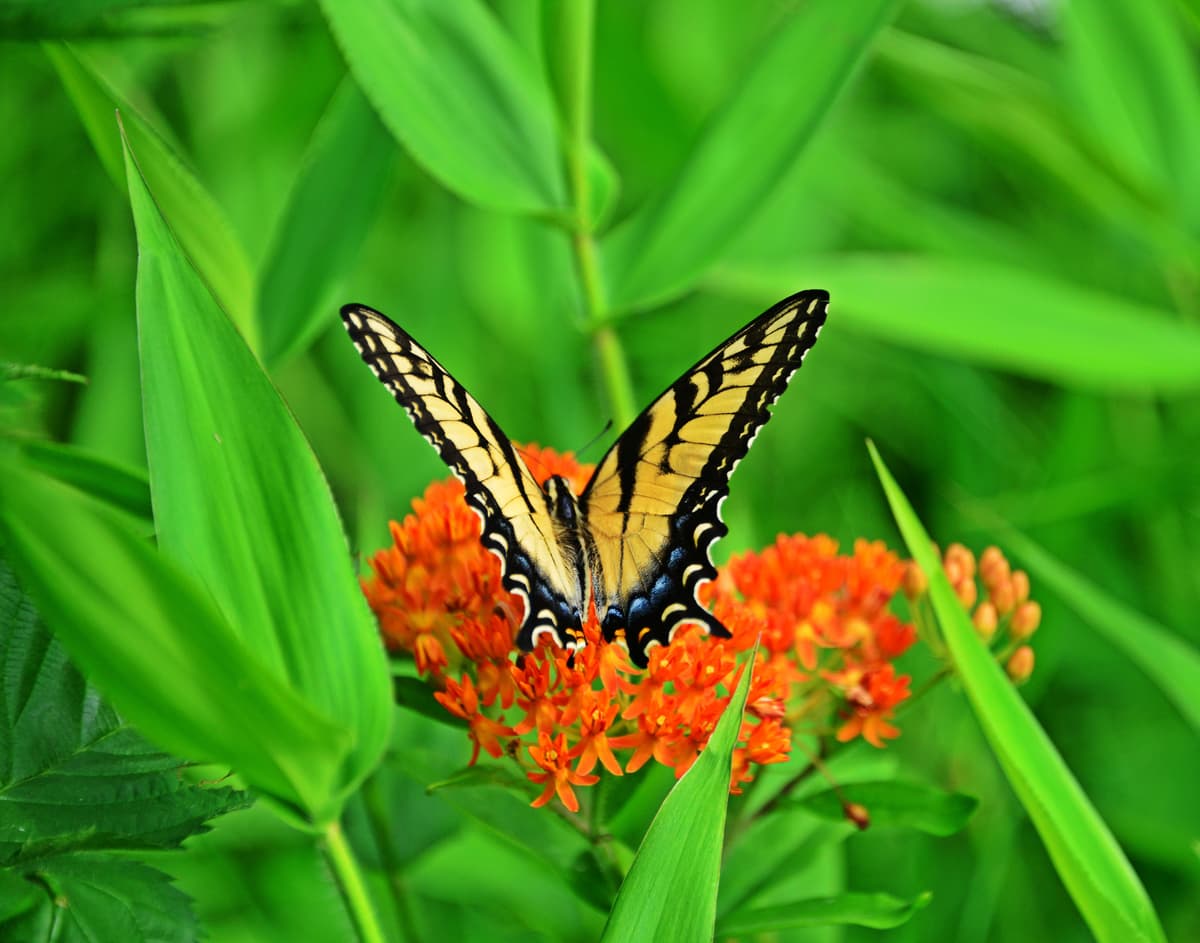
| Early summer | Butterfly milkweed (Asclepias tuberosa), bee balm (Monarda fistulosa), mountain mint (Pycnanthemum spp.) | Full sun; average to dry soil; milkweed needs sharp drainage | Monarch host (milkweed); bee balm attracts hummingbirds; mountain mint is a top native bee plant | Butterfly milkweed does not transplant well after establishment; start from seed or plug |
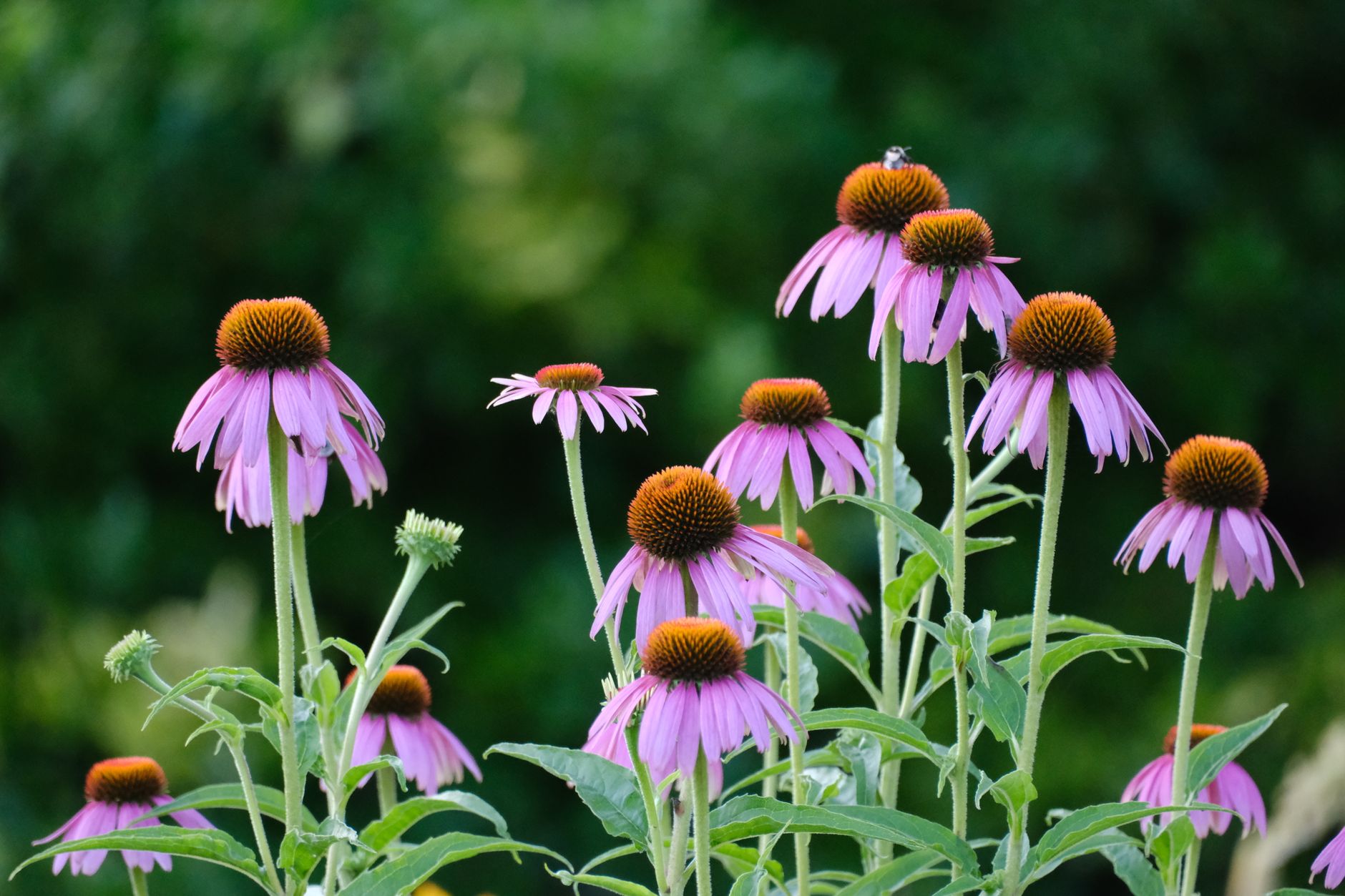
| Late summer | Blazing star (Liatris spp.), black-eyed Susan (Rudbeckia hirta), purple coneflower (Echinacea purpurea) | Full sun; average soil; blazing star tolerates clay | Native bees and butterflies; seedheads feed goldfinches in fall | Black-eyed Susan is biennial; let it reseed |
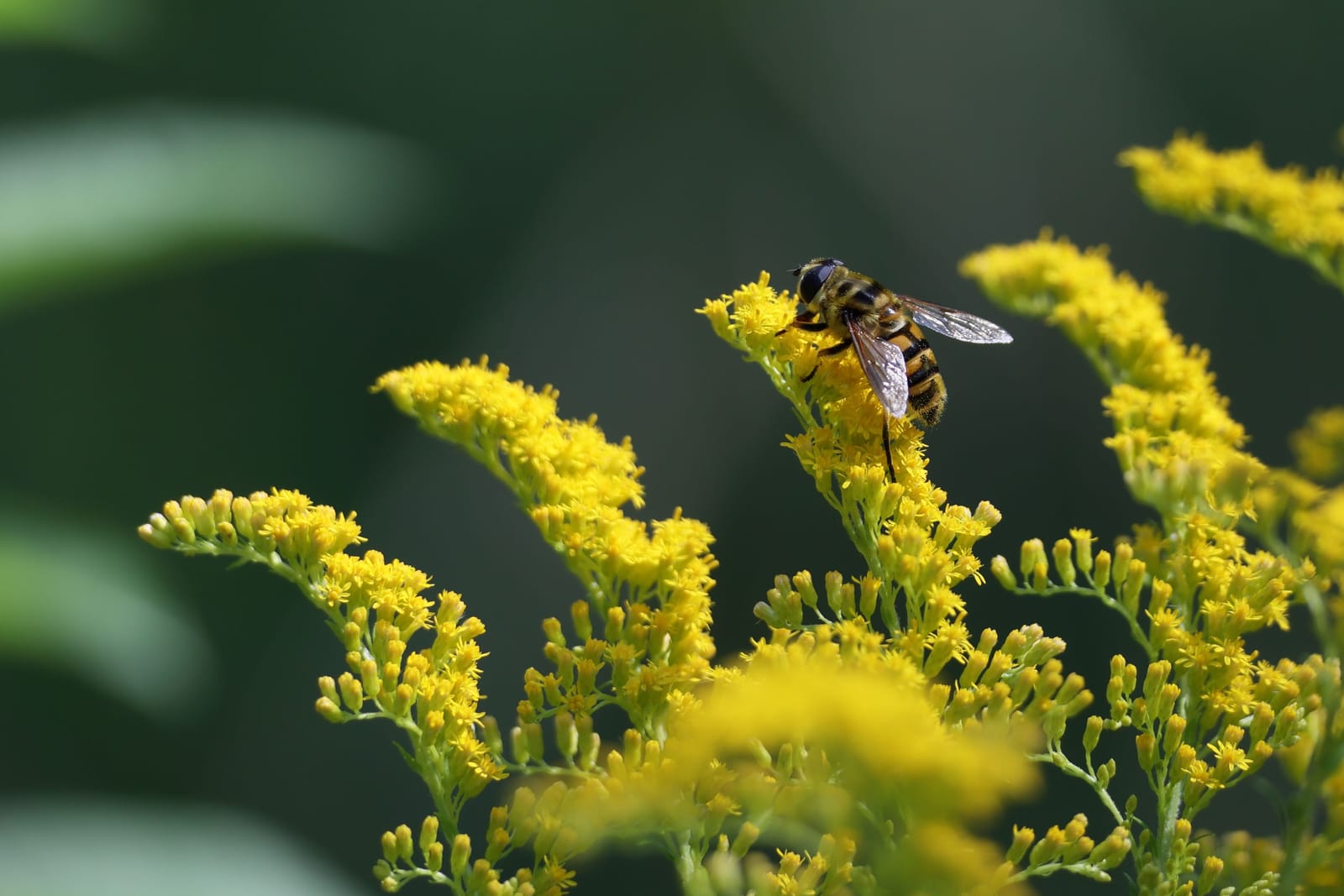
| Fall | Goldenrod (Solidago spp.), asters (Symphyotrichum spp.) | Full sun to part shade; adapt to dry or average soil | Late-season nectar for migrating monarchs; seedheads feed birds | Goldenrod is not ragweed; choose clumping species like Solidago rugosa to avoid aggressive spread |
For a pollinator garden with continuous bloom from April through October, select at least one plant from each bloom window and group them in drifts of three to five plants per species. This creates visible targets for bees and butterflies and makes maintenance easier.
Tennessee Native Shrubs and Small Trees for Yards
American beautyberry (Callicarpa americana) grows 4–6 ft., prefers part shade to sun, and produces purple berries in fall.
Buttonbush (Cephalanthus occidentalis) reaches 6–12 ft., tolerates wet spots, and has spherical white flowers.
Spicebush (Lindera benzoin) grows 6–12 ft. in part shade, hosts spicebush swallowtail caterpillars, and has yellow spring flowers.
Serviceberry (Amelanchier arborea) reaches 15–25 ft., blooms white in spring, and has edible berries.
Redbud (Cercis canadensis) grows 20–30 ft., blooms pink in early spring, and adapts to sun or part shade.
Flowering dogwood (Cornus florida) reaches 15–25 ft. in part shade with acidic soil.
Oakleaf hydrangea (Hydrangea quercifolia) grows 6–8 ft. in part shade, with white blooms and red fall color.
Native viburnums like arrowwood (Viburnum dentatum) provide spring flowers and berries, reaching 4–10 ft.
Pawpaw (Asimina triloba) grows 15–25 ft. in part shade with moist soil, hosts zebra swallowtail caterpillars, and produces edible fruit but does not tolerate drought.
When selecting shrubs, consider mature size: a 6‑ft. beautyberry fits a foundation bed, while a 25‑ft. serviceberry works better as a specimen tree. Group shrubs with similar moisture needs.
Woodland, Shade, and Winter-Interest Tennessee Native Plants
For dry shade under trees, use Christmas fern (Polystichum achrostichoides), woodland sedges (Carex spp.), and native violets. Christmas fern stays evergreen, providing winter structure. For moist shade, try wild blue phlox, columbine, foamflower (Tiarella cordifolia), and cinnamon fern (Osmunda cinnamomea). Understory shrubs like spicebush and oakleaf hydrangea also work well. Winter interest comes from evergreen ferns, seedheads on asters and goldenrod, and berry clusters on winterberry holly (Ilex verticillata). If your shade area is small, stick with low-growing plants like sedges and violets.
Native Tennessee Grasses, Sedges, and Groundcovers That Keep a Garden from Looking Messy
Little bluestem (Schizachyrium scoparium) grows 2–3 ft. in full sun, turns copper in fall, and does not spread aggressively.
Switchgrass (Panicum virgatum) grows 3–5 ft., tolerates clay, and holds upright form through winter.
River oats (Chasmanthium latifolium) grows 2–4 ft. in part shade, with dangling seed heads; can spread by seed.
Woodland sedges (Carex spp.) stay 6–12 in. tall, work as low groundcover in shade. Native violets spread by seed and rhizome, acting as living mulch under trees.
Golden ragwort (Packera aurea) spreads by rhizomes in moist part shade, with yellow spring flowers.
Creeping phlox (Phlox stolonifera) stays 4–6 in. tall in part shade, with purple spring flowers. For a tidy look, use a mowed border or edging stone—the contrast cues the garden as intentional.
How to Choose Tennessee Native Plants for Your Part of the State
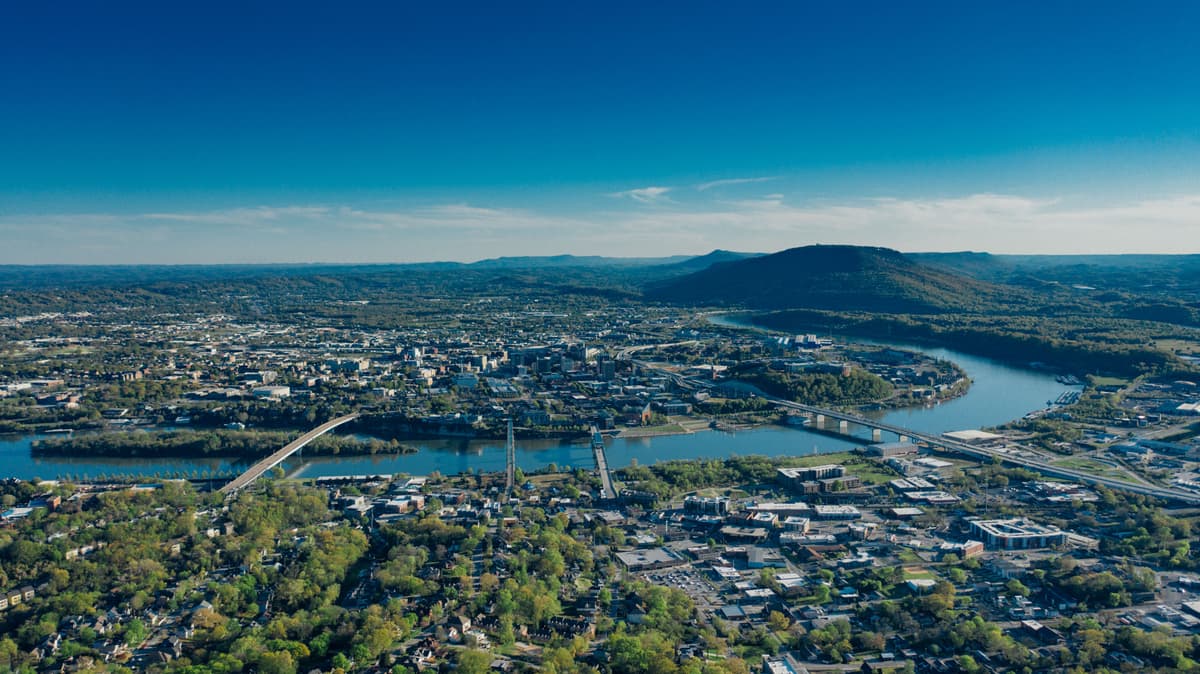
East, Middle, and West Tennessee: What Actually Changes for Gardeners?
East Tennessee has thin, rocky, acidic soils and cooler summers. Woodland plants do well; dry-site prairie plants may struggle.
Middle Tennessee has clay to limestone soils with hot summers. Both woodland edge and meadow species work; main challenge is slow-draining clay.
West Tennessee is humid with rich alluvial soils. Invasive species like privet and honeysuckle are common—prioritize native replacements like spicebush or viburnum. Verify recommendations for your region via the Tennessee Native Plant Society or your local UT Extension office.
Match Native Plants to Sun, Shade, Clay Soil, Wet Spots, Slopes, and Small Yards
| Yard condition | What to look for | Good plant roles | Common mistake |
|---|---|---|---|
| Full sun and average soil | Plants with strong stems, summer bloom, pollinator value | Prairie flowers, grasses, small shrubs | Buying tall plants without spacing—many natives grow 4+ ft. wide |
| Part shade or woodland edge | Plants adapted to leaf litter and filtered light | Ferns, sedges, woodland flowers, understory shrubs | Planting full-sun meadow species—they will stretch and flop |
| Dry shade | Plants that tolerate root competition | Sedges, ferns, durable woodland plants | Expecting constant blooms—dry shade is a foliage zone |
| Clay soil | Plants that tolerate heavier soil if drainage is acceptable | Shrubs, perennials, grasses | Amending only one small planting hole—choose adaptable plants |
| Wet spot or rain garden | Plants that tolerate periodic wet soil | Buttonbush, moisture-loving perennials, wet-site grasses | Planting dry-site natives—they will rot |
| Slope or erosion-prone area | Rooting strength and soil coverage | Grasses, sedges, groundcovers, shrubs | Relying only on mulch |
| Small front bed | Compact size and tidy habit | Small shrubs, short perennials, sedges | Ignoring mature size—a 6-ft. shrub does not fit a 3-ft. bed |
Use this table when shopping: identify your yard condition, then select plants from the recommended roles column.
Are Tennessee Native Plants Really Low-Maintenance?
Native plants are lower maintenance only when matched to the right site. Plant a sun-loving milkweed in shade, and it will need constant care. In a sunny, well-drained spot, it needs almost nothing after establishment beyond occasional weeding. Expect regular watering in the first year, some spreading, and possible flopping in rich soil—cut back by one-third in early summer. The lowest-maintenance garden starts with correct site matching, proper spacing, and grouping plants with the same needs. The garden will look sparse the first year and fill in by the third season.
Native Planting Plans for Common Tennessee Yard Problems
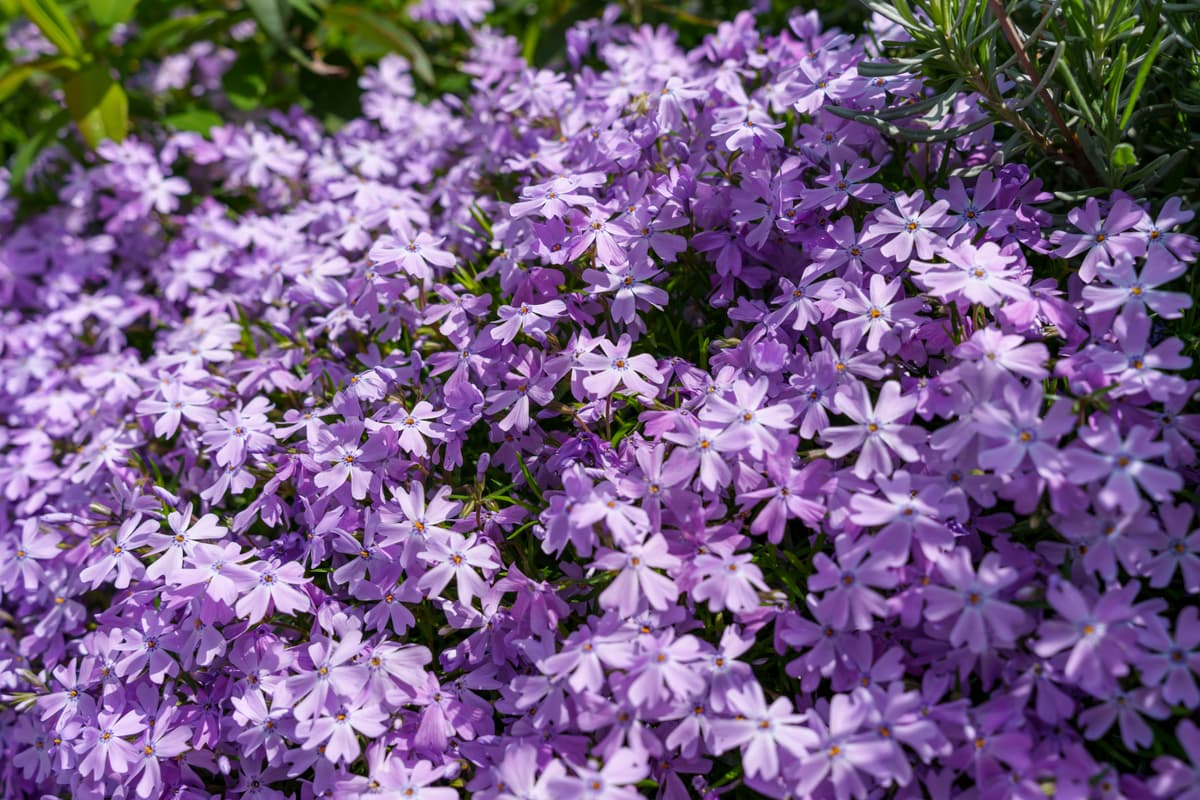
Replacing a Patch of Lawn with Native Plants
Convert a small area: a sunny bed edge, a slope where mowing is difficult, or a low-traffic corner. Use low-growing plants: woodland sedges, violets, or creeping phlox for shade; little bluestem or short asters for sun. Keep edges tidy with a mowed border or edging stone. For a 50‑sq. ft. area, use three to five species in groups of three to five plants each.
Replacing Invasive or Low-Value Landscape Plants with Tennessee Natives
| If your yard has… | Replace by function, not just looks | Native role to choose |
|---|---|---|
| Invasive honeysuckle or privet | Screening + wildlife value | Spicebush, viburnum, serviceberry, or redbud |
| Bradford pear | Spring bloom + structure | Flowering dogwood, serviceberry, or redbud |
| English ivy or vinca | Groundcover or erosion control | Woodland sedge, golden ragwort, or creeping phlox |
| Butterfly bush (Buddleja) | Nectar + host plant value | Butterfly milkweed, bee balm, mountain mint, spicebush |
| Overgrown foundation shrubs | Structure + manageable size | Oakleaf hydrangea, native viburnums, or dwarf serviceberry |
Remove invasives thoroughly before planting natives. Fill the space immediately to prevent regrowth. Check the Tennessee Invasive Plant Council before planting. Do not dig plants from the wild; buy from reputable nurseries.
Starting Small When You Are New to Native Gardening
Start with one bed, shade corner, or sunny strip. Choose 5–7 plants that share the same site conditions. Plant in groups of at least three per species. Water and weed the first year. Most perennials develop roots first, so expect a sparse look until the second or third year.
Where to Buy Tennessee Native Plants, Seeds, and Plugs
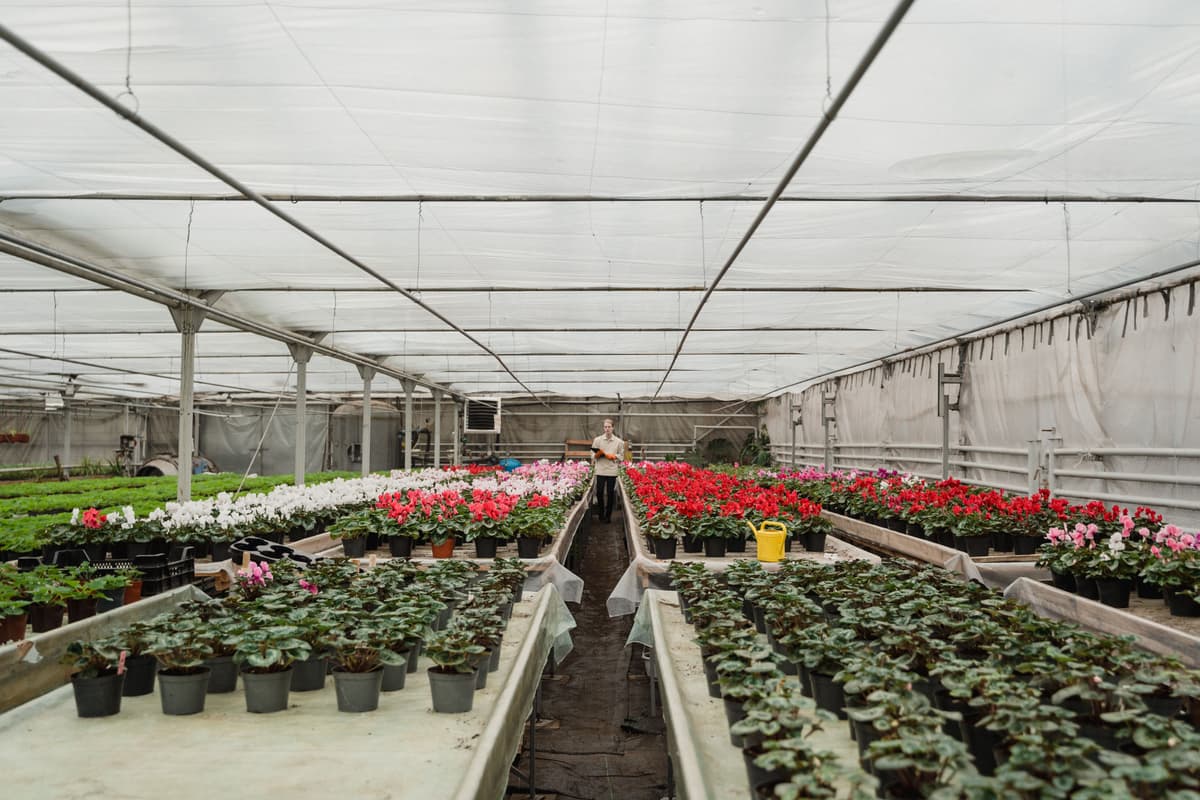
Where to Find Tennessee Native Plants Without Digging from the Wild
Buy from native plant nurseries, Tennessee Native Plant Society sales, Wild Ones chapter sales, UT Extension events, botanical garden sales, seed libraries, plant swaps, or online sources selling plugs, bare-root plants, quart pots, or seeds. Plugs cost less than gallon pots and establish quickly. Seeds are cheapest but slowest and require consistent moisture. For beginners, quart or gallon pots offer instant impact; plugs are a cost-effective compromise for larger projects.
How to Check a Tennessee Native Plant Source Before Buying
Verify that the botanical name is listed, the plant is native to Tennessee specifically (not just the Southeast), and the source includes region or habitat fit, light, moisture, soil, and mature size. If buying a seed mix, read every species to ensure each is native to Tennessee. Avoid generic “Southeast wildflower mix”—they often contain non-natives. A reliable nursery will confirm provenance.
Are Native Seed Mixes Right for Tennessee Gardens?
A “Southeast wildflower mix” may contain species not native to Tennessee—for example, coastal plains species that will not survive Middle Tennessee clay. Read every species and match it to your site. Seeds are cheaper but take longer and require consistent moisture. Beginners often find plugs more reliable because they skip the delicate seedling stage.
Conclusion
Growing Tennessee native plants starts with matching plants to your site conditions. Check your yard’s light, moisture, and soil before buying, choose plants that fit, and group them in small clusters. Start small, and expect the garden to take more than one season to fill in. That gradual approach yields a resilient, low-maintenance landscape that supports local wildlife.
FAQ
What should I plant in a Tennessee yard first?
For a sunny, average-soil yard, start with 2–3 flowers (butterfly milkweed, purple coneflower, goldenrod), 1–2 shrubs (spicebush, serviceberry), and 1 grass (little bluestem). For shade, use woodland sedges, Christmas fern, and wild blue phlox.
What Tennessee native plants are best for shade?
For dry shade under trees, use Christmas fern, woodland sedges, and violets. For moist shade, try wild blue phlox, columbine, foamflower, and cinnamon fern. Understory shrubs like spicebush and oakleaf hydrangea also do well in part shade.
What native plants work in Tennessee clay soil?
Clay that drains reasonably well supports shrubs (spicebush, viburnum, buttonbush in wetter spots), perennials (black-eyed Susan, purple coneflower, goldenrod), and grasses (switchgrass, little bluestem). If water stands more than 24 hours, choose wet-site plants like buttonbush or swamp milkweed. Never over‑amend clay with sand—choose adapted species instead.
Can I replace part of my lawn with Tennessee native plants?
Yes, but don’t expect turf-like surface. Native sedges, violets, and low groundcovers work for low-traffic areas but don’t tolerate repeated foot traffic. Start with a small section like a slope or no-mow corner, and keep a mowed border for an intentional look. Use stepping stones to guide visitors through the planting.
You Might Also Like