Wisconsin Native Plants: Plants That Survive, Bloom, and Support Wildlife
Thinking about adding plants to your yard that actually belong here in Wisconsin? Native plants handle the state’s cold winters, hot summers, and everything in between. They support local wildlife, need less water once established, and can look as polished as traditional ornamentals when chosen with care. Beyond aesthetics, they restore ecological function to fragmented suburban landscapes, creating corridors for pollinators and birds.
This article covers why Wisconsin native plants make sense, how to match plants to your yard’s conditions, and which species are easiest for beginners. It includes design ideas for small lots, a realistic three-year timeline, and common mistakes to avoid.
Key Takeaways
- Assess your yard before you buy plants: Check sunlight hours, soil texture, and moisture patterns first.
- Expect a three-year establishment timeline: Year one focuses on root growth and looks sparse. Year two shows visible filling in. Year three delivers full impact with minimal maintenance.
- Overwatering is the top beginner mistake: New native plants need deep, infrequent watering — once a week unless rain falls — not daily shallow watering.
- Design matters for curb appeal: Native gardens look tidy when you use structured plants like purple coneflower and little bluestem, define beds with hardscaping, and layer by height.
- Start with 5–7 beginner-friendly species: Purple coneflower, butterfly weed, wild bergamot, little bluestem, and wild columbine are reliable choices.
Why Choose Wisconsin Native Plants for Your Landscape
The Real Benefits of Going Native: Less Water, Less Fertilizer, and More Wildlife
Native plants are adapted to Wisconsin’s climate and soil. Once established, most need little supplemental watering and rarely require fertilizer. Their deep root systems — some reaching 10–15 feet in prairie species — improve soil structure, increase water infiltration, and reduce runoff.
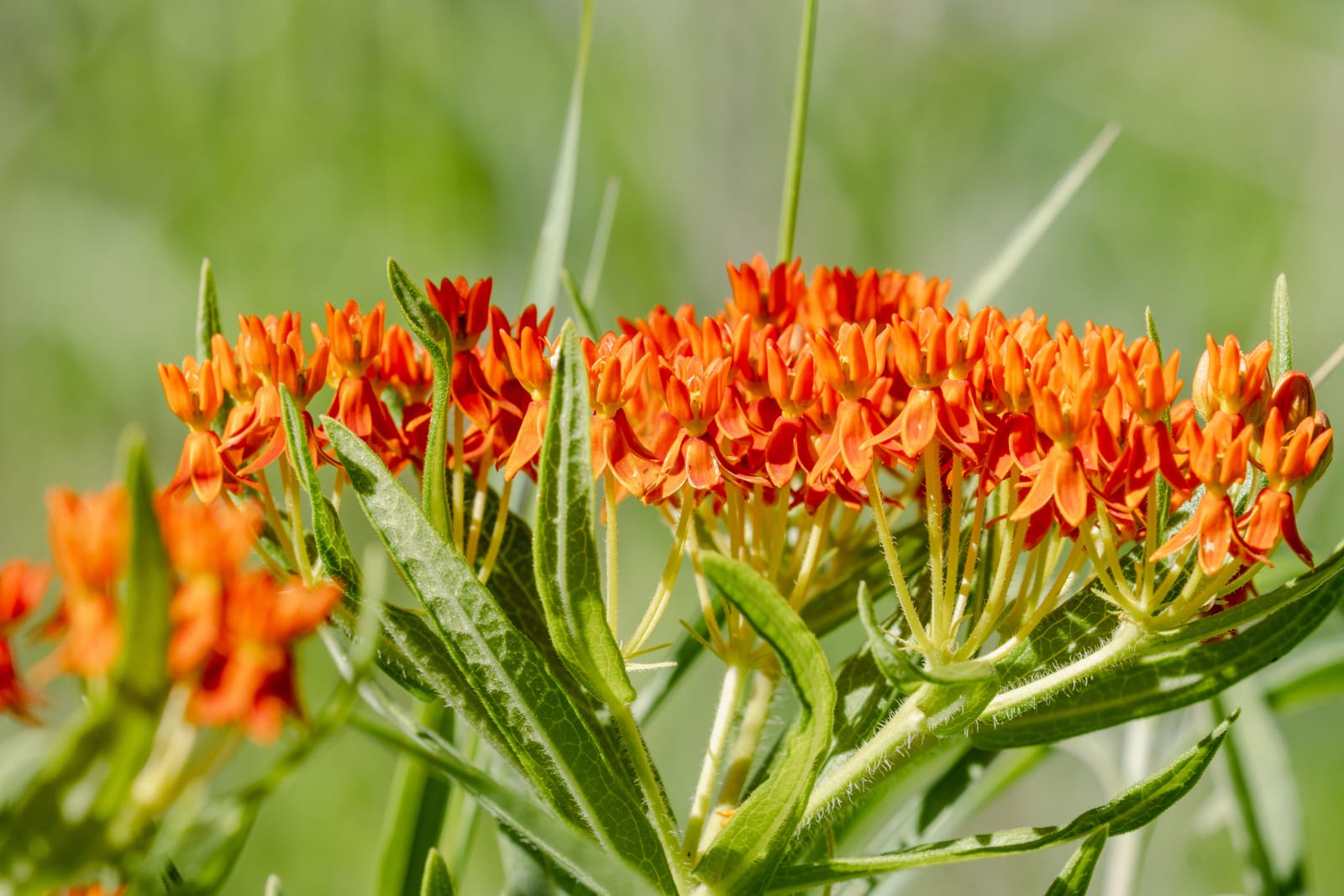
They also provide food and habitat for local pollinators, birds, and beneficial insects. Butterfly weed (Asclepias tuberosa) is a host plant for monarch caterpillars; goldenrod (Solidago spp.) feeds bees late in the season. Research from UW-Madison shows that native plant gardens support three times more pollinator species than gardens filled with non-native ornamentals.
A common concern is that native gardens look messy, but many species have tidy habits. A bed of purple coneflower (Echinacea purpurea), little bluestem (Schizachyrium scoparium), and prairie dropseed (Sporobolus heterolepis) can look as orderly as any traditional perennial border. Adding a stone or brick edge further refines the look.
Native vs. Naturalized vs. Invasive: Understanding the Difference
| Category | Definition | Wisconsin Examples |
|---|---|---|
| Native | Present before European settlement | Purple coneflower, butterfly weed, wild bergamot |
| Naturalized | Non-native but not aggressively harmful | Queen Anne’s lace, chicory, daylilies |
| Invasive | Non-native, spreads aggressively, harms ecosystems | Buckthorn, garlic mustard, Japanese knotweed |
When sourcing plants, check you are buying true native species. For small gardens, butterfly weed and swamp milkweed are better choices than common milkweed, which can be aggressive. Verify with a trusted local nursery like Johnson’s Nursery in Menomonee Falls or Prairie Nursery in Westfield.
How to Match Wisconsin Native Plants to Your Yard’s Conditions
Step 1: Assess Your Sun, Soil, Moisture, and Yard Size
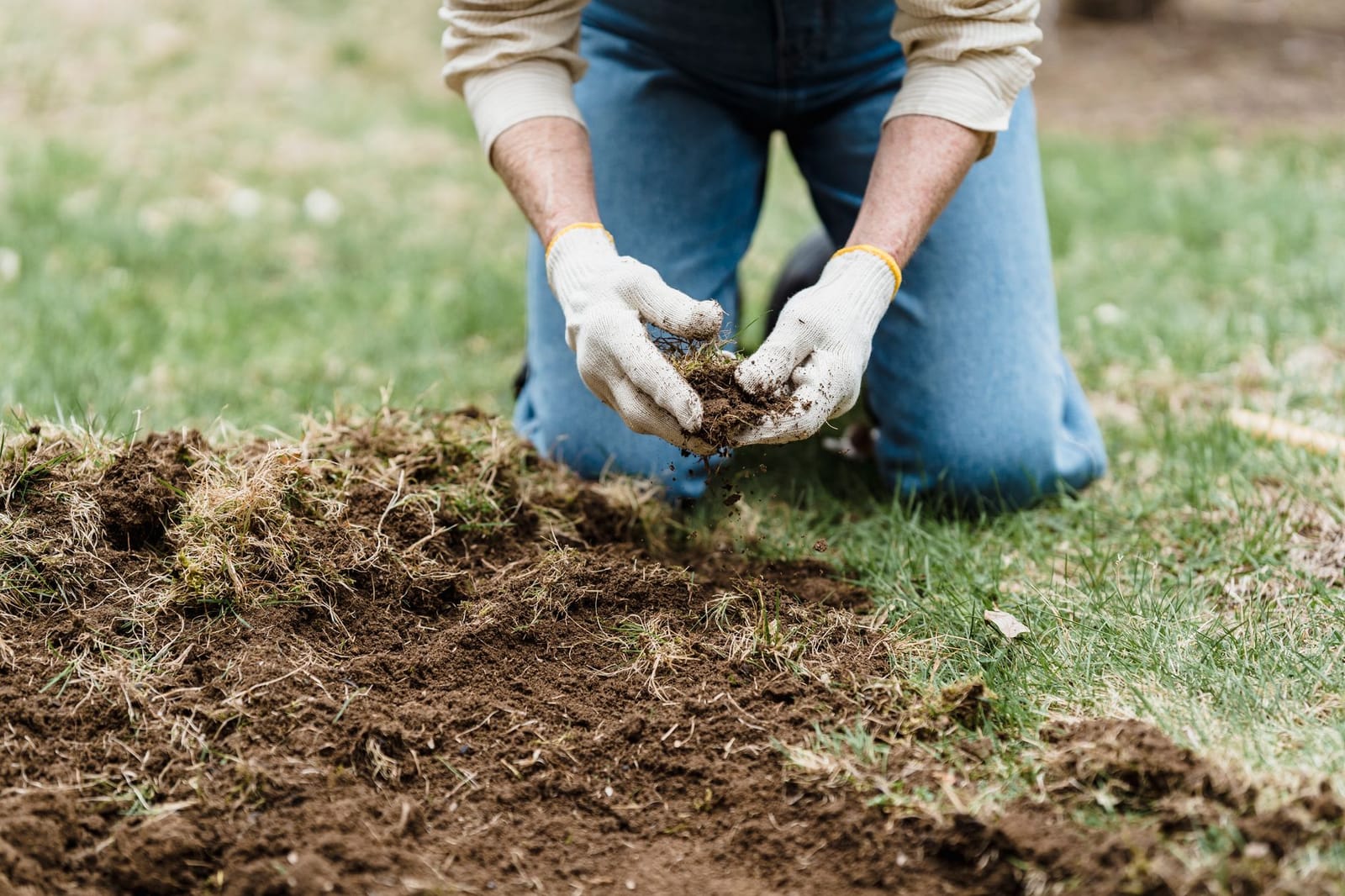
Before buying plants, check your yard’s conditions. Full sun means at least six hours of direct sun per day; partial shade is three to six hours; full shade is less than three. Test soil texture with a squeeze test—clay holds its shape, sandy soil crumbles. Note which areas stay wet after rain. A low spot suits swamp milkweed (Asclepias incarnata) or cardinal flower (Lobelia cardinalis); a dry slope is better for butterfly weed or little bluestem.
On a small city lot, prioritize compact species and layer from ground covers to mid-height perennials to tall accent plants. For a typical 10x15-foot front border, choose no more than three to four species. On larger properties, incorporate wider drifts of prairie grasses and taller species like big bluestem.
Quick Reference: The Best Wisconsin Native Plants for Sun vs. Shade, Dry vs. Wet
| Condition | Plant Name | Scientific Name | Height | Bloom Time | Notes |
|---|---|---|---|---|---|
| Full sun, dry | Butterfly weed | Asclepias tuberosa | 1–2 ft | June–August | Host plant for monarchs |
| Full sun, dry | Little bluestem | Schizachyrium scoparium | 2–4 ft | Late summer | Warm-season grass, fall color |
| Full sun, moist | Purple coneflower | Echinacea purpurea | 2–4 ft | July–September | Popular with pollinators |
| Full sun, moist | Wild bergamot | Monarda fistulosa | 2–4 ft | July–August | Fragrant, attracts bees |
| Shade, dry | Wild columbine | Aquilegia canadensis | 1–2 ft | April–June | Tolerates rocky soil |
| Shade, moist | Wild geranium | Geranium maculatum | 1–2 ft | April–June | Spreads slowly into colonies |
| Shade, moist | Canada wild ginger | Asarum canadense | 0.5–1 ft | April–May | Good ground cover |
| Wet, sun to part shade | Swamp milkweed | Asclepias incarnata | 3–5 ft | July–August | Pink blooms, monarch host |
| Wet, shade | Cardinal flower | Lobelia cardinalis | 2–4 ft | July–September | Bright red, attracts hummingbirds |
| Sun, moist to dry | Prairie dropseed | Sporobolus heterolepis | 2–3 ft | August–September | Fine-textured grass |
12 Beginner-Friendly Wisconsin Native Plants That Are Hard to Kill
Easy Sun-Loving Prairie Plants
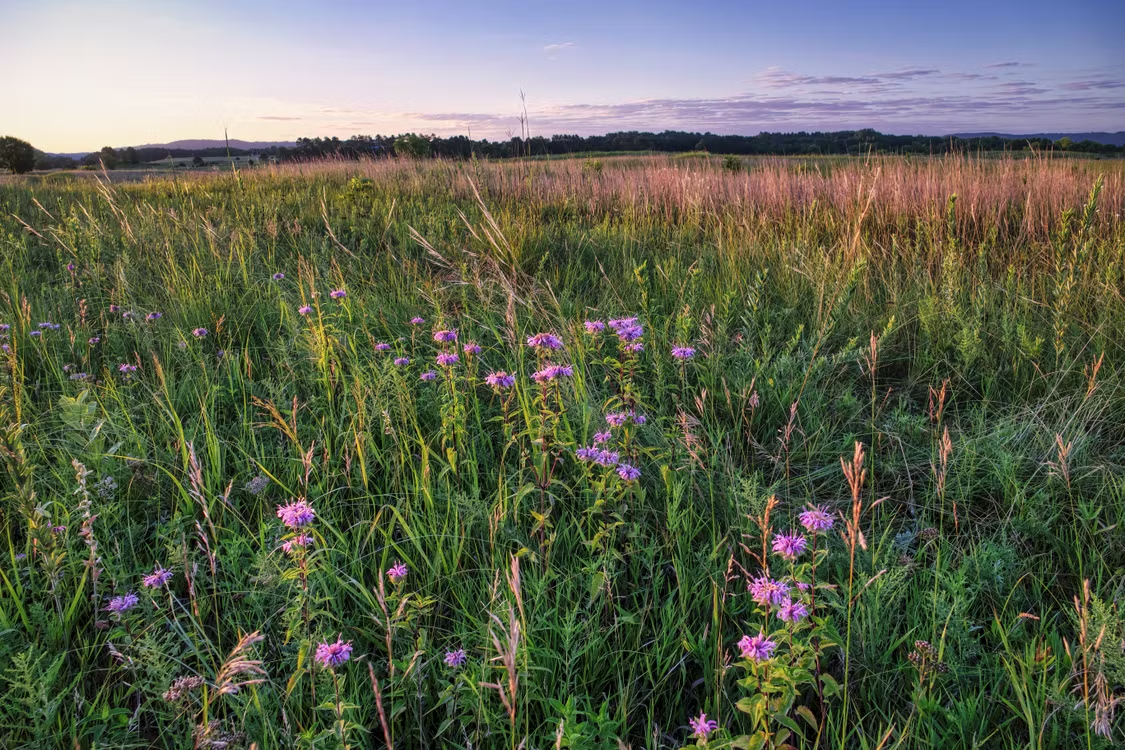
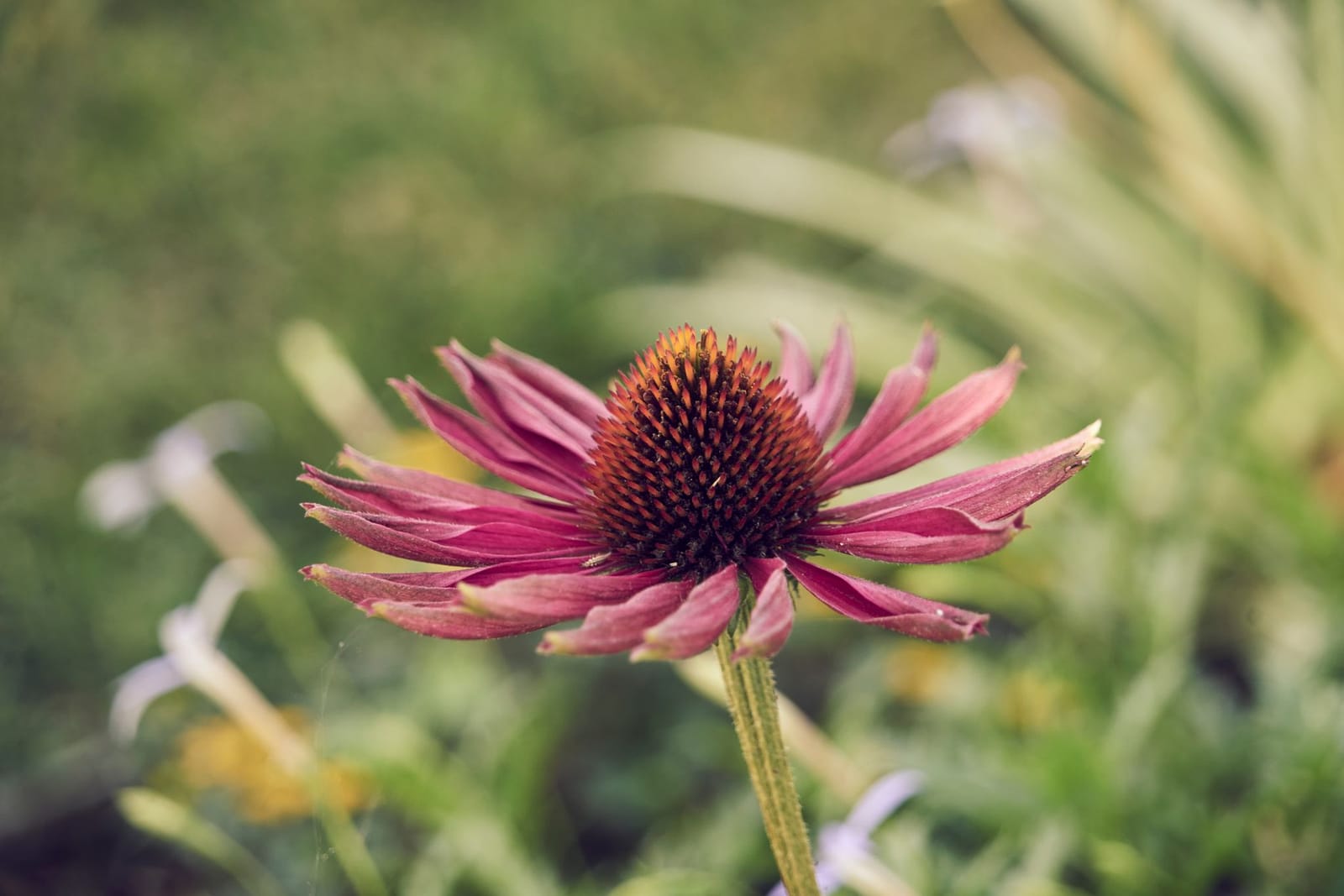
Purple coneflower (Echinacea purpurea): Blooms mid-summer to fall, drought-tolerant, seed heads feed goldfinches. Deadheading is optional. Butterfly weed (Asclepias tuberosa): Compact milkweed with orange flowers, monarch host, does not spread aggressively. Wild bergamot (Monarda fistulosa): Lavender-pink flowers, attracts bees and hummingbirds, can be divided every three years to contain spread. Little bluestem (Schizachyrium scoparium): Warm-season grass with bronze-red fall color, provides winter cover. Prairie dropseed (Sporobolus heterolepis): Fine-textured mounds with faint popcorn scent, excellent border plant.
Easy Shade and Woodland Plants
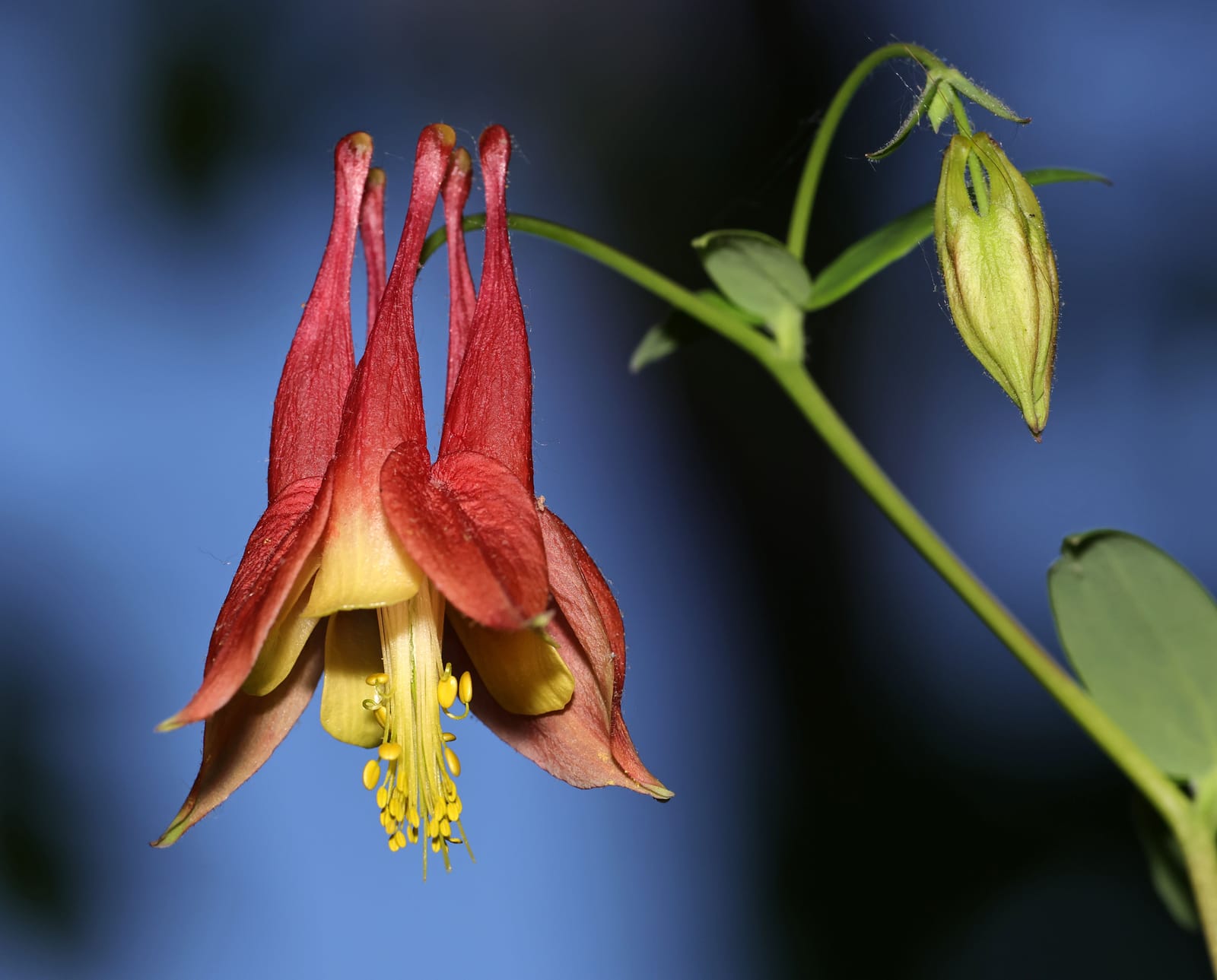
Wild columbine (Aquilegia canadensis): Red and yellow spring blooms, tolerates dry rocky soil, self-seeds gently. Provides nectar for hummingbirds. Wild geranium (Geranium maculatum): Pink spring flowers, spreads slowly, thrives under black walnut trees. Canada wild ginger (Asarum canadense): Low ground cover with heart-shaped leaves, handles deep shade, forms a dense weed-suppressing mat.
Easy Wet-Soil and Rain Garden Plants
Swamp milkweed (Asclepias incarnata): Reaches 3–5 feet, pink flowers, monarch host. Cardinal flower (Lobelia cardinalis): True red flowers, attracts hummingbirds, needs moist soil, self-seeds. Great blue lobelia (Lobelia siphilitica): Blue flowers, tolerates wet soil and partial shade, pairs well with cardinal flower.
Late-Season Plants for Fall Color and Bird Food
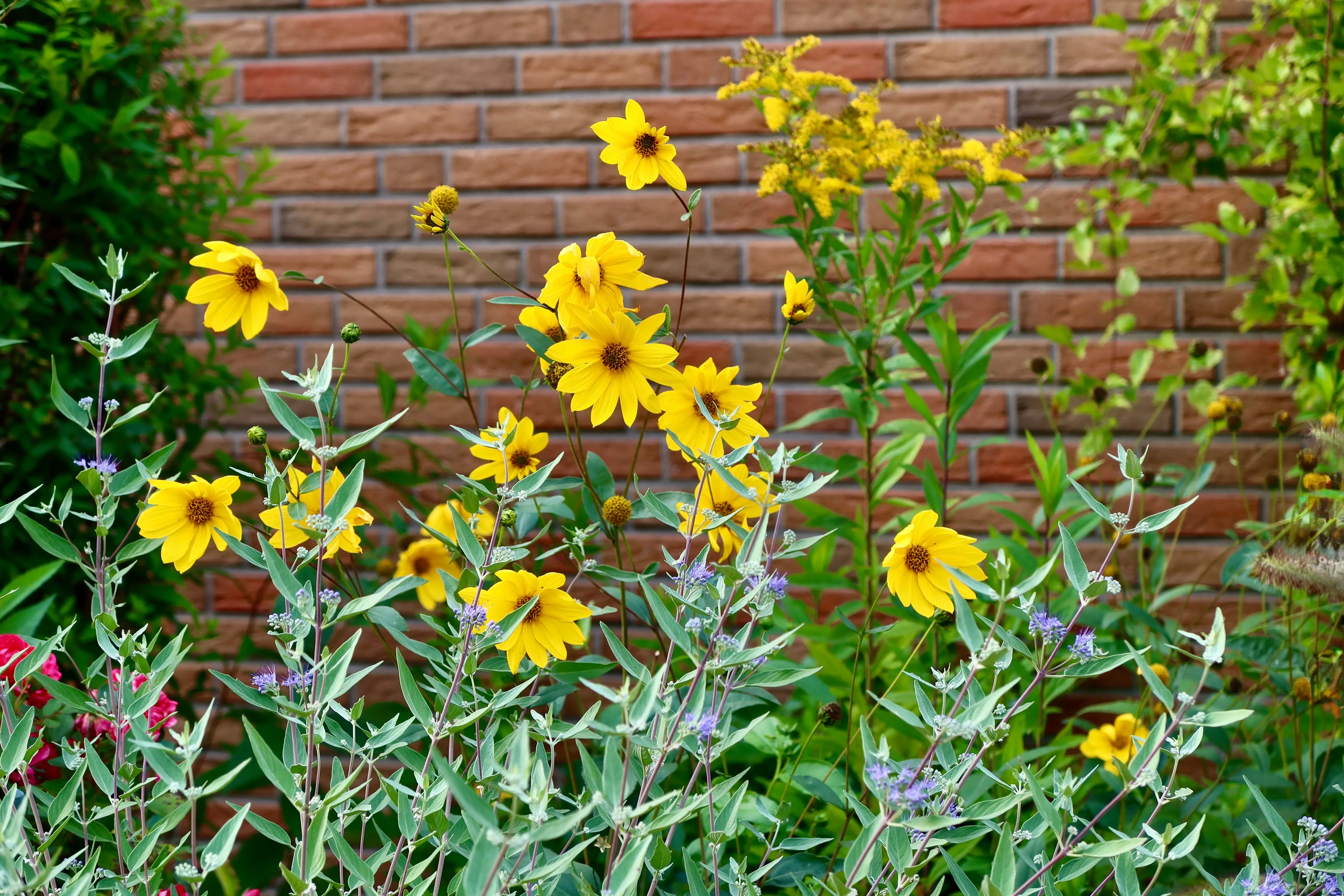
New England aster (Symphyotrichum novae-angliae): Purple-pink flowers from late summer to frost, critical nectar for migrating butterflies. Goldenrod (Solidago spp.): Bright yellow spikes, excellent for pollinators (not a hay fever culprit; that’s ragweed). Compact cultivars like ‘Fireworks’ work in small gardens. Brown-eyed Susan (Rudbeckia triloba): Yellow daisies with dark centers, self-seeds gently, winter seeds for birds.
How to Design a Stunning Native Plant Garden on Any Lot Size
City Lot Design: Small-Space Native Garden Templates
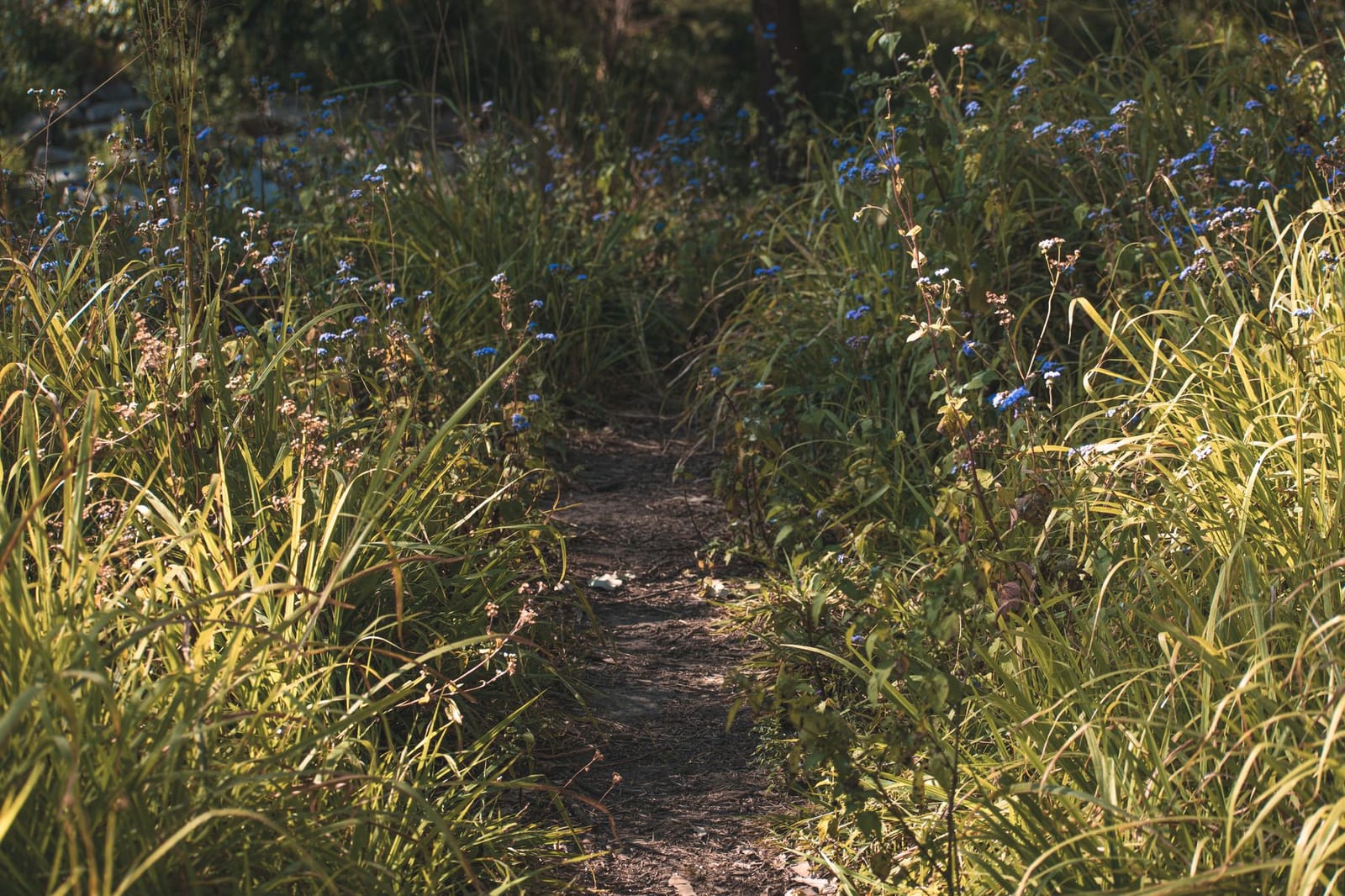
Front border bed: Use wild strawberry as ground cover, purple coneflower and wild bergamot as mid-height, little bluestem as tall accent. Add a curved brick edge. Pollinator pocket: Transform a 6x6-foot corner with butterfly weed, prairie dropseed, and New England aster, edged with stones. Foundation planting: Replace non-native shrubs with wild bergamot, Canada wild ginger, wild columbine, and prairie dropseed — all stay under 4 feet.
Companion Planting: Which Wisconsin Natives Thrive Together
Classic prairie trio: Purple coneflower, butterfly weed, little bluestem — continuous bloom June–September. Shade combo: Wild columbine, wild geranium, Canada wild ginger — bloom in sequence spring to early summer. Wet-soil grouping: Swamp milkweed, cardinal flower, New England aster — color July–October. Add switchgrass for height behind wet-soil group.
Adding Curb Appeal: Mixing Natives with Paths, Patios, and Fences
Pair native beds with hardscaping like stone paths or patios. Leave ornamental grasses standing for winter interest. Choose structured plants (grasses, coneflowers) and avoid aggressive spreaders. A post-and-rail fence adds vertical dimension. For HOAs, a formal bed layout with symmetrical clump-forming natives passes most guidelines.
What to Expect in the First Three Years of Your Native Garden
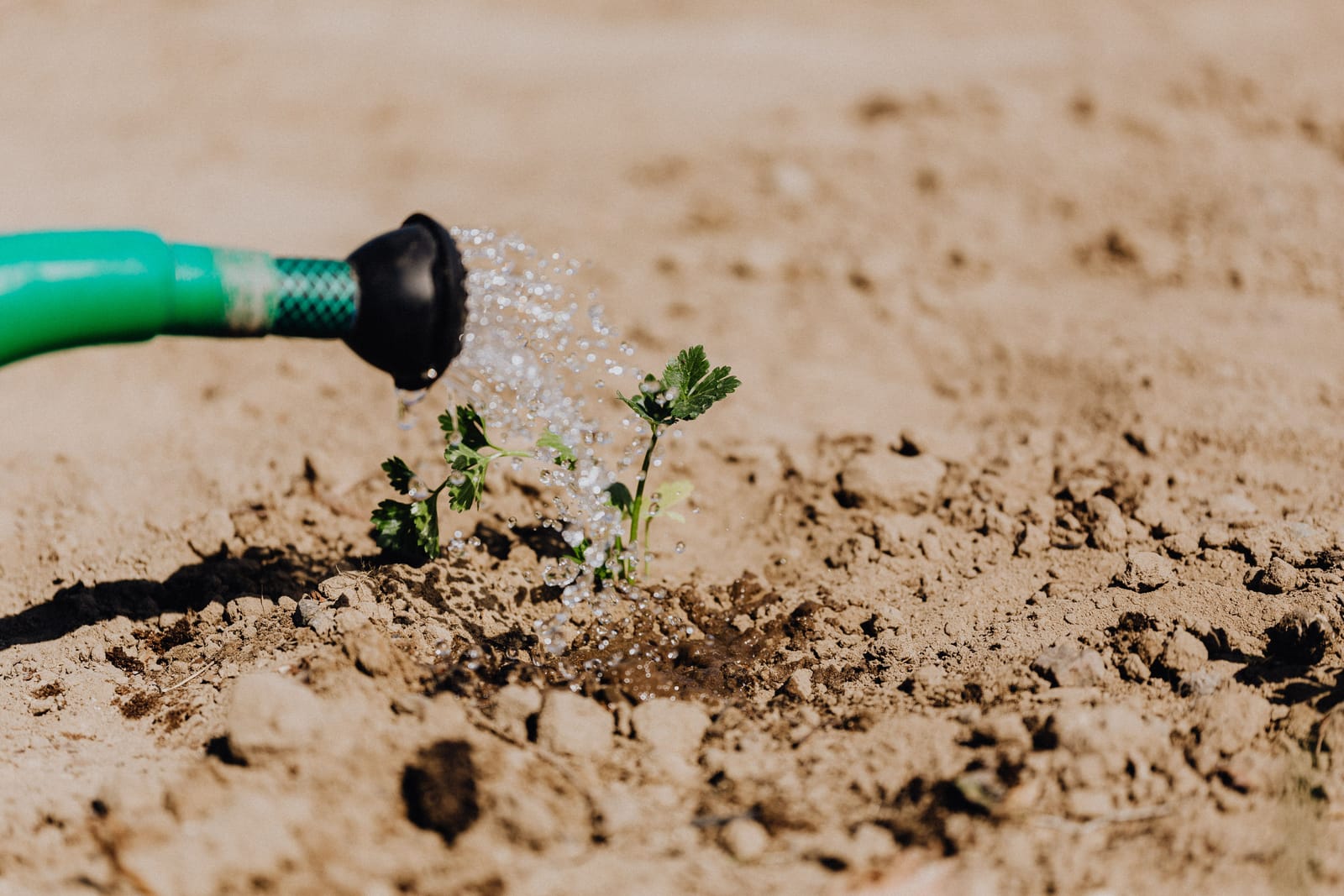
Year 1: Roots Underground, Weeds Above — What to Do
Focus on root development. The garden looks sparse; weeds appear. Mulch lightly with shredded leaves (2 inches max). Hand-pull weeds weekly, being careful not to disturb roots. Water deeply once a week if no rain. Avoid overwatering, especially in clay soil.
Year 2: Plants Begin to Fill In — Your Role Shifts to Editing
Species expand; bloom volume increases. Thin crowded plants, divide spreading clumps (like wild bergamot) in early spring, fill bare spots. Weed pressure decreases. By late summer, most plants reach 60–80% of mature size.
Year 3: Full Impact and Minimal Maintenance — You Made It
Plants reach mature size. Watering drops to near zero except during severe drought. Weeding becomes occasional. The garden supports bees, butterflies, and birds with minimal input. Leave seed heads and standing stems until early spring for winter habitat.
Common Mistakes When Planting Wisconsin Native Plants
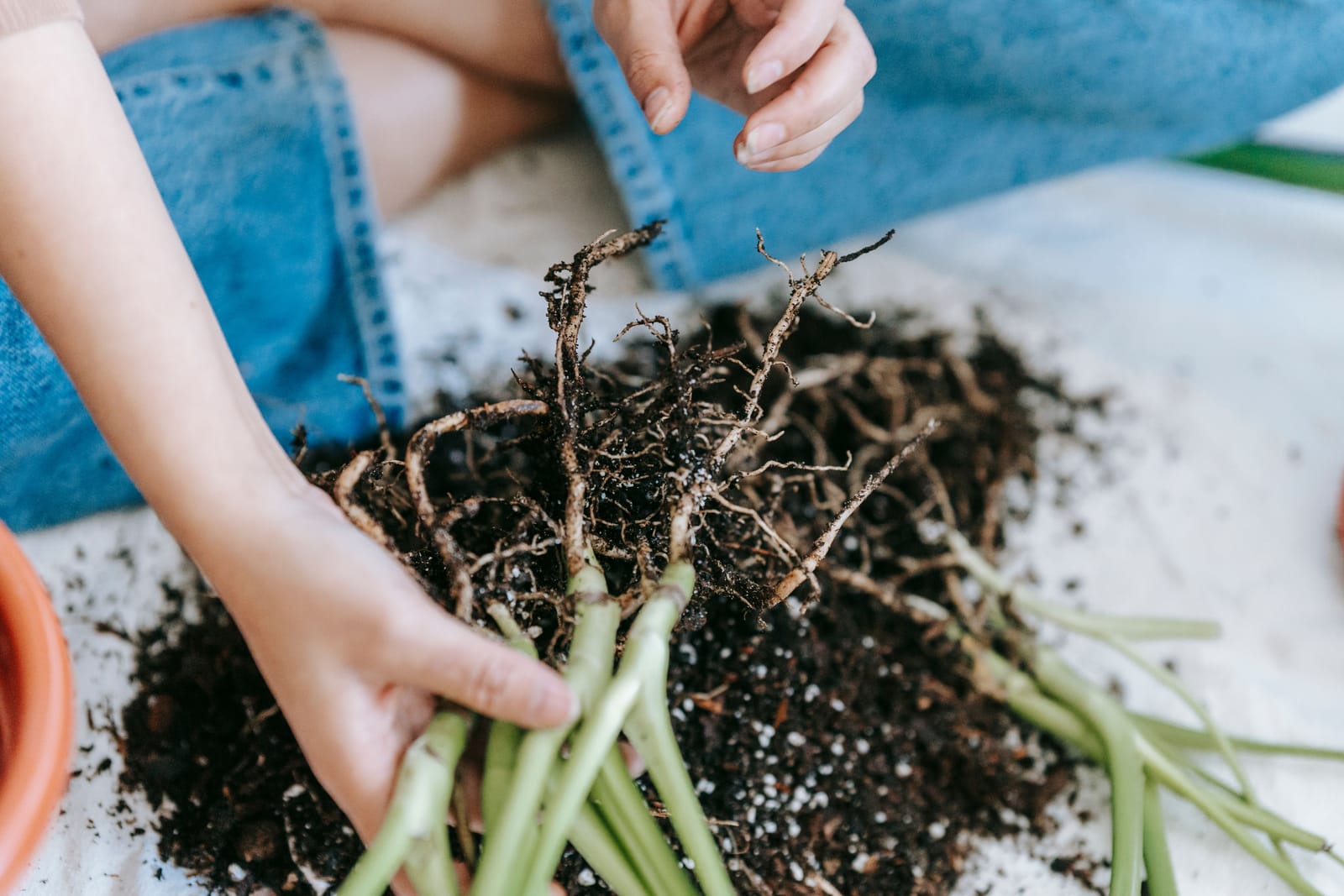
Overwatering New Native Plants
Water deeply once a week if rain is less than one inch. Overwatering causes root rot, especially in clay soil. Check soil moisture by sticking your finger two inches deep — if damp, wait another day.
Buying “Wildflower Mixes” Instead of Regionally Specific Native Species
Pre-packaged mixes often contain annuals and non-natives. Buy individual species from a local nursery like Johnson’s Nursery, Prairie Nursery, or the Wisconsin Native Plant Society sales.
Choosing Plants by Flower Color Instead of Site Conditions
Match plants to your sun, moisture, and soil conditions using the quick reference table. A cardinal flower needing wet soil will not survive in a dry bed. Map your yard’s microclimates before purchasing.
Leaving Bare Soil After Removing Invasives
After removing buckthorn or garlic mustard, immediately plant native ground covers or apply thick mulch (3–4 inches) to prevent regrowth. Canada wild ginger and wild geranium work in shade; prairie dropseed or little bluestem in sun. For large areas, sow a native cover crop like partridge pea.
Conclusion
Starting a native plant garden in Wisconsin does not require years of experience. Assess your yard’s conditions, choose suited plants, and give them time. Avoid overwatering, generic mixes, and bare soil after invasive removal. The reward is a low-maintenance landscape that supports wildlife year after year. Pick five to seven beginner-friendly species, plant them in a defined bed, and stay patient through year one. By year three, you’ll have a garden that thrives on its own.
FAQ
What ground cover is native to Wisconsin?
Canada wild ginger (Asarum canadense) for shade and wild strawberry (Fragaria virginiana) for sun. Both form dense mats that suppress weeds. Wild strawberry also produces edible berries.
How long does it really take for a native Wisconsin garden to look established?
Sparse in year one, filling in by year two, full impact by year three. Starting with larger container plants (1-gallon pots) can accelerate by about one year.
What is the biggest mistake beginners make when planting Wisconsin native plants?
Overwatering. Water deeply once a week, letting soil dry between waterings. Many beginners water daily, causing root rot. Native plants prefer tough love once roots are established.
Can I plant Wisconsin natives in a small city yard?
Yes. Use compact species like purple coneflower, butterfly weed, prairie dropseed, and wild columbine in defined beds with hardscaping edges. Even a 4x8-foot bed can host five to seven species and attract pollinators. Avoid aggressive spreaders like common milkweed.
You Might Also Like