Best San Diego Native Plants: What to Plant, Where to Buy, and How to Care for Them
If you live in San Diego and want a garden that handles dry summers, attracts local wildlife, and uses less water, native plants are a practical choice. Microclimates vary from coast to inland valleys, so this guide focuses on plants suited to San Diego County conditions, how to choose them by your yard’s needs, and where to buy them locally.
Key Takeaways
- Match plants to your microclimate: San Diego has coastal fog, inland heat, canyon slopes, and clay pockets. Choose species suited to your specific yard conditions.
- Plant in fall for winter rain establishment: Container shrubs, perennials, grasses, and groundcovers establish best from fall to early winter.
- Avoid overwatering established natives: Many drought-tolerant San Diego natives need little to no summer water after the first year. Frequent summer irrigation is the most common cause of root rot.
- Verify every plant before buying: Use Calscape and CNPS San Diego to check local suitability, botanical names, and water needs.
- Summer dormancy is normal: Many natives drop leaves or go dormant in summer. Check for flexible stems and new growth before assuming the plant is dead.
Best San Diego Native Plants by Garden Goal and Yard Condition
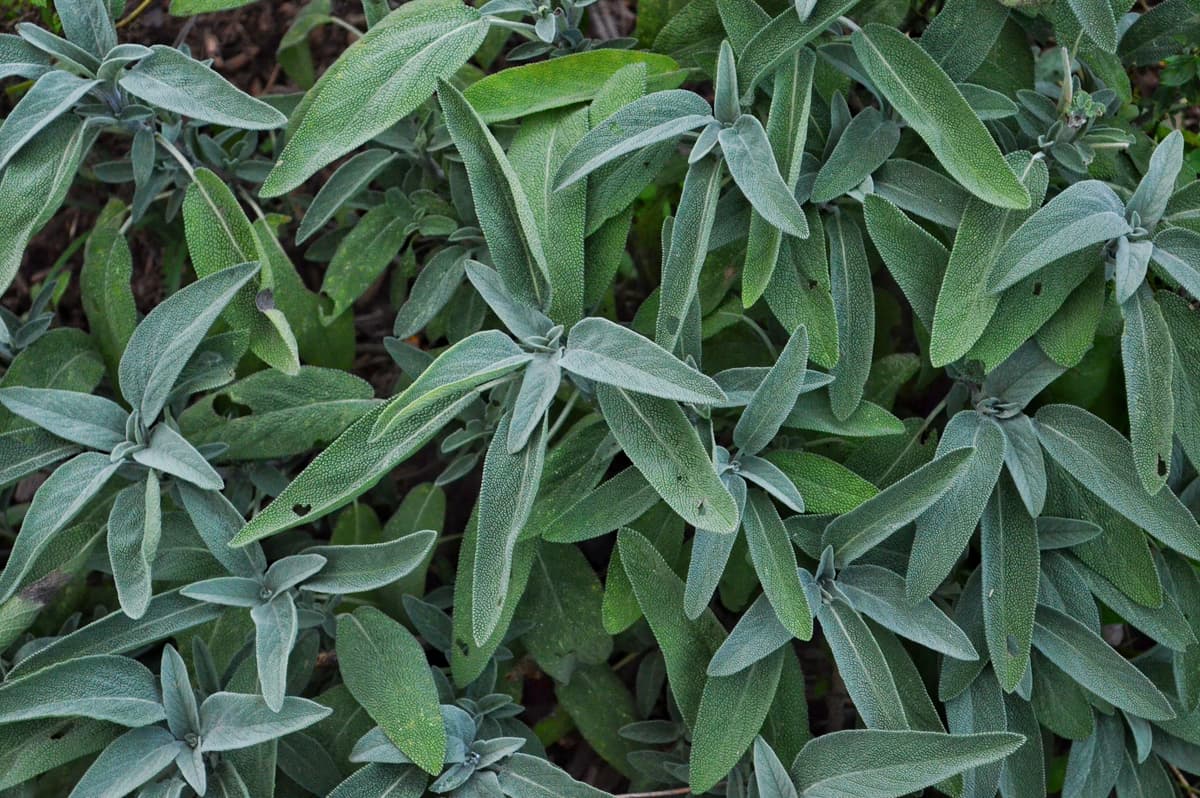
Below are recommendations grouped by common San Diego garden goals: coastal exposure, inland heat, dry slopes, parkways, pollinators, shade, containers, and lawn replacement.
Best San Diego Native Shrubs and Small Trees
| Common Name | Botanical Name | Best Use | Sun | Soil/Drainage | Summer Water Tolerance | Mature Size | Wildlife Value | San Diego Care Note |
|---|---|---|---|---|---|---|---|---|
| Cleveland sage | Salvia clevelandii | Fragrant shrub, pollinator garden | Full sun | Well-drained, sandy | Low once established | 3–4 ft tall, 4–5 ft wide | Bees, hummingbirds | Inland gardens need more afternoon shade. Prune after bloom. |
| White sage | Salvia apiana | Aromatic shrub, dry slopes | Full sun | Fast-draining, sandy | Very low | 3–5 ft tall, 4–6 ft wide | Bees, butterflies | Do not overwater; can rot with summer irrigation. |
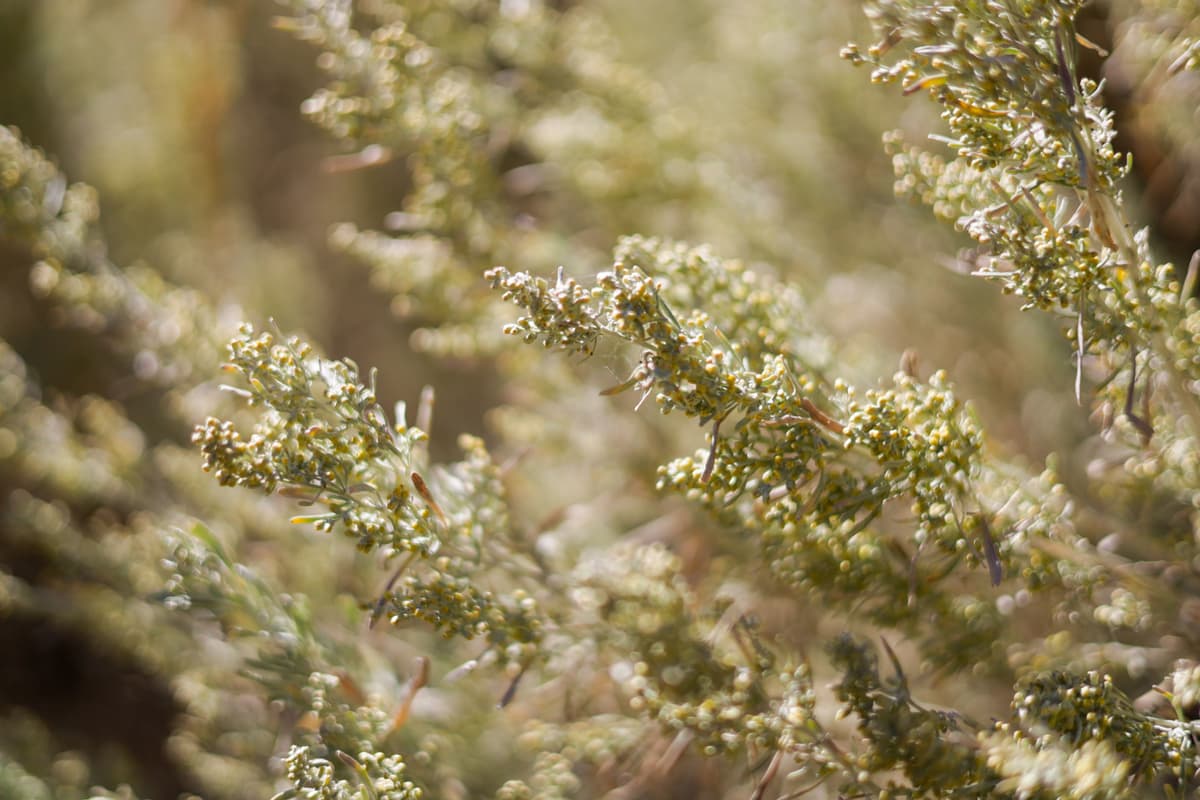
| California sagebrush | Artemisia californica | Background shrub, slope stabilization | Full sun | Any well-drained soil | Low | 3–5 ft tall, 4–6 ft wide | Birds, butterflies | Prune back by half in fall to keep dense. |
| California buckwheat | Eriogonum fasciculatum | Pollinator shrub, erosion control | Full sun to part shade | Very adaptable | Low to moderate | 2–3 ft tall, 3–4 ft wide | Bees, butterflies, birds | Cut back after seed heads fade. |
| Toyon | Heteromeles arbutifolia | Small tree, bird habitat | Full sun to part shade | Well-drained, tolerates clay | Moderate | 8–15 ft tall, 6–10 ft wide | Birds, pollinators | Can be pruned to tree form. |
| Ceanothus (California lilac) | Ceanothus spp. | Evergreen shrub, screens | Full sun | Well-drained; avoid clay | Low to moderate | 3–8 ft tall, 4–10 ft wide | Bees, butterflies | ‘Ray Hartman’ tolerates heat. |
| Manzanita | Arctostaphylos spp. | Architectural shrub, dry slopes | Full sun to part shade | Sandy, low fertility | Very low | 3–6 ft tall, 4–8 ft wide | Bees, birds | Avoid summer irrigation. Prone to root rot. |
| Laurel sumac | Malosma laurina | Fast-growing screen | Full sun to part shade | Any well-drained soil | Low once established | 6–10 ft tall, 6–12 ft wide | Birds | May drop leaves in drought; recovers. |
San Diego Native Flowers for Bees, Butterflies, Hummingbirds, and Seasonal Color
| Common Name | Botanical Name | Bloom Season | Water Need | Best Location | Wildlife Function | Care Note |
|---|---|---|---|---|---|---|
| California fuchsia | Epilobium canum | Summer–fall | Low | Coastal, inland heat | Hummingbirds | Cut back hard in late fall. |
| San Diego monkeyflower | Diplacus puniceus | Spring–early summer | Low to moderate | Coastal, inland shade | Hummingbirds | Deadhead lightly. Avoid summer water. |
| California poppy | Eschscholzia californica | Spring–early summer | Very low | Any sunny spot | Bees, butterflies | Self-sows; let some seed heads drop. |
| Showy penstemon | Penstemon spectabilis | Spring–summer | Low to moderate | Inland sun, coastal part shade | Bees, hummingbirds | Cut back after bloom for rebloom. |
| Narrowleaf milkweed | Asclepias fascicularis | Summer | Low | Inland sun | Monarch caterpillars, bees | Only safe milkweed for San Diego. |
| Desert mallow | Sphaeralcea ambigua | Spring–fall | Very low | Hot inland sun | Bees, butterflies | Long bloom with minimal water. |
| Yarrow | Achillea millefolium | Spring–summer | Low to moderate | Full sun to part shade | Butterflies, beneficial insects | Cut back after bloom. |
San Diego Native Groundcovers, Grasses, and Succulents for Dry Slopes, Parkways, and Containers
| Plant Name | Type | Best Use | Sun | Spread | Summer Water Tolerance | Placement Warning |
|---|---|---|---|---|---|---|
| Dudleya | Succulent | Containers, rock gardens | Part shade | Slow clumps | Very low | Do not plant in clay; prone to rot. |
| Coyote brush ‘Pigeon Point’ | Groundcover shrub | Slopes, parkways | Full sun | 4–6 ft | Low after establishment | Can spread aggressively. |
| Yarrow (native forms) | Perennial groundcover | Lawn replacement | Full sun to part shade | 2–3 ft | Low to moderate | Can be mowed low. |
| Deergrass | Bunchgrass | Slope stabilization | Full sun | 2–3 ft clump | Low; goes summer dormant | Cut back in late fall. |
| California fuchsia (groundcover forms) | Spreading perennial | Slopes, edges | Full sun | 2–4 ft | Low | Can be aggressive; contain. |
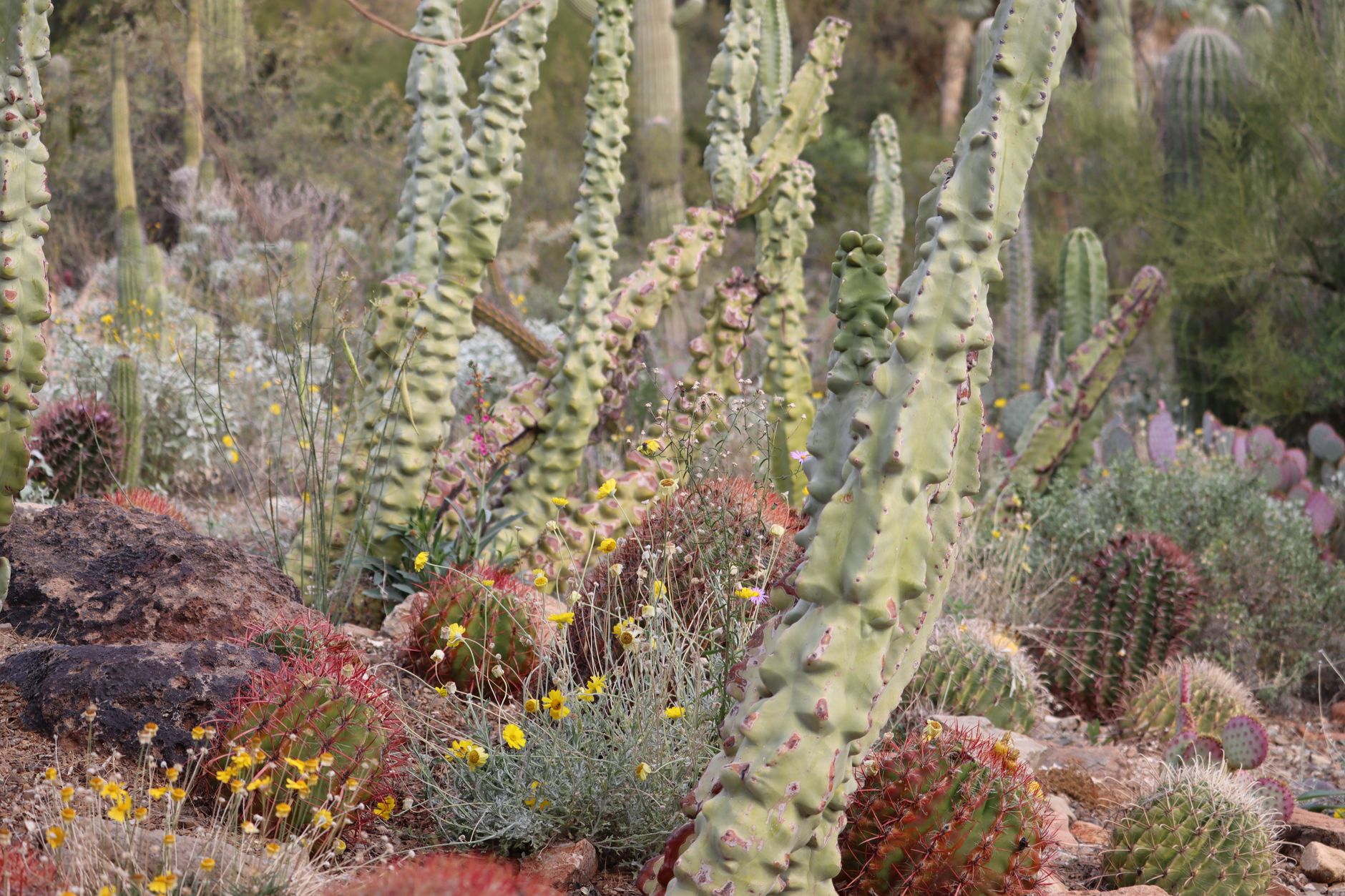
| Coast barrel cactus | Succulent | Containers, rock gardens | Full sun | 1–3 ft | Very low | Protect from frost inland. |
San Diego Native Plants for Full Sun, Shade, Clay Soil, Dry Slopes, and Containers
| Yard condition | Best plants | Why they fit | Avoid this mistake |
|---|---|---|---|
| Coastal full sun | California buckwheat, Cleveland sage, coyote brush, yarrow, California fuchsia | Handle coastal exposure | Do not overwater; coastal fog often provides enough moisture. |
| Inland heat | Desert mallow, white sage, manzanita (inland species), toyon | Handle stronger sun | Do not rely only on coastal recommendations. |
| Dry slope | California sagebrush, deergrass, laurel sumac, narrowleaf milkweed, dudleya | Stabilize soil | Do not plant thirsty plants on a hot slope. |
| Clay or slow drainage | California buckwheat, toyon, deergrass, yarrow, showy penstemon | Tolerate heavier soil | Do not amend only the planting hole; improve entire bed. |
| Part shade or canyon edge | San Diego monkeyflower, ceanothus (some species), hummingbird sage | Handle less sun | Do not assume all natives need full sun. |
| Container or patio | Dudleya, coast barrel cactus, California fuchsia, yarrow | Work for small spaces | Use well-draining mix; water more often than in-ground. |
| Rain garden or swale | Deergrass, yarrow, narrowleaf milkweed, toyon | Handle temporary runoff | Keep dryland plants separate from moist zones. |
What Makes San Diego Native Plants Different from General California Natives?
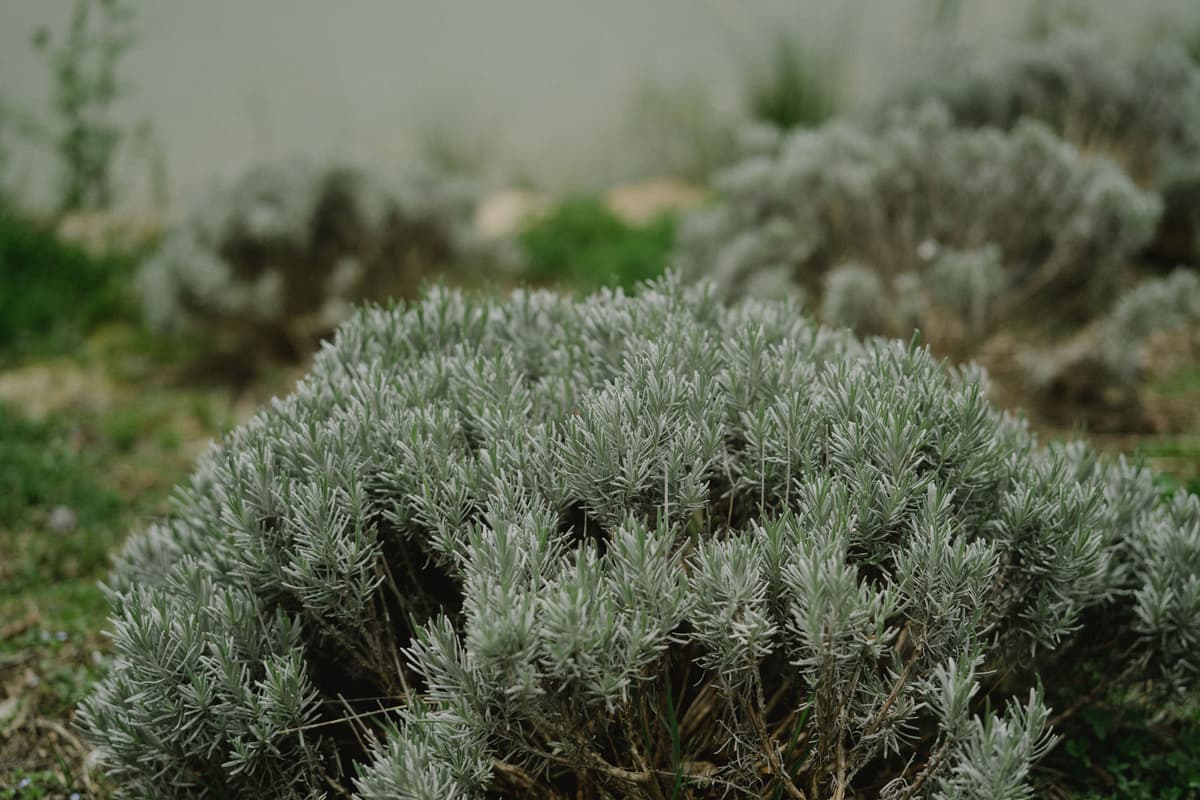
San Diego County includes coastal fog, inland valleys, chaparral slopes, and desert edges. A plant that thrives in the Bay Area may not handle San Diego’s hotter, drier summers or cool marine layer. Choose locally native species, not just “California native.”
San Diego Native Plants vs. California Native Plants: Why Local Fit Matters
“California native” covers many climate zones. A plant from Northern California’s redwood forests will struggle in San Diego’s dry coastal sage scrub. Use Calscape and CNPS San Diego to filter by location and microclimate.
Coastal Sage Scrub and Chaparral: Design Lessons
San Diego’s natural communities—coastal sage scrub (aromatic shrubs, spring flowers) and chaparral (denser manzanita, ceanothus, toyon)—offer design patterns. Group aromatic shrubs as backdrop, add seasonal flowers in front, and use bunchgrasses to fill gaps. These plants provide fragrance, seasonal bloom, and wildlife habitat.
San Diego Microclimates: Coastal Fog, Inland Heat, Canyons, Slopes, and Parkways
- Coastal gardens: Milder with marine layer. Use California buckwheat, coyote brush, Cleveland sage.
- Inland valleys: Hotter summers. Choose desert mallow, white sage, manzanita (inland species).
- Canyon and slope yards: Good drainage but erosion risk. Use laurel sumac, toyon, deergrass.
- Clay or slow-draining pockets: Select California buckwheat, toyon, yarrow. Improve entire bed drainage.
- Parkway strips: Compacted soil, heat, low water. Use yarrow, low-growing buckwheat.
Why San Diego Native Gardens Can Look Dry in Summer
Many natives go dormant or drop leaves in summer to conserve water. Before assuming plant death, check for flexible stems and new growth. Include evergreen shrubs (toyon, ceanothus, manzanita), bunchgrasses, and summer-blooming plants (California fuchsia) to keep the garden looking intentional.
How to Plant and Care for San Diego Native Plants Without Killing Them
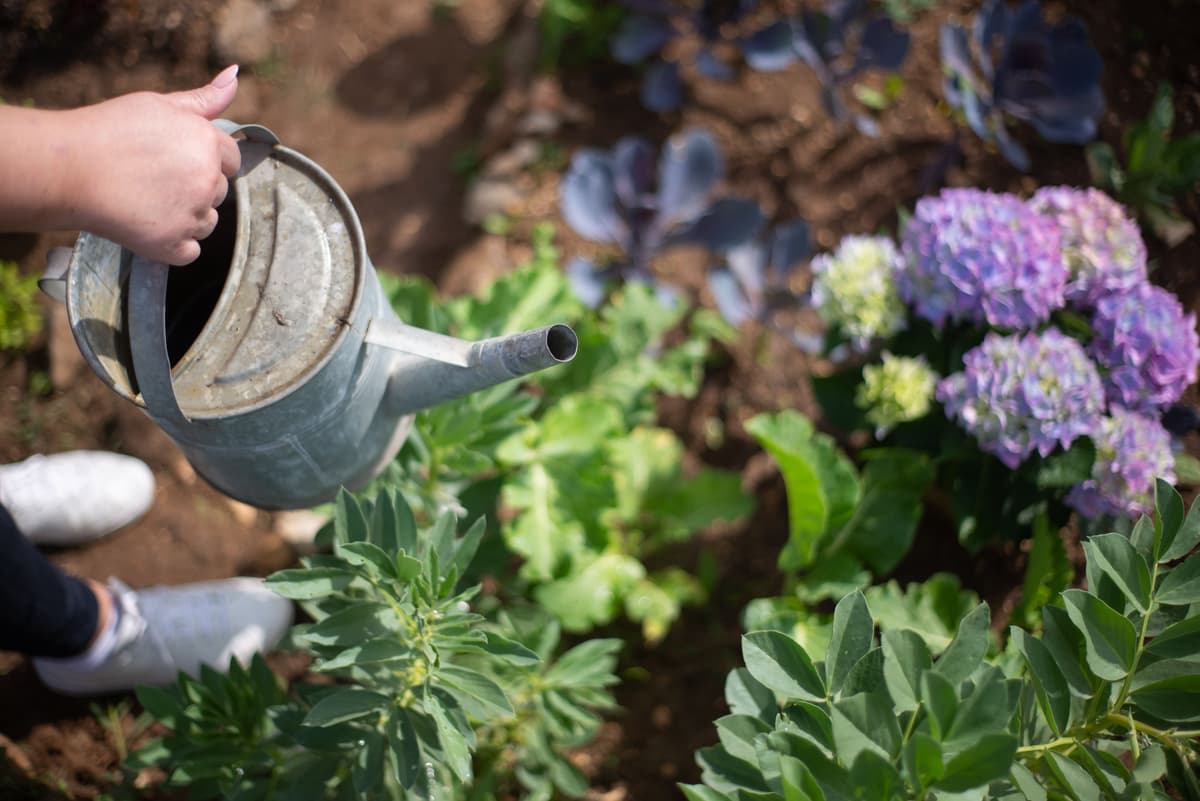
Best Time to Plant: Fall Planting, Winter Rain, and First-Year Watering
| Plant material | Best timing | First-year care |
|---|---|---|
| Container shrubs | Fall to early winter | Deep water every 1–2 weeks if no rain. |
| Native perennials | Fall to winter | Water deeply every 1–2 weeks; reduce after 3 months. |
| Seeds | Fall or rainy season | Keep soil lightly moist until germination. |
| Grasses, groundcovers | Fall to winter | Protect from foot traffic until established. |
| Container/patio plants | Flexible | Check moisture more often; soil dries faster. |
Soil Prep: Drainage, Clay Soil, Mulch, and When Not to Amend
Most natives evolved in poor, well-drained soil. Heavy amendment creates a “bathtub” effect causing root rot. For clay, incorporate 20% coarse sand into the entire bed. For sandy slopes, plant directly. Use 2–3 inches of organic mulch around plants (not against crown) to reduce moisture loss.
How to Water During Establishment and Dry Summers
New plants need consistent moisture the first summer. Water deeply every 1–2 weeks. After one year, many drought-tolerant natives survive on winter rain alone. Do not water established dryland plants in summer—frequent irrigation causes root rot. Rain garden plants accept more water, keep in a separate zone.
Replace Lawn with San Diego Native Plants
Remove turf and group plants by water needs. Create shallow basins or swales to direct winter rain. Keep dryland plants (white sage, manzanita) away from moist areas. Rain garden plants (deergrass, yarrow) tolerate periodic standing water if drainage is within 24–48 hours.
Common Care Mistakes
- Choosing a coastal plant for an inland hot yard without checking heat tolerance.
- Planting dryland natives in regularly irrigated beds.
- Watering established drought-tolerant natives too often in summer.
- Over-amending soil instead of fixing drainage or matching plant to site.
- Planting too close to paths or walls without checking mature size (many shrubs reach 6–10 ft wide).
- Expecting every native to look green in late summer; some dormancy is normal.
Where to Buy San Diego Native Plants and How to Verify Them Before Planting
Where to Buy: Nurseries, Plant Sales, and Seed Libraries
Local native nurseries, CNPS San Diego chapter plant sales (fall and spring), and seed libraries are most reliable. Walter Andersen Nursery (Poway and Pacific Highway) carries a good selection. Check botanical gardens for seasonal sales. Availability peaks in fall and early winter.
How to Choose a Nursery or Seed Source
Use this checklist:
- Does the source list botanical names?
- Does it state suitability for San Diego County?
- Does it provide sun, water, mature size, and soil preference?
- Does it specify plant size (seed, plug, 1-gallon, etc.)?
- Does it differentiate coastal vs. inland suitability?
- Does it offer planting season or care guidance?
Are Online Seeds Right for San Diego?
Online seeds work if you verify each species with Calscape. Avoid vague “native mix” labels. Seed mixes for “pollinator habitat” may include high-water species. Seed-grown plants take longer to establish than containers.
How to Use Calscape, CNPS San Diego, and Local Plant Lists
- Calscape: Enter your ZIP code to see locally native plants; filter by type, light, soil, water.
- CNPS San Diego: Check for plant sales, garden tours, and community advice.
- WaterSmart or local agency lists: Many water utilities provide vetted low-water plant lists.
Cross-check any plant against two sources to avoid a mismatch.
Conclusion
Start with a small, well-matched planting area. Choose plants for your specific microclimate—coastal sage scrub for foggy gardens, chaparral species for hot inland yards. Plant in fall to take advantage of winter rain. Water carefully the first year, then reduce. Verify every plant with Calscape or CNPS San Diego. With the right choices, a San Diego native garden can be beautiful, low-maintenance, and supportive of local wildlife.
FAQ
What are the easiest San Diego native plants for beginners?
For shrubs: California buckwheat and Cleveland sage. For flowers: California poppy and yarrow. For groundcovers: yarrow or California fuchsia. For containers: dudleya and coast barrel cactus. All need minimal water after establishment.
What San Diego native plants are best for full sun and dry slopes?
California sagebrush, deergrass, laurel sumac, white sage, and desert mallow handle heat and fast drainage. Their deep roots anchor soil and need no summer water after establishment. Plant in fall and let winter rains do the work.
Where can I buy locally sourced native plants in San Diego?
CNPS San Diego chapter plant sales (fall and spring) and Walter Andersen Nursery (Poway and Pacific Highway) are top sources. Some botanical gardens also hold seasonal sales. For seeds, check Calscape for regional sources.
How often should I water San Diego native plants?
New plants: Deep water every 1–2 weeks during first dry season if no rain. Established plants: Many drought-tolerant natives need no summer water. For those that accept light water (e.g., some penstemons), water once every 3–4 weeks. Match watering to the plant’s natural habitat.
You Might Also Like