Gardening with Oregon Native Plants: Easy Choices for Every Ecoregion
Oregon gardeners face wet winters followed by dry summers that stress many common garden plants. Native plants have spent thousands of years adapting to this pattern. Choosing plants that evolved in your specific part of Oregon reduces water use, supports local wildlife, and lowers maintenance. This guide explains how to identify your ecoregion, select the right plants, and create a garden that works with Oregon’s climate.
Key Takeaways
- Match plants to your Oregon ecoregion: Oregon has dramatically different climates west of the Cascades, in Southern Oregon, and east in the high desert. A plant that thrives on the coast will struggle in Eastern Oregon, so always check your ecoregion before choosing species.
- Start with easy anchor plants first: Oregon grape, salal, and hairy manzanita are forgiving, widely available, and form the backbone of a native garden. Add flowering perennials like Oregon iris and camas lily for seasonal color.
- Design in stages to avoid an ugly transition: Remove turf one island at a time using cardboard and wood chips to smother grass. Layer shrubs, perennials, and groundcovers for year-round interest without a bare-mud phase.
- Water deeply and infrequently to build drought tolerance: Give new plants 1-2 gallons every 10-14 days during the first two summers to encourage deep root growth. After three years, most Oregon native plants need little to no summer irrigation.
Why Oregon Native Plants Thrive in Local Gardens
Adapted to Oregon’s Wet Winters and Dry Summers
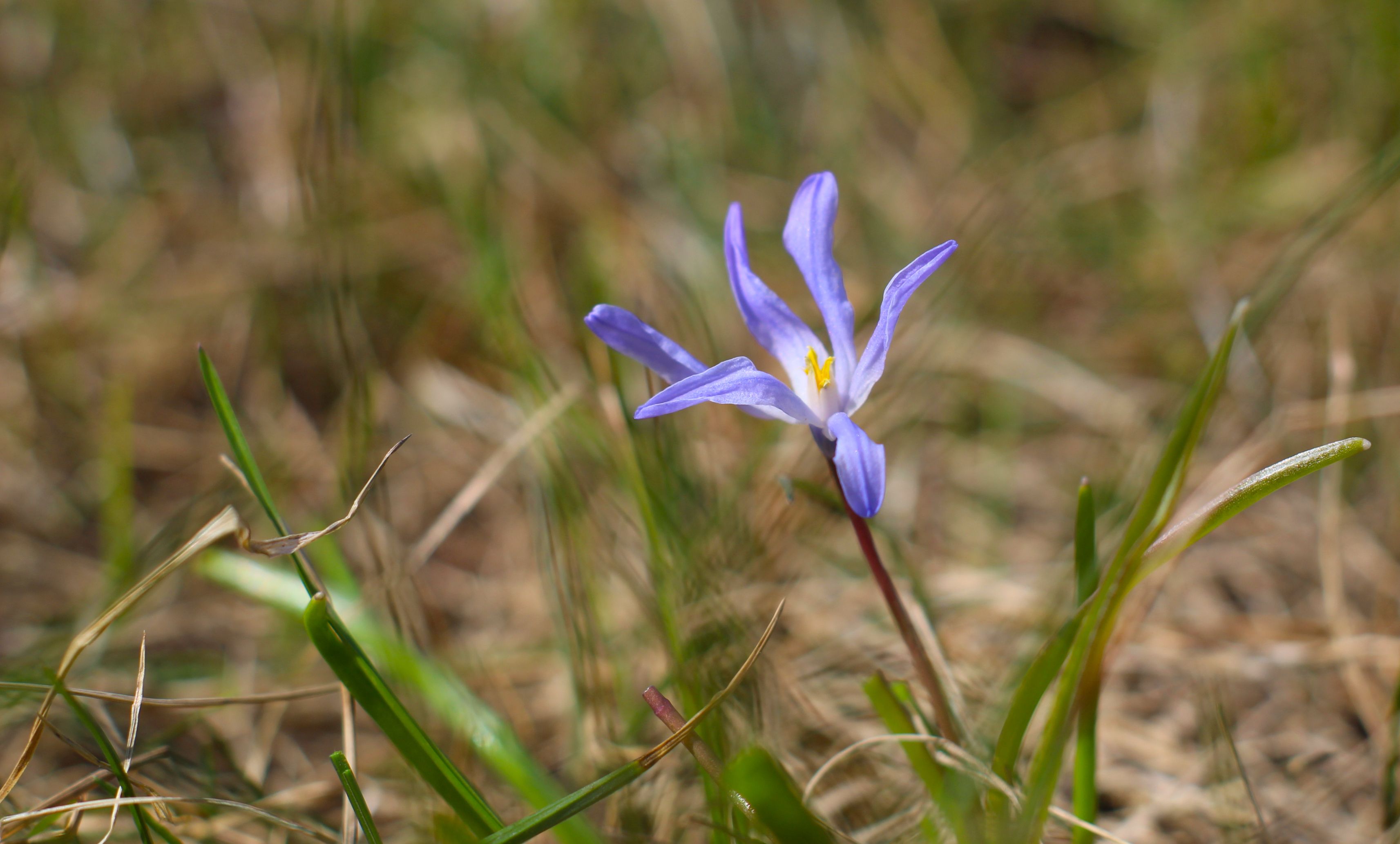
Native plants have root systems and growth cycles matching the local wet-dry pattern. Species like Oregon iris (Iris tenax) and camas lily (Camassia quamash) grow during spring and enter summer dormancy when soils dry out, needing no constant watering. Evergreen shrubs such as salal (Gaultheria shallon) and Oregon grape (Mahonia aquifolium) have leathery leaves that resist water loss. Deciduous species drop leaves in fall to avoid damage from cold, wet soils. These adaptations make native plants reliable choices even during extreme drought years.
Essential Habitat for Native Pollinators and Wildlife
Oregon’s insects and birds evolved alongside native plants. Many native bees depend on specific native flowers for pollen and nectar. Oregon iris and camas lily provide early-season food for pollinators, while salal and Oregon grape berries sustain birds through fall and winter. Including native plants provides essential habitat that supports the local ecosystem, from the Willamette Valley butterfly to the Oregon silverspot. Native plants also host beneficial soil fungi that improve nutrient uptake, creating a healthier garden soil over time.
Lower Water Bills and Less Maintenance Over Time
Once established, most Oregon native plants need little to no summer irrigation. First two summers require deep, infrequent watering to encourage deep roots; after that, plants manage on their own. They resist local pests and diseases better than non-native species and thrive in Oregon’s naturally acidic, low-nutrient soils, requiring no fertilizer. This means less time spent watering, fertilizing, and spraying. Many natives also suppress weeds naturally once they fill in, reducing the need for ongoing weeding.
Finding Your Ecoregion and Choosing the Right Oregon Native Plants
How to Identify Your Oregon Ecoregion — West of Cascades, Coast, High Desert, and Beyond
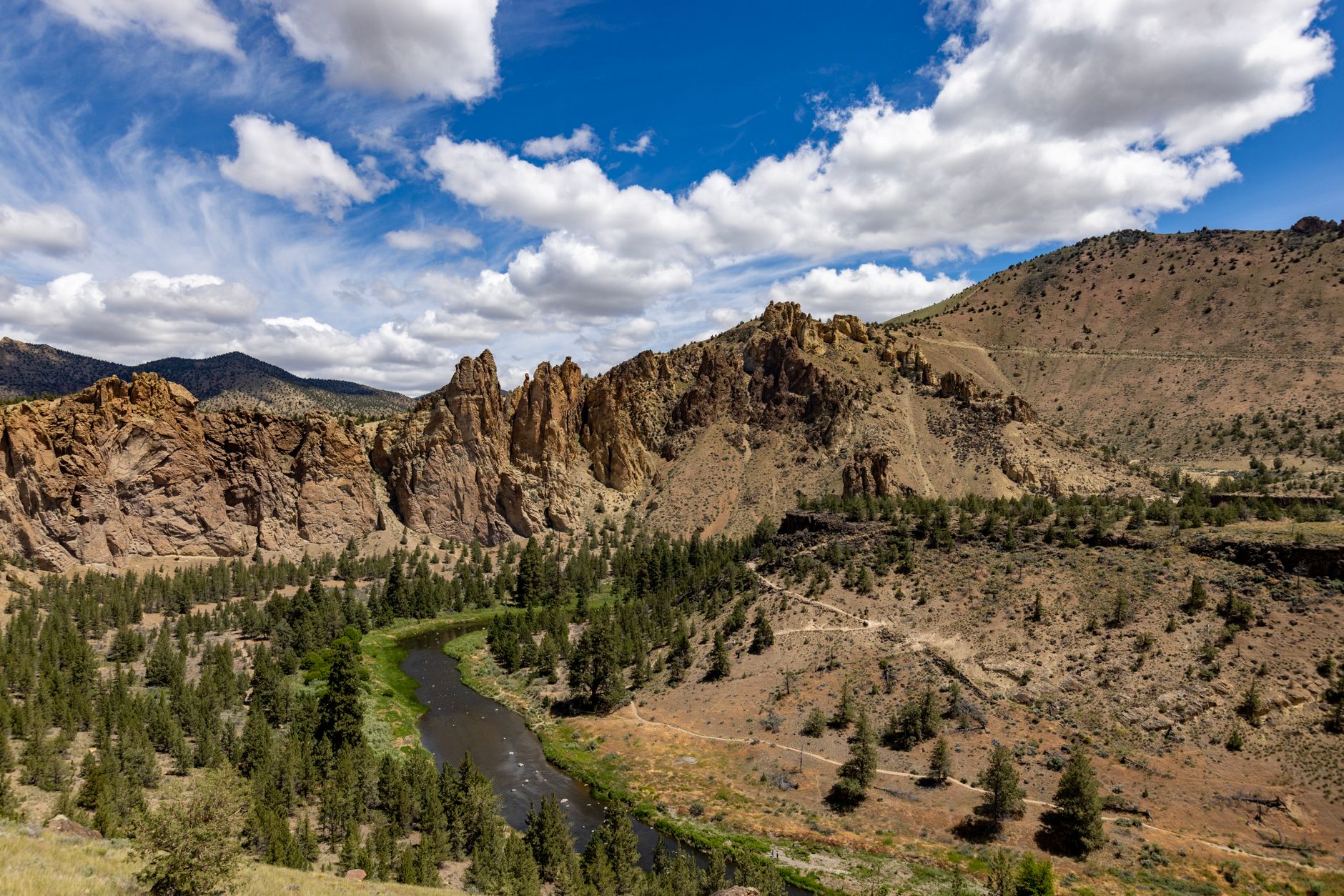
Oregon’s major ecoregions include the Coast Range, Willamette Valley, Klamath Mountains (southwest), Cascade Range, Columbia Plateau, and high desert. Check your address on the Oregon Explorer map or consult the Native Plant Society of Oregon’s ecoregion guides. West of the Cascades receives 35–60 inches of annual rainfall with clay or loam soils. Southern Oregon has hotter summers and varied soils including serpentine. East of the Cascades gets only 8–15 inches, with cold winters, alkaline soils, and intense summer heat. Knowing your rainfall, soil type, and winter low temperature is crucial for selecting the right plants.
Best Oregon Native Plants for Western Valleys and Coastal Areas
Reliable choices include:
- Oregon grape (Mahonia aquifolium): Evergreen shrub with yellow spring flowers and blue berries. Handles shade and dry soil once established.
- Salal (Gaultheria shallon): Spreading evergreen groundcover for partial shade.
- Pacific wax myrtle (Morella californica): Fast-growing evergreen shrub tolerating heavy clay and coastal winds.
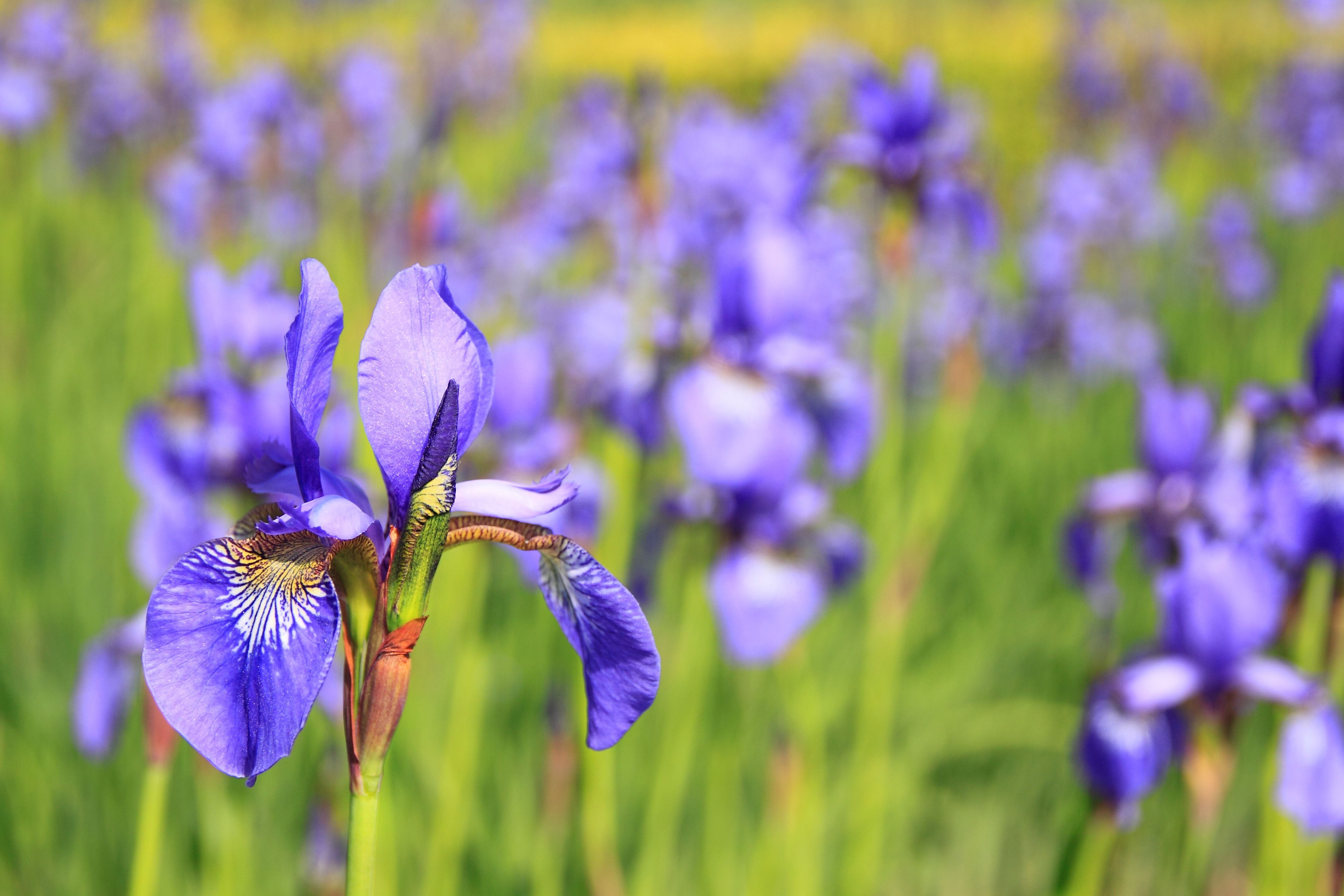
- Oregon iris (Iris tenax): Perennial with blue-purple spring flowers for meadows and woodland edges.
- Camas lily (Camassia quamash): Bulb plant with blue spring flower spikes in moist soil and sun to part shade.
- Sword fern (Polystichum munitum): Evergreen fern for deep shade under trees, excellent for difficult dry shade.
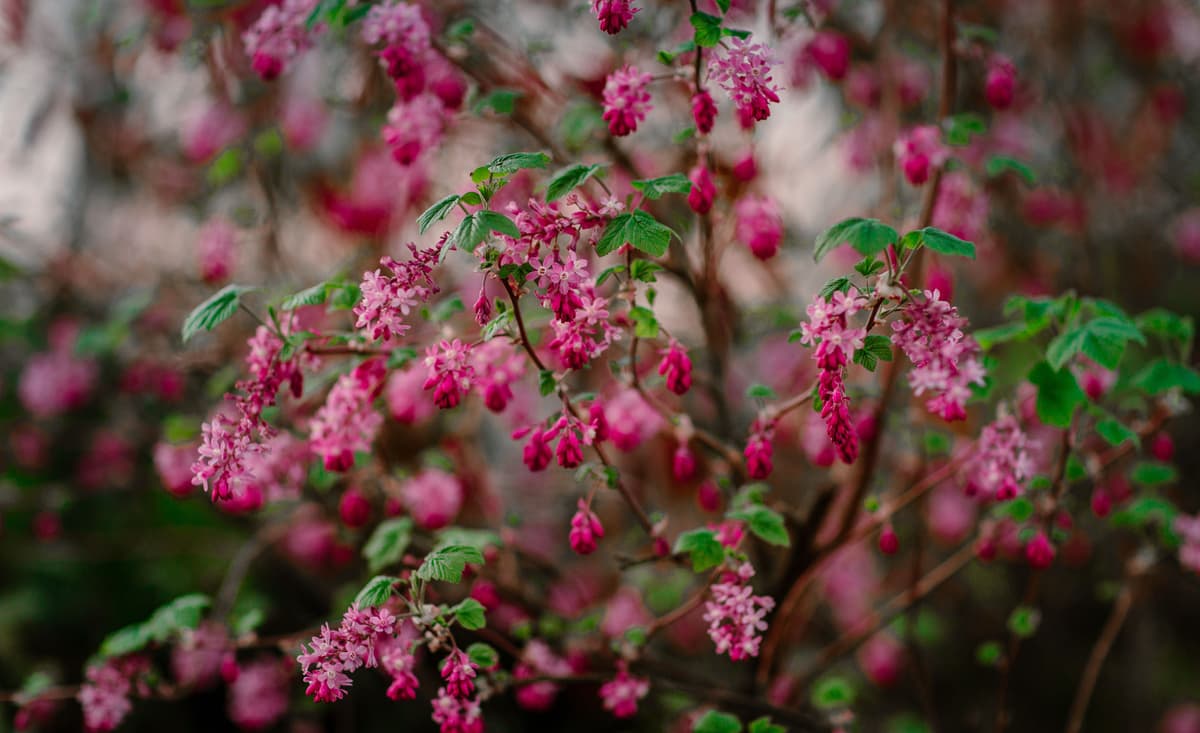
- Red-flowering currant (Ribes sanguineum): Deciduous shrub with pink spring flowers that attract hummingbirds.
Native Plants for Southern Oregon and High Desert/Eastern Oregon Conditions
Southern Oregon options:
- Hairy manzanita (Arctostaphylos columbiana): Evergreen shrub needing well-drained soil and full sun.
- Indian blanket (Gaillardia pulchella): Short-lived perennial with red-yellow daisy flowers, tolerates poor dry soil.
- Rabbitbrush (Ericameria nauseosa): Shrub with silver-green leaves and yellow fall flowers, drought- and alkaline-tolerant.
For high desert, use giant wild rye (Leymus cinereus), blue flax (Linum perenne), desert sagebrush (Artemisia tridentata), bitterbrush (Purshia tridentata), and Indian ricegrass (Achnatherum hymenoides). These need well-drained soil, full sun, and minimal summer water once established. They also provide critical forage for mule deer and pronghorn in Eastern Oregon.
Easiest Oregon Native Plants for Beginners
Start with Anchors: Trees and Shrubs Like Oregon Grape, Salal, and Hairy Manzanita
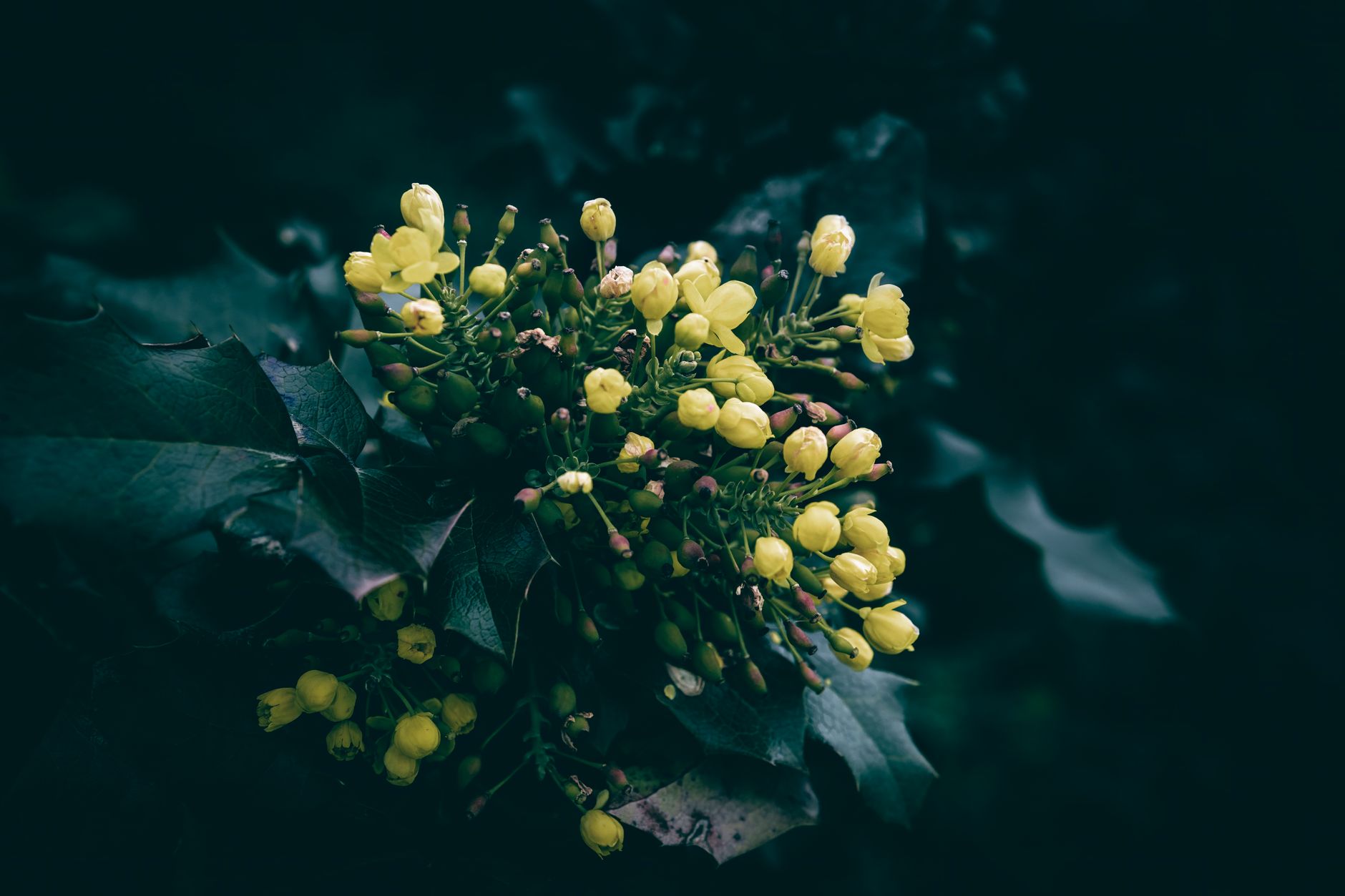
Trees and shrubs add structure, shade, and year-round interest. Oregon grape and salal grow in sun or shade, tolerate clay soils, and spread slowly. Hairy manzanita suits well-drained sites. For a small tree, consider Pacific wax myrtle or red-flowering currant (Ribes sanguineum), whose pink spring flowers attract hummingbirds. These anchor plants form the backbone of your garden and provide shelter for birds and insects even when perennials die back in winter.
Foolproof Flowering Perennials: Oregon Iris, Camas Lily, and Alpine Strawberries
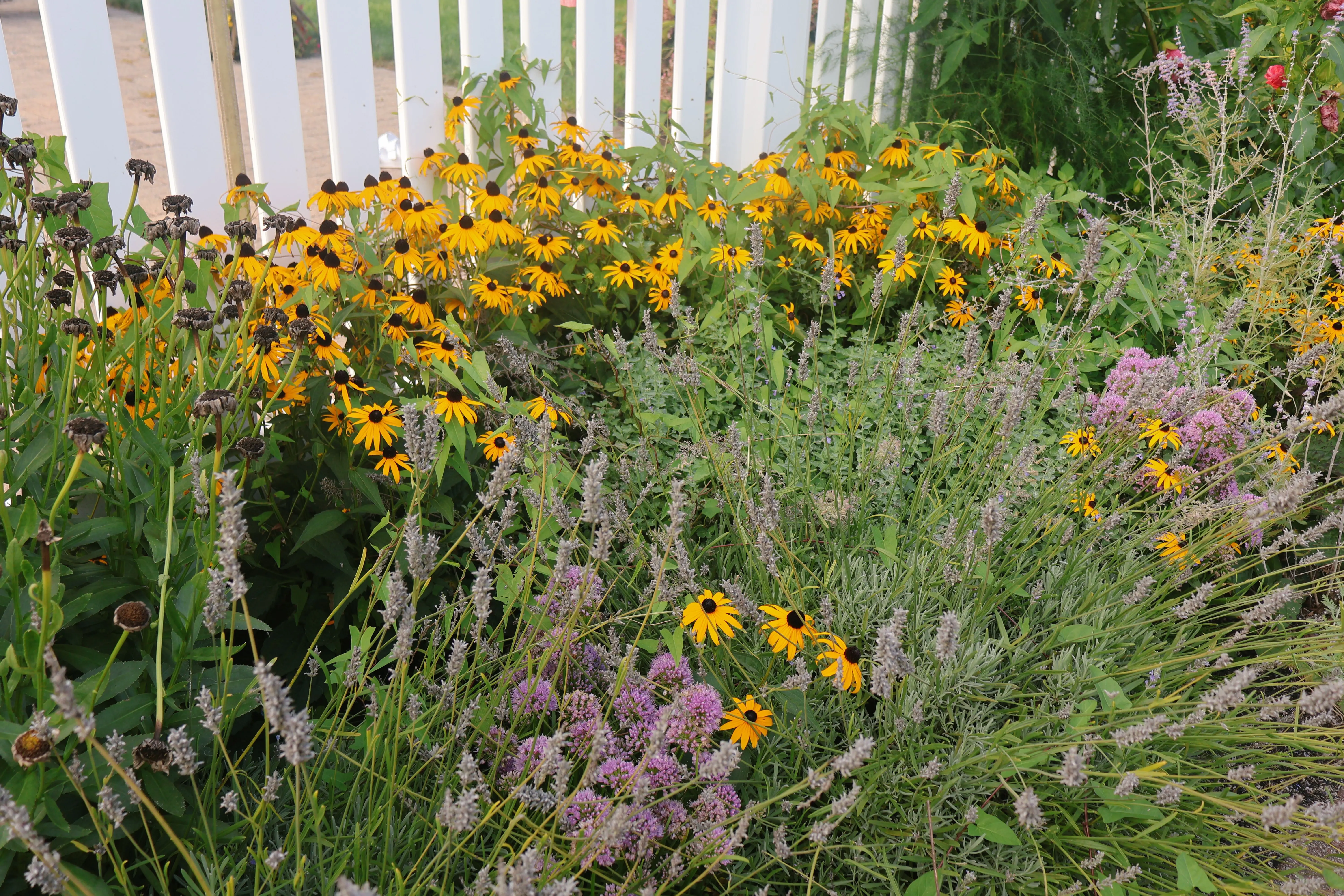
Oregon iris spreads by rhizomes, creating larger clumps each year. Camas lily naturalizes in moist meadows. Both bloom in spring and go dormant in summer. Alpine strawberries (Fragaria vesca) are a low-growing groundcover producing small berries, spreading by runners in sun or partial shade without needing rich soil or heavy water. For added summer color, consider Oregon sunshine (Eriophyllum lanatum), a sunflower-like perennial that thrives in dry, sunny spots.
Native Alternatives to Common Non-Native Ornamentals
- Instead of rhododendron, try Pacific rhododendron (Rhododendron macrophyllum), Oregon’s state flower, for similar acidic soil conditions.
- Instead of English ivy, use wild ginger (Asarum caudatum) as a shade groundcover.
- Instead of butterfly bush (invasive), plant blue elderberry (Sambucus nigra ssp. caerulea) for flowers and bird-attracting berries.
- Instead of lavenders, try Oregon sunshine (Eriophyllum lanatum) for yellow summer flowers on dry sites.
- Instead of hydrangea, consider red-osier dogwood (Cornus sericea) for bright red winter stems and white spring flowers.
- Instead of pachysandra, use kinnikinnick (Arctostaphylos uva-ursi) as an evergreen groundcover.
These swaps provide similar visual effects with less water and genuine wildlife benefits.
Designing and Transitioning Your Native Plant Garden
Creating Islands and Layering Plants for Year-Round Seasonal Interest
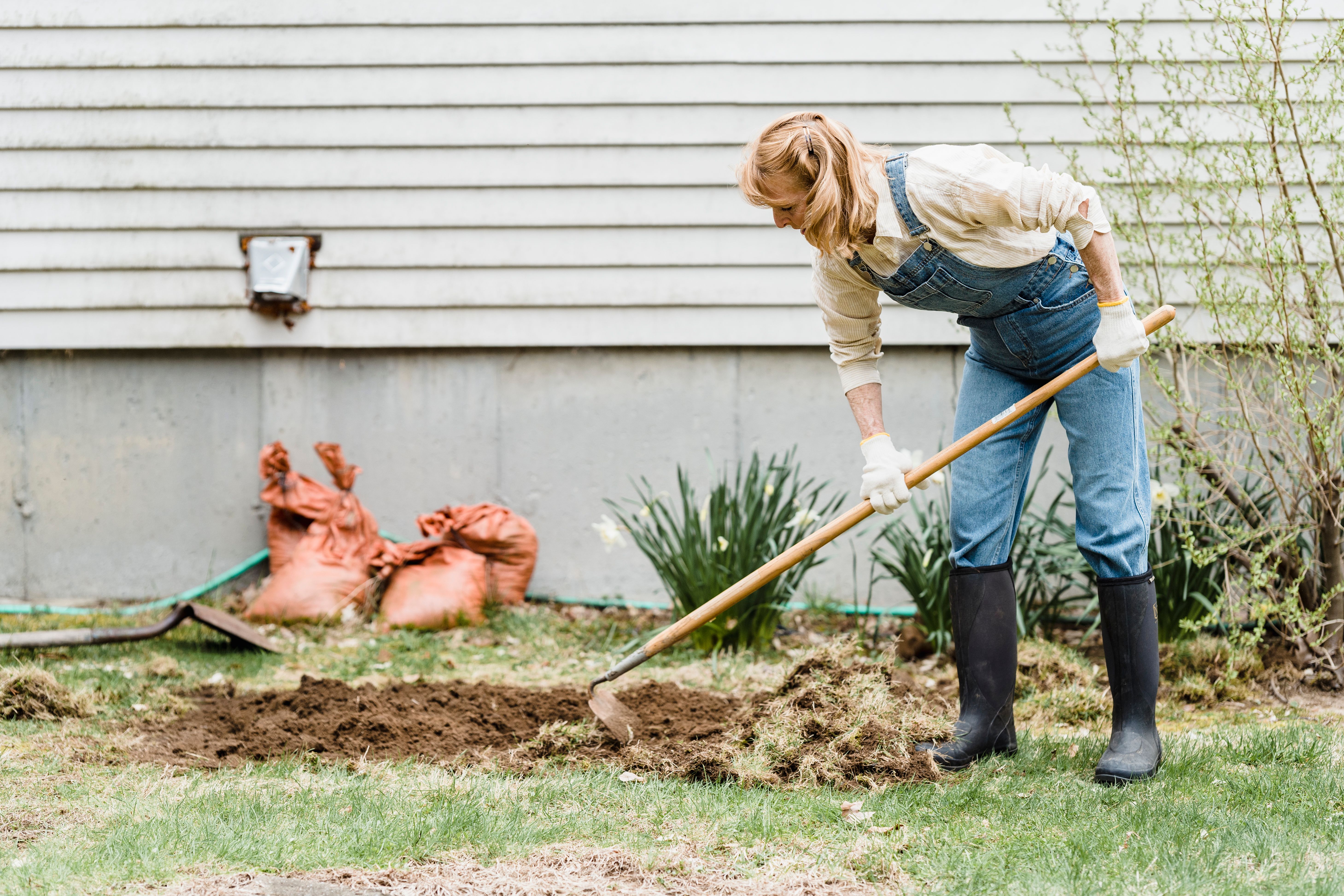
Create planting islands by removing turf and building soil with compost or wood chips. Place anchor shrubs or trees in the center or back, then layer smaller perennials and groundcovers toward edges. For example, put Oregon grape (spring flowers, winter berries) in back, Oregon iris (late spring blooms) in middle, and alpine strawberries (summer fruit) at front. Add camas lily for early spring color. Use evergreens like salal and sword fern to maintain structure during winter. Group plants by water needs: put moisture-loving camas in lower spots and drought-tolerant Oregon sunshine on higher, drier areas.
How to Transition from Lawn to Native Garden Without an Ugly Intermediate Phase
Remove turf in sections, one island at a time, starting with areas farthest from the house. Cover turf with cardboard and a thick layer of wood chips (free from a local arborist via Chip Drop). The cardboard smothers grass while chips suppress weeds. Plant directly into holes cut through the cardboard. There is no bare-ground phase because chips cover the soil. Overlap new islands with paths or stepping stones to create a cohesive design. This method is inexpensive, chemical-free, and builds organic matter as the cardboard decomposes.
Native Groundcovers and Container Options for Small Yards and City Spaces
Compact choices include alpine strawberries in hanging baskets, Oregon iris in deep pots, and salal left unpruned in containers on shaded patios. For groundcovers, consider kinnikinnick (Arctostaphylos uva-ursi), a low-growing evergreen that handles foot traffic, or wild strawberry (Fragaria chiloensis), which tolerates some walking and produces edible fruit. Both can replace sections of lawn and require no mowing. For narrow strips between sidewalk and street, try dwarf Oregon grape (Mahonia repens) or creeping snowberry (Symphoricarpos mollis).
Where to Source, Plant, and Care for Oregon Native Plants
Where to Buy Oregon Native Plants: Nurseries, Sales, Swaps, and Free Resources
The Native Plant Society of Oregon (NPSO) lists native plant nurseries by region. Local chapters hold annual sales with lower prices. OSU Extension provides nursery lists. Facebook groups like “Friends of Backyard Habitats” connect gardeners for plant trades. Some soil and water conservation districts offer seedling giveaways, especially in Eastern Oregon. For seeds, check the Willamette Valley Native Plant Seed Bank or the federal Bend Seed Extractory. Winter sowing (using milk jugs) is a low-cost way to start many species from seed.
Seasonal Planting Calendar and Deep, Infrequent Watering Schedule
Best planting time is fall (October–November), allowing root establishment during winter rains. Spring planting is possible but requires more careful first-summer watering. Test your soil pH before planting; most natives prefer slightly acidic (5.5–6.5) soil. If your soil is alkaline (common east of the Cascades), choose species adapted to those conditions.
Watering schedule for first two years:
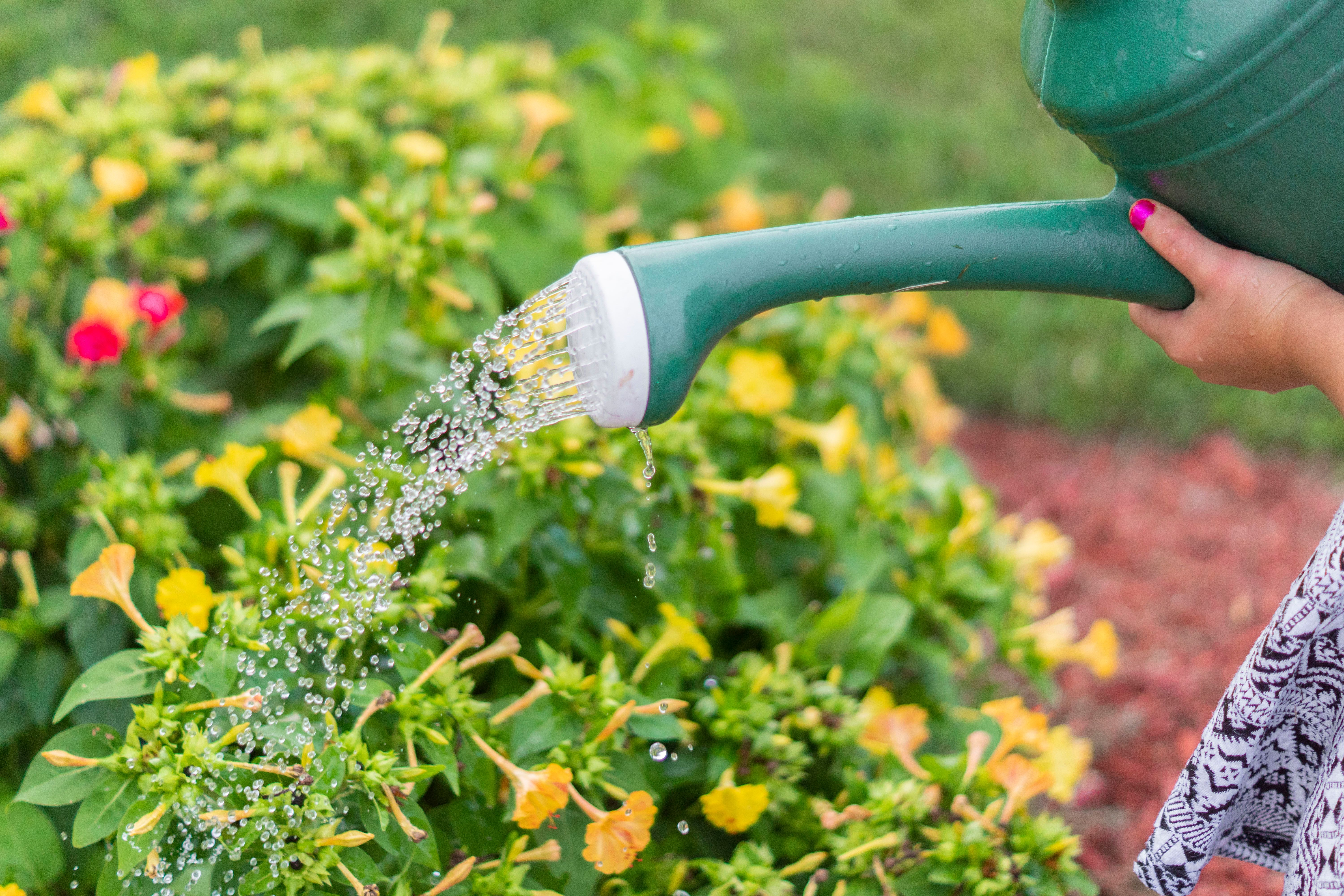
- First summer after fall planting: Water deeply once every 10–14 days if no rain, 1–2 gallons per plant.
- Second summer: Water every 2–3 weeks during dry spells.
- After year three: Most established natives need only occasional summer watering during extreme droughts.
Deep, infrequent watering encourages downward root growth, building drought tolerance. Avoid overhead sprinklers to prevent foliar diseases; use drip irrigation or soaker hoses.
Low-Maintenance Care: Mulching, Pruning, and Common Pests
Apply a 2–3 inch wood chip layer around plants to suppress weeds and retain moisture. Avoid piling chips against stems. Prune dead branches in late winter; cut back old flower stalks of perennials after bloom. Common pests are rare; watch for aphids on new growth and slugs in wet springs (use iron phosphate bait). Deer may browse tender shoots of salal and currant; protect new plants with netting until established. Over time, native gardens become mostly self-maintaining, requiring only occasional weeding and pruning.
Conclusion
Gardening with Oregon native plants is a practical choice for Oregon homeowners. These plants adapt to wet winters and dry summers, require less water and maintenance, and provide essential habitat for wildlife. Success comes from choosing plants suited to your ecoregion, starting with easy anchors like Oregon grape and salal, and designing in stages. Whether you have a large lot or a small city patio, native plants can thrive in your space. Begin with a single island this fall and build from there. The result is a resilient, beautiful garden that works with Oregon’s climate, not against it.
FAQ
What are the easiest Oregon native plants for a beginner to grow?
Oregon grape, salal, Oregon iris, camas lily, and alpine strawberries. These tolerate a range of conditions, need minimal care once established, and are widely available.
How do I find out which Oregon ecoregion I’m in and which plants are native to it?
Check the Oregon Explorer map or consult NPSO ecoregion guides. Your local soil and water conservation district or OSU Extension office can also help.
Can I use Oregon native plants in a small city yard or container garden?
Yes. Compact species like alpine strawberries, Oregon iris, salal, and kinnikinnick grow well in containers or small spaces. Many groundcovers replace lawn and handle light foot traffic.
What’s the cheapest way to start a native plant garden in Oregon?
Start from seed using winter sowing techniques (available through library programs). Attend NPSO sales and plant swaps for lower prices. Request free wood chips from a local arborist via Chip Drop for mulching.
You Might Also Like