Hawaii Native Plants: Easy Landscaping Species That Support Island Ecosystems
When you start gardening in Hawaiʻi, one of the first decisions you face is which plants to choose. The difference between a plant that supports local ecosystems and one that quietly displaces them comes down to whether it is native. Hawaiian native plants evolved in isolation over millions of years, adapting to specific rainfall patterns, soil types, and pollinators that exist only in these islands. This article explains what makes a plant truly native to Hawaiʻi, how to select species that match your yard, and what it takes to grow them successfully while supporting conservation efforts.
Key Takeaways
- Match plants to your specific site conditions: Hawaii’s microclimates vary dramatically by island, elevation, rainfall, and sun exposure. A plant that thrives in a wet windward yard may fail in a dry leeward garden, so start by assessing your site before choosing species.
- Know the difference between native and canoe plants: Not every plant marketed as “Hawaiian” is native. True native plants arrived without human help, while canoe plants like taro and coconut were Polynesian introductions. Check nursery labels for origin details.
- Plant ʻōhiʻa lehua with caution due to Rapid ʻŌhiʻa Death: This iconic endemic tree is susceptible to a deadly fungal disease. Only plant disease-free stock from reputable nurseries and never move ʻōhiʻa wood or soil from infected areas.
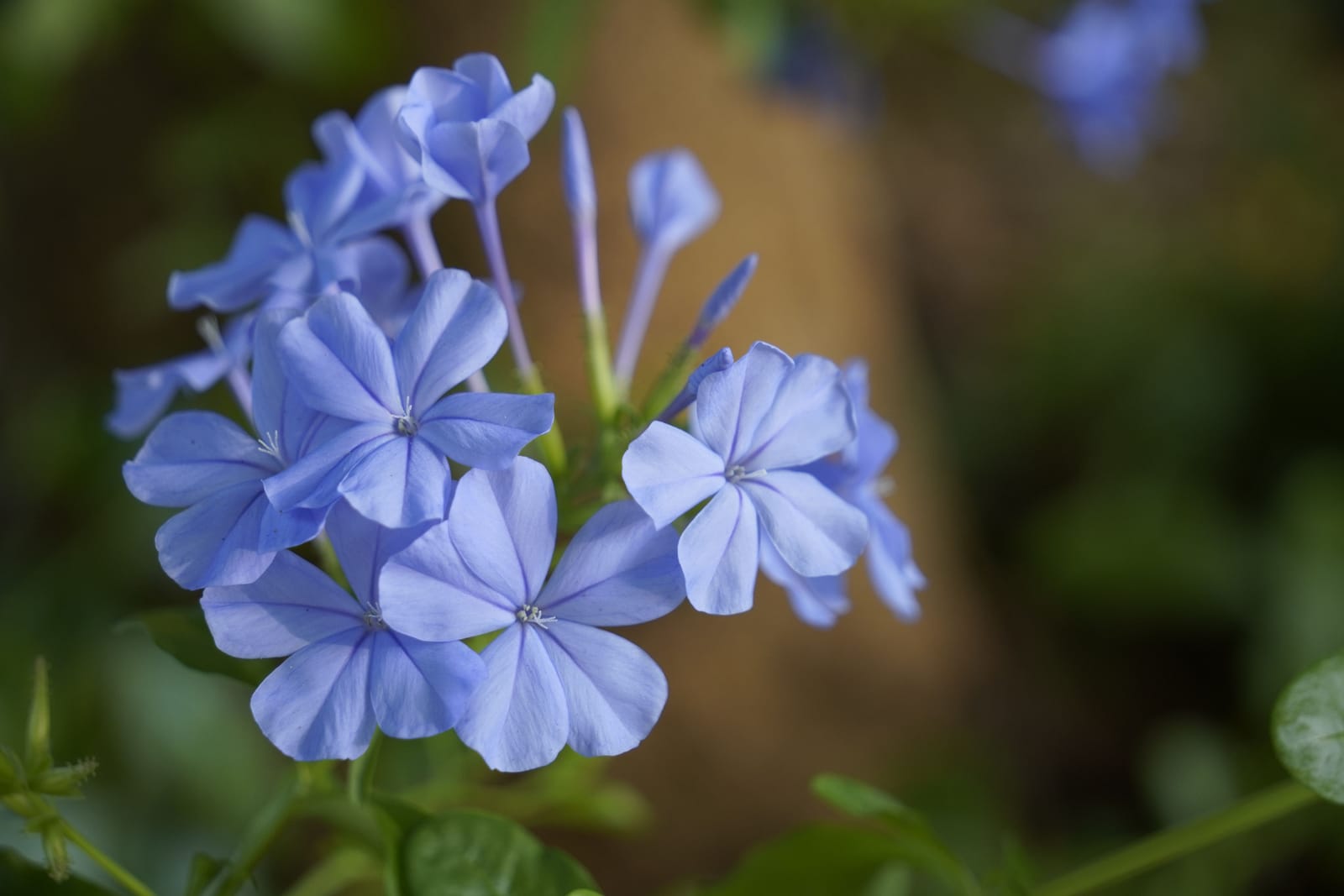
- Choose ethically sourced plants and avoid invasive lookalikes: Buy from nurseries that propagate their own stock from permitted sources. Learn to distinguish natives from invasive impostors, such as native ʻilieʻe (white flowers) from invasive plumbago (blue flowers).
What Are Hawaii Native Plants and Why Do They Matter?
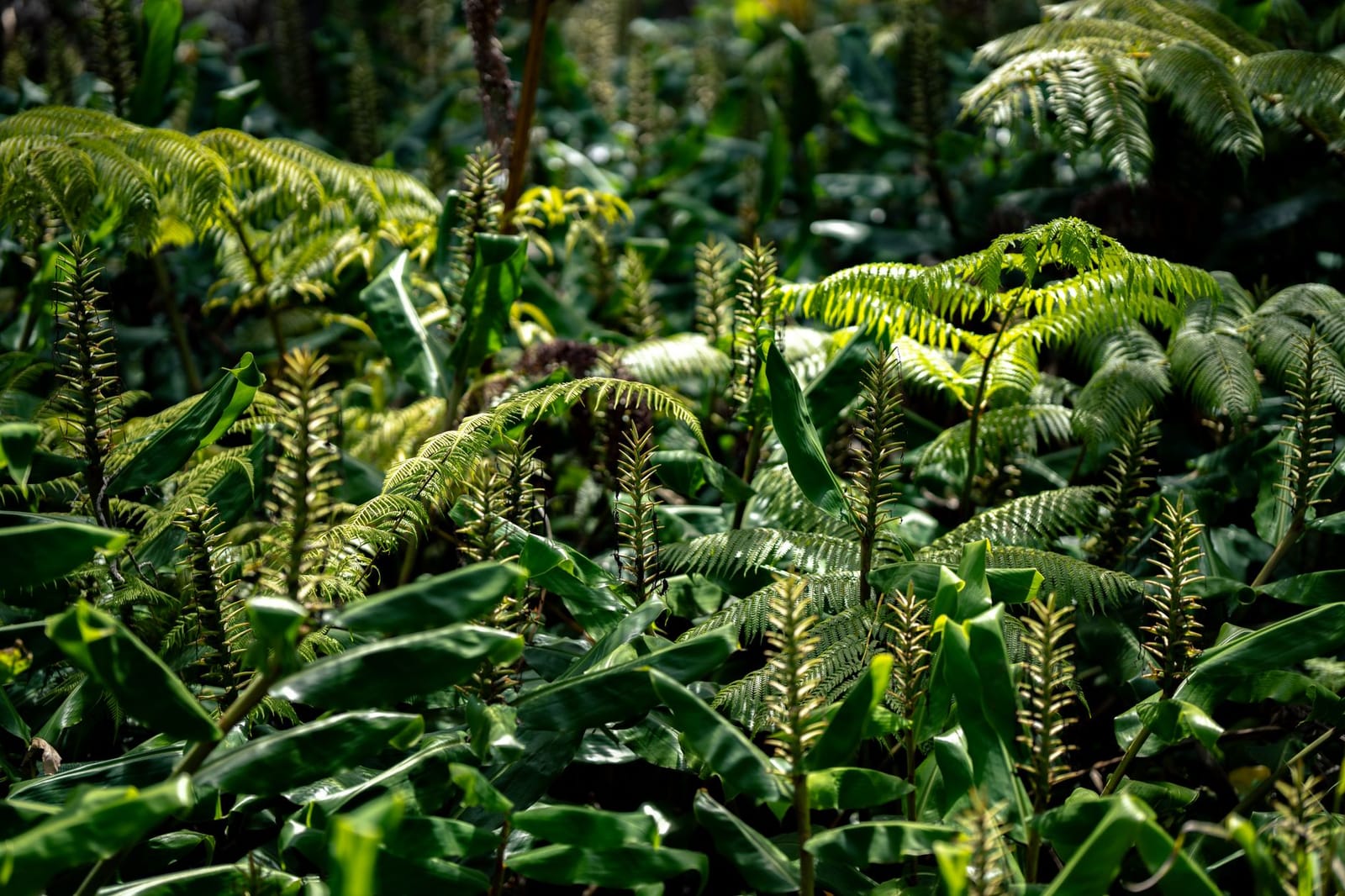
A native Hawaiian plant arrived without human assistance—by wind, ocean currents, or bird migration—before the first Polynesian voyagers arrived around 1,500 years ago. These include species found nowhere else (endemic) and a smaller number also occurring naturally in other Pacific regions. Taro, ti, and plumeria are Polynesian introductions or modern ornamentals, not native.
How Hawaii’s Geographic Isolation Created Unique Plant Species
Hawaiʻi is the most isolated archipelago on the planet—roughly 2,500 miles from the nearest continent. Only one successful colonization event occurred every 35,000 to 100,000 years. Once a plant arrived, it encountered new habitats and few competitors, leading to rapid evolution into new forms. For example, the Hawaiian silversword alliance includes more than 50 species that evolved from a single tarweed ancestor. This process created one of the world’s most remarkable concentrations of endemic flora.
The Cultural Significance of Native Plants in Hawaiian Traditions
Native plants are deeply woven into Hawaiian cultural practices. ʻŌhiʻa lehua is sacred to the volcano goddess Pele. ʻIlima flowers were used for leis reserved for chiefs. Plants like māmaki have documented medicinal uses. Choosing them without understanding their cultural context reduces a living tradition to a gardening trend. Careful gardeners learn the stories behind the plants they grow.
Current Conservation Status: How Many Native Plants Are at Risk?
Hawaiʻi makes up less than 1 percent of the land area of the United States yet is home to about 44 percent of its federally listed endangered and threatened plant species. Many taxa have gone extinct; others are reduced to fewer than fifty individual plants in the wild. Causes include habitat loss, invasive species, and diseases like Rapid ʻŌhiʻa Death. Planting native species in a home garden creates refuges for pollinators, reduces demand for invasive ornamentals, and helps preserve genetic diversity.
How to Choose Hawaii Native Plants for Your Site
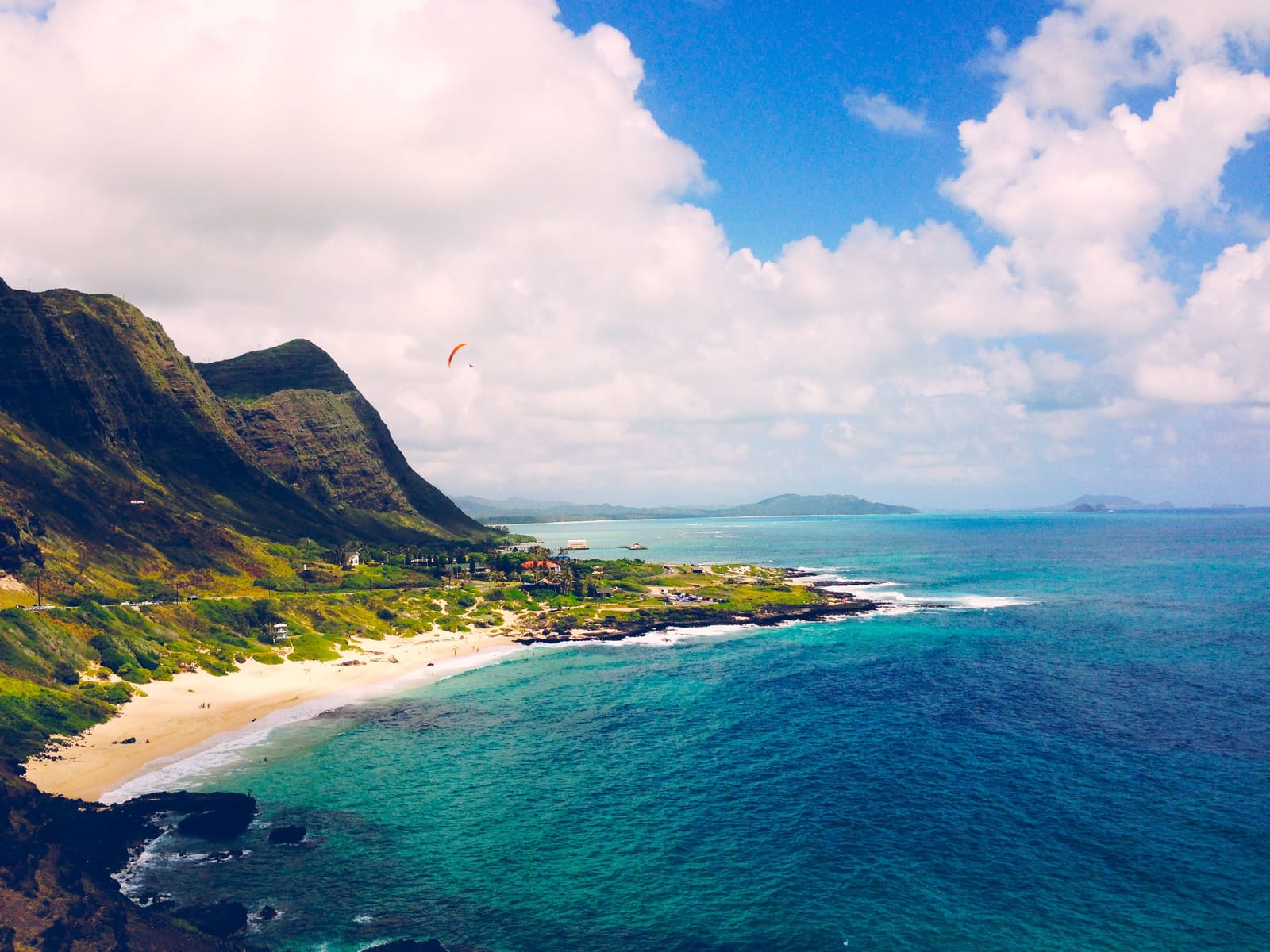
Matching plants to your site’s conditions is the most reliable path to success.
Start with Island, Elevation, Rainfall, and Sun Exposure
Know your location: Oʻahu’s south shore receives far less rain than the Koʻolau range; the Kona side of the Big Island is drier than Hilo. Elevation matters—koa grows best at mid-to-high elevations and struggles at sea level. Ask yourself: How much annual rainfall? Full sun, partial shade, or deep shade? Rocky, clay, or sandy soil? A quick check with the county rainfall atlas or local extension office gives you a starting point.
Dryland, Coastal, Wet Forest, and Container Conditions
| Site Condition | Recommended Native Plants |
|---|---|
| Dry leeward lowlands (less than 30 inches rain/year) | Wiliwili, ʻaʻaliʻi, ʻilima, ʻūlei, naupaka kahakai |
| Windward wet forest (over 100 inches rain/year) | ʻŌhiʻa lehua, koa, hāpuʻu fern, ʻieʻie, māmaki |
| Coastal salt spray zones | Naupaka kahakai, ʻākulikuli, ʻilieʻe, pōhuehue |
| Upland cooler areas (above 2,000 ft) | ʻŌhiʻa lehua, koa, ʻōlapa, pāpala kēpau |
For small spaces, many natives can be grown in containers: choose slower-growing species like ʻilima or ʻākulikuli with well-draining potting mix.
Native, Endemic, Canoe Plant, and Non-Native: What the Labels Mean
- Native: Arrived without human help.
- Endemic: Found only in Hawaiʻi.
- Canoe plant (Polynesian-introduced): Brought for food, medicine, or ceremony. Not native but culturally significant. Examples: kalo, niu, ʻulu.
- Non-native: Introduced after Western contact. Many are harmless, but some become invasive.
- Invasive: Spreads aggressively and disrupts ecosystems. Examples: miconia, strawberry guava.
Many nursery tags label canoe plants as “Hawaiian” without clarifying origin. Ask for species that were here before Polynesian arrival if you want true natives.
Top Hawaii Native Plants to Know and Grow
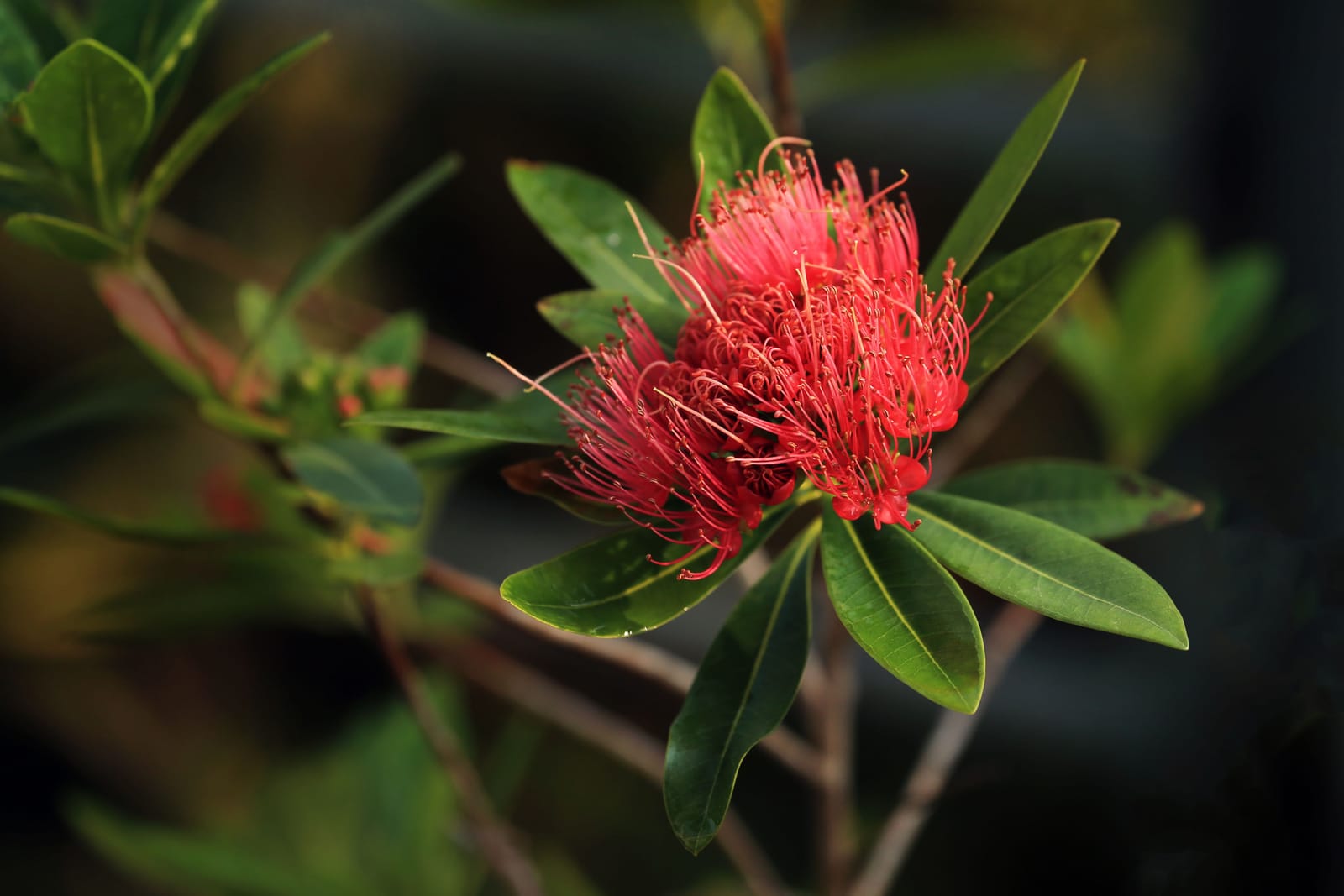
Below is a curated list of commonly available native plants for home landscapes.
Easy Native Trees and Large Shrubs: ʻŌhiʻa Lehua, Wiliwili, Koa, and Loulu
ʻŌhiʻa lehua (Metrosideros polymorpha) – Endemic. Wide adaptability; wet to mesic forests, partial to full sun. Shade tree, pollinator. Caution: susceptible to Rapid ʻŌhiʻa Death (ROD). Plant only disease-free stock from reputable nurseries.
Wiliwili (Erythrina sandwicensis) – Endemic. Dry lowlands, full sun, well-drained soil. Deciduous shade tree with orange-red flowers. Slow growing; vulnerable to wiliwili gall wasp. Choose resistant cultivars if available.
Koa (Acacia koa) – Endemic. Mid-to-high elevations (1,500–6,000 ft), well-drained soil. Large canopy tree, erosion control. Fast growth; needs ample space. Not suited for low-elevation coastal yards.
Loulu (Pritchardia spp.) – Endemic. Variable by species; many do well in coastal to mesic areas. Palm for tropical effect. Slow to moderate growth; some species rare in cultivation. Ensure nursery-propagated stock.
Flowering Shrubs and Perennials: ʻIlima, Maʻo Hau Hele, ʻŪlei, and Aʻaliʻi
ʻIlima (Sida fallax) – Native (not endemic). Dry to mesic, full sun, well-drained soil. Groundcover, low hedge, lei flower. Short-lived; needs regular pruning. May attract aphids.
Maʻo hau hele (Hibiscus brackenridgei) – Endemic. Dry to mesic, full sun. Large shrub, pollinator. State flower; federally listed as endangered. Source only from ethical nurseries. Sensitive to root rot.
ʻŪlei (Osteomeles anthyllidifolia) – Native. Dry to mesic, full sun to light shade. Hedge, groundcover, edible berries. Moderate growth; can become leggy if not pruned.
Aʻaliʻi (Dodonaea viscosa) – Native (worldwide distribution). Dry to mesic, full sun, tolerant of poor soil. Hedge, accent shrub, windbreak. Dioecious; females produce papery seed capsules. Easy from seed.
Groundcovers and Coastal Plants: Naupaka, ʻĀkulikuli, ʻIlieʻe, and Native Sedges
Naupaka kahakai (Scaevola taccada) – Native (also in other Pacific regions). Coastal, full sun, sandy soil, salt tolerant. Groundcover, dune stabilization, hedge. Very fast grower; needs regular trimming.
ʻĀkulikuli (Sesuvium portulacastrum) – Native (pantropical). Coastal, full sun, sand or rocky soil. Groundcover, salt-tolerant. Succulent; can rot if overwatered.
ʻIlieʻe (Plumbago zeylanica) – Native. Dry to mesic, full sun to partial shade. Groundcover, low shrub, white flowers. Sprawling; not to be confused with invasive plumbago species.
Native sedges (Carex spp., Cyperus spp.) – Various native species. Wet areas, edges of ponds, rain gardens. Groundcover, erosion control. Buy from native plant nurseries with accurate labels.
Dryland Garden Picks for Hot, Low-Water Sites
Focus on wiliwili (tree), ʻaʻaliʻi (shrub), ʻilima (groundcover), ʻūlei (shrub), naupaka (groundcover), and ʻākulikuli (succulent groundcover). These tolerate drought once established. Avoid moisture-loving species like koa or hāpuʻu in dry zones.
How to Successfully Grow Hawaii Native Plants in Your Garden
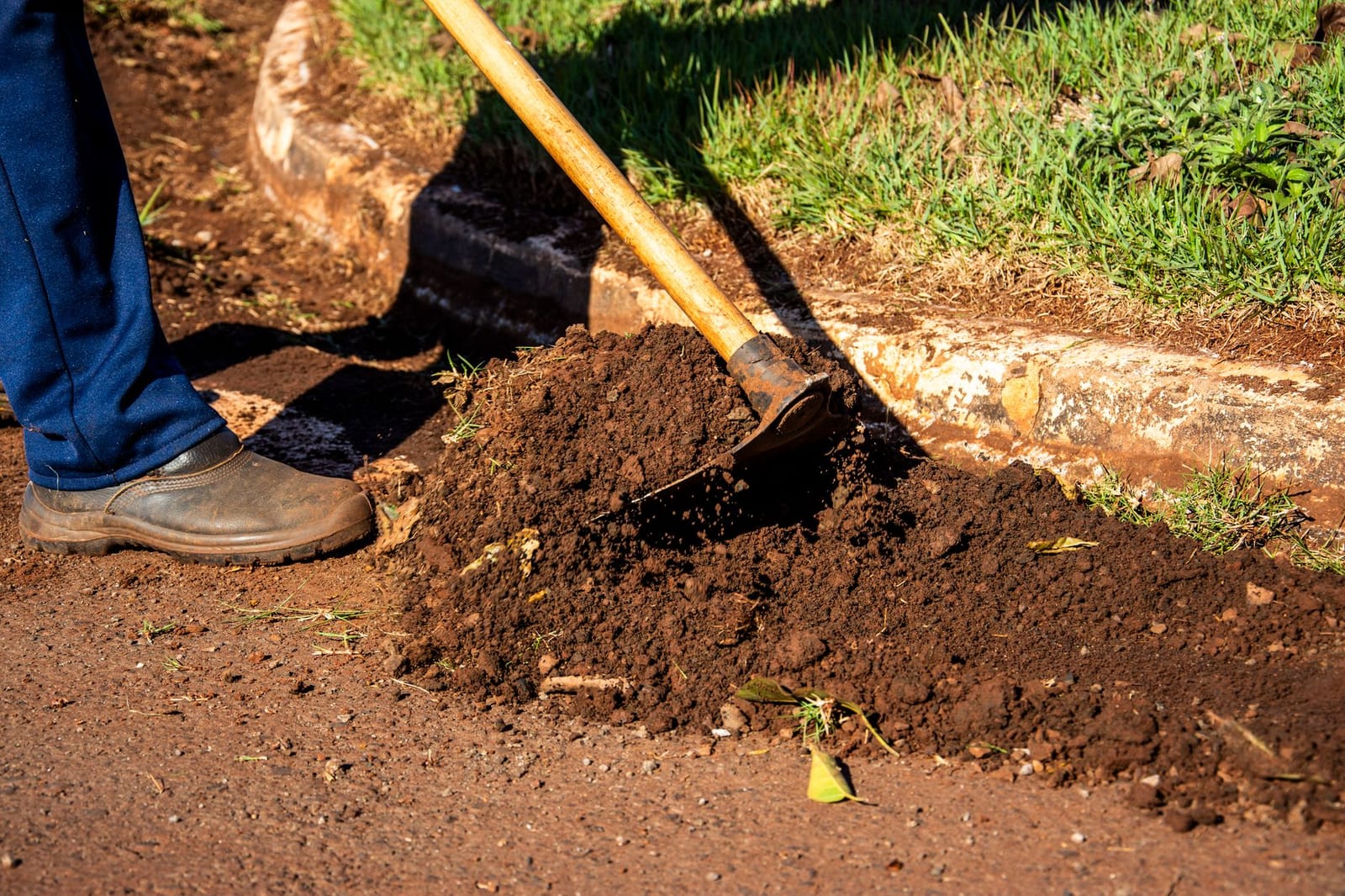
Soil Rehabilitation Techniques for Degraded Hawaiian Soils
Many residential lots have compacted, low-fertility soil. Loosen the top 8–12 inches with a broadfork or shovel (avoid rototilling). Add organic matter in thin layers (1–2 inches). In dry areas, use stone mulch to reduce evaporation; in wet areas, mound beds to improve drainage. Most native plants do not need fertilizer; if needed, use slow-release, low-phosphorus formula.
Managing the “Jungle Factor”: Tool Selection and Aggressive Growth
A sharp machete is useful for cutting back aggressive vines and grasses. Use a string trimmer with heavy-duty line for larger areas. Plan to check your garden every one to two weeks during the wet season. Once established, native canopies suppress weed growth.
Be Careful with Nurse Plants: Temporary Shade Can Become a New Problem
Using non-native nurse plants is controversial because many become invasive. Safer to use short-lived native species like ʻuhaloa or ʻilima. If you use a non-native, choose one that does not spread aggressively and remove it promptly. Never use a species listed as invasive by the Hawaiʻi Invasive Species Council.
Conservation and Ethical Gardening with Hawaii Native Plants
How to Identify and Avoid Invasive Non-Native Lookalikes
Invasive plumbago (Plumbago auriculata) has blue flowers; native ʻilieʻe has white flowers. Fountain grass resembles native bunchgrasses. Learn identifying features from trusted sources like the University of Hawaiʻi Botany Department or Native Plants Hawaiʻi website. Ask for scientific names and cross-check against invasive species lists.
Where to Buy Ethically Sourced Hawaii Native Plants
Look for nurseries that propagate their own stock from seeds or cuttings from legally permitted sources. Avoid plants labeled only as “Hawaiian” or “tropical” without a scientific name. If a plant is endangered, verify the nursery has a propagation permit. Supporting ethical nurseries ensures your garden does not harm wild populations.
Simple Ways to Support Native Plant Restoration Projects
Volunteer with conservation groups through the Division of Forestry and Wildlife (DOFAW). Support the Plant Pono program. Donate to organizations that fund native plant propagation or invasive species removal. Even small actions—choosing native species, spreading awareness, reporting invasive sightings—add up.
Conclusion
Hawaii native plants are living links to the islands’ evolutionary history and cultural traditions. Choosing the right plant for your site, understanding labels, and growing with care can turn a garden into a conservation asset. The challenges—degraded soil, aggressive weeds, disease risk—are manageable with the right tools and knowledge. By sourcing ethically and avoiding invasive lookalikes, you ensure your gardening supports the islands. Start small, observe closely, and let the plants teach you.
FAQ
What are the easiest Hawaii native plants for a beginner gardener to grow?
ʻIlima, ʻaʻaliʻi, and naupaka kahakai are forgiving choices. They tolerate a range of conditions and require little maintenance once established. ʻŪlei and ʻākulikuli are also beginner-friendly, especially in dry areas.
Can I use non-native plants as nurse plants for Hawaii native species without causing invasion?
It is possible, but risky. If you choose a non-native nurse plant, select a species that does not produce viable seeds or spread vegetatively in your area. Monitor closely and remove before it matures. The safest approach is to use fast-growing native pioneers like ʻuhaloa or ʻilima.
Where can I find a visual identification guide for Hawaii native plants?
The University of Hawaiʻi’s Botany Department website and the Native Plants Hawaiʻi online database offer photos and descriptions. The book Hawaiʻi’s Native Plants by Bruce A. Bohm is a reliable printed reference. Local native plant nurseries may also provide identification sheets.
Are all tropical plants in Hawaiʻi native?
No. The majority of tropical plants seen today—plumeria, bougainvillea, most hibiscus, palms, orchids—are introduced. True native plants arrived without human help. Canoe plants like taro and coconut are Polynesian introductions, not native. Check the origin label to ensure you are choosing species that belong naturally.
You Might Also Like