Best Georgia Native Plants for Gardens: Sun, Shade, Clay Soil, Pollinators, and Wildlife
Key Takeaways
- Match plants to your site, not just your state: Georgia spans multiple ecoregions. Check your sun exposure, soil type, and moisture levels before selecting plants.
- Start with easy, pollinator-friendly natives: Butterfly milkweed, purple coneflower, and black-eyed Susan are forgiving choices that attract bees, butterflies, and birds. Add native grasses and groundcovers like little bluestem and green and gold to create structure and reduce weeds.
- Expect a sparse first year and plan accordingly: Native perennials invest energy in root growth before top growth. Gardens typically take two to three seasons to fill in. Start with a small bed rather than converting your entire yard at once.
- Buy from trustworthy sources to avoid scams and timing issues: Look for nurseries that list botanical names, plant origin, and shipping windows. Northern nurseries may ship too late for Georgia’s planting season, so prioritize local or Southeast-based suppliers.
- Water consistently the first year, then let nature take over: Georgia natives need about an inch of water per week during their first growing season. After establishment, most survive on natural rainfall alone, though extended droughts may require occasional deep watering.
With the right plant choices, a patient approach, and reliable sourcing, you can build a Georgia native garden that thrives for years.
What Are Georgia Native Plants and Why They Matter
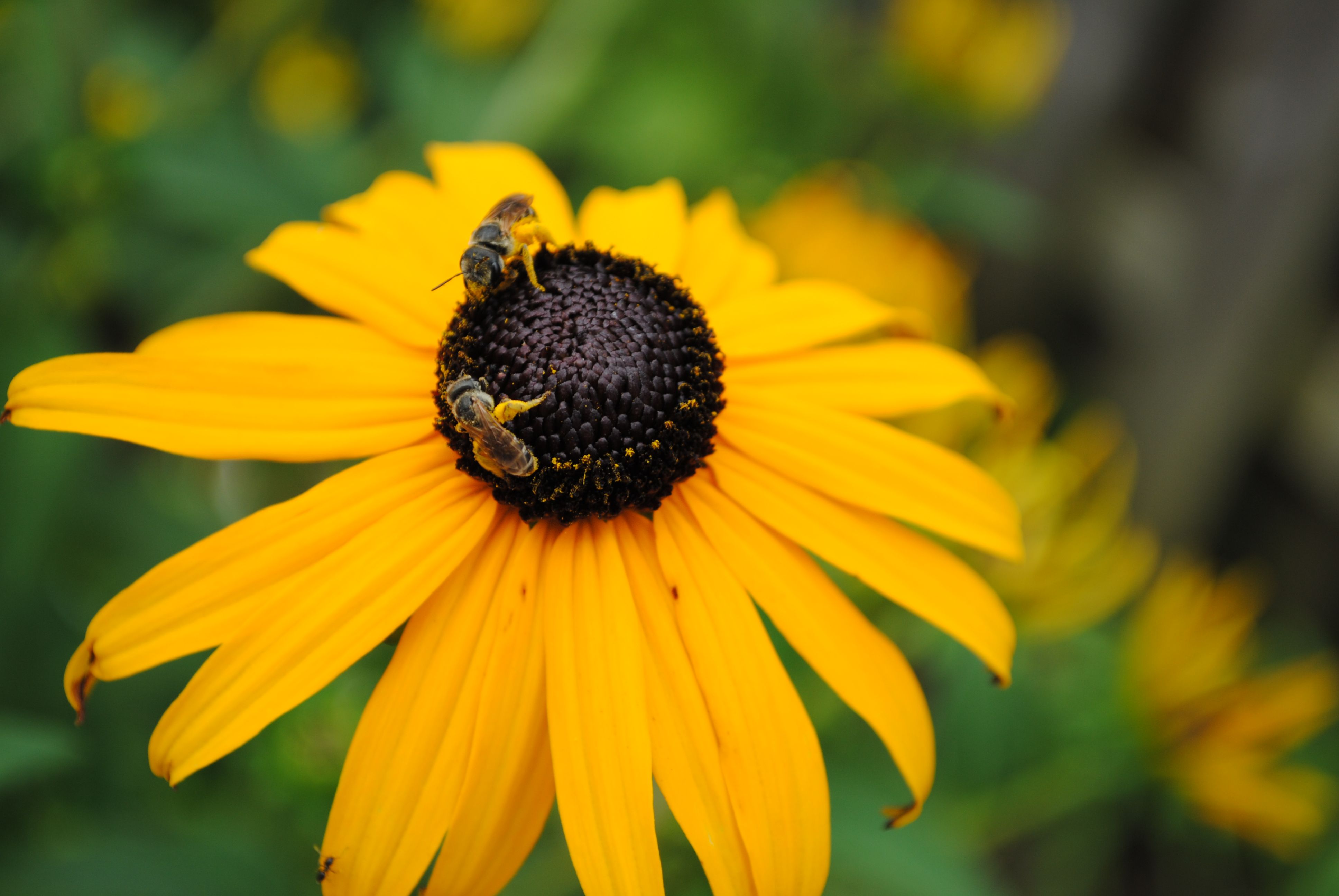
A native plant is one that was growing in a region before European settlement. For Georgia, this means species adapted to the state’s diverse landscapes—from the Blue Ridge Mountains to the Coastal Plain—over thousands of years. Choosing native plants creates a resilient, low-maintenance landscape that supports pollinators, birds, and other wildlife.
Defining “Native” for Georgia
A plant native to Georgia occurred naturally within the state’s borders before widespread human alteration. Regional distinctions matter: a species native to the Piedmont may not thrive in the Coastal Plain’s sandy soils. Match the plant’s natural range to your region—North Georgia (mountains), Piedmont (central), or Coastal Plain (south). The University of Georgia Extension and the Georgia Native Plant Society (GNPS) are reliable resources for verifying native status and getting region-specific recommendations.
Key Benefits for Gardens and Wildlife
Native plants adapt to Georgia’s rainfall, temperature, and soil, so they require less supplemental water and fertilizer once established. They form the foundation of local food webs: native oaks support hundreds of caterpillar species essential for nesting birds, while flowers provide nectar and pollen for pollinators. Native plants also offer seeds, berries, and cover for birds and mammals year-round. In addition, deep root systems of native grasses and perennials improve soil structure, reduce erosion, and help manage stormwater runoff—a significant advantage in Georgia’s increasingly intense rain events.
Common Misconceptions: Pests, Maintenance, and Removing Non-Natives
Native plants are not pest-free—they host insects, which is part of their value. Natural predators keep pests in check; do not spray. They are lower maintenance than exotic ornamentals but still need water during establishment, occasional weeding, and yearly cutback. You do not need to remove every non-native plant—gradual replacement of invasives with natives is sensible. Focus on the most aggressive invasive species first, such as Chinese privet, English ivy, and Bradford pear, and replace them with Georgia natives that provide equal or better ecological function.
How to Choose Georgia Native Plants by Region and Yard Condition
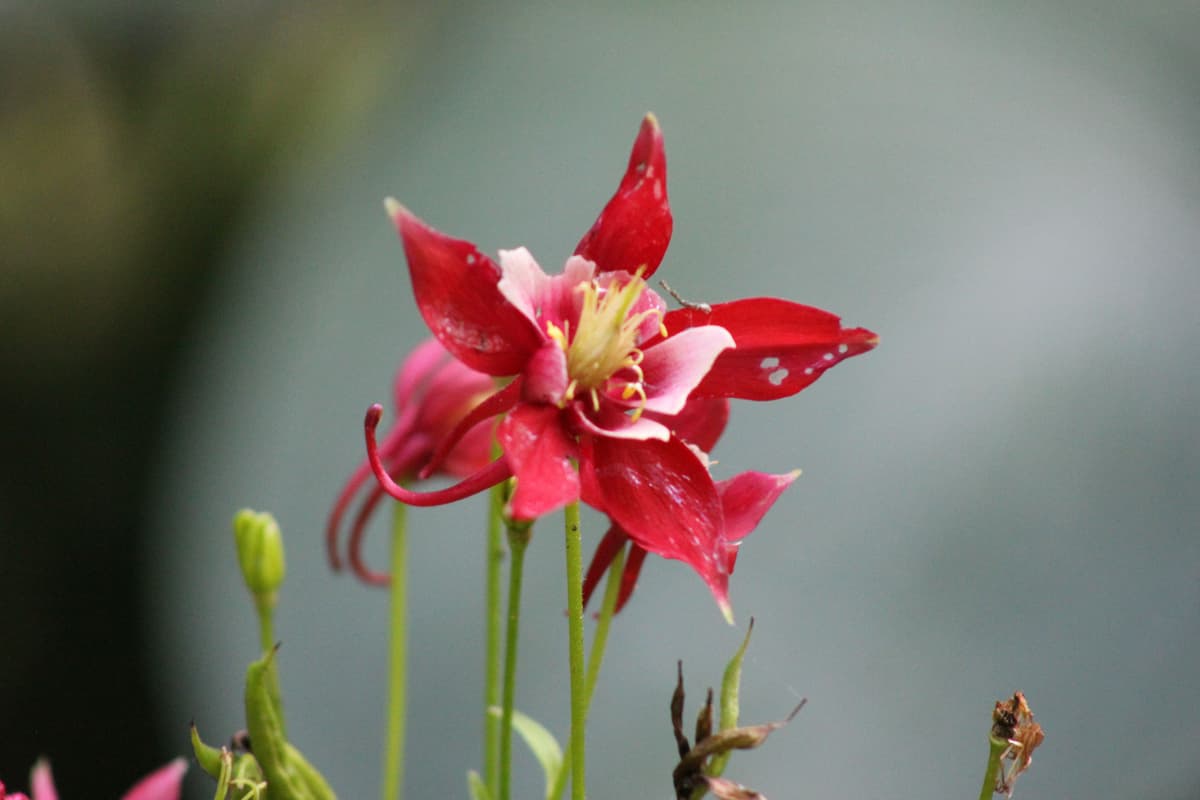
Success depends on matching the right plant to your specific conditions—sunlight, soil type, and moisture—not a generic list. Georgia’s climate varies from cool mountain forests to humid coastal plains, so a plant that thrives in Atlanta may struggle in Savannah.
Georgia Native Plants for North Georgia, Piedmont, Coastal Plain, and Urban Yards
- North Georgia (Mountains): Cooler, more rainfall, rocky or acidic soils. Examples: Eastern red columbine, wild hydrangea, mountain laurel. These plants tolerate cooler temperatures and higher organic matter in the soil.
- Piedmont (Central Georgia): Clay soils, hot summers. Good choices: black-eyed Susan, purple coneflower, oakleaf hydrangea. These species handle the heavy clay and reflected heat common in Atlanta and surrounding areas.
- Coastal Plain (Southern Georgia): Sandy soils, high humidity, mild winters. Plants like saw palmetto, yaupon holly, muhly grass, swamp sunflower tolerate drought and periodic flooding. Many Coastal Plain natives also tolerate salt spray, making them ideal for gardens near the coast.
- Urban Yards: Compacted soil, reflected heat. Dwarf wax myrtle, green and gold groundcover. In urban settings, choose tough, adaptable species that can handle poor soil and pollution.
Georgia Native Plants for Sun, Shade, Clay Soil, Dry Slopes, and Wet Spots
| Site Condition | Recommended Georgia Native Plants | Notes |
|---|---|---|
| Full sun (6+ hours) | Butterfly milkweed, purple coneflower, black-eyed Susan, little bluestem, switchgrass, dotted horsemint, Georgia aster, swamp sunflower | Most require well-drained soil |
| Partial shade (3–6 hours) | Wild columbine, foamflower, heartleaf ginger, woodland phlox, oakleaf hydrangea, fothergilla, red buckeye | Many spring bloomers |
| Full shade (under 3 hours) | Christmas fern, maidenhair fern, green and gold, partridgeberry, Solomon’s seal, wild ginger, dwarf crested iris | True shade specialists |
| Clay soil | Many Georgia natives prefer clay: beautyberry, ironweed, goldenrod | Avoid compacted, waterlogged clay |
| Dry slopes | Poverty oat grass, broomsedge bluestem, butterfly milkweed, liatris species, beardtongue | Tolerate shallow, rocky soils |
| Wet spots / rain gardens | Swamp sunflower, cardinal flower, buttonbush, river birch, winterberry holly | UGA resources recommend these for wet sites |
When selecting for clay soil, note that many native plants have deep taproots that help break up heavy clay. Add organic matter to improve drainage and never plant in standing water. For dry slopes, use a thick layer of mulch to retain moisture and prevent erosion until plants establish.
Georgia Native Plants for Pollinators: Spring, Summer, Fall, and Winter Interest
- Spring: Wild columbine (hummingbirds), woodland phlox, red buckeye, fothergilla. These early bloomers provide critical food for emerging pollinators after winter.
- Summer: Butterfly milkweed (monarchs), purple coneflower, black-eyed Susan, mountain mint. Mountain mint, in particular, attracts a wide variety of bees and wasps and blooms for weeks.
- Fall: Goldenrod (not a cause of hayfever), Georgia aster, swamp sunflower, blazing star. Goldenrod is often blamed for allergies, but ragweed—which blooms at the same time—is the real culprit. Goldenrod is a vital late-season nectar source for migrating monarchs and native bees.
- Winter interest: Little bluestem and switchgrass seed heads; berry shrubs like beautyberry and winterberry. Leave standing stems and seed heads through winter to provide food and shelter for birds. Cut back in late winter before new growth emerges.
Native Alternatives to Invasive Landscape Plants in Georgia
| Invasive Plant | Native Alternative |
|---|---|
| Bradford pear | Serviceberry, flowering dogwood, redbud |
| Chinese privet | Buttonbush, fothergilla, wax myrtle |
| Japanese honeysuckle | Coral honeysuckle (non-invasive) |
| English ivy | Green and gold, partridgeberry, wild ginger |
| Vinca | Creeping phlox, dwarf crested iris |
| Cogongrass | Little bluestem, switchgrass |
| Burning bush | Oakleaf hydrangea, Virginia sweetspire |
Start with the most aggressive invasives like privet and English ivy before planting natives. Removing these first gives your native plants a better chance to establish without competition. When replacing, choose alternatives that provide similar visual appeal—for example, oakleaf hydrangea offers brilliant fall color like burning bush, while coral honeysuckle attracts hummingbirds just as Japanese honeysuckle does, without the aggressive spread.
Best Georgia Native Plants for Beginners
Easy Georgia Native Flowers and Perennials for Pollinators
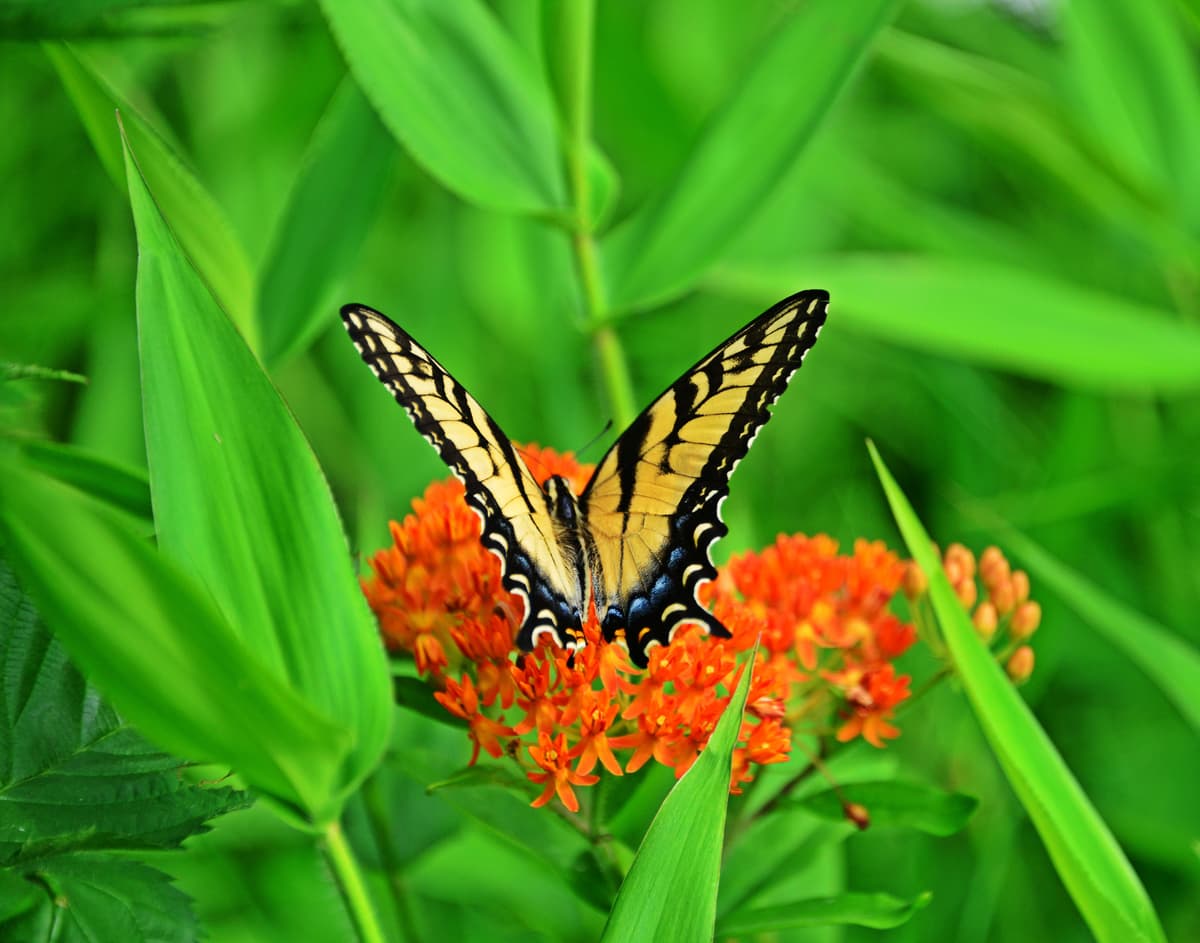
- Butterfly Milkweed: Host plant for monarchs. Orange blooms, full sun, well-drained soil. It has a long taproot, so it does not transplant well once established; buy container-grown plants or start from seed.
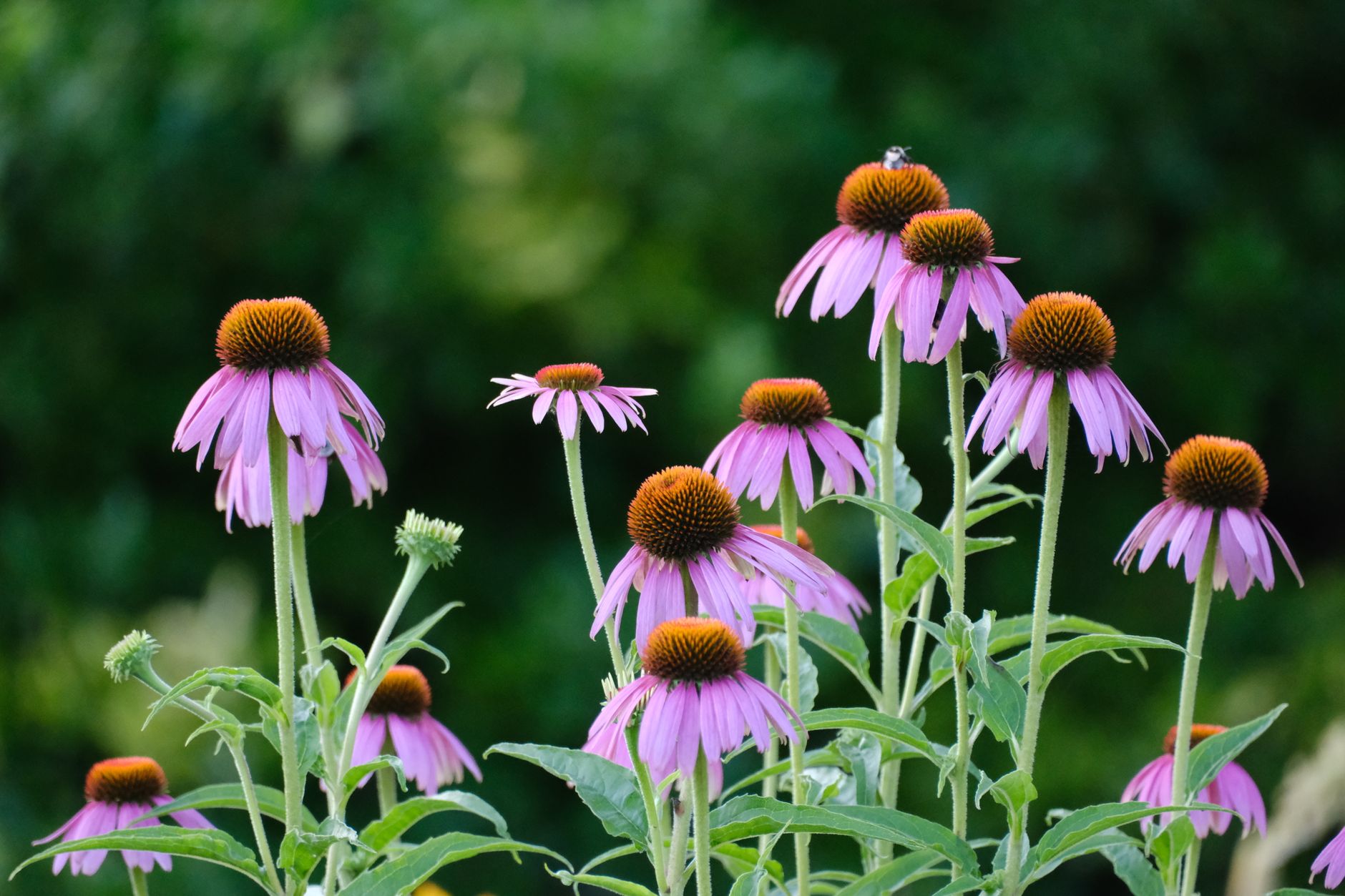
- Purple Coneflower: Long bloom, attracts bees, butterflies, and goldfinches. Tolerates clay soil and some drought. Leave seed heads for winter birds.
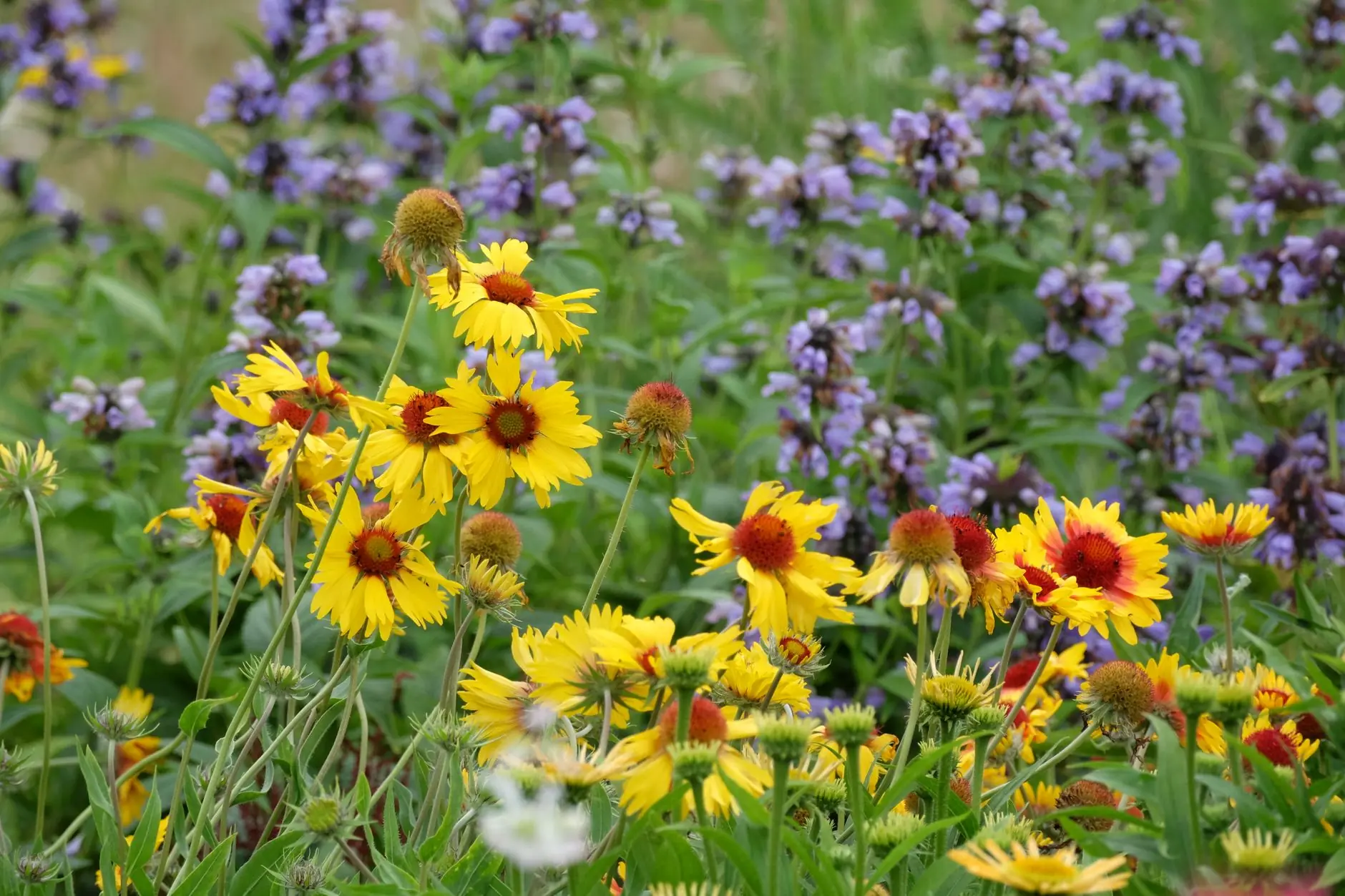
- Black-Eyed Susan: Profuse bloom in sun, supports native bees, self-seeds. Deadhead to prolong bloom, but allow some seeds to mature for reseeding.
- Mountain Mint: Highly attractive to bees and wasps; sun to part shade. Its fragrant foliage deters deer and rabbits.
- Goldenrod: Critical late-season nectar source; use non-aggressive species like solidago odora (sweet goldenrod) or solidago rugosa (rough goldenrod). Avoid Canada goldenrod which can spread aggressively in gardens.
Native Shrubs and Small Trees for Georgia Yards
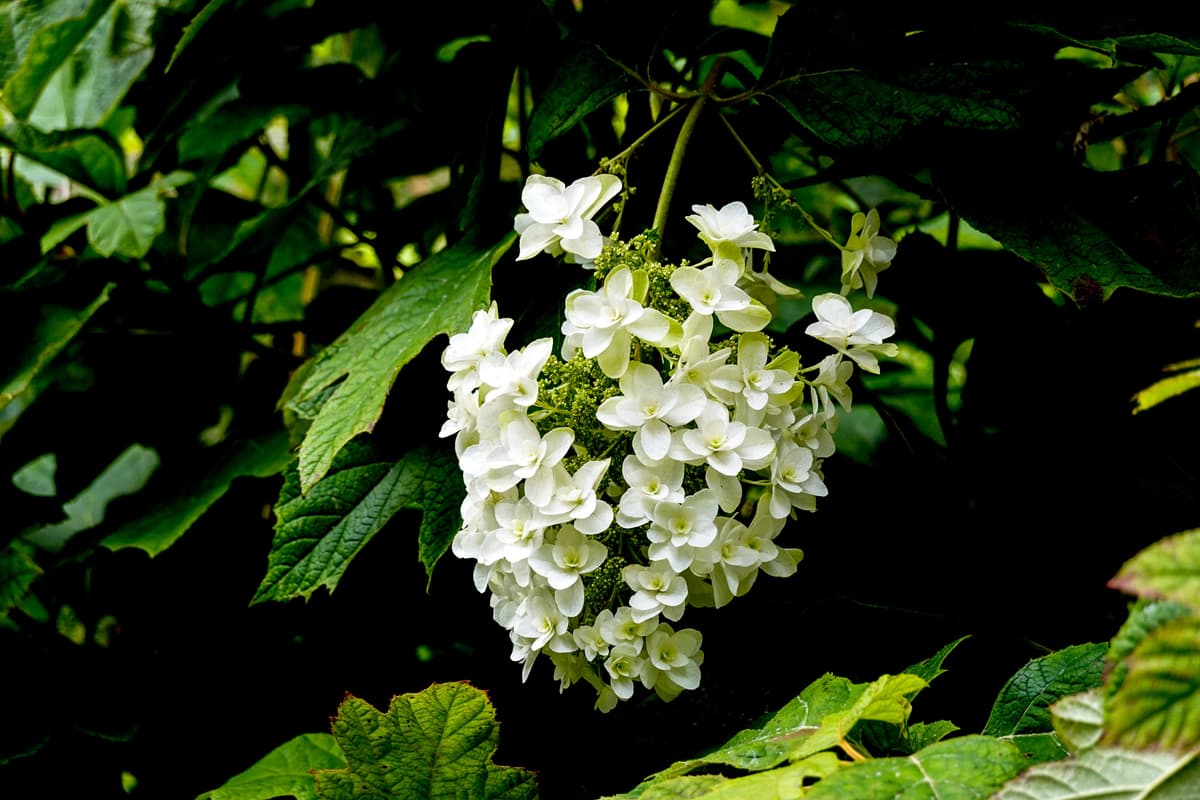
- Oakleaf Hydrangea: White flower panicles, exfoliating bark, fall color; part shade, 4–8 ft. Excellent four-season interest.
- Beautyberry: Bright purple berries for birds; sun to part shade, 3–6 ft. Berries persist into winter, providing emergency food for birds.
- Fothergilla: Fragrant spring flowers, excellent fall color; compact. Works well as a foundation shrub or in mixed borders.
- Redbud: Early spring pink flowers, 15–25 ft; host plant for butterflies. It blooms before leaves emerge, offering early nectar for bees.
- Serviceberry: White flowers, edible berries, fall color; 15–25 ft. Berries are beloved by birds and can be used in jams by humans.
Check mature size before planting. Many native shrubs can be pruned to control size, but it’s better to choose a variety that naturally fits your space.
Native Grasses, Sedges, and Groundcovers That Make Beds Look Intentional
- Little Bluestem: Blue-tinted foliage, bronze fall; 2–4 ft, full sun. Excellent for massing or as a specimen. Provides winter cover for birds.
- Switchgrass: Taller (3–6 ft), airy seed heads; great for massing. Use shorter cultivars like ‘Heavy Metal’ for smaller gardens.
- River Oats: Shade-tolerant, flat seed heads; woodland edges. Self-seeds moderately; remove seed heads if you want to control spread.
- Green and Gold: Low groundcover with yellow spring flowers; part shade, moist soil. Spreads slowly by runners, forming a dense mat that suppresses weeds.
- Partridgeberry: Trailing groundcover with white flowers and red berries; shade. Evergreen in mild winters, making it a good substitute for English ivy.
When to Plant Georgia Native Plants
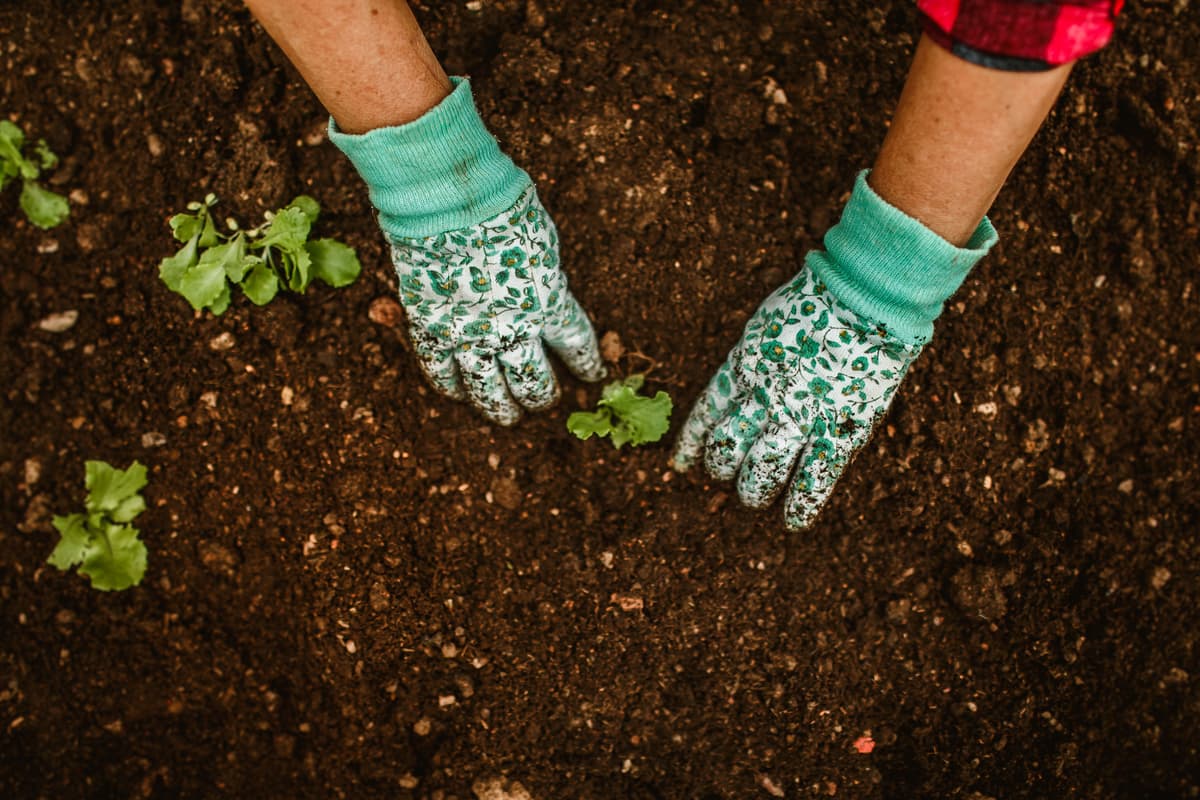
Best Planting Windows for Perennials, Shrubs, Trees, and Seeds
- Container perennials and shrubs: Fall (October–December) is ideal; spring (March–May) also works with extra watering. Fall planting allows roots to establish before summer heat.
- Bareroot plants: Plant while dormant, February–early March. Soak roots overnight before planting.
- Seeds (cold-stratification): Sow outdoors late fall/early winter or refrigerate 4–8 weeks for spring sowing. Many native seeds require cold stratification to break dormancy.
- Divisions: Late fall or early spring. Divide clumping perennials like coneflower and black-eyed Susan every 3–4 years to maintain vigor.
What Can You Plant in October in Georgia?
October is prime: plant trees (oaks, redbuds), shrubs, container perennials, and cold-stratification seeds. If dry, water new plantings. Order early as popular species sell out. October planting gives roots time to grow before winter dormancy, leading to stronger plants in spring. Avoid planting tender perennials that may not survive winter if planted too late.
Where to Buy Georgia Native Plants
How to Choose a Trustworthy Nursery or Seed Source
- Botanical name listed.
- Plant origin information (e.g., “Georgia ecotype”).
- Clear plant size (plug, quart, gallon, bareroot).
- Shipping window stated—ensure it matches Georgia’s season.
- Contact info and replacement policy.
- Native inventory percentage.
Red Flags: Spotting Native Plant Scams
- Vague “wildflower mix” without species list.
- No botanical names.
- Overly broad regional labels (e.g., “Southeast mix”).
- Unreasonably low prices.
- Stock photos.
- No replacement/refund policy.
Why Northern Nursery Shipping Windows Can Be Risky for Georgia Gardeners
Northern nurseries may ship in April–May, when Georgia’s planting window is closing. Plants may break dormancy and face heat stress. Prefer local or Southeast-based suppliers; if buying northern, check shipping schedule first. Some reputable northern nurseries offer early shipping if you request it; be proactive about timing.
Georgia Native Plant Care: First-Year Watering, Spacing, and Common Mistakes
Why Georgia Native Plant Gardens Look Sparse the First Year
First-year gardens often look sparse—this is normal. Perennials focus on root growth. Start small with 5–10 plants to manage weeding and watering. By the second year, many plants will double in size. By year three, your garden will feel full and established.
Choosing Plants Before Checking Sun, Soil, and Moisture
Always evaluate your planting spot: hours of direct sun, soil type, drainage. Use the condition-focused list above to match plants. A common mistake is buying a sun-loving plant for a shady spot, which leads to poor bloom and leggy growth. Test soil drainage by digging a hole and filling it with water; if it drains in 1–2 hours, drainage is good.
Are Wildflower Mixes Actually Native to Georgia?
Many “regional mixes” include non-native species or non-native annuals. Check the species list against a Georgia native database. Better: buy individual species seeds or plants. If you want a mix, look for one specifically labeled for your Georgia region (e.g., “Piedmont Native Mix”) from a trusted supplier.
How Far Apart to Plant Native Shrubs, Grasses, and Perennials
- Perennials: 12–24 inches; groundcovers 6–12 inches; large clumpers 36+ inches.
- Grasses: 18–24 inches for small/medium; 36 inches for large.
- Shrubs: space according to mature width (3–6 ft apart).
- Small trees: 15–25 ft apart.
Overcrowding causes competition; leave space and fill in with annuals if needed. Proper spacing reduces disease and allows each plant to reach its full size.
How to Water Georgia Native Plants During the First Year
New plants need about an inch of water per week. Water deeply once or twice weekly depending on soil. Mulch 2–3 inches (keep away from stems) to retain moisture. After the first year, most survive on rainfall, but water during extended droughts. Use a rain gauge or empty tuna can to measure watering. Drip irrigation or soaker hoses are efficient for new plantings.
Conclusion
Georgia native plants offer a sustainable, ecologically rich landscape. Understand your region and site conditions, start small, buy from reputable sources, and be patient. The result is a resilient garden that supports pollinators and wildlife while reducing water, fertilizer, and pesticide use. Whether you have a sunny slope, a shady backyard, or a clay-filled urban lot, there are Georgia natives that will thrive and bring beauty to your space.
FAQ
Which Georgia native plants give the longest bloom or seasonal interest?
Combine perennials with late bloomers and berry shrubs. Purple coneflower and black-eyed Susan bloom into fall. Goldenrod and Georgia aster provide late color. Leave native grasses standing for winter interest; beautyberry berries last into winter. For continuous bloom, plant a succession of spring, summer, and fall flowers—wild columbine in spring, milkweed and coneflower in summer, goldenrod and aster in fall.
What are 10 native plants for beginners in Georgia?
- Butterfly milkweed, 2. Purple coneflower, 3. Black-eyed Susan, 4. Oakleaf hydrangea, 5. Beautyberry, 6. Fothergilla, 7. Little bluestem, 8. Green and gold, 9. Redbud, 10. Swamp sunflower. These plants are widely available, easy to grow, and offer high ecological value.
What can I plant in October in Georgia?
Plant trees (oaks, redbuds), shrubs, container perennials, and cold-stratification seeds. Avoid tender perennials that may not survive winter if planted too late. October is also a good time to divide and transplant existing native plants while the soil is still warm.
How do I avoid getting scammed when buying native plants online?
Check for botanical names, plant size, detailed species list, shipping window matching Georgia, contact info, and replacement policy. Avoid stock photos. Use the Georgia Native Plant Society’s nursery list as a starting point for vetted sources. If a deal seems too good to be true, it probably is.
You Might Also Like