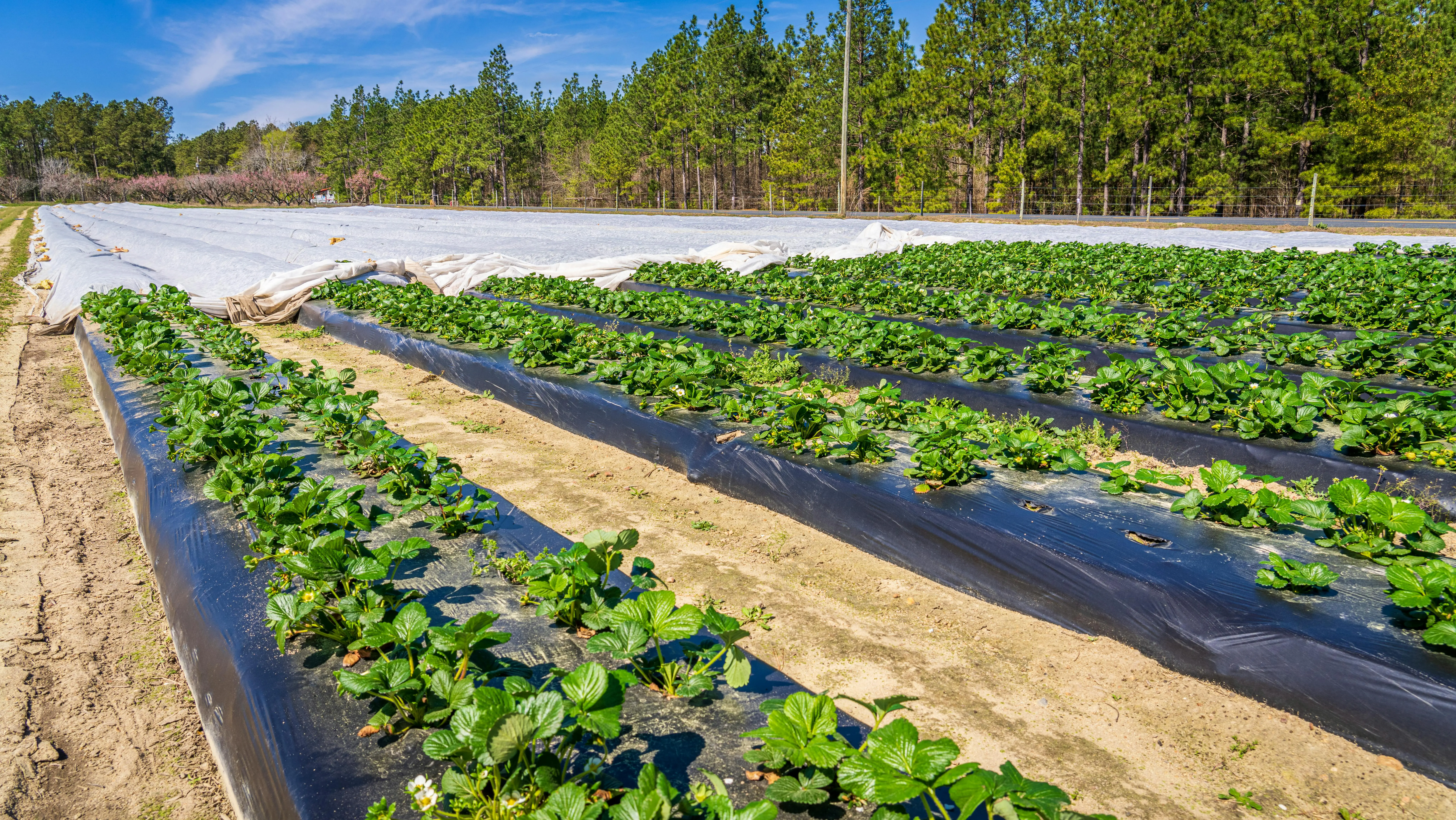
What Percentage Shade Cloth for a Garden? 30%, 50%, 70%, or 90%
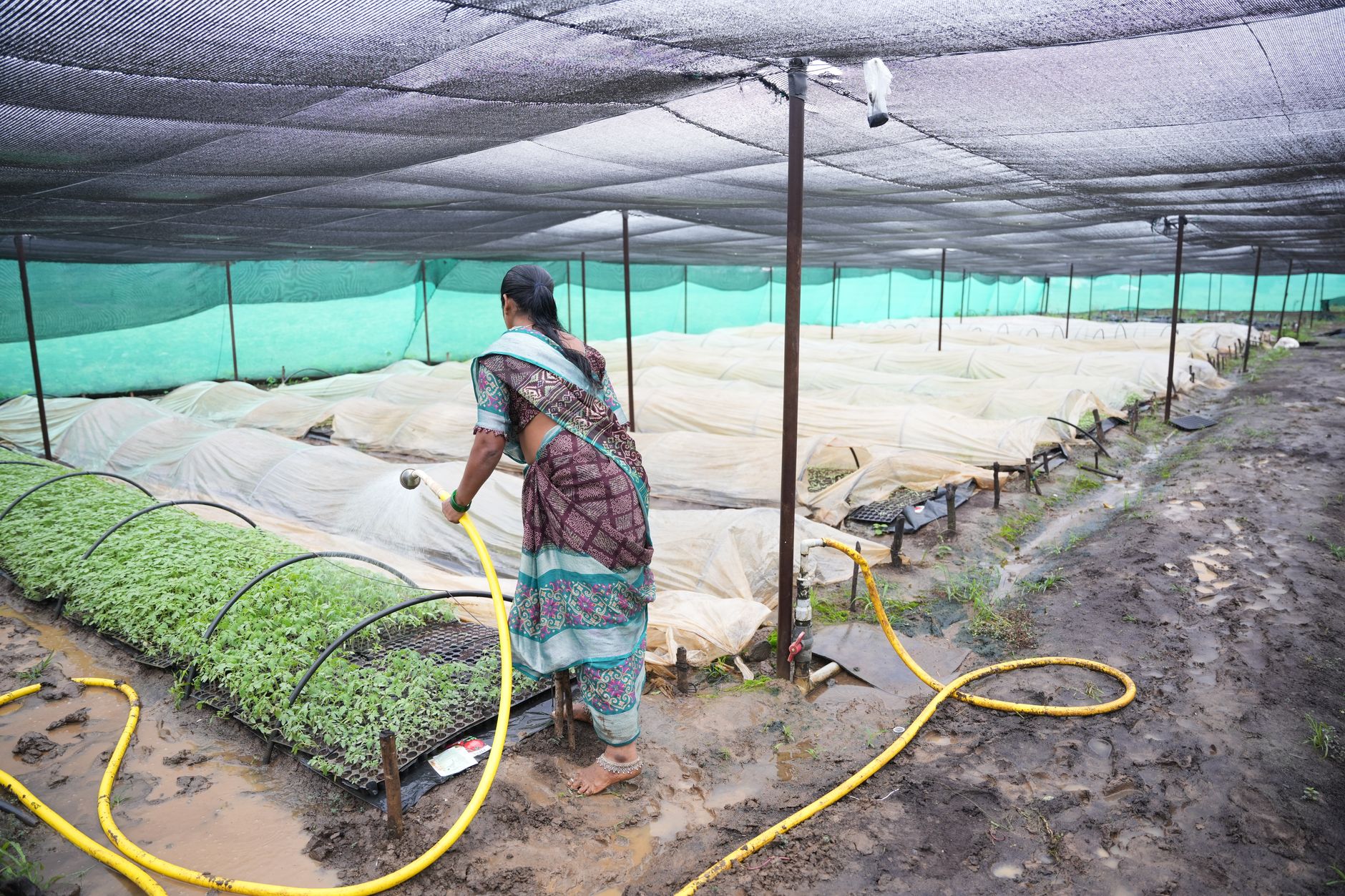
If you are wondering what percentage shade cloth to use in your vegetable garden, a practical starting point for many mixed gardens is roughly 30% shade. This preserves enough light for sun-loving fruiting crops like tomatoes and peppers while providing moderate heat relief. Leafy greens, tender herbs, seedlings, and recent transplants often benefit from denser shade in the 40% to 60% range. Heavier shade cloth in the 70% to 90% range is rarely appropriate for long-term vegetable production; those percentages are better suited for patios, privacy screens, livestock, or shade-loving ornamentals. Understanding the specific light requirements of each crop and the environmental stresses in your garden will help you fine‑tune the percentage for maximum yields and plant health.
Key Takeaways
- Start with 30% shade for most mixed vegetable gardens: preserves light for fruiting crops while providing heat relief; leafy greens need 40%–60%.
- Match shade to crop type: fruiting vegetables need 20%–40%; leafy greens and seedlings need 40%–60%; 70%–90% is for non-crop uses.
- Shade percentage does not guarantee a fixed temperature drop: results vary with airflow, humidity, installation height, and structure type.
- Test before committing: cover part of a bed for seven days and compare with an uncovered section.
- Combine shade with proper watering, mulch, and ventilation: shade alone cannot fix dry roots or poor drainage.
How Shade Cloth Percentages Work
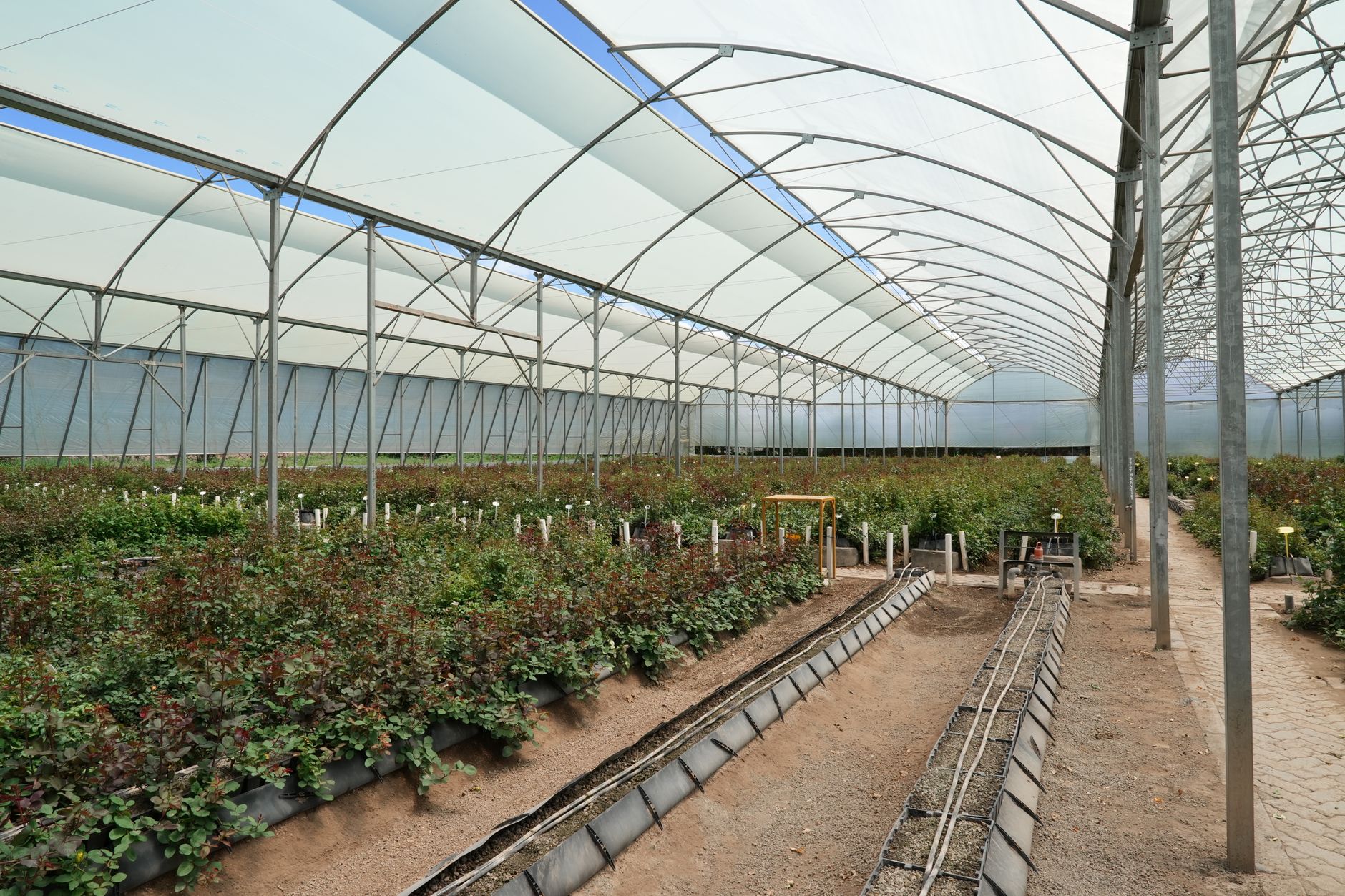
The percentage printed on shade cloth is the nominal shade factor—the fraction of incoming light it blocks. A 30% cloth blocks roughly 30% of sunlight and transmits about 70%. These numbers are approximate due to manufacturing variation, dust, sun angle, and installation height. Shade percentage is not the same as light transmission for photosynthesis (PAR) and does not directly tell you temperature change. In practice, a cloth labeled 50% may transmit anywhere from 45% to 55% of light depending on weave consistency and how tightly it is stretched. Over time, accumulated dust can further reduce transmission by 5–10%, so periodic cleaning is beneficial, especially in dry or dusty climates.
The shade factor also shifts with the sun’s angle. At midday the cloth casts its densest shadow, while in early morning or late afternoon, more light enters at oblique angles. If you install cloth on a slanted or vertical structure, the effective shade percentage will be lower than the rating because the cloth intercepts less direct sunlight. For greenhouse applications, you must also account for the glazing’s light transmission; combining a 70% glass transmission with a 50% cloth results in only 35% of natural light reaching the plants.
Quick Answer: 30% vs. 50% vs. 70% vs. 90%
30% shade is a useful starting point for many vegetable gardens. 50% shade is commonly useful for lettuce, spinach, seedlings, and tender transplants. 70% shade is more appropriate for true shade plants, propagation, and short emergency protection. 90% shade is intended mainly for non-crop uses. Research in West Texas found tomato yield under 50% shade similar to full sun under specific conditions, while 70% significantly reduced yield. In similar studies with bell peppers, 30% shade improved fruit set during heatwaves without reducing overall harvest, while 50% shade sometimes delayed maturity. For cucumbers, excessive shade reduces flowering and fruit quality, so 20–30% is usually the maximum.
What Shade Percentage Does—and Does Not—Tell You
A common misconception is that 50% shade will cut air temperature in half. It will not. Two gardens using the same percentage can record very different temperatures depending on airflow, cloth color, installation height, and ventilation. For example, a 50% black cloth mounted flat over a still bed may raise temperatures underneath by trapping radiant heat, while a white 50% cloth suspended high with open sides can reduce leaf temperature by 5–10°F. The primary benefit of shade cloth is reducing the solar load on leaves, which lowers transpiration stress and helps prevent photoinhibition. When layering cloth or combining with greenhouse glazing, multiply light transmission rates (e.g., 80% glazing × 50% cloth = 40% light reaching crops). For low tunnels, the cloth must be kept above the crop canopy with a generous air gap; otherwise, heat can build up between the cloth and leaves, negating the shading effect.
Do Your Plants Need Shade or Better Watering?
Wilt alone does not prove need for denser shade. Check soil moisture first. Signs of excessive solar load include sunscald on fruit, bleached leaves, and severe midday wilt despite moist soil. Signs of water problems include dry soil, containers drying quickly, or wilt continuing overnight. Shade cloth cannot replace consistent root-zone moisture, organic mulch, and proper ventilation. In many gardens, a thick layer of straw or wood chips combined with drip irrigation reduces the need for dense shade by keeping the root zone cool and reducing water evaporation. Always address watering and mulching before investing in heavier shade cloth.
Best Shade Cloth Percentage for Garden Plants
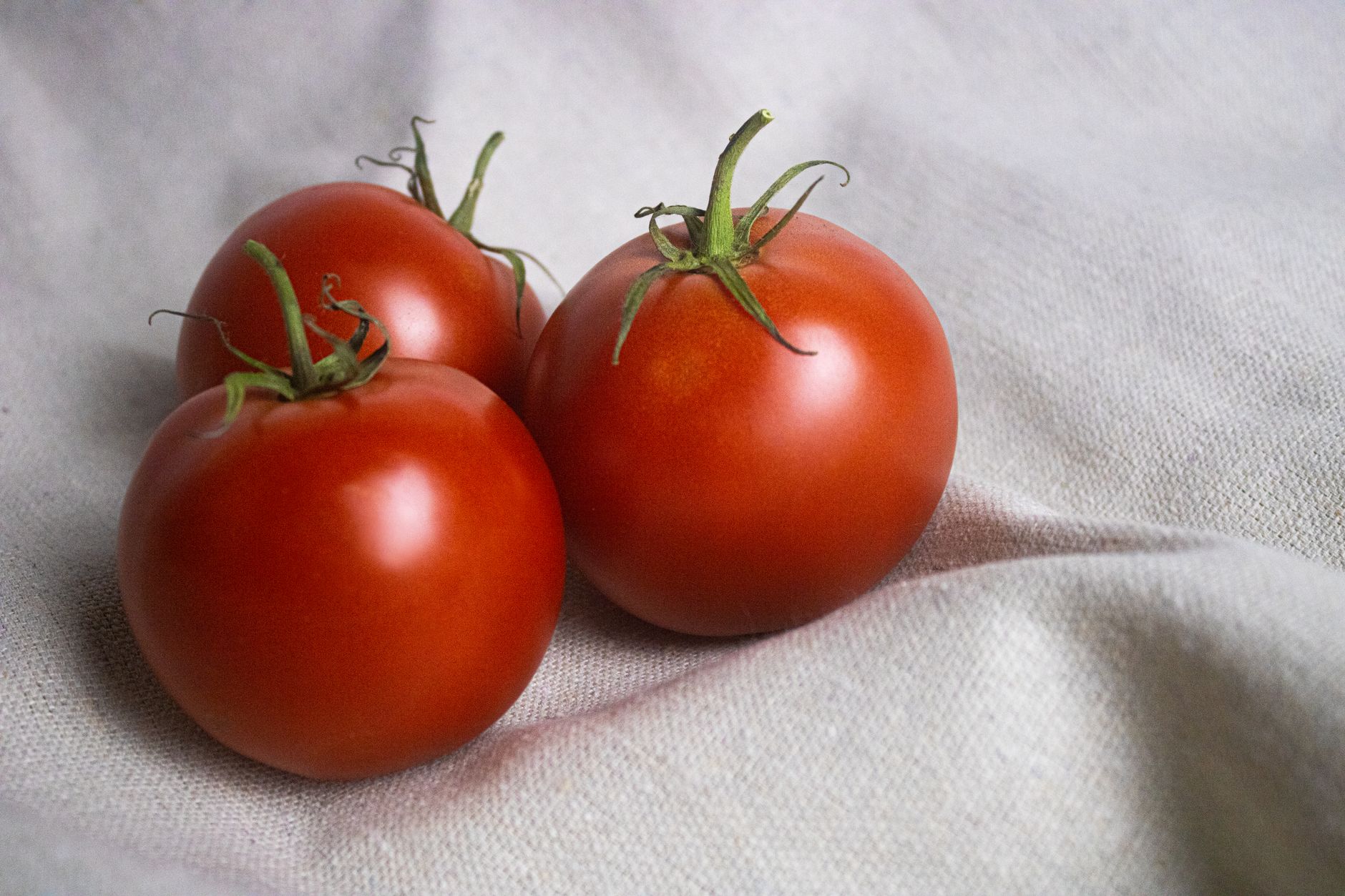
Tomatoes, Peppers, and Other Fruiting Vegetables
Start with 20%–40% shade (conservative first test: 30%). Move toward 40%–50% only with extreme heat, desert climate, severe western exposure, or high-radiation greenhouses. Permanent 50% shade in moderate climates can reduce flower production, stretch internodes, and delay ripening. Retain morning light and block afternoon/western sun when possible. For indeterminate tomatoes, even 30% shade can delay the first harvest by a week or two in mild climates, so use the lowest percentage that prevents sunscald. For peppers, 30% shade often improves fruit set during heatwaves because it reduces flower drop; 40% may be used in desert regions but watch for reduced fruit size. Eggplant is more heat-tolerant and may need no shade at all unless temperatures consistently exceed 95°F.
Lettuce, Leafy Greens, Herbs, and Seedlings
A practical starting range is 40%–60% for lettuce, spinach, tender greens, cilantro, seedlings, and recent transplants. In some cases 50%–70% may be used temporarily. Shade helps with leaf scorch and transplant acclimation but cannot guarantee prevention of bolting—heat-tolerant cultivars and planting dates often matter more. Basil benefits from moderate temporary protection; rosemary, thyme, and sage need less shade. For lettuce in warm climates, 50% shade can extend the harvest window by 2–3 weeks before bolting, but combining it with heat-tolerant varieties (e.g., ‘Jericho’, ‘Nevada’) is even more effective. Seedlings started indoors should be hardened off under 40–50% shade for the first 3–5 days before moving to full sun.
Mixed Beds, Containers, Greenhouses, and Low Tunnels
For mixed raised beds, start around 30% general cover with localized denser sections for sensitive crops. For containers, root-zone heat is critical—dense leaf shade cannot compensate for small, dry root balls; shade pot walls and use larger containers. In greenhouses and high tunnels, calculate existing light transmission first, prioritize ventilation, and use adjustable exterior shade. Low tunnels need a large air gap and open sides to avoid trapping heat. A low tunnel with 50% cloth only 6 inches above lettuce may raise daytime temperatures by 10°F, worsening heat stress. Always use hoops that elevate the cloth at least 18–24 inches above the crop canopy, and leave the ends open for airflow.
Choose, Install, and Adjust Shade Cloth for Your Climate
Adjust for Climate, Season, and Sun Exposure
In hot, dry climates use the higher end of the crop range; in hot, humid climates emphasize airflow; in coastal or mild climates use lighter temporary shade. Western exposure often produces the greatest heat load. Use removable panels for short heatwaves and recheck shade patterns as sun angle changes seasonally. In June, the sun is high and shade patterns are shorter; by August, the same cloth may need repositioning to cover crops that are now taller. For gardens with intense afternoon sun, consider installing a vertical shade screen on the west side rather than covering the entire bed. This reduces heat load while preserving morning light for photosynthesis.
Choose Black, White, Knitted, or Woven Shade Cloth
Knitted cloth is flexible and common for home gardens; woven cloth is heavier and more durable but less breathable. Open weave allows better airflow. Black is economical; white or reflective materials can reduce heat load in greenhouses by reflecting more infrared radiation. For low tunnels, white cloth tends to keep temperatures slightly cooler than black under the same percentage. Prioritize a clearly labeled horticultural shade factor, open weave, UV stabilization, and reinforced edges. Privacy mesh and patio sails often block 80%–95% of light and are unsuitable for vegetables. Check the product description for “shade factor” or “blockage %” rather than “density”—some patio cloths list fabric density (e.g., 180 g/m²) which does not tell you the light blockage.
Install, Test, and Correct Common Shade-Cloth Mistakes
Suspend cloth above the crop with an air gap; do not let it rest on leaves. Anchor frames securely against wind. Use a roll-up system for adjustability. Conduct a seven-day comparison test: cover part of a bed, keep irrigation the same, observe scorch, wilt, flowering, and growth. Signs of insufficient shade: sunscald, bleached leaves. Signs of excessive shade: long internodes, pale growth, fewer flowers. Increase, reduce, or reposition based on results. Common mistakes include installing cloth too low (traps heat), using dense cloth permanently (reduces yield), and forgetting to remove shade in autumn as temperatures drop. For growers using greenhouses, consider motorized retractable systems that automatically adjust based on light sensors; for home gardeners, simple pulley systems allow easy daily adjustment.
Conclusion
- Around 30% for most mixed vegetable gardens.
- 20%–40% for most fruiting vegetables.
- 40%–60% for leafy greens, seedlings, and transplants.
- 70%–90% for non-crop uses.
Confirm heat is the real problem, choose the lowest percentage that works, install with airflow, test one section first, and adjust based on plant response. Shade cloth works best alongside proper irrigation, mulch, ventilation, and adapted varieties. Remember that shading is a tool, not a cure-all—manage the whole growing environment, not just the light.
FAQ
Is 50% Shade Cloth Too Much for Tomatoes?
It depends on climate. In moderate climates 50% is high for tomatoes and can reduce flowering and slow ripening. Use 20%–40% as a starting range. In extreme desert heat or high-radiation greenhouses, temporary 50% may be justified. If you try it, limit to afternoon use and watch for low-light signs such as thin stems, pale leaves, and delayed fruit set. In many cases, vertical shading on the west side combined with 30% overhead gives better results than a uniform 50% cover.
Will Vegetables Grow Under 70% Shade Cloth?
Most vegetables survive but productive growth is very limited. 70% cloth transmits only about 30% of light—too little for fruiting crops over a full season. Seedlings or shade plants may use it temporarily. Survival is not harvestable production. For example, tomatoes may grow spindly and set fewer fruits, while lettuce may produce loose, pale heads. Use 70% only for short-term protection during extreme heatwaves (e.g., 3–5 days) or for shade-loving ornamentals like ferns or impatiens.
How Much Cooler Will Shade Cloth Make a Garden?
There is no universal temperature drop. Results depend on airflow, humidity, installation height, and where you measure. Measure shaded and unshaded areas with a thermometer to know your specific conditions. Under still air, a 50% black cloth may reduce leaf temperature by 5–10°F but air temperature by only 2–4°F. With good ventilation, the same cloth can lower leaf temperature by 10–15°F. Always measure leaf temperature with an infrared thermometer or a thermocouple placed under a leaf for accurate assessment.
What Is the Best Shade Cloth Percentage for a Mixed Vegetable Garden?
Around 30% is the safest initial choice. It preserves light for fruiting crops while providing heat relief. For sensitive crops like lettuce, add separate 40%–60% sections. Avoid covering the whole garden with higher percentages unless necessary. Run a seven-day comparison test before committing. If you have a wide variety of crops, consider using a multi‑zone system: 30% over the main bed and a movable 50% panel that can slide over leafier sections as needed. This flexibility adapts to changing seasons and crop growth.
You Might Also Like