Olive Tree Care: The Complete Beginner's Guide to Growing a Healthy Olea europaea Indoors
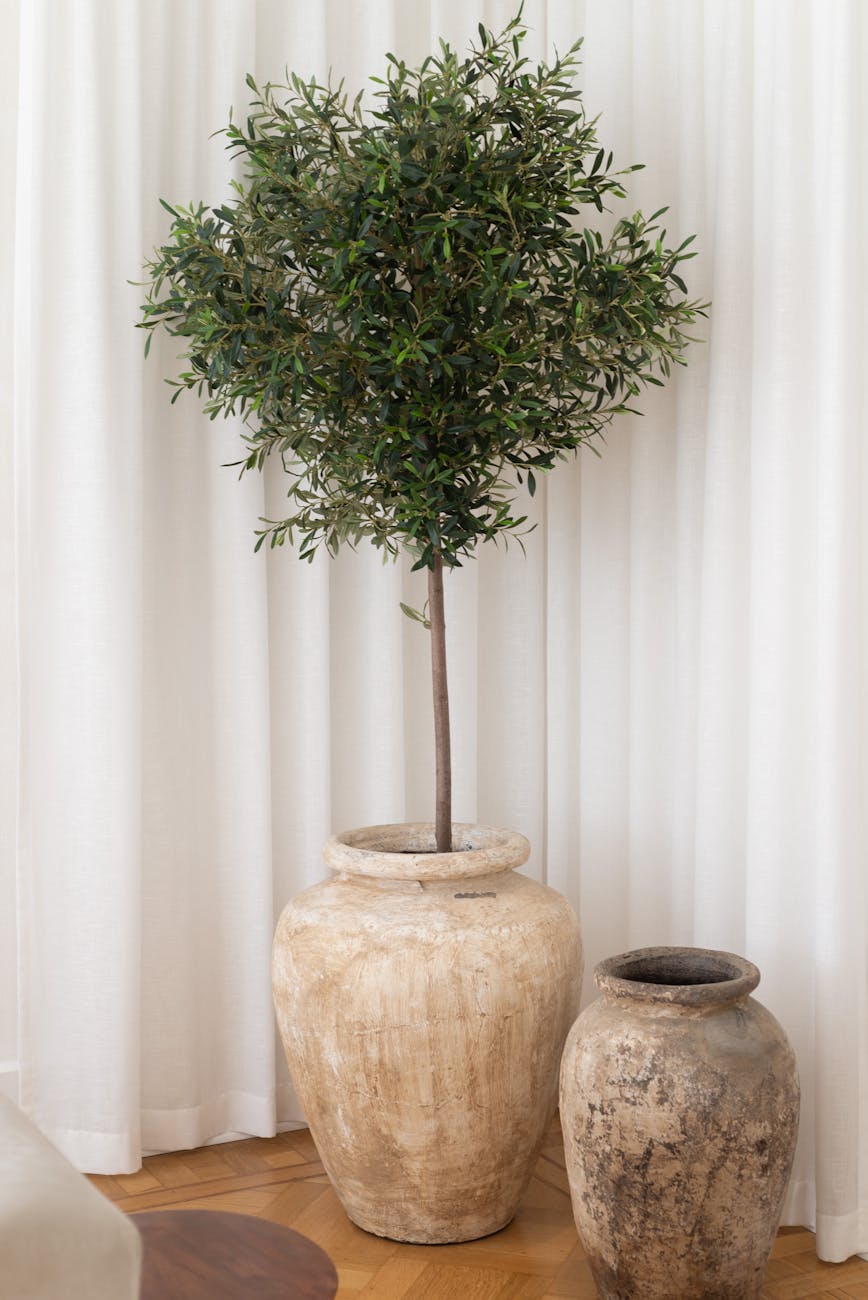
An indoor olive tree (Olea europaea) is not a difficult plant, but it is different from most beginner houseplants. Its care requirements are specific, and ignoring them leads to leaf drop, yellowing, and frustration. This guide covers everything you need to know about olive tree care indoors, from choosing the right pot to diagnosing problems. By understanding the tree’s Mediterranean origins—where it thrives in rocky, dry hillsides under intense sun—you can replicate the conditions it needs: abundant direct sun, well-draining soil, and careful watering that mimics a dry-summer climate. Many beginners find that once they establish the proper light and soil setup, the rest falls into place, making the olive tree a rewarding and elegant houseplant.
Key Takeaways
- Light is make-or-break: Olive trees need at least six hours of direct sunlight daily. Without a south-facing window or full-spectrum grow light, expect leaf drop and slow decline.
- Well-draining soil prevents watering problems: Mix one part potting soil, one part perlite or sand, and one part bark chips or pumice. Water only when soil feels dry two inches down — never on a fixed schedule.
- Indoor olive trees grow slowly and rarely fruit: Expect only a few inches of new growth per year. Fruiting indoors is very unlikely due to insufficient sun and pollination requirements.
- Leaf drop and pests are common but treatable: Overwatering, underwatering, and low light cause most leaf drop. Scale insects are common and can be controlled with rubbing alcohol or insecticidal soap.
Should You Choose an Olive Tree? Comparing Olive Tree Care to Beginner Houseplants
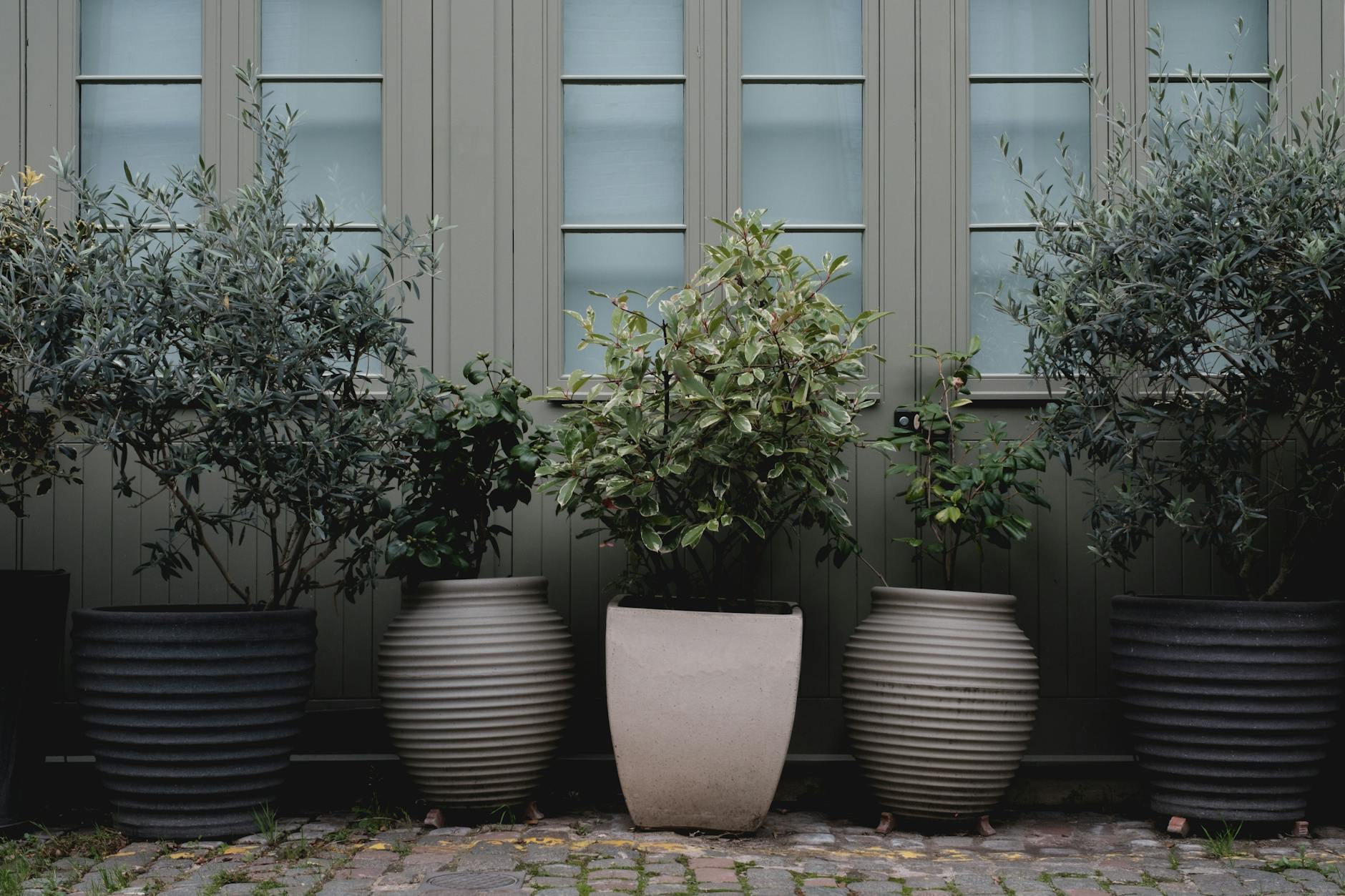
Olive trees are not as forgiving as Pothos or Snake Plants. They need at least six hours of direct sunlight daily and consistent watering where soil dries between waterings. They prefer lower humidity than tropical plants. If you are new to houseplants, an olive tree is a rewarding challenge but demands more attention than many beginner plants. The key is recreating a Mediterranean climate with bright sun, mild winters, and dry summers—this means choosing a bright location, selecting the right potting mix, and monitoring soil moisture closely.
Olive Tree vs. Pothos, Snake Plant, and ZZ Plant – What’s Different?
The key difference is light. Pothos thrives in indirect light, Snake Plant tolerates low light, and ZZ Plant ignores neglect. An olive tree needs full direct sun and will drop leaves without it. Watering tolerance also differs — olive trees are less forgiving of overwatering. Overwatering leads to yellow leaves, root rot, and rapid decline, while Pothos or ZZ can recover from soggy soil more easily. Olive trees are woody, slow-growing, and naturally tree-shaped, requiring pruning and shaping as part of care. They also benefit from lower humidity (around 40%), which is easier to achieve in most homes than the high humidity that tropical plants need.
How Much Space and Light Does an Olive Tree Really Need?
Place your olive tree in a south-facing window for maximum direct sunlight. East or west windows may work if the tree is directly in the light path—consider placing it on a table or stand to raise it closer to the window. A young tree can sit on a table or stand, but it will reach three to six feet within a few years — plan for space and consider a plant caddy for easy rotation. Rotate the plant weekly for even growth. Dwarf varieties like ‘Arbequina’ still need the same intense light. Supplement with a full-spectrum LED grow light if natural light is insufficient; place the light 6–12 inches above the tree and run it for 12–16 hours a day.
Can Olive Trees Really Thrive Indoors?
An olive tree can survive indoors, but thriving requires intentional care. The biggest challenge is light: a Mediterranean tree cannot thrive in a dim corner. Use a full-spectrum LED grow light 6–12 inches above the tree for 12–16 hours daily if you lack a south window. Additional challenges include air circulation, pest prevention, and managing humidity — olive trees prefer lower humidity (around 40%). With a consistent routine—water only when the top two inches of soil are dry, fertilize during the growing season, and prune lightly—an indoor olive tree can become a long-lived, attractive houseplant that brings a touch of the Mediterranean into your home.
Setting Realistic Expectations for Indoor Olive Trees (Growth Rate, Fruiting, Lifespan)
Indoor olive trees grow slowly — a few inches per year. Fruiting indoors is very unlikely because it requires full outdoor sun, a cool winter period (around 40–50°F for several weeks), and cross-pollination by wind or insects. With consistent care, an indoor olive tree can live five to ten years or more. Patience is key: the tree rewards you with elegant silvery-green foliage, not quick results. If you are looking for a low-maintenance plant, consider a Pothos instead; but if you enjoy a project, an olive tree offers a satisfying challenge.
The Right Pot, Soil, and Light for Healthy Olive Tree Care
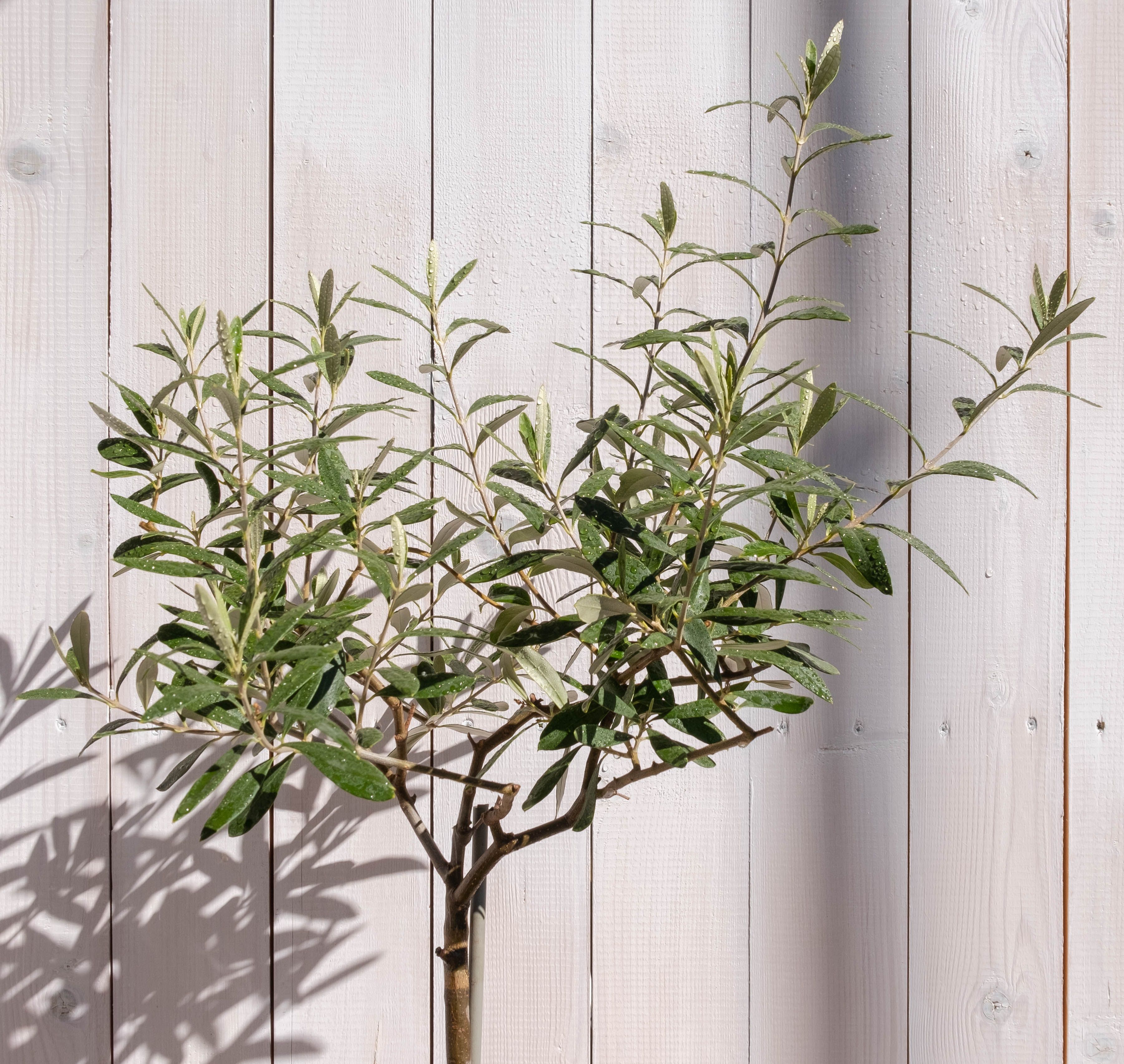
Getting the container, soil, and light right prevents most problems. These three elements form the foundation of successful olive tree care. Skipping any one of them will lead to stress and decline.
The Best Soil Mix for Potted Olive Trees (Recipe and pH)
Use well-draining soil. Mix one part standard potting soil, one part perlite or coarse sand, and one part small bark chips or pumice. This creates air pockets and prevents compaction. Ideal soil pH is 6–7. Avoid garden soil or heavy mixes. If using a commercial option, choose a cactus or succulent mix and add extra perlite. A simple test is to water the mix before planting: water should run out the bottom within a few seconds, not pool on the surface.
Choosing the Right Pot – Drainage, Size, and Material
Drainage holes are non‑negotiable. Choose a pot two to four inches wider than the root ball. Terracotta is ideal because it allows moisture evaporation; plastic pots retain more moisture, so adjust watering accordingly. Avoid pots that are too large — they hold excess moisture and cause root rot. Always empty the saucer after watering. If you use a glazed ceramic pot, add a layer of gravel at the bottom for extra drainage, but ensure there is still a drainage hole.
How to Give Your Olive Tree Enough Light Indoors
Place your tree in the brightest south-facing window and rotate it weekly. If natural light is insufficient, use a full-spectrum LED grow light on a timer for 12–16 hours daily. Signs of too little light include leggy growth (stems stretching toward the window), pale leaves, and leaf drop from lower branches. During winter, even a south window may not provide enough intensity, so a grow light becomes essential. Consider using a light meter app on your phone to measure foot-candles; olive trees need at least 2,000 foot-candles for several hours daily.
Watering, Feeding, and Seasonal Adjustments for Olive Tree Care
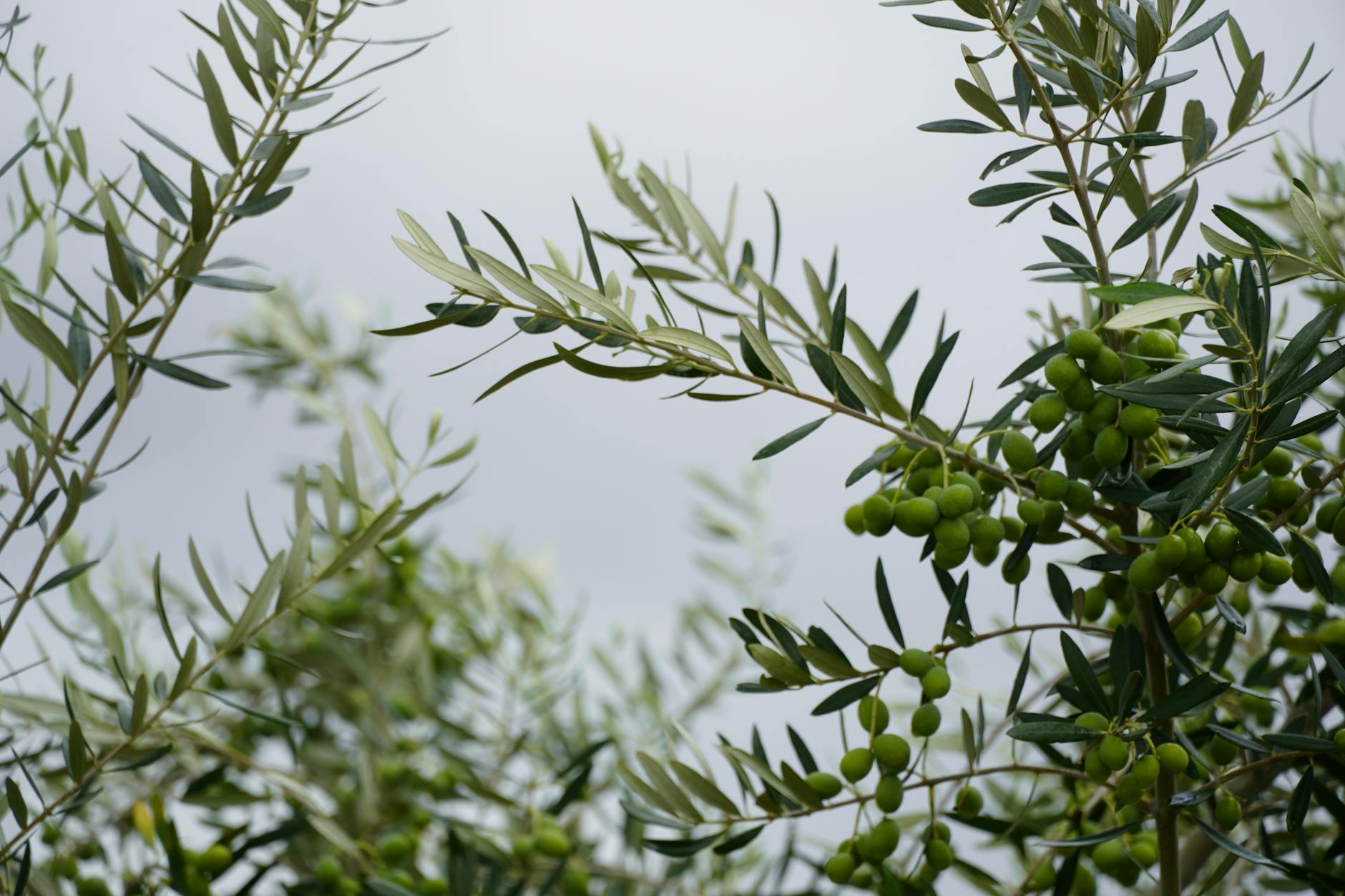
Consistency matters more than a schedule. Always check soil moisture before watering. Olive trees are drought-tolerant but in containers need regular attention. At the same time, they are susceptible to root rot if kept wet. A moisture meter can help beginners, but the finger test is reliable.
How Often to Water an Indoor Olive Tree (and How to Tell)
Stick your finger two inches into the soil. If dry, water thoroughly until water runs out of the drainage holes, then empty the saucer. In summer, this may be every five to seven days; in winter, every two to three weeks. Never water on a fixed schedule — always check first. It’s better to underwater slightly than overwater. If the leaves start to curl and the soil is dry, water immediately; if the leaves turn yellow and the soil feels damp, you are overwatering.
Fertilizing Your Olive Tree – When, What, and How Much
From early spring to late summer, apply a balanced liquid fertilizer (10-10-10 or 20-20-20) diluted to half strength every four to six weeks. Stop fertilizing in fall and winter. Over-fertilizing can burn roots. Always water the soil before applying liquid fertilizer. If you notice white crust on the soil surface, flush the pot with plain water to remove excess salts.
Seasonal Care Calendar – What to Do in Spring, Summer, Fall, and Winter
- Spring: Repot if needed (every 2–3 years), start fertilizing, increase watering, prune dead branches.
- Summer: Maintain watering and fertilizing; provide maximum light. If moving outdoors, acclimate gradually over a week by placing in shade first, then partial sun, then full sun.
- Fall: Reduce watering, stop fertilizing. Bring tree indoors before temperatures drop below 50°F (10°C).
- Winter: Water less (every 2–3 weeks), stop fertilizing, keep in brightest spot. Some leaf drop is normal. Avoid cold drafts and heating vents.
Troubleshooting Common Olive Tree Problems – Leaf Drop, Pests, and Yellowing
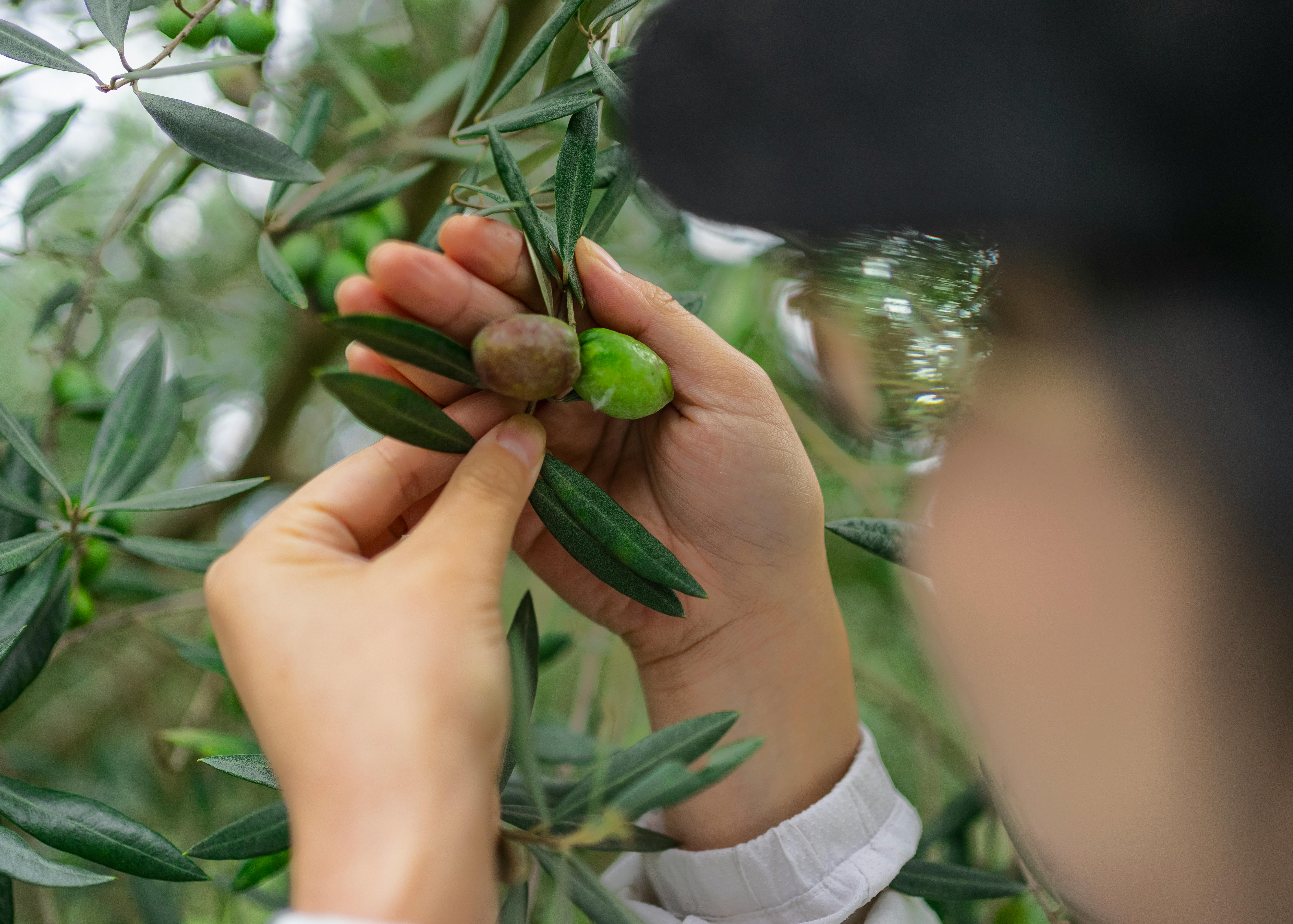
Most problems are easy to identify and fix once you know what to look for. Check your olive tree weekly for changes. Early detection saves stress for both you and the plant.
Why Isn’t My Olive Tree Growing?
Insufficient light is the most common cause. Move to a brighter spot or add a grow light. Root‑bound containers can also limit growth — repot into a pot two to four inches wider. Fertilize during the growing season. If the tree is old or stressed, it may simply be conserving energy. Also check that the pot is not too large, which can cause soggy soil and stunted growth.
Why Is My Olive Tree Dropping Leaves? (Common Causes and Fixes)
Leaf drop is often due to overwatering, underwatering, or low light. Check soil moisture and light levels first. Seasonal leaf drop in fall and winter is normal. If drop continues through spring and summer, adjust care. Temperature stress from drafts or heaters can also cause leaf drop—keep the tree away from air conditioning vents, radiators, and drafty windows.
Yellowing Leaves and Other Signs of Stress
Yellow leaves can result from overwatering (starting on lower leaves) or underwatering (starting at tips/edges). Nutrient deficiencies cause uniform yellowing of older leaves. If you fertilize regularly and light is adequate, check soil pH — outside 6–7, nutrients may be locked up. Address yellowing by first adjusting watering, then light, then fertilizer. If the leaves are pale yellow with green veins, consider an iron supplement.
Dealing with Pests – Scale, Spider Mites, and Aphids
Scale insects are the most common pest — small brown or white bumps on stems and leaves. Wipe with rubbing alcohol or use insecticidal soap. Spider mites leave fine webbing; increase humidity or wipe leaves with a damp cloth. Aphids appear on new growth; treat with strong water spray or insecticidal soap. Regular inspection is key—check the undersides of leaves and along stems every week. Isolate any new plants for two weeks before placing them near your olive tree.
Conclusion
Olive tree care indoors comes down to bright direct light, well-draining soil, careful watering, and seasonal adjustments. It is not the easiest houseplant, but many beginners succeed by starting with the right setup and paying attention to the tree’s signals. With patience and consistency—watering by feel, providing a grow light if needed, and inspecting for pests—your olive tree can become a striking, long-lived addition to your home. The silvery-green foliage and elegant form make it a conversation piece, and the challenge of keeping it healthy adds to the satisfaction.
FAQ
Why is my olive tree dropping leaves indoors?
Leaf drop indoors is usually caused by overwatering, underwatering, insufficient light, or seasonal changes. Check soil moisture and light first. Fall/winter drop of older leaves is normal. Heavy drop through spring/summer means adjust care. Also consider temperature fluctuations or drafts from windows, doors, or HVAC vents.
Are olive trees better in pots or ground?
In mild, frost‑free climates where winter temperatures stay above 20°F (-6°C), ground planting is better because the roots have more room and the tree can grow larger. In colder climates or indoor settings, pots are necessary. Potted trees need more attention to watering and repotting but allow winter protection indoors. For most indoor growers, a pot is the only option—choose one with good drainage and the right size.
Is an olive tree high maintenance?
Moderate maintenance. It needs more light than most houseplants but less humidity and less frequent watering than many tropicals. Use a grow light and water by feel. Not as demanding as a fiddle leaf fig (which drops leaves dramatically), but more hands-on than a snake plant. Expect to spend about 5 minutes per week on care, plus occasional repotting and pruning.
Can olive trees produce fruit indoors?
Very unlikely. Olive trees need full outdoor sun, a cool winter period (40–50°F for several weeks) to trigger blooming, and cross-pollination from wind or multiple trees. Indoors, most trees never produce fruit, and flowers usually drop. Enjoy it as an ornamental instead—the silvery leaves and graceful shape are rewarding on their own.
Did you find this post helpful?
A little support goes a long way in helping me create more free, in-depth content like this.