Annual Ryegrass, Perennial Ryegrass, or Winter Rye? Here's How to Choose
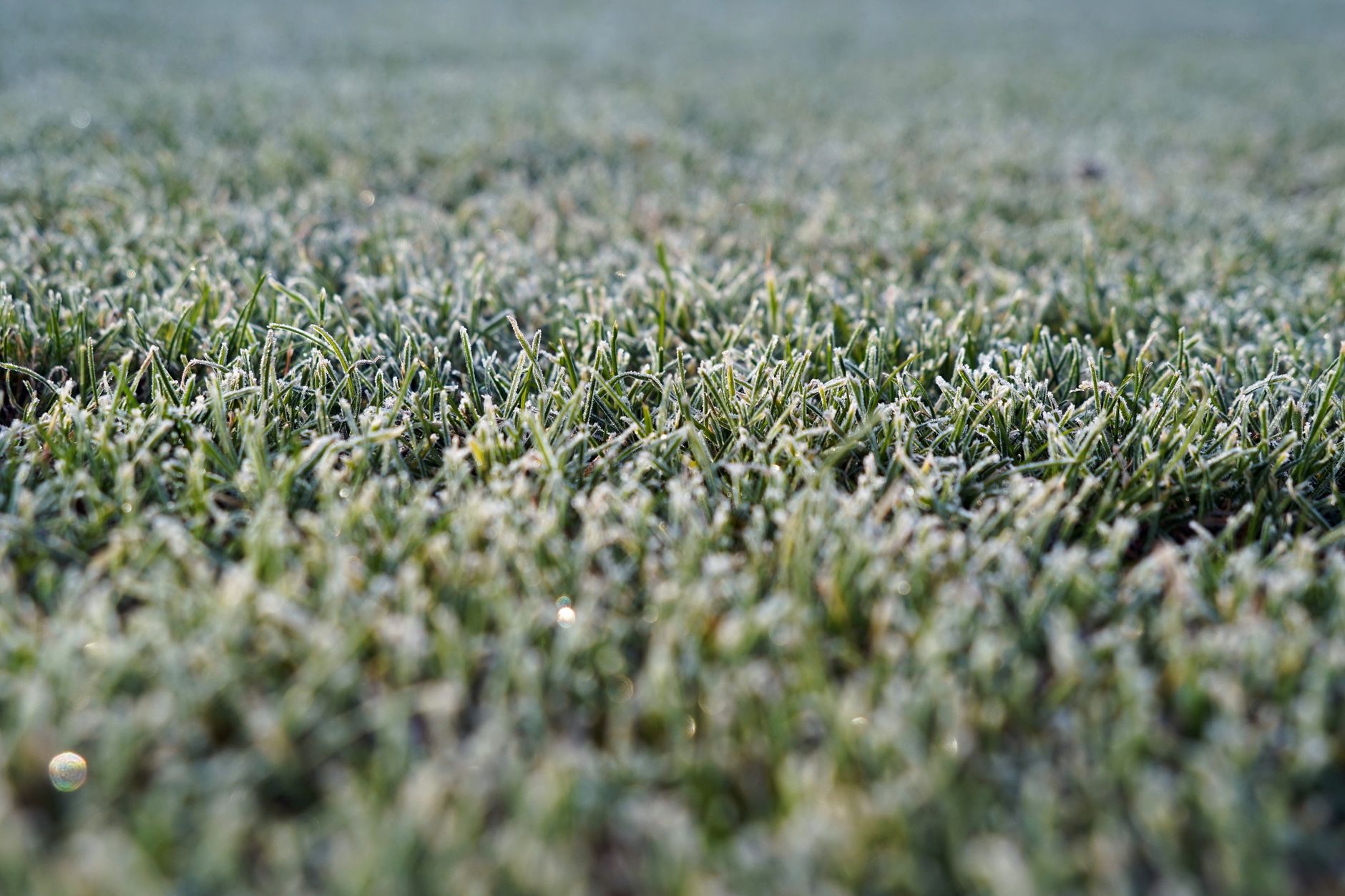
Many homeowners and gardeners face the same dilemma each fall: which winter grass to plant? The wrong choice leads to patchy lawns, invasive weeds, or poor cover crop performance. With the right seed, proper timing, and careful spring management, you can enjoy a lush green winter lawn or a highly productive cover crop without the headaches. This guide clarifies the differences among winter rye, annual ryegrass, and perennial ryegrass so you can make the best choice for your situation.
Key Takeaways
- Winter rye, annual ryegrass, and perennial ryegrass are different plants — Winter rye (Secale cereale) is a cereal grain cover crop. Annual ryegrass (Lolium multiflorum) provides temporary winter lawn color. Perennial ryegrass (Lolium perenne) forms permanent cool-season turf. Buying wrong seed leads to poor results.
- For a green winter lawn, use annual ryegrass — Germinates in 7–10 days, supplies winter color over dormant warm-season lawns, dies naturally in late spring. Do not buy “winter rye” for lawns.
- For a garden cover crop, plant winter rye — Builds soil, suppresses weeds, scavenges nitrogen. Grows 4–6 feet tall and must be terminated before seed set to prevent weeds.
- Spring transition requires right timing — Gradually scalp ryegrass lower each week, stop watering early spring, let warm-season grass emerge. Overwatering during transition causes bare spots.
- Three common mistakes — Letting annual ryegrass go to seed (becomes invasive), planting too late in fall, confusing “winter rye” with ryegrass at the garden center.
- Check the botanical name on the seed bag — Common names are often misused; Secale means cereal rye, Lolium means ryegrass.
Winter Rye, Annual Ryegrass, or Perennial Ryegrass – Which Is Right for You?

- Winter rye: Secale cereale — grain cover crop for soil building, not lawns. Grows tall, needs spring termination. Excellent biomass and weed suppression.
- Annual ryegrass: Lolium multiflorum — temporary winter lawn color, dies naturally in late spring. Fine-textured, fast-establishing, and affordable. Ideal for overseeding Bermuda or Zoysia.
- Perennial ryegrass: Lolium perenne — permanent cool-season turf for zones 3–7, often blended with bluegrass and fescues. Provides wear tolerance and quick germination.
All look similar at seedling stage. Read the botanical name—common names are often misused, causing disastrous purchases. Remember: if the bag says Secale, keep it out of your lawn; if it says Lolium, it’s safe for turf.
Understanding the Difference: Botanically Distinct Plants with Different Uses
Winter rye is a cereal grain; ryegrasses are Lolium species. Winter rye forms broad, waxy leaves reaching 4–6 feet tall and has hollow stems. Annual ryegrass has narrow, bright green leaves and mows at 1–2 inches. Perennial ryegrass is perennial in cool climates with deeper roots and better wear tolerance, and its stems are solid. Planting winter rye on a lawn gives tall, wiry clumps that never form uniform turf. Using annual ryegrass as a cover crop produces less biomass and poorer erosion control than winter rye. Understanding these differences prevents costly mistakes and ensures the plant performs as expected.
How Each Type Performs in Winter
| Feature | Winter Rye (Cereal Rye) | Annual Ryegrass | Perennial Ryegrass |
|---|---|---|---|
| Best use | Cover crop, green manure | Temporary winter lawn | Permanent cool-season turf |
| Germination speed | 7–10 days | 7–10 days | 5–7 days |
| Winter hardiness (zones) | 3–9 | 6–9 | 3–7 |
| Spring die-off | Terminated by you | Dies naturally in warm climates | Survives cool summers, dies in hot |
| Mowing needs | Not mowed | 1–2 inches | 2–3 inches |
| Risk of becoming a weed | Low if terminated before seed | High if allowed to reseed | Low |
Annual ryegrass dies when temperatures exceed 85°F. Perennial ryegrass may survive summer in northern zones but thins in transition zones after one or two summers. Winter rye requires active termination to prevent reseeding and competition with summer crops.
Which Seed Should You Actually Buy?
- For a green winter lawn over dormant Bermuda or Zoysia: buy annual ryegrass. Avoid “winter rye.” Look for varieties such as Gulf, Marshall, or Tetraploid.
- For a cover crop: buy winter rye (Secale cereale). Cereal rye produces 3–5 times more biomass than annual ryegrass and scavenges nitrogen more effectively.
- For a permanent lawn in cool climates: buy perennial ryegrass, often in blends with fine fescues or Kentucky bluegrass. Choose endophyte-enhanced varieties for improved pest resistance.
Check Latin name—bags labeled “winter grass” may contain cereal rye. If it says Secale, keep it out of your lawn.
How to Plant Ryegrass for Winter: Step-by-Step Guide for Lawns and Cover Crops

Overseeding a Warm-Season Lawn for Winter Color
- Scalp to ½–1 inch, bag clippings. This removes debris and allows seed to reach soil.
- Dethatch if thatch >½ inch. Thatch blocks seed-to-soil contact and reduces germination.
- Aerate if compacted (core preferred). Aeration improves root penetration for both new and existing grass.
- Spread seed: 15–20 lbs/1000 sq ft (annual ryegrass), 10–15 (perennial). Use drop spreader; don’t exceed rates to avoid disease and thatch.
- Rake or topdress to cover ¼ inch; don’t bury deeper than ½ inch. Light raking ensures contact without smothering.
- Water consistently until germination (7–10 days), then every 2–3 days with ¼–½ inch. Keep soil moist but not soggy.
Best planting dates: 4–6 weeks before first frost. Texas: late Sept–Oct. Arizona/California: Oct–Nov. Transition: early–mid Sept. North: late Aug–early Sept. Planting too early risks heat stress; too late risks poor root development.
Planting Winter Rye as a Cover Crop in Garden Beds
Remove crop debris, till or rake. Broadcast at 1–2 lbs/1000 sq ft (half if mixing with legumes like hairy vetch). Rake to cover ¼–½ inch. Water if fall rains are insufficient. Plant 2–4 weeks before first frost. For easier termination, use lower rate (1 lb/1000 sq ft); mow or crimp at flowering before seed set. Rye can be drilled for better stands, but broadcasting works well if raked in.
When to Plant by Region: A Simple Climate-Based Calendar
- Zones 8–10: annual ryegrass Sept–Nov, winter rye Oct–Nov. Warm winters allow late planting.
- Zones 6–7: annual/perennial ryegrass early Sept–mid Oct, winter rye Sept. Soil cooling quickly; plant early.
- Zones 3–5: perennial ryegrass for permanent lawn; annual ryegrass for winter (short season); winter rye cover crop Aug–Sept. Early frost risk means narrow planting window.
Caring for Your Winter Ryegrass: Watering, Mowing, and Fertilizing Through the Cold Months

Watering Needs: Less Than You Think
Water ¼–½ inch every 7–14 days. Overwatering causes thatch and fungal disease. For cover crops, rely on natural rainfall; in mild winters, water every 2–3 weeks if needed. Established ryegrass is surprisingly drought-tolerant once rooted. Reduce watering further in late winter to prepare for spring transition.
Mowing Guidelines
Mow annual at 1–2 inches, perennial at 2–3 inches. During rapid growth, mow every 5–10 days; never cut more than one-third of blade length. For spring transition, lower height ¼ inch per mowing until ½ inch. Winter rye cover crops are not mowed unless preventing seed heads; mow at 6–8 inches if needed to manage height. Keeping ryegrass at proper height reduces disease and promotes density.
Fertilizing for Best Color and Density
Apply ½ lb N/1000 sq ft at planting; optional ¼ lb N in December for color. Too much nitrogen increases disease risk. Use slow-release formulations for lawns. Cover crops generally don’t need fertilizing, especially if following a vegetable crop. Over-fertilizing annual ryegrass also delays spring die-off.
Spring Transition: How to Kill Winter Ryegrass and Bring Back Your Summer Lawn

Spring Transition Timeline
- Late winter: stop fertilizing, reduce watering to every 2–3 weeks.
- Early spring: lower mowing height gradually to ½ inch, then scalp to ¼ inch. Stop watering completely.
- Signs warm-season grass is ready: small green shoots, soil temp above 65°F at 2-inch depth.
- Common mistakes: waiting too long (delays Bermuda recovery), overwatering (thatch and rot), early nitrogen application (feeds ryegrass instead of summer grass).
For Lawn Overseeders: Gradually Weaning Off and Scalping
- Stop fertilizing by February; stop watering when night temps stay above 50°F.
- Mow lower each week from 1.5 inches down to ¼ inch over 3–4 weeks. This stresses ryegrass and encourages warm-season growth.
- Dethatch if dead ryegrass is thick (more than ½ inch). Heavy residue can smother emerging grass.
- Overseed bare spots if needed; Bermuda seed needs consistent moisture 2–3 weeks; Zoysia may need sprigging or plugging for best fill.
For Cover Crop Users: Termination Options
Terminate winter rye at early flowering before seed set. Options:
- Tilling: Till 2–3 weeks before planting, incorporate 4–6 inches; let residue decompose 2 weeks. Best for small gardens.
- Crimping: For no-till, crimp at flowering (30–48 inches); wait 2–3 weeks before planting. Requires a roller-crimper.
- Mowing: Mow low (3–4 inches) and till or mulch; mowing alone rarely kills. Follow up with shallow tillage.
- Herbicide: Glyphosate at flowering, wait 7–10 days before planting. Effective but may require surfactant.
Rye can reach 4–6 feet if not terminated early. High C:N ratio ties up nitrogen for 2–4 weeks; plant nitrogen-demanding crops 2–3 weeks after termination or add 20–30 lbs N/acre.
What Not to Do: Common Mistakes
- Letting annual ryegrass go to seed: mow before seed heads form (late April–May in most areas).
- Waiting too long to start transition: start at 65°F; each week late delays recovery up to two weeks.
- Overwatering: let soil dry; water only if grass wilts. Wet soil promotes disease and slows warm‑season growth.
- Failing to dethatch: thick dead residue can smother emerging grass and prevent soil warming.
- Assuming perennial ryegrass dies in transition zones: it may survive and compete with warm-season grass, requiring spot treatment.
Ryegrass for Winter: Common Problems, Myths, and What to Do When Things Go Wrong

Is Winter Ryegrass Worth It for Homeowners?
Cost is low ($10–20/1000 sq ft). Pros: green winter lawn, erosion control, weed suppression. Cons: spring transition mess, weekly mowing, disease risk in wet winters. Worth it if you value winter color and can manage transition properly. Skip if you prefer a dormant natural lawn or have limited spring time for scalping and dethatching.
Why Your Winter Ryegrass Isn’t Growing
Common causes: poor seed-to-soil contact, seed too deep (>½ inch), cold snap after germination, poor drainage, birds eating seed, insufficient watering. Solution: dethatch, rake to expose soil, cover with thin topdressing, plant early (4–6 weeks before frost), use bird netting or straw mulch. If germination fails after 14 days, reseed if soil temp above 50°F.
Does Winter Rye Attract Pests?
Cover crops can host voles and slugs; mow edges to reduce habitat. Lawn ryegrass is not especially pest-prone. Armyworms may feed in early spring; monitor and treat if damage exceeds 20% of leaf area. Late-planted ryegrass (after October in warm zones) attracts fewer pests because insect activity declines.
Debunking Myths
- Annual ryegrass is not invasive if mowed before seed set; it dies naturally and does not spread aggressively. It does not come back unless it reseeds.
- Perennial ryegrass returns only in zones 3–7 and may thin after hot summers.
- Plant 4–6 weeks before first frost when soil temp is 50–65°F for best germination.
- Winter rye is not ryegrass—they are different species in different genera. Confusing them leads to lawn disasters.
Conclusion
Choose annual ryegrass for a winter lawn, perennial ryegrass for a permanent cool-season lawn, and winter rye for a cover crop. Proper timing, seeding techniques, and spring transition are essential for success. Always read the seed label and check the botanical name to avoid costly mistakes. With careful planning, you can enjoy a green winter and a healthy summer lawn or productive garden soil.
FAQ
When should I plant ryegrass for winter?
Plant annual ryegrass 4–6 weeks before first frost: warm climates Oct–Nov, transition Sept–Oct, cool Aug–Sept. Winter rye can be planted up to 2 weeks after first frost but before ground freezes. Soil temperature 50–65°F ideal for both. Planting later than recommended risks poor root development and winter kill in colder zones.
Will winter rye come back every year?
No. Winter rye and annual ryegrass die after one season. Perennial ryegrass returns only in zones 3–7; it may thin in transition zones after a hot summer. Winter rye must be replanted yearly if used as a cover crop. All three require annual reseeding for a reliable winter stand.
Can I just throw rye grass seed down for winter?
Results are patchy and often disappointing. Rake to expose soil, scatter seed, and cover lightly with topdressing or a thin layer of mulch. Broadcasting without soil contact wastes seed and leads to bare areas. Best results come from proper seedbed preparation: scalp, dethatch, aerate, seed, rake. For small areas, hand broadcasting and raking works if soil is exposed and kept moist.
What is the difference between winter rye and ryegrass?
Winter rye (Secale cereale) is a cereal grain cover crop with broad, waxy leaves growing 4–6 feet tall and hollow stems. Ryegrass (Lolium species) are lawn grasses with narrow leaves under 2 feet and solid stems. Winter rye tolerates colder soils and produces more biomass. Check botanical names to avoid wrong purchases—common names are frequently swapped at garden centers.
Did you find this post helpful?
A little support goes a long way in helping me create more free, in-depth content like this.