How to Install Landscape Fabric: A Complete Step-by-Step Guide
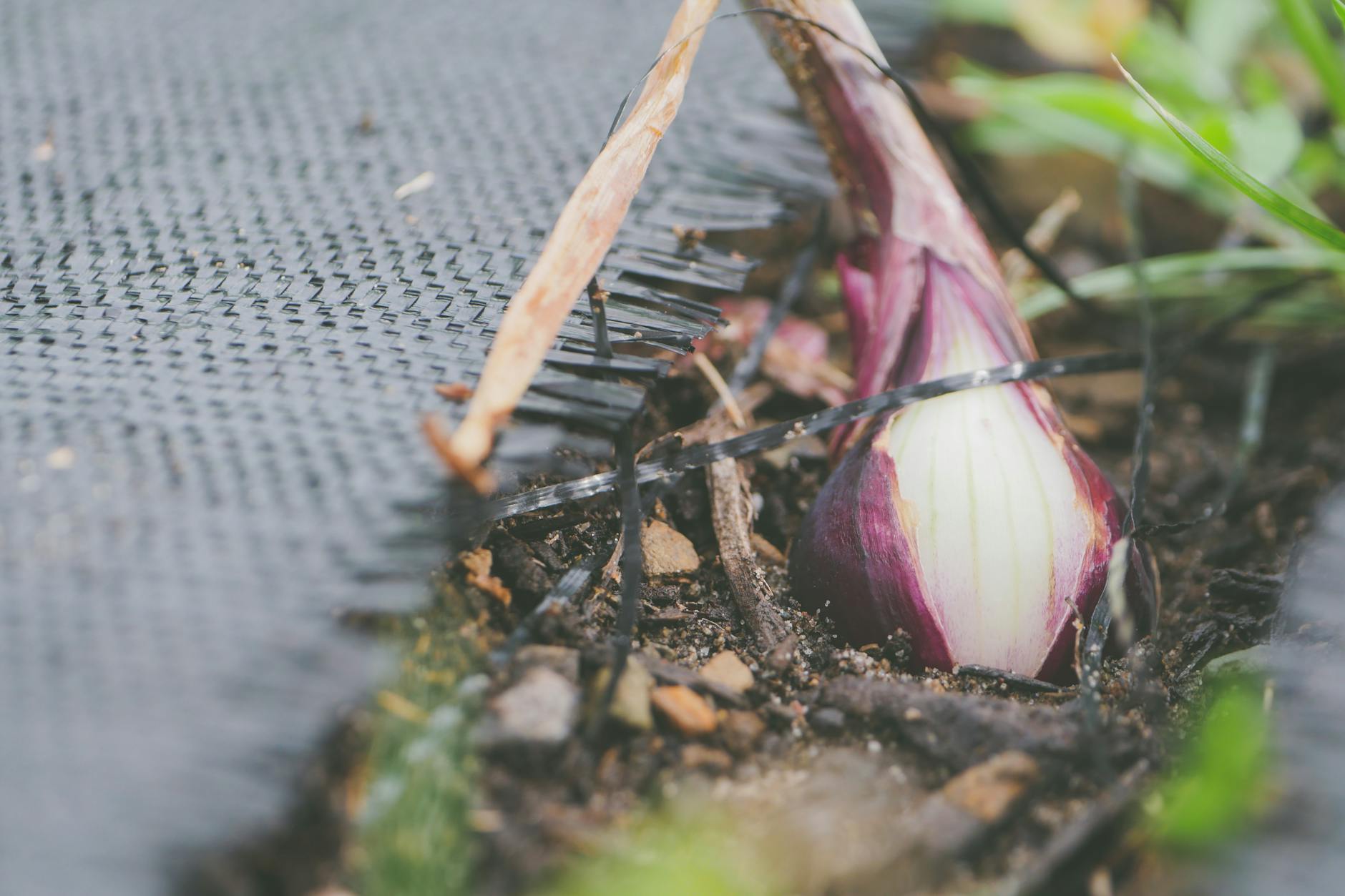
Landscape fabric is not a permanent weed solution, but when installed correctly it saves hours of maintenance. This guide covers every step from soil preparation to final edging, including where fabric works best, where it does not, and how to avoid common mistakes.
Key Takeaways
-
Soil preparation determines success: Remove all weeds, roots, and debris before laying fabric. Fabric suppresses new weeds but will not kill existing ones, and missed roots will push through within months.
-
Choose the right fabric for your project: Woven fabric works best for gravel paths and high-traffic areas, while non-woven fabric suits mulched flower beds. Use at least 6-ounce fabric for permanent installations and heavier grades for slopes.
-
Install with overlapping seams and plenty of staples: Overlap fabric edges by 6 to 8 inches and staple every 12 to 18 inches. On slopes, increase overlap to 12 inches and staple every 8 to 12 inches for a secure hold.
-
Cover fabric completely with mulch or gravel: Landscape fabric must be covered with 2 to 3 inches of mulch or 3 to 4 inches of gravel to prevent UV damage that causes the material to break down within a year or two.
-
Expect to maintain and eventually replace the fabric: Landscape fabric lasts 3 to 5 years before degrading. Annual inspection, prompt repairs, and refreshing the mulch layer keep it functional longer, but replacement is eventually necessary.
Getting Started: Preparing the Soil Before Installing Landscape Fabric
The success of landscape fabric depends on what you do before unrolling it. Skipping soil preparation guarantees weeds pushing through within months.
Clearing Weeds and Debris Thoroughly First
Landscape fabric is a weed suppressant, not a weed killer. Laying fabric over living weeds causes rotting organic matter, attracts pests, and allows aggressive perennials like bindweed or nutsedge to pierce the fabric within weeks. Remove every visible weed and root. For small beds, dig with a sharp hoe or garden fork, extracting the entire root system. For dense patches of perennial weeds, apply a non-selective herbicide containing glyphosate and wait for complete die-off, typically 10 to 14 days. After removal, clear all rocks, sticks, and buried debris — any lump under the fabric creates a weak point where weeds may emerge and where water can pool.
Leveling and Tilling the Soil for a Smooth Base
Rake the soil to a relatively flat surface that slopes gently away from structures, about 1/4 inch per foot, to prevent water pooling. Standing water under fabric breeds mosquitoes and can rot plant roots. Remove any rocks or roots larger than a golf ball that could puncture the fabric or create uneven spots. Tilling the soil 4 to 6 inches deep helps locate buried debris and creates a loose, workable bed that encourages deep root growth. After tilling, smooth the surface with a rake and lightly tamp it down so the fabric lays flat without air pockets.
Install Irrigation, Soil Amendments, and Optional Underlayment
Once the fabric is down, you cannot easily add compost, fertilizer, or drip irrigation. Spread a 1-inch layer of well-rotted compost over the soil if needed to improve fertility. Place drip tubing directly on the soil or bury it just shallowly under the fabric. If you bury it, mark the lines with flags so you know where to cut openings later. Avoid using cardboard as an underlayment — it decomposes unevenly and is unnecessary if your soil is well-prepped.
Choosing the Right Landscape Fabric
Not all fabric is the same. Picking the wrong type leads to poor drainage, premature failure, or wasted money.
Woven vs Non-Woven Landscape Fabric
Woven fabric consists of polypropylene fibers woven into a strong, durable sheet. It is moderately permeable and resists tearing — ideal for gravel paths, under decks, and high-traffic areas. Non-woven fabric is made by bonding fibers into a felt-like sheet. It has higher permeability and conforms easily to curves, making it better for mulched flower beds. However, non-woven fabric is less durable under heavy loads like stone. For most home projects, use woven for paths and rock features, and non-woven for decorative beds with mulch.
What Fabric Weight Should You Choose?
Weight is measured in ounces per square yard. A 3-ounce fabric works for very temporary applications, such as a season of weed control under annuals. A 6-ounce fabric is the minimum for most permanent installations, including walkways and mulched borders. For gravel paths, driveways, or areas with heavy, sharp stone, choose 6 ounces or heavier — some commercial grades go up to 10 ounces. Heavier fabrics cost more initially but last significantly longer.
Best Landscape Fabric for Gravel, Mulch, and Slopes
- Gravel paths and driveways: Heavy-duty woven, at least 6 ounces.
- Mulched flower beds: Medium-weight non-woven (4 to 6 ounces).
- Slopes and hillsides: Heavy-duty woven with high tensile strength, plus extra staples (8 to 12 inches apart).
- Under raised beds or temporary plantings: Lightweight woven or non-woven (3 to 4 ounces) if you plan to remove it within a year or two.
- Around trees and shrubs: Non-woven to allow water and air to reach roots, with generous clearance around trunks.
How to Properly Install Landscape Fabric Step by Step
Follow these steps in order. Rushed installation leads to wrinkles, exposed edges, and premature failure.
Step 1: Prepare the Area
Clear all weeds, roots, and debris as described above. Level and grade the soil. Install any drip irrigation or soil amendments now. If the area is large, consider marking plant locations with stakes or flags before laying fabric.
Step 2: Roll Out the Fabric
Start at one end and unroll across the longest dimension to minimize seams. Unroll a few feet at a time, smoothing by hand. Pull it taut so there are no wrinkles, but do not stretch to the point of tearing. If the fabric has a shiny side and a rough side, install the rough side facing the soil — this helps grip the ground on slopes.
Step 3: Overlap Seams
Overlap edges by at least 6 inches — 8 inches is safer on uneven ground. On slopes, increase overlap to 12 inches. Wider overlaps prevent weeds from sneaking through the seam and reduce the chance of separation under stress.
Step 4: Secure with Staples
Use galvanized or stainless steel staples at least 6 inches long. Place staples every 12 to 18 inches along seams and the perimeter. On slopes or in windy locations, reduce spacing to every 8 to 12 inches. Push staples flush with the fabric. In sandy or loose soil, use longer staples (8 to 10 inches).
Step 5: Cut Openings for Plants
For established plants, cut an X or a small circle over the root ball. Keep openings as small as possible — 6 inches in diameter for shrubs, a 2-inch slit for drip emitters. Every opening is a potential weed entry point. For seeds or small transplants, install fabric first, then cut openings as you plant.
Step 6: Add Mulch or Gravel
Landscape fabric must be covered. UV rays degrade the material rapidly if exposed — unprotected fabric can become brittle and fail within a year. Spread 2 to 3 inches of mulch or 3 to 4 inches of gravel completely over the fabric, covering all seams and edges. For gravel paths, use angular stone that locks together, rather than smooth pebbles that shift and expose edges.
Installing Landscape Fabric in Tricky Spots: Slopes, Gravel, and Around Plants
How to Install Landscape Fabric on a Slope
Start at the bottom and work upward. Lay the fabric horizontally, overlapping the uphill piece over the downhill edge (shingle-style) so water runs over the seam rather than under it. Staple every 6 to 8 inches along the uphill edge. Use heavy-duty woven fabric (6 ounces or more). Consider adding landscape edging at the top and bottom to hold everything in place.
How to Install Landscape Fabric Under Gravel or Stone
Heavy-duty woven fabric is essential — stone edges can puncture lighter materials. After laying the fabric, fold edges up along borders to prevent gravel migration. Secure folded edges with extra staples. Metal or plastic landscape edging is recommended over wood. For large areas, consider a geo-textile separator underneath to stabilize the base.
Installing Around Existing Plants, Shrubs, and Trees
Cut a slit from the edge of the fabric to the plant’s base, then cut a small circle around the trunk. Leave a few inches of bare soil around the trunk to prevent rot and allow natural expansion. Do not bunch fabric against the trunk. Cover the gap with mulch, but keep mulch a few inches away from the trunk.
Common Landscape Fabric Installation Mistakes and How to Avoid Them
Not Removing Weeds or Roots Before Installing Fabric
Weeds left under fabric will rot and attract pests. Aggressive weeds like nutsedge can pierce fabric within weeks. Always remove all vegetation and roots before installation.
Using Landscape Fabric in the Wrong Areas
Landscape fabric is not suitable for vegetable gardens (tilling destroys it), perennial beds you frequently divide, or areas where you need to add soil amendments regularly. Avoid using it under thin turf — it will kill the grass and create a water barrier. Use fabric in gravel paths, rock gardens, under decks, around foundation plantings, and in areas where you want long-term weed suppression without digging.
Ignoring Drainage and Permeability Concerns
Fabric permeability decreases over time as organic matter accumulates. Use non-woven fabric where drainage is critical — such as in rain gardens or low spots. Refresh mulch annually to restore permeability. Avoid placing fabric over compacted clay soil covered with rubber mulch — water may run off rather than soak in.
Why Landscape Fabric Remains Controversial
Landscape fabric prevents natural soil improvement by blocking organic matter from mixing into the earth. Beneficial earthworms and soil microbes are restricted. When the fabric degrades, it must be removed piece by piece — it cannot be tilled in. Fabric works best in permanent, low-maintenance areas like gravel paths and rock features. In flower beds or vegetable gardens, a thick layer of organic mulch (3 to 4 inches) combined with regular hand weeding is often a more sustainable choice.
Long-Term Maintenance: Keeping Landscape Fabric Effective Over Time
Inspecting, Repairing, and Replacing Landscape Fabric
Landscape fabric requires occasional attention to stay effective. Inspect the entire area annually in spring. Look for tears from animal digging, tool damage, or UV exposure. Patch small tears with landscape fabric tape; cut out and replace large damaged sections with overlapping seams and extra staples.
Woven fabric typically lasts 3 to 5 years, though high-quality heavy-duty grades can last up to 10 years. Signs it’s time to replace include: poor drainage (water pools on top), exposed fabric that feels brittle and tears easily, weeds growing through the fabric itself, or a visible accumulation of organic matter on top. When replacing, pull back the cover, cut the old fabric into strips with a utility knife, and dispose of it in the trash — do not till it into the soil.
Why Weeds Still Grow Despite Landscape Fabric
Weeds often grow on top of landscape fabric when organic matter accumulates. Dust, leaves, and decomposing mulch form a thin layer of soil where weed seeds germinate. To combat this, periodically rinse off debris with a garden hose and refresh the cover layer. For gravel paths, a leaf blower helps keep the surface clean. For mulched beds, add a fresh 1-inch layer of mulch every year.
Conclusion
Landscape fabric is not a miracle product. It will not eliminate all weeds permanently, and it comes with trade-offs for soil health and long-term maintenance. However, for pathways, rock landscaping, and permanent mulched beds, it can save significant time when installed correctly. Focus on thorough soil preparation, choose the right fabric for your application, overlap seams generously, staple thoroughly, cover completely, and inspect annually. With proper installation and care, landscape fabric can provide several years of effective weed suppression.
FAQ
What is the best overlap for landscape fabric?
6 to 8 inches is standard for most flat areas. Use 8 inches or wider on slopes or under heavy weed pressure.
How far apart should landscape fabric staples be?
Place staples 12 to 18 inches apart along seams and edges. On slopes or in windy areas, reduce spacing to 8 to 12 inches.
Can water drain through landscape fabric?
Yes, landscape fabric is designed to be permeable. Non-woven fabric allows higher drainage than woven. Permeability decreases over time as organic matter accumulates, so periodic refreshing of the cover layer is important.
Should landscape fabric go under mulch or gravel?
Yes, always cover it. Both work, but gravel provides longer-term performance because it does not decompose and clog the fabric. Mulch decomposes over time, requiring annual refreshment to maintain UV protection and drainage.
Did you find this post helpful?
A little support goes a long way in helping me create more free, in-depth content like this.