Ohio Native Plants: What to Grow and How to Replace Part of Your Lawn
You have probably seen the term “native plants” popping up more often in gardening circles. This article covers what makes a plant truly native to Ohio, which species suit different garden situations, how to replace part of your lawn step by step, and where to buy plants you can trust. By making even a small shift toward natives, you can support local ecosystems while reducing your yard work over time.
Key Takeaways
- Ohio native means local ecotype: A plant is truly native to Ohio only if it grew in the state before European settlement. Look for Ohio ecotype or Midwest origin at nurseries rather than settling for generic “native to North America” labels.
- Even small gardens support local wildlife: A converted section of lawn, a cluster of containers on a porch, or a border along a fence provides meaningful habitat for pollinators and birds, especially in fragmented urban and suburban areas.
- Native plants are easier once established: Most Ohio native perennials need less water, fertilizer, and pest control than lawn grass or non-native ornamentals because they evolved to handle the state’s climate, soils, and seasonal patterns.
- Start with a methodical lawn transition: Remove invasive ornamentals first, match plants to your existing soil instead of amending it, group species in drifts for visual impact, and plant in spring or fall for the best establishment results.
What Are Ohio Native Plants and Why Do They Matter?
The term “native” gets thrown around loosely. Some retailers label any plant that originated in North America as native, while others use the word for cultivars that barely resemble the original species. For Ohio gardeners, the difference matters greatly because local pollinators have co-evolved with specific plant genetics over millennia.
Defining “Native” for Ohio Gardens
A plant is considered native to Ohio if it grew in the state before European settlement, without human introduction. That means it evolved alongside Ohio’s climate, soils, pollinators, and wildlife over thousands of years. When shopping, look for sources that specify Ohio ecotype or at least Midwest origin. A plant labeled “native to North America” may still be a good addition, but it is not necessarily the best for local pollinators that co-evolved with specific local species. Genetic provenance matters: a purple coneflower from Kansas may bloom on a different schedule than one from Ohio, potentially missing the peak activity of Ohio’s native bees.
Top Ecological Benefits for Pollinators and Birds
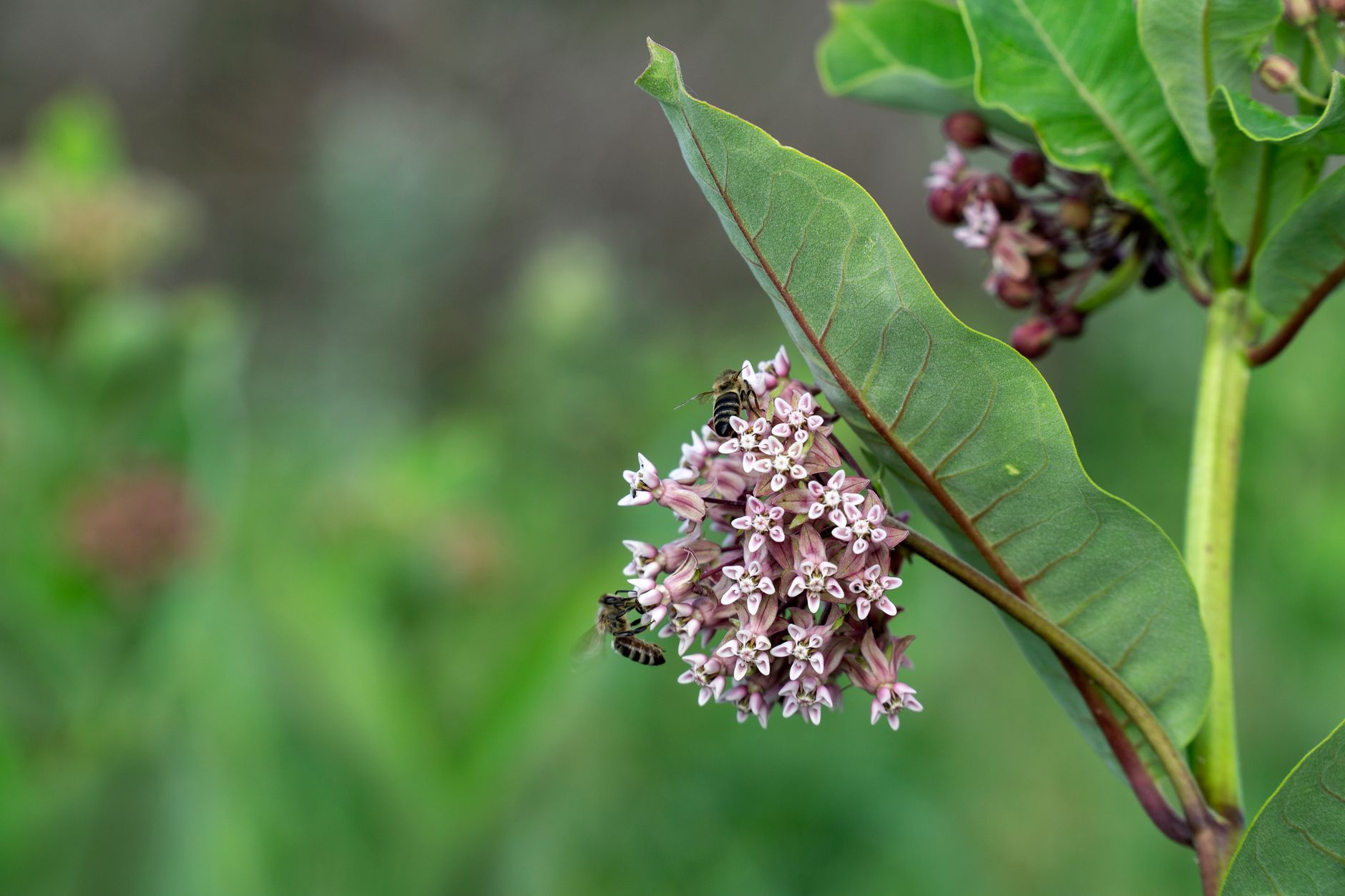
Insects and birds depend on specific host plants for survival. Monarch caterpillars can only eat milkweed. Many native bees rely on particular native flowers whose bloom times align with their life cycles. Non-native ornamentals often provide nectar but lack the right leaf chemistry for caterpillars. Native oaks support over 500 species of caterpillars, while non-native trees support virtually none. Even a small native garden can provide meaningful habitat in fragmented urban and suburban areas. For example, a 10x10 foot bed of goldenrod, asters, and milkweed can host dozens of butterfly and bee species throughout the growing season.
Why Native Plants Are Actually Easier to Maintain
Once established, most native species require less water, fertilizer, and pest control than lawn grass or non-native ornamentals. They evolved to handle Ohio’s climate, including summer droughts and cold winters. Young plants need watering during their first growing season, but long-term maintenance is lower. Deep root systems — some reaching 6–15 feet — allow natives to access moisture deep in the soil, reducing the need for supplemental irrigation. Native plants can be arranged in structured beds with defined edges; they need not look messy. With proper selection and design, a native garden can be as tidy as any traditional flower border.
The Best Ohio Native Plants for Every Garden Situation
Ohio spans USDA hardiness zones 5b through 6b. The following categories are organized by light and space requirements. These selections are proven performers in Ohio conditions.
Sun-Loving Native Plants for Ohio Yards
Full sun areas — six or more hours of direct light — are ideal for many native perennials. Mixing early, mid, and late bloomers ensures continuous food for pollinators.
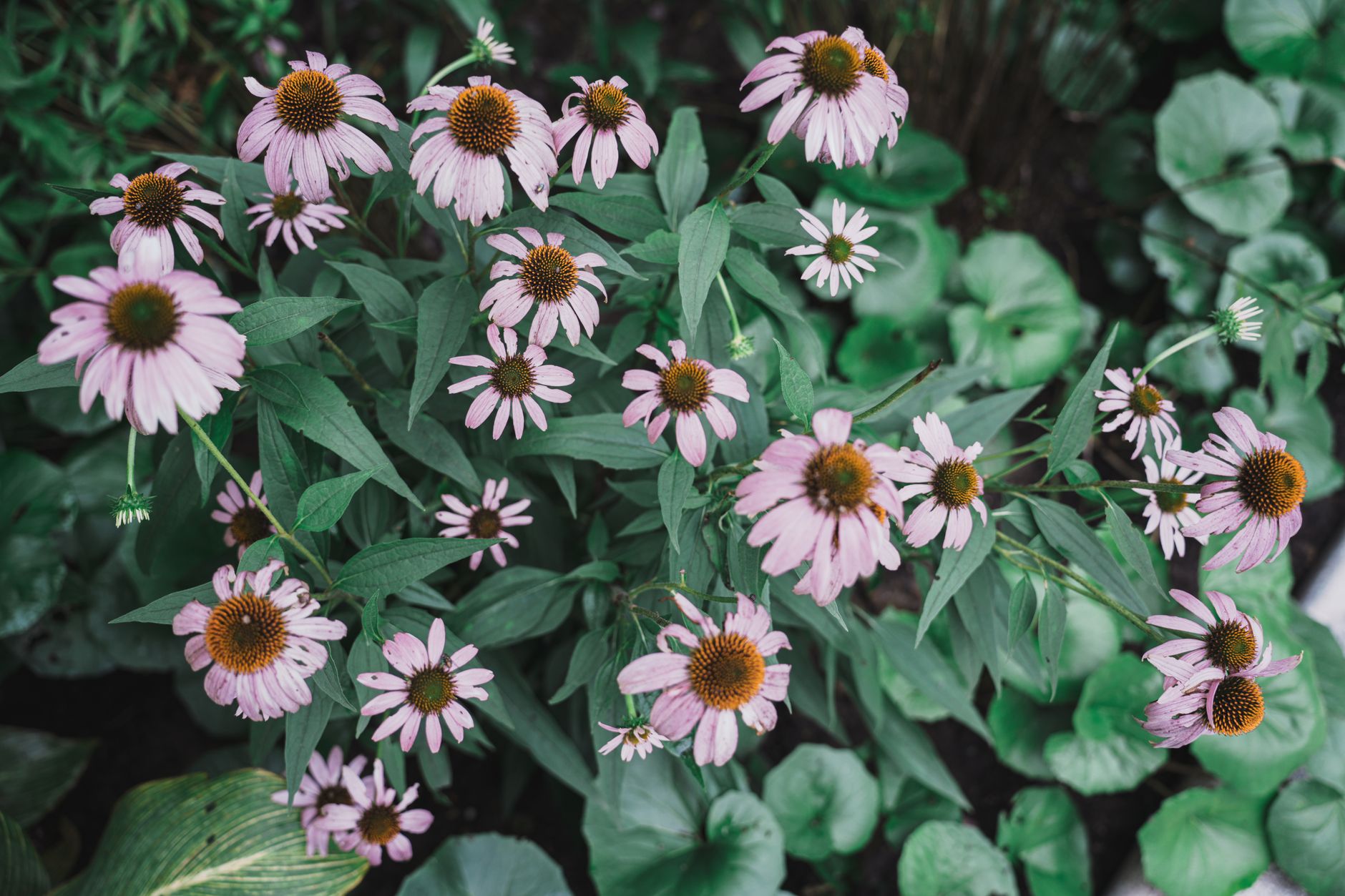
Purple coneflower (Echinacea purpurea) blooms from midsummer through early fall, tolerates drought once established, and produces seed heads that goldfinches eat in winter. It reaches 2–4 feet tall and pairs well with shorter grasses.
Butterfly milkweed (Asclepias tuberosa) is essential for monarchs. It grows in dry, well-drained soil, produces bright orange flowers, and does not spread aggressively by rhizomes — a good choice for tidy beds. It blooms in early to midsummer.
Bee balm (Monarda fistulosa) produces pink flower clusters that bees and hummingbirds love. It spreads by rhizomes and may need dividing every few years. It offers a long bloom period from July to September.
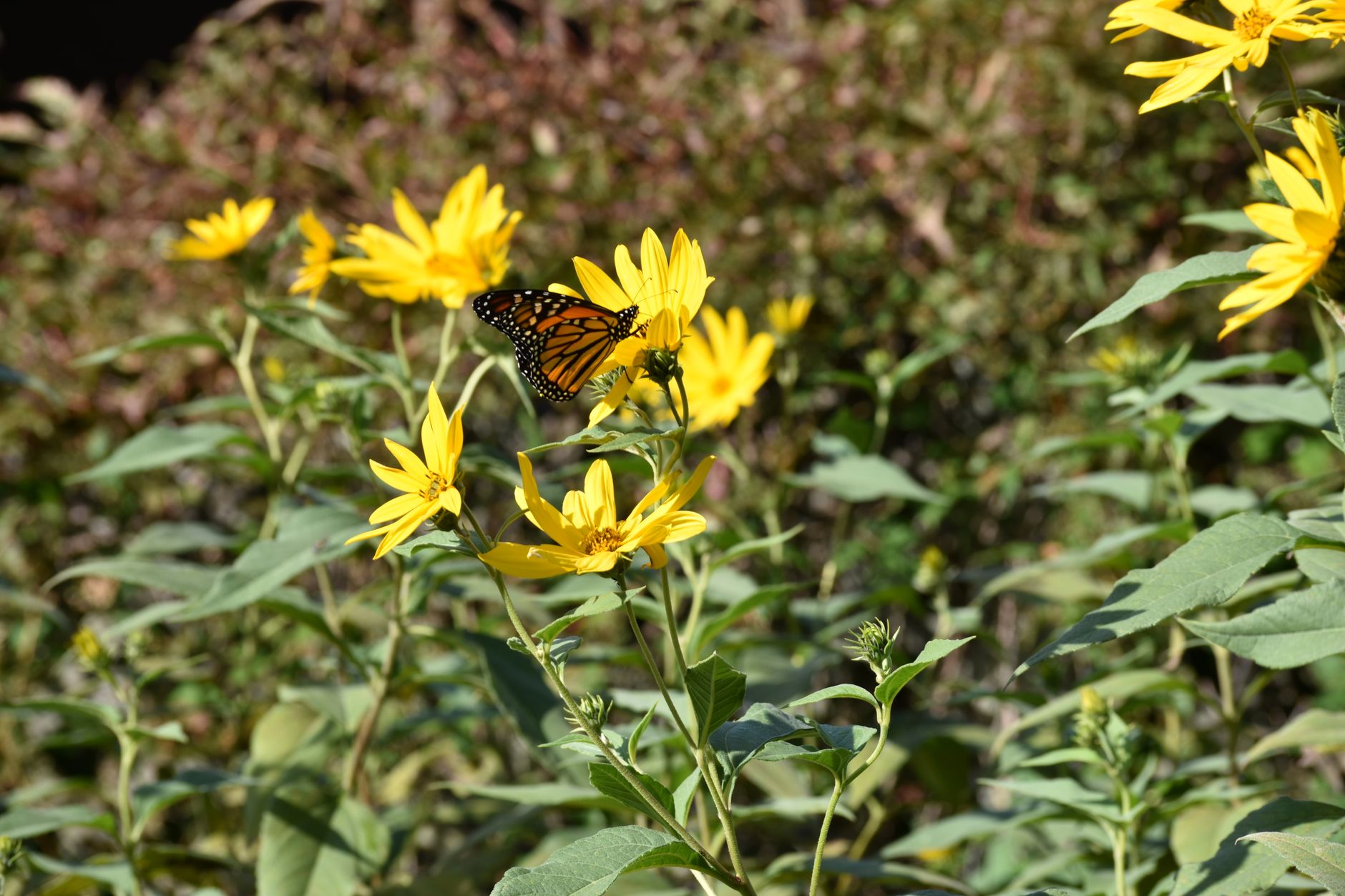
Black-eyed Susan (Rudbeckia hirta) is a short-lived perennial that self-seeds freely, providing bright yellow flowers from midsummer to frost. It grows 2–3 feet tall and is deer resistant.
Little bluestem (Schizachyrium scoparium) is a warm-season grass that turns stunning copper-red in fall. It grows 2–4 feet tall and provides winter interest and seed for birds.
Shade-Tolerant Native Plants for Woodland Gardens
Many native understory plants are adapted to dappled shade. They often bloom in early spring before trees leaf out fully.
Wild columbine (Aquilegia canadensis) blooms in early spring with red and yellow nodding flowers that hummingbirds adore. It grows 1–2 feet tall in well-drained, slightly acidic soil. It self-seeds gently.
Bluebells (Mertensia virginica) are spring ephemerals with pink buds that open to blue flowers. They go dormant by midsummer, so pair them with later-emerging plants like ferns or hosta-sized natives such as wild ginger.
Wild geranium (Geranium maculatum) produces pink to purple flowers in late spring, grows 1–2 feet tall, and spreads moderately. It tolerates dry shade once established.
Foamflower (Tiarella cordifolia) is a low groundcover with white spike flowers in spring. It thrives in rich, moist shade and forms a solid mat over time.
Compact Native Plants for Containers, Porches, and Small Spaces
Many species adapt well to containers, allowing apartment dwellers or those with tiny yards to participate.
Prairie dropseed (Sporobolus heterolepis) forms neat clumps about 2 feet tall, works well as a container accent, and produces airy seed heads that turn bronze in fall. It is slow-growing and non-invasive.
Wild strawberry (Fragaria virginiana) stays low, spreads with runners, and is ideal for hanging baskets. It produces small edible berries and white flowers in spring.
Threadleaf coreopsis (Coreopsis verticillata) is a compact, fine-textured perennial that blooms yellow from early summer to fall. It reaches 1–2 feet and thrives in full to part sun containers.
How to Transition Your Lawn to a Native Plant Garden
Converting part of your lawn does not require a total overhaul. A methodical approach saves time and ensures success. Start with a manageable area — even 50 square feet makes a difference.
Step 1: Assess Your Yard and Remove Invasive Plants
Identify and remove invasive ornamentals like burning bush, English ivy, bush honeysuckle, Japanese barberry, and garlic mustard. These outcompete native vegetation and disrupt local food webs. Small seedlings can be hand-pulled; larger shrubs may need cutting and herbicide application to the stump. Alternatively, repeated cutting over several seasons can exhaust the root system. For groundcover weeds like English ivy, smothering with cardboard and mulch is effective. Always bag and dispose of invasive plant material to prevent spread.
Step 2: Prepare Soil and Design Your Layout
Native plants do not need rich, amended soil. Match plants to your existing soil rather than changing the soil. Remove grass by laying cardboard or black plastic for 6–8 weeks, or use a sod cutter for faster results. Design the bed with a mix of species that bloom at different times — early spring, mid-summer, and late-season — to provide continuous pollinator food. Group plants in drifts of three, five, or seven for visual impact. Consider heights: place taller species like bee balm or coneflower in the back, and shorter ones like wild strawberry or coreopsis in front. Add a few evergreen ferns or grasses for winter structure.
Step 3: Plant at the Right Time and Set Up for Success
Plant in spring or early fall when temperatures are moderate. Dig holes twice as wide as the root ball but no deeper. Water deeply once a week during the first growing season unless rainfall is sufficient. Add a 2–3 inch layer of mulch — shredded leaves or bark — keeping it away from plant crowns to prevent rot. Do not fertilize; native plants are adapted to low-nutrient soils. Label each plant with name and bloom time for future reference.
Seasonal Checklist for Ohio Native Gardeners
- Spring: Remove winter mulch once nighttime temperatures stay above freezing. Cut dead stems to 6 inches for stem-nesting bees — some bees overwinter in hollow stems. Plant new perennials. Divide overgrown clumps every 3–5 years.
- Summer: Water during dry spells — deep, infrequent watering encourages deep roots. Deadhead to control self-seeding if desired, but leave some for birds. Pull invasive weeds before they go to seed. Monitor for pests; spot-treat with water spray or remove by hand.
- Fall: Plant new perennials up to 6 weeks before first frost. Leave seed heads standing for birds like goldfinches and chickadees. Add a light layer of mulch after the ground freezes to insulate roots.
- Winter: Leave plant debris for overwintering insects — many butterflies and moths pupate in leaf litter. Plan next year’s additions. Order seeds or bare-root plants early for best selection.
Where to Buy Ohio Native Plants: Nurseries and Online Options

Finding reliable sources of true native plants is critical. Local nurseries and specialized online retailers are better bets than big-box stores, which often sell cultivars or plants treated with systemic pesticides harmful to pollinators.
Local Ohio Native Plant Nurseries by Region
- Northeast Ohio: Native Gardens in Green offers Ohio-genotype perennials, grasses, and shrubs. They focus on locally sourced seed.
- Central Ohio: Scioto Gardens Native Plant Nursery in Delaware focuses exclusively on Ohio native species. Their website lists current inventory by light requirement.
- Southwest Ohio: Civic Garden Center in Cincinnati has an annual native plant sale each spring. They also offer educational workshops.
- Northwest Ohio: Natives in Harmony in Marengo ships statewide and specializes in wildflowers and grasses native to the Midwest.
Trusted Online Native Plant Retailers
- Swallowtail Native Plants ships bare-root plants and seeds across the Midwest. They list ecotype origin for many species.
- High Country Gardens specializes in drought-tolerant native and adapted plants suitable for zone 6 and colder.
- Prairie Nursery offers an “Ohio Blend” seed mix formulated for the state’s climate. They also sell individual species.
- Prairie Moon Nursery provides detailed germination information and sells both seeds and plants, with clear labeling of seed sources.
What to Look for When Buying Native Plants
Choose straight species over cultivars (those with names in single quotes). Cultivars may produce less nectar or pollen. When buying seeds, look for “Ohio ecotype.” Avoid plants with vague origins like “native to eastern North America.” Always check the Latin name to ensure you get the correct species. Ask nurseries whether their plants have been treated with neonicotinoid insecticides — avoid those that have been, as these pesticides harm bees and can persist in soil and plant tissue.
Conclusion
Switching any portion of your yard to Ohio native plants benefits pollinators, birds, and soil health while reducing long-term maintenance. Start small: a bed along the driveway, containers on the porch, or a corner where grass struggles. Choose species that match your conditions, remove invasives first, and plant at the right time. Native gardening is about progress, not perfection. Each plant you add strengthens the web of life around your home.
FAQ
What invasive plants should Ohio gardeners remove first?
Burning bush, English ivy, bush honeysuckle, and Japanese barberry are among the most problematic. They spread aggressively and displace native vegetation. Garlic mustard and lesser celandine are also common invaders in Ohio woodlands. Remove them before planting natives for the best chance of success. For woody invasives, cut stems and apply concentrated glyphosate to the stump immediately after cutting. For herbaceous weeds, hand-pulling before they seed is effective.
Are there any native plants banned in Ohio, like milkweed?
Common milkweed is not banned. It is a valuable host for monarchs. Some municipalities or HOAs may have restrictions, but no state ban exists. If concerned about spread, choose butterfly milkweed, which stays more compact and behaves well in garden beds. Native plants that some consider aggressive — like Canada goldenrod or common milkweed — are not regulated in Ohio.
What perennial native plants come back every year in Ohio?
Many return reliably, including purple coneflower, black-eyed Susan, butterfly milkweed, bee balm, wild columbine, bluebells, wild geranium, and foamflower. Most bloom in their second or third season and live for years. Grasses like little bluestem and prairie dropseed are also long-lived. Avoid cutting back stems in fall, as many provide winter habitat for beneficial insects.
What are the best Ohio native plants for pollinators?
Butterfly milkweed is essential for monarchs. Purple coneflower and black-eyed Susan provide nectar through summer. Smooth aster and goldenrod offer late-season food. Bee balm attracts hummingbirds and native bees. A mix that blooms spring to fall gives consistent support. Include host plants for specific species: milkweed for monarchs, spicebush for swallowtail butterflies, and violets for fritillaries. Aim for at least three different families of plants to support a diverse pollinator community.
Sources
- Ohio Invasive Plants Council. (n.d.). Invasive plants of Ohio. https://www.oipc.info/invasive-plants-of-ohio.html
- National Audubon Society. (n.d.). Native plants for birds. https://www.audubon.org/native-plants
- Ohio State University Extension. (n.d.). Native plants for Ohio gardens. https://ohioline.osu.edu/factsheet/HYG-1252
- USDA Plant Hardiness Zone Map. (2023). Ohio zone map. https://planthardiness.ars.usda.gov/
- Ohio Department of Natural Resources. (n.d.). Ohio Native Plant List. https://ohiodnr.gov/
Did you find this post helpful?
A little support goes a long way in helping me create more free, in-depth content like this.