Mexican Zinnia: How to Grow Compact, Heat-Loving Zinnia haageana
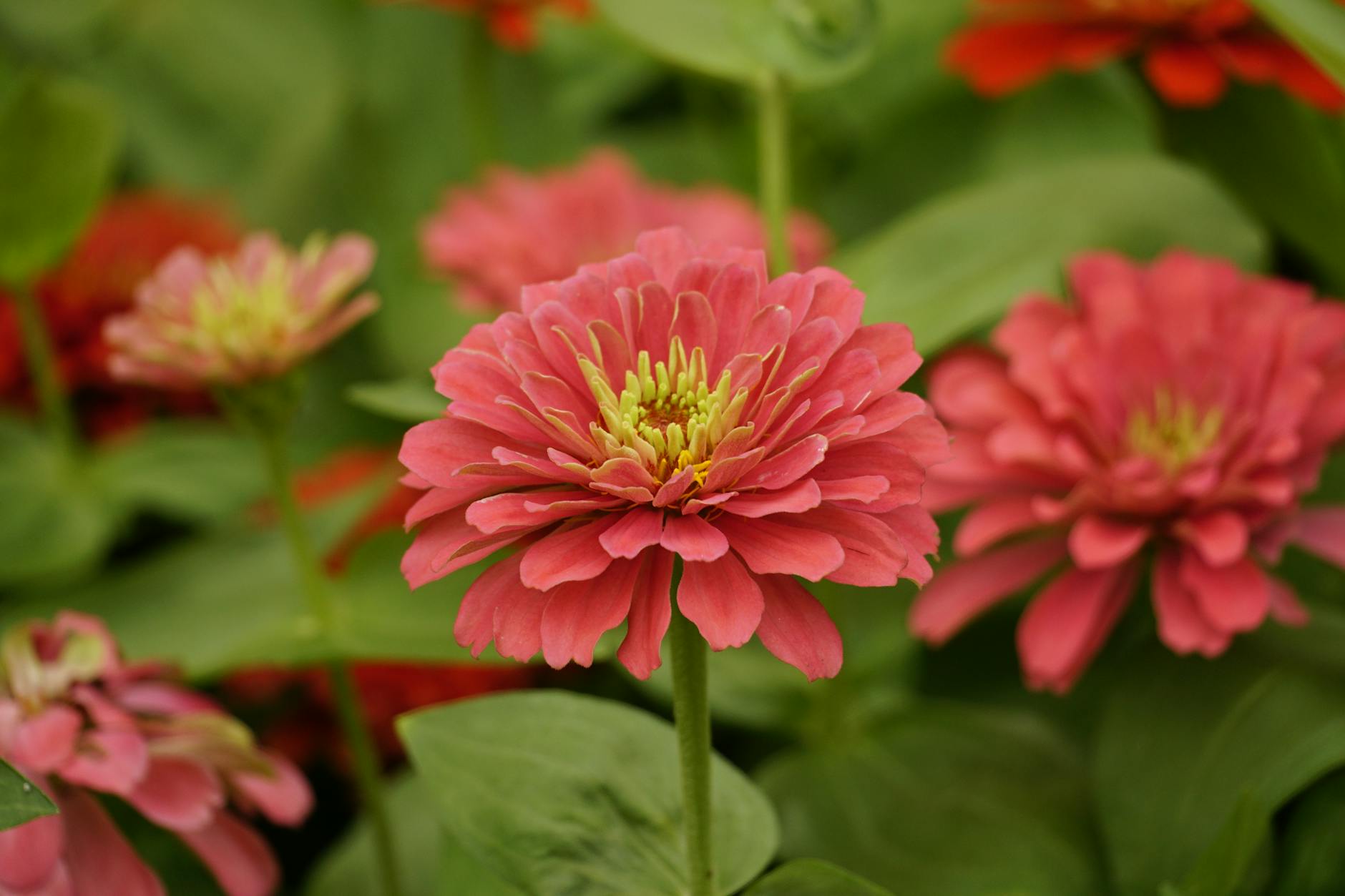
Mexican zinnia is a compact, heat-loving annual that delivers warm-toned blooms from early summer through frost with minimal care. It is ideal for small spaces, containers, and pollinator gardens. Unlike many summer annuals that require constant attention or fade in midsummer heat, Mexican zinnia thrives in hot, sunny conditions and continues flowering until the first hard freeze. Its naturally bushy habit and modest size make it an excellent choice for gardeners who want a low-maintenance, high-impact plant for borders, mixed containers, or mass plantings.
Key Takeaways
- Compact, heat-loving growth habit: Mexican zinnia stays naturally bushy at 8 to 18 inches tall without staking, unlike taller common zinnias. Its manageable size makes it ideal for borders, containers, and small-space gardens.
- Full sun and proper spacing prevent most problems: Plant in at least 6 to 8 hours of direct sun with 8 to 12 inches between plants. Good airflow reduces powdery mildew risk and keeps plants from getting leggy.
- Overwatering is the most common mistake: Water deeply about 1 inch per week at the base of the plant, not overhead. Let the soil dry between waterings to prevent root rot and mildew.
- Deadheading extends bloom season naturally: Removing spent flowers encourages continuous blooming. In large beds, shearing plants back by one-third after the first flush stimulates fresh growth and more flowers.
- Container growing works with the right setup: Use a pot at least 12 inches deep with drainage holes and quality potting mix. Container plants need more frequent watering but reward with full-season color on patios and balconies.
What Is Mexican Zinnia?
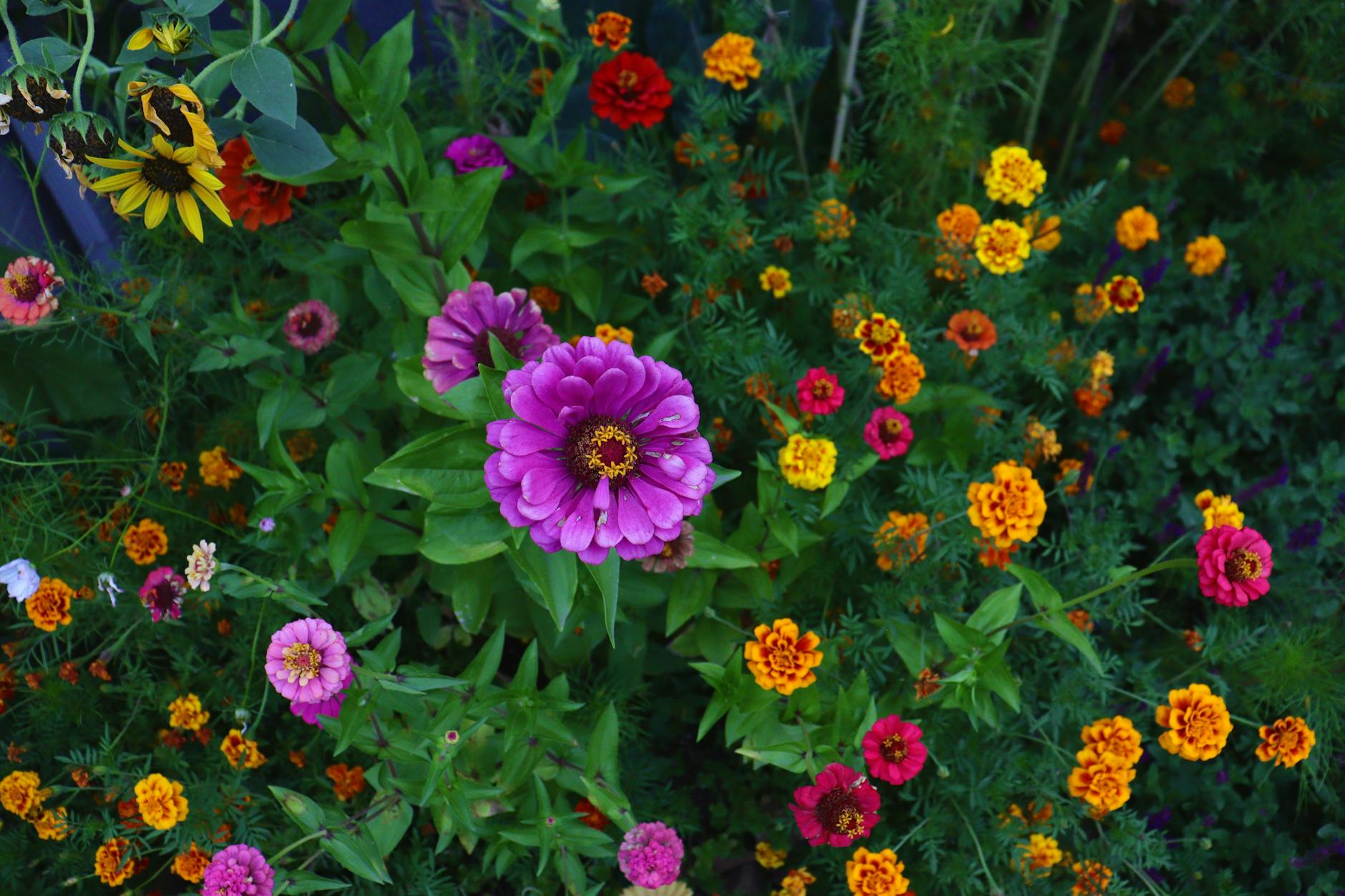
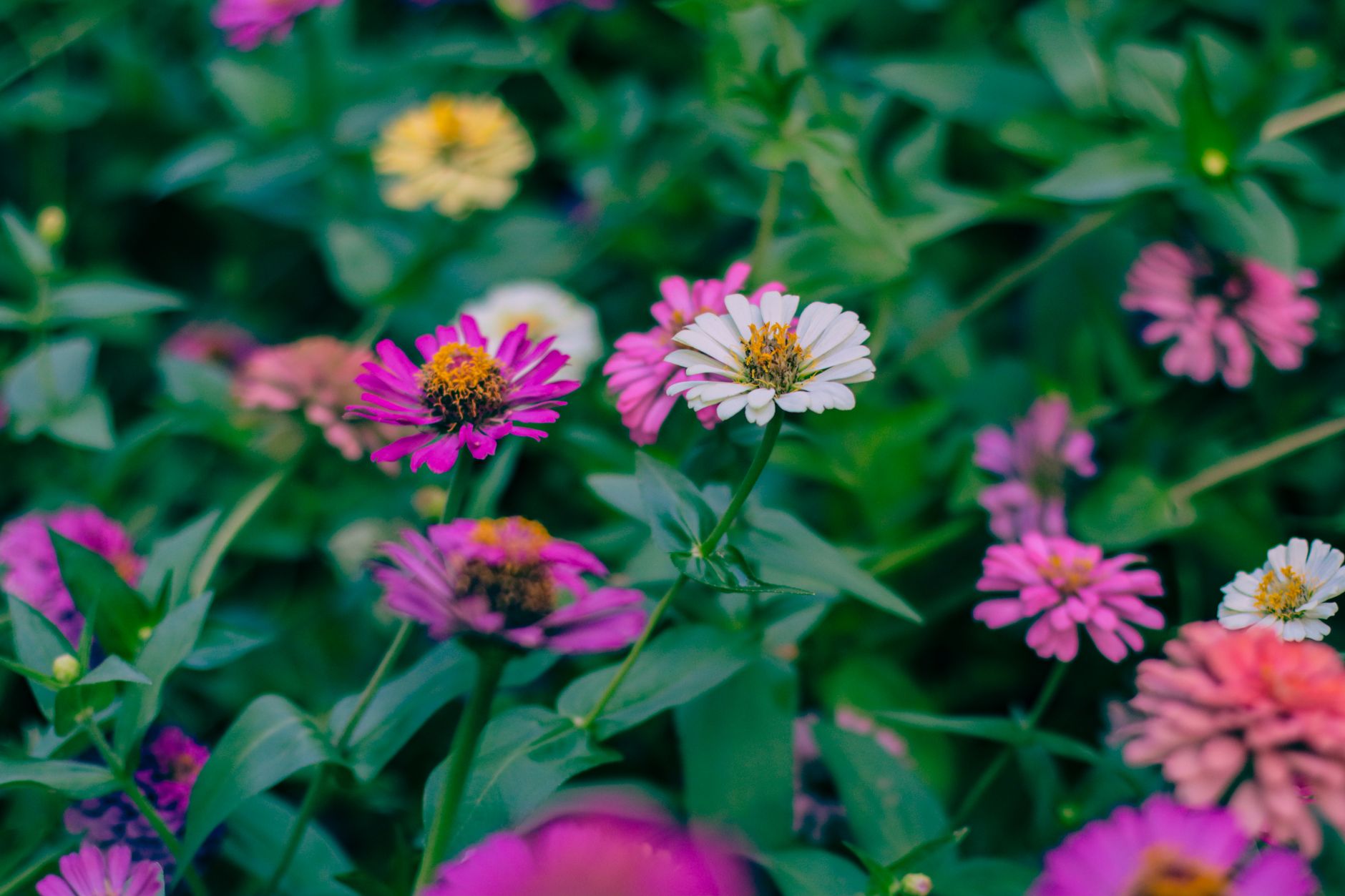
Mexican zinnia (Zinnia haageana) is a warm-season annual native to Mexico. It stays compact and bushy, typically 8–18 inches tall and 10–14 inches wide, with small 1–2 inch flowers in warm tones of orange, gold, red, mahogany, and bicolor blends. The flowers are usually single or semi-double, with a prominent central cone that attracts bees and butterflies. The foliage is narrow, lance-shaped, and slightly rough to the touch. It is an annual that does not survive frost, though it may self-seed in frost-free zones if spent flowers are left on the plant into late autumn. In colder climates, it reliably blooms from early summer until the first killing frost, providing four to five months of continuous color.
Mexican Zinnia at a Glance: Lifecycle, Size, and Best Uses
- Scientific name: Zinnia haageana
- Lifecycle: Warm-season annual
- Native range: Mexico
- Growth habit: Compact, bushy
- Typical height: 8–18 inches
- Typical spread: 10–14 inches
- Flower size: 1–2 inches across
- Flower colors: Orange, gold, red, mahogany, bicolor
- Best uses: Border edging, containers, pollinator gardens, low-maintenance color
This quick-reference table can help you decide if Mexican zinnia fits your garden needs. Its combination of small stature, heat tolerance, and long bloom period makes it a standout for gardeners who want reliable color without fuss.
Mexican Zinnia vs. Common Zinnia (Zinnia elegans): Key Differences
If you have browsed seed packets, you have probably seen common zinnia (Zinnia elegans) varieties. Understanding the differences helps you choose the right plant for your garden style and maintenance level. Mexican zinnia is often marketed as a more compact, disease-resistant alternative to the taller, larger-flowered common zinnia.
| Feature | Mexican Zinnia (Zinnia haageana) | Common Zinnia (Zinnia elegans) |
|---|---|---|
| Growth habit | Compact, bushy, rarely needs support | Often taller, some need staking |
| Flower size | 1–2 inches, warm-toned, often bicolor | Larger, various forms up to 4–6 inches |
| Best use | Borders, containers, mass planting | Cut flowers, tall beds, cutting gardens |
| Disease pressure | More mildew-resistant due to compact habit | Some prone to powdery mildew |
| Garden style | Naturalistic, low-maintenance | Cutting garden, formal bedding |
The compact nature means it does not flop after rain and its smaller flowers blend well with other annuals. If you want a self-contained, tidy plant with nonstop color, Mexican zinnia is the stronger choice. For large cut flower arrangements with big, showy blooms, common zinnia is better suited.
Popular Mexican Zinnia Varieties to Look For
Seed companies sell Mexican zinnia under several names. Always check for the scientific name Zinnia haageana to be sure you are getting the true species. Here are the most popular and reliable varieties available:
- Old Mexico: 12–14 inches tall, warm bicolor blooms in shades of orange and red with yellow tips. This is a classic heirloom variety that is very heat-tolerant and widely adapted. Popular for borders and containers.
- Persian Carpet: 12–16 inches tall, flowers in red, gold, orange, mahogany, often with dark centers and multicolored petals. This variety has a charming, antique look and works beautifully in cottage gardens. It is also excellent for cut flowers despite its smaller size.
- Aztec Sunset: 10–12 inches tall, sunset-inspired colors of gold, peach, and coral. This is one of the most compact varieties, ideal for pots, window boxes, and edging. Its uniform habit makes it a good choice for formal bedding schemes.
- Crystal White: 8–10 inches tall, pure white flowers with a yellow center. This variety adds a cool contrast to the warm-toned selection and is especially effective in moon gardens or combined with purple salvias.
How to Plant Mexican Zinnia Seeds
Mexican zinnia is easy from seed. Wait for warm soil and provide plenty of light. Seeds germinate in 5–7 days under optimal conditions, and plants reach maturity in about 8–10 weeks. Because the seeds are relatively large, they are easy to handle and sow individually, which helps achieve proper spacing from the start.
When and Where to Plant: Sunlight and Timing Requirements
Full sun is essential—at least 6–8 hours daily. Direct sow after last frost when soil is at least 70°F. For earlier blooms, start seeds indoors 4–6 weeks before last frost. Use a seed-starting mix and provide bright light immediately after germination to prevent leggy seedlings. Harden off seedlings gradually over 7–10 days before transplanting outdoors.
Indoor Seed Starting vs. Direct Sowing: Pros and Cons for Beginners
Indoor starting gives a head start but requires grow lights and hardening off. Direct sowing is simpler but delays bloom by several weeks. Both methods work well. If you direct sow, sow seeds ¼ inch deep and keep soil consistently moist until seedlings emerge. Thin to the strongest plants once they have two sets of true leaves.
Soil Preparation, Spacing, and Planting Depth
Well-drained soil of moderate fertility is best. Mexican zinnia does not need rich soil; in fact, overly fertile soil can promote lush foliage at the expense of flowers. Amend heavy clay with organic matter to improve drainage. Sow seeds ¼ inch deep. Space plants 8–12 inches apart, or thin later if scattered. Wider spacing (12 inches) helps reduce powdery mildew in humid climates.
Scatter Sowing vs. Careful Spacing: Which Method Works Better?
Scatter sowing works for naturalistic borders where a dense, informal look is desired. Simply scatter seeds and lightly rake them in. Thin to 8–12 inches apart after germination. Careful spacing is better for containers or formal beds to ensure uniform growth and airflow. Spaced plants also make deadheading easier because you can see each individual flower.
Essential Mexican Zinnia Care Tips
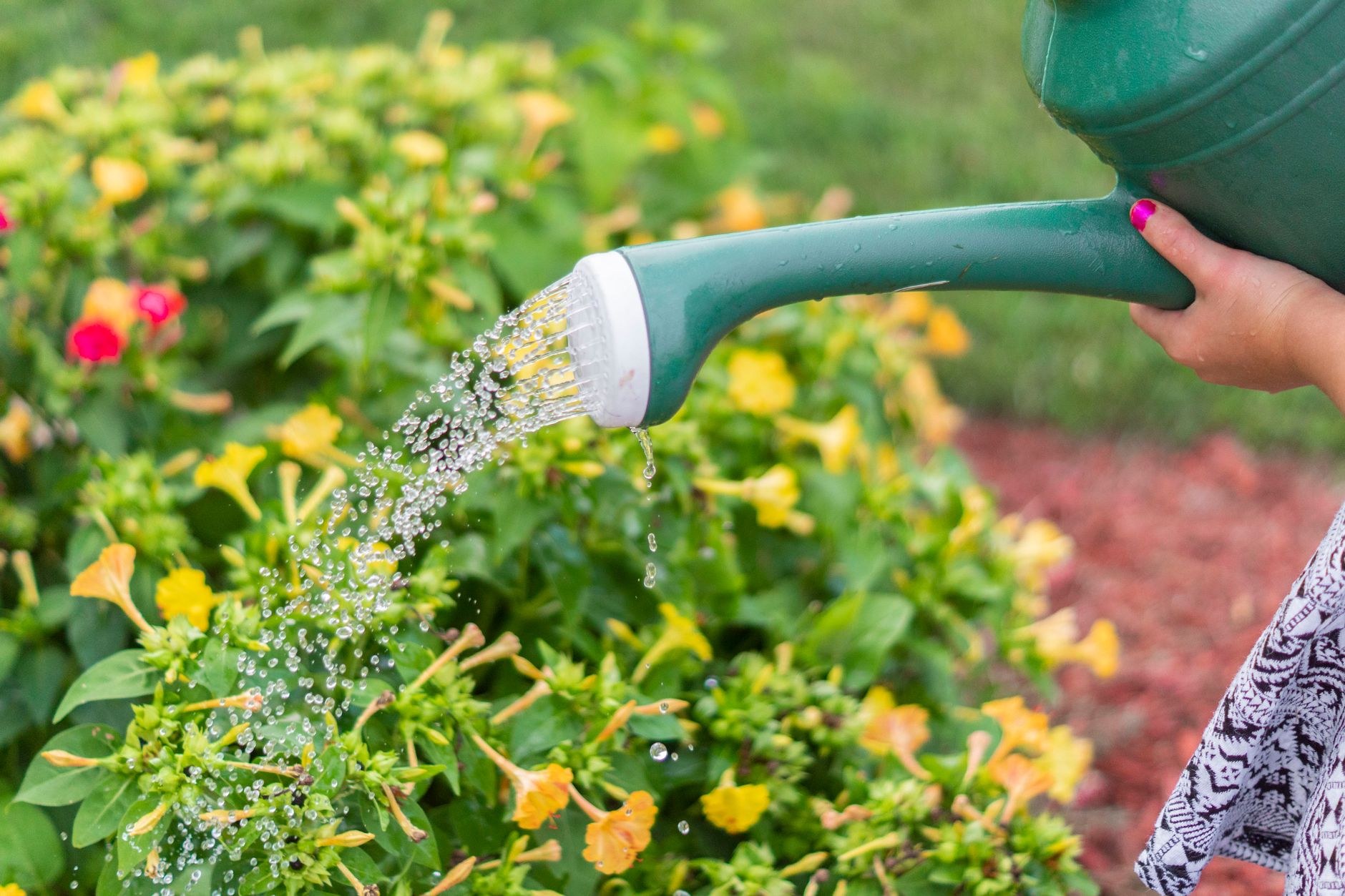
Once established, Mexican zinnia needs little intervention. The most common mistakes are overwatering, neglecting deadheading, and planting in shade. These plants are drought-tolerant once established, but they bloom best with consistent moisture during dry spells.
Watering and Fertilizing: Avoiding Common Mistakes
Water deeply about 1 inch per week at the base, not overhead. Let soil dry between waterings. Overwatering causes root rot and mildew. Use a soaker hose or drip irrigation to keep foliage dry. Fertilizing is usually unnecessary; if plants look pale or growth slows, apply half-strength balanced fertilizer once or twice during the growing season. Avoid high-nitrogen fertilizers, which encourage leaf growth at the expense of flowers.
Deadheading and Pruning for Continuous Summer Blooms
Deadhead spent blooms just above a leaf node to encourage more flowers. In large beds, shear plants back by one-third after the first flush to stimulate fresh growth. This shearing also helps maintain a compact, bushy shape. If you leave some spent flowers in late summer, the plant may self-seed for next year in frost-free areas.
Growing Mexican Zinnia in Pots and Containers: Pot Size, Soil Mix, and Drainage
Use a container at least 12 inches deep with drainage holes. Fill with quality potting mix, not garden soil, which compacts and holds too much moisture. Water more frequently than in-ground plants, checking soil moisture daily during hot weather. Container plants may need fertilizer every 3–4 weeks with a balanced liquid fertilizer at half strength. Place containers in full sun and rotate them occasionally to ensure even growth.
Common Mexican Zinnia Problems and Solutions
Preventing and Treating Powdery Mildew Naturally
Powdery mildew appears late in humid conditions. Prevent with good spacing and watering at the base in the morning. Remove affected leaves promptly. Home remedies are not reliable—focus on prevention. If mildew persists in your garden, choose mildew-resistant varieties like ‘Old Mexico’ or ‘Aztec Sunset’. In very humid climates, apply a preventive sulfur spray every 7–10 days during damp periods.
Leggy Plants and Few Blooms: Causes and Fixes
Leggy growth usually results from insufficient sunlight, overcrowding, or too much nitrogen. Increase sun by transplanting to a brighter spot. Thin overcrowded plants to improve airflow. Stop fertilizing with nitrogen-rich products. Pinch back leggy stems to encourage branching and more flower buds.
Pests and Diseases: Aphids, Spider Mites, and Leaf Spot
Aphids can be knocked off with water or treated with insecticidal soap. Spider mites thrive in dry heat; increase humidity by misting the undersides of leaves or use miticide. Leaf spot is usually cosmetic—remove affected leaves and improve airflow. Tolerate minor damage; healthy plants outgrow most pest problems.
Where to Use Mexican Zinnia in the Garden
Use along borders, in pollinator patches, cottage gardens, and containers. Avoid shade or planting next to mildew-prone plants like phlox or monarda. Good neighbors include marigolds, cosmos, salvia, lavender, and annual verbenas. The warm-toned flowers pair particularly well with blue or purple blooms such as ageratum or salvia.
Conclusion
Mexican zinnia is an easy, heat-loving annual that delivers nonstop color from summer to frost with minimal care. Provide full sun, good spacing, and water at the base. Deadhead occasionally, and it will reward you with reliable performance in borders, containers, and pollinator gardens. Its compact size and long bloom period make it a valuable addition to any sunny garden site, especially for beginners or anyone looking for a low-maintenance summer flower.
FAQ
Are Mexican zinnias perennials?
No, they are annuals. They do not survive frost, though they may self-seed in frost-free zones. In colder climates, you must collect seeds or buy new ones each year.
Is Mexican zinnia edible?
No, it is not considered edible. Do not eat any part of the plant. It is not toxic, but it is not grown for consumption.
How tall do Mexican zinnias get?
Typically 8–18 inches tall, depending on variety. The most compact types like ‘Crystal White’ reach only 8 inches, while ‘Persian Carpet’ can reach 16 inches.
Can Mexican zinnias be grown in containers?
Yes. Use a pot at least 12 inches deep with drainage holes and quality potting mix. Place in full sun. Water more frequently than in-ground plants, and fertilize every 3–4 weeks for best results.
Did you find this post helpful?
A little support goes a long way in helping me create more free, in-depth content like this.