Illinois Native Plants For Your Garden: What to Plant, Avoid, and Replace
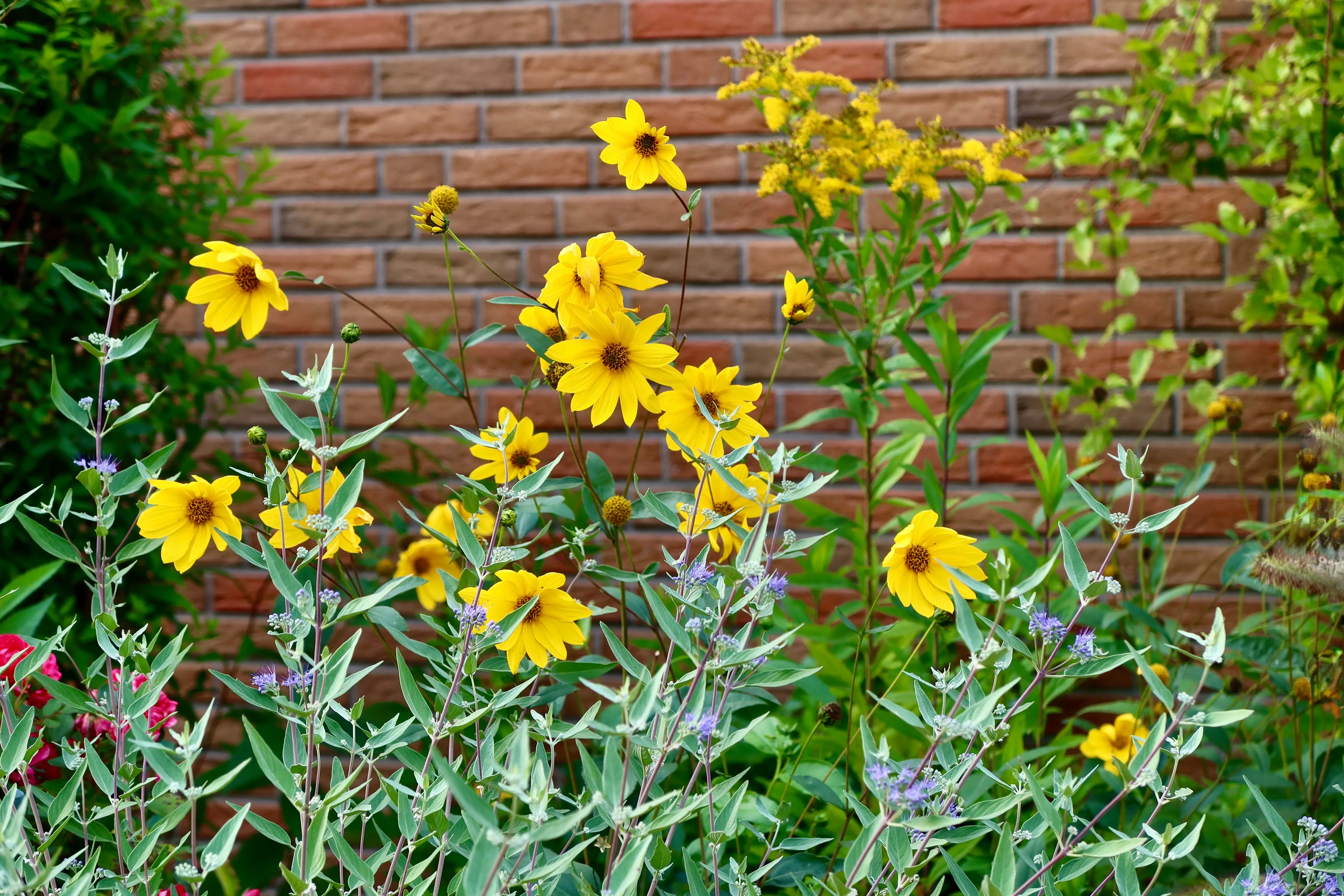
If you’re thinking about adding native plants to your Illinois yard, success comes from knowing which ones to choose, how to place them, and what to avoid. This article walks you through that decision process, from easy starters to tricky species, from spring bloomers to fall color, and from removing invasive shrubs to planting with confidence. Whether you have a sunny prairie patch, a shady woodland edge, or a soggy low spot, there are Illinois natives that will flourish and support local wildlife. With a bit of planning, you can create a resilient, beautiful garden that evolves with each season and provides essential habitat.
Key Takeaways
- Start with easy, forgiving species like butterfly milkweed, purple coneflower, and little bluestem. These five reliable plants handle a range of Illinois conditions and give you quick results. They are widely available at native plant nurseries and require minimal fuss.
- Expect finicky plants to need special conditions: Queen of the prairie needs consistent moisture; woodland species like trillium require dappled shade and patience. Group them with tough companions to reduce risk.
- Never move established false indigo – site it carefully in full sun with plenty of room. Once its deep taproot develops, transplant shock is almost always fatal.
- Design for continuous bloom from spring to fall. Choose a mix of ephemerals, summer wildflowers, and late-season goldenrods and asters. Let seed heads and dried stems provide winter structure and bird food.
- Remove burning bush thoroughly before replanting: cut in late summer, apply herbicide to the stump, and monitor for regrowth for at least two seasons. Replace with native shrubs like red chokeberry or ninebark.
- Use the 70/30 rule: fill about 70% with structural plants (grasses, sedges, groundcovers) and 30% with showy wildflowers and shrubs for an intentional, garden-like look. This ratio prevents the “weedy” appearance that some fear from native plantings.
- Start small. Match plants to your site’s sun and moisture. A well-planned native garden becomes less work over time while supporting local pollinators and birds. Even a 100-square-foot patch of native plants can make a measurable difference for monarchs, bees, and songbirds.
Why Illinois Native Plants Are the Smart Choice for Your Yard
What Are Native Plants and Why Do They Matter?
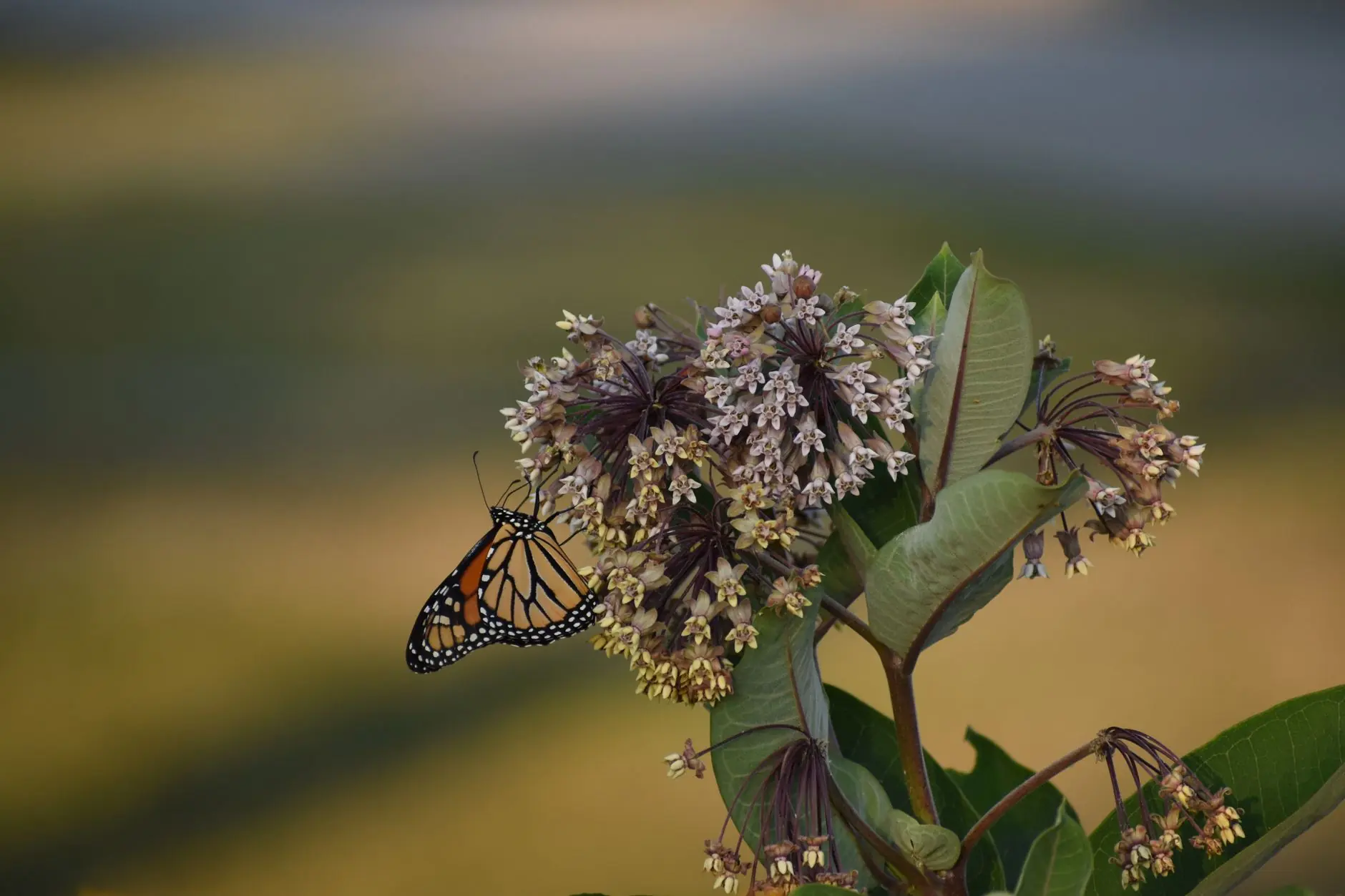
Native plants are species that grew naturally in Illinois prior to European settlement. They evolved alongside local pollinators and birds, which depend on them for food and habitat. For example, monarch butterflies rely exclusively on milkweeds for their caterpillars, and many specialist bees require pollen from specific native genera. Over 500 species of bees are native to Illinois, and most cannot feed from ornamental plants from other continents. Planting natives restores local ecology and supports a food web from insects to songbirds. Switching even a portion of your yard from turfgrass and ornamentals like burning bush makes a measurable difference for biodiversity. Studies from the University of Illinois show that properties with just 30% native plant cover host significantly more caterpillar and bird species than conventional lawns.
The Top Benefits: Less Water, More Wildlife, Lower-Maintenance
Native plants are adapted to Illinois rainfall patterns and often survive without extra watering once established. Their deep root systems—some reaching 10–15 feet—reduce erosion, improve water infiltration, and break up compacted clay. For example, prairie grasses like little bluestem have roots that extend three times the height of the plant, creating channels for rainwater to soak into the soil rather than running off. For wildlife, natives provide essential nectar, pollen, seeds, and host plants. A garden with 70% native coverage can support dozens of butterfly and bird species, including chickadees that feed their young exclusively on caterpillars found on native trees. From the gardener’s perspective, reduced watering, less fertilization, and fewer pests mean less work and lower costs. Once established, native gardens typically require only an annual cutback in early spring.
Busting the Myth That Native Plants Are “Weedy” or Hard to Grow
In a designed garden, you control the arrangement. Choose species with tidy habits—prairie dropseed forms neat clumps; purple coneflower holds classic daisy form. Use drifts of three to five plants, maintain clear edges, and add shredded leaf mulch. Avoid overly aggressive spreaders like common milkweed in small gardens; instead, choose clump-forming varieties such as butterfly milkweed. For added structure, incorporate a low-growing sedge as a living mulch between clumps. Start with a few well-chosen species and expand as you gain confidence. Many Illinois native plants bloom for weeks longer than typical annuals, providing color without constant deadheading.
The Easiest Illinois Native Plants for Beginners (and a Few to Avoid)
Top 5 Reliable Illinois Native Plants
Start with these forgiving, widely available species. They tolerate a range of Illinois soil types and require minimal care.
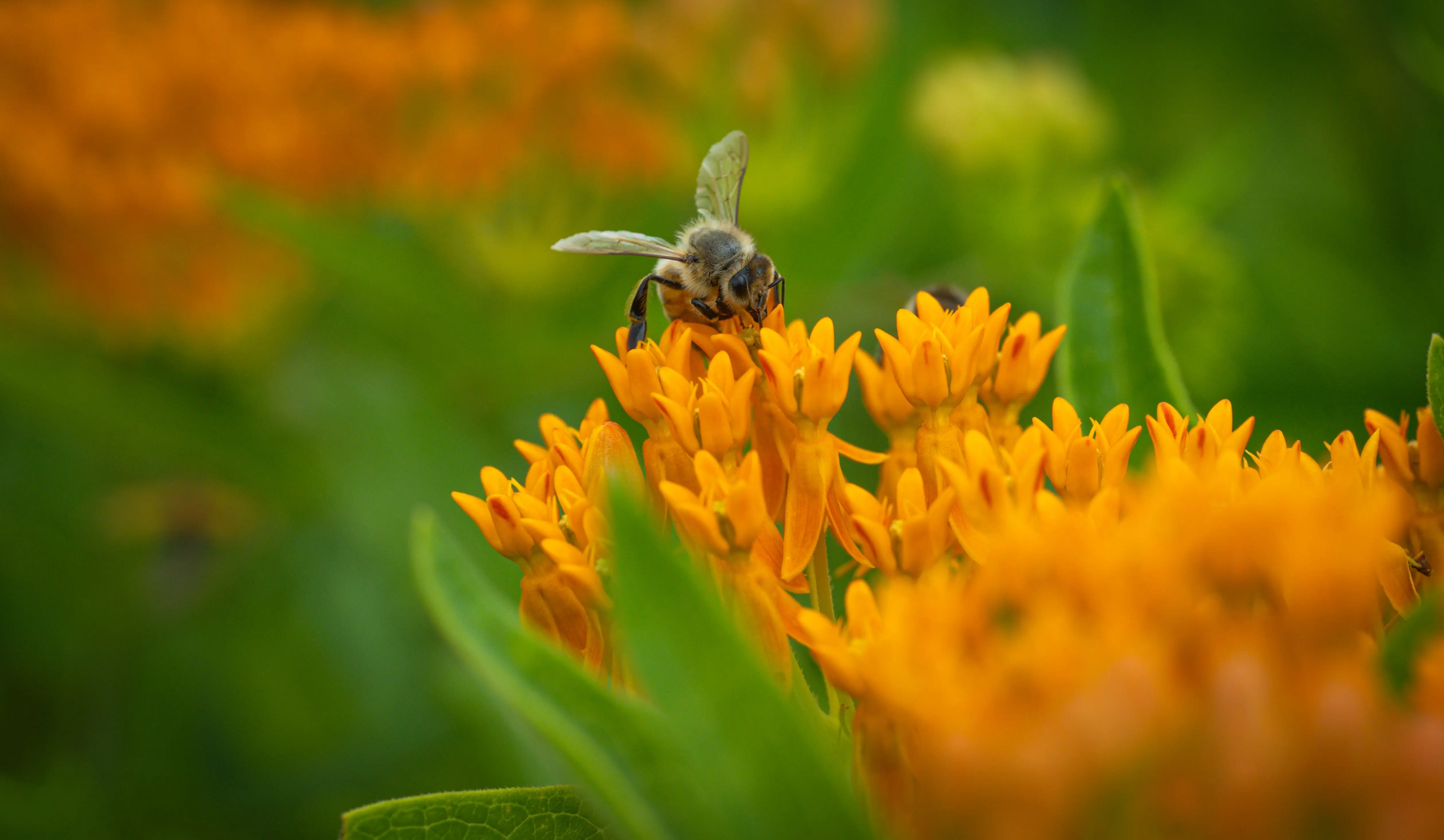
- Butterfly milkweed (Asclepias tuberosa) – Full sun, well-drained soil. Orange flowers in midsummer attract monarchs. Grows 1–2 feet. Long-lived; avoid moving due to taproot. Use it as a colorful anchor in sunny borders.
- Purple coneflower (Echinacea purpurea) – Part shade to full sun, wide soil tolerance. Pinkish-purple blooms early summer to fall. Leave seed heads for goldfinches. A reliable cut flower, too.
- Little bluestem (Schizachyrium scoparium) – Thrives in poor, dry soil and full sun. Blue-green leaves turn brilliant copper in fall. Provides winter structure and seeds for birds. Plant in masses for the best effect.
- Wild bergamot (Monarda fistulosa) – Lavender flowers in July–August. Spreads by rhizomes but not overly aggressive. Highly attractive to bees, butterflies, and hummingbirds. Space 18 inches apart for a dense stand.
- Black-eyed Susan (Rudbeckia hirta) – Short-lived perennial that self-seeds reliably. Yellow blooms from midsummer to frost. Excellent for filling gaps in a new garden. Let it reseed where it wishes and pull extras.
Illinois Native Plants That Are Beautiful but Finicky (And How to Handle Them)
Queen of the prairie (Filipendula rubra) needs consistently moist, rich soil. In dry soil it stays short and may not flower. Plant in a low spot or near a rain garden, and amend with compost to hold moisture. Woodland species like trillium, Jack-in-the-pulpit, and bloodroot need dappled shade, rich soil, and consistent moisture. They can take years to establish; mark their location to avoid disturbing them. Plant them under deciduous trees that allow spring light, then become shady. Prairie smoke prefers lean, dry soil and can rot in wet clay; skip if you have heavy soil, or build a raised bed with sandy loam. For any finicky plant, install a drip irrigation line to supplement during dry spells in the first two years.
Plants You Should Not Transplant (Like False Indigo)
False indigo (Baptisia spp.) forms a deep taproot. Once established, digging it up is nearly impossible without killing it. Site it in full sun with 3–4 feet of space. The same applies to compass plant, prairie dock, and butterfly milkweed. Always check root habit before planting; place taprooted plants permanently. For fibrous-rooted species like coneflower, moving is possible in early spring or after frost with a wide root ball. When in doubt, assume a plant is taprooted and choose its final spot from the beginning.
Design Your Native Garden for Year-Round Interest and Wildlife
A Month-by-Month Bloom Calendar for Illinois Gardens
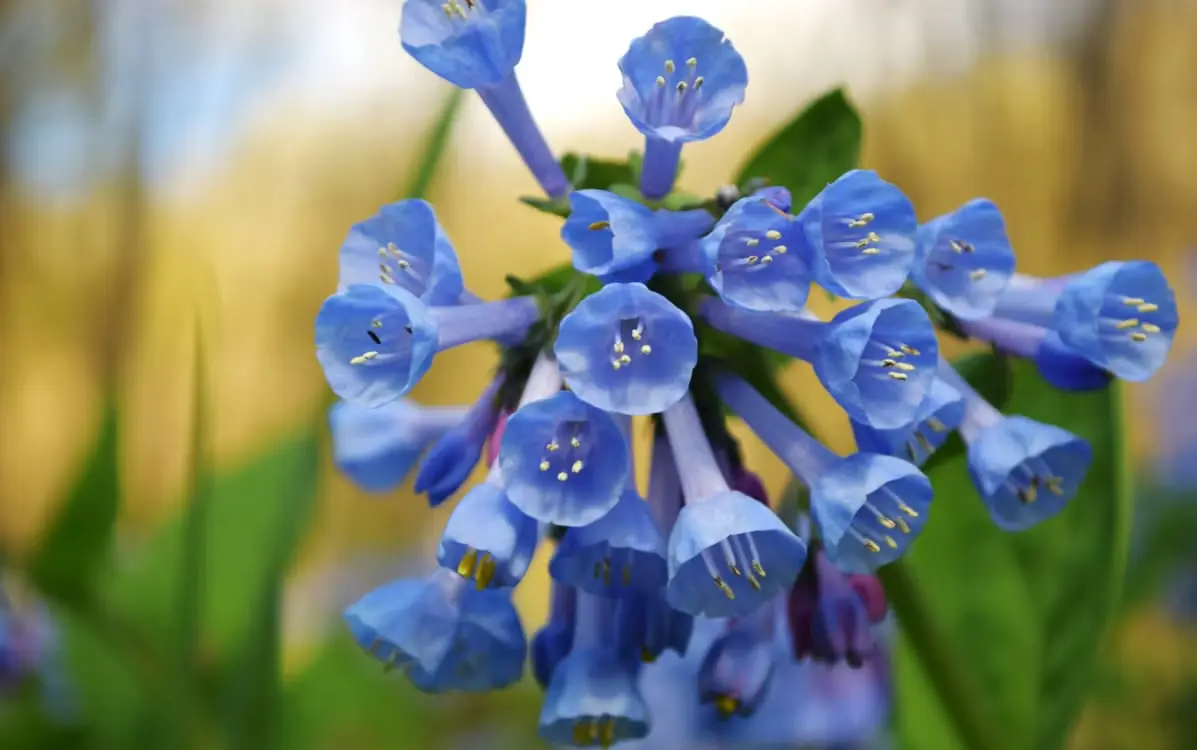
Spring (March–May): Ephemerals like Virginia bluebells, bloodroot, and spring beauty bloom before trees leaf out, carpeting the ground in soft blues and whites. Pair with ferns or sedges to fill in as they go dormant. Early summer (June–July): Purple coneflower, black-eyed Susan, wild bergamot, and butterfly milkweed dominate. Add pale purple coneflower (Echinacea pallida) for delicate, drooping petals. Midsummer (July–August): Tall plants like blazing star (Liatris spicata), ironweed, and Joe Pye weed attract monarchs and swallowtails. Blazing star’s vertical spikes contrast nicely with daisy shapes. Late summer to fall (August–October): Goldenrods (Solidago species) and asters (Symphyotrichum species) provide crucial late-season nectar for migrating butterflies. Choose compact varieties like stiff goldenrod for small gardens. Grasses turn red and gold, with seed heads persisting into winter. Plant at least three species per bloom period for continuous flowers from May to October. A well-planned garden will have something new in bloom every two to three weeks.
How to Layer Finicky Woodland Plants with Tough Companions
Use a three-layer approach: shrub layer – spicebush or hazelnut provide filtered shade; mid-height perennials – Solomon’s seal, zigzag goldenrod, and blue cohosh tolerate root competition; groundcover – wild ginger forms a dense, weed-suppressing mat. Group finicky woodland species like trillium in the center or edge of these companions, where moisture is more stable. Tough plants fill gaps if finicky ones struggle. This layering also mimics natural forest structure, creating a cool microclimate that reduces watering needs.
Replacing Invasives: Step-by-Step Guide to Removing Burning Bush
Cut the shrub to a stump in late summer or early fall. Immediately apply glyphosate or triclopyr to the cut surface—within seconds to be effective. Monitor for regrowth for at least two seasons; treat new shoots when leaves appear but before they harden. Hand-pull seedlings when soil is moist. After stumps are dead, replace with native alternatives: red chokeberry for wet areas, ninebark for dry slopes, or staghorn sumac for quick cover. Persistence is key—seeds can remain viable for years, so keep checking and removing any new sprouts each spring and fall.
Expert Tips for Planting and Maintaining Your Native Garden
Choosing the Right Spot: Sun, Soil, and Moisture Needs
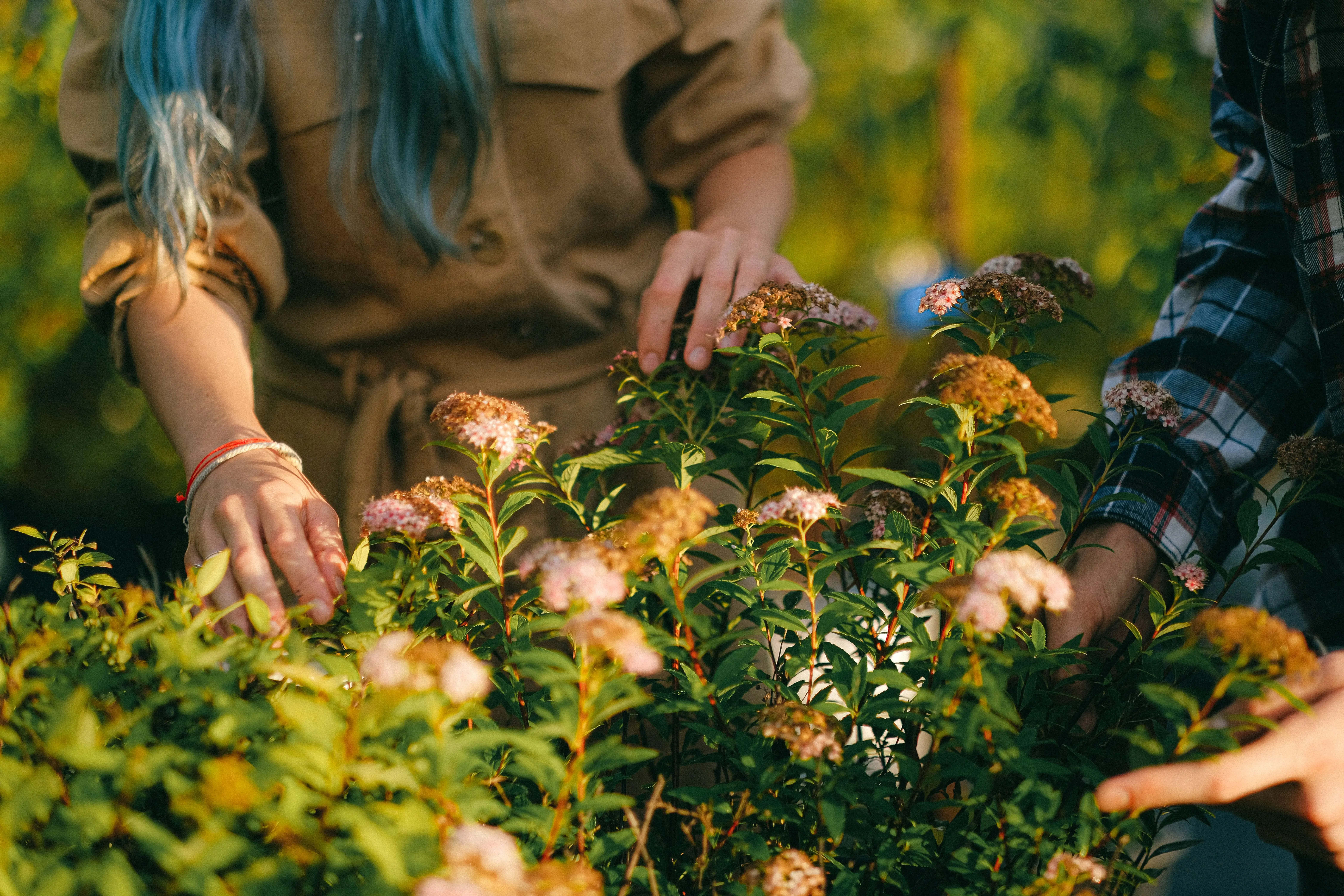
Map sun and shade through a full day, ideally in early summer when tree canopies are full. Test drainage after heavy rain: puddles over 24 hours indicate wet soil suitable for swamp milkweed; quick drainage suits butterfly milkweed. For dry shade, try wild geranium or columbine. Conduct a simple soil test for pH—most Illinois natives prefer slightly acidic to neutral (6.0–7.0). The most common mistake is planting sun-lovers in shade. Use the Illinois Native Plant Guide from the Department of Natural Resources to match species to your conditions. If your soil is heavy clay, consider mounding planting areas slightly to improve drainage.
The 70/30 Rule for Native Plantings (and What It Really Means)
Use about 70% structural plants (grasses, sedges, groundcovers) for year-round form and weed suppression, and 30% accent plants (showy wildflowers and shrubs) for seasonal color. This ratio prevents a weedy look. For maximum wildlife support, aim for 90–100% natives. To implement, start by laying out a grid of structural plants like prairie dropseed or Pennsylvania sedge, spaced 18–24 inches apart, then tuck in wildflowers in small drifts between them. This ensures the garden looks intentional even when flowers aren’t blooming.
Why You Shouldn’t Move Established Native Perennials
Taprooted species like false indigo and butterfly weed resent disturbance. Even fibrous-rooted perennials can suffer transplant shock if moved during active growth. Research mature size and site preferences upfront. If you must move a plant, do it in early spring before new growth starts or after frost when it goes dormant, digging a wide root ball at least 12 inches across. For taprooted species, plant in the right spot the first time—or accept that moving them is usually unsuccessful.
Conclusion
Illinois native plants offer a practical, long-term solution for a resilient garden that supports local ecology. With less water, fewer inputs, and more wildlife, they outperform many traditional ornamentals once established. Start with the top five easy species, give finicky plants the conditions they demand, design for continuous bloom, and remove invasives thoroughly. A native garden becomes less work over time while providing a vibrant landscape for butterflies, bees, and birds. Even a modest planting can transform your yard into a haven of biodiversity.
FAQ
What is the 70/30 rule in gardening?
The 70/30 rule balances structural plants (grasses, sedges, groundcovers) with accent plants (showy wildflowers, shrubs) to create an intentional, garden-like look. Some also use it to mean 70% native species and up to 30% non-invasive non-natives, but ecological benefits are strongest with as many natives as possible.
What is the rarest tree in Illinois?
One of the rarest is the eastern hemlock, found only in a few cool, moist canyons in southern Illinois. Other scarce species include American chestnut and cucumber magnolia. These trees are best left in their natural habitats.
What should I plant right now in Illinois?
In early spring, plant dormant bare-root trees and shrubs. In late spring through summer, set out container-grown perennials and water deeply. Fall is excellent for most perennials and grasses. Contact your local University of Illinois Extension master gardener program for region-specific guides.
How do I remove burning bush to replace it with Illinois natives?
Cut the shrub in late summer or early fall, immediately apply glyphosate or triclopyr to the stump. Monitor and treat regrowth. Hand-pull seedlings. After stumps are dead, plant native alternatives like red chokeberry, ninebark, or sumac. Continue checking for seedlings for several seasons.
Did you find this post helpful?
A little support goes a long way in helping me create more free, in-depth content like this.