Maryland Native Plants: A Practical Guide for Gardeners and Landscapers
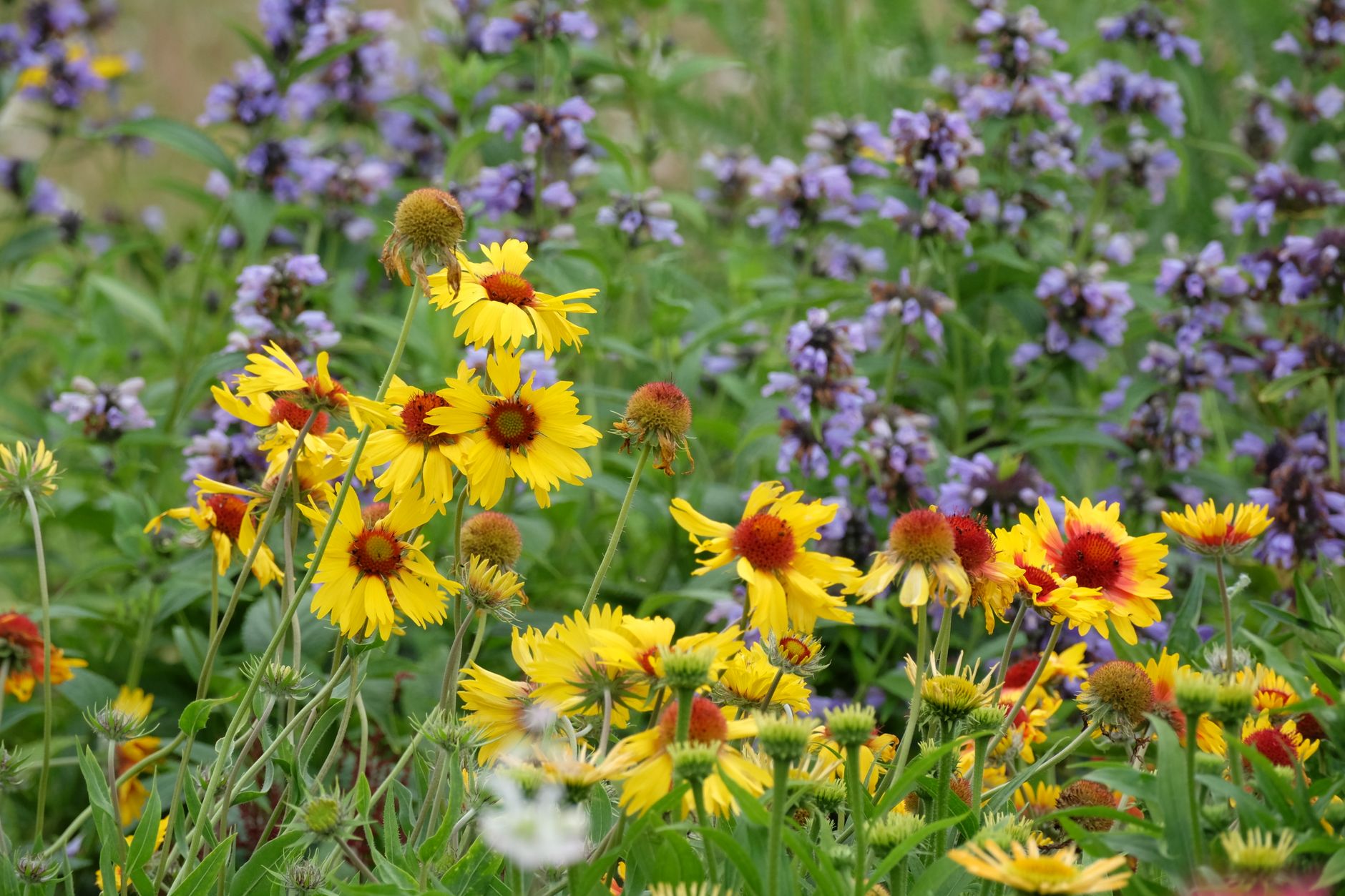
Gardening with Maryland native plants builds a resilient landscape that supports local wildlife while reducing maintenance. This guide covers what counts as native, recommended species for different light conditions, practical growing advice, and design strategies that balance ecology with curb appeal.
Key Takeaways
-
Match plants to your specific site and ecoregion: Maryland spans three distinct ecoregions—Coastal Plain, Piedmont, and Mountain. Choosing plants adapted to your local soil, light, and moisture levels dramatically improves survival and ecological value.
-
Start with straight species for real pollinator benefit: Cultivars and nativars may look similar but often produce less nectar or have altered flower shapes. Look for straight species and local ecotype plants from reputable suppliers for maximum ecological impact.
-
Fall planting gives perennials a head start: September through October allows roots to establish before winter, reducing transplant stress and watering needs. Save warm-season grasses and bare-root plants for spring planting.
-
Layer shrubs, perennials, and groundcovers for a designed look: Use evergreen shrubs like inkberry for year-round structure, drifts of perennials for seasonal color, and groundcovers for continuous coverage. Edging and paths help a native garden read as intentional and well-maintained.
-
Prioritize bloom succession for season-long interest: Combine early spring bloomers (columbine, Virginia bluebells) with summer stalwarts (purple coneflower, black‑eyed Susan) and late-season stars (goldenrod, ironweed) to support pollinators across the entire growing season.
What Counts as a Maryland Native Plant?
Defining Native Plants in the Maryland Context
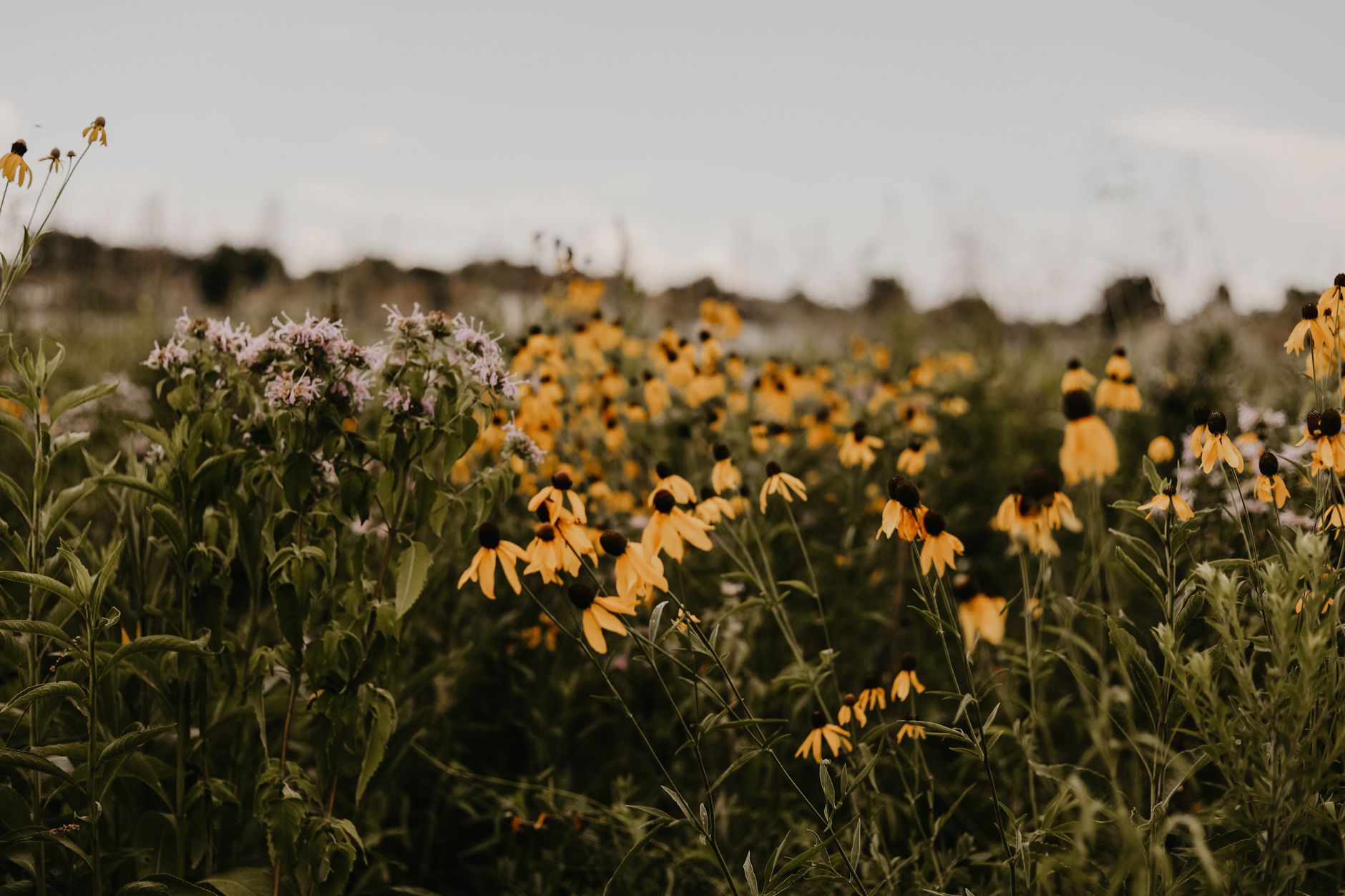
A Maryland native plant was present in the region before European settlement and adapted to local climate, soils, and ecology over thousands of years. These plants co‑evolved with local insects, birds, and other wildlife. The official state wildflower, Maryland golden aster (Chrysopsis mariana), is a sun‑loving perennial that blooms in late summer and attracts many pollinators.
Maryland spans three major ecoregions: Coastal Plain, Piedmont, and Mountain. A plant thriving on the Eastern Shore may struggle in the clay‑based Piedmont or western forests. Choosing region‑specific species increases establishment success and ecological value. For example, lowbush blueberry (Vaccinium pallidum) thrives in the acidic, sandy soils of the Coastal Plain, while wild bleeding heart (Dicentra eximia) prefers the cooler, moist conditions of Mountain regions.
Key Benefits for Pollinators, Birds, and Your Landscape
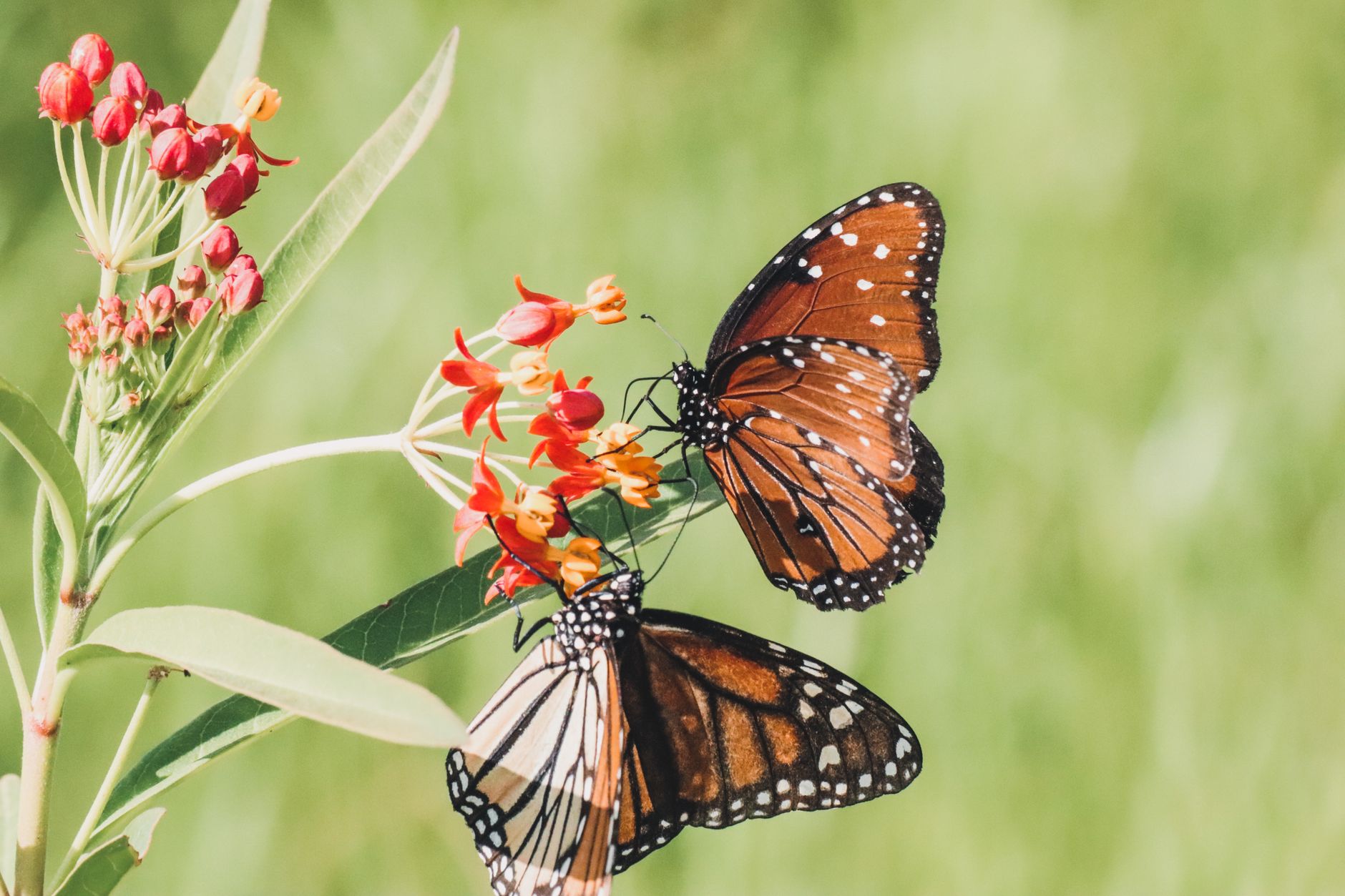
Native plants provide essential food and habitat. Milkweed hosts monarch caterpillars; spicebush hosts spicebush swallowtails. Nectar‑rich flowers support bees, hummingbirds, and beneficial insects. Berry‑producing shrubs like winterberry and serviceberry feed birds in winter. For homeowners, natives require less water, fertilizer, and pesticides once established. Many species, such as purple coneflower and black‑eyed Susan, show high deer resistance—a common concern in suburban gardens. Additionally, deep root systems of native prairie grasses like little bluestem improve soil structure and infiltration, reducing runoff.
Overcoming Myths: Native Plants Can Be Ornamental and Low‑Maintenance
Native gardening does not mean a wild yard. Many natives offer showy blooms, tidy habits, and winter interest when selected with design in mind. Purple coneflower provides long‑lasting flower heads that attract pollinators and later feed birds. Little bluestem adds blue‑green foliage that turns bronze in fall. When properly sited, native perennials do not need frequent division, heavy mulching, or constant watering after year one. Match each plant to its preferred light, soil, and moisture. For a formal appearance, use tidy species like blue‑eyed grass (Sisyrinchium angustifolium) or Pennsylvania sedge (Carex pensylvanica) as groundcover substitutes for lawn.
Top Recommended Maryland Native Plants for Sun, Shade, and Every Garden
Native Plants for Full Sun (Pollinator Favorites)
Full sun (6+ hours of direct sun) supports many wildflowers and grasses. Key high‑value species:
- Butterfly Weed (Asclepias tuberosa): Orange blooms midsummer; 1–2 feet tall; high deer resistance. Host for monarchs; nectar for bees.
- Purple Coneflower (Echinacea purpurea): Pink‑purple petals June–August; 2–4 feet; medium deer resistance. Nectar for butterflies; goldfinches eat seeds.
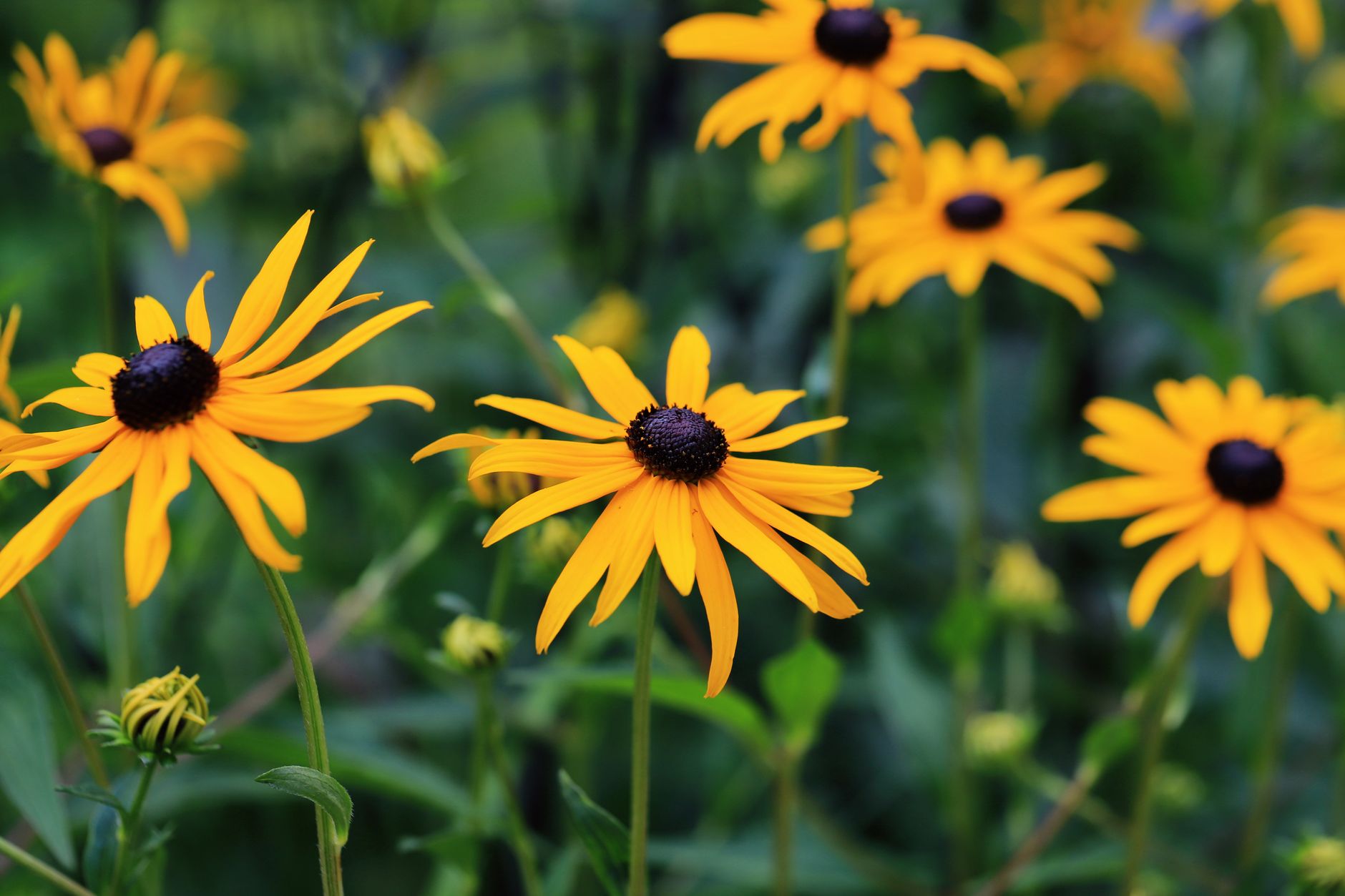
- Black‑Eyed Susan (Rudbeckia hirta): Yellow rays June–September; 2–3 feet; high deer resistance. Classic Maryland native.
- Joe Pye Weed (Eutrochium fistulosum): Pink‑purple clusters July–September; 4–7 feet; high deer resistance. Top nectar source for butterflies.
- Little Bluestem (Schizachyrium scoparium): Blue‑green grass turning bronze; 2–4 feet; high deer resistance. Winter cover for birds; host for skippers.
- Compass Plant (Silphium laciniatum): Large leaves, yellow daisies in summer; up to 9 feet; high deer resistance. Attracts bees; tall accent.
For tall alternatives to ornamental grasses, Big Bluestem (Andropogon gerardii) reaches 6–8 feet with amber winter stems; Prairie Dock (Silphium terebinthinaceum) supports late‑season pollinators. Goldenrod (Solidago spp.) is a crucial late‑summer nectar source often mistakenly blamed for hay fever—it’s actually ragweed that causes allergies.
Native Plants for Shade and Partial Shade (Understory Gems)
Shade gardens benefit from spring ephemerals and groundcovers:
- Wild Ginger (Asarum canadense): Heart‑shaped groundcover; 6–12 inches; high deer resistance. Moist, rich soil in shade.
- Columbine (Aquilegia canadensis): Red‑and‑yellow flowers spring; 1–2 feet; low deer resistance. Hummingbird nectar; host for columbine duskywing.
- Foamflower (Tiarella cordifolia): White‑pink spikes spring; semi‑evergreen mat; 6–12 inches; high deer resistance. Moist, well‑drained shade.
- Virginia Bluebells (Mertensia virginica): Blue trumpet flowers early spring; goes dormant by late spring; 1–2 feet; medium deer resistance. Moist, rich part shade.
- Christmas Fern (Polystichum acrostichoides): Evergreen, leathery fronds; 1–2 feet; high deer resistance. Tolerates dry shade.
- Maidenhair Fern (Adiantum pedatum): Delicate fronds on black stems; 1–2 feet; high deer resistance. Consistently moist shade.
Dry shade suits Christmas fern and wild ginger; moist woodland edges favor Virginia bluebells and maidenhair fern. For groundcover in dry shade, consider Allegheny spurge (Pachysandra procumbens), a native alternative to Japanese pachysandra.
Native Shrubs and Trees for Structure and Year‑Round Interest
Evergreen options like American holly and inkberry provide winter structure.
- Inkberry (Ilex glabra): Evergreen shrub, black berries; 3–6 feet; sun to part shade; high deer resistance. Berries feed birds.
- Winterberry (Ilex verticillata): Deciduous, profuse red berries on bare stems; 3–10 feet; requires male pollinator; moist to wet soil. High wildlife value.
- Arrowwood Viburnum (Viburnum dentatum): White flowers, blue‑black berries, red fall foliage; 6–10 feet; medium deer resistance. Berries eaten by birds.
- Spicebush (Lindera benzoin): Yellow flowers early spring, red berries, spicy leaves; 6–12 feet; host for spicebush swallowtail. Moist, well‑drained part shade.
- Red Chokecherry (Aronia arbutifolia): White flowers, bright red berries, excellent fall color; 6–10 feet; wet or dry soil. High wildlife value.
- Eastern Redbud (Cercis canadensis): Pink‑purple flowers early spring, heart‑shaped leaves; 15–25 feet; supports native bees.
- Serviceberry (Amelanchier canadensis): White flowers, edible berries June, orange‑red fall color; 15–25 feet; berries eaten by 30+ bird species.
- Flowering Dogwood (Cornus florida): White bracts spring, red berries fall, red foliage; 15–30 feet; part shade. Berries devoured by birds.
- American Holly (Ilex opaca): Evergreen, spiny leaves, red berries; 15–30 feet; acidic, well‑drained soil; high deer resistance.
For evergreen Maryland natives, American holly and inkberry are reliable choices. Remember that winterberry requires both a female and male plant for fruit set—‘Jim Dandy’ is a common male pollinator.
How to Successfully Grow and Source Native Plants in Maryland
Fall vs. Spring Planting: What Works Best for Your Region
Fall planting (September–October) lets roots establish before winter with cooler soil and reliable rainfall. Plants experience less transplant stress and need less supplemental watering the following summer. Spring planting (April–May) works for warm‑season grasses and wildflowers that prefer warmer soil, such as butterfly weed and little bluestem, but may require more summer watering. Avoid planting in July–August without consistent irrigation. Fall‑sown seeds of black‑eyed Susan, coneflower, and milkweed can be scattered in prepared beds for natural winter stratification. Bare‑root plants are best set out in spring to avoid frost heave.
Assessing Your Site: Soil Types, Light Levels, and Deer Pressure
Measure sun exposure: full sun = 6+ hours direct; part shade = 3–6 hours; shade = <3 hours. A simple jar test reveals soil texture (sand, silt, clay): fill a jar one‑third with soil, add water, shake, and let settle for 24 hours. Sandy soils need organic matter to retain moisture; clay soils drain slowly and benefit from raised beds or amended planting holes. University of Maryland Extension offers affordable soil testing for pH and nutrients—test every 2–3 years for best results. In high‑deer areas, choose species with proven resistance like butterfly weed, Joe Pye weed, inkberry, and Christmas fern. No plant is fully deer‑proof, but these have strong track records. Deer fencing or repellent sprays can protect vulnerable species during establishment.
Where to Buy Native Plants: Nurseries, Seed Exchanges, and Online Communities
Straight species support pollinators best; cultivars may have reduced nectar or altered flower shapes. Always check scientific names and ask for local ecotype plants. The Maryland DNR and Maryland Native Plant Society maintain lists of trusted growers. Spring and fall native plant sales hosted by parks, nature centers, and conservation groups are excellent sources for region‑specific stock. Online forums like “Gardening with Maryland Native Plants” (Facebook) and r/NativePlantGardening (Reddit) offer local advice, but verify factual guidance through extension services. Seed exchanges, such as those organized by local libraries or botanical gardens, provide an economical way to expand your collection.
Landscaping with Maryland Native Plants: Design Tips and Alternatives
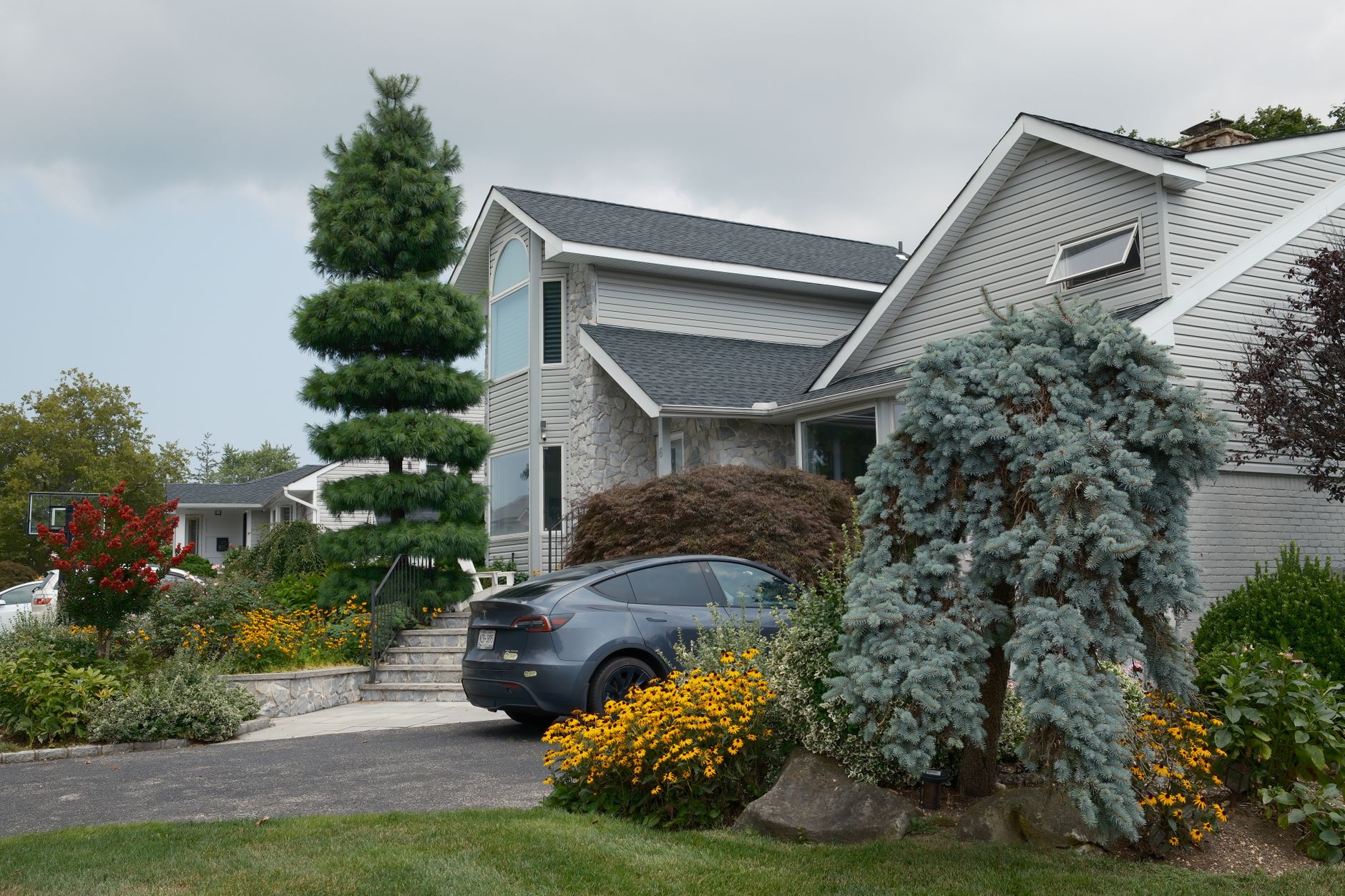
Designing a Front‑Yard Native Garden That Looks Intentional
Use tidy species like black‑eyed Susan, purple coneflower, and little bluestem for front yards. Evergreen shrubs like inkberry provide winter structure. Edging, stone paths, or low fences create a deliberate frame. Group plants in drifts of three to five for visual impact and pollinator efficiency. Include a few bold accents such as Joe Pye Weed or compass plant for height variation. A well‑placed bench or birdbath can anchor the design while providing wildlife benefits.
Best Tall Native Alternatives to Ornamental Grasses and Non‑Native Hedges
| Native Alternative | Height | Bloom Time | Pollinator Value | Non‑Native Compare |
|---|---|---|---|---|
| Big Bluestem (Andropogon gerardii) | 6–8 ft | Late summer (grass) | Host for skippers; winter seed for birds | Miscanthus |
| Joe Pye Weed (Eutrochium fistulosum) | 4–7 ft | July–September | High nectar for butterflies | Butterfly bush |
| Prairie Dock (Silphium terebinthinaceum) | 4–8 ft | August–September | High; attracts bees | Ornamental grasses |
| Ironweed (Vernonia gigantea) | 4–6 ft | August–October | Excellent late nectar | N/A |
For a hedgerow, mix arrowwood viburnum with inkberry and tall perennials like ironweed. Native shrubs provide structure, berries, and nesting sites that non‑native hedges cannot match.
Companion Planting: Creating a Balanced Native Plant Community
Replicate natural communities: a sunny meadow combines Joe Pye Weed, black‑eyed Susan, and purple lovegrass (Eragrostis spectabilis). A woodland edge pairs Virginia bluebells with foamflower and wild ginger. Group plants in drifts of three to five for cohesive color blocks. Place wetland species like winterberry and Joe Pye Weed in low spots; drought‑tolerant butterfly weed and little bluestem suit dry slopes. Incorporate early‑, mid‑, and late‑season bloomers for continuous nectar flow: spring blooms from columbine and redbud; summer color from coneflower and butterfly weed; fall interest from goldenrod and ironweed.
Conclusion
Maryland native plants require less water, fewer chemicals, and provide real ecological benefits. Select region‑appropriate species, assess your site, and source straight species from reputable suppliers. Start with easy growers—black‑eyed Susan, purple coneflower, and inkberry—and expand as you gain experience. For detailed lists, consult the University of Maryland Extension and the Maryland Native Plant Society.
FAQ
What are the best native plants for attracting pollinators in Maryland?
A mix of nectar and host plants is key. Top nectar sources: butterfly weed, Joe Pye weed, purple coneflower, black‑eyed Susan. Host plants: milkweed for monarchs, spicebush for spicebush swallowtail. Plan for bloom succession from spring (columbine, Virginia bluebells) to fall (ironweed, goldenrod).
When should I plant native plants in Maryland – spring or fall?
Fall (September–October) is often ideal for perennials because roots establish before winter. Spring is better for warm‑season grasses and some wildflowers. Avoid planting in midsummer without regular watering.
Where can I buy native plants in Maryland?
Reliable sources include nurseries listed by Maryland DNR and Maryland Native Plant Society, spring and fall plant sales, and seed exchanges. Confirm that the supplier offers straight species (not cultivars) and ask about local ecotype options.
What is the Maryland state wildflower?
The Maryland state wildflower is Maryland golden aster (Chrysopsis mariana), a sun‑loving perennial with yellow daisy‑like flowers in late summer, well‑suited to dry, sandy soils and full sun.
Did you find this post helpful?
A little support goes a long way in helping me create more free, in-depth content like this.