How to Grow Brandywine Tomatoes: Fruit Set, Heat, and Spacing Tips
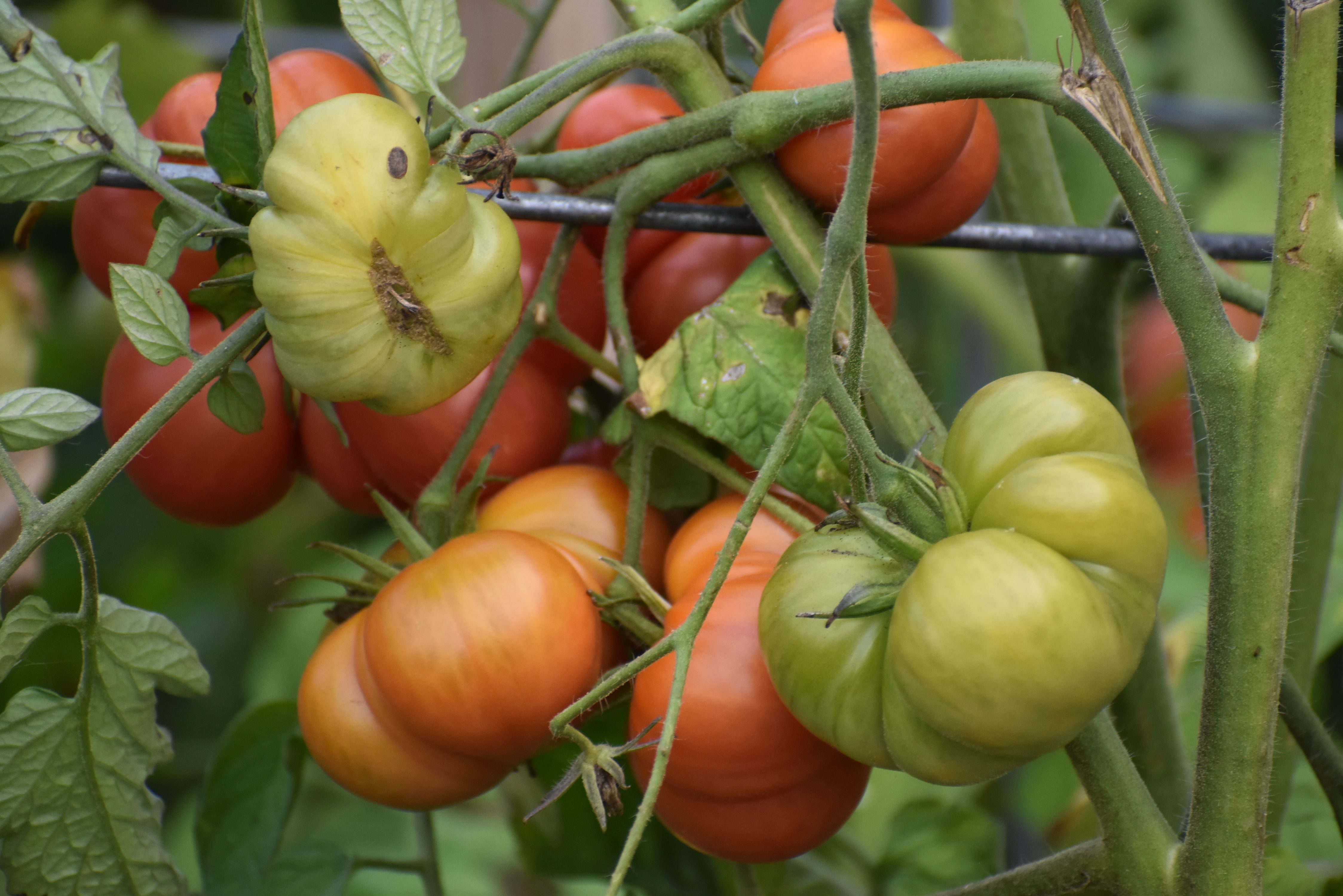
Few tomatoes inspire as much devotion—or frustration—as Brandywine. This Amish heirloom is slower and pickier than modern hybrids. Struggling with blossom drop or no flowers? With proper spacing, heat management, and patience, you can grow Brandywines that reward careful attention with unmatched flavor. The payoff is a tomato that tastes like summer itself—rich, tangy, and complex. Every slice is a reminder that some things cannot be rushed.
Key Takeaways
- Heat management is non-negotiable: Brandywine tomatoes stop setting fruit when daytime temperatures exceed 90°F and nighttime temperatures stay above 70°F. Use mulch, shade cloth, and time your harvests for early summer and fall windows.
- Wide spacing prevents disease: Plant Brandywine tomatoes 24 to 36 inches apart in rows spaced 4 to 6 feet apart. Crowding limits airflow and invites fungal diseases that heirlooms lack resistance to.
- Strong support is essential: Use 6-foot stakes, cattle panel trellises, or heavy-duty concrete remesh cages. Standard tomato cages will not support a mature Brandywine vine.
- Consistent watering prevents fruit problems: Water deeply with 1 to 2 inches per week and use organic mulch. Inconsistent watering is the leading cause of cracked fruit and blossom end rot.
- Patience is part of the process: Brandywine takes 80 to 100 days from transplant to harvest. If the plant is large but flowerless, lack of sunlight is usually the cause—these plants need 8 to 10 hours of direct light daily.
- Choose the right strain for your growing season: Sudduth’s Strain is the classic potato-leaf type, but OTV Brandywine ripens about 10 days earlier and is more tolerant of cooler summers, while Cowlick’s offers regular-leaf foliage that improves airflow in humid regions.
Why Brandywine Tomatoes Are Harder to Grow Than Modern Hybrids
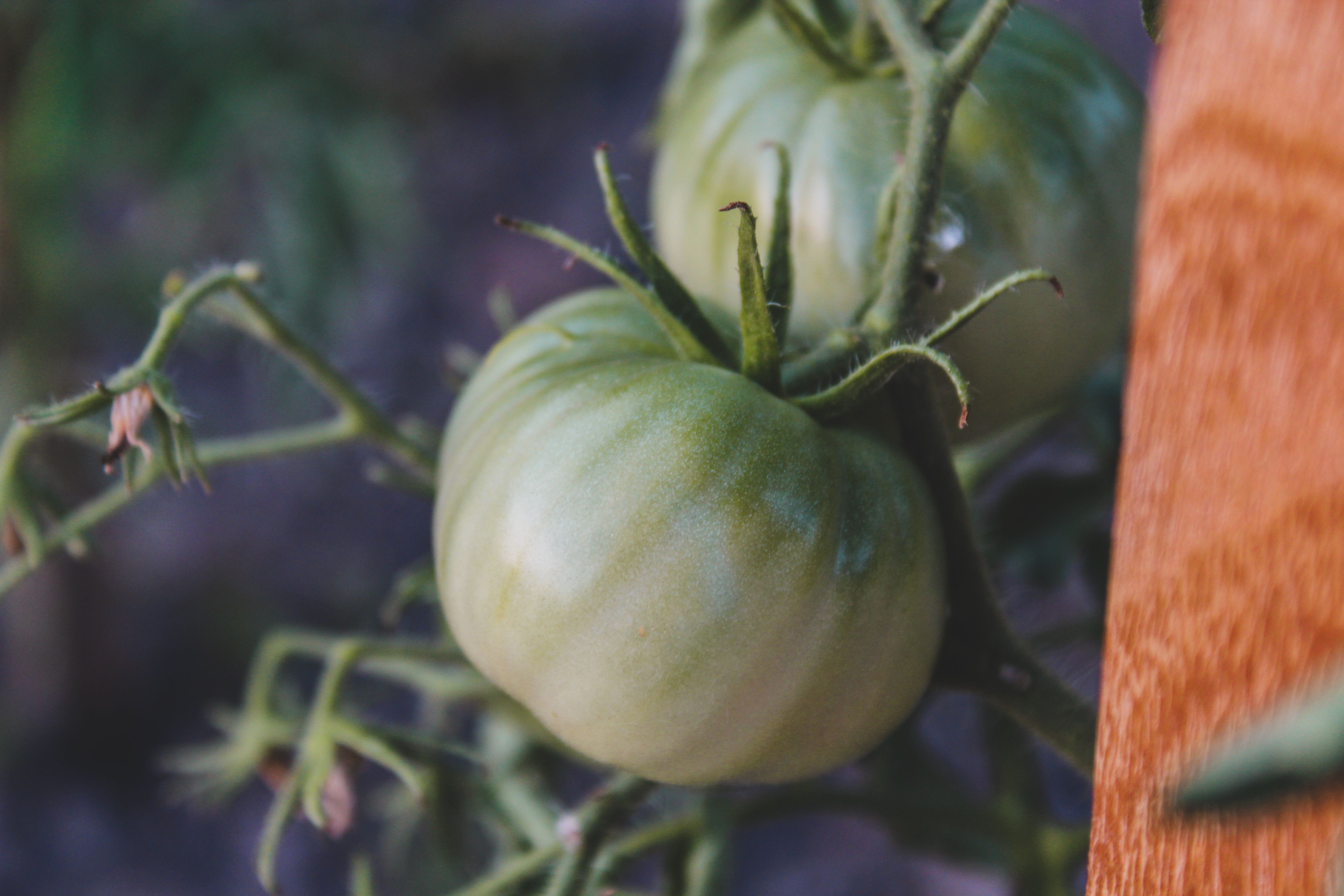
Why Brandywine Tomatoes Are Considered Hard to Grow
Brandywine is an open-pollinated heirloom optimized for flavor, not disease resistance or fast growth. It matures slowly, is sensitive to heat and drought, and often appears flowerless while hybrids fruit. That slower pace is not failure—it’s a characteristic. Provide ideal conditions: rich soil, consistent moisture, and ample space. Resist the urge to over-fertilize with nitrogen, which encourages leaves at the expense of blossoms. Many gardeners give up after one tough season, but with the right adjustments, Brandywine becomes a reliable summer staple.
Heat Sensitivity: When Temperatures Stop Fruit Set
Brandywine is heat-sensitive. Pollination fails above 90°F days or 70°F nights, causing blossom drop. In hot regions, use deep mulch, shade cloth, and target early summer/fall harvests. Fruit set may pause in July-August. After temperatures moderate, the plant often resumes setting fruit. For persistent heat, consider using a shade cloth that blocks 30–50% of sunlight during the hottest part of the day, and water deeply in the morning to keep root zones cool. Monitoring soil temperature with a simple probe can help you anticipate stress before blossoms drop.
Potato Leaf vs. Regular Leaf Tomatoes: Key Differences and Trade-offs
Potato-leaf Brandywine is famed for flavor but creates a dense canopy that traps moisture, requiring extra spacing and pruning for airflow. Regular-leaf strains like Cowlick’s have better air movement naturally, which can reduce fungal pressure in humid summers. The potato-leaf type also tends to be more prone to early blight in wet seasons, so aggressive lower-leaf removal is recommended. If you garden in a humid climate, consider planting a regular-leaf strain first to see if you prefer the easier management before committing to the potato-leaf version.
Potato Leaf vs. Regular Leaf Brandywine Tomatoes
Not all Brandywine strains are potato leaf—Sudduth’s Strain is, while OTV and Cowlick’s are regular leaf. Leaf type doesn’t change care: all are large indeterminate vines needing wide spacing. If you want slightly earlier maturity, try OTV Brandywine—it ripens about 80 days compared to Sudduth’s 90-100. Also note that some seed catalogs mislabel strains, so buy from reputable sources. For maximum flavor, many growers swear by Sudduth’s, but OTV holds its own in salads and sandwiches.
Planting Brandywine Tomatoes from Seed to Garden
Is Brandywine a Good Tomato for Your Climate?
Brandywine thrives in warm summers but not constantly above 90°F. Hot regions can use shade cloth and early/late harvests; humid regions need extra spacing. Short-season gardeners should start seeds early indoors. Plant a heat-set backup like ‘Arkansas Traveler’ or choose Brandywine OTV for earlier maturity. If you live in the Pacific Northwest, where summers are mild, Brandywine does surprisingly well because nighttime temperatures stay cool—just ensure full sun. In the Deep South, aim for a spring crop planted in March and a fall crop planted in July after the worst heat passes.
Seed Starting Timing and Conditions for Brandywine
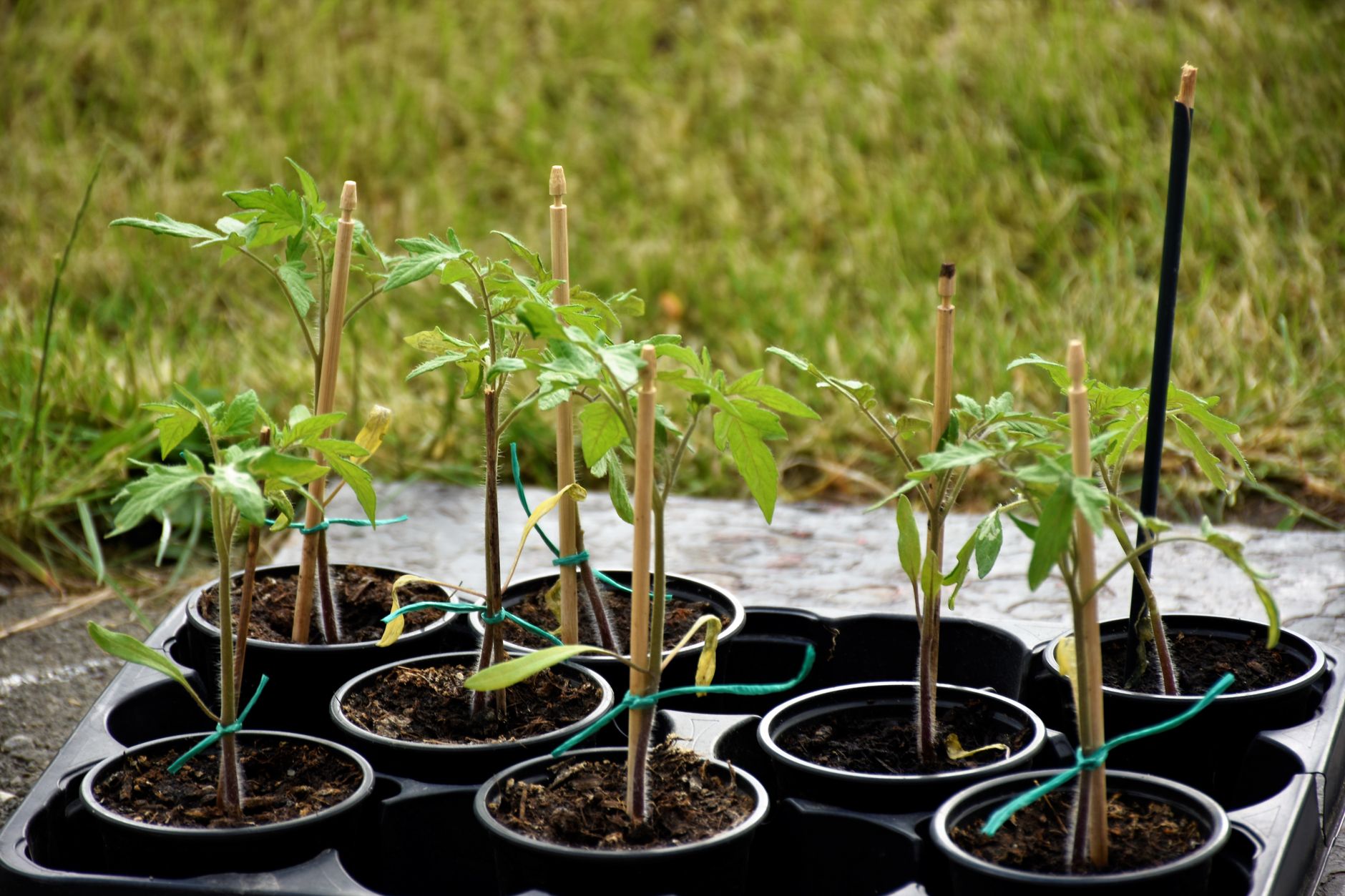
Start seeds indoors 6–8 weeks before last frost. Sow ¼ inch deep in seed-starting mix at 70–80°F. Provide strong grow light 14–16 hours daily. Germination may take 10–14 days. After first true leaves appear, transplant to 4-inch pots. Harden off gradually over a week before transplanting. Use a heat mat to maintain soil temperature if the room is below 65°F. Once seedlings are 6–8 inches tall, brush them lightly each day to strengthen stems—this mimics wind and encourages stockier growth.
Transplanting Seedlings Outdoors: Spacing, Depth, and Hardening Off
Transplant after soil warms to 60°F and frost passes. Plant deeply, burying stem up to top leaves. Space 24–36 inches apart in rows 4–6 feet apart. Dig hole, add compost, water deeply. Harden off over a week to prevent transplant shock. If soil is below 55°F, Brandywine may stall—use a starter fertilizer high in phosphorus if needed. A row cover can help warm the soil before planting. Mulch immediately after transplanting to suppress weeds and keep soil temperature stable.
Soil Preparation and Fertilizer for Heirloom Tomatoes
Amend beds with aged compost. Aim for pH 6.2–6.8. Use balanced organic fertilizer at transplant (e.g., 5-10-10) and side-dress with phosphorus-rich fertilizer after blooming. Add crushed eggshells or gypsum at planting to prevent blossom end rot. A soil test is worth the investment—Brandywine is especially sensitive to calcium and magnesium imbalances. If your soil is sandy, incorporate well-rotted manure or coconut coir to improve water retention.
Best Practices for Growing Healthy Brandywine Plants
Sunlight, Watering, and Temperature Management
Brandywine needs 8–10 hours direct sun daily. Water deeply and consistently (1–2 inches per week) to prevent cracking and blossom end rot. Use organic mulch to keep roots cool. Drip irrigation on a timer is ideal. Avoid overhead watering, which spreads fungal spores on the dense potato-leaf foliage. In hot spells, you can also mist the foliage in the afternoon to cool the plant slightly—but only if air circulation is good to avoid mildew.
Support First: Cages, Stakes, and Pruning for Heavy Brandywine Vines
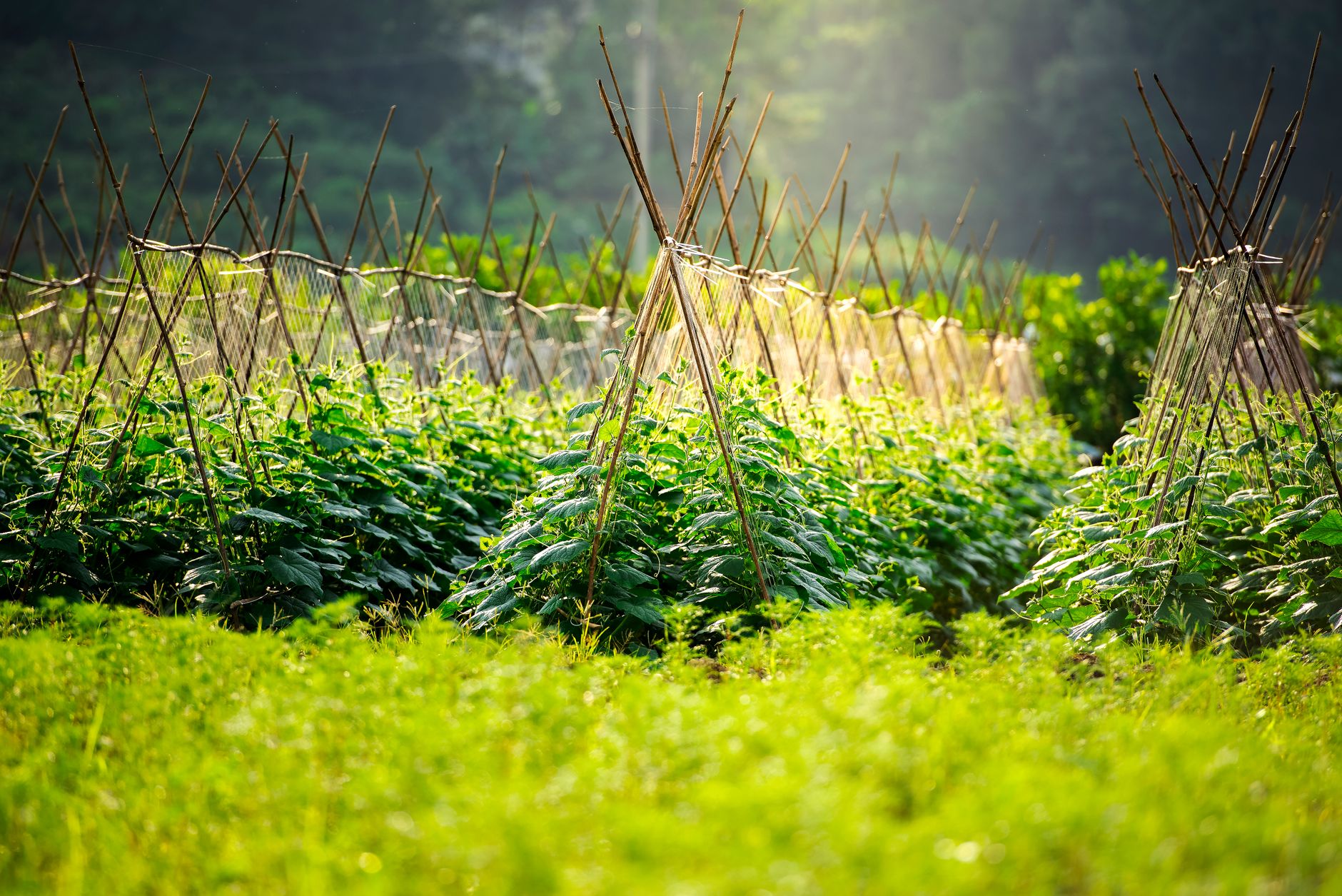
Use 6-foot stakes, cattle panel trellises, or heavy-duty remesh cages. Prune to one or two main stems to improve airflow and direct energy to fruit. Tie stems loosely. Drive stakes 18 inches deep at planting. Standard tomato cages will collapse—avoid them. For a cattle panel trellis, bend the panel into an arch or lean it against a sturdy frame; this allows the vine to climb and spread fruit weight evenly. Prune suckers weekly, especially in the first month, to keep the plant manageable.
Can You Grow Brandywine Tomatoes in Containers?
Yes, but challenging. Use at least 10–20 gallons—5 gallons is too small. Containers dry quickly, increasing blossom drop risk. Use a self-watering container and expect lower yield. Place where it gets morning sun and afternoon shade in hot climates. Mix a high-quality potting soil with compost and perlite for drainage. Also, stake the container itself to prevent tipping when the vine becomes heavy.
Troubleshooting Common Brandywine Tomato Problems
No Flowers vs. Blossom Drop: Diagnose the Real Problem
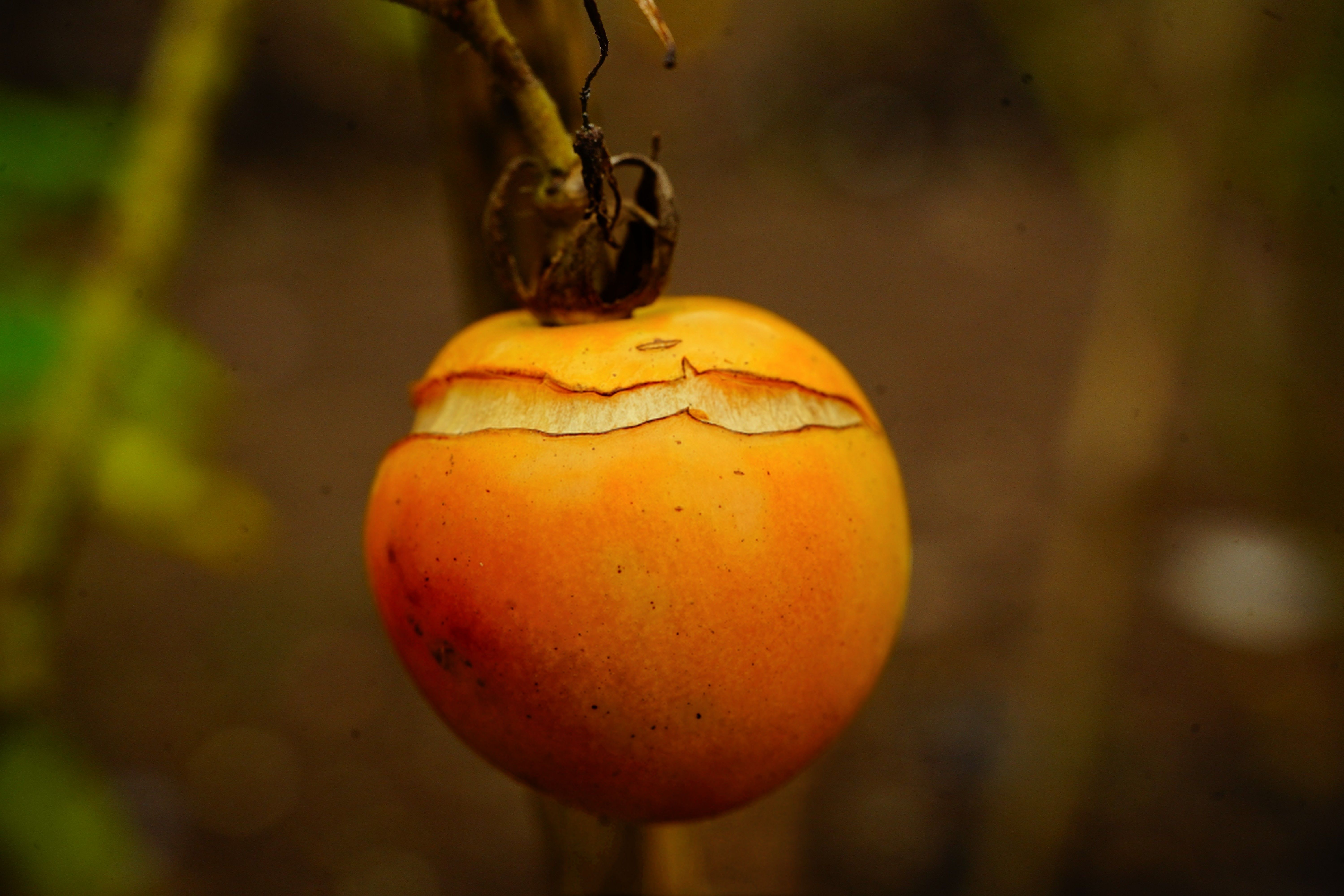
No flowers after 70–80 days? Likely insufficient sun. Blossom drop? Likely heat or inconsistent watering. Gently tap flower clusters in the morning to aid pollination. If nighttime temperatures exceed 70°F, use shade cloth that blocks 30% of light during heat waves. You can also use a fan on low to move air around the flowers if humidity is high. Keeping a simple garden journal with daily high and low temperatures helps identify patterns before problems become severe.
Dealing with Small, Cracked, or Misshapen Tomatoes
Cracked fruit results from inconsistent watering—water evenly and mulch. Harvest at first blush if rain is forecast. Catfacing (misshapen) is common in cool spring and doesn’t affect flavor. If fruit are small, the plant may be over-fruiting—pinch off a few small fruits. Blossom end rot is a calcium uptake issue caused by uneven moisture; maintain consistent watering and add calcium at planting. Also, avoid over-fertilizing with nitrogen, which can exacerbate the condition.
Preventing and Managing Common Pests and Diseases
Prevention is key: rotate crops, space well, water at base. Hand-pick hornworms, spray aphids with water. For fungal issues, apply copper or neem oil at first sign, remove infected leaves. Early blight—remove affected leaves and improve air circulation. Inspect plants every few days. For septoria leaf spot, another common heirloom fungus, remove the lowest leaves early and avoid splashing soil onto foliage. If you see whiteflies, introduce beneficial insects like ladybugs or use insecticidal soap.
Harvesting and Enjoying Your Brandywine Tomatoes
When and How to Harvest Brandywine Tomatoes
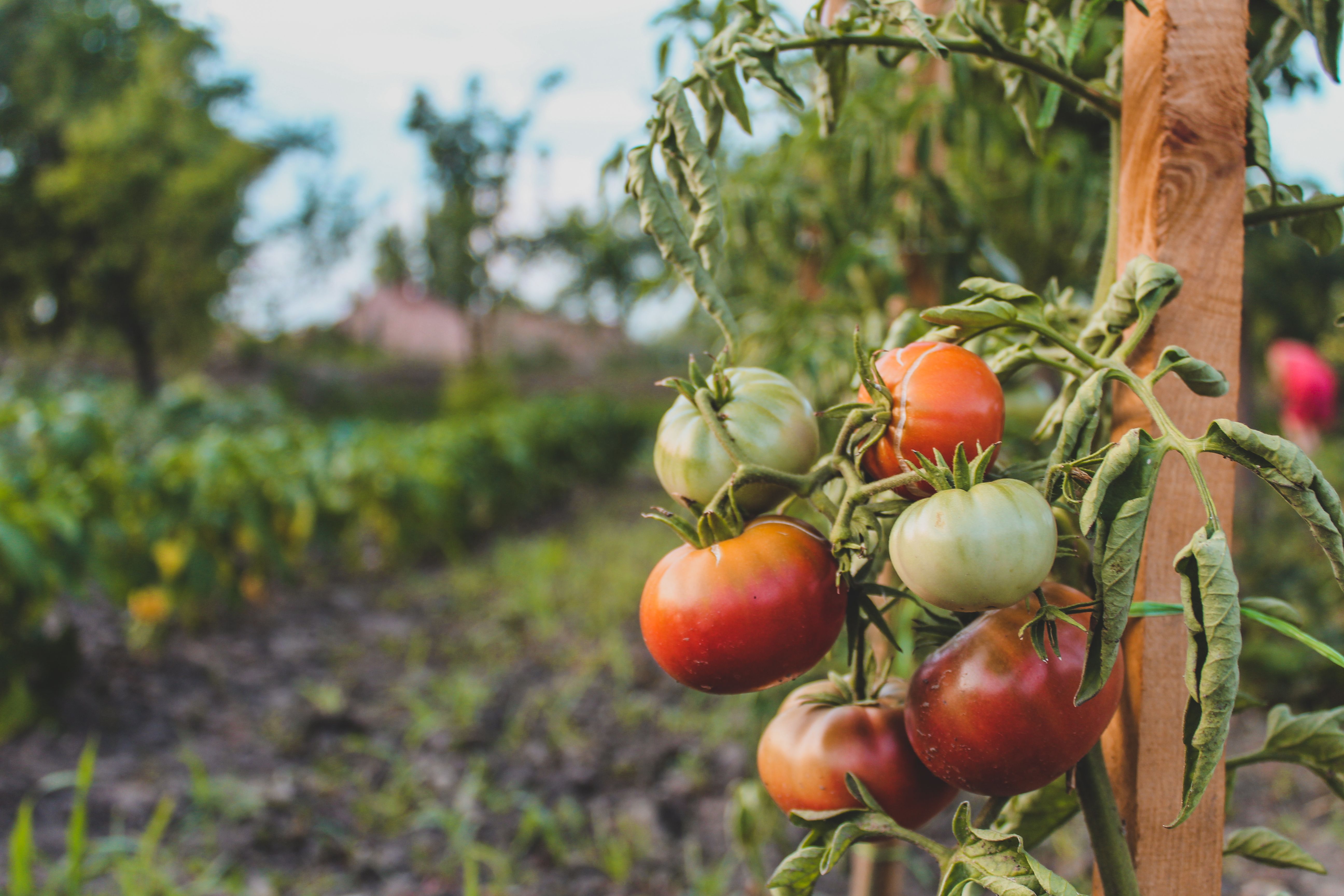
Harvest 80–100 days after transplant when deep pink/red and slightly soft. Snip stem. If rain is forecast, pick at breaker stage and ripen indoors. Do not refrigerate. For the best flavor, let the fruit fully ripen on the vine if possible—a warm, sunny day enhances sugar development. If you must pick early, place them on a counter in a single layer out of direct sunlight until fully ripe.
Flavor Profile and Best Culinary Uses
Brandywine is the quintessential slicing tomato—balanced sweetness and acidity, dense meaty flesh. Perfect for sandwiches and salads. Also excellent for sauce, though yield per plant is lower. A pinch of salt is often enough. For a classic BLT, thick slices of Brandywine elevate the sandwich to something extraordinary. The flavor also shines in caprese salads with fresh mozzarella and basil.
Storage Tips and Saving Seeds for Next Season
Store at room temperature, use within days. To save seeds, ferment seeds and gel in water for 2–4 days until mold forms, rinse, and dry. Label with strain and year. Do not refrigerate unripe fruit. For long-term seed storage, keep in a cool, dark place in an airtight container. Brandywine seeds remain viable for 3–5 years if stored properly.
Conclusion
Growing Brandywine tomatoes demands patience with heat management, spacing, support, and consistent watering. It takes longer than hybrids and tests your skills, but the first perfectly ripe slice is a revelation. Keep notes on weather and harvest dates; adjusting your approach each year is the path to mastering this classic heirloom. The reward goes beyond taste—it’s the satisfaction of coaxing perfection from a notoriously finicky plant.
FAQ
Are Brandywine tomatoes difficult to grow?
Yes, compared to modern hybrids. They are slow, heat-sensitive, and lack disease resistance. With proper spacing, watering, and temperature management, home gardeners can succeed. Many find that after one or two seasons of trial and error, Brandywine becomes predictable and rewarding.
Do Brandywine tomatoes need a trellis?
Yes. They are indeterminate vines growing 6–8+ feet. Use stakes, cattle panels, or heavy-duty remesh cages. Standard cages are too flimsy. A trellis also keeps fruit off the ground, reducing rot and pest damage.
How long does it take for Brandywine tomatoes to produce fruit?
Most strains take 80–100 days from transplant to ripe fruit, longer than many hybrids. OTV Brandywine matures about 10 days earlier than Sudduth’s Strain. Cool or overcast weather can extend that timeline by another week or two.
What are the most common Brandywine tomato problems and how do I fix them?
Blossom drop from heat (mulch and shade cloth), cracked fruit from inconsistent watering (water evenly and mulch), fungal diseases from poor airflow (space widely and rotate crops). Blossom end rot—add calcium at planting and maintain even moisture. Early blight—remove lower leaves and apply copper fungicide preventively. Also watch for hornworms, which can strip a plant overnight; hand-picking is the most effective control.
Did you find this post helpful?
A little support goes a long way in helping me create more free, in-depth content like this.