How to Grow and Care for Chocolate Mint
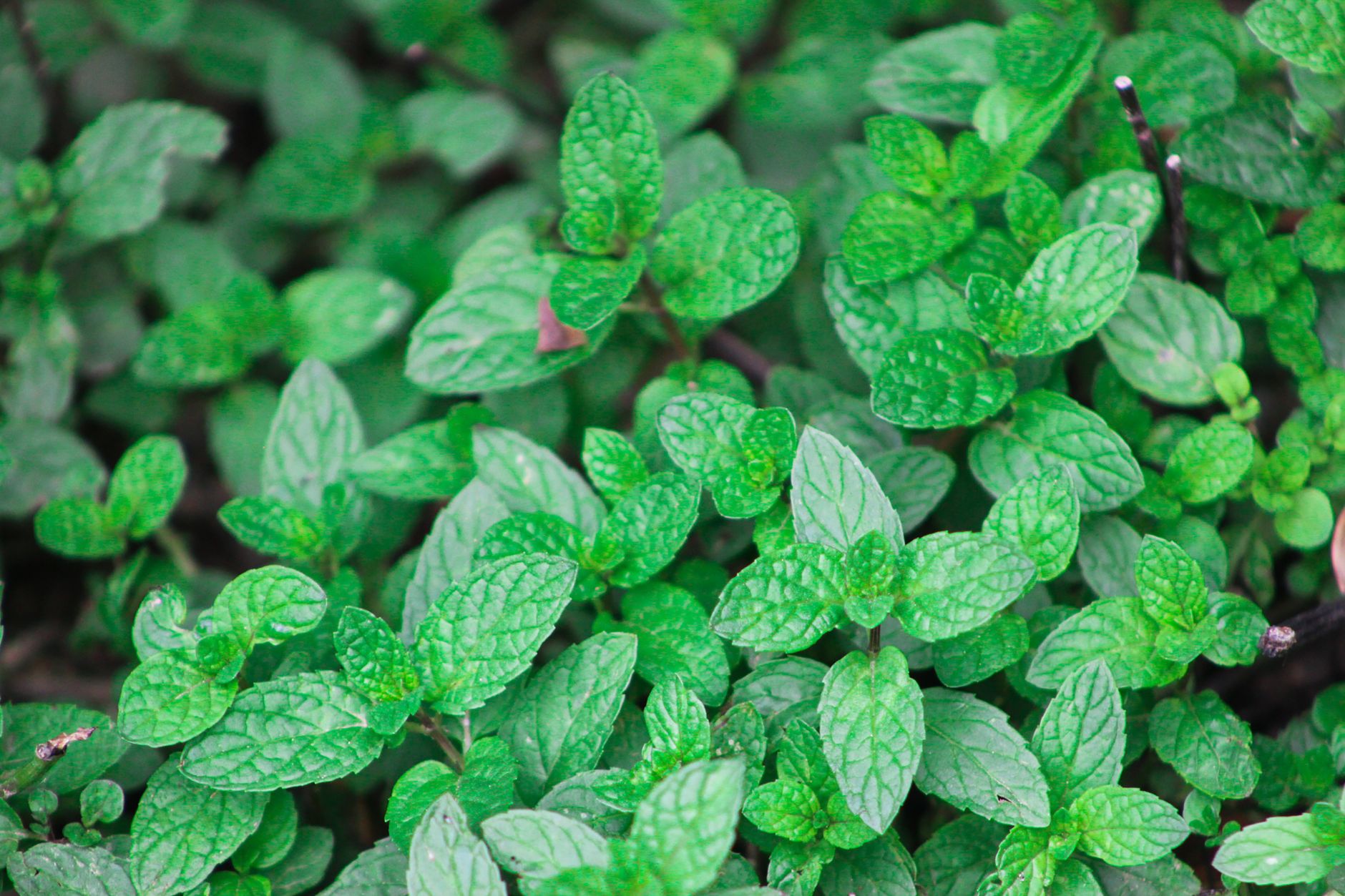
If you love the combination of mint and chocolate, you’ve probably wondered whether you can grow a plant that tastes like a thin chocolate mint. The good news is that chocolate mint is a real herb, and it’s surprisingly easy to grow at home. But the chocolate flavor is subtle, more an aroma and gentle undertone than a candy-like taste. Chocolate mint (Mentha × piperita ‘Chocolate’) is a cultivar of peppermint bred for its unique scent and flavor profile, originating in England in the 19th century and now enjoyed worldwide. It adds a lovely twist to teas, desserts, and drinks, but it’s still mint first—a versatile plant that rewards proper care with abundant harvests.
Key Takeaways
-
Set realistic flavor expectations: Chocolate mint has a subtle chocolate undertone, not a candy-like taste. The chocolate character is more noticeable in the aroma than the flavor, so approach it as an interesting mint variety with a gentle cocoa note rather than a dessert substitute.
-
Plant in containers to control spreading: Chocolate mint spreads by underground runners and can overtake garden beds. Use a pot at least 10–12 inches wide, or install a barrier buried 12 inches deep if planting in the ground.
-
Harvest before flowering for peak flavor: The essential oils are strongest just before flowers appear. Pick leaves in the morning after dew dries, cut just above a leaf node, and never strip more than one-third of the plant at once.
-
Use fresh leaves for the best chocolate aroma: Drying destroys most of the chocolate character. Use fresh leaves for teas, hot chocolate garnish, fruit salads, and desserts, or freeze them in ice cube trays for cooking use later.
-
Overwinter with mulch or move containers indoors: Chocolate mint is hardy in zones 5–9. In cold climates, apply 4–6 inches of mulch after the first freeze or move pots to a sheltered spot like an unheated garage for winter dormancy.
What Is Chocolate Mint?
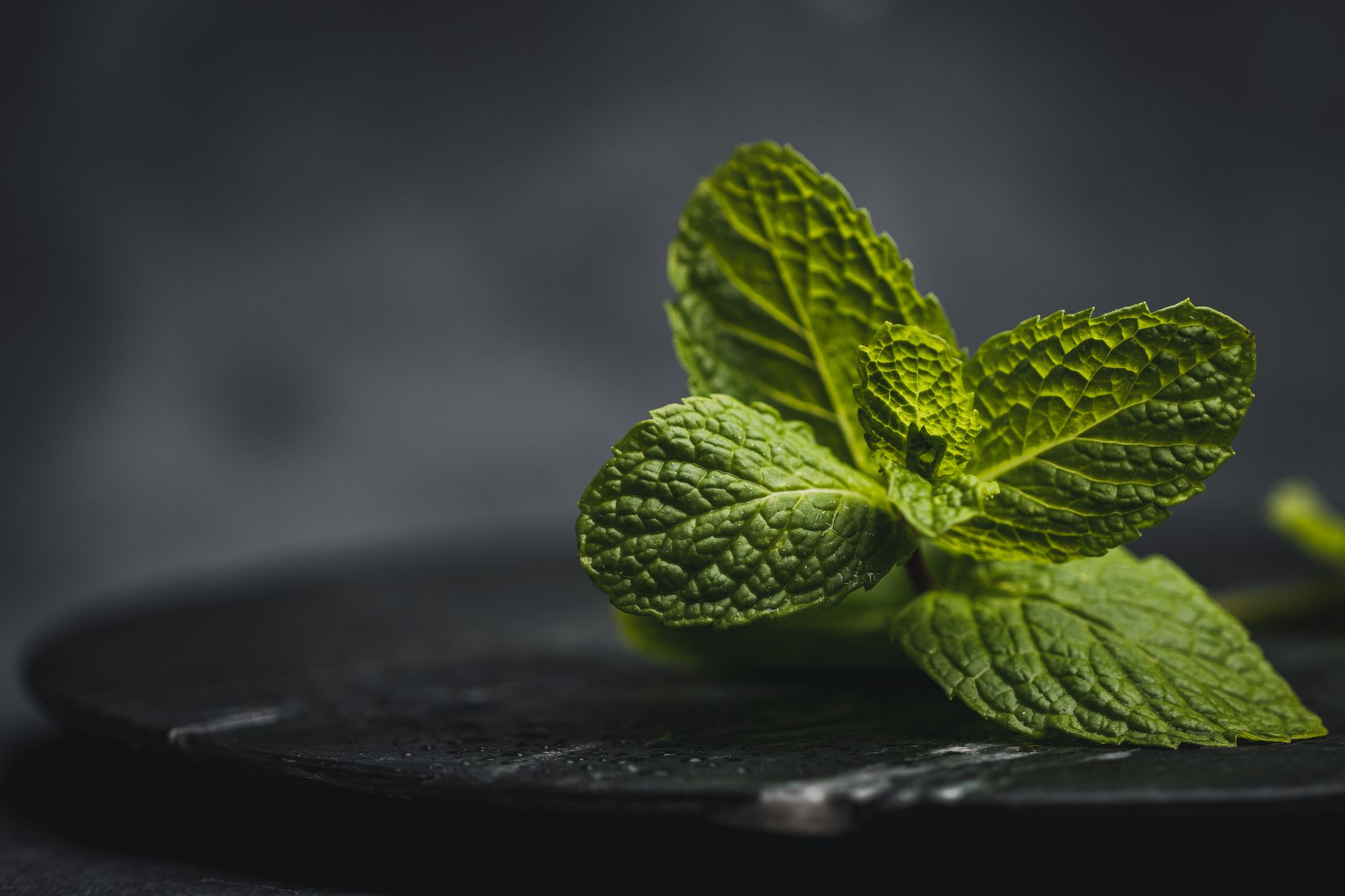
Chocolate mint is a natural cross between watermint and spearmint selected for its chocolatey aroma. Unlike standard peppermint with strong menthol, chocolate mint carries a softer, sweeter fragrance reminiscent of chocolate mint candies. The plant is a perennial herb that spreads readily, making it both a delight and a careful gardener’s project. Its botanical name Mentha × piperita ‘Chocolate’ indicates it is a peppermint cultivar, sharing many growing traits with its parent but distinguished by the presence of trace compounds like linalool and menthofuran that contribute to the cocoa-like scent. The chocolate note is not added artificially—it’s a natural result of the specific essential oil ratios in this variety.
The name “chocolate mint” causes confusion. Some assume the leaves will taste like creamy chocolate. Others wonder why anyone would bother if the flavor is faint. Setting the right expectations helps you appreciate this herb for what it really is: a unique mint with a warm, dessert-like twist that enhances rather than overwhelms.
Does Chocolate Mint Really Taste Like Chocolate? (What to Expect)
Yes, but very subtly. If you pop a raw leaf into your mouth, you’ll taste mint first—clean, cooling, slightly sweet. After chewing a moment, you might notice a mild, warm aftertaste that hints at cocoa. Most gardeners describe the flavor as “mint with a chocolate undertone.” The chocolate character is more pronounced in the scent, which can bring to mind a peppermint patty or a chocolate mint cookie. In cooking, the flavor pairs especially well with chocolate, berries, and citrus, as the mint’s coolness and the cocoa note complement each other beautifully.
If you expect a full-on candy experience, you’ll be disappointed. If you approach it as an interesting mint variety with a gentle cocoa note, you’ll be pleasantly surprised and will find many creative uses for it.
What Chocolate Mint Looks Like and How to Identify It
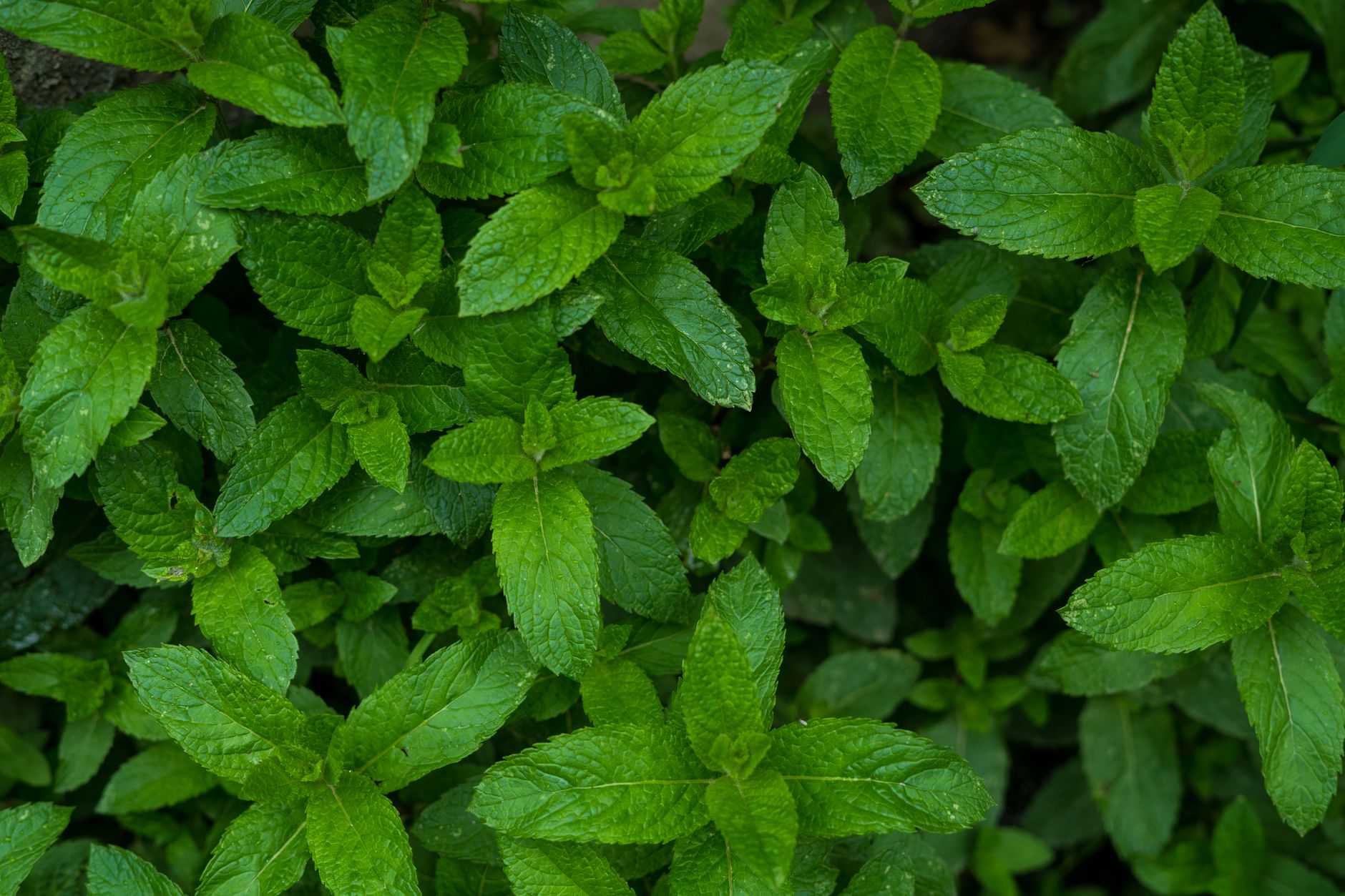
Chocolate mint leaves are slightly broader and more rounded than other mints, with serrated edges and a darker green color often tinged purple or bronze on new growth. Stems are square (a classic mint family trait). When you rub a leaf, the scent is unmistakable—cool mint with a warm, sweet cocoa note. The purple tinge becomes more pronounced in bright sunlight or when the plant is stressed, making it a striking addition to the garden. The plant grows 18–24 inches tall and spreads readily via stolons, forming a dense ground cover if left unchecked.
Chocolate Mint vs. Regular Mint vs. Peppermint: Key Differences
| Variety | Flavor Profile | Appearance | Best Culinary Uses | Growth Habit |
|---|---|---|---|---|
| Chocolate Mint | Minty with subtle chocolate warmth; milder menthol | Broad, slightly rounded leaves; dark green with purple hints | Desserts, fruit salads, chocolate pairings, teas, drinks | Spreading perennial; moderate runner (less vigorous than spearmint) |
| Spearmint (common “regular” mint) | Classic minty, refreshing, mild menthol | Pointed, serrated leaves, bright green | Mojitos, savory dishes, lamb, teas, sauces | Very aggressive runner; highly invasive |
| Peppermint | Strong menthol, sharp, cooling | Dark green pointed leaves; sometimes purple stems | Teas, candies, cough drops, desserts | Moderately invasive; faster spreader than chocolate mint |
Chocolate mint is not as aggressively spreading as common spearmint, but it will still take over a garden bed if left unchecked. Its growth habit makes it ideal for container cultivation.
How to Grow Chocolate Mint Successfully
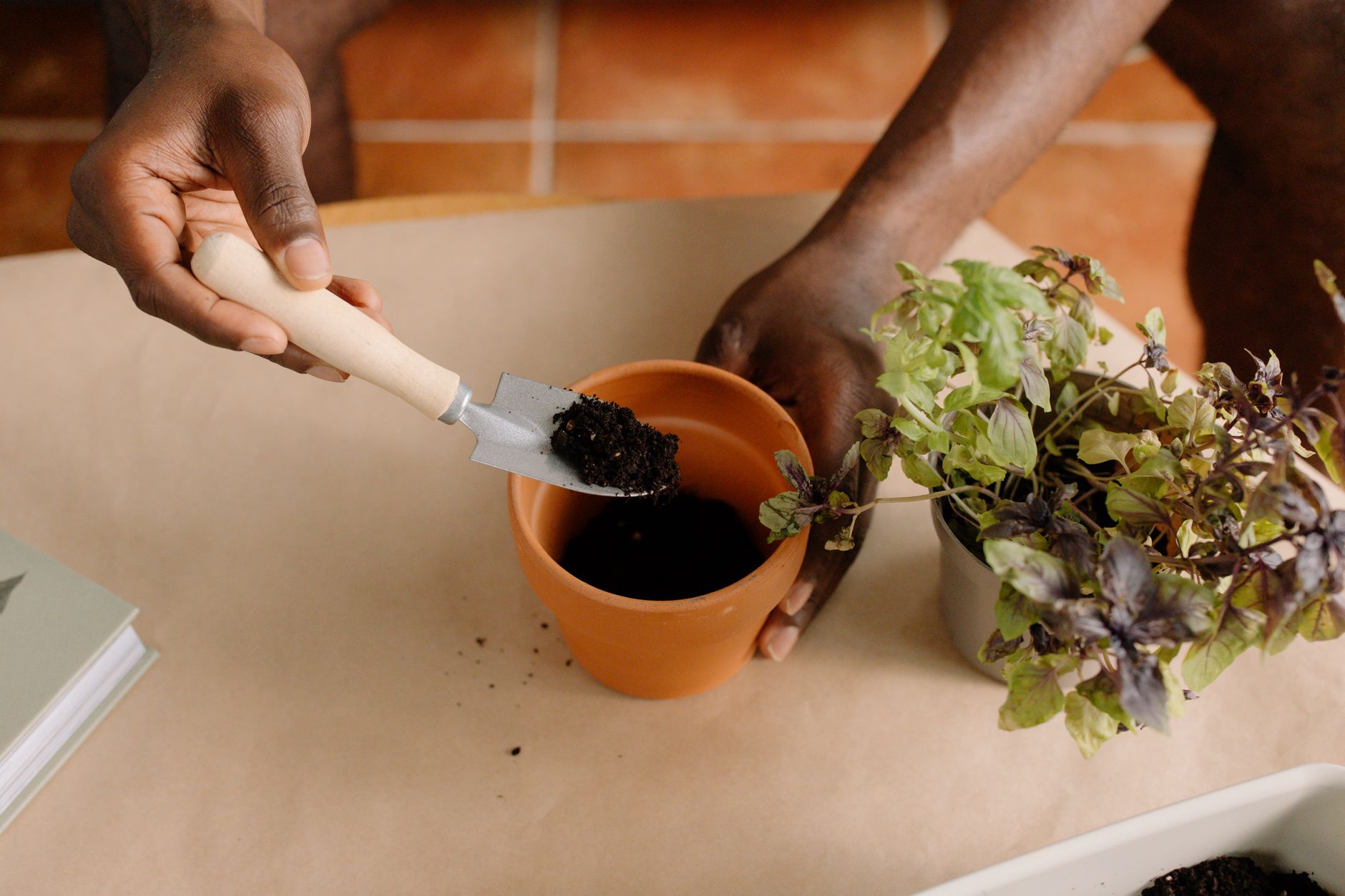
Growing chocolate mint is nearly as easy as growing any mint—just follow a few key practices to maximize flavor and control spread.
Best Soil, Sunlight, and Watering for Chocolate Mint
Chocolate mint prefers rich, moist soil with pH 6.0–7.0. Add organic compost before planting to improve drainage and fertility. It grows well in full sun to partial shade; in hot climates, afternoon shade prevents leaf scorch and keeps the purple tinge from fading. Keep soil consistently moist but not waterlogged—chocolate mint thrives in damp conditions but will rot in standing water. In summer, potted plants may need daily watering; in-ground plants need deep watering twice a week. Mulching with straw or shredded bark helps retain moisture and suppresses weeds.
Is Chocolate Mint Invasive? How to Plant in Containers or With Barriers
Yes, chocolate mint is invasive, spreading by underground runners. Best practice is to plant in a container at least 10–12 inches wide with drainage holes. Use a quality potting mix and consider adding slow-release fertilizer at planting time. If planting in the ground, install a barrier buried at least 12 inches deep—root barriers made of plastic or metal work well. Check the perimeter every spring and cut back any escapees. Alternatively, you can plant chocolate mint in a bottomless bucket sunk into the soil to restrict runner spread while still allowing good drainage.
Growing Chocolate Mint Indoors: Light and Humidity Requirements
Chocolate mint can thrive indoors with 4–6 hours of bright, indirect sunlight (south- or west-facing window). Without enough light, it becomes leggy and the aroma weakens, so supplement with a full-spectrum grow light for 12–14 hours daily if needed. Increase humidity with a pebble tray or occasional misting, especially in dry heated homes. Keep soil moist—check daily—and use a container with drainage. Fertilize monthly with a balanced liquid fertilizer at half strength during the growing season to maintain leaf production. Indoors, chocolate mint can be harvested year-round with proper care.
How to Harvest Chocolate Mint
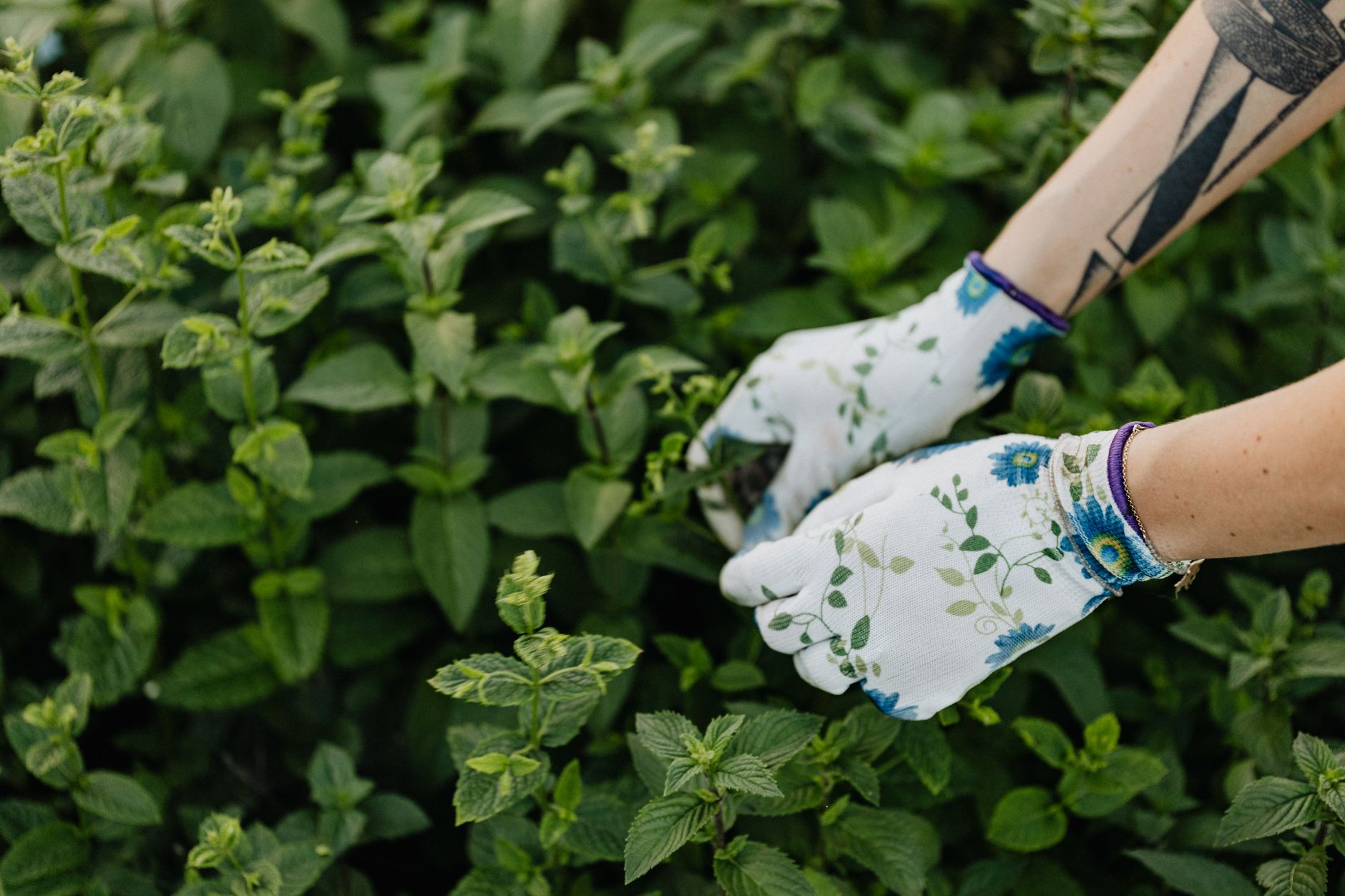
When and How to Harvest Chocolate Mint Leaves (For Best Flavor)
Harvest just before flowering for peak essential oils. Pick in the morning after dew dries, before the heat of the day diminishes oil content. Pinch off individual leaves or cut stems 2–3 inches above soil. Never take more than one-third of the plant at once; regular harvesting encourages bushier growth and more leaves over time. For the strongest chocolate aroma, always use the youngest, most tender leaves—older leaves have a flatter mint taste.
How to Cut Chocolate Mint So It Grows Back Bushier
Pinch or cut back stem tops just above a leaf node to encourage branching. Give a “hard haircut” every 4–6 weeks during the growing season, trimming the plant by about half. This prevents flowering and keeps the plant compact and productive. After cutting, water thoroughly to help the plant recover.
How to Store Fresh, Dried, or Frozen Chocolate Mint
- Fresh: Place stems in a jar with water, cover loosely with a plastic bag, and refrigerate for up to a week. Change water every two days.
- Dried: Hang small bundles in a dark, airy place for 1–2 weeks. Dried mint loses most of the chocolate aroma, so it’s best saved for general mint tea.
- Frozen: Chop leaves and freeze in ice cube trays with water, broth, or olive oil. Great for adding to teas, soups, or sauces later—the chocolate note survives freezing much better than drying.
- Infused sugar or honey: Layer fresh leaves with sugar or honey in a jar; let sit for a week for a subtly chocolate-mint sweetener.
Best Ways to Use Chocolate Mint in the Kitchen

Drinks That Make the Flavor Stand Out
- Fresh tea: Steep a handful of fresh leaves in hot water for 5 minutes. Add honey or lemon.
- Iced tea: Brew strong, chill, and serve with a sprig and orange slice.
- Mojitos/mocktails: Muddle leaves with lime and sugar, then add rum or sparkling water.
- Hot chocolate garnish: Place a fresh leaf on top of hot cocoa for aroma and gentle flavor.
- Infused water: Add leaves to water with cucumber, watermelon, or berries.
- Chocolate mint simple syrup: Simmer 1 cup sugar, 1 cup water, and a handful of leaves; strain and use in cocktails or iced coffee.
Desserts and Fruit Pairings
- Chocolate desserts: Garnish brownies, chocolate cake, or lava cake with leaves. Finely chop leaves into ganache or frosting.
- Ice cream: Chop leaves finely and stir into vanilla or chocolate ice cream base before churning.
- Fruit salad: Sprinkle chopped leaves over strawberries, watermelon, or berries; the mint lifts the fruit’s sweetness.
- Fruit salad with chocolate drizzle: Toss mango, kiwi, strawberries, and mint, then drizzle with melted dark chocolate for a sophisticated treat.
- Chocolate mint creme brulee: Infuse the cream with fresh leaves before baking.
When Chocolate Mint Does Not Work as Well
- Savory dishes like mint sauce for lamb or chutney need bright spearmint flavor; chocolate mint’s cocoa note feels out of place.
- Strongly spiced dishes like curries overwhelm the delicate aroma.
- Dried leaves lose the chocolate character; use only when minty tea is the goal.
Common Problems and Troubleshooting for Chocolate Mint
Yellow Leaves and Leggy Growth: Causes and Fixes
Yellow leaves usually indicate overwatering, poor drainage, or insufficient light. Check drainage and move to a brighter spot. Leggy growth means the plant needs more light; trim back stems and increase sunlight or use a grow light. If leaves yellow after planting, the soil may be too compact or lacking nitrogen—amend with compost or a balanced fertilizer.
Pests and Diseases That Affect Chocolate Mint
Aphids and spider mites are common. Spray with a strong jet of water or use insecticidal soap/neem oil. Spider mites thrive in dry conditions, so maintain humidity and check undersides of leaves. Fungal diseases (rust, powdery mildew) occur with poor air circulation and wet leaves. Space plants, water at base, and remove affected leaves. Rust appears as orange pustules on leaf undersides—remove infected foliage immediately and avoid overhead watering.
Overwintering Chocolate Mint in Cold Climates
Chocolate mint is hardy in zones 5–9. In zones 5–6, apply 4–6 inches of straw or shredded leaves after the first hard freeze to insulate the roots. For container plants, move to an unheated garage or wrap the pot in bubble wrap and place against a south-facing wall. Water sparingly during dormancy—just enough to keep the soil from completely drying out. In zone 4 or colder, bring containers indoors as houseplants; place in a cool room with bright light and reduce watering until spring.
Conclusion
Chocolate mint is a rewarding herb that’s easy to grow and yields generously. It adds a subtle chocolate-mint twist to drinks and desserts. The key is realistic expectations: the flavor is gentle, not candy-like, and the plant needs a container or barrier to control spread. With consistent watering, occasional pruning, and enough light, you’ll have a steady supply of leaves for teas, garnishes, and fruit pairings. Whether you grow it in a pot on the patio or indoors on a sunny windowsill, this unique mint will bring a touch of sweetness to your kitchen.
FAQ
Is chocolate mint hard to grow?
No, it’s as easy as regular mint. It needs moist soil, moderate sunlight, and occasional pruning. The main challenge is controlling its spread—use a container or barrier.
Does chocolate mint come back every year?
Yes, it’s a perennial in zones 5–9. Leaves die back in winter, but roots regrow in spring. In colder zones, protect with mulch or move containers indoors.
Does a chocolate mint plant actually taste like chocolate?
It has a mild, subtle chocolate undertone. The aroma is more noticeable than the taste. Expect mint first, followed by a warm, cocoa-like aftertaste.
What can you use chocolate mint for?
Use it fresh in teas, iced drinks, cocktails, hot chocolate garnishes, fruit salads, ice cream, and chocolate desserts. It’s less suitable for savory dishes needing clean spearmint flavor.
Did you find this post helpful?
A little support goes a long way in helping me create more free, in-depth content like this.