Gerbera Daisy Care: How to Grow Healthy Plants and Keep It Blooming
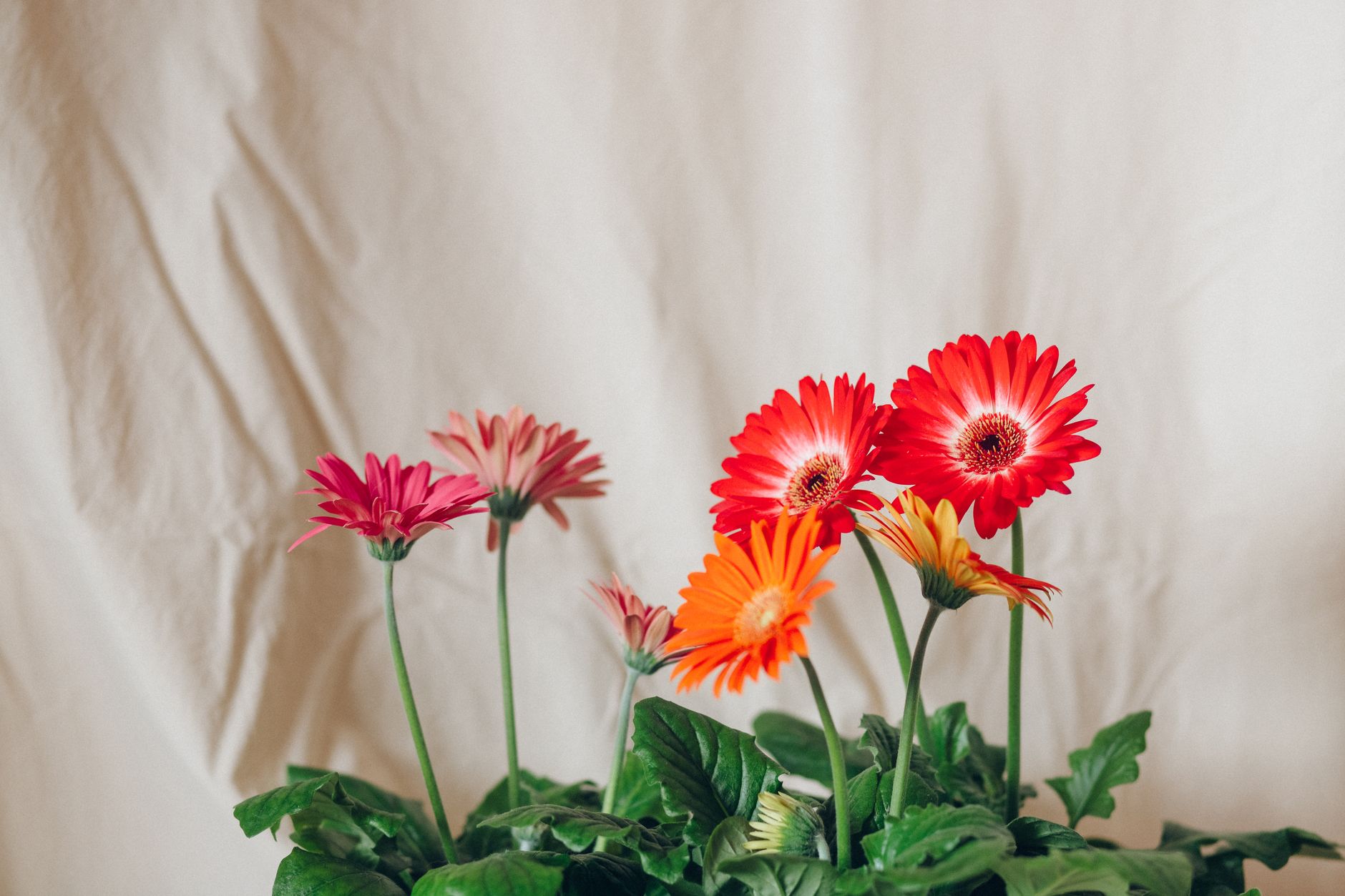
Gerbera daisies produce large, colorful blooms that brighten indoor spaces and garden beds. These South African natives thrive with consistent attention to light, water, and soil. This guide covers essential care, seasonal maintenance, and troubleshooting to help you enjoy months of vibrant flowers.
Key Takeaways
- Master the four care essentials: Bright light, careful watering at soil level, well-draining soil, and regular feeding with a balanced fertilizer are the foundation of healthy gerbera daisies and continuous blooms.
- Water at soil level, not the crown: The most common mistake is overwatering into the crown, which causes crown rot. Always water around the base and let the top inch of soil dry before watering again.
- Deadhead spent flowers for more blooms: Removing faded flowers encourages the plant to produce new buds instead of seeds. Regular deadheading throughout the growing season extends bloom production significantly.
- Diagnose problems by checking water and light first: Yellow leaves, drooping, and leggy growth are usually caused by improper watering or insufficient light. Adjust these conditions before reaching for fertilizer or other treatments.
Gerbera Daisy Care Basics: Light, Water, Soil, and Feeding
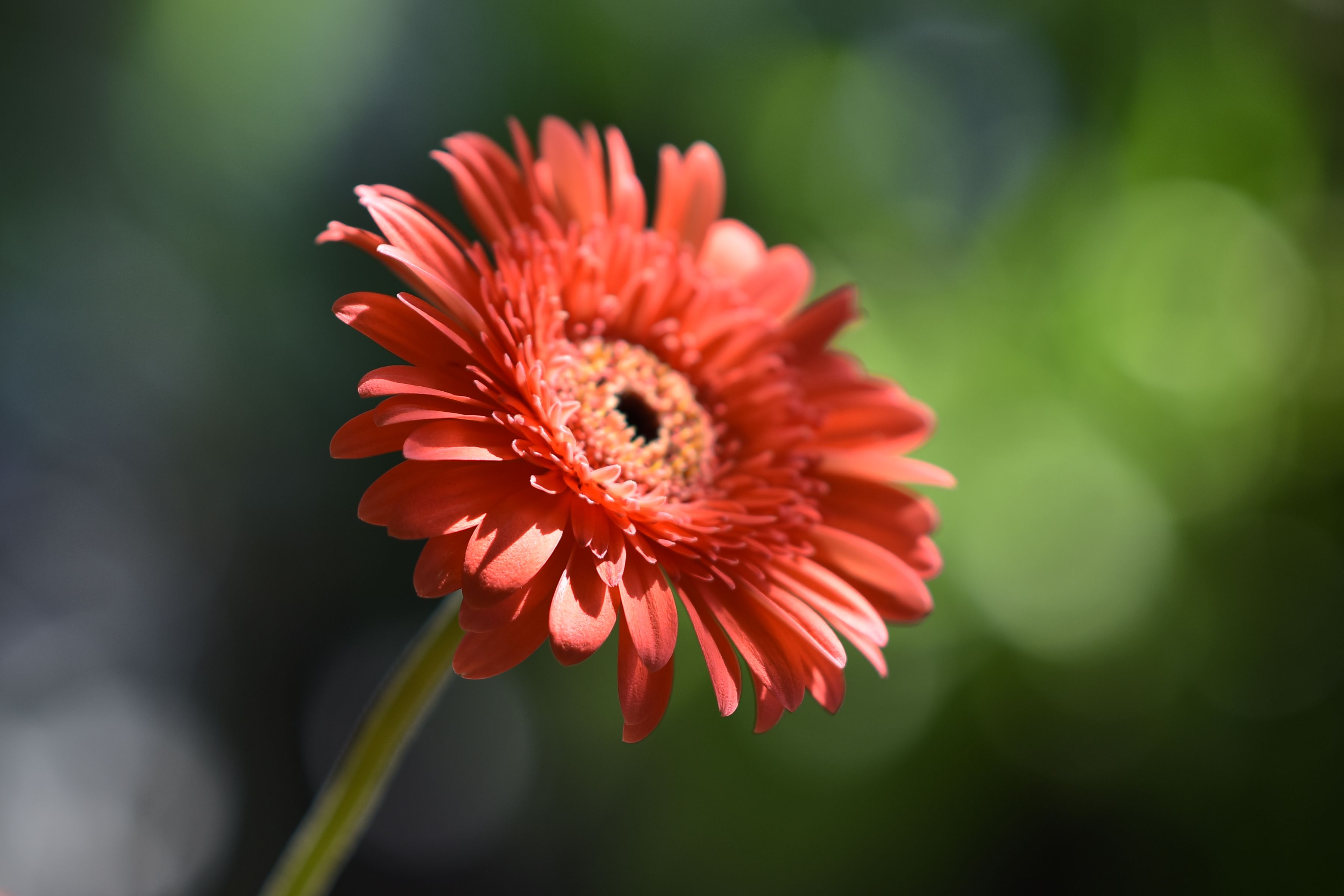
The Right Light and Temperature for Gerbera Daisies
Gerbera daisies need bright light to flower. They perform best with morning sun and afternoon shade, especially in hot climates where intense afternoon sun can scorch leaves. Indoors, place them in a bright windowsill with several hours of direct light but protected from midday sun. A south- or west-facing window with sheer curtains works well. Without enough light, stems become leggy and blooms are sparse. Aim for at least six hours of direct morning sunlight daily. If natural light is insufficient, supplement with a full-spectrum grow light placed 6–12 inches above the plant for 12–14 hours per day.
Ideal daytime temperatures are 65°F to 75°F, with nights around 60°F–65°F. They are not frost-tolerant—damage occurs below 40°F. High humidity above 50% helps keep foliage healthy; if indoor air is dry, use a humidity tray or occasional misting, avoiding the crown. Avoid placing them near air conditioning vents, heaters, or drafty windows.
How to Water Gerbera Daisies Without Crown Rot
Overwatering causes crown rot and fungal disease, and once it takes hold the plant rarely recovers. Water at soil level, not into the crown. Use a watering can with a long spout or a drip system. Let the top inch of soil dry between waterings—test with your finger. In warm weather, this may mean watering every two to three days; in cooler weather, once a week. Containers with drainage holes are essential; keep the crown slightly above soil level when planting. Empty saucers after watering—never let the pot sit in standing water. If leaves wilt but soil is moist, suspect root rot from overwatering. Water early in the day so foliage dries by evening.
Best Soil and Fertilizer for Gerbera Daisies
Use lightweight, well-draining soil. A mix of two parts potting soil, one part perlite, and one part coarse sand works well for containers. Amend heavy garden soil with organic matter. Ideal soil pH is 5.5 to 6.5. Fertilize with a balanced, water-soluble formula at half strength to avoid root burn. Choose a fertilizer slightly higher in phosphorus (e.g., 15-30-15) to encourage blooms. Feed every two to three weeks in spring and summer; reduce feeding in fall and winter. Avoid high-nitrogen fertilizers that promote leaf growth at the expense of flowers. For garden beds, apply a slow-release granular fertilizer at planting time, then supplement with liquid feed monthly.
Growing Gerbera Daisies: Pots vs. Ground and Indoor vs. Outdoor
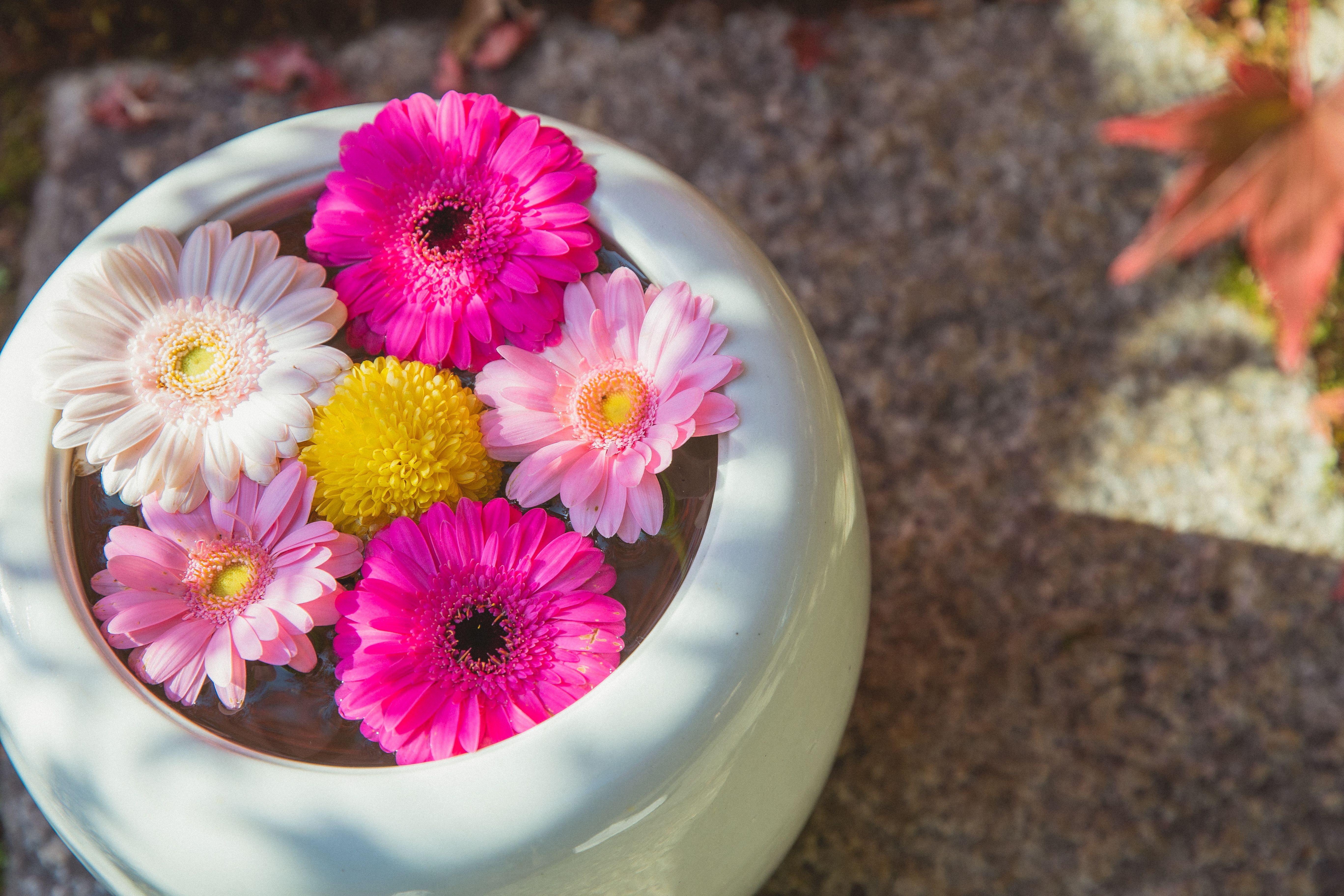
Do Gerbera Daisies Do Better in Pots or in the Ground?
Both work, but each has trade-offs. Pots give control over soil, drainage, and position, and allow moving plants indoors when frost threatens. Choose a pot slightly larger than the root ball with ample drainage holes; terracotta pots help wick excess moisture, while plastic pots retain moisture longer. A 6- to 8-inch pot is ideal for a single plant; too large a pot risks root rot. In-ground plants often grow larger with more blooms if drainage is excellent. Heavy or wet soil leads to root rot. Start with a pot if you are new—it makes monitoring easier. In rainy climates, pots let you move plants under cover. For in-ground planting, create raised beds or mounds to improve drainage. Space plants 12–18 inches apart for air circulation.
Essential Care for Indoor Potted Gerbera Daisies
Place indoors in a south- or west-facing window with several hours of sunlight. Rotate the pot weekly to keep growth even. Use a grow light if natural light is limited—aim for 12–14 hours of bright light daily. Keep away from drafts and heating vents. Check soil moisture before watering, and empty the saucer. Expect less winter bloom due to shorter days; allow a rest period with reduced water and no fertilizer until spring. Clean leaves occasionally with a damp cloth to remove dust. Repot every two years in fresh soil.
Outdoor Gerbera Daisy Care Tips for Garden Beds
Choose a spot with morning sun and afternoon shade. Plant in well-draining soil enriched with compost, spacing 12–18 inches apart. Water early so foliage dries by evening. Mulch lightly, keeping mulch away from the crown. For continuous blooms, remove spent flowers and yellow leaves regularly. Consider companion planting with lavender or marigolds to deter pests. Stake tall varieties if needed. Deadhead weekly during peak bloom.
Seasonal Gerbera Daisy Care: Pruning, Winter Protection, and Year-Round Maintenance
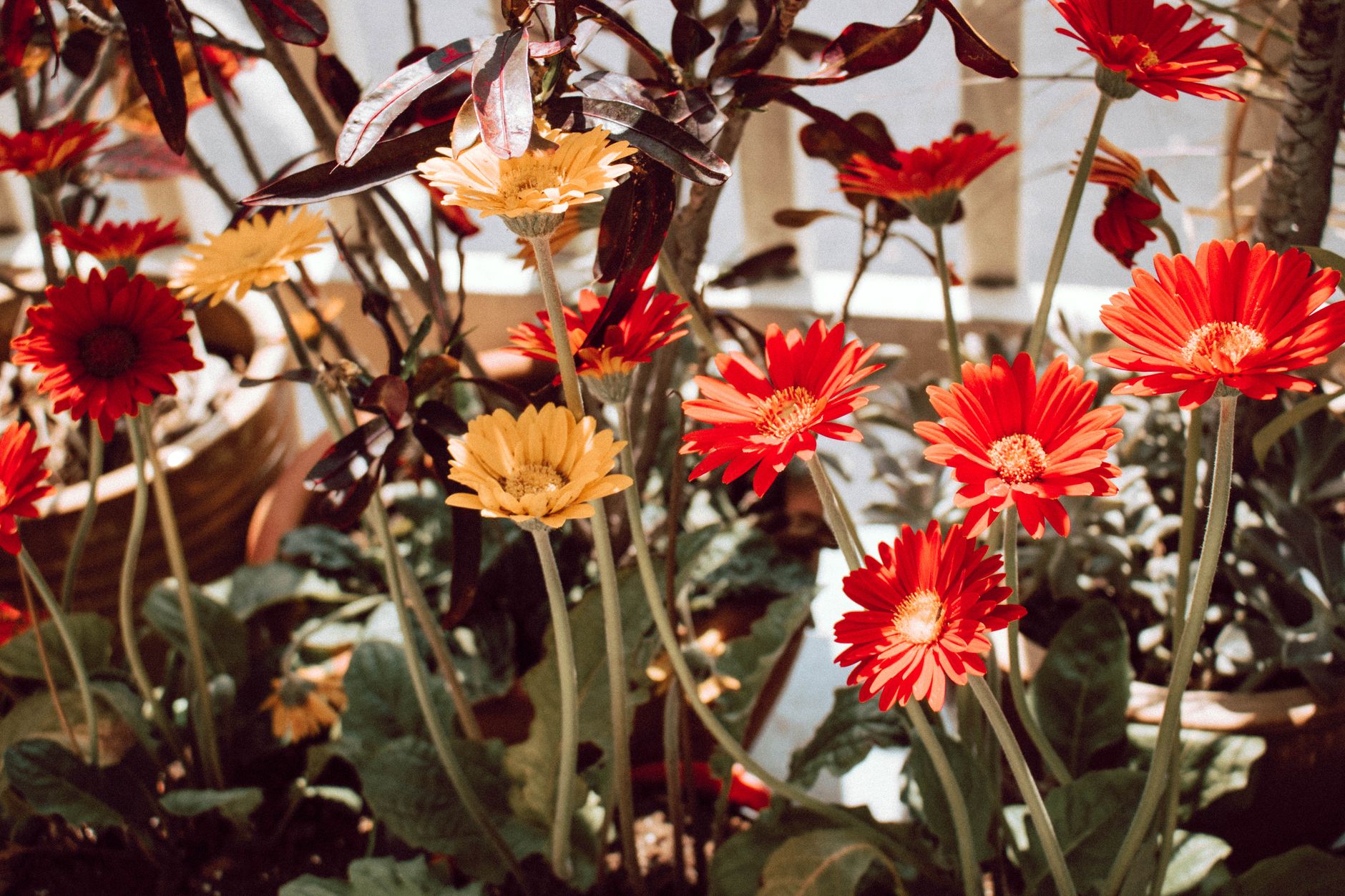
How to Deadhead and Prune Gerbera Daisies for More Blooms
Deadhead spent flowers by cutting stems back to the leaves. Use clean, sharp scissors. Remove the entire stem at the base to prevent rot. Remove yellowing or damaged leaves at the base to improve air circulation. Prune lightly throughout the growing season; avoid heavy cutting back except in late winter. Inspect plants every few days during summer. Sterilize pruners between plants.
Should I Cut Back My Gerbera Daisies for the Winter? (Overwintering Guide)
In USDA zones 8 and warmer, gerbera daisies stay in the ground year-round. In colder zones, treat as annuals or overwinter indoors. Before the first frost, dig up the plant, pot it in fresh soil, and bring it to a cool, bright room (50–60°F) with indirect light. Reduce watering to barely moist, stop fertilizing, and replant outdoors after the last spring frost. Alternatively, cut back leaves to 2–3 inches and store the pot in a frost-free garage if temperatures stay above 35°F. For in-ground plants you cannot move, apply a thick layer of mulch (4–6 inches) over the crown after the first frost, then remove in spring. Check stored plants monthly for pests; water sparingly if soil is powdery dry.
Dividing and Repotting Gerbera Daisies for Long-Term Health
Divide every two to three years when the clump becomes crowded and blooms decline. Best done in early spring or after flowering. Lift the plant, separate the crown into sections with roots and leaves, and replant each at the same depth with the crown above soil. Discard woody centers. Water lightly and keep in bright indirect light for a week. Repot in early spring if the plant outgrows its container—move up one pot size. Each division should have at least three to four leaves and a healthy root system.
Common Gerbera Daisy Problems and How to Fix Them
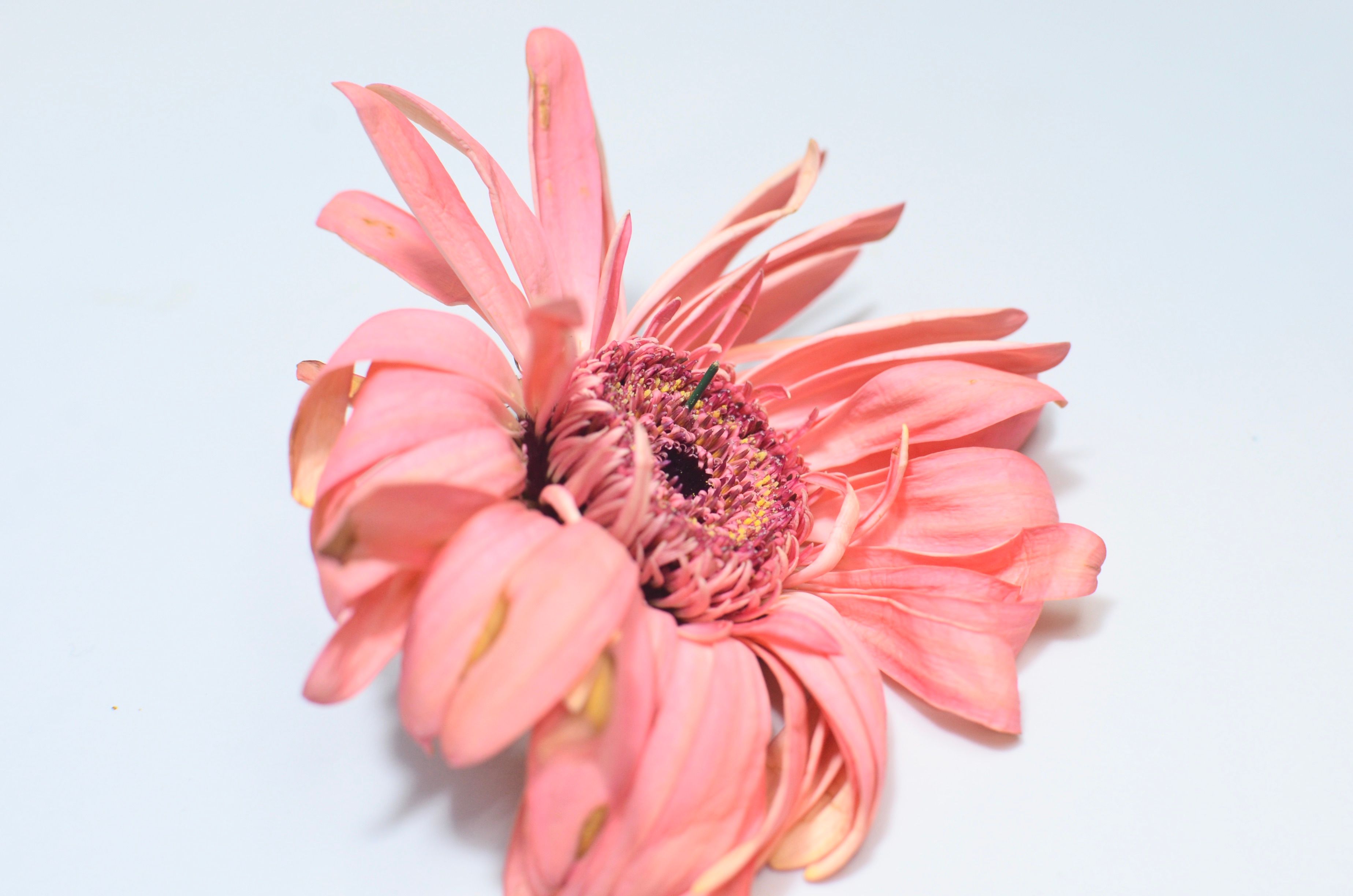
Why Are My Gerbera Daisy Leaves Turning Yellow?
Check soil moisture first. Wet soil and yellowing from the bottom up indicate overwatering—let the soil dry more and improve drainage. Dry, wilted leaves mean underwatering—adjust your schedule. Yellow across the whole plant may signal nutrient deficiency; apply a balanced fertilizer at half strength. Yellow older leaves with green veins may indicate iron deficiency—adjust soil pH or apply chelated iron. Remove severely yellowed leaves. Persistent yellowing despite good care may indicate root rot; unpot the plant, trim affected roots, and repot in fresh sterile soil.
Why Is My Newly Bought Gerbera Daisy Drooping?
Greenhouse-grown plants need a few days to adjust. Check soil moisture—many nursery plants are overwatered; don’t water if the top inch is wet. Move away from harsh afternoon sun if leaves wilt daily. Remove spent flowers and avoid repotting, fertilizing, or moving repeatedly. Let the plant settle for a week. If drooping persists, check for root rot by gently removing from the pot. Ensure the pot has drainage holes. Provide consistent indirect light during adjustment, then gradually introduce more direct sun over a week.
Troubleshooting Leggy Growth and Lack of Blooms
Leggy stems mean insufficient light. Move to a brighter spot or use a grow light. Lack of blooms often results from low light, too much nitrogen, or an old plant. Provide at least six hours of bright light daily. Switch to a higher-phosphorus fertilizer. Divide older clumps to restore flowering. Ensure temperatures are within the ideal range. If indoor plants stop blooming in winter, that is natural—allow a rest period.
Preventing Pests, Diseases, and Other Common Care Mistakes
Inspect leaf undersides for aphids, spider mites, whiteflies, and thrips. Use a strong water spray or insecticidal soap/neem oil for infestations. Improve air circulation to prevent powdery mildew and leaf spot—water at soil level and remove infected leaves. Avoid burying the crown. If crown rot appears, remove affected leaves and allow the crown to dry out; rarely recoverable. Use sterile potting mix to avoid soil-borne pathogens. For slugs and snails in outdoor beds, use copper tape or diatomaceous earth around the base.
Conclusion
Focus on bright light, careful crown-avoiding watering, well-draining soil, and regular deadheading. Understand your climate to provide winter protection if needed. When problems arise, start by checking water and light. These practices yield months of vibrant color. With consistent care, your gerbera daisies will reward you with continuous blooms from spring through fall, indoors or out.
FAQ
Do gerbera daisies do better in pots or in the ground?
Both work. Pots offer better drainage control and mobility, ideal for beginners and cold climates. In-ground planting suits warm zones with well-draining soil. For heavy clay soil, raised beds or containers are strongly recommended to prevent root rot.
Is Miracle-Gro good for gerbera daisies?
Yes, apply a balanced formula at half strength to avoid root burn. Choose one higher in phosphorus for more blooms. Water-soluble formulas are best for containers; slow-release granules suit garden beds. Avoid high-nitrogen formulas that favor leaves over flowers.
How do I keep my gerbera daisy blooming all season?
Provide six hours of bright light daily, deadhead spent flowers, water at soil level, and feed every two to three weeks during the growing season. Keep the crown above soil. Monitor for pests and maintain temperatures between 60–75°F. In extreme heat, provide afternoon shade.
Are gerbera daisies annuals or perennials?
They are tender perennials. In zones 8–10 they survive outdoors year-round. In colder zones, grow as annuals or overwinter indoors. With proper care, potted plants can live several years. Divide every few years to maintain vigor and bloom size.
Did you find this post helpful?
A little support goes a long way in helping me create more free, in-depth content like this.