The Ultimate Succulent Potting Mix Guide: DIY Recipes, Ingredients, and Expert Tips
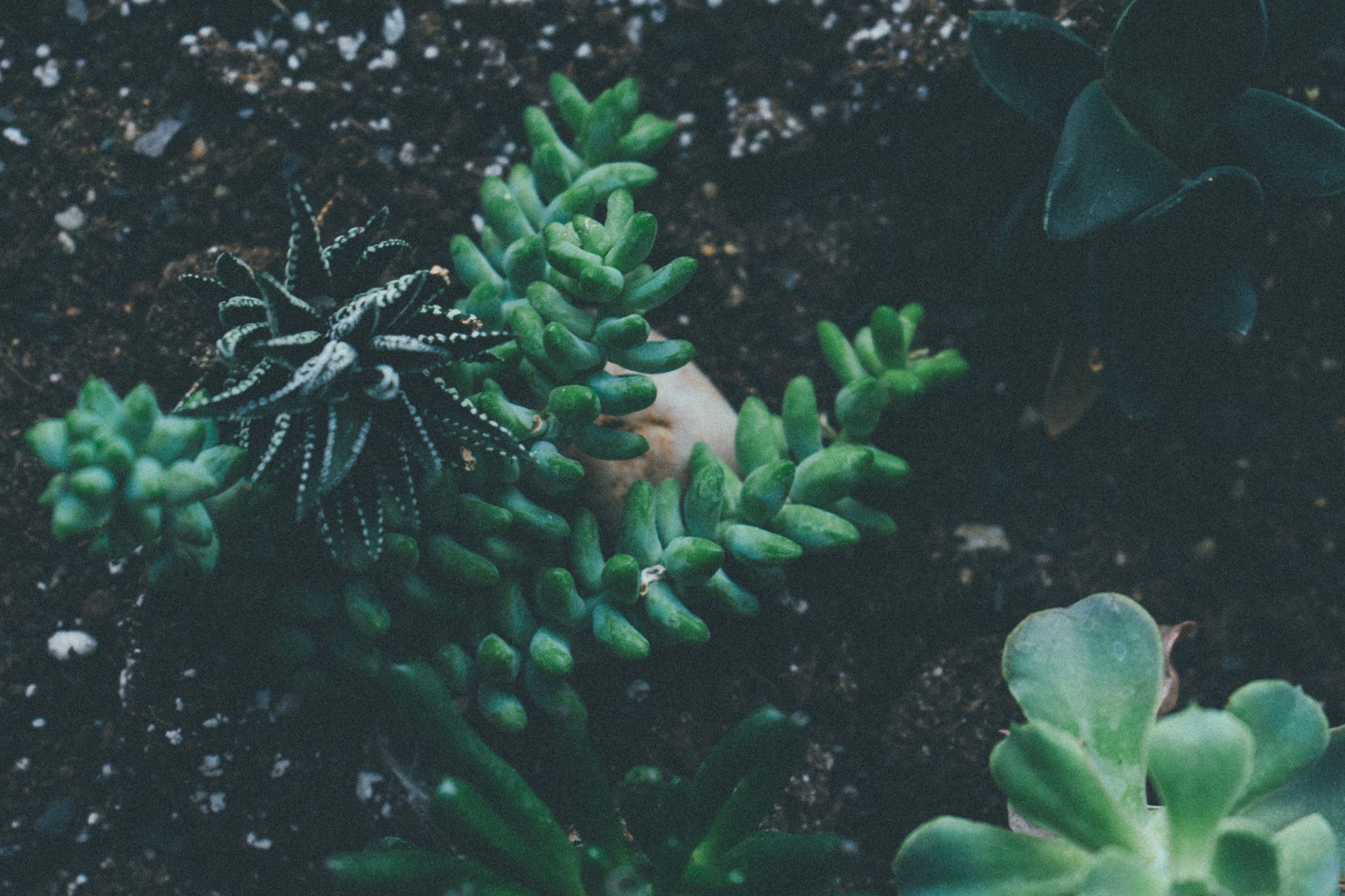
Getting the soil right is the single most important thing you can do for your succulents. Succulents are adapted to dry, rocky environments where water flows through soil quickly and roots get plenty of air. Recreate those conditions in a pot, and your plants will thrive. This guide covers what makes a good succulent potting mix, how to make your own, and how to adjust it for your climate and pot choice. Proper soil is the foundation for avoiding common problems like rot or dehydration, and it sets up your succulents for long-term health.
Key Takeaways
-
Drainage and aeration matter more than anything else: A good succulent potting mix drains freely and dries out within days, while regular potting soil stays damp and invites root rot. The right mix uses coarse ingredients like perlite, pumice, and coarse sand to create air pockets that keep roots healthy.
-
Adjust your DIY recipe for climate and pot choice: Use a grittier 1:1:1 ratio (potting soil, perlite, sand) in humid climates or glazed pots. In dry climates or terracotta pots, the basic 2:1:1 ratio works well. Unglazed terracotta is the most forgiving pot material because it lets moisture evaporate through the walls.
-
Wait before watering after repotting and read the plant’s cues: Always repot into dry mix and wait 5–10 days before watering. In humid climates or plastic pots, lean closer to 10 days. The safest sign to water is slightly wrinkled lower leaves, not a fixed date on the calendar.
-
Avoid common traps like drainage-hole-only thinking and rocks in the pot: A drainage hole is necessary but not sufficient — pot material and soil mix matter just as much. Rocks in the bottom of a pot create a perched water table that keeps roots wet longer, not shorter.
What Makes a Succulent Potting Mix Different from Regular Soil
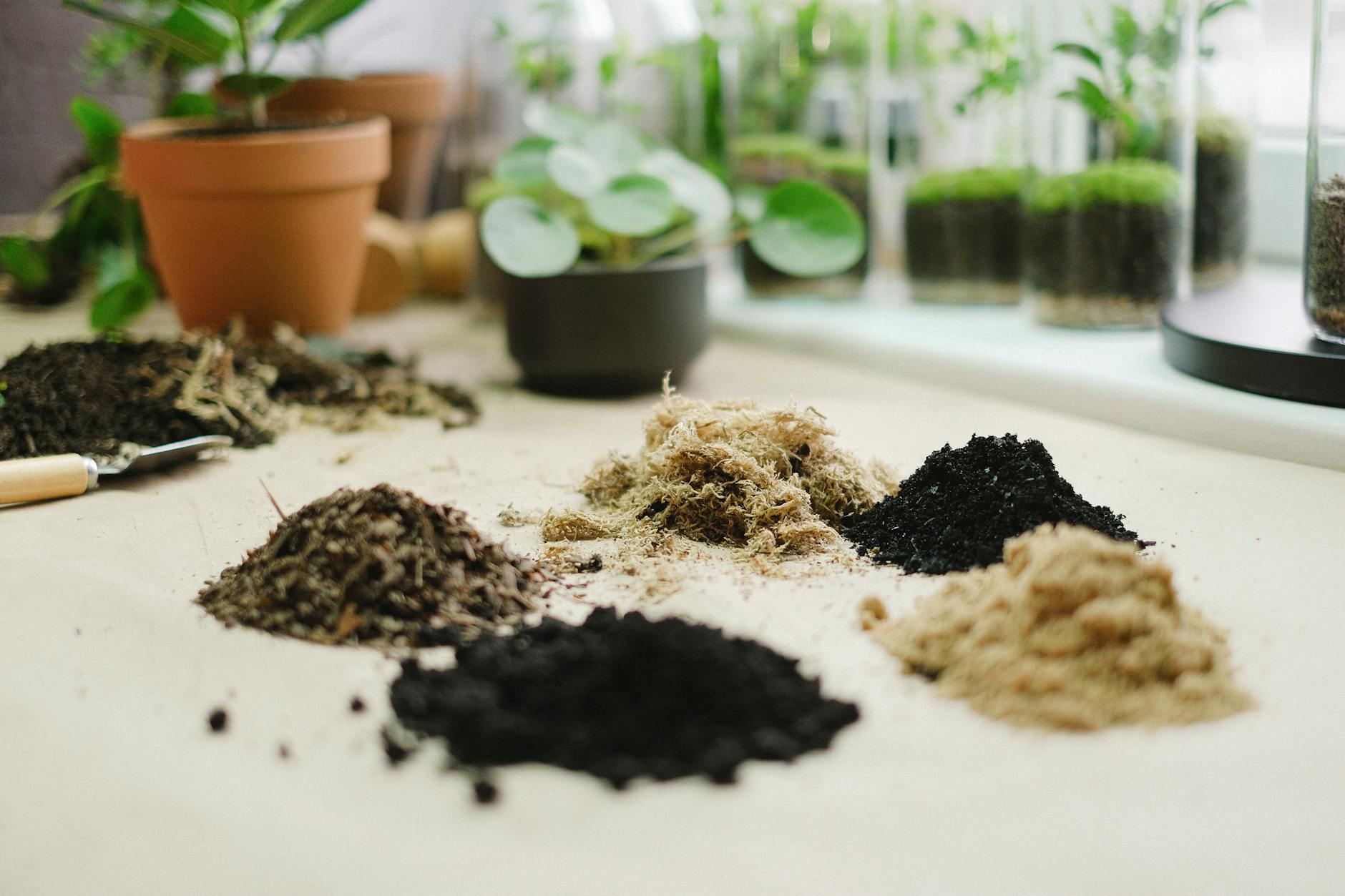
The difference comes down to drainage speed. Regular potting soil holds moisture for tropical plants, but succulents need soil that drains freely and dries within days. Moisture lingering around succulent roots invites rot. Succulents store water in their leaves, so their roots are sensitive to prolonged wetness. A proper mix combines coarse, porous ingredients that create air pockets and let excess water escape quickly. Without this structure, even careful watering can lead to problems.
The Science Behind Drainage and Aeration for Succulents
Two properties matter most: drainage (how fast water moves through soil) and aeration (air space between particles). Succulent roots need oxygen. In a well-draining mix, gravity pulls water out and air rushes back in. In dense soil, water fills pores and blocks oxygen, creating anaerobic conditions where rot thrives. The ideal mix has large, irregular particles that leave air space even when moist. Particle size distribution is key — if most particles are smaller than 1 mm, they pack too tightly and hold water. Coarse ingredients like perlite (2–5 mm) and pumice (2–6 mm) create the macro-pores that succulents need.
Why Regular Potting Soil Causes Root Rot (And How to Spot It)
Regular potting soil contains fine organic matter that holds water like a sponge. The soil stays wet at the bottom long after the top looks dry, creating a hidden moisture trap. Early signs of root rot include soft, translucent leaves, yellowing at the base, or a soft stem near the soil line. If the soil feels wet below the surface for more than five to seven days after watering, it’s too heavy for succulents. Over time, the organic particles break down further, making the problem worse. In contrast, a succulent in the right mix shows firm, plump leaves and a pot that dries quickly.
Key Ingredients: Perlite, Pumice, Coarse Sand, and Coco Coir
Perlite is lightweight volcanic glass that improves drainage without adding weight. Pumice is natural volcanic rock that’s heavier, doesn’t float, and holds a small amount of moisture inside its pores. Coarse sand (2–4 mm particles) adds grit and weight; fine sand clogs pores. Coco coir adds structure and is sustainable, but use no more than 20–30 percent of the total mix. Alternatives include crushed granite or chicken grit (calcined clay), both of which provide excellent drainage and aeration. Avoid vermiculite, which retains too much moisture for most succulents.
Perlite vs. Pumice: Which Is Better for Succulents?
Both work well. Perlite is cheaper and easier to find. Pumice is more expensive but stays in place and doesn’t float to the surface when watering. For outdoor succulents exposed to rain, pumice is better because it remains in the mix rather than washing away. For beginners on a budget, perlite is fine — just use enough of whichever you choose (typically 30–50 percent of the total mix volume). If you notice perlite floating to the top after watering, simply stir it back in or switch to pumice.
The Best Succulent Potting Mix Recipe for Indoor and Outdoor Plants
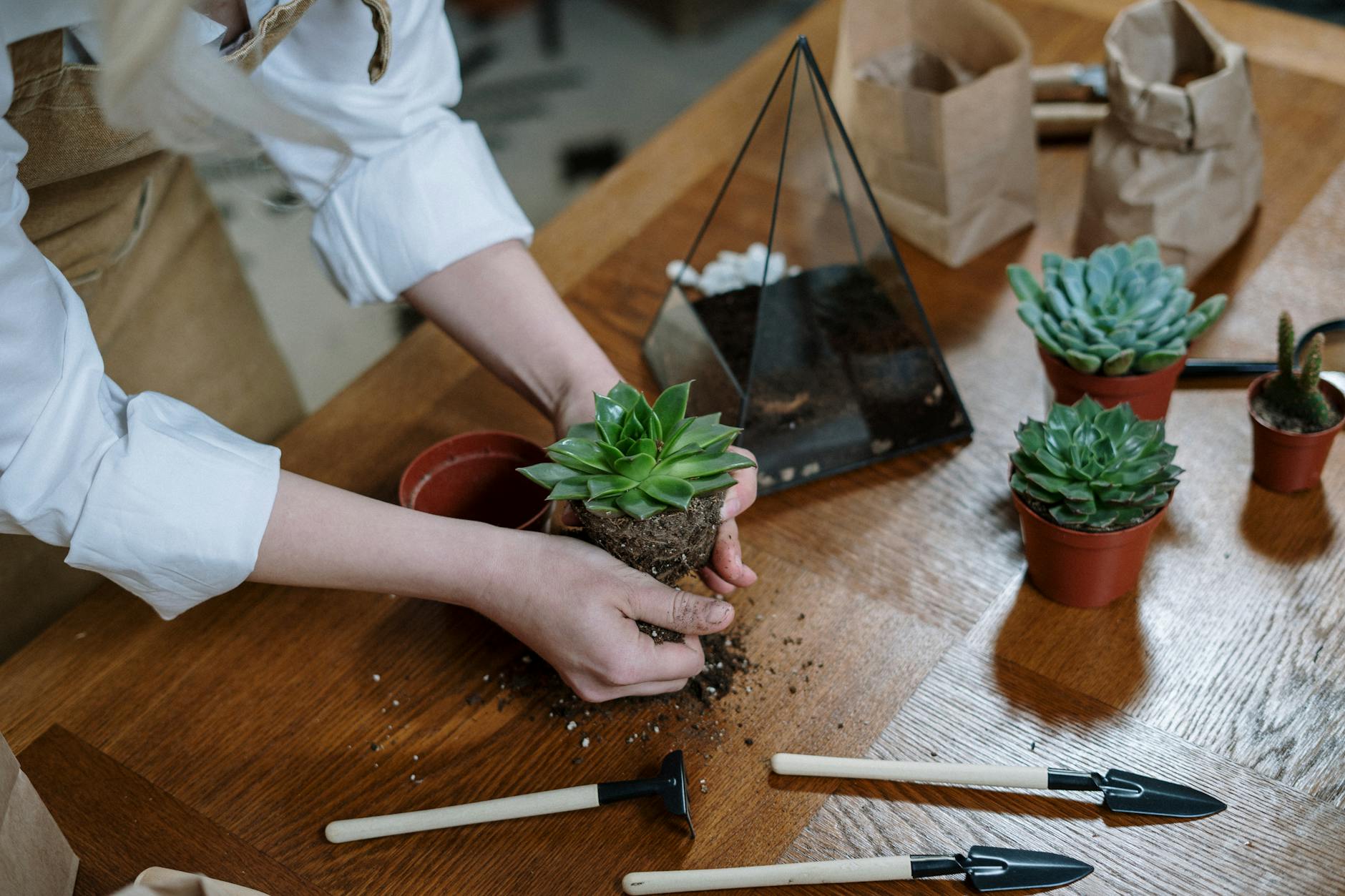
Making your own mix is inexpensive and lets you adjust for your conditions. It also ensures you use fresh, uncontaminated ingredients that haven’t accumulated salts or pathogens.
DIY Succulent Soil Recipe (Basic and Humidity-Adjusted Versions)
Basic recipe (works for most indoor succulents):
- 2 parts regular potting soil (or cactus mix)
- 1 part perlite or pumice
- 1 part coarse sand
Mix until evenly distributed. The result should feel gritty and loose. When squeezed, it should crumble easily. For extra aeration, add a small handful of crushed granite or pumice to the soil.
Humidity-adjusted recipe (for humid climates or glazed/plastic pots):
- 1 part potting soil
- 1 part perlite or pumice
- 1 part coarse sand
For dry climates or terracotta pots, use the basic recipe or increase potting soil to 3 parts. You can also tailor the mix to specific succulents: lithops and other mesembs prefer an even grittier mix (1:1:1 with extra pumice), while Haworthia and Gasteria can tolerate a slightly richer blend with 2.5 parts soil.
Store-Bought Succulent Potting Mix: What to Look For
Look for mixes listing perlite, pumice, coarse sand, or crushed granite. Avoid mixes with peat moss as the first ingredient or that feel dense. Most commercial mixes still need extra perlite or pumice added. A good test: pour a handful into a cup of water — if it floats or stays clumped for more than 10 seconds, add more drainage material. Brands like Bonsai Jack or Superfly Bonsai offer pre-mixed gritty blends, but you can also amend a standard cactus mix with 30–50 percent additional perlite or pumice.
When to Use a Different Mix: Outdoor Succulents vs. Indoor Succulents
Indoor succulents dry more slowly, so use the basic or grittier recipe. Outdoor succulents face wind and sun that dry soil faster, so you can use a slightly richer mix (3 parts soil, 1 part perlite, 1 part sand). For in-ground planting, mix native soil with at least 50 percent perlite or pumice and coarse sand. Outdoor plants also benefit from a top dressing of gravel or pebbles to reduce evaporation and keep leaves dry. Consider rain exposure: if your area gets heavy rainfall, lean toward the grittier recipe even outdoors.
Why Drainage Holes Aren’t Enough – The Role of Pot Material and Climate
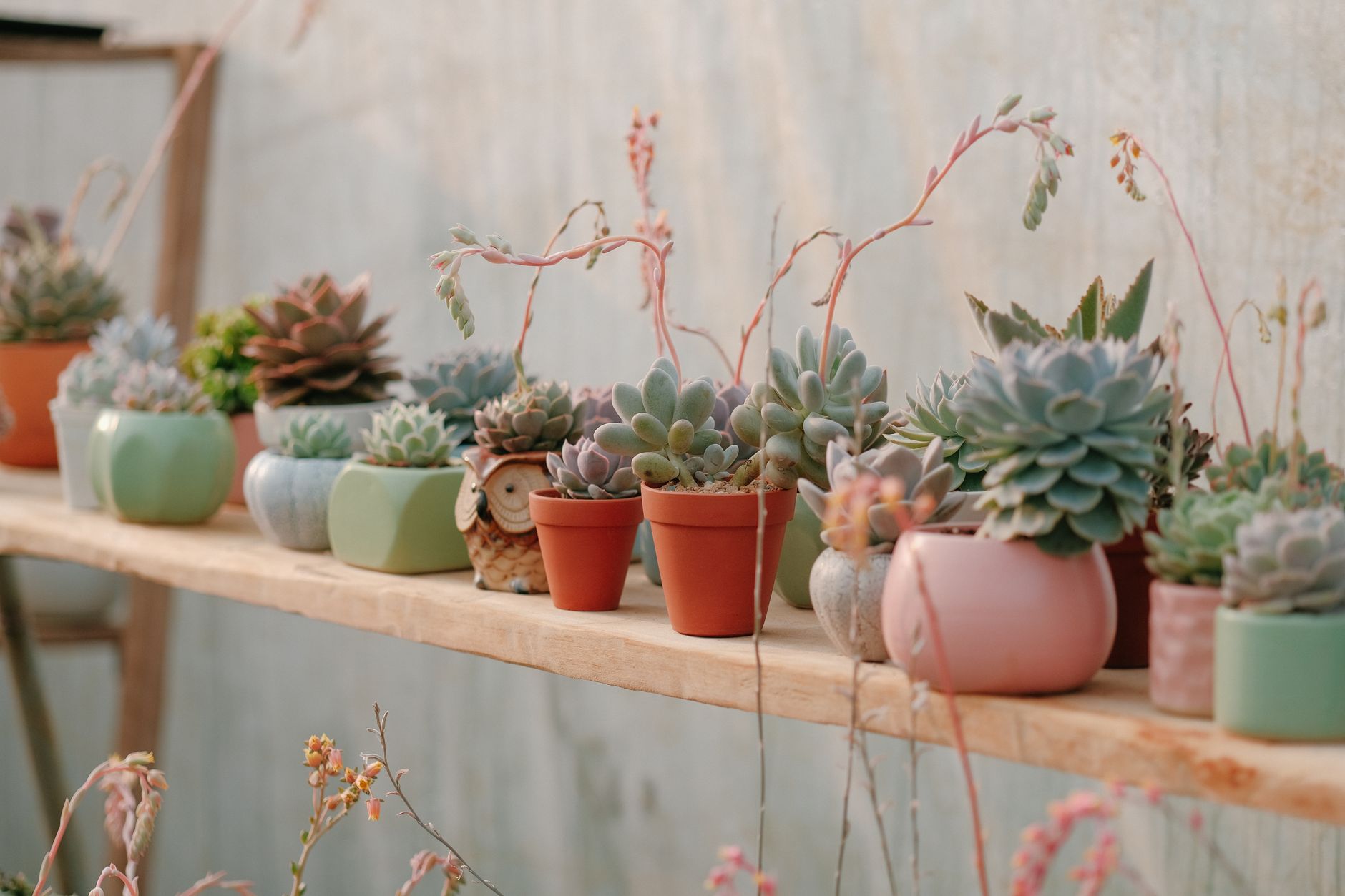
A drainage hole lets water escape but doesn’t control how quickly soil dries. Pot material and environment matter just as much. Even with a hole, a dense mix will hold water in the lower portion of the pot, creating a perched water table that keeps roots wet. Capillary action pulls water up from the bottom into the soil above, so moisture lingers longer than you’d expect.
Terracotta vs. Glazed vs. Plastic: Which Pot Material Works Best for Succulents?
Unglazed terracotta is the gold standard — porous clay lets moisture evaporate through the walls, giving you more margin for error. Glazed ceramic prevents evaporation, so soil stays damp longer; use a grittier mix and longer gaps between waterings. Plastic pots are the most moisture-retentive; they can work with a very fast-draining mix but aren’t ideal for beginners. The rule: the more moisture your pot retains, the grittier your mix needs to be. Also consider pot shape — wide, shallow pots dry faster than deep, narrow ones, so adjust your mix accordingly.
How to Adapt Your Succulent Potting Mix for Humid or Dry Climates
In humid areas, use the grittier recipe with less organic matter and more perlite, pumice, or sand. Use unglazed terracotta pots. In dry climates, the basic recipe works well; you can even increase potting soil slightly to help hold moisture between waterings. Adjust seasonally: in winter (when growth slows and evaporation decreases) lean toward a grittier mix and longer drying periods. In summer, a slightly richer mix may help prevent underwatering.
Post-Repotting Watering Schedule: A Climate-Based Guide for Beginners
Wait at least 5–7 days after repotting. In humid climates, wait closer to 10 days. Check the soil by feeling an inch deep — if it’s dry, it’s safe to water. The best cue is slightly wrinkled lower leaves, which indicate the plant is thirsty. Don’t rely on a calendar; observe your plant and pot. A lightweight pot is a strong signal that the soil is dry.
Common Succulent Soil Mistakes and How to Fix Them
The “Drainage Hole Only” Mistake: Why It’s Not Enough
A drainage hole is necessary but not sufficient. If the mix holds moisture like a sponge, water sits in the lower portion of the pot. Soil, pot material, and environment all work together. Think of the pot as a system — any part that slows drying (dense soil, plastic pot, high humidity) needs to be compensated by another part (grittier mix, terracotta, longer dry periods).
Watering Too Soon After Repotting: How to Know When It’s Safe
Repotting damages tiny roots, and any breaks need time to callus over. Watering too soon lets pathogens enter. Repot into dry mix and wait until leaves look slightly wrinkled before watering. If in doubt, wait an extra few days — succulents handle drought far better than overwatering.
Signs Your Soil Mix Drains Fast Enough (and How to Test It)
After watering, water should start dripping from the drainage hole within seconds. If it takes more than 15 seconds, the mix is too dense. The pot should feel noticeably lighter within two to three days. If the soil feels wet below the surface after five days, add more drainage material. A simple test: insert a chopstick into the mix and leave it for a minute — if it comes out damp, the mix is still too heavy.
Should You Put Rocks in the Bottom of a Succulent Pot?
No. This creates a perched water table — water accumulates at the interface between soil and rocks, keeping roots wet longer. Instead, use a uniform, well-draining mix throughout the pot. If you want extra drainage, choose a pot with more holes or use a chunkier mix rather than a separate drainage layer.
Using Too Fine Sand
Many beginners use play sand or construction sand, which has particles under 1 mm. This clogs pores and actually reduces drainage. Always use coarse horticultural sand (2–4 mm) or builder’s sharp sand. If you can’t find coarse sand, use extra perlite instead.
Conclusion
Getting the succulent potting mix right is the foundation of healthy plants. Prioritize drainage and aeration using perlite, pumice, and sand. Adjust your recipe for climate, pot material, and indoor or outdoor conditions. Avoid relying on drainage holes alone, watering too soon after repotting, or adding rocks to the pot. With the right mix and a little observation, your succulents will thrive. Remember that soil is not static — as your plants grow, you may need to refresh or adjust the mix. Regular checks of leaf firmness and pot weight will guide you.
FAQ
What is the best potting mix for succulents?
A well-draining mix with high proportions of perlite, pumice, or coarse sand combined with a small amount of organic matter. A good starting point is 2 parts potting soil, 1 part perlite, and 1 part coarse sand. For succulents like lithops that need extra drainage, bump the perlite up to 2 parts. The key is that the mix should feel gritty and crumble when squeezed.
How do I make my own succulent potting mix?
Mix 2 parts potting soil with 1 part perlite or pumice and 1 part coarse sand. For humid conditions, use equal parts of each. Combine thoroughly and use immediately. You can also add a handful of crushed granite for extra aeration. If using coco coir, replace no more than half the potting soil. Sterilize the mix by baking it at 200°F for 30 minutes to kill pests and pathogens.
What happens if you use regular potting soil for succulents?
Regular potting soil holds too much moisture, causing root rot. Fine organic particles compact over time, reducing aeration and trapping water. This leads to yellowing leaves, mushy stems, and eventual plant death unless amended. If you must use regular soil, mix it with at least 50 percent perlite or pumice to improve drainage. Even then, the mix will degrade faster than a gritty succulent blend.
How long should I wait to water a succulent after repotting?
Wait at least 5–7 days, longer in humid climates or plastic pots. Check soil moisture by feel. The safest cue is slight wrinkling of lower leaves, indicating the plant is ready for water. Repotting disturbs roots, so giving them dry conditions for the first week allows any breaks to callus and reduces rot risk. After the first watering, return to a normal schedule based on soil dryness.
Did you find this post helpful?
A little support goes a long way in helping me create more free, in-depth content like this.