Garlic Flower vs. Garlic Scape: Should You Cut It or Let It Bloom?
If you’re new to growing garlic, the first time you see a curly green stalk rising from the center of your plants can be confusing. This article walks through what garlic flowers and scapes actually are, whether you should remove them, and how to make the most of every part. With home garlic cultivation growing in popularity, understanding these structures helps you get the best harvest possible, no matter your experience level.
Key Takeaways
-
Scapes and flowers are the same stalk at different stages: The green curled scape will open into a garlic flower if left uncut. Most gardeners cut the scape when it curls for better bulb growth, but letting a few flower is fine for propagation or curiosity.
-
Cutting scapes redirects energy to the bulb for larger harvests: Remove the scape when it forms a full loop in early to mid-summer. This stops the plant from diverting resources to flowering, resulting in bigger cloves.
-
Bulbils from the flower head can be planted to grow new garlic: Tiny clove-like structures in the flower head are genetically identical to the parent. Plant them and expect a single-clove “round” the first year, with full heads in two to three years.
-
Store-bought garlic can work for planting, but seed garlic is more reliable: Supermarket garlic may be treated with sprout inhibitors and is often softneck (no scapes). Organic garlic has better odds, but seed garlic from a nursery gives the best results.
-
Single-clove rounds are normal and not a failure: If your garlic grows as one big clove instead of a full head, it is just a natural growth stage often caused by bulbils or spring planting. It is edible and can be replanted for a multi-clove head next season.
What Is a Garlic Flower? Understanding Scapes, Stalks, and Bulbils
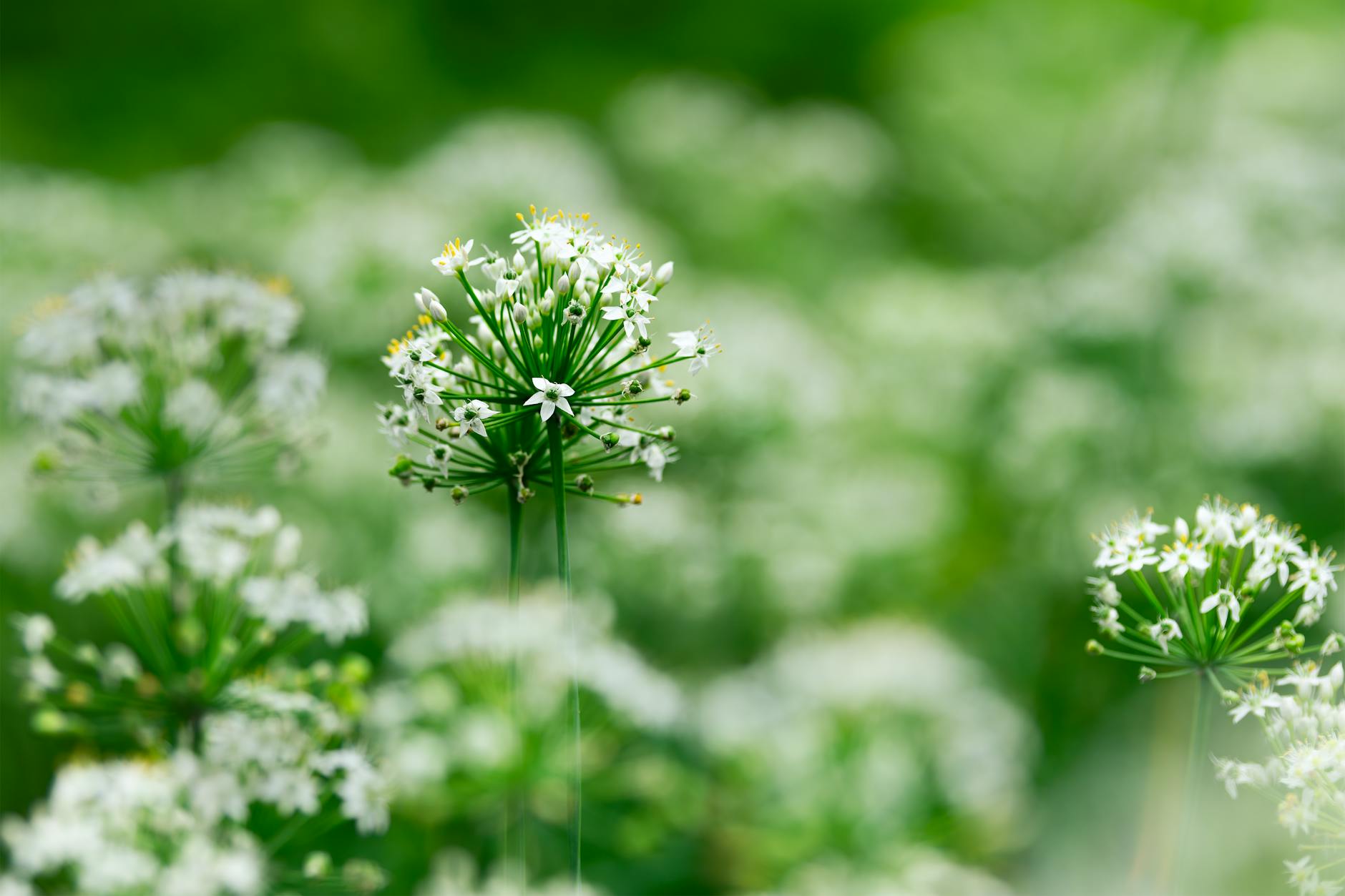
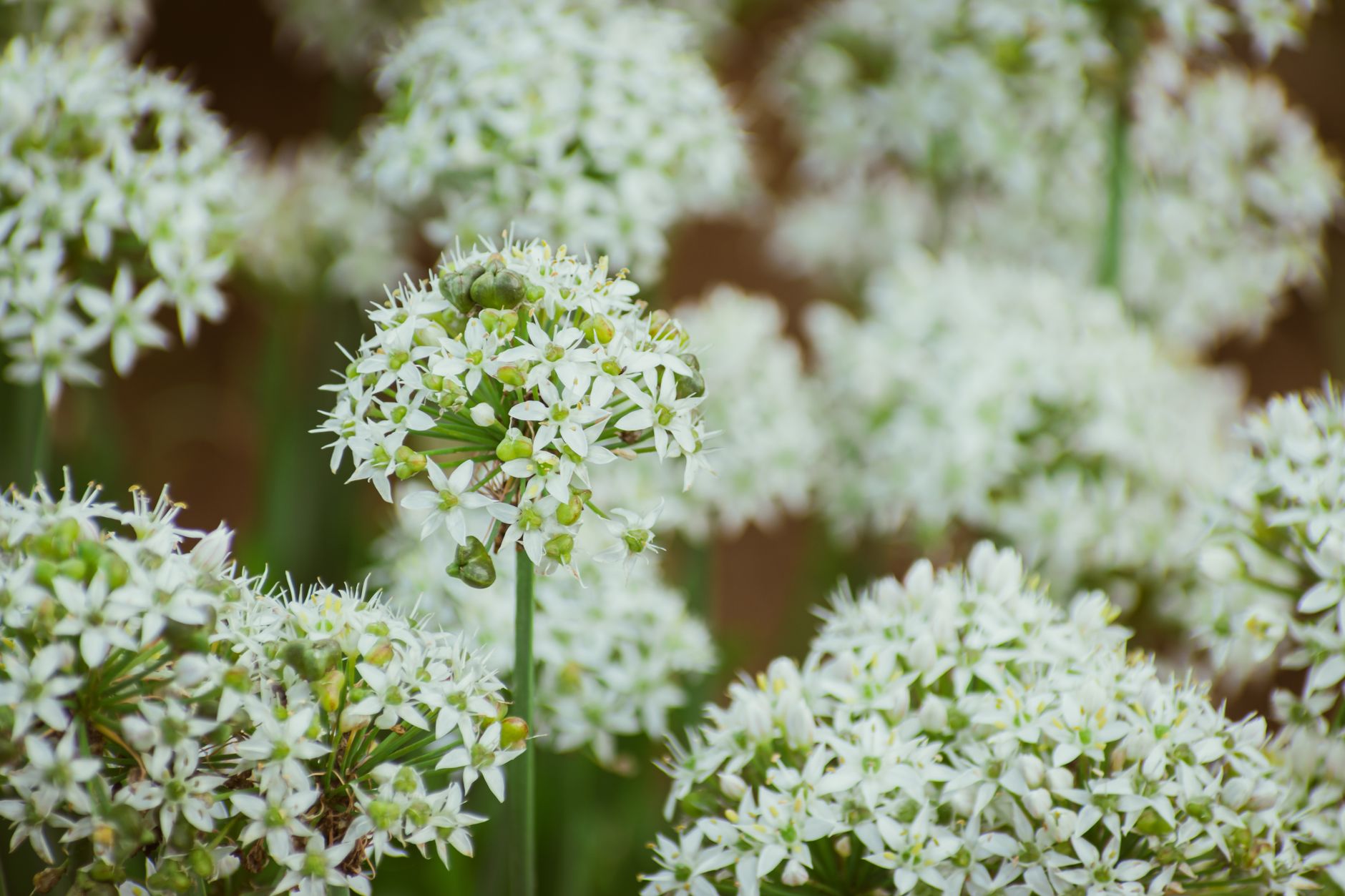
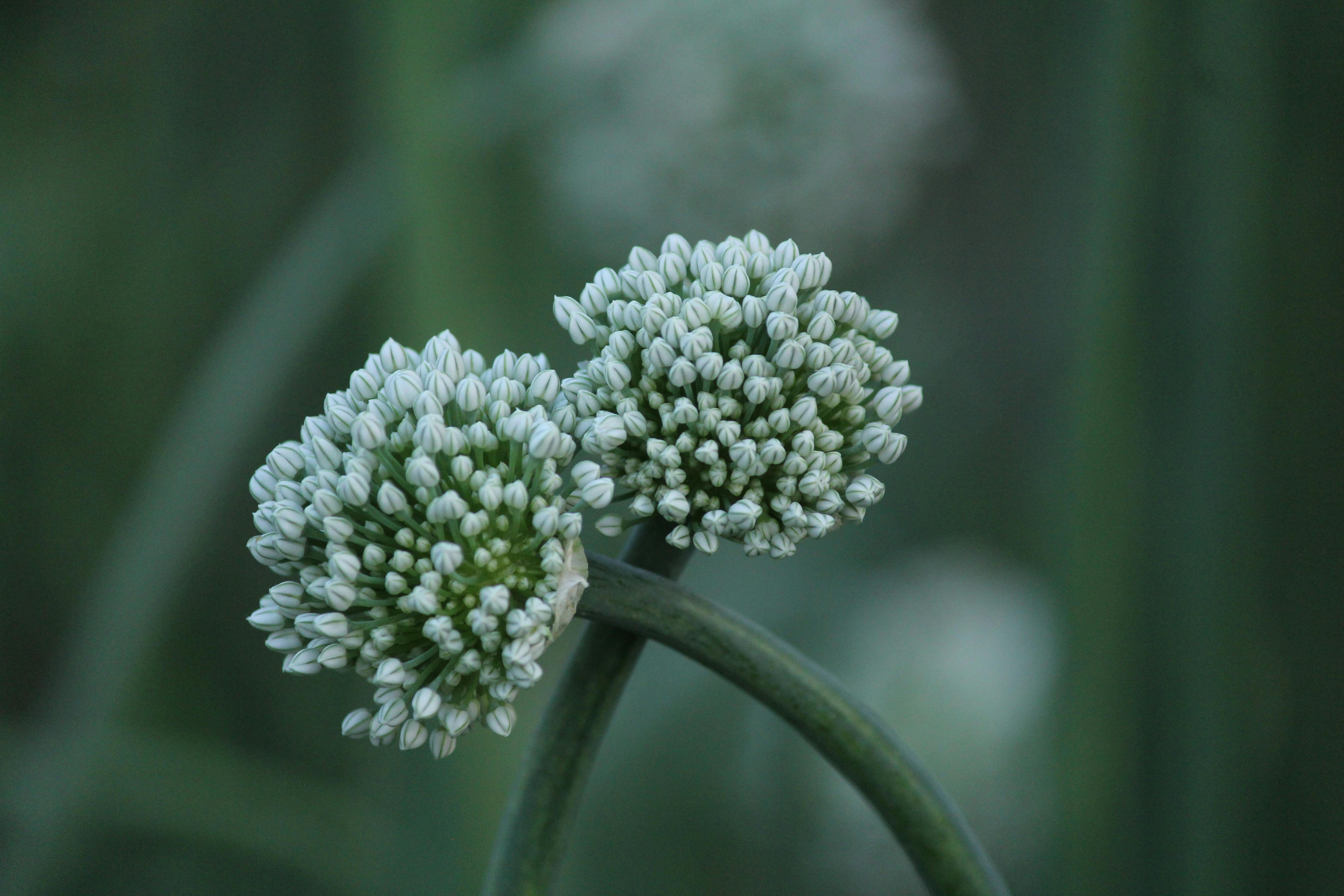
A garlic flower starts as a curled stalk called a scape. If left untouched, the scape straightens and the bulge at the top opens into a small cluster of florets and bulblets called bulbils. Not every garlic plant will produce a flower; it depends on the type you grow. The entire process from scape emergence to full flower takes roughly two to four weeks, giving you a narrow window to decide whether to cut or let it bloom.
Garlic Scape vs. Garlic Flower: The Key Difference
The garlic scape is the green, curling shoot that emerges from the center of hardneck garlic plants in late spring. It is thick, firm, and forms a distinct loop before straightening. If left on the plant, the top opens into a garlic flower—a round head of tiny purple or white blossoms and later, small bulbils. The scape itself is tender and mild when young, while the flower becomes woody and less flavorful once fully open.
Most gardeners harvest the scape while it is tender and curled, before it flowers. Once the flower fully opens, the stalk becomes woody and the flavor fades. For cooking, the scape is the prize; the fully opened flower is still edible but less versatile. If you miss the cutting window by a week, the scape will have already started to straighten, and the base of the stalk will toughen.
Hardneck garlic varieties (like Music, German Red, or Rocambole) reliably produce scapes. Softneck garlic rarely forms a scape at all. If you want to see a garlic flower, plant hardneck varieties. Within hardnecks, purple stripe types often produce the most ornamental blooms, while rocamboles produce the most pronounced loops.
What Are Bulbils? Tiny Cloves in the Flower Head
When a garlic scape matures, the flower head may produce bulbils—small, clove-like structures genetically identical to the parent. Each bulbil can be planted to grow new garlic. Planted bulbils produce a single-clove “round” in the first year, which can be harvested or replanted for a full head the following season. The propagation timeline is typically two to three years: first year a round, second year a small multi-clove head, third year a full-sized bulb. Bulbils are an excellent way to multiply a rare variety without dividing your harvest.
Garlic Shoots vs. Scapes vs. Flower Stalks
- Garlic shoots are the thin leaves that emerge after planting, unrelated to flowering.
- Garlic scapes are sturdy, circular stalks rising from the plant center in late spring, with a distinct loop before straightening.
- Flower stalks are what the scape becomes after opening. The term usually refers to the mature scape carrying the bloom.
If you see a thin green shoot in early spring, that is just a leaf. The scape will be thicker, appear later, and have a visible bulge at the tip. A good rule: if it looks like a miniature green snake coiled up, it is a scape.
Should You Let Garlic Flower or Cut the Scape? (Timing and Benefits)
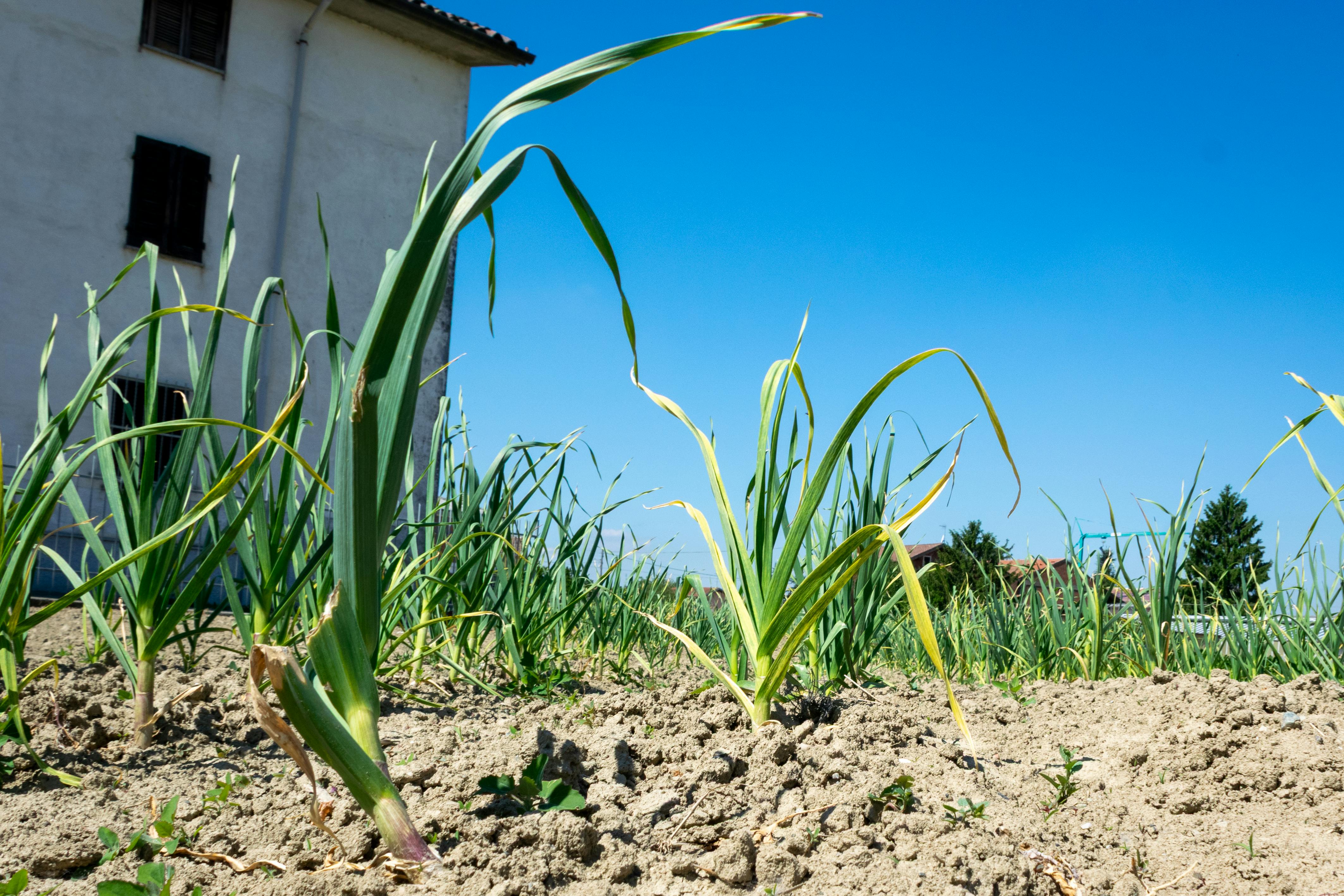
This is the central question for garlic growers. The answer depends on your goals: large bulbs for eating, propagation material, or curiosity.
Why You Usually Cut the Scape – Better Bulb Growth
When the garlic plant sends energy into a flower stalk, it diverts resources from the underground bulb. Cutting the scape redirects that energy back to bulb development, resulting in larger cloves. Remove the scape once it has curled into a full loop—usually early to mid-summer. Cut it near the base, just above the top leaf, using clean scissors. Avoid pulling or twisting, which can damage the plant. If you wait too long and the scape straightens, the energy diversion has already begun, and cutting it later has less benefit.
The bulb remains edible and flavorful after flowering, but it will be noticeably smaller—some studies show a 20-30% reduction in bulb weight. If you are not concerned about size, leaving a few scapes to flower can be a fun experiment.
When Letting Garlic Flower Makes Sense
- Saving bulbils for propagation. Let a few scapes grow to collect bulbils for planting next season. A single flower head can yield dozens of bulbils.
- Ornamental value. Garlic flowers are attractive and loved by pollinators like bees and butterflies.
- Seed saving experimentation. Seeing the full life cycle can be rewarding, even with a smaller harvest.
- Variety preservation. If you have a rare hardneck variety, bulbils ensure you don’t lose it if the bulbs rot in storage.
Only hardneck garlic produces scapes and flowers, so this applies mainly to hardneck growers. If you grow softneck, you will not see flowers at all.
How to Cut Garlic Scapes Properly
- Wait for the curl. Remove the scape when it has made one full loop, before it straightens and hardens.
- Cut low, but not too low. Cut about an inch above the top leaf using clean snips. Leaving too much stub invites rot.
- Discard or use immediately. The scape is perfectly edible, so do not toss it unless you prefer.
- Cut on a dry day. Wet scapes are more prone to fungal issues at the cut site.
Can You Eat Garlic Flowers and Scapes? (Culinary Guide)
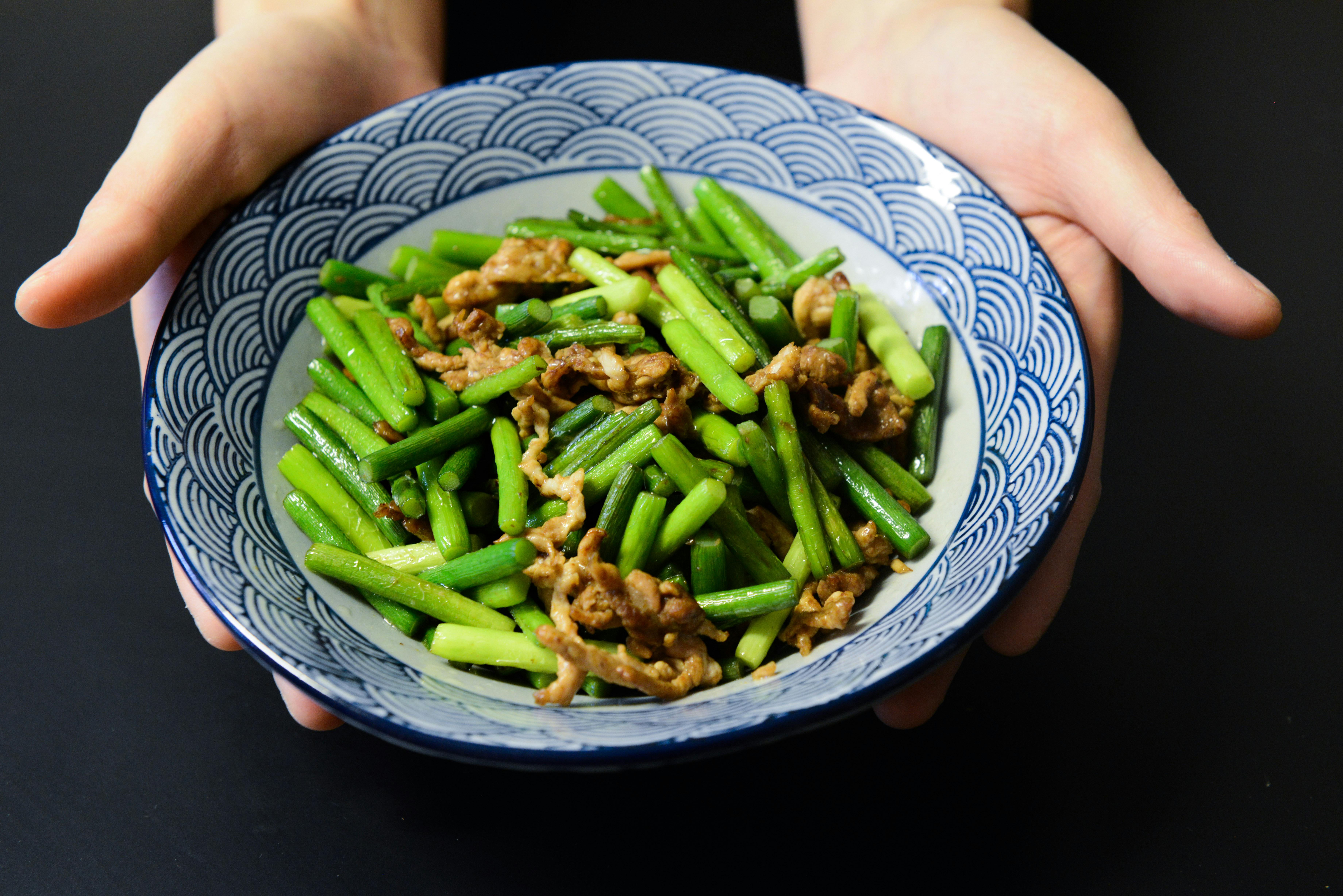
Both scapes and fully opened flowers are edible, but best at different stages.
Yes, You Can Eat Garlic Scapes – Here’s How
Garlic scapes have a mild, fresh garlic flavor with a hint of sweetness. They are less pungent than cloves and have a crisp texture when raw. Use them raw in salads or pesto, sautéed, roasted, or pickled. Store fresh scapes in a plastic bag in the refrigerator for up to two weeks. For longer storage, freeze chopped scapes or pickle them. You can also ferment scapes in brine for a probiotic snack.
What About the Actual Garlic Flower? Is It Edible?
Yes, the flower is edible, but its texture and flavor change as it opens. The unopened bud is tender and mild. Once open, the blossoms become tough and less flavorful, but can still be used as a garnish. If you missed cutting scapes, the flowers are safe to eat even if not at peak flavor. The individual florets can be sprinkled over soups or salads for a subtle garlic hint.
Garlic Scape Recipes for Beginners
- Garlic scape pesto. Substitute scapes for basil in your favorite pesto recipe. Use walnuts or almonds for a nutty twist.
- Scape hummus. Add chopped raw scapes to regular hummus for a bright garlic kick.
- Roasted scapes. Toss whole scapes with olive oil and salt, roast at 400°F for 15-20 minutes until tender.
- Scape compound butter. Mix finely chopped scapes into softened butter, chill, and slice to top steaks or vegetables.
- Scape stir-fry. Chop scapes into 2-inch pieces and stir-fry with other vegetables and soy sauce.
How to Grow Garlic from Flower to Bulb (Beginner-Friendly Steps)
If overwhelmed by advice, start small. Here are the absolute basics.
Start with These 3 Simple Things
- Pick a hardneck variety. Music, German Red, or Purple Stripe are reliable and produce scapes.
- Plant in fall. Separate cloves and plant pointy end up, 2 inches deep and 6 inches apart in full sun. Soak cloves in a baking soda solution overnight to prevent fungal issues.
- Water sparingly and mulch heavily. Water only when soil is dry, and cover with straw or leaves before winter. In spring, pull back mulch once shoots appear.
Scapes appear in late spring, and you can decide whether to cut them.
Store-Bought Garlic vs. Seed Garlic – Can You Plant It?
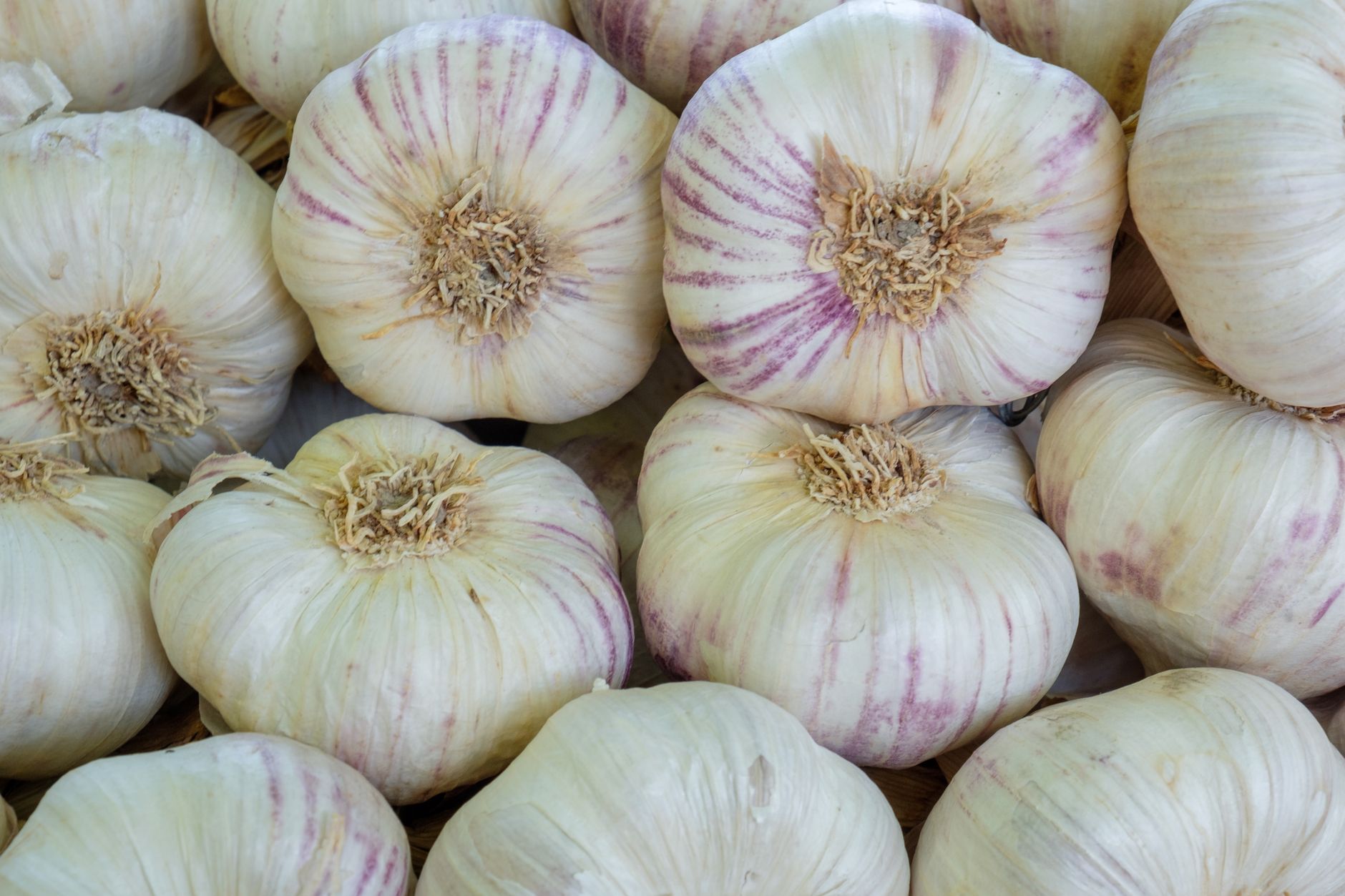
Store-bought garlic may be treated with sprout inhibitors, is often softneck (no scapes), and may carry disease. Success rates are mixed. Organic garlic has better odds, but it may still be grown in unsuitable climates. For best results, purchase seed garlic from a nursery—it costs more but gives healthy, large bulbs adapted to your region. Seed garlic is also typically certified disease-free.
Spring Planting vs. Fall Planting – What to Expect
Fall planting (4-6 weeks before ground freezes) is standard in cold climates for full bulb development. Spring planting usually produces smaller bulbs. If planting in spring, use varieties needing less cold exposure or pre-chill cloves for 6-8 weeks. Expect single-clove “rounds” in the first season—that is normal and worth harvesting. For best results in spring, plant as early as the soil can be worked.
Common Garlic Flower Questions and Troubleshooting
Why Did My Garlic Grow as One Big Clove (Rounds)?
A single-clove bulb, or “round,” is a normal growth stage, especially from bulbils or spring planting. Rounds are fully edible and taste the same as multi-clove garlic. Replant them next season for a full head. Rounds can also result from inadequate cold exposure or overcrowding.
What Should I Do If My Garlic Flowers Early or Abnormal Growth Appears?
Early scapes or unusual shapes are usually harmless and caused by genetics or weather. Cut the scape as usual and watch the bulb. Abnormal growth rarely affects quality. Let a few plants do their thing if curious. If you see multiple scapes from one bulb, that is a sign of a vigorous plant—leave one and cut the others.
Tips for Harvesting Garlic at the Right Time
Harvest when about 50% of leaves have turned brown. The bottom leaves yellow while top leaves stay green. Waiting too long causes bulbs to split open; harvesting too early gives small bulbs. After digging, cure by hanging in a dry, dark place with good air circulation for 2-4 weeks. Do not wash bulbs before curing—brush off loose dirt instead.
Conclusion
Garlic flowers and scapes are connected—the scape becomes the flower. Most gardeners cut the scape for larger bulbs, but letting a few flower provides bulbils for propagation and garden display. Cooking with scapes is easy, and growing garlic is rewarding for beginners. Whether you get a perfect cluster of cloves or a single round, every harvest is a success.
FAQ
Can you eat the flower of garlic?
Yes, both the scape and fully opened flower are edible. The scape is more tender and flavorful; the open flower is tougher but safe to eat, often used as a garnish.
Is garlic still good after it flowers?
Yes, the bulb is still edible and delicious after flowering. However, letting the flower fully develop may reduce bulb size.
Should I let my garlic flower? (Are you supposed to let garlic flower?)
Not usually if you want large bulbs. Most gardeners cut the scape when it curls to redirect energy to the bulb. You can let it flower for bulbils, ornamental blooms, or a smaller harvest.
What is the difference between a garlic scape and a garlic flower?
A garlic scape is the green, curled stalk from a hardneck garlic plant. If uncut, it straightens and opens into a garlic flower—a round head of blossoms and bulbils. The scape is harvested for cooking; the flower is the mature stage.
Did you find this post helpful?
A little support goes a long way in helping me create more free, in-depth content like this.