Are Gerbera Daisies Safe for Cats? What to Know Before Bringing Them Home
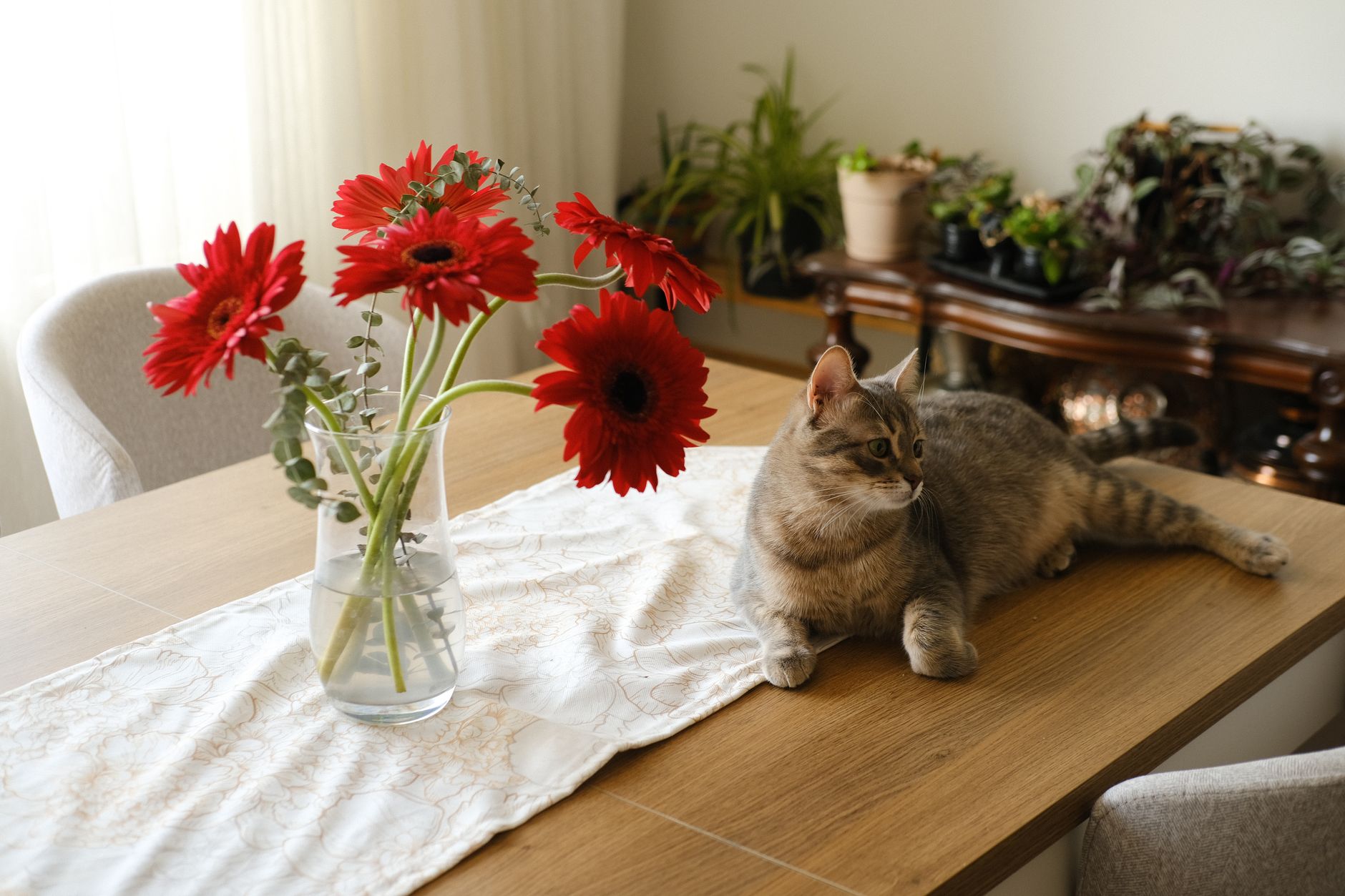
If you own a cat and love flowers, you may wonder whether Gerbera daisies are safe for your feline friend. The answer is reassuring, but correct identification is essential since many other flowers called “daisy” are toxic.
Key Takeaways
- Gerbera daisies are non-toxic to cats: The ASPCA lists Gerbera jamesonii as non-toxic to cats, dogs, and horses. Unlike chrysanthemums, Shasta daisies, or English daisies, Gerbera daisies do not contain compounds known to cause poisoning.
- Not all daisies are equal — identification is key: “Daisy” describes a flower shape, not a single plant family. Many toxic flowers share the daisy shape but contain harmful compounds like pyrethrins. Always verify the scientific name.
- If your cat eats a Gerbera daisy, watch for mild stomach upset: Non-toxic does not mean edible. Small amounts may cause temporary vomiting or diarrhea, but serious poisoning is not expected. If you can’t confirm the flower is a Gerbera, contact your veterinarian.
- Order cat-safe bouquets by name: Request non-toxic varieties like Gerbera daisies, roses, sunflowers, snapdragons, freesias, and orchids. Avoid lilies, chrysanthemums, tulips, daffodils, and any flower labeled simply as “daisy.”
- Dried flowers retain their toxicity: The drying process does not break down toxic compounds. Dried chrysanthemums and other toxic daisies remain dangerous.
- Always check the scientific name on plant tags: Common names can be misleading; a “daisy” at the nursery may not be a Gerbera at all.
The Straight Answer: Gerbera Daisies Are Non-Toxic to Cats
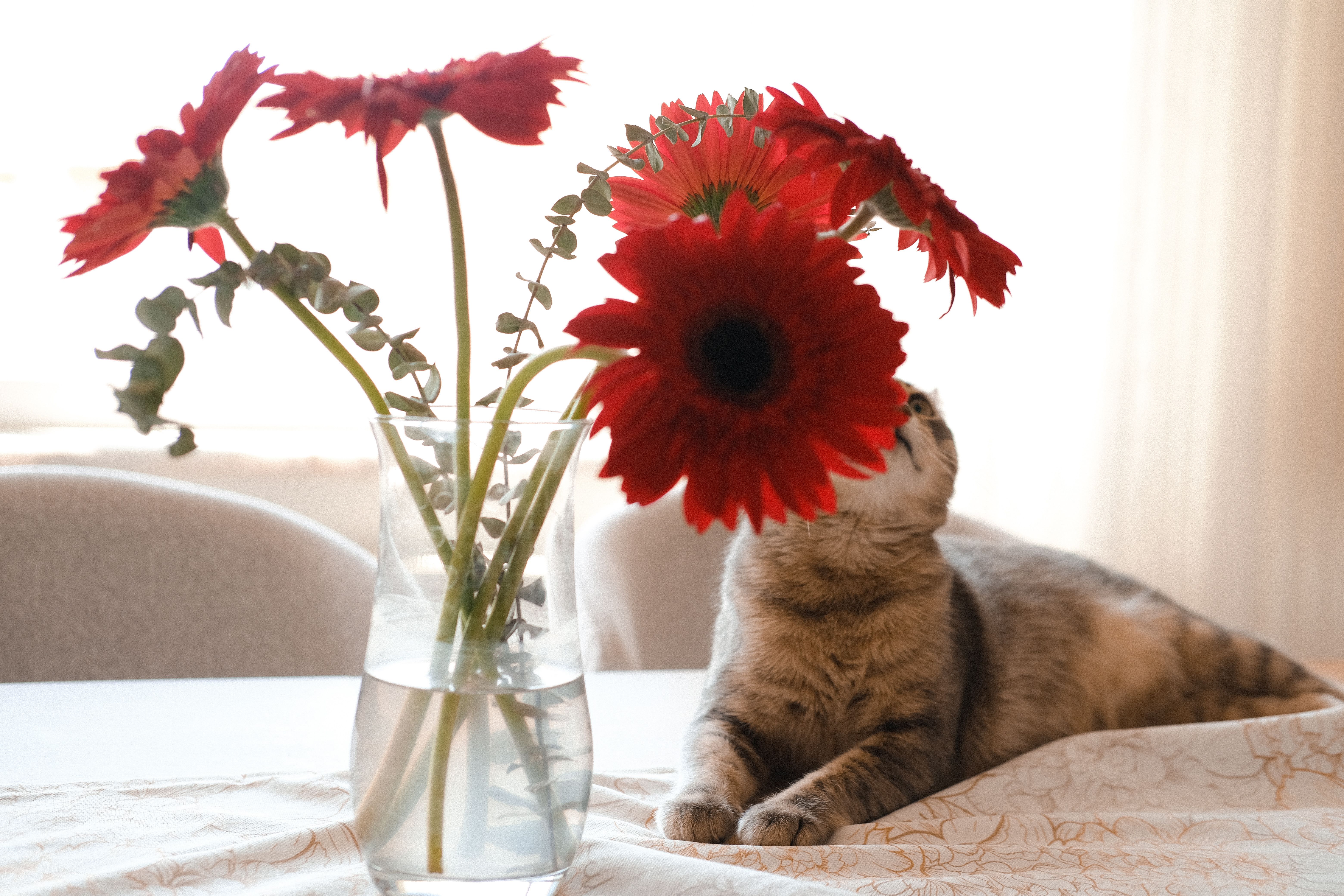
Gerbera daisies (Gerbera jamesonii) do not contain compounds known to cause poisoning in cats. The ASPCA lists them as non-toxic to cats, dogs, and horses, placing them in the safest category for pet owners. However, any plant material can cause mild digestive upset in cats, especially if eaten in larger amounts.
Gerbera daisies lack pyrethrins, sesquiterpene lactones, and other irritant compounds that affect the feline nervous system. Cats lack certain liver enzymes needed to process these toxins, making them especially vulnerable to chrysanthemums and true daisies. Because Gerberas do not produce these chemicals, they pose no poisoning risk even if a curious cat nibbles on a petal or leaf.
Still, keep any houseplant out of reach. Cats are obligate carnivores; their digestive systems are not designed to break down large amounts of plant fiber. Eating a whole Gerbera flower head may lead to mild transient vomiting or soft stools, but these symptoms are self-limiting and rarely require veterinary intervention.
Why Many People Think Gerbera Daisies Are Poisonous
The word “daisy” is used loosely for many flowers with a central disk and ray petals, but toxicity varies dramatically. Chrysanthemums contain pyrethrins, which are neurotoxic to cats and can cause drooling, tremors, and incoordination. Warnings about toxic daisies typically apply to Shasta or English daisies, not Gerberas.
Some florists and garden centers label any daisy-shaped flower as “daisy” without specifying the genus. Social media posts warning about “daisies being toxic to cats” often fail to distinguish between varieties. As a result, cat owners may reflexively avoid all daisies, missing out on a perfectly safe flower.
Always ask for the botanical name. If you see “Gerbera” or “Gerbera jamesonii” on the tag, it is safe. If the label only says “mixed daisies,” assume it may contain toxic species.
What Happens If Your Cat Eats a Gerbera Daisy?
The most likely outcome is mild digestive upset such as vomiting or diarrhea, usually short-lived. If your cat eats a large amount, watch for loss of appetite, drooling, or lethargy. Mild dehydration from vomiting can usually be managed by offering fresh water.
For confirmed Gerbera ingestion, no specific treatment is needed. Remove remaining plant material and offer a bland diet (boiled chicken and rice) for 24 hours. If symptoms persist beyond 24 hours, or if your cat seems unusually depressed, contact your veterinarian. Cats with pre-existing conditions like kidney disease may be more sensitive to any foreign plant material.
If you suspect your cat has eaten a chrysanthemum or another toxic daisy, symptoms can escalate quickly. Pyrethrin poisoning may cause muscle tremors, hyperexcitability, or seizures—immediate veterinary care is critical.
Gerbera Daisy vs. Toxic Daisies: How to Tell the Difference
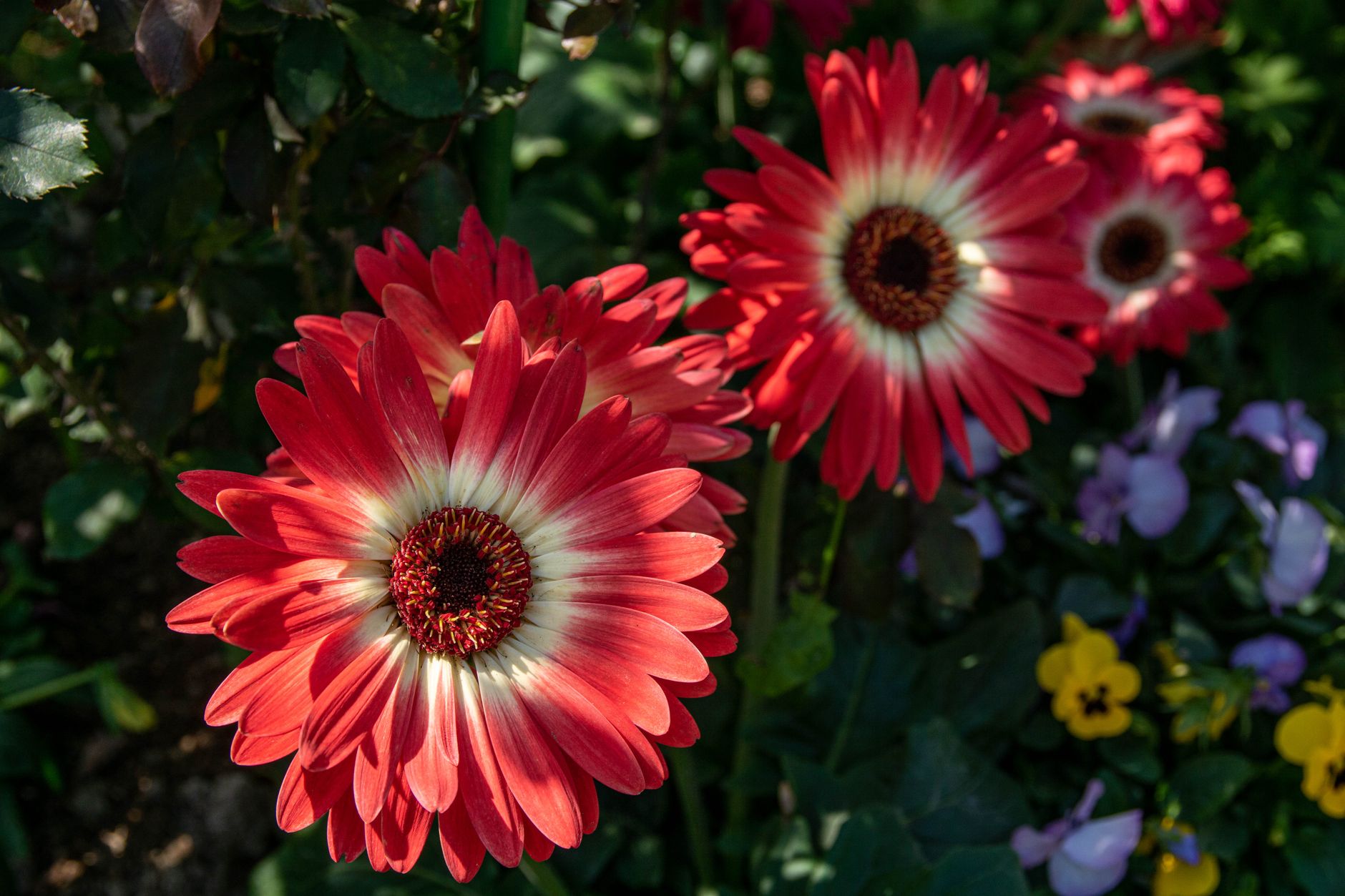
How to Identify a Gerbera Daisy vs. a Toxic Daisy (Visual Guide)
Gerbera daisies are large (3–5 inches across) with thick, velvety, wide petals that often have a slight sheen. The center disk is large, fuzzy, and often a contrasting color such as dark brown, black, green, or deep burgundy. Stems are thick, leafless, and hairy. Leaves grow only at the base in a rosette pattern and are lobed or toothed.
Toxic daisies like Shasta (Leucanthemum x superbum) or English daisies (Bellis perennis) have smaller flowers (1–2 inches), narrower petals, a bright yellow center that is smooth, and thin stems with small leaves growing along the stem. Chrysanthemums lack the thick, fuzzy center of a Gerbera and have distinct lobed leaves arranged alternately up the stem.
When in doubt, look at the stem: Gerbera stems are thick, hollow, and covered with fine hairs—no other common bouquet daisy has this combination.
Daisies That May Be Toxic to Cats
- Chrysanthemum (Chrysanthemum morifolium) – Contains pyrethrins affecting the nervous system. Even small amounts can cause drooling, vomiting, and incoordination.
- Shasta daisy (Leucanthemum x superbum) – Causes vomiting, diarrhea, and drooling. More severe cases may lead to depression.
- English daisy (Bellis perennis) – Can cause gastrointestinal upset; toxicity is generally mild.
- Oxeye daisy (Leucanthemum vulgare) – Similar toxicity to Shasta daisy; common in wildflower mixes.
- Marguerite daisy (Argyranthemum frutescens) – Contains pyrethrin-like compounds; can cause skin irritation and digestive upset.
“African daisy” may refer to Gerbera jamesonii but also to Osteospermum—always check the scientific name.
Why the Confusion Exists and How to Avoid It
The loose use of “daisy” for many flower genera causes confusion. Mixed bouquets often contain both safe and toxic daisy-like flowers. To avoid confusion: ask for the scientific name when purchasing flowers, use the ASPCA Poisonous Plants list to verify each species, and explicitly request a “cat-safe arrangement” when ordering a bouquet. If you receive a bouquet as a gift, ask the giver for a list of flowers included.
My Cat Ate a Daisy – What Should I Do Right Now?
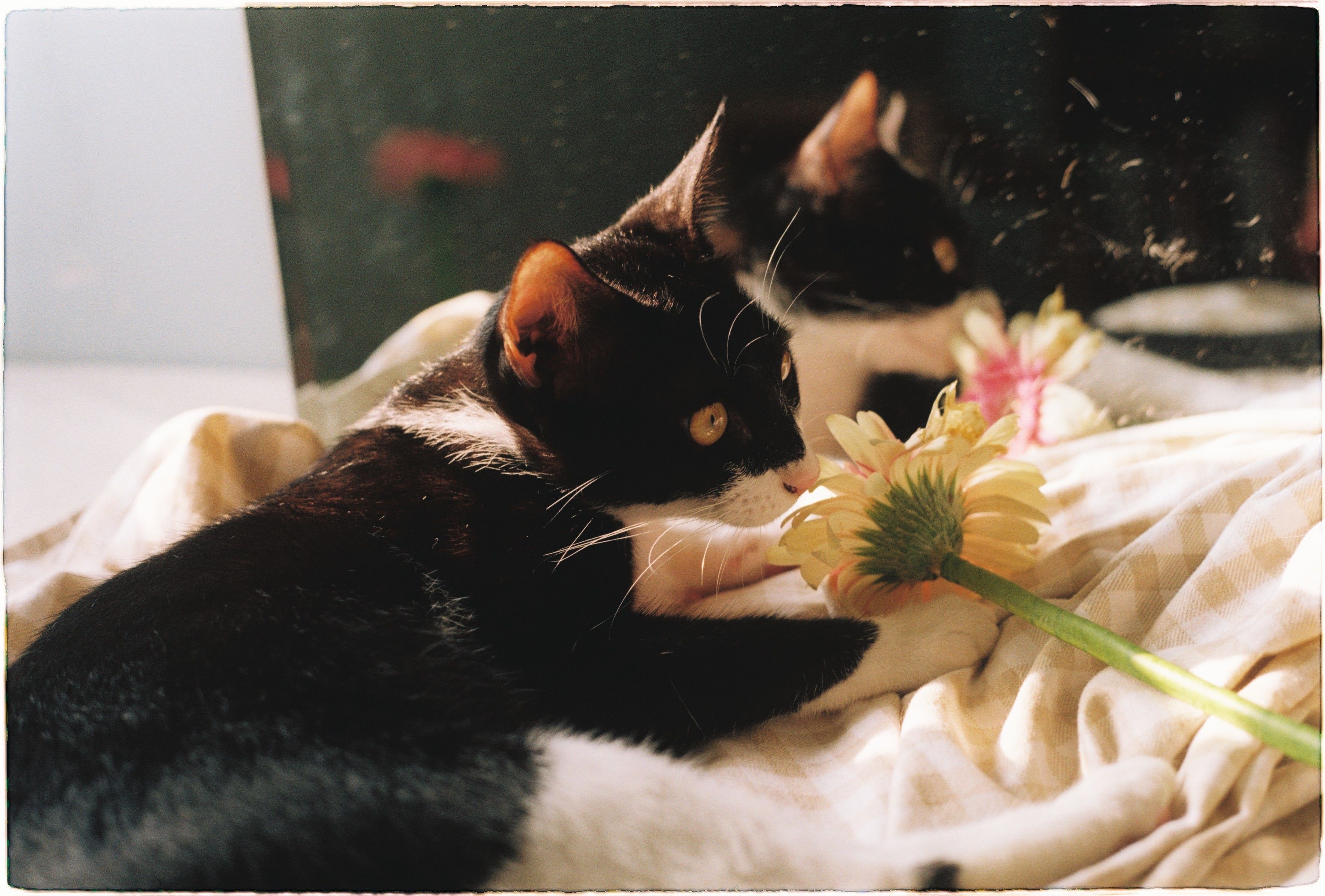
Step 1: Remove the Flower and Save a Sample
Take the flower away from your cat immediately. Save a sample of the flower head, leaf, and stem in a sealed plastic bag, along with any packaging or tags. Take a clear photo of the entire plant.
Step 2: Identify Whether It Is Gerbera or Another Daisy
Check the florist label for the scientific name. Compare the flower to the visual features described above. Use a plant identification app like iNaturalist to narrow down the genus. If you can’t confirm it’s a Gerbera, treat it as potentially toxic.
Step 3: Watch for Symptoms and Call a Vet When Unsure
Monitor your cat for 12–24 hours. Symptoms of toxicity from non-Gerbera daisies include vomiting, diarrhea, drooling, lethargy, incoordination, tremors, or skin irritation. If any appear—or if you cannot identify the flower—call your veterinarian, ASPCA Animal Poison Control (888-426-4435), or Pet Poison Helpline (855-764-7661). Do not induce vomiting unless instructed. For a small amount of confirmed Gerbera, watchful waiting is sufficient. If your cat shows severe symptoms such as seizures or difficulty breathing, go to the nearest emergency clinic immediately.
How to Choose Cat-Safe Flowers for Your Home
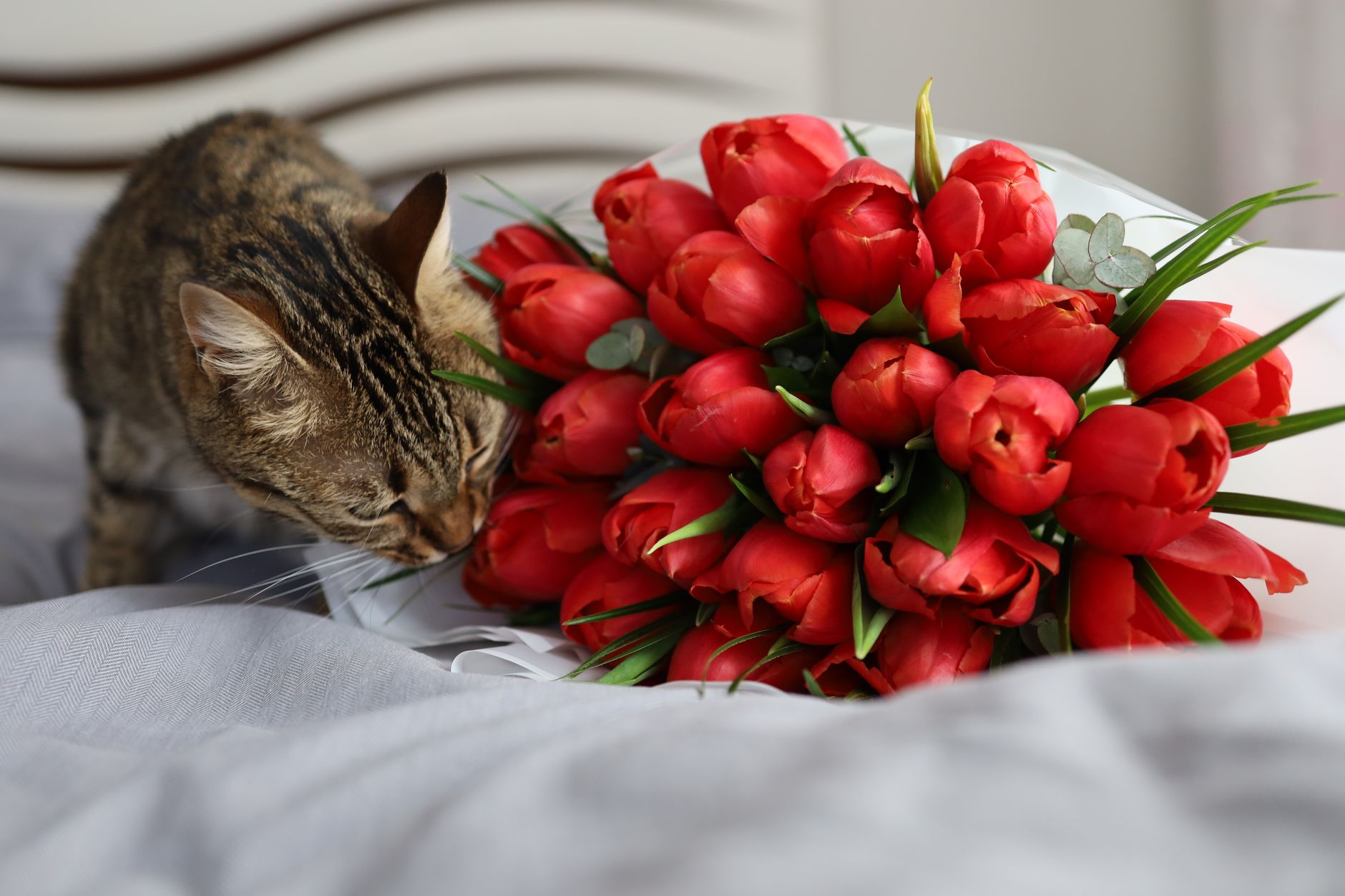
How to Ask a Florist for a Cat-Safe Bouquet
When ordering flowers, be explicit: “I have a cat and need an arrangement with only flowers non-toxic to cats.” Name safe options like Gerbera daisies, roses, sunflowers, snapdragons, freesias, orchids, alstroemeria, and zinnias. List flowers to avoid: lilies (all types—highly toxic, even pollen can cause kidney failure), chrysanthemums, tulips, daffodils, hyacinths, oleander, azaleas, and baby’s breath. Ask the florist to double-check scientific names. Some online services now offer “pet-friendly” filters.
Quick-Reference Table: Common Bouquet Flowers That Are Safe vs. Toxic for Cats
| Safe for Cats (Non-Toxic) | Toxic for Cats |
|---|---|
| Gerbera daisy | Lily (all types – highly toxic) |
| Rose | Tulip (bulbs most toxic) |
| Sunflower | Chrysanthemum |
| Snapdragon | Daffodil |
| Orchid | Hyacinth |
| Freesia | Oleander |
| Alstroemeria | Azalea |
| Solidaster | Peace lily |
| Stock | Baby’s breath |
| Zinnia | Iris |
| Vinca | Sago palm |
| Aster | Gladiolus |
| Celosia | Hydrangea |
| Lisianthus | Amaryllis |
| Limonium (statice) | Foxglove |
Note: Toxicity varies by amount ingested and individual cat sensitivity. Lilies are particularly dangerous—even pollen or vase water can be fatal.
Are Dried or Preserved Flowers Still Toxic to Cats?
Yes, drying does not break down toxic compounds. Dried chrysanthemums still contain pyrethrins, and dried lilies remain dangerous. Gerbera daisies stay safe when dried, but any dried plant material can cause mild stomach upset if eaten. Dried flowers may also have preservatives or dyes. Keep dried arrangements out of reach.
Conclusion
Gerbera daisies are a safe, vibrant choice for cat owners, provided you correctly identify them and distinguish them from toxic look-alikes. By learning to recognize the visual differences, knowing what to do if your cat eats a flower, and taking proactive steps when ordering bouquets, you can enjoy a pet-friendly home filled with color. Always keep emergency contacts handy and never hesitate to call a veterinarian if unsure about a plant’s safety.
FAQ
Are Gerbera daisies safe for cats?
Yes, Gerbera daisies (Gerbera jamesonii) are non-toxic to cats according to the ASPCA. They do not contain the pyrethrins or other toxins found in chrysanthemums and true daisies. However, any plant material can cause mild digestive upset if eaten in large quantities.
What happens if a cat eats a Gerbera daisy?
Most cats show no serious effects. Some may have mild vomiting or diarrhea, especially after eating a large amount. Symptoms usually resolve within 24 hours without treatment. Offer fresh water and a bland diet if needed. If symptoms persist longer than 24 hours, or if your cat shows lethargy or dehydration, contact your veterinarian.
How can I tell if a daisy in my bouquet is a Gerbera or a toxic variety?
Gerbera daisies have large, thick petals (3–5 inches across), a fuzzy, often dark center disk, and thick, hairy, leafless stems. Toxic daisies like Shasta or English daisies are smaller (1–2 inches) with narrow petals, a smooth yellow center, and thin stems with leaves along the stem. Check the florist label for Gerbera jamesonii—safe. If in doubt, treat as potentially toxic.
Are dried Gerbera daisies still safe for cats?
Yes, dried Gerbera daisies remain non-toxic. However, any dried plant material can cause mild stomach irritation, and dried flowers may contain preservatives or dyes. Keep dried arrangements out of your cat’s reach.
Sources
- ASPCA Animal Poison Control: Toxic and Non-Toxic Plants List (aspca.org/pet-care/animal-poison-control/toxic-and-non-toxic-plants)
- Pet Poison Helpline: Plant Toxicity Information (petpoisonhelpline.com)
- American Veterinary Medical Association: Pet-Safe Plants (avma.org)
- Gerbera jamesonii entry, ASPCA Non-Toxic Plants Database
- Chrysanthemum morifolium entry, ASPCA Toxic Plants Database
- Leucanthemum x superbum (Shasta daisy) entry, Pet Poison Helpline
- Bellis perennis (English daisy) entry, Merck Veterinary Manual
Did you find this post helpful?
A little support goes a long way in helping me create more free, in-depth content like this.